
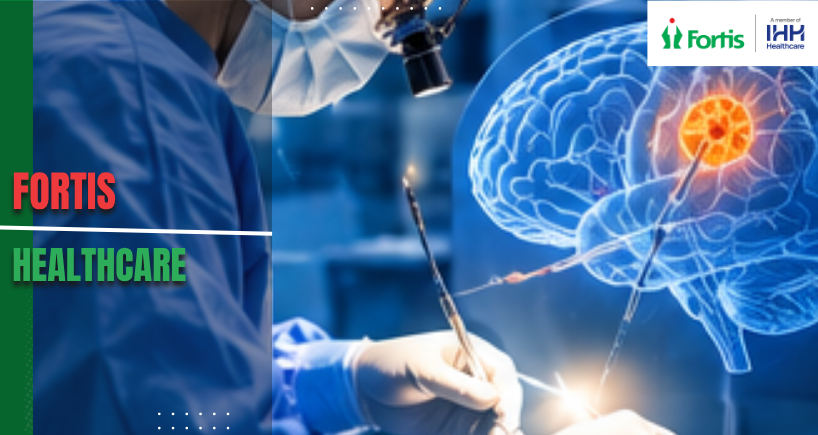


Which Hospital Provides the Best Neurosurgery Treatment in India?
Neurosurgery involves some of the most complex procedures in modern medicine because the brain, spinal cord and nerves control many essential functions of the body. When surgery is recommended, patients and families naturally want to find a hospital with experienced specialists, advanced diagnostic facilities and comprehensive postoperative care.
For people searching for the best neurosurgery treatment in India, there is no single hospital that is necessarily the right choice for every condition. The appropriate centre depends on the patient's diagnosis, the complexity of the procedure, the experience of the neurosurgical team and the supporting facilities available.
Understanding these factors can help patients make a more informed decision about where to seek treatment.
Evaluating Diagnostic Imaging and Surgical Planning
Accurate diagnosis and detailed surgical planning are fundamental to neurosurgical care.
Depending on the condition, doctors may use investigations such as:
- Magnetic resonance imaging (MRI)
- Computed tomography (CT)
- CT or MR angiography
- Digital subtraction angiography for selected vascular conditions
- Functional or specialised imaging when clinically appropriate
- Electrophysiological tests for certain nerve and spinal conditions
These investigations help the neurosurgical team understand the location and characteristics of a tumour, blood-vessel abnormality, spinal problem or other neurological condition.
Advanced imaging can also assist surgeons in planning an approach that addresses the problem while attempting to protect important surrounding structures.
What Should You Look for in a Neurosurgery Hospital?
Instead of relying solely on a hospital's reputation, patients can evaluate several practical aspects of its neurosurgical services.
Important factors may include:
- Experienced neurosurgeons with expertise relevant to the patient's condition
- Advanced neuroimaging facilities
- Neurocritical care and intensive care support
- Neuroanaesthesia services
- Neurology and neuroradiology support
- Access to minimally invasive or endovascular procedures where appropriate
- Rehabilitation services
- Emergency neurosurgical care
- Multidisciplinary treatment planning
For complex conditions, access to several related specialties can be particularly valuable because some patients require input from neurology, oncology, interventional neuroradiology, radiation oncology or rehabilitation specialists.
Understanding Modern and Technology-Assisted Neurosurgery
Modern neurosurgery may involve technologies that help surgeons visualise and navigate delicate anatomical structures.
Depending on the procedure, these can include surgical navigation systems, intraoperative imaging, microscopic techniques, endoscopy and other specialised technologies.
Robotic technology has applications in certain areas of medicine, but it should not be assumed that robotic surgery is appropriate or superior for every brain or spinal procedure.
In neurosurgery, the surgeon remains responsible for planning and performing the procedure, while technology can provide additional visualisation, navigation or precision.
Patients should ask whether the technology available at a hospital is specifically relevant to their diagnosis rather than selecting a centre simply because it advertises advanced equipment.
Treating Brain Tumours
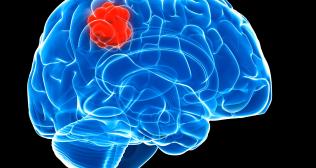
Neurosurgery may play an important role in the diagnosis and treatment of brain tumours.
The surgical approach depends on factors such as:
- Tumour type
- Size and location
- Growth pattern
- Relationship to important brain structures
- Symptoms
- Overall health
- Whether additional treatments such as radiation or systemic therapy are required
For some tumours, surgery may aim for maximal safe removal. Complete removal is not always possible or appropriate if the tumour is close to areas responsible for critical functions such as speech, movement or vision.
In selected cases, surgery may also provide tissue for pathological and molecular testing, which can help guide further treatment.
Addressing Cerebrovascular Conditions
Neurosurgical and neurointerventional teams also treat conditions involving the blood vessels of the brain.
A brain aneurysm, for example, may be treated using surgical clipping, endovascular coiling or other endovascular techniques depending on its size, location, anatomy and the patient's clinical situation.
The goal is to reduce the risk of bleeding or other complications while preserving normal blood flow to the brain.
Not every aneurysm requires immediate treatment. Some may be monitored depending on their individual risk profile.
Patients with suspected or confirmed cerebrovascular disease should therefore receive an assessment from an appropriately experienced specialist team.
Managing Spinal Nerve Compression
Neurosurgery also includes the treatment of certain conditions affecting the spine and spinal cord.
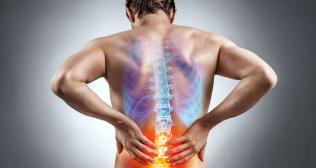
A slipped or herniated disc, spinal stenosis or another structural problem may compress a nerve or the spinal cord and cause symptoms such as:
- Back or neck pain
- Pain radiating into the arms or legs
- Numbness
- Tingling
- Muscle weakness
- Difficulty walking in more severe cases
When conservative treatment does not provide adequate relief or neurological compression is significant, surgery may be considered.
Procedures such as decompression can relieve pressure on affected nerves or the spinal cord. However, recovery depends on the cause, duration and severity of nerve compression. Surgery does not guarantee complete or immediate recovery of sensation, strength or pain.
Understanding Neurosurgical Outcomes
There is no universal success rate for neurosurgery.
Outcomes depend on:
- The underlying neurological condition
- Location and size of the lesion
- Severity of symptoms
- Patient's age and general health
- Type of procedure
- Experience of the treating team
- Presence of complications
- Rehabilitation after surgery
For this reason, patients should ask their neurosurgeon about the expected benefits, potential risks, alternatives and likely recovery timeline for their specific procedure rather than relying on a general success percentage.
The Importance of Neurocritical and Postoperative Care
Neurosurgical treatment does not end when the operation is completed.
Some patients require close monitoring in an intensive care or specialised neurological care unit following surgery. Doctors monitor neurological status, blood pressure, breathing, fluid balance and other important parameters.
Depending on the condition and procedure, postoperative care may involve neurologists, physiotherapists, occupational therapists, speech and language therapists or other rehabilitation specialists.
Early rehabilitation may help patients work toward improving strength, coordination, mobility, communication or independence when these functions have been affected.
Choosing a Neurosurgery Hospital in India
When comparing hospitals for neurosurgical treatment in India, patients may consider the following questions:
- Does the hospital have specialists experienced in treating my specific condition?
- Are advanced imaging and diagnostic facilities available?
- Is neurocritical care available if complications or intensive monitoring are required?
- Does the hospital offer both surgical and non-surgical treatment options where appropriate?
- Is endovascular treatment available for relevant cerebrovascular conditions?
- Are rehabilitation services available after surgery?
- Can multiple specialists collaborate on complex cases?
- Will the surgeon explain the expected benefits, risks and alternatives?
These factors can provide a more meaningful basis for evaluating a hospital than a general "best hospital" label.
Maintaining Long-Term Neurological Health
Recovery from neurosurgery can continue for weeks or months depending on the procedure and the patient's condition.
Patients may need regular follow-up appointments, repeat imaging, medication adjustments and rehabilitation. Physical therapy can help improve mobility, strength and coordination when appropriate, while occupational or speech therapy may be recommended for specific neurological difficulties.
Patients should also follow restrictions regarding driving, work, lifting, exercise and other activities until their medical team considers them safe.
Final Thoughts
Finding the right hospital for neurosurgical treatment requires consideration of more than advanced equipment or general reputation. The most appropriate centre is one that has relevant expertise in the patient's particular neurological condition and provides comprehensive diagnostic, surgical, critical-care and rehabilitation support.
Whether the treatment involves a brain tumour, aneurysm, spinal compression or another neurological disorder, patients should discuss their diagnosis and treatment options with an experienced neurosurgical team.
A detailed evaluation can help determine whether surgery is appropriate, what the procedure is intended to achieve and what patients can realistically expect during recovery.
Categories
Clear allRelated Blogs
View all

Head Injury: Better Be Safe Than Sorry
Traumatic Brain Injury: Symptoms, Causes and Management

FAQs

Keep track of your appointments, get updates & more!

