



Who is at Risk Understanding Vulnerability to Silent Heart Attacks
In our mind, a heart attack is always something dreadful that causes severe chest pain, excessive sweating and a near-fatal dash to the hospital. Nevertheless, what happens when a heart attack happens without such symptoms? This is the truth of a silent heart attack, a disease that comes in quietly and may only be diagnosed at a much later date with screenings or tests. The characteristic of a silent attack and the relation between symptoms and causes or the people vulnerable to this condition can help save lives.
What is a silent heart attack?
When we talk of a heart attack, we are likely to think of the classic signs of a heart attack, including excruciating chest pain and plenty of sweating, and being rushed to the nearest hospital. Nevertheless, what happens when a heart attack happens without such symptoms? This is the truth of a silent heart attack, a disease that comes in quietly and may only be diagnosed at a much later date with screenings or tests. The characteristic of a silent attack and the relation between symptoms and causes or the people vulnerable to this condition can help save lives.
Silent attack symptoms
Unnoticed, or rather silent, heart attacks are very common. Symptoms may be so vague or hardly distinguishable from ordinary diseases that they are often overlooked. Common signs include:
- Frequent slight pain, which is usually localised to the chest, arms or jaw
- Breathlessness or tiredness, which is different from the ‘normal’ way a person feels while walking or climbing stairs
- Upset stomach or someone thinking they may have contracted a severe case of ‘flu’
- Light-headedness or dizziness
The fact that these symptoms could be causes of other diseases and are not very specific, the majority of these individuals fail to seek medical treatment until major heart problems develop.
Causes of silent attacks
The predisposing factors that go with silent attacks are similar to those found in other forms of heart attack. These include:
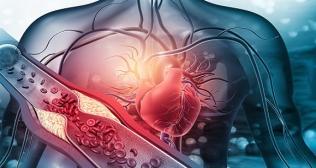
- Blocked coronary arteries: Plaque formation in the arteries decreases the blood supply to the heart as well as the oxygen supply.
- High blood pressure: This gradually affects the arteries and puts a lot of pressure on the heart that it is supposed to.
- Diabetes: Hyperglycaemia contributes to blood vessel inflammation and damage.
- Lifestyle factors: They include poor diet, smoking, chronic stress and lack of physical activity.
Knowledge of these causes can go a long way toward preventing these factors from affecting an individual’s heart negatively.
Silent attack in diabetes
One more consequence of diabetes, which makes the condition even worse, is the particularly elevated probability of suffering from silent myocardial infarction. Diabetic neuropathy is a disease related to nerve injury due to high blood sugar levels, and one of its effects is the feeling of loss of pain. As a result, people with diabetes cannot easily feel the signs of a silent heart attack. Also, diabetes worsens and speeds up the deposit of fats and cholesterol in the arteries (atherosclerosis), raising the chances of a heart attack.
Who is at risk?
- Older adults: Individuals have higher risks of developing heart diseases and ‘silent’ heart attacks as they age.
- People with diabetes: People with diabetic kidney disease are at higher risk.
- Women: More often than not, women will not suspect that their symptoms are a sign of a heart attack because these signs are atypical and can include fatigue and upset stomach, which signifies a silent heart attack.
- Individuals with a family history of heart disease: It can be affirmed that genetics have a definitely important influence on cardiovascular health.
- Smokers: It is alarming that cigarette smoking damages our blood vessels and speeds up plaque, a substance that causes blocked arteries.
Prevention and early detection
Regular check-ups: People diagnosed with heart diseases should undergo medical tests which show early symptoms of the disease.
Control diabetes: Diabetes type and management: New and unexpected silent myocardial infarctions do not see a reduction of chance in diabetic patients.
Healthy diet: Cardiovascular health benefits from the adoption of a diet comprising fruits, vegetables, whole grains and lean meats.
Exercise regularly: Exercise enhances the cardiovascular system and increases blood circulation.
Quit smoking: Quitting smoking decreases the risk of heart diseases by a larger margin.
Conclusion
A ‘silent’ attack is also dangerous because many people with the condition do not experience symptoms until damage is done to their arteries. Silent attack signs, reasons, and causes all play a role in the ability of one to regain control of one’s heart health. People with diabetes and other strands of higher risks should stay most cautious of this eventuality. In addition, through timely detection and adequate early intervention, silent heart attacks are preventable, and the life of the patient will be longer and healthier. Remember, never leave home without scheduling your next visit and making heart-healthier choices—it’s never too soon to begin.
Categories
Clear allRelated Blogs
View all






Keep track of your appointments, get updates & more!

