
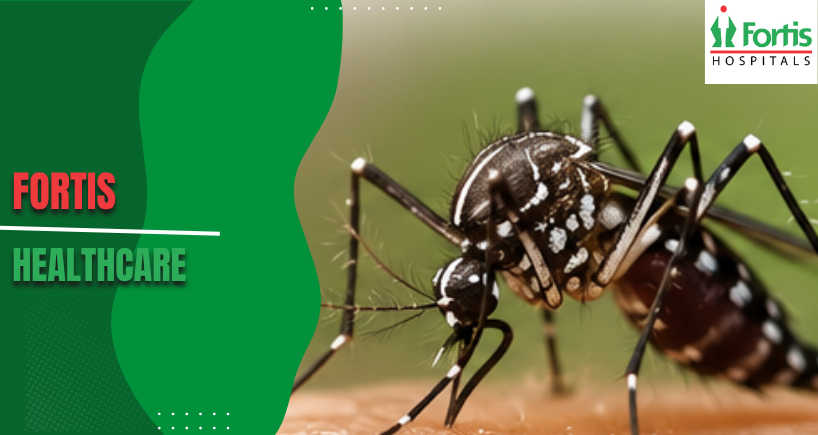


Why Do Diseases Spike Every Monsoon The Science of Stagnant Water and Mosquito Breeding
Every year, the same pattern repeats: as soon as the rains arrive, hospitals see a sharp rise in fevers, stomach infections, and vector-borne illnesses. This isn't coincidence — it's science. Understanding why monsoon diseases spike so predictably can help you take the right precautions before symptoms show up, rather than reacting after the fact.
This guide explains the connection between stagnant water, mosquito breeding prevention, and the broader category of infectious diseases that dominate monsoon health concerns, along with practical preventive healthcare steps.
The Perfect Storm: Why Monsoon Creates a Disease Surge
Monsoon season creates ideal conditions for pathogens to thrive and spread for several overlapping reasons:
- Standing water everywhere — Potholes, construction sites, discarded containers, and clogged drains all become breeding grounds for mosquitoes within days of rainfall.
- Compromised sanitation — Flooding often causes sewage systems to overflow, contaminating drinking water sources with bacteria and parasites.
- Humidity supports pathogen survival — Many bacteria, fungi, and viruses survive longer in humid conditions compared to dry weather.
- Reduced immune resilience — Sudden temperature fluctuations between hot days and cool, wet evenings can temporarily affect immune response.
- Increased indoor crowding — Rain keeps people indoors more often, which can increase transmission of airborne and contact-based illnesses.
Together, these factors explain why infectious diseases — from dengue and malaria to typhoid and cholera — cluster so heavily around monsoon months.
The Science of Mosquito Breeding in Stagnant Water
Mosquitoes need standing water to complete their life cycle, and monsoon rain provides it in abundance. Here's how quickly the cycle works:
- Eggs are laid on the surface of stagnant water — even a bottle cap's worth is enough for some species.
- Larvae hatch within 1–3 days and develop in the water for about a week.
- Pupae form and complete metamorphosis in roughly 2 days.
- Adult mosquitoes emerge and can begin biting — and transmitting disease — within 24–48 hours of emerging.
This means a single overlooked container of stagnant water can produce a new generation of mosquitoes in under two weeks. This rapid cycle is exactly why mosquito breeding prevention needs to be proactive and continuous, not a one-time cleanup.
Effective Mosquito Breeding Prevention Strategies
Since mosquitoes need so little water to breed, prevention has to be thorough and consistent:
- Empty containers weekly — Flower pots, coolers, buckets, and discarded tires should be checked and emptied regularly.
- Cover water storage — Tanks and containers used for storing water should be tightly covered to prevent egg-laying.
- Clear drains and gutters — Blocked drains are a major, often-overlooked breeding site around homes.
- Use larvicide where appropriate — For water that can't be emptied (like ornamental ponds), larvicidal treatments can prevent mosquito development.
- Support community fogging drives — Municipal fogging targets adult mosquito populations and works best alongside individual source-reduction efforts.
Beyond Mosquitoes: Waterborne and Foodborne Risks
Not all monsoon diseases come from mosquitoes. Contaminated water and food are equally significant drivers of illness during this season, contributing to outbreaks of typhoid, cholera, hepatitis A, and leptospirosis. Flooding often mixes sewage with drinking water supplies, while poor food handling in humid conditions accelerates bacterial growth.
This is why comprehensive preventive healthcare during monsoon needs to address both vector control and water/food safety simultaneously — focusing only on mosquitoes leaves a major gap.
Preventive Healthcare Habits for Monsoon Season
A well-rounded approach to preventive healthcare during monsoon includes:
- Safe drinking water — Boil or filter water, and avoid ice or beverages from unreliable sources.
- Food safety — Avoid street food during heavy outbreak periods, and wash produce thoroughly.
- Personal protection — Use mosquito repellents, nets, and full-sleeved clothing during peak biting hours (dawn and dusk).
- Home hygiene — Regularly clean water storage containers and coolers, and keep surroundings free of debris that collects water.
- Vaccination — Where available, vaccines for hepatitis A, typhoid, and other relevant illnesses add an extra layer of protection.
- Prompt medical attention — Don't ignore persistent fever, unusual fatigue, or gastrointestinal symptoms during monsoon; early diagnosis prevents complications.
Why Community Action Matters as Much as Individual Effort
Because mosquitoes and contaminated water don't respect property lines, individual prevention only goes so far. A single neglected water source in a neighborhood can undo dozens of households' prevention efforts. This is why municipal cleanup drives, community fogging, and public awareness campaigns are just as critical as what happens inside individual homes.
Final Thoughts
The monsoon disease spike isn't random — it's a predictable result of stagnant water, humidity, and strained sanitation systems working together. Understanding this science makes prevention feel less like guesswork and more like a targeted strategy: eliminate standing water, protect against mosquito bites, prioritize food and water safety, and support community-level sanitation efforts. Small, consistent actions across a neighborhood can meaningfully reduce the disease burden every monsoon season.
Categories
Clear allRelated Blogs
View all





FAQs

Keep track of your appointments, get updates & more!

