
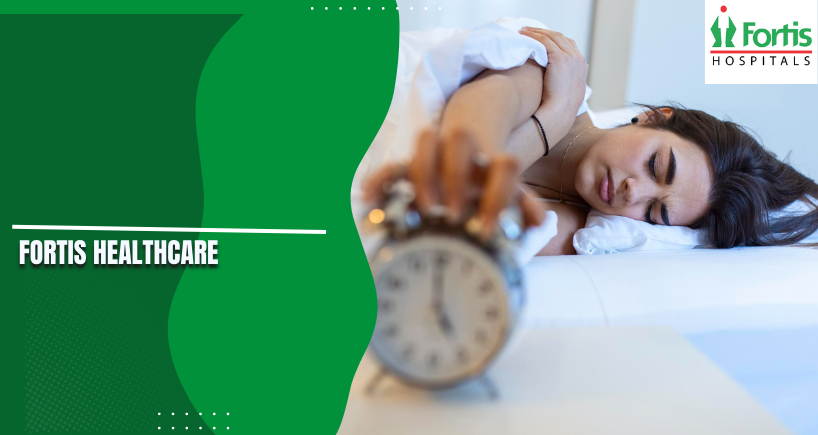


Why do we oversleep and what can be done to stop it?
We all know the feeling. The alarm goes off, you hit snooze, and when you finally surface hours later, you do not feel refreshed. You feel groggy, disoriented, and heavy, as if you have a "sleep hangover." It is one of the great paradoxes of life: what happens if you sleep too much? Logically, more sleep should equal more rest, but all too often, oversleeping leaves you feeling worse.
While an occasional long lie-in on a weekend is a normal way to catch up on lost rest, chronic oversleeping is a different issue. If you consistently find yourself sleeping for more than nine or ten hours a night and still feel exhausted, it is a powerful signal from your body. It is often not a sign of laziness, but a symptom of a deeper, underlying issue. Understanding the oversleeping causes is the first step toward reclaiming your energy and finding out how to avoid oversleep.
What Qualifies as Oversleeping?
Oversleeping, known clinically as hypersomnia, is not just about sleeping in. It is defined in two ways:
Prolonged Sleep: Regularly sleeping for more than nine hours in a 24-hour period.
Daytime Sleepiness: Experiencing causes of excessive sleepiness during the day, even after getting what should be a full night's rest.
The key is that the sleep is unrefreshing. If you sleep for ten hours and wake up feeling fantastic, you might just be a person who naturally needs more sleep. But if you sleep for ten hours and still feel a desperate need for a nap, your body is telling you that the quality of your sleep is poor, not just the quantity.
Common Oversleeping Causes
Your body's drive to oversleep is often a symptom, not the core problem. Here are some of the most common reasons your body might be demanding extra, unrefreshing sleep.
Poor Sleep Quality
This is the most common culprit. Your body is not getting the restorative, deep-sleep cycles it needs, so it tries to compensate by staying asleep longer. The number one cause of poor sleep quality is:
Sleep Apnea: A serious condition where your breathing repeatedly stops and starts throughout the night. These pauses, which can happen dozens or even hundreds of times, constantly pull your brain out of deep, restorative sleep. You might have been "in bed" for nine hours, but your body only got three or four hours of actual rest.
Underlying Medical Conditions
Several physical health issues are known causes of excessive sleepiness:
Hypothyroidism: An underactive thyroid gland slows down your entire metabolism. This can lead to profound fatigue, weight gain, feeling cold, and a constant desire to sleep.
Chronic Pain or Fatigue: Conditions like fibromyalgia or chronic fatigue syndrome are characterized by non-restorative sleep and persistent exhaustion.
Certain Medications: Antihistamines, some antidepressants, pain medications, and muscle relaxants can all have drowsiness and oversleeping as a side effect.
Mental Health Conditions
The link between sleep and mood is a powerful, two-way street.
Depression: While insomnia is a common symptom of depression, oversleeping (atypical depression) is also a major sign. Sleep can become a form of escape, or the chemical changes in the brain can directly cause hypersomnia.
Anxiety and Stress: High levels of stress can fragment your sleep, filling it with micro-awakenings. This poor-quality sleep builds up a "sleep debt" that your body tries to pay off by sleeping longer.
Simple Sleep Debt
The most straightforward cause is simply not getting enough sleep during the week. If you consistently get only five or six hours a night from Monday to Friday, your body will be in a state of significant sleep debt. When the weekend arrives, your body will do everything it can to "catch up," leading to 10 or 12-hour sleep sessions.
What Happens If You Sleep Too Much?
That groggy, disoriented feeling you get after oversleeping has a name: sleep inertia. Your brain's cognitive functions, like decision-making and alertness, do not immediately switch on. This can last for 30 minutes or even a few hours.
More importantly, chronic oversleeping is linked to a number of long-term health risks. It is often difficult to separate the cause from the effect, but studies consistently show a correlation between long sleep durations (over nine hours) and:
Heart Disease
Type 2 Diabetes
Obesity
Headaches
Worsened Depression
It is likely that the underlying causes (like sleep apnea or depression) are the true drivers of these risks, and oversleeping is the symptom.
How to Reduce Oversleep and Recover Your Energy
If you are wondering how to avoid oversleep, the solution is not to fight your body, but to understand what it is asking for. The goal is to improve the quality of your sleep, not just cut the quantity.
Step 1: See Your Doctor
This is the non-negotiable first step. You cannot guess the cause. Talk to your doctor about your fatigue and oversleeping. They will likely:
Run Blood Tests: To check for hypothyroidism, anemia, and vitamin deficiencies.
Screen for Depression: To assess your mental health.
Order a Sleep Study: This is the only way to definitively diagnose sleep apnea.
Step 2: Anchor Your Circadian Rhythm
The single most powerful technique for how to reduce over sleep is to set a consistent wake-up time.
Wake Up at the Same Time Every Day: Yes, even on weekends. This is the "anchor" for your body's internal clock. It will stabilize your circadian rhythm.
Get Morning Light: As soon as you wake up, open the curtains. Get 10-15 minutes of bright, natural light. This sunlight signals to your brain that it is time to be awake and alert.
Step 3: Focus on Sleep Hygiene
Create a bedroom environment and a nightly routine that signals to your body that it is time for quality rest.
Have a "Wind-Down" Routine: An hour before your target bedtime, turn off screens. The blue light from phones and TVs can block melatonin, your sleep hormone. Read a book, take a warm bath, or listen to quiet music.
Create a Sleep Sanctuary: Your bedroom should be dark, quiet, and cool.
Avoid Sleep-Stealers: Limit caffeine after 2 PM and avoid large meals or alcohol right before bed.
Step 4: How to Recover From Sleeping Too Much
If you oversleep and wake up feeling groggy, do not just lie in bed.
Get Up: Force yourself out of bed, even if you feel terrible.
Hydrate: Drink a large glass of water immediately.
Get Light and Move: Open the curtains and go for a 10-minute walk. The combination of light and gentle movement is the fastest way to clear sleep inertia.
Avoid Long Naps: If you are exhausted, a short 20-minute "power nap" is the maximum. Napping for hours will only disrupt your nighttime sleep schedule.
A Proactive Partnership in Your Health
Chronic oversleeping is a signal, not a character flaw. It is your body's way of telling you that it is struggling, either with a sleep disorder, a medical condition, or a significant sleep debt.
Listen to that signal. Instead of fighting for "less" sleep, start working toward "better" sleep. A conversation with your doctor is the first step to identifying the root cause and getting the restorative rest you truly need.
Frequently Asked Questions
Q1. Why do I sleep so much and still feel tired?
Ans. This is the classic sign of poor sleep quality. The most common medical reason is Obstructive Sleep Apnea, where you stop breathing momentarily many times a night, preventing your brain from ever reaching deep, restorative sleep. Other causes include depression and chronic fatigue.
Q2. Can oversleeping actually make you gain weight?
Ans. Yes, there is a strong link. This can be for several reasons: the underlying cause (like hypothyroidism or depression) also causes weight gain, being in bed longer means less time for physical activity, and sleep disruptions can affect the hormones that control your appetite.
Q3. Is it bad to sleep 10-12 hours on the weekend?
Ans. While it feels good, it is a clear sign that you are not getting enough sleep during the week. This is called "social jet lag." It is better than getting no catch-up sleep at all, but a consistent sleep schedule (even on weekends) is far healthier for your long-term metabolic and heart health.
Q4. How long does it take to "fix" an oversleeping problem?
Ans. If it is due to a medical condition like sleep apnea or hypothyroidism, you can start to feel better almost immediately after starting treatment (e.g., using a CPAP machine or taking thyroid medication). If it is a habit or sleep debt, it can take one to two weeks of a strict, consistent wake-up schedule to reset your circadian rhythm.
Categories
Clear allRelated Blogs
View all










Keep track of your appointments, get updates & more!

