
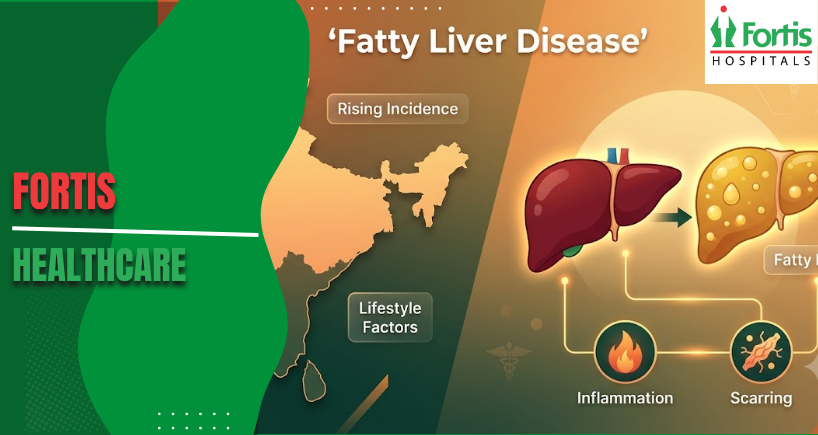


Why Fatty Liver Disease Is Rising Rapidly in India
Fatty liver disease is no longer considered a condition affecting only people who consume excessive alcohol. Across India, doctors are now seeing a growing number of young adults, working professionals, homemakers, and even teenagers being diagnosed with fatty liver disease during routine health check-ups.
The worrying part is that many individuals with fatty liver may not experience noticeable symptoms in the early stages. As a result, the condition often remains undetected for years while silent liver damage gradually progresses.
Rapid lifestyle changes, rising obesity levels, unhealthy eating habits, diabetes, stress, and lack of physical activity are all contributing to the sharp increase in fatty liver disease cases across the country.
What Is Fatty Liver Disease?
Fatty liver disease develops when excess fat starts accumulating inside liver cells.
A small amount of fat in the liver may be normal, but excessive buildup can interfere with liver function and increase inflammation over time.
There are two major types of fatty liver disease:
Non-Alcoholic Fatty Liver Disease (NAFLD)
This occurs in people who drink little or no alcohol and is strongly linked to:
- Obesity
- Diabetes
- High cholesterol
- Sedentary lifestyle
- Metabolic disorders
Alcohol-Related Fatty Liver Disease
This develops due to excessive alcohol consumption that gradually damages liver cells.
Today, non-alcoholic fatty liver disease is becoming one of the most common liver disorders in India.
Why Fatty Liver Disease Is Increasing So Quickly in India
Several modern lifestyle patterns are driving this rise.
Sedentary Urban Lifestyles
A large number of people now spend most of their day sitting.
Long office hours, remote work culture, reduced outdoor activity, and screen-heavy routines have significantly lowered daily physical movement.
Low activity levels contribute to:
- Weight gain
- Poor metabolism
- Increased abdominal fat
- Insulin resistance
All of these factors increase the risk of fatty liver disease.
Rising Obesity Levels
Excess body fat, especially around the abdomen, is one of the strongest risk factors linked to fatty liver disease.
Even individuals who appear only moderately overweight may develop liver fat accumulation if metabolic health is affected.
High Sugar and Processed Food Intake
Modern diets often contain:
- Sugary beverages
- Refined carbohydrates
- Packaged snacks
- Fast food
- Fried foods
- Ultra-processed meals
Excess sugar, especially fructose, can increase fat production inside the liver.
Increasing Diabetes Cases
India continues to witness a major rise in type 2 diabetes and prediabetes.
Poor blood sugar control can increase fat accumulation in the liver and worsen inflammation over time.
Many patients with fatty liver disease are also diagnosed with:
- Diabetes
- High cholesterol
- Hypertension
- Metabolic syndrome
Lack of Routine Health Screening
Fatty liver disease frequently develops silently.
Because symptoms are often absent initially, many individuals only discover the condition during:
- Routine ultrasounds
- Health check-ups
- Blood investigations showing abnormal liver enzymes
Delayed diagnosis allows the condition to progress unnoticed.
Can Fatty Liver Affect Young Adults?
Yes, increasingly so.
Doctors are now diagnosing fatty liver disease in people in their 20s and 30s, particularly among individuals with:
- Sedentary jobs
- Obesity
- Poor dietary habits
- Diabetes
- Lack of exercise
- High stress levels
Children and adolescents with obesity are also showing increasing rates of fatty liver disease.
Symptoms People Commonly Ignore
Many people with fatty liver disease may not notice symptoms initially.
When symptoms appear, they may include:
- Constant fatigue
- Mild discomfort in the upper abdomen
- Bloating
- Low energy levels
- Unexplained weakness
- Difficulty losing weight
Since these symptoms are nonspecific, they are often ignored or linked to routine lifestyle stress.
What Happens If Fatty Liver Disease Is Ignored?
Early fatty liver disease may be reversible, but untreated cases can gradually worsen.
In some individuals, fat accumulation may progress to:
- Liver inflammation
- Non-alcoholic steatohepatitis (NASH)
- Liver fibrosis
- Cirrhosis
- Liver failure
Advanced liver damage may eventually require liver transplantation in severe cases.
Who Is at Higher Risk?
The risk of fatty liver disease increases in people with:
- Obesity
- Diabetes
- High cholesterol
- Hypertension
- PCOS
- Sedentary lifestyle
- Family history of metabolic disease
Even individuals who are not visibly overweight may develop fatty liver if metabolic health is poor.
How Is Fatty Liver Disease Diagnosed?
Doctors may use several methods to assess liver health.
Blood Tests
These help evaluate:
- Liver enzyme levels
- Inflammation markers
- Metabolic health indicators
Ultrasound
Ultrasound is commonly used to detect fat accumulation in the liver.
FibroScan
This non-invasive test helps assess liver stiffness and identify liver scarring or advanced disease.
Additional Investigations
In some cases, doctors may recommend further imaging or specialised tests depending on disease severity.
At Fortis Hospital Delhi, liver specialists use advanced diagnostics and multidisciplinary care approaches to identify fatty liver disease early and personalise treatment plans.
Can Fatty Liver Disease Be Reversed?
In many cases, yes.
Early-stage fatty liver disease often improves significantly with lifestyle modifications and medical management.
The liver has a strong ability to recover if the underlying causes are addressed early.
Lifestyle Changes That Help Improve Fatty Liver
Weight Reduction
Even moderate weight loss can significantly reduce liver fat.
Healthier Eating Habits
Doctors often recommend:
- Reducing sugar intake
- Limiting processed foods
- Avoiding sugary beverages
- Increasing vegetables and fiber
- Choosing balanced meals
Regular Physical Activity
Exercise improves:
- Insulin sensitivity
- Fat metabolism
- Weight management
- Liver health
Managing Diabetes and Cholesterol
Controlling metabolic conditions helps reduce further liver stress.
Limiting Alcohol Intake
Reducing or avoiding alcohol can help prevent additional liver damage.
Why Early Detection Matters
Many people assume liver disease causes obvious symptoms early, but that is often not the case.
Routine health screening becomes important, especially for people with:
- Obesity
- Diabetes
- High cholesterol
- Sedentary lifestyles
- Family history of liver disease
Early diagnosis improves the chances of reversing fatty liver before permanent liver damage develops.
Conclusion
Fatty liver disease is rapidly emerging as one of the most common lifestyle-related liver conditions in India. Changing dietary habits, obesity, diabetes, stress, and reduced physical activity are all contributing to this growing health concern.
The positive aspect is that early-stage fatty liver disease can often be managed successfully through timely diagnosis, lifestyle improvements, and medical guidance. Ignoring the condition, however, may allow silent liver damage to progress over time.
If you have risk factors such as obesity, diabetes, fatigue, or abnormal liver test results, consulting a liver specialist at Fortis Healthcare can help identify the condition early and support long-term liver health.
Categories
Clear allMeet the doctor

- Gastroenterology and Hepatobiliary Sciences | Gastroenterology and Hepatobiliary Sciences
-
 8 Years
-
 1500
1500
Related Blogs
View all
When Is A Liver Transplant Recommended?
Alcoholic Liver Disease - Why Worry?

Binge Drinking Trend Is The New Silent Killer


Irritable Bowel Syndrome

Digestive Disorders And Prevention
FAQs
What causes fatty liver disease?
Common causes include obesity, diabetes, poor diet, physical inactivity, high cholesterol, and excessive alcohol consumption.
Can fatty liver disease affect non-drinkers?
Yes. Non-alcoholic fatty liver disease is extremely common and often linked to metabolic health problems rather than alcohol use.
Is fatty liver disease reversible?
Early-stage fatty liver disease can often improve with lifestyle changes and proper medical care.
Can young adults develop fatty liver?
Yes. Rising obesity, sedentary lifestyles, and unhealthy eating habits are increasing fatty liver cases among younger adults.
How is fatty liver diagnosed?
Doctors may use blood tests, ultrasound, FibroScan, and metabolic assessment to evaluate liver health.

Keep track of your appointments, get updates & more!

