


Why India Is Emerging as a Global Hub for Gamma Knife Surgery in Complex Brain AVMs
Your relative has been diagnosed with a brain arteriovenous malformation, and the prospect of surgery feels terrifying. An AVM is essentially a tangle of blood vessels in the brain that shouldn't be there, and the idea of someone cutting into the skull to fix it naturally creates fear. But there's an option you may not know about that offers hope without the risks of traditional brain surgery. Gamma knife radiosurgery has become increasingly available in India, and the country is now recognized as one of the best places in the world to receive this treatment for complex brain conditions.
Gamma knife surgery in India has transformed how doctors approach arteriovenous malformations and other brain lesions. What makes this development significant is not just the availability of the technology, but the genuine expertise that Indian hospitals have developed to use it effectively. The treatment outcomes are comparable to the best centers in America and Europe, yet the cost is a fraction of what you'd pay overseas. For families considering treatment options for their relatives, understanding why India has become this kind of destination is important for making informed decisions about care.
What Gamma Knife Surgery Actually Is
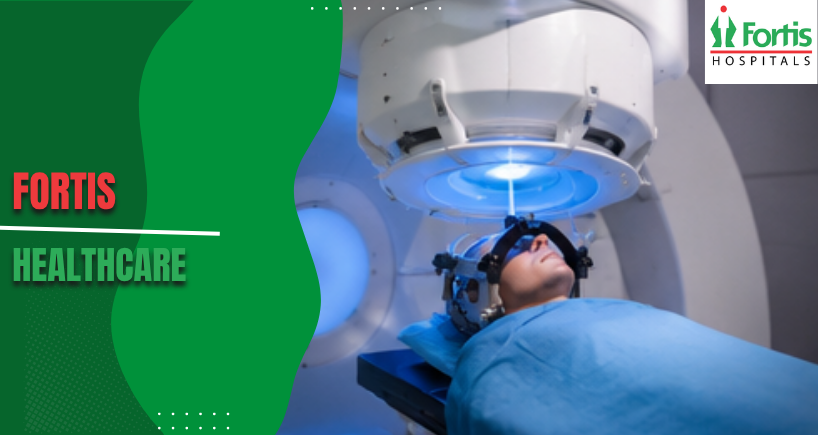
Gamma knife surgery procedure doesn't involve cutting into the skull, despite its name suggesting traditional surgery. Instead, the treatment uses focused radiation beams that converge at a single precise point where the arteriovenous malformation sits. About two hundred individual radiation beams are meticulously calculated to deliver their combined energy at one spot, where they create enough power to damage the abnormal blood vessels. Each individual beam carries such a small amount of radiation that healthy brain tissue around the target receives essentially no harmful dose at all.
The gamma ray knife surgery procedure itself takes approximately one hour from start to finish. Patients remain awake throughout the entire treatment, which surprises many people. There's no pain during the procedure, which is why many patients describe it simply as lying still while the machine repositions itself around their head. After the treatment is complete, patients go home the same day. Recovery doesn't involve the weeks of healing that traditional brain surgery requires, and patients can usually return to normal activities within days rather than months.
Understanding Gamma Ray Surgery Success Rates
The reason gamma ray surgery works so effectively for brain arteriovenous malformations relates to surgical precision. Traditional brain surgery for AVMs carries significant risk because surgeons must navigate deep into the brain tissue to repair or remove the tangled vessels. This means carefully working around delicate brain structures, with inherent risks of bleeding, infection, and damage to healthy surrounding areas. The radiation approach avoids these surgical risks entirely by delivering treatment without any incision.
Research shows that about seventy to eighty percent of brain arteriovenous malformations treated with gamma knife surgery procedure achieve complete closure within two to three years following treatment. When the AVM closes completely, the risk of future life-threatening bleeding drops dramatically. Some patients experience complete closure faster, while others require the full three-year timeline, but the important point is that this happens without requiring brain surgery. Complications are rare, occurring in roughly five to ten percent of patients, and most complications are temporary and manageable with medication.
Why India's Expertise Has Grown So Rapidly
Ten years ago, India didn't have much presence in gamma knife surgery in india programs. Now the country hosts several centers of excellence that genuinely rival the best international facilities in developed nations. The expertise came from Indian doctors who trained internationally in America and Europe, brought back advanced knowledge, and established programs. They brought not just the expensive machines but also the clinical knowledge of how to use them optimally for each patient situation.
The doctors running gamma knife surgery in india programs have international credentials and extensive experience. The equipment is modern, regularly maintained, and of the same quality used in developed nations. Hospital staff are trained to international standards. What distinguishes these centers isn't inferior quality but rather accessibility and affordability. Patients can get world-class treatment without the expense that accompanies treatment in expensive healthcare systems, making quality treatment available to more people.
The Cost Difference That Changes Everything
A gamma knife surgery procedure in the United States typically costs between twenty thousand and forty thousand dollars. In India, the same procedure costs between three thousand and six thousand dollars. The quality of treatment remains identical. The expertise is comparable to international standards. The outcome is the same or better. What changes is the financial burden on families facing this medical crisis.
For an international patient, this cost difference matters tremendously for their life circumstances. It means that families who couldn't afford treatment abroad can now access world-class treatment. It means that insurance coverage might extend to treatment in India when it wouldn't cover private hospitals elsewhere. It means that patients can afford to have family members travel with them during treatment and recovery, providing emotional support during a difficult time. This accessibility removes a significant barrier for many families.
The Experience at Fortis Memorial Research Institute - Gurgaon
Fortis Memorial Research Institute - Gurgaon has invested significantly in gamma knife capabilities specifically because the leadership understands what this technology means for patients and their families. The facility combines modern equipment with experienced neurosurgeons and radiation oncologists who have trained internationally. This combination ensures that patients receive not just the technology but also the expertise to use it optimally for each individual's unique situation.
What distinguishes this center is its comprehensive approach to patient care. Thorough evaluations determine whether each patient is a candidate for gamma knife surgery or whether other treatment approaches might be more appropriate. The team discusses all available options with patients and families before proceeding with any treatment. Once treatment is decided upon, follow-up imaging and clinical evaluation continue for years to assess how well the procedure worked and whether additional treatment is needed.
Understanding the Treatment Planning Process
Before any gamma ray surgery procedure occurs, extensive detailed planning happens behind the scenes. High-resolution MRI and sometimes CT imaging creates three-dimensional maps of the arteriovenous malformation and its relationship to surrounding brain structures. The radiation oncologist uses sophisticated computer software to determine exactly how much radiation each location needs to destroy the abnormal vessels. They calculate where each of the two hundred beams should aim and how long each individual beam should deliver radiation.
This meticulous planning ensures that the malformation receives enough radiation to be effective while surrounding healthy brain tissue receives minimal exposure. The precision is remarkable and technically sophisticated. Individual beams are only millimeters in diameter, yet they converge with extraordinary accuracy at the target location. If planning is done carelessly, surrounding brain tissue could be damaged. If planning is rushed, the radiation might miss the target. This is why experience matters tremendously in successful gamma knife surgery procedure outcomes.
Recovery and Returning to Normal Life
After gamma knife surgery in india treatment, recovery is remarkably quick compared to traditional surgery. Most patients experience no significant side effects whatsoever. Some have mild headaches that respond to over-the-counter pain medication. The vast majority return to work and normal activities within days. There are no stitches, no wound care, no infection risk, no scarring, and no physical therapy required. No brain didn't get cut open, so there's nothing to physically heal in the traditional surgical sense.
Over the following months and years, the arteriovenous malformation gradually shrinks and closes off completely. Patients don't feel this healing process happening. There are no symptoms associated with closure. Doctors monitor the process through periodic MRI imaging to confirm that the malformation is indeed closing and that no complications have developed. This gradual closure is actually advantageous because it means the brain has time to adjust as blood flow patterns change naturally.
Why India's Position Will Continue Strengthening
India's position in gamma knife surgery will likely continue strengthening significantly. More hospitals are establishing programs to meet patient demand. More doctors are seeking specialized training in this specialty. Technology continues improving with better imaging, faster treatment delivery, and more precise targeting. These advances will make outcomes even better and treatment even faster and more accessible.
For families facing arteriovenous malformation decisions, knowing that world-class gamma knife expertise is available in India provides tremendous reassurance and hope. You don't have to travel far from home or deplete family finances to access the best treatment available. This accessibility represents real progress in making advanced medical care available to more people worldwide.
Categories
Clear allRelated Blogs
View all

Head Injury: Better Be Safe Than Sorry
Traumatic Brain Injury: Symptoms, Causes and Management


FAQs

Keep track of your appointments, get updates & more!

