


Why Lung Cancer Is Increasing Among People Who Have Never Smoked
For a long time, lung cancer was almost always linked to smoking. Today, however, doctors are increasingly diagnosing lung cancer in people who have never smoked a cigarette in their lives.
This trend is becoming more noticeable in India, especially in urban areas where pollution levels, environmental exposure, and lifestyle-related health risks continue to rise. Many patients diagnosed with lung cancer are often surprised because they believed the disease only affected smokers.
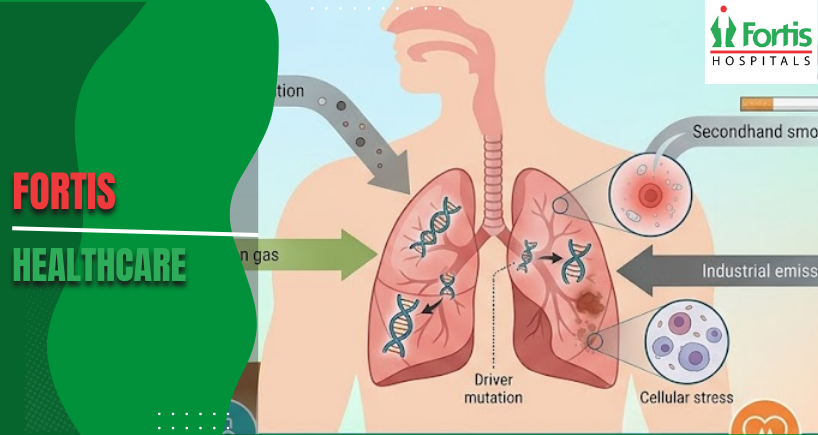
Medical experts now recognise that smoking is not the only factor capable of damaging lung tissue over time. Pollution, indoor smoke, workplace exposure, genetics, and chronic inflammation may also contribute to cancer development in certain individuals.
The challenge is that lung cancer in non-smokers often goes undetected for longer because symptoms are mistaken for allergies, seasonal infections, or routine respiratory problems.
Is Lung Cancer Possible Without Smoking?
Yes, absolutely.
A growing percentage of lung cancer cases worldwide are now being reported in people who have never smoked. In many situations, patients may have unknowingly faced long-term exposure to harmful environmental or biological factors that gradually affected lung health.
Doctors are also finding that some lung cancers seen in non-smokers behave differently from traditional smoking-related cancers and may involve separate genetic changes.
Why Cases Among Non-Smokers Are Increasing
There is no single reason behind this rise. Instead, specialists believe several factors may be working together.
Worsening Air Pollution
Air quality has become a major public health concern in many Indian cities.
People are regularly exposed to:
- Vehicle emissions
- Industrial smoke
- Fine dust particles
- Construction pollution
- Toxic airborne chemicals
Continuous inhalation of polluted air may irritate and inflame lung tissue for years, potentially increasing long-term cancer risk.
Exposure to Passive Smoking
Many non-smokers are still exposed to cigarette smoke indirectly.
This can happen:
- At home
- In workplaces
- In social environments
- Through family members who smoke
Repeated exposure to secondhand smoke may affect lung health even in people who never actively smoke themselves.
Indoor Smoke and Poor Ventilation
Indoor air quality is another overlooked concern.
Smoke generated from:
- Cooking fumes
- Wood-burning stoves
- Coal-based cooking
- Poorly ventilated kitchens
may increase respiratory irritation over time.
In some households, long-term indoor smoke exposure may affect women and elderly family members more significantly.
Genetic and Biological Factors
Certain individuals may have inherited genetic mutations that increase vulnerability to abnormal cell growth in the lungs.
In non-smokers diagnosed with lung cancer, doctors sometimes identify specific mutations that influence how cancer develops and responds to treatment.
Workplace Chemical Exposure
Some occupations involve regular exposure to hazardous substances.
This may include:
- Industrial dust
- Asbestos
- Chemical vapors
- Heavy metals
- Construction-related particles
Long-term occupational exposure can gradually affect respiratory health.
Previous Lung Conditions
People with chronic lung inflammation or existing respiratory diseases may sometimes have increased vulnerability to long-term lung complications.
Why Diagnosis Is Often Delayed in Non-Smokers
One major reason is low awareness.
Most non-smokers do not suspect lung cancer when symptoms begin. Instead, they often assume the problem is related to:
- Pollution
- Allergy
- Viral infection
- Weather changes
- Asthma
- Fatigue
As a result, medical evaluation may get delayed for months.
Early Symptoms That Should Not Be Ignored
Lung cancer symptoms may develop gradually.
Warning signs can include:
- Cough lasting several weeks
- Breathlessness
- Chest heaviness
- Repeated chest infections
- Hoarseness of voice
- Fatigue
- Reduced stamina
- Unexplained weight loss
- Blood while coughing
Even mild symptoms that continue persistently deserve medical attention.
Can Younger Adults Be Affected Too?
Yes.
Although lung cancer is more common with increasing age, doctors are now seeing cases among younger adults as well, including individuals with no smoking history.
Urban pollution, lifestyle changes, delayed diagnosis, and environmental exposure may all play a role in this shift.
How Lung Cancer Is Diagnosed
Doctors usually recommend a combination of investigations based on symptoms and risk profile.
Imaging Tests
These may include:
- Chest X-rays
- CT scans
- PET scans
Bronchoscopy
This procedure helps doctors examine the airways closely.
Biopsy
A tissue sample may be required to confirm the diagnosis.
Molecular Testing
Advanced testing may identify specific genetic mutations that help guide targeted treatment approaches.
At Fortis Hospital Delhi, oncology and pulmonary specialists use advanced imaging technology, molecular diagnostics, and multidisciplinary cancer evaluation to support accurate diagnosis and personalised treatment planning.
Modern Treatment Approaches for Lung Cancer
Treatment depends on:
- Cancer stage
- Tumor type
- Genetic findings
- Overall patient health
Treatment options may include:
- Surgery
- Radiation therapy
- Chemotherapy
- Immunotherapy
- Targeted therapy
Advances in precision medicine are helping improve treatment outcomes in selected patients.
Can Lung Cancer Risk Be Reduced?
Although not every case can be prevented, certain steps may help reduce long-term risk.
Avoid Exposure to Tobacco Smoke
Both smoking and passive smoke exposure should be minimized.
Improve Indoor Air Quality
Better ventilation may help reduce indoor pollutant exposure.
Use Protective Measures at Work
People working in high-risk industries should follow proper respiratory safety protocols.
Prioritise Lung Health
Persistent respiratory symptoms should never be ignored.
Stay Physically Active
Regular exercise supports overall respiratory and metabolic health.
Conclusion
Lung cancer is increasingly affecting people who have never smoked, highlighting the growing impact of pollution, environmental exposure, and changing lifestyle factors on respiratory health.
Because symptoms often resemble common respiratory problems, many patients delay seeking medical attention until the disease has advanced. Awareness and timely evaluation therefore play a critical role in improving outcomes.
If you are experiencing persistent cough, unexplained breathlessness, or ongoing chest discomfort, consulting an oncology or lung specialist at Fortis Healthcare can help ensure early diagnosis and appropriate care.
Categories
Clear allMeet the doctor

- Oncology | Gynaecologic Oncology | Head and Neck Oncosurgery | Oncology | Robotic Surgery | Surgical Oncology
-
 15 Years
-
 1500
1500
Related Blogs
View all









FAQs
Can someone get lung cancer without ever smoking?
Yes. Many lung cancer patients today have no personal smoking history.
What increases lung cancer risk in non-smokers?
Pollution, passive smoking, indoor smoke exposure, workplace chemicals, and genetic factors may all contribute.
What are the early symptoms of lung cancer?
Persistent cough, breathlessness, chest discomfort, fatigue, and unexplained weight loss are some possible warning signs.
Is lung cancer in non-smokers becoming more common?
Doctors across the world are reporting increasing lung cancer cases among non-smokers, especially in polluted urban regions.
When should a persistent cough be medically checked?
A cough lasting several weeks, especially with chest pain, fatigue, or breathing difficulty, should be evaluated by a doctor.

Keep track of your appointments, get updates & more!

