
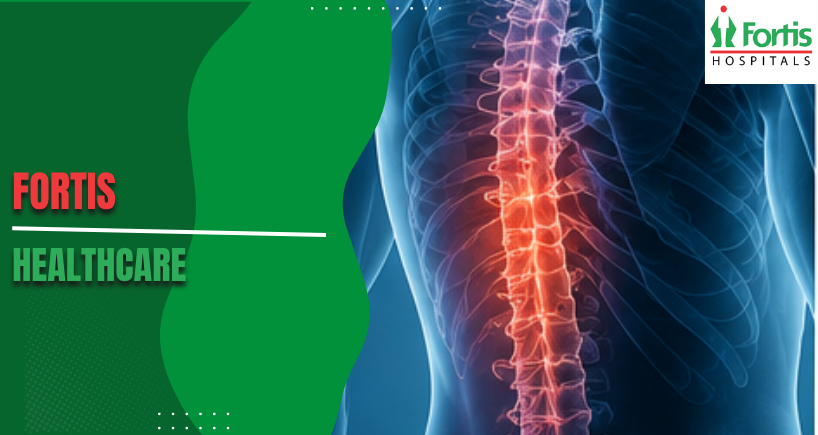


Why Proton Therapy Is Ideal for Tumors Near the Spinal Cord
When your oncologist mentions a tumor sitting close to your spinal cord, things get serious fast. Your spine controls so much of what your body does that any damage could change everything. Proton therapy offers a real solution here, treating cancer aggressively while keeping your nerves intact.
The Problem with Regular Radiation
Traditional radiation uses X-rays that pass completely through your body. They hit the tumor, but they don't stop there. When the spinal cord sits on the other side, doctors face a tough call. The cord can only handle so much radiation before myelopathy sets in, which might cause weakness, numbness, or worse.
This forces oncologists to sometimes use lower doses than they'd prefer. Lower doses mean less tumor control. It becomes this balancing act between treating cancer and avoiding permanent nerve damage that nobody wants.
How Proton Treatment Works Differently
Proton treatment operates on completely different physics. Protons dump most of their energy at a specific depth doctors can control. After releasing that energy into the tumor, they just stop. No exit dose hitting the spinal cord behind it.
For tumors next to the spine, this matters enormously. The proton therapy beam shapes itself to the tumor and stops right at the edge. Your spinal cord sitting millimeters away gets far less radiation. Oncologists can use higher doses, improving control without exceeding what your nerves can tolerate.
Which Tumors Benefit Most
Chordomas growing at the skull base or sacrum need high-dose radiation but sit dangerously close to neural tissue. Proton treatment for prostate cancer techniques work beautifully here since precise targeting matters more than anything else.
Paraspinal sarcomas, nerve sheath tumors, and spinal metastases all benefit from this precision. Even benign meningiomas pressing against the cord warrant proton treatment consideration. The goal is not just killing the tumor but doing it without creating new problems.
Kids with spinal tumors represent an especially important group. Their developing nervous systems handle radiation poorly, and they have decades ahead where late effects might show up. Minimizing dose to the cord can prevent growth issues, secondary cancers, and neurological problems that might not appear until they are adults.
Planning Your Treatment
Before starting proton therapy, scans map exactly where the tumor sits relative to your cord. CT, MRI, and sometimes PET create a 3D picture. Treatment planners design radiation beams maximizing tumor coverage while protecting neural tissue.
Planning takes one to two weeks typically. Physicists run simulations comparing approaches, picking the plan that balances effectiveness with safety best. During treatment, positioning becomes critical since small movements shift the beam. Many centers use imaging before every session to verify alignment.
What Results Actually Look Like
Studies comparing proton treatment to regular radiation show solid results. Tumor control rates often equal or beat traditional approaches. The real difference appears in side effects.
Patients treated with proton therapy get fewer cases of radiation myelopathy. They report less chronic pain and better nerve function preservation. Quality of life scores run higher, especially years later when late effects might otherwise emerge. Recovery from daily sessions is pretty straightforward. The actual radiation takes minutes, though positioning adds time. Most people keep working throughout treatment.
Making Your Decision
Not every spinal tumor needs proton therapy. Small tumors far from the cord might do fine with conventional radiation. Cost and access are real considerations since proton treatment requires specialized facilities not available everywhere.
Insurance coverage for spinal tumors tends to be better than some other cancers because medical necessity is clearer. Prior authorization focuses on documenting how close the tumor sits to the cord and what risks conventional radiation poses.
Finding Experienced Centers
The technology only works as well as the team using it. Centers treating spinal tumors regularly develop real expertise in the complex planning these cases need. They understand spinal tolerance limits and know how to push treatment intensity while keeping things safe.
For patients seeking advanced radiation capabilities across India, facilities like Best Hospital in India provide comprehensive cancer care with sophisticated treatment options for complex cases. When choosing where to get treated, the team's experience matters as much as having the right equipment.
Proton therapy has genuinely transformed how we approach spinal tumors, making aggressive treatment possible without accepting terrible neurological risks. For patients facing these diagnoses, access to this technology can mean the difference between cure and compromise. The precision it offers addresses one of oncology's toughest challenges in a way that actually works.
Categories
Clear allRelated Blogs
View all









FAQs

Keep track of your appointments, get updates & more!

