
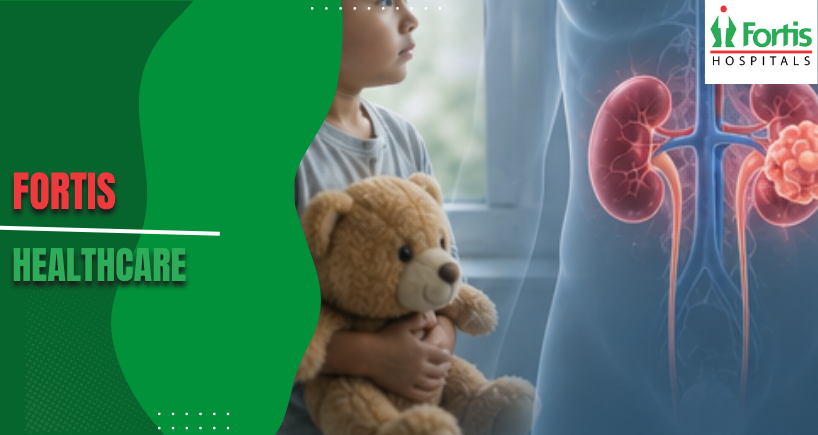


Why Some Children Develop Wilms Tumor Without Any Known Risk
Medical science cannot explain why particular children develop kidney cancer whilst siblings remain healthy. Wilms tumor emerges from random cellular errors during foetal development that occur without external triggers or inherited predispositions. This randomness frustrates families seeking controllable explanations but accurately reflects current understanding of paediatric malignancies.
Most cases arise spontaneously in children with no family cancer history or recognisable genetic syndromes. The unpredictability distinguishes childhood cancers from adult malignancies often linked to decades of environmental exposures. Understanding these fundamental differences helps families process diagnoses without unwarranted guilt about preventable causes.
Spontaneous Genetic Mutations
Wilms tumor causes typically involve spontaneous changes in genes controlling kidney development during early pregnancy. WT1 gene mutations disrupt normal nephron maturation, leaving cells in embryonic states capable of uncontrolled growth. These mutations occur randomly during cell division rather than being inherited from parents.
Additional genetic alterations accumulate in affected cells, eventually triggering cancerous transformation. The multistep process requires several unfortunate coincidental changes happening in the same developing kidney cells. This explains why Wilms tumor remains relatively rare despite billions of cell divisions occurring during foetal organ formation.
Why Genetics Testing Often Shows Nothing
Standard genetic testing examines inherited DNA from parents rather than tumour-specific mutations developing after conception. Most children with a Wilms tumor carry normal inherited genetic material. The cancer-causing changes exist only in tumour cells, not throughout the body.
Tumour tissue analysis reveals genetic alterations driving individual cancers. However, these findings rarely change treatment because therapy protocols depend more on stage and histology than specific mutations. Research continues exploring whether targeting identified genetic changes improves outcomes beyond current approaches.
Developmental Timing Windows
Kidney development occurs primarily during the first trimester when complex signalling pathways orchestrate nephron formation. Disruptions during critical windows allow aberrant cells to persist beyond birth. Wilms tumor pathophysiology involves these persistent embryonic cells eventually proliferating uncontrollably.
The developmental origin explains why most cases present before age five. Delayed transformation of embryonic remnants accounts for occasional diagnoses in older children or rarely adults. Understanding these timing patterns helps researchers identify vulnerable developmental stages.
Environmental Factors That Don't Explain Cases
Extensive research examining maternal infections, medication use, and environmental exposures during pregnancy finds no consistent wilms tumor causes. Studies explore radiation exposure, pesticides, and industrial chemicals without identifying clear associations. This absence of environmental links distinguishes paediatric from adult kidney cancers.
The Best Hospital in India participates in international research registries collecting detailed exposure data from affected families. These collaborative efforts aim to detect subtle risk factors requiring enormous populations to identify statistically.
When Syndromes Increase Risk
Approximately 10 percent of cases occur in children with recognisable genetic syndromes. WAGR syndrome combines Wilms tumor susceptibility with aniridia, genitourinary abnormalities, and intellectual disability. Chromosome 11 deletions cause this constellation by removing genes controlling kidney development.
Beckwith-Wiedemann syndrome features overgrowth and cancer predisposition through chromosome 11 imprinting defects. Wilms tumor syndrome screening protocols monitor at-risk children through regular imaging. Early detection improves outcomes because smaller tumours respond better to treatment.
Bilateral Cases and Genetic Implications
Tumours affecting both kidneys simultaneously suggest stronger genetic components than unilateral presentations. Approximately 5 percent of cases show bilateral involvement at diagnosis. These children sometimes carry germline WT1 mutations present throughout their bodies.
Genetic counselling helps families understand implications for future pregnancies and affected children's offspring. Testing siblings remains controversial because screening benefits remain unclear for those without syndrome features. Wilms tumor diagnosis timing and characteristics guide recommendations about family member evaluation.
Spontaneous Regression Phenomenon
Rare cases show spontaneous tumour regression without treatment, particularly in infants. This phenomenon demonstrates that some developing cancers retain maturation capacity lost in most cases. Understanding regression mechanisms might reveal therapeutic targets encouraging tumour differentiation.
Wilms tumor prognosis generally remains excellent because current treatments cure over 90 percent of patients. However, treatment carries side effects including kidney damage, growth problems, and second cancer risks. Therapies encouraging natural regression could reduce these burdens.
Research Seeking Answers
Scientists continue investigating why particular children develop wilms tumors without identifiable risk factors. Advanced sequencing technologies detect subtle DNA changes invisible to standard testing. Epigenetic modifications affecting gene expression without altering DNA sequences represent another active research area.
International collaborations combine data from thousands of families, providing statistical power detecting small risk factors. These efforts aim to eventually explain seemingly random cancer development, potentially identifying prevention strategies. Until then, families benefit from understanding that tumor symptoms like abdominal swelling emerge from biological processes beyond parental control or prevention.
Categories
Clear allRelated Blogs
View all







FAQs

Keep track of your appointments, get updates & more!

