
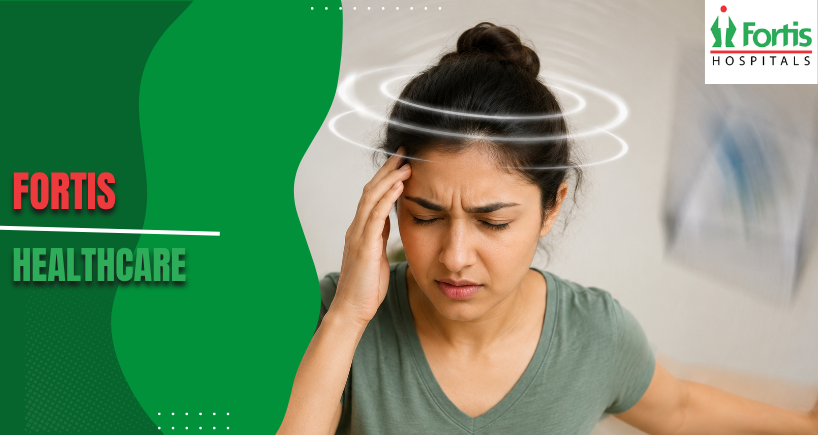


Why Is Vertigo Happening? Common Causes of Dizziness and Balance Problems
Have you ever felt as though the room were spinning, even though you were standing still? Or experienced a sudden wave of dizziness that made it difficult to walk or maintain your balance?
These sensations are often described as vertigo, but dizziness can mean different things to different people. Understanding what you are experiencing—and identifying the underlying cause—is the first step towards receiving the right treatment.
What Is Vertigo?
Vertigo is the false sensation that you or your surroundings are moving or spinning. Unlike lightheadedness or the feeling that you may faint, true vertigo is often linked to a problem in the body's balance system, which involves the inner ear, eyes, brain, and nerves.
Several conditions can cause vertigo, ranging from common and easily treatable problems to conditions that require urgent medical attention.
Common Causes of Vertigo
Benign Paroxysmal Positional Vertigo (BPPV)
Benign Paroxysmal Positional Vertigo (BPPV) is one of the most common causes of vertigo. It occurs when tiny calcium crystals in the inner ear become displaced and send incorrect signals about the body's position to the brain.
The resulting spinning sensation is usually brief and is triggered by specific head movements, such as turning in bed, looking up, or bending down. Some people may also experience nausea.
The good news is that BPPV is highly treatable. Specialised repositioning techniques, such as the Epley manoeuvre, can often provide significant and sometimes immediate relief.
Vestibular Neuritis
Vestibular neuritis occurs when the nerve responsible for carrying balance signals from the inner ear to the brain becomes inflamed, often following a viral infection.
It can cause sudden and intense vertigo that may persist for several days, along with difficulty walking, nausea, and vomiting. Unlike some other inner-ear conditions, hearing loss is usually not present.
Treatment generally focuses on controlling symptoms in the short term, followed by vestibular rehabilitation exercises to help the brain regain its sense of balance.
Ménière's Disease
Ménière's disease is an inner-ear disorder that can cause recurrent episodes of vertigo along with hearing-related symptoms.
Episodes may last anywhere from 20 minutes to several hours and can be accompanied by ringing in the ears (tinnitus), hearing loss, or a feeling of fullness or pressure in one ear.
Treatment may include medications, dietary and lifestyle modifications, and other approaches depending on the severity and frequency of symptoms.
Vestibular Migraine
Migraine does not always come with a headache. For some people, dizziness or vertigo may be the primary symptom.
Vestibular migraine can cause recurrent episodes of dizziness or vertigo, often accompanied by sensitivity to light or sound. People with a personal or family history of migraine may be more likely to experience this condition.
Treatment usually focuses on identifying and avoiding triggers, along with appropriate migraine-prevention strategies and medications when required.
Stroke and Other Brain Disorders
Although less common, vertigo can sometimes be a sign of a stroke or another neurological condition. This is particularly important in people with risk factors such as older age, diabetes, high blood pressure, or a history of smoking.
Vertigo accompanied by symptoms such as double vision, slurred speech, weakness or numbness, severe imbalance, or difficulty swallowing requires immediate medical attention.
These symptoms should never be ignored or assumed to be a routine episode of dizziness.
Not Every Dizziness Is Vertigo
The word "dizziness" is often used to describe several different sensations. A person may feel faint or lightheaded, experience a floating sensation, feel unsteady while walking, or have difficulty maintaining balance. Others may experience the distinct sensation that the room or surroundings are spinning.
Because these symptoms can have very different causes, describing exactly what you are feeling, when it occurs, and what triggers it can help a doctor reach the correct diagnosis.
How Is Vertigo Diagnosed?
Diagnosing vertigo begins with a detailed medical history and clinical examination. A neurologist may assess the pattern and duration of symptoms, possible triggers, hearing changes, eye movements, balance, coordination, and neurological function.
Depending on the suspected cause, additional investigations may include hearing tests, vestibular function tests, MRI of the brain, or blood tests.
Treatment Depends on the Cause
There is no single treatment for vertigo because management depends entirely on the underlying cause. Treatment may include canal repositioning manoeuvres for BPPV, vestibular rehabilitation therapy, short-term medications for symptom relief, migraine-prevention treatment, or management of an underlying medical condition.
If vertigo is related to a stroke or another serious neurological condition, urgent treatment is essential.
It is also important to avoid taking anti-vertigo medications for prolonged periods without medical advice. In some cases, extended use may interfere with the brain's natural process of adapting and recovering its sense of balance.
When Should You See a Neurologist?
You should consider seeking specialist medical advice if your vertigo is recurrent, severe, or lasts for more than a few days. Medical evaluation is also important if dizziness is accompanied by hearing loss, ringing in the ears, difficulty walking, severe headache, double vision, weakness, numbness, or slurred speech.
If symptoms suddenly appear with neurological warning signs, seek emergency medical care immediately.
The Bottom Line
Vertigo is a symptom, not a disease. While many causes are benign and highly treatable, dizziness and balance problems can occasionally signal a more serious neurological or medical condition.
The key is to identify the underlying cause rather than simply treating the sensation of dizziness. If you are experiencing persistent or recurrent vertigo, spinning sensations, or balance problems, consult a neurologist for a comprehensive evaluation and appropriate treatment instead of relying on self-medication
Categories
Clear allMeet the doctor

- Neurology | Interventional Neurology | Neurology
-
 15 Years
-
 1500
1500
Related Blogs
View all








FAQs

Keep track of your appointments, get updates & more!

