
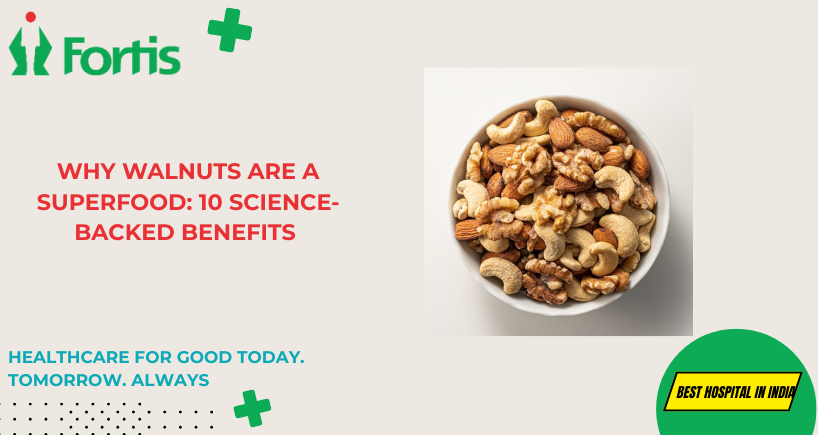


Why Walnuts Are a Superfood: 10 Science-Backed Benefits
In the quest for optimal health, certain foods consistently rise above the rest, earning the coveted title of "superfood." These are nutritional powerhouses, packed with an exceptional density of vitamins, minerals, and compounds that offer profound benefits for our well-being. Among this elite group, the humble walnut stands tall. With its distinctive brain-like shape, it almost seems nature is hinting at its remarkable properties.
Often enjoyed as a simple snack or a crunchy addition to salads and desserts, the walnut is far more than just a tasty ingredient. It boasts an impressive profile that contributes significantly to the nutritional value of walnuts, making it a true champion for health. Let’s explore ten science-backed health benefits of walnuts that solidify their superfood status.
Packed With Vital Nutrients
Before diving into the specific benefits, it helps to understand what makes walnuts so special. Their impressive nutritional value of walnuts is the foundation. They are an excellent source of healthy fats, particularly omega-3 fatty acids, protein, and fiber. They also contain a wealth of essential vitamins and minerals, including manganese, copper, magnesium, phosphorus, vitamin B6, and iron. Crucially, walnuts are loaded with potent antioxidants, which play a key role in protecting your body from cellular damage.
Superior Source of Omega 3 Fatty Acids
Walnuts are unique among nuts for their exceptionally high content of alpha-linolenic acid (ALA), the plant-based form of omega-3 fatty acids. A single serving (about one ounce or a small handful) provides more than the daily recommended intake. ALA is an essential fatty acid, meaning your body cannot make it, so you must get it from your diet. It plays a crucial role in reducing inflammation and has been linked to a significantly lower risk of heart disease.
Supports a Healthy Heart
This is one of the most well-documented walnut benefits. Regular consumption has been consistently associated with improved cardiovascular health. The high ALA content helps lower LDL ("bad") cholesterol and triglycerides, while their anti-inflammatory properties help keep blood vessels healthy and flexible. Walnuts also contribute to lowering blood pressure, another key factor in heart disease prevention.
Promotes Brain Function and Health
The brain-like shape is no coincidence. Walnuts are truly brain food. The combination of ALA omega-3s, antioxidants (like ellagic acid and vitamin E), and other neuroprotective compounds found in walnuts helps combat oxidative stress and inflammation in the brain. Studies suggest that regular walnut consumption may improve cognitive function, memory, and processing speed, and could potentially play a role in reducing the risk of age-related cognitive decline.
Possesses Powerful Anti inflammatory Effects
Chronic inflammation is a driving factor behind many serious diseases, including heart disease, type 2 diabetes, and certain cancers. Walnuts are rich in compounds like ellagitannins (which your gut converts into urolithins), ALA, and magnesium, all of which possess potent anti-inflammatory properties. Incorporating walnuts into your diet can help your body manage its inflammatory response more effectively.
Supports a Healthy Gut Microbiome
Your gut is home to trillions of beneficial bacteria that play a critical role in your overall health. What you eat directly influences this microbiome. Research indicates that eating walnuts can increase the diversity and abundance of beneficial gut bacteria, including those that produce butyrate, a short-chain fatty acid that nourishes your gut lining and has anti-inflammatory effects.
May Reduce Risk of Certain Cancers
While no single food can prevent cancer, population studies suggest that diets rich in walnuts may be associated with a lower risk of certain types of cancer, including colorectal, prostate, and breast cancer. The ellagitannins and other antioxidant compounds in walnuts are thought to play a role through their anti-inflammatory and potentially anti-proliferative effects on cancer cells.
Aids in Weight Management
Despite being calorie-dense due to their high fat content, walnuts can be a valuable ally in weight management. The combination of protein, fiber, and healthy fats promotes satiety, helping you feel fuller for longer after eating them. Studies suggest that incorporating walnuts into a balanced diet does not lead to weight gain and may even support weight loss efforts by helping to control appetite. This makes kalonji for weight loss seem less unique when compared to the satiety effects of nuts like walnuts.
Supports Healthy Aging
The powerful combination of antioxidants, healthy fats, vitamins, and minerals found in walnuts contributes to healthy aging. By combating oxidative stress and inflammation, supporting brain function, and promoting cardiovascular health, walnuts help maintain physical and cognitive function as we get older. Specific walnut benefits for women may include support for bone health due to the mineral content.
May Improve Male Reproductive Health
Emerging research suggests that walnuts may offer specific benefits for male fertility. Studies have shown that adding walnuts to a Western-style diet can improve sperm vitality, motility, and morphology (shape), potentially due to the beneficial fatty acids and antioxidants they contain.
Simple Walnut Uses in Your Diet
Incorporating these nutritional powerhouses into your daily routine is easy. Beyond snacking on a handful, consider these walnut uses:
Sprinkle chopped walnuts on yogurt, oatmeal, or salads.
Add them to baked goods like muffins, breads, or cookies.
Blend them into smoothies for added creaminess and nutrients.
Use them as a crunchy coating for fish or chicken.
Incorporate them into pesto or pasta sauces.
Harnessing the Power of Walnuts
The evidence is clear. From your heart to your brain to your gut, the health benefits of walnuts are extensive and well-supported. Their unique combination of healthy fats, antioxidants, and essential nutrients truly earns them their superfood status.
Making walnuts a regular part of your balanced diet is a simple yet powerful step you can take towards better health. Just a small handful a day can unlock a wealth of wellness benefits for years to come.
Frequently Asked Questions
Q1. How many walnuts should I eat per day?
Ans. A standard serving size is about one ounce, which is roughly a small handful or about 14 walnut halves. This amount provides significant nutritional benefits without adding excessive calories.
Q2. Are raw or roasted walnuts healthier?
Ans. Both offer benefits. Roasting can slightly alter the antioxidant profile but also enhances the flavor. The healthiest option is unsalted and un-candied walnuts, whether raw or roasted, to avoid excess sodium and sugar.
Q3. Do walnuts offer specific benefits for women's health?
Ans. While many benefits are universal, the good fats, antioxidants, and minerals like magnesium and manganese in walnuts can support overall walnut benefits for women, including potentially contributing to bone health and managing inflammation, which are relevant concerns throughout a woman's life.
Q4. Can walnuts help manage type 2 diabetes?
Ans. Walnuts can be a beneficial part of a diabetes-friendly diet. Their healthy fats, fiber, and protein can help improve blood sugar control and insulin sensitivity. However, portion control is still important due to their calorie density.
Categories
Clear allRelated Blogs
View all










Keep track of your appointments, get updates & more!

