
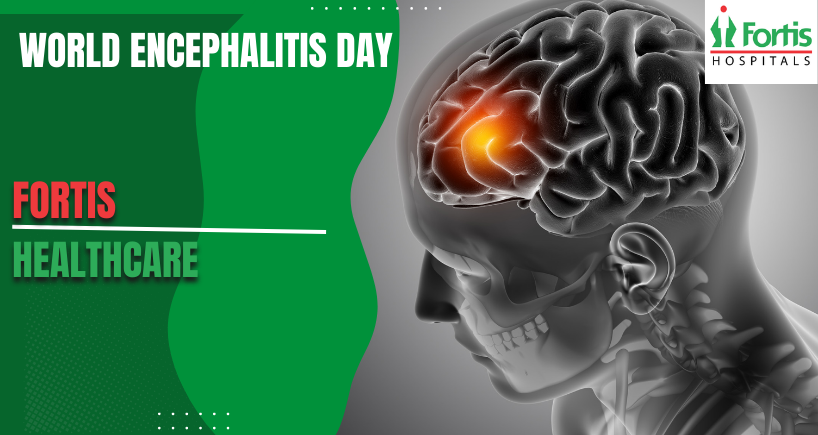


World Encephalitis Day: Inflammation That Changes the Brain
Every February 22nd marks World Encephalitis Day, drawing global attention to a condition many people overlook until crisis strikes. This inflammatory brain disorder affects thousands annually across all age groups. The impact extends far beyond initial symptoms, sometimes altering lives permanently through cognitive changes and physical limitations.
Understanding encephalitis proves crucial for early intervention and improved outcomes. Encephalitis awareness campaigns highlight how brain inflammation occurs when the immune system mistakenly attacks neural tissue or when infections directly invade the brain. Recognition of warning signs enables families to seek prompt medical attention.
When Brain Inflammation Disrupts Normal Function
Encephalitis represents inflammation of brain tissue itself, distinct from meningitis which affects protective membranes. The swelling disrupts electrical signals between neurons, causing symptoms ranging from subtle confusion to severe neurological compromise. Different regions of brain involvement produce varied symptom patterns that challenge diagnosis.
Severity varies dramatically amongst patients. Some experience mild headaches resolving within weeks. Others face intensive care admission with seizures, altered consciousness, or personality changes that persist months beyond initial infection. This unpredictability makes encephalitis awareness vital for communities worldwide.
How Infections and Immunity Trigger Inflammation
Viral infections account for most encephalitis cases globally. Herpes simplex virus causes particularly severe disease requiring immediate antiviral treatment. Other culprits include enteroviruses, West Nile virus, and Japanese encephalitis depending on geographical location. These pathogens cross the blood-brain barrier through various mechanisms.
Brain inflammation causes extend beyond direct infection to autoimmune processes where antibodies attack brain proteins. Anti-NMDA receptor encephalitis exemplifies this category, affecting predominantly young women through immune system misdirection. Bacterial infections, parasites, and post-vaccination reactions represent additional brain inflammation causes requiring different therapeutic approaches.
Recognising Warning Signs in Adult Patients
Encephalitis symptoms adults experience typically begin with flu-like features that seem unremarkable initially. Fever, headache, and fatigue mirror countless viral illnesses. The critical difference emerges when neurological symptoms develop; confusion, difficulty speaking, or unusual behaviour changes that alarm family members.
Seizures may occur suddenly in previously healthy individuals. Weakness affecting one body side suggests focal brain involvement. Some patients report visual disturbances or auditory hallucinations. Personality shifts range from subtle irritability to profound psychiatric symptoms. These encephalitis symptoms adults display warrant immediate neurological evaluation.
How Specialists Diagnose Brain Inflammation
Diagnosis requires multiple investigations coordinated through neurology departments. Lumbar puncture provides cerebrospinal fluid showing white blood cell elevation and protein changes characteristic of brain inflammation. MRI scans reveal areas of swelling or signal abnormality indicating tissue involvement. EEG monitoring detects electrical abnormalities even when seizures aren't clinically obvious.
Identifying the specific cause guides treatment decisions. PCR testing detects viral genetic material in cerebrospinal fluid. Antibody panels screen for autoimmune encephalitis variants. Blood cultures rule out bacterial sources. Comprehensive diagnostic facilities like Fortis Memorial Research Institute, Gurgaon combine advanced neuroimaging, specialised laboratory testing, and experienced neurology teams. This integrated approach accelerates accurate diagnosis whilst minimising unnecessary procedures.
Treatment Approaches Targeting Different Causes
Viral encephalitis demands immediate antiviral medication, typically acyclovir administered intravenously for herpes simplex cases. Treatment begins before laboratory confirmation completes, as delayed therapy worsens outcomes significantly. Supportive care maintains vital functions whilst medications combat infection.
Autoimmune encephalitis requires immunosuppression through corticosteroids, intravenous immunoglobulin, or plasma exchange. Some patients need prolonged immunotherapy lasting months or years. Seizure management involves antiepileptic drugs tailored to individual response patterns. Rehabilitation addresses physical, cognitive, and speech impairments emerging during recovery.
Intensive Care Requirements During Acute Phase
Severe encephalitis often necessitates intensive care unit admission. Monitoring intracranial pressure prevents secondary brain injury from swelling. Ventilator support maintains adequate oxygenation when consciousness deteriorates. Continuous EEG surveillance detects non-convulsive seizures requiring aggressive treatment.
Nutrition delivery through feeding tubes sustains patients unable to swallow safely. Temperature regulation prevents hyperthermia that exacerbates brain injury. Preventing infections, pressure ulcers, and blood clots demands meticulous nursing care. Family members struggle emotionally whilst witnessing their loved one's altered mental state.
Recovery Timelines Vary Across Patient Groups
Some patients recover completely within weeks, returning to normal activities without residual effects. Others experience prolonged rehabilitation addressing memory problems, concentration difficulties, or emotional regulation challenges. Physical therapy rebuilds strength lost during hospitalisation.
Cognitive rehabilitation helps retrain brain pathways disrupted by inflammation. Occupational therapy develops strategies for daily task completion despite persistent limitations. Speech-language pathology addresses communication difficulties. Recovery trajectories remain unpredictable, with improvements sometimes continuing years after initial illness.
Long-Term Effects That Persist Beyond Acute Illness
Chronic fatigue affects many survivors, limiting work capacity and social participation. Epilepsy develops in approximately one-quarter of encephalitis survivors, requiring ongoing antiepileptic medication. Mood disorders including depression and anxiety emerge from brain injury combined with traumatic illness experience.
Executive function deficits complicate planning, organisation, and decision-making essential for independent living. Personality changes strain family relationships when survivors seem fundamentally different than before illness. Some patients lose employment due to cognitive limitations or seizure-related driving restrictions.
Prevention Strategies That Reduce Risk Factors
Vaccination prevents certain encephalitis types effectively. The Japanese encephalitis vaccine protects travellers visiting endemic regions. Measles-mumps-rubella vaccine eliminates measles encephalitis risk. Chickenpox vaccine reduces varicella complications including brain inflammation.
Mosquito bite prevention decreases West Nile virus and Japanese encephalitis exposure. Avoiding tick bites reduces tick-borne encephalitis transmission. Prompt treatment of herpes infections limits progression to brain involvement. These simple measures collectively reduce encephalitis incidence substantially.
Support Networks That Aid Recovery Journeys
Encephalitis support organisations connect survivors facing similar challenges. Sharing experiences reduces isolation whilst providing practical coping strategies. Online forums offer advice about managing specific symptoms or navigating disability benefits.
Family members benefit from connecting with others and understanding the caregiver burden. Professional counselling addresses trauma from witnessing loved ones' critical illness. Return-to-work programmes facilitate gradual employment resumption accommodating persistent limitations.
Research Advances Improving Treatment Outcomes
Scientists continue identifying new autoimmune encephalitis antibodies, enabling targeted immunotherapy. Novel antiviral medications show promise against resistant viral strains. Neuroprotective agents under investigation aim to limit secondary brain injury during inflammation.
Biomarker research seeks blood tests predicting which patients develop severe disease requiring aggressive intervention. Advanced neuroimaging techniques reveal subtle injury patterns guiding personalised treatment. Clinical trials evaluate rehabilitation protocols optimising cognitive recovery.
Why Public Awareness Remains Essential
World Encephalitis Day activities raise visibility for this often-overlooked condition. Educational campaigns teach healthcare providers recognising early symptoms before severe complications develop. Funding drives support research uncovering better treatments and prevention strategies.
Increased encephalitis awareness empowers communities identifying warning signs and seeking timely care. Patient stories shared through awareness initiatives provide hope whilst highlighting recovery challenges. Every voice contributing to public education potentially saves lives through earlier diagnosis and appropriate treatment initiation.
Categories
Clear allRelated Blogs
View all








Keep track of your appointments, get updates & more!

