
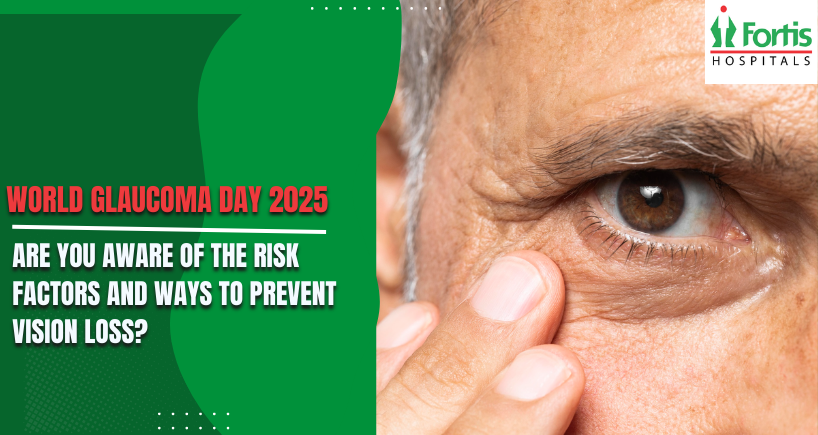


World Glaucoma Day: Are You Aware of the Risk Factors and Ways to Prevent Vision Loss?
Our eyesight is a precious gift, the window through which we experience so much of the world's beauty and complexity. We often take it for granted until something threatens to dim that view. One of the most insidious threats to our vision is glaucoma, a group of eye conditions that damage the optic nerve, the vital communication line between your eye and your brain. Often called the "silent thief of sight," glaucoma typically progresses slowly and painlessly in its early stages, stealing your peripheral vision before you even realize anything is wrong.
This silent nature is why global awareness initiatives like World Glaucoma Day (part of World Glaucoma Week in March) are so incredibly important. It serves as an annual reminder to focus on this potentially blinding disease, understand who is most at risk, and learn about the crucial steps we can take to prevent vision loss. Are you aware of your personal risk factors?
What Is Glaucoma?
Glaucoma is not a single disease, but a group of conditions that lead to progressive damage of the optic nerve. This nerve, located at the back of your eye, transmits visual information from your retina to your brain, allowing you to see. When the delicate nerve fibers of the optic nerve are damaged, blind spots begin to develop in your field of vision.
While the exact cause is not always clear, the most common factor associated with glaucoma is increased pressure inside the eye, known as intraocular pressure (IOP). Your eye constantly produces a clear fluid called aqueous humor, which nourishes the front part of the eye. This fluid normally drains out through a meshwork-like channel. If this drainage system becomes blocked or does not work efficiently, the fluid builds up, increasing the pressure inside the eye. This elevated pressure pushes against the optic nerve, gradually damaging its fibers over time. However, it is crucial to understand that not everyone with high IOP develops glaucoma, and some people develop glaucoma even with normal IOP (known as normal-tension glaucoma).
The Importance of World Glaucoma Day
World Glaucoma Day aims to combat the "silent" aspect of this disease through education and advocacy. Its primary goals are:
Raising Awareness: To make the public aware that glaucoma exists, that it can cause irreversible blindness, and that early detection is key.
Highlighting Risk Factors: To educate people about the factors that increase their likelihood of developing the disease, encouraging those at higher risk to be screened.
Promoting Regular Eye Exams: To emphasize that a comprehensive, dilated eye exam is the only way to detect glaucoma in its early stages before significant vision loss occurs.
Encouraging Treatment Adherence: For those diagnosed, to stress the importance of following their treatment plan (usually eye drops) to control eye pressure and slow disease progression.
By bringing glaucoma into the global conversation, World Glaucoma Day empowers individuals to take proactive steps toward protecting their sight.
Understanding the Glaucoma Risk Factors
While anyone can develop glaucoma, certain factors significantly increase your risk. Knowing these Glaucoma risk factors is the first step in assessing your personal vulnerability:
Age: The risk increases significantly with age, especially after age 60 (and even earlier for certain ethnic groups).
Family History: Having a first-degree relative (parent or sibling) with glaucoma dramatically increases your risk. Genetics plays a strong role.
Ethnicity: People of African, Hispanic, or Asian descent are at a higher risk for certain types of glaucoma and may develop it earlier in life.
Elevated Intraocular Pressure (IOP): While not everyone with high IOP gets glaucoma, it remains the most significant risk factor for developing the most common type (open-angle glaucoma).
Certain Medical Conditions: Diabetes, high blood pressure, and heart disease may increase your risk. Poor blood circulation can also affect the optic nerve.
Long-Term Corticosteroid Use: Prolonged use of steroids, especially steroid eye drops, can raise eye pressure.
Previous Eye Injury: Severe trauma to the eye can damage the drainage system and lead to secondary glaucoma, sometimes years later.
Thin Corneas: The thickness of the clear front part of your eye (the cornea) can influence eye pressure readings and is considered an independent risk factor.
If you fall into one or more of these high-risk categories, regular eye exams become even more critical.
Preventing Vision Loss: The Power of Early Detection
The damage caused by glaucoma is irreversible. Once vision is lost, it cannot be restored. This stark reality underscores why the focus must be on early detection and treatment to prevent vision loss or slow its progression significantly.
Because the disease often has no symptoms in its early stages, you cannot rely on noticing changes in your vision. By the time you become aware of blind spots in your peripheral vision, the damage to your optic nerve is already substantial.
The only reliable way to detect glaucoma early is through a comprehensive dilated eye examination performed by an ophthalmologist or optometrist. This exam includes several key tests:
Measuring Intraocular Pressure (Tonometry): Checks the pressure inside your eye.
Inspecting the Drainage Angle (Gonioscopy): Examines the angle where the iris meets the cornea to see if it is open or closed.
Examining the Optic Nerve (Ophthalmoscopy): The doctor uses special lenses to look directly at your optic nerve for signs of damage. This often involves dilating your pupils.
Testing Peripheral Vision (Visual Field Test/Perimetry): Maps your field of vision to detect any blind spots you may not be aware of.
Measuring Corneal Thickness (Pachymetry): Helps interpret IOP measurements accurately.
Steps You Can Take for Your Eye Health
Protecting your vision from glaucoma requires a proactive approach.
Schedule Regular Comprehensive Eye Exams: This is the single most important step. Follow your eye doctor’s recommendations for frequency, especially if you have known Glaucoma risk factors.
Know Your Family History: Talk to your family members to find out if anyone has been diagnosed with glaucoma. Share this information with your eye doctor.
Maintain a Healthy Lifestyle: While not a direct prevention method, managing conditions like diabetes and high blood pressure, eating a balanced diet, and avoiding smoking supports overall eye health.
Protect Your Eyes: Use protective eyewear during sports or activities that pose a risk of eye injury.
Living Well With Glaucoma
If you are diagnosed with glaucoma, it is important to know that effective treatments are available to manage the condition and help prevent vision loss from worsening. The mainstay of treatment involves prescription eye drops used daily to lower eye pressure. Laser procedures and surgical options are also available if drops are not sufficient. Adhering strictly to your prescribed treatment plan and attending all follow-up appointments are crucial for preserving your sight.
Protecting Your Precious Sight
World Glaucoma Day is a vital reminder that sight is precious and needs protection. Glaucoma can steal vision silently, but it does not have to. Early detection is your most powerful weapon.
Take this opportunity to assess your personal Glaucoma risk factors. Schedule that comprehensive eye exam you have been putting off. Encourage your loved ones, especially those over 40 or with a family history, to do the same.
Frequently Asked Questions
Q1. Is glaucoma curable?
Ans. There is currently no cure for glaucoma, and vision loss caused by the disease cannot be reversed. However, early diagnosis and consistent treatment can effectively control the condition, slow its progression, and prevent further significant vision loss for most people.
Q2. What is the difference between open-angle and angle-closure glaucoma?
Ans. Open-angle glaucoma is the most common type. The eye's drainage angle appears normal, but fluid drains too slowly. It develops gradually and painlessly. Angle-closure glaucoma is less common and occurs when the drainage angle becomes blocked, causing a rapid and painful rise in eye pressure. This is often a medical emergency.
Q3. Can lifestyle changes alone prevent glaucoma?
Ans. While a healthy lifestyle supports overall eye health, it cannot prevent glaucoma if you are predisposed to it. Lifestyle factors do not replace the need for regular eye exams, especially if you have significant Glaucoma risk factors. Early detection and medical treatment are key to preventing vision loss.
Q4. How often should I get my eyes checked for glaucoma?
Ans. Recommendations vary based on age and risk factors. A baseline comprehensive exam around age 40 is often advised. After that, your eye doctor will recommend a schedule (e.g., every 1-4 years) based on your individual risk profile. People at higher risk will need more frequent exams.
Categories
Clear allRelated Blogs
View all



Keep track of your appointments, get updates & more!

