
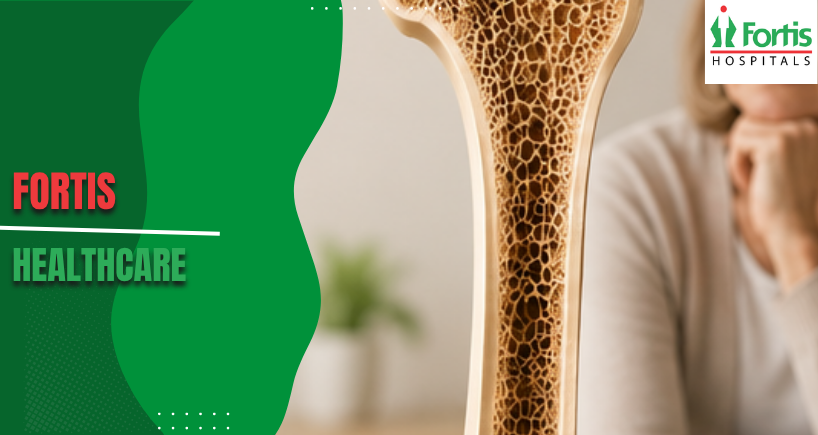


Is Your Bone Health Fading Silently What Every Adult Over 50 Needs to Know
We often think of our bones as solid, unchanging pillars. In reality, bone is living tissue—constantly breaking down and rebuilding itself. But what happens when the rebuilding can’t keep up?
As a Senior Consultant in Orthopaedics, I often see patients who believe they are in perfect health until a simple trip or a sneeze leads to a painful fracture. This is the reality of Osteoporosis, the "silent thief" of the skeletal system.
Why is Osteoporosis Called a 'Silent' Disease?
The most dangerous thing about osteoporosis is its stealth. It doesn’t cause a fever, a rash, or even a dull ache. It quietly thins the internal architecture of your bones, making them as fragile as fine china.
Most people remain unaware of their condition until a fragility fracture occurs. These aren't high-impact accidents; we are talking about:
- Falling from a standing height.
- Slipping on a bathroom floor.
- A minor bump against a doorway.
By the time a bone breaks, the disease has often been progressing for years.
The Most Common "Red Flag" Zones
While osteoporosis affects the whole skeleton, certain areas are more prone to giving way. In my practice, I frequently treat fractures in the:
- Hip: Often requiring major surgery and long recovery.
- Wrist: Frequently the first sign of bone loss in younger post-menopausal women.
- Spine: Leading to height loss or a stooped posture (kyphosis).
- Shoulder (Proximal Humerus): A common but often overlooked site of osteoporotic injury.
Two Windows of Opportunity: It’s Never Too Late
Whether you are looking to prevent your first fracture or recovering from one, there is always a path forward.
1. The Prevention Phase (Before a Fracture)
If you are over 50 or have risk factors, don't wait for a break to act. Early detection is a game-changer.
- The DEXA Scan: This is the gold standard for measuring bone density. It’s quick, painless, and tells us exactly where you stand.
- The Power Trio: Combine Calcium-rich foods, Vitamin D optimization, and Weight-bearing exercises (like brisk walking or light weights) to signal your bones to stay strong.
2. The Management Phase (After a Fracture)
If you’ve already suffered a fragility fracture, the goal shifts: we must prevent the next one. Statistics show that one fracture significantly increases the risk of a second. We use advanced pharmacological treatments and fall-prevention strategies to stop the cycle of injury and maintain your independence.
Are You at Risk?
You should be extra vigilant if you fall into these categories:
- Women post-menopause: Estrogen loss accelerates bone thinning.
- Long-term Medication Users: Specifically steroids (corticosteroids).
- Family History: If a parent had a hip fracture, your risk is higher.
- Lifestyle Factors: Smoking, excessive alcohol, or low body weight.
"Osteoporosis isn't an inevitable part of aging. It is a treatable medical condition. With the right intervention, we can significantly improve your bone density and keep you moving."
Take the First Step Toward Stronger Bones
You don’t have to wait for a "silent" disease to speak up through a fracture. If you are concerned about your bone health or have a history of frequent falls, let’s evaluate your risk together.
Categories
Clear allMeet the doctor

- Orthopaedics | Orthopaedics and Joint Replacement | Robotic and Computer navigated Joint reconstruction | Sports Medicine | Orthopaedics
-
 12 Years
-
 1500
1500
Related Blogs
View all

FAQs
Does a high-calcium diet alone cure osteoporosis?
Calcium is a building block, but it isn't a cure. Without adequate Vitamin D (which helps you absorb the calcium) and proper medical management if your density is already low, diet alone may not be enough to prevent a fracture.
At what age should I get a DEXA scan?
Generally, women over 65 and men over 70 should have a baseline scan. However, if you have risk factors—such as early menopause, long-term steroid use, or a family history of hip fractures—you should consult an orthopaedic specialist for a scan as early as age 50.
Can osteoporosis be reversed?
While we cannot completely "undo" osteoporosis once it has progressed significantly, modern medical treatments can substantially increase bone density and, more importantly, strengthen the bone quality to prevent future fractures. Early intervention is key to seeing the best results.
Is walking enough to prevent bone loss?
Brisk walking is excellent for heart health, but for bones, we need "weight-bearing" and resistance exercises. This means activities where your bones carry your weight against gravity—like stair climbing, dancing, or using light weights—which signals the body to build more bone tissue.

Keep track of your appointments, get updates & more!

