



Zika Virus - Understanding Symptoms and Prevention Strategies
Understanding the Zika Virus: Symptoms, Transmission, and Prevention
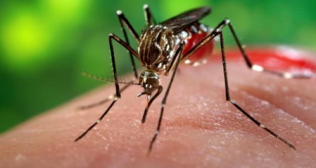
The Zika virus is a mosquito-borne virus that has gained global attention due to its rapid spread and potential health risks. Originating from the Zika Forest in Uganda, this virus is primarily transmitted through the bite of an infected Aedes mosquito. However, other modes of transmission, such as sexual contact and from mother to fetus during pregnancy, have also been documented.
Symptoms of Zika Virus
One of the challenges in diagnosing Zika virus infection is that its symptoms are often mild and similar to those of other arboviruses like dengue and chikungunya. Common symptoms include:
- Fever
- Rash
- Joint pain
- Conjunctivitis (red eyes)
- Muscle pain
- Headache
These symptoms typically appear within 3-14 days after being bitten by an infected mosquito and can last for several days to a week.
Zika Virus and Pregnancy
The most significant health concern associated with the Zika virus is its impact on pregnancy. Pregnant women infected with the Zika virus can transmit the virus to their fetus, potentially leading to severe birth defects such as microcephaly—a condition where the baby's head is much smaller than expected. This has raised global health alarms, particularly in areas with high mosquito populations and active Zika outbreaks.
Transmission of Zika Virus
The Zika virus is primarily spread through the bite of infected Aedes mosquitoes, particularly Aedes aegypti and Aedes albopictus. These mosquitoes are active during the day, making prevention more challenging. In addition to mosquito bites, the virus can be transmitted through:
- Sexual contact with an infected person
- Blood transfusions (though this is rare)
- From mother to fetus during pregnancy
Prevention and Protection
Preventing Zika virus infection involves reducing mosquito exposure and taking precautions, especially for pregnant women and those living in or traveling to areas with active Zika transmission. Key prevention strategies include:
- Using insect repellent containing DEET, picaridin, or IR3535
- Wearing long-sleeved shirts and long pants to reduce skin exposure
- Staying indoors during peak mosquito activity periods
- Using mosquito nets and screens to prevent mosquito entry
- Eliminating standing water where mosquitoes breed, such as in flower pots, buckets, and containers
Global Impact and Ongoing Research
The Zika virus continues to be a public health concern in many tropical and subtropical regions, including parts of South America, Central America, the Caribbean, and Southeast Asia. Researchers are actively working on Zika virus vaccines and other preventive measures to combat the spread of this virus.
Understanding the risks associated with the Zika virus and taking appropriate preventive measures can significantly reduce the likelihood of infection. Staying informed about the latest updates and recommendations from health authorities, such as the World Health Organization (WHO) and the Centers for Disease Control and Prevention (CDC), is essential for anyone living in or traveling to areas affected by the Zika virus.
Categories
Clear allRelated Blogs
View all





FAQs

Keep track of your appointments, get updates & more!

