Dr Udipta Ray- Obesity

Submitted by partha.ganguly… on

Did you know that according to the WHO, obesity is the world’s new pandemic? Did you know that obesity can lead to PCOS? Here’s the good news—you can overcome obesity with the help of robotic surgery. Don’t wait and let the obesity take the control of your life. Learn about obesity and the benefits of bariatric surgery from. Get all your questions answered by Dr. Udipta Ray, Director of Robotic, GI, and General Surgery at Fortis Hospital, Kolkata.

Swift Recovery, Exceptional Care: Gallbladder surgery with Dr. Udipta Roy

Submitted by partha.ganguly… on

Following a successful robotic gallbladder surgery with Dr. Udipta Roy at Fortis Hospital, our patient recovered swiftly and resumed normal activities. The advanced technology and attentive care provided a smooth and reassuring experience throughout the recovery process. #Fortis #FortisKolkata #AtFortisWeCare #FortisHealthcare

The fetal echo conducted in the 36th week of pregnancy of Mrs. Ghorpade of Solapur was not normal. It revealed a rare heart defect in the unborn child. To reaffirm the findings, the Ghorpade family rushed to Fortis Hospital, Mulund. The fetal echocardiogram, conducted here, confirmed the diagnosis of Hypoplastic Left Heart Syndrome (HLHS) with Intact Atrial Septum. Once Mrs. Ghorpade was examined by the Gynaecologist here at Fortis, Mulund, she was found to be in her early labour and was admitted to the hos

One-hour-old undergone six-hour long Surgery: A life saving cardiac invasive procedure – First in Mumbai

Treated by: Dr. Dhananjay Malankar, Dr. Swati Garekar
Paediatric Cardiac Sciences | Fortis Hospital, Mulund, Mumbai
Sep 13, 2024

The fetal echo conducted in the 36th week of pregnancy of Mrs. Ghorpade of Solapur was not normal. It revealed a rare heart defect in the unborn child. To reaffirm the findings, the Ghorpade family rushed to Fortis Hospital, Mulund. The fetal echocardiogram, conducted here, confirmed the diagnosis of Hypoplastic Left Heart Syndrome (HLHS) with Intact Atrial Septum. Once Mrs. Ghorpade was examined by the Gynaecologist here at Fortis, Mulund, she was found to be in her early labour and was admitted to the hospital. The very next day a planned C-section was performed by Dr. Atul Gantara, Consultant – Obstetrician and Gynecologist. As soon as the baby was born, a screening echo was done and the finding was even more surprising. 

Usually in babies born with HLHS, a hole inside the heart between its two upper chambers (ASD) is present. This hole is crucial for the baby’s survival. But shockingly this new born had no ASD (Atrial Septum was intact) which made it impossible for the oxygen-rich blood from the lungs to enter the heart and then to the body. It was indeed a rare variation of HLHS that did not which is essential for survival but in this particular case, which was a rare variation of HLHS, there was no ASD (atrial septum was intact) which made it impossible for the oxygen-rich blood from the lungs to enter the heart and then to the body. It was indeed a rare variation of HLHS that did not only increase the risk and complications, but also urged for a supra-urgent intervention for baby’s survival post-delivery. mandated a supra-urgent intervention for baby’s survival post-delivery.  

After the stabilization by Dr. Rajen Doshi, Consultant Paediatrics and team of Neonatologist the baby was immediately shifted to adjoining operation theater and within an hour was operated for Norwood procedure that allowed the right side of the heart to take over as the left side was underdeveloped.

After the six-hour long crucial procedure the baby was shifted to the pediatric cardiac ICU. For the first four days, the surgeons had to keep the baby’s chest open as there was swelling of the heart. On day 11, the doctors were finally able to remove ventilator support. And on 21st day after gradual improvement the newborn was discharged in stable condition.   

Now the baby is back home in Solapur with her parents and since then the baby has been doing well, although the child needs medication (including blood thinning agent) as and when required along with routine medical tests to ensure the recovery. 

In future, the baby would have to undergo two more surgeries, one after six months and thw second one when the baby is 3-4 years of age, but the risk associated with these two surgeries are considerably low. 

HLHS is a rare congenital heart defect, one in ten thousand, where the left side of the heart is poorly formed affecting the normal blood flow in the heart. If not treated, in later years the child does face the increased risk of: Heart Failure, Pulmonary Hypertension, leading to demise within 2 years of age.

 

Meet the doctor

Dr. Dhananjay  Malankar
Dr. Dhananjay Malankar
Senior Consultant Cardio Thoracic Vascular Surgery | Fortis Mulund
  • Date 14 Years
  • INR
Dr. Swati  Garekar
Dr. Swati Garekar
Consultant Paediatric Cardiology | Fortis Mulund
  • Date 15 Years
  • INR

Treated at Hospital

image
Fortis Hospital, Mulund, Mumbai 4.6

Read more about

Paediatric Cardiac Sciences

18 Doctor available at
11 locations
Gender Affirmation Clinic at Fortis Healthcare

Physical ‘sex’ of a person is usually assigned at birth, based on external appearance by parents and the physician. On the other hand, the word ‘Gender’ refers to our innate sense of being a man/ woman/ some other or someone in between. Normally, one’s physical sex and ‘gender’ are in alignment. In a few individuals, there is a noticeable and persistent incongruence between ‘sex’ and ‘gender identity’ to an extent, that the individuals wish to get rid of their primary and/or secondary sexual characteristics and acquire the physical/ phenotypic characteristics of a gender, which is different from that of assigned (birth) sex/ gender. The inherent need by these persons to express their perceived gender, their longing for the society to accept them in this role, and their negative treatment by the society gives rise to a deep- seated distress. This phenomenon was classified as Gender Dysphoria (GD) in DSM- V and Gender Incongruence as per ICD-11. Many such individuals feel that they are trapped in the wrong sex body and wish to transition to a body congruent with their gender identity and expression. Fortis Hospital Shalimar Bagh has physicians experienced in gender affirmative care and a multi-speciality gender affirmation clinic treating a large number of transitioning individuals, which has been providing gender sensitive and affirmative care to these individuals since a long time. The clinic provides mental health services, endocrine (hormone) care, and affirmative surgical care, which includes-


  1. Male to female core surgeries for AMAB (assigned male at birth) individuals- Breast augmentation, feminizing genitoplasty, which includes vaginoplasty, labiaplasty, clitoroplasty, vestibuloplasty, feminizing urethroplasty, orchidectomy and penectomy. Vaginoplasty can be done by modified penile inversion, lap sigmoid, robotic sigmoid and robotic peritoneal methods.
  2. Female to male core surgeries for AFAB (assigned female at birth) individuals- Top surgery (bilateral breast reduction), surgery for removal of female internal organs such as uterus, tubes, ovaries, vagina and labia, perineal closure, reconstruction of penis and scrotum and urethra, metaidoioplasty, penile and testicular implants.
  3. Ancillary surgical procedures for either AMAB of AFAB individuals- Facial harmonization surgery, which includes facial feminization or masculinization, affirmative voice surgery, thyroid chondroplasty, hair transplants, forehead reduction, rhinoplasty, body contouring, lipoplasty, pectoral/ calf and gluteal implants, gynecological care, genital surgery including phalloplasty and vaginoplasty by various methods etc.
  4. Non- binary affirmative procedures for gender incongruent TGD (transgender and gender diverse individuals- Nullification, orchidectome, penectomy, scrotectomy, vaginoplasty without penectomy, phalloplasty without vaginectomy, non- binary breast/ chest surgery etc.


The clinic adheres to standards of care for transitioning individuals as published by World Professional association for Transgender health (WPATH- SOCs 7th and 8th)) as well as Indian Professional Association for Transgender Health (IPATH- ISOC-1) and has an excellent track record in helping thousands of gender incongruent individuals in their enduring and arduous journey of transition to gender congruence

Image

Our Team of Experts

Form Fields
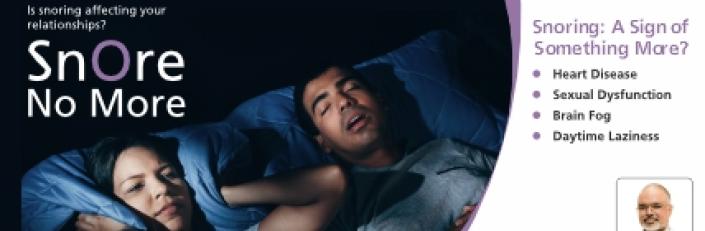
Snore No More Clinic at Fortis Hospital, Richmond
ENT specialist - Snore No More Clinic at Fortis Hospital, Richmond
Snore No More Clinic at Fortis Hospital, Richmond Road

Dr. Prashanth R Reddy, a distinguished ENT specialist known for his expertise in Endoscopic Sinus and Skull Base Surgery and Nasal Metabolic Surgery. Dr. Reddy specializes in performing zero-scar surgeries, offering innovative solutions for conditions such as headaches, neck pain, shoulder pain, and snoring.

With a commitment to delivering cutting-edge medical and surgical services globally, he is at the forefront of advanced techniques like nasal metabolic surgeries, which set him apart in the field. His dedication extends beyond patient care, as he serves as an inspirational thought leader, mentoring the next generation of ENT professionals.

Dr. Reddy's extensive expertise covers a wide range of ENT conditions, including sinus treatments, pediatric ENT issues, ear, throat, and neck disorders, as well as effective snoring relief solutions. Experience world-class care and innovative treatments at Fortis Hospital's Snore No More Clinic, led by Dr. Prashanth R Reddy.

Our Team of Experts

Form Fields
Emergency and Critical care
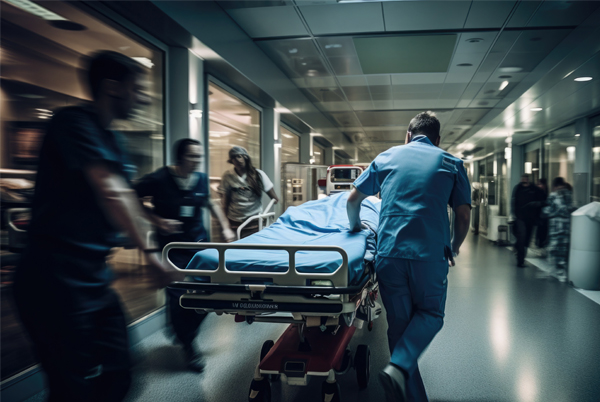
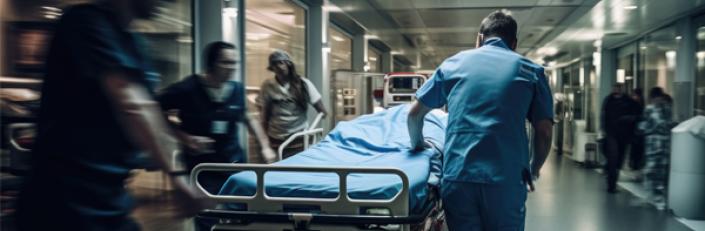
Fortis Hospital Kolkata offers round-the-clock Emergency Services
Fortis Hospital, Anandapur – World-Class Healthcare in Kolkata Your Trusted Multispecialty Hospital for Comprehensive Medical Care
Multispecialty doctors are available around the clock 24/7 Availability of Multispecialty Doctors
Emergency Care and Super ICU

Why Choose Fortis Hospital, Anandapur?

  • Advanced Medical Facilities: Our hospital is equipped with modern medical technology, offering state-of-the-art Operating Theatres (OTs), advanced Intensive Care Units (ICU, NICU, PICU), and a 24x7 heart care facility.
  • Specialized Care Across 15+ Specialties: We are a leader in specialties including Cardiology, Oncology, Orthopaedics, Neurology, Nephrology, Pulmonology, and more.
  • Robotic Surgery Pioneers: Fortis Hospital, Anandapur, is home to the Institution of Robotic Surgery, where our experienced surgeons perform cutting-edge robotic procedures.
  • Comprehensive Emergency Services: 24x7 availability of Emergency Room (ER), Ambulance Service, Pharmacy, and Dialysis Unit, ensuring complete care for critical needs.
  • 400-Bed Capacity: With 400 beds, including 312 fully operational, we are well-prepared to accommodate a wide range of medical treatments and patient needs.

Our Key Specialties

  • Cardiology & Cardiac Surgery: Comprehensive heart care services including interventional cardiology, open-heart surgery, and minimally invasive procedures.
  • Orthopaedics: Expert care in joint replacement, trauma surgery, and sports medicine.
  • Oncology: Advanced treatment options for medical, surgical, and radiation oncology.
  • Neurosciences: Specialized treatments for neurological disorders, stroke, and spinal issues.
  • Paediatrics: Full-spectrum paediatric care, from general care to specialized treatments.

Advanced ICU & Critical Care

Our Intensive Care Units (ICU, NICU, PICU) are staffed with highly trained healthcare professionals to provide 24x7 critical care. Our Cardiac Care Unit (CCU) and Surgical ICU (SICU) support complex post-surgical recovery and heart-related treatments.

Robotic Surgery – The Future of Healthcare

As a leader in robotic surgery, Fortis Hospital, Anandapur, provides advanced minimally invasive surgical procedures that reduce recovery times and enhance precision. Our Institution of Robotic Surgery offers comprehensive training and treatment in cutting-edge techniques.

Why Choose Us

  • Our hospital offers advanced OTs, ICUs, & 24x7 heart care with cath-lab, SICU, and CCU for top care
  • Fortis Hospital, offers top medical care with 20+years of excellence in multiple specialties

Learn More About Our Emergency Services

  • BLS Training. To know more Call 8585030388

Highly skilled team of specialists, intensivists

Our Team of Experts

FAQs

  • What should I do in a medical emergency
    If you are experiencing a medical emergency, call our emergency hotline at 105711 immediately. You can also visit the Fortis Hospital Emergency Department at any time, 24/7
  • What types of emergencies do you handle?
    Our Emergency Department is equipped to handle all types of medical emergencies, including trauma, heart attacks, strokes, respiratory distress, pediatric emergencies, and more. We provide comprehensive care for patients of all ages.
  • What makes Fortis Hospital's Emergency and Critical Care unique
    Fortis Hospital, Kolkata, offers a dedicated 24/7 Emergency Department with rapid response capabilities, advanced ICU facilities, a multidisciplinary team of specialists, and state-of-the-art medical technology to provide the best possible care.
  • How do you ensure patient safety in the ICU?
    We adhere to stringent infection control protocols, continuous monitoring, and individualized care plans to ensure patient safety in our ICU. Our critical care team is highly trained to manage complex medical conditions.
  • Do I need an appointment for emergency care?
    No appointment is needed for emergency care. Our Emergency Department is open 24/7, and you can walk in at any time for immediate medical assistance.
  • Can I get a second opinion for my treatment plan?
    Yes, we encourage patients and their families to seek a second opinion. Our specialists are available to review your case and provide comprehensive evaluations.
Form Fields

BIO-MEDICAL WASTE REPORT - AUGUST 2024

Robotic Revolution : Transforming Knee Surgery with Precision | Episode 47 | Dr. Pramod Bhor

Sep 09, 2024 admin |

In this episode of our podcast, we explore the cutting-edge advancements in orthopaedic surgery with Dr Pramod Bhor as we dive into the Robotic Revolution: Transforming Knee Surgery with Precision. Dr. Bhor shares his expert insights on how robotic technology reshapes knee surgery, offering unprecedented accuracy and improved patient outcomes. We discuss the benefits of robotic-assisted procedures, and how they enhance the surgeon’s abilities, reduce recovery time, and provide more tailored solutions for patients. Whether you're considering knee surgery or simply curious about the future of medical technology, this episode will give valuable knowledge straight from an expert in the field. #FortisMumbai #RoboticKneeSurgery #FortisHealthcare #Orthopaedics #WellnessWavesPodcast #FortisPodcast

ad-img

Ride the Wellness Waves with Fortis – expert voices guiding you to better health.

Advanced Aortic Care: Diagnose Early, Treat Better
Expert Solutions for Aortic Disease at Fortis Escorts Heart Institute, New Delhi
About Aorta Conditions at Fortis Escorts Heart Institute

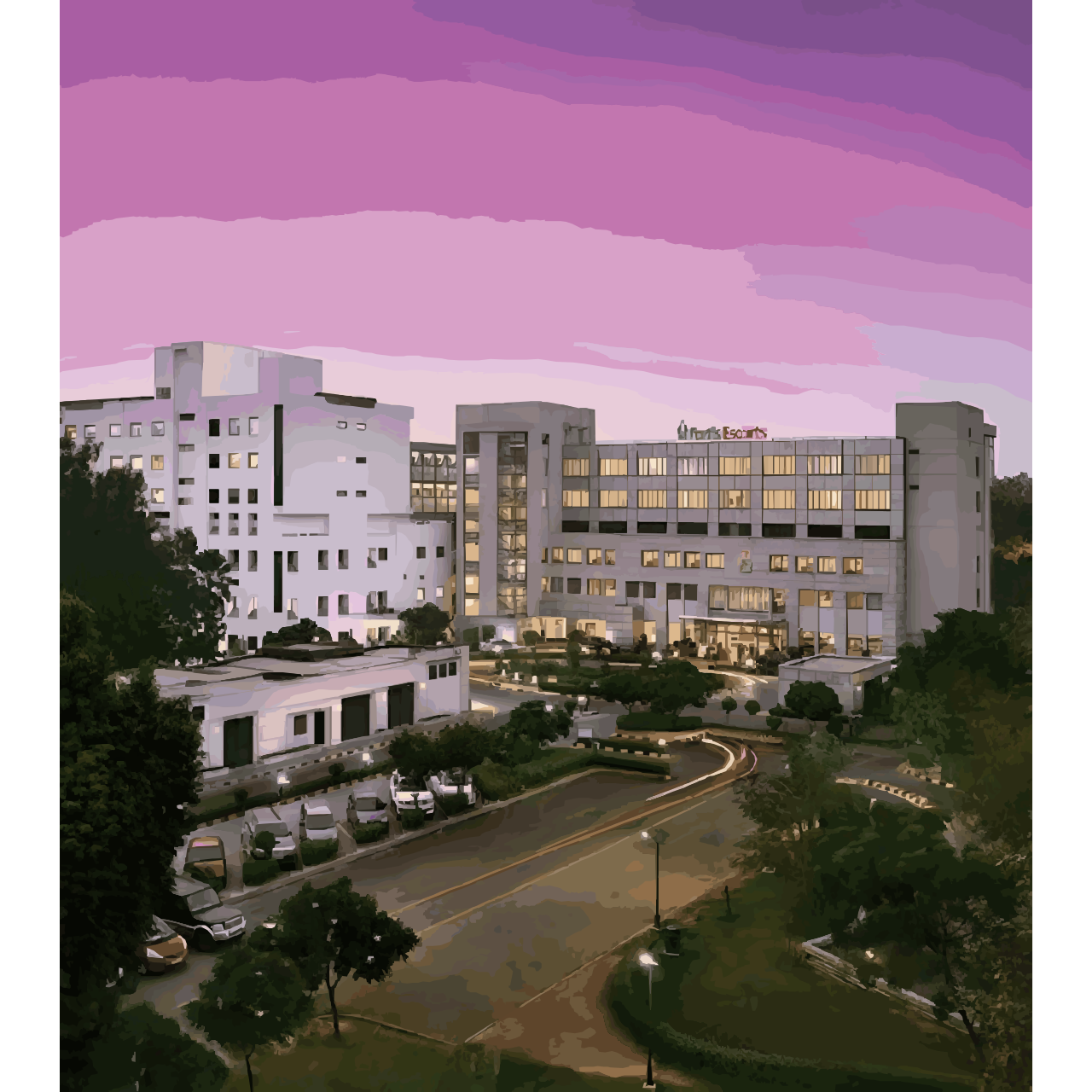
Fortis Escorts Heart Institute, New Delhi, is a prestigious 310-bed hospital recognized globally for its pioneering work in Cardiac Sciences. With a combination of clinical excellence and advanced technology, Fortis Escorts has made significant contributions to saving lives through exceptional treatment and superior patient care. Fortis Healthcare, for the first time in country, has established a comprehensive ‘Aorta Centre’ at Fortis Escorts Heart Institute (FEHI), Okhla, New Delhi. Under the leadership of Professor Shiv Choudhary, a comprehensive, state of the art, Aorta Centre has been established at FEHI, New Delhi. Professor Choudhary is one of the most eminent expert in the field of aortic problems. Before joining Fortis Escorts Heart Institute, Professor Choudhary worked as Head of Department at the prestigious All India Institute of Medical Sciences, New Delhi and has 32-year experience in managing these patients.

What Are Aortic Conditions?

The Aorta is the central core artery of the body, and it supplies oxygenated blood to all the organ systems through its branches. The Aorta can be considered as lifeline of the human body.

The aorta can become damaged and weak, causing it to become dilated (aneurysm) or torn (dissection). In rare cases, it is narrowed or blocked (stenosis or occlusion). These problems increase the risk of having a fatal complication. Certain underlying problems increase the risk of having an aortic pathology. These include aging and hardening of arteries, smoking, raised blood pressure, and genetic predispositions.

Common Aortic Conditions

Aortic Aneurysm: A bulge or ballooning in the aorta that can potentially rupture.

Aortic Dissection: A tear in the aorta's inner layer, causing severe pain and potentially life-threatening complications.

Aortic Stenosis: A narrowing of the aortic valve, obstructing blood flow from the heart.

Signs and Symptoms

Recognising symptoms early can be crucial. Look out for:

  • Severe chest pain or back pain
  • Shortness of breath
  • Unexplained weight loss
  • Persistent cough or hoarseness

Risk Factors

Certain factors increase your risk of aortic conditions, including:

  • High blood pressure
  • High cholesterol
  • Smoking
  • Genetic conditions
  • Family history of aortic disease

Why Choose Us

  • Professor Shiv Choudhary, former HOD at AIIMS, New Delhi is the Clinical Lead - Aorta Centre
  • Team of experts with expertise in handling complex aortic conditions
  • Precise and accurate assessments of aortic conditions
  • Multidisciplinary approach for comprehensive care
  • Successful outcomes in treating aortic disease

Our Team of Experts

FAQs

  • What is the Aorta and what is its function in the body?
    The Aorta is the central core artery of the body, supplying oxygenated blood to all organ systems through its branches. It can be considered the lifeline of the human body.
  • What are some potential issues that can affect the Aorta?
    The Aorta can become damaged and weak, leading to conditions such as dilation (aneurysm) or tearing (dissection). In rare cases, it may also be narrowed or blocked (stenosis or occlusion), which increases the risk of fatal complications.
  • What factors increase the risk of aortic pathologies?
    Certain underlying factors, such as aging, hardening of arteries, smoking, raised blood pressure, and genetic predispositions, can increase the risk of aortic conditions.
  • Why is timely diagnosis and treatment of aortic conditions important?
    With increasing life expectancy and better diagnostic tools, more cases of aortic pathologies are being diagnosed. Failure to diagnose or treat these conditions in a timely manner is often fatal. Aortic diseases are the tenth most common cause of death in the developed world.
  • What approach is necessary for diagnosing and treating aortic conditions?
    A multidisciplinary approach is essential, involving cardiac surgeons, vascular surgeons, interventionists, cardiologists, radiologists, intensivists, and cardiovascular pathologists. Expertise from neurologists, and nephrologists may also be required.
  • What challenges are there in managing aortic problems globally?
    Aortic problems are managed at a limited number of centers worldwide, including very few in India. These centers often lack the comprehensive expertise and facilities needed to effectively manage such complex cases.
  • What initiative has Fortis Escorts Heart Institute taken to address this issue?
    Fortis Escorts Heart Institute, New Delhi has established a comprehensive and state-of-the-art 'Aorta Centre', under the leadership of Professor Shiv Choudhary, a leading expert in aortic problems and has 32-year experience in managing these patients.
  • What services will the Aorta Centre provide?
    The Aorta Centre will offer extensive multispecialty investigations for complex aortic diseases, including aneurysms, dissections, and genetic disorders. The expert team will conduct evaluations and provide a full range of treatment options, including medical care, family screening, and both endovascular and open surgical options.
  • How will the Aorta Centre impact research and treatment in India?
    The Aorta Centre aims to revolutionise the management of aortic problems and will facilitate India-centric research in this field, improving outcomes for patients with complex aortic conditions.
  • How is an aortic aneurysm typically diagnosed?
    Aortic aneurysms are usually diagnosed through imaging techniques such as ultrasound, CT scans, or MRIs. These tests help visualize the size and extent of the aneurysm.
  • What lifestyle changes can help reduce the risk of aortic diseases?
    Adopting a heart-healthy lifestyle can significantly lower risk factors. This includes quitting smoking, maintaining a healthy diet, exercising regularly, managing stress, and controlling blood pressure and cholesterol levels.
  • What role does genetic testing play in managing aortic conditions?
    Genetic testing can identify individuals at higher risk for certain aortic diseases, allowing for early monitoring and preventive measures in at-risk family members.
  • What types of surgical interventions are available for aortic issues?
    Surgical options may include open-heart surgery to repair the aorta or minimally invasive procedures such as endovascular stent grafting, depending on the severity and location of the condition.
  • What are the long-term outcomes for patients with aortic conditions after treatment?
    With appropriate treatment and lifestyle changes, many patients experience significant improvement in their quality of life and can lead normal, healthy lives. Regular follow-up care is essential for monitoring and managing any ongoing risks.
Form Fields

BMW AUGUST-2024

Subscribe to Request callback International Request callback Get an Estimate