

About Geriatric Medicine
Ageing is a natural and inevitable part of life. But growing older does not mean a diminished quality of life — with the right medical support, guidance, and care, older adults can live with vitality, independence, and dignity well into their later years. The Department of Geriatric Medicine is a specialized clinical discipline devoted entirely to the health and wellbeing of older adults, addressing the unique and often complex medical, psychological, functional, and social needs that arise with advancing age.
India is undergoing a profound demographic shift. The country's elderly population — those aged 60 years and above — is among the fastest growing in the world, projected to exceed 300 million by 2050. Yet, healthcare systems have historically been designed around younger patients, often leaving the specific needs of older adults inadequately addressed. Geriatric Medicine bridges this critical gap — ensuring that the elderly receive not just treatment, but truly personalised, age-appropriate, and holistic care.
What Is Geriatric Medicine?
Geriatric Medicine is the medical specialty dedicated exclusively to providing high-quality, patient-centred care for older adults. Illnesses, diseases, and medications may affect older people differently than younger adults, and older patients may have overlapping health problems that require multiple medications. Geriatricians prevent and manage illnesses and develop care plans that address the special health problems of older adults. Fortis Healthcare
Geriatricians are primary care doctors who have additional specialized training in treating older patients. They often work as part of a treatment team with other primary care providers, focusing on helping older patients who have multiple health problems or complex conditions. The role of the geriatrician is uniquely integrative — they see the whole person, not just the individual disease, and coordinate care across multiple specialties to ensure that treatment decisions are safe, appropriate, and aligned with the patient's own goals and values.
The Geriatric Assessment: A Foundation of Care
At the heart of geriatric medicine lies the Comprehensive Geriatric Assessment (CGA) — a structured, multidimensional evaluation that goes far beyond a standard medical consultation. A geriatric assessment will test for depression, memory loss, behaviour problems, frequent falls, dizzy spells, side effects from medicines, and unexplained symptoms — paving the way for targeted, effective problem-solving. Fortis Healthcare
The CGA evaluates the patient across several interconnected domains — medical, cognitive, functional, nutritional, psychological, and social — providing a comprehensive picture of the older person's health status. This enables the clinical team to identify vulnerabilities, prioritise interventions, and create a personalised care plan that reflects the patient's individual circumstances, preferences, and support systems.
Conditions Commonly Managed
The Department of Geriatric Medicine addresses a wide spectrum of conditions that are either unique to older adults or present differently in elderly patients compared to younger ones:
- Dementia and Cognitive Decline — Memory loss, disorientation, and changes in personality or behaviour can signal dementia — a progressive neurological condition with Alzheimer's disease being the most common form. Early diagnosis, structured cognitive support, caregiver education, and careful medication management form the pillars of dementia care.
- Falls and Mobility Disorders — Falls are a leading cause of injury, loss of independence, and mortality among older adults. Geriatricians conduct detailed falls risk assessments, addressing contributing factors such as muscle weakness, balance impairment, vision problems, postural hypotension, and unsafe home environments — developing targeted prevention strategies to keep patients safe and mobile.
- Polypharmacy and Medication Management — Many older adults take multiple medications simultaneously, increasing the risk of adverse drug reactions, harmful interactions, and side effects that can mimic or worsen other conditions. Geriatricians are experts in rationalising and optimising medication regimens to reduce harm without compromising treatment efficacy.
- Delirium — An acute state of confusion that can occur in older adults during illness, surgery, or hospitalisation, delirium is often misdiagnosed or overlooked. Early recognition and management of delirium is a critical aspect of geriatric inpatient care, significantly affecting recovery and long-term outcomes.
- Osteoporosis and Fragility Fractures — Age-related bone loss increases the risk of fractures from minimal trauma, particularly of the hip, spine, and wrist. Geriatricians assess bone health, initiate appropriate treatment, and coordinate with orthopaedic teams in post-fracture rehabilitation.
- Urinary Incontinence — A common yet underreported problem among older adults, urinary incontinence significantly affects dignity, social participation, and quality of life. It is highly treatable with the right assessment and intervention.
- Malnutrition and Weight Loss — Unintentional weight loss and nutritional deficiencies are prevalent in older adults and can accelerate physical and cognitive decline. Nutritional assessment and targeted support are integral to geriatric care.
- Depression and Anxiety in the Elderly — Mental health conditions such as depression are common in later life and may require specialist evaluation and management, including both counselling and medication. Emotional wellbeing is inseparable from physical health in older adults, and geriatric teams are trained to recognise and address psychological distress sensitively and effectively. Fortis Healthcare
- Chronic Disease Management — Conditions such as heart failure, diabetes, chronic kidney disease, chronic obstructive pulmonary disease (COPD), and arthritis are common in the elderly and frequently coexist. Geriatricians coordinate the management of these multiple comorbidities in a holistic, integrated manner that avoids over-medicalisation and centres on functional wellbeing.
A Multidisciplinary Team Approach
Geriatric Medicine is highly interdisciplinary, comprising specialty providers from the fields of medicine, nursing, pharmacy, social work, and physical and occupational therapy. Older patients can receive care related to medication management, pain management, psychiatric and memory care, rehabilitation, long-term nursing care, nutrition, and different forms of therapy including physical, occupational, and speech. Fortis Healthcare
This team-based model is not just a structural feature — it is the philosophical cornerstone of geriatric care. An elderly patient recovering from a hip fracture, for instance, may need the expertise of an orthopaedic surgeon, a geriatrician, a physiotherapist, a nutritionist, a social worker, and a psychologist — all working together toward a single, shared goal: restoring the patient's independence and quality of life as fully as possible.
Geriatric Care Beyond the Hospital
The Department of Geriatric Medicine recognises that care for older adults does not end at the hospital door. Discharge planning, rehabilitation support, caregiver education, home safety assessments, and community-based follow-up are all part of the geriatric care continuum. The goal is to ensure that older adults return to their homes, families, and routines with confidence — and that families caring for elderly loved ones feel informed, supported, and empowered.
Every older person deserves to be seen, heard, and cared for with the full respect their years command. The Department of Geriatric Medicine is committed to making that a reality — one patient at a time.
Our Team of Experts
View all Dr. Akash JaiswalAttending Consultant Geriatrics
Available Locations
-
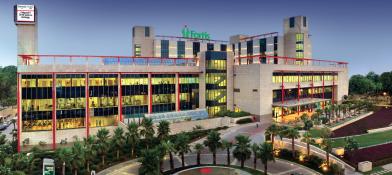 Fortis Memorial Research Institute, Gurgaon4.6
4.6


-
 Fortis Cancer Institute, Defence Colony4.9
4.9
Explore Videos
View all-
 Consult first
Related Specialities
Other Specialities
-
 Cardiac Sciences
-
 Critical Care
-
 Dental Science
-
 Dermatology
-
 Diabetology/Endocrinology
-
 Emergency and Trauma
-
 Endocrine Surgery
-
 ENT
ENT
-
 Foetal Medicine
-
 Gastroenterology and Hepatobiliary Sciences
-
 General Surgery
-
 Haematology
-
 Infectious Diseases
-
 Infertility medicine
-
 Internal Medicine
-
 Liver Transplant and Hepatobiliary Sciences
-
 Medical Genetics
-
 Mental Health and Behavioural Sciences
-
 Nephrology
-
 Neurointerventional Radiology
-
 Neurology
-
 Neurosurgery
-
Nuclear Medicine
-
 Obstetrics and Gynaecology
-
 Oncology
-
 Ophthalmology
-
 Organ Transplant
-
 Orthopaedics
-
 Paediatrics
-
 Pain and Palliative Medicine
-
 Palliative Medicine
-
 Physiotherapy and Rehabilitation
-
 Plastic and Reconstructive Surgery
-
 Pulmonology
-
 Radiology
-
 Rheumatology
-
 Support Specialties
-
 Thoracic Surgery
-
 Transfusion Medicine
-
 Urology
-
 Vascular Surgery
-
Explore Hospitals for Geriatric Medicine
-
Explore Doctors for Geriatric Medicine by Hospital
-
Explore Specialities by Cities
Specialities in Bangalore Specialities in Bangalore. Specialities in Bengaluru Specialities in Chandigarh Specialities in Delhi Specialities in Gurugram Specialities in Jalandhar Specialities in Kolkata. Specialities in Navi Mumbai Specialities in Delhi NCR Specialities in New Delhi Specialities in Mumbai Specialities in Amritsar Specialities in Faridabad Specialities in Gurgaon Specialities in Manesar Specialities in Jaipur Specialities in Kolkata Specialities in Ludhiana Specialities in Mohali Specialities in Noida Specialities in Greater Noida Specialities in Chennai Specialities in Hyderabad -
Explore Hospitals for Geriatric Medicine by Cities
-
Explore Hospitals for Geriatric Medicine by Cities