

About Head and Neck Oncosurgery
The head and neck region is where some of the most essential human functions reside — the ability to speak, to breathe, to swallow, to smile, and to be seen and heard by the world. When cancer arises in this region, it does not just threaten life. It threatens identity, communication, and the quality of everyday living. That is precisely why Head and Neck Oncosurgery exists as a distinct, highly specialised surgical discipline — one that demands not just technical mastery, but a deep commitment to preserving what makes each patient uniquely human.
At Fortis Healthcare, the Department of Head and Neck Oncosurgery brings together some of India's most experienced surgical oncologists, supported by a world-class multidisciplinary team, to deliver cancer care that is as focused on function and form as it is on cure.
What Is Head and Neck Oncosurgery?
Head and Neck Oncosurgery is a specialised branch of cancer surgery wherein malignancies arising from the mouth, throat, voice box, neck, face, nose and paranasal sinuses, nasopharynx, skull base, ear canal and temporal bone, parotid and other salivary glands, thyroid and parathyroid glands, bones, nerves and blood vessels of the neck, and skin of the head and neck area — including melanoma — are diagnosed and treated.
This super-specialty has grown in importance for two critical reasons. Head and neck cancers frequently arise due to tobacco and alcohol use, which is extremely prevalent in India from a very young age — meaning the majority of affected patients are economically productive individuals in the prime of their lives. Additionally, these cancers arise in areas that directly affect talking, chewing, swallowing, voice, breathing, and appearance — functions central to daily living and quality of life.
This dual burden — life-threatening disease in function-critical anatomy — is what makes Head and Neck Oncosurgery one of the most demanding and consequential surgical specialties in cancer care.
Cancers Treated
The scope of this specialty is broad, covering malignancies across a wide anatomical territory:
- Oral Cavity Cancers — cancers of the lips, tongue, cheek lining, floor of mouth, hard palate, and gums
- Oropharyngeal Cancers — cancers of the soft palate, tonsils, back of tongue, and posterior pharyngeal wall
- Laryngeal Cancer — cancer of the voice box (larynx), affecting speech and breathing
- Hypopharyngeal Cancer — cancer of the lower part of the throat, often presenting at an advanced stage
- Nasopharyngeal Cancer — cancer arising in the uppermost part of the throat, behind the nose
- Nasal Cavity and Paranasal Sinus Cancers — including cancers of the maxillary, ethmoid, and frontal sinuses
- Salivary Gland Tumours — cancers of the parotid, submandibular, and minor salivary glands
- Thyroid and Parathyroid Cancers — including papillary, follicular, medullary, and anaplastic thyroid carcinomas
- Skull Base Tumours — complex tumours at the interface of the brain and the head and neck
- Skin Cancers of the Head and Neck — including melanoma and non-melanoma skin cancers in this region
- Cervical Lymph Node Metastases — cancer spread to lymph nodes in the neck from a primary head or neck site
Surgical Procedures: Precision at Every Level
The range of Head and Neck surgeries is vast and can be tailored to suit the disease stage and the patient's individual requirements. Special techniques such as endoscopic surgeries, microscopic laser surgeries, open conventional surgeries, and robotic surgeries may be used depending on the clinical situation.
Key surgical procedures include:
- Transoral Robotic Surgery (TORS) — A minimally invasive surgery to remove oropharyngeal cancers, including tonsil cancer, combining three-dimensional imaging with tiny robotic surgical instruments. TORS allows surgeons to access tumours deep within the throat without external incisions, significantly reducing recovery time and preserving function.
- Laser Microsurgery — Using high-precision laser energy guided through a microscope and endoscope, surgeons remove laryngeal and pharyngeal tumours with minimal damage to surrounding tissue — often preserving the voice in early-stage laryngeal cancer.
- Neck Dissection — When cancer has spread to the lymph nodes of the neck, a neck dissection is performed — either selectively or radically — to remove affected nodes. Modern nerve-sparing techniques minimise disruption to shoulder and neck function.
- Total and Partial Laryngectomy — For advanced laryngeal cancers, partial or total removal of the voice box may be necessary. Voice rehabilitation through tracheo-oesophageal speech, oesophageal speech, or electronic voice aids is an integral part of the recovery plan.
- Skull Base Surgery — Complex tumours at the skull base require exceptional surgical planning and a collaborative approach between Head and Neck surgeons and neurosurgeons. Intraoperative MRI may be used during skull-base surgeries to view real-time images of the tumour, ensuring complete removal while patients are still under anaesthesia.
- Reconstructive and Microvascular Surgery — One of the most transformative advances in modern Head and Neck Oncosurgery is the ability to rebuild what must be removed. Reconstructive surgery for head and neck cancer usually involves the transplantation of tissue from one part of the body to the affected area through a microsurgical approach called free tissue transfer — where a plastic surgeon transfers a piece of the patient's own tissue, along with its blood vessels, to repair the surgical site. This may involve skin, muscle, bone, or a combination — restoring appearance and function with remarkable precision.
A Multidisciplinary Approach: More Than Just Surgery
Head and neck cancer care is never a one-specialist effort. Because head and neck cancer patients often face challenging side effects and complications from treatment, the multidisciplinary team includes specialists in otolaryngology, head and neck surgery, plastic surgery, medical oncology, radiation oncology, nutrition, and other supportive care services.
Every patient's case is reviewed in a dedicated Multidisciplinary Tumour Board — where surgeons, medical oncologists, radiation oncologists, radiologists, pathologists, speech therapists, dietitians, and psycho-oncologists together determine the most effective, function-preserving treatment plan.
Radiation oncology and chemotherapy play a central role alongside surgery. Chemotherapy in combination with radiotherapy is now the standard of care for patients with locally advanced disease, either as a primary treatment or after surgical resection. Targeted therapies and immunotherapy are also increasingly being incorporated into treatment plans
Rehabilitation — speech therapy, swallowing therapy, nutritional support, and psychological counselling — begins from the day of diagnosis and continues long after treatment concludes.
Why Early Diagnosis Changes Everything
The vast majority of head and neck cancers are highly curable when detected early. A persistent mouth ulcer, a painless neck lump, a change in voice lasting more than three weeks, difficulty swallowing, or a non-healing wound in the oral cavity are symptoms that must never be ignored.
Our treatment philosophy is based on a multidisciplinary team approach emphasising organ preservation and restoration of form and function through advanced reconstructive surgery and rehabilitative services.
At Fortis Healthcare, every patient who walks through our doors with a head or neck cancer diagnosis is met with the full force of our clinical expertise, our technology, and our commitment — to not just add years to their life, but to preserve the life in those years.
Our Team of Experts
View all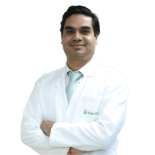 Dr. Ambesh Singh(IOSPL)Senior consultant Surgical Oncology
Available Locations
-
 Fortis Hospital, Greater Noida4.5
4.5


-
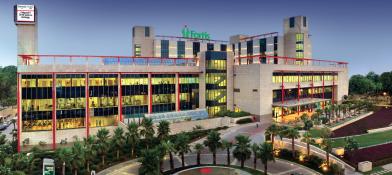 Fortis Memorial Research Institute, Gurgaon4.6
4.6
-
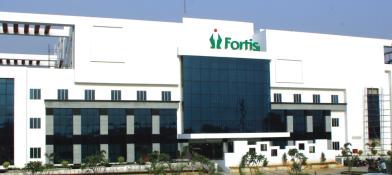 Fortis Hospital, Ludhiana4.4
4.4
-
 Fortis Hospital, Kalyan, Mumbai4.7
4.7
-
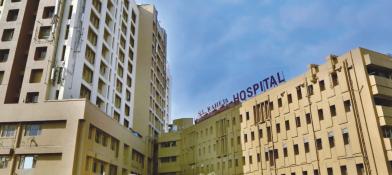 S L Raheja Hospital, Mumbai4.8
4.8
-
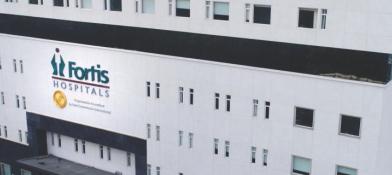 Fortis Hospital BG Road Bangalore4.7
4.7
-
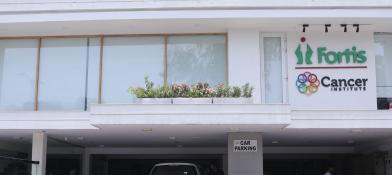 Fortis Cancer Institute, Defence Colony4.9
4.9
-
 Fortis Hospital, Mulund, Mumbai4.6
4.6
-
 Fortis Hospital, Shalimar Bagh, New Delhi4.6
4.6
-
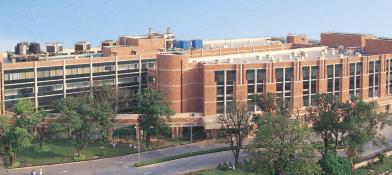 Fortis Hospital, Mohali4.6
4.6
-
 Fortis Flt. Lt. Rajan Dhall Hospital, Vasant Kunj4.5
4.5
-
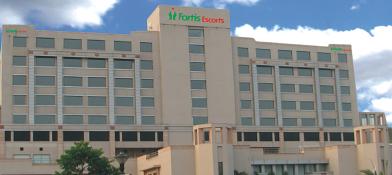 Fortis Escorts Hospital, Jaipur4.6
4.6
-
 Fortis Hospital CG Road Bangalore4.6
4.6
-
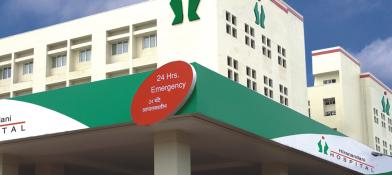 Hiranandani Fortis Hospital, Vashi, Mumbai4.7
4.7
-
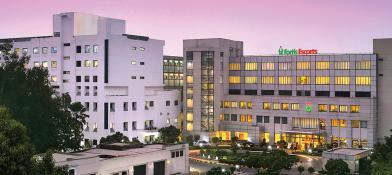 Fortis Escorts Heart Institute, New Delhi4.6
4.6
-
 Gleneagles Hospital, Chennai4.7
4.7
-
 Fortis Hospital Manesar, Gurugram4.7
4.7
Breakthrough Cases
View all-
Preserving Vital Structures in Complex Basal Cell Carcinoma Surgery of maxilla without compromising oncological safety.
Fortis Hospital,
Mulund
-
Fortis Hospital, Vasant Kunj Successfully Manages Rare & Complex Head & Neck Cancer Surgery with Advanced Multidisciplinary Expertise
Fortis Flt. Lt. Rajan Dhall Hospital,
Vasant Kunj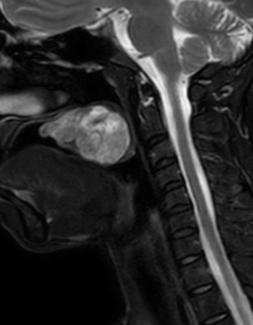
Our patient’s stories
View allThis video shares the inspiring recovery journey of Ms. Israa Khaleel, a rectosigmoid cancer patient from Iraq. Under the care of Dr. Vinay and Dr. Pooja Babbar at Fortis Hospital, Manesar, she successfully underwent surgery followed by comprehensive post-operative treatments, achieving excellent results.
Fortis Hospital Manesar, GurugramThis testimonial video features a cancer patient from Cameroon and her daughter sharing their successful treatment journey at Fortis Hospital. Under the guidance of Dr. Pooja Babbar, the patient underwent chemotherapy and showed remarkable improvement on follow-up PET scans, expressing deep gratitude for the compassionate care received
Fortis Hospital Manesar, GurugramPatient recounts her courageous journey with recurrent granulosa cell tumor, from diagnosis through treatment and recovery. Her experience emphasizes early detection, prompt medical care, expert guidance, personalized treatment, emotional resilience, and maintaining hope while confronting the challenges of cancer and rebuilding her life.
Fortis Hospital Manesar, GurugramA patient shares an inspiring lung carcinoma journey from diagnosis to recovery. Timely treatment, expert medical care, and determination helped overcome the challenges of cancer. His story highlights the importance of early diagnosis, personalized treatment, expert guidance, and hope throughout the recovery journey.
Fortis Hospital Manesar, GurugramLakshmikant Khandelwal recounts his battle with left renal cell carcinoma at Fortis Hospital Manesar. Under the care of Dr. Pooja Babbar, he underwent months of targeted treatment to achieve full recovery. His experience emphasizes the value of compassionate medical attention, personalized oncology care, and perseverance through diagnosis.
Fortis Hospital Manesar, GurugramMukesh Kumar shares his clear cell carcinoma recovery journey at Fortis Hospital, Manesar. Treated by Dr. Pooja Babbar following a complex kidney condition, he received continuous, high-quality care over a year. His story highlights the impact of expert medical guidance, compassionate support, and hope in overcoming cancer.
Fortis Hospital Manesar, GurugramNagendra shares his mother Kaliya Devi's breast cancer recovery journey at Fortis Hospital, Manesar. Under Dr. Pooja Babbar's expert care, she received transparent and affordable treatment. Her story highlights the impact of accessible healthcare, compassionate medical support, and hope in overcoming cancer.
Fortis Hospital Manesar, GurugramMr. Bimlish Kumar Johri shares his inspiring blood cancer recovery journey at Fortis Hospital under Dr. Pooja Babbar. With expert medical care, routine check-ups, and a positive mindset, he successfully overcame cancer. His story highlights the power of timely treatment, proper guidance, and hope in recovery.
Fortis Hospital Manesar, GurugramMs. Meena Bhardwaj shares her inspiring breast cancer journey, from diagnosis and treatment to recovery. With timely medical care, expert guidance, and unwavering determination, she successfully overcame the challenges of cancer. Her story highlights the importance of early detection, timely treatment, and hope in the fight against breast cancer…
Fortis Hospital Manesar, Gurugram
Mr. Mahesh Kumar shares his treatment journey under Dr. Ambesh Singh, Head and Neck Surgical Oncology, Fortis Hospital, Greater Noida, after treatment for tongue carcinoma with glossectomy and neck dissection. His story highlights timely diagnosis, specialised surgical expertise, and comprehensive care. A journey of courage, care, and hope.
Fortis Hospital, Greater Noida
Related Specialities

Other Specialities
-
 Cardiac Sciences
-
 Critical Care
-
 Dental Science
-
 Dermatology
-
 Diabetology/Endocrinology
-
 Emergency and Trauma
-
 Endocrine Surgery
-
 ENT
ENT
-
 Foetal Medicine
-
 Gastroenterology and Hepatobiliary Sciences
-
 General Surgery
-
 Geriatric Medicine
-
 Haematology
-
 Infectious Diseases
-
 Infertility medicine
-
 Internal Medicine
-
 Liver Transplant and Hepatobiliary Sciences
-
 Medical Genetics
-
 Mental Health and Behavioural Sciences
-
 Nephrology
-
 Neurointerventional Radiology
-
 Neurology
-
 Neurosurgery
-
Nuclear Medicine
-
 Obstetrics and Gynaecology
-
 Ophthalmology
-
 Organ Transplant
-
 Orthopaedics
-
 Paediatrics
-
 Pain and Palliative Medicine
-
 Palliative Medicine
-
 Physiotherapy and Rehabilitation
-
 Plastic and Reconstructive Surgery
-
 Pulmonology
-
 Radiology
-
 Rheumatology
-
 Support Specialties
-
 Thoracic Surgery
-
 Transfusion Medicine
-
 Urology
-
 Vascular Surgery
-
Explore Hospitals for
Fortis Cancer Institute, Defence Colony, New Delhi Fortis Memorial Research Institute, Gurgaon Fortis CDOC, Chirag Enclave, New Delhi Fortis Escorts Heart Institute, New Delhi Fortis Hospital, Noida Fortis Flt. Lt. Rajan Dhall Hospital, Vasant Kunj, New Delhi Fortis Escorts Hospital, Amritsar Fortis Escorts Hospital, Faridabad Fortis Escorts Hospital, Jaipur Fortis Hospital CG Road Bangalore Fortis Hospital, Greater Noida Fortis Hospital & Kidney Institute, Gariahat, Kolkata Fortis Hospital BG Road Bangalore Fortis Hospital, Anandpur, Kolkata Fortis Hospital, Kalyan, Mumbai Fortis Hospital, Mulund, Mumbai Fortis Hospital, Ludhiana Fortis Hospital, Mohali Fortis Hospital, Rajajinagar, Bengaluru Fortis Hospital, Shalimar Bagh, New Delhi Fortis La Femme, Greater Kailash II, New Delhi Fortis Nagarbhavi Bangalore Hiranandani Fortis Hospital, Vashi, Mumbai S L Raheja Hospital, Mumbai Fortis Hospital Mall Road, Ludhiana Fortis Hospital,Manesar,Gurugram ADAYU MINDFULNESS LIMITED Fortis Hospital, Jalandhar Gleneagles Hospital, Chennai Fortis Hospital, Yeshwanthpur -
Explore Doctors for by Hospital
Doctors in Fortis Cancer Institute, Defence Colony, New Delhi Doctors in Fortis Memorial Research Institute, Gurgaon Doctors in Fortis CDOC, Chirag Enclave, New Delhi Doctors in Fortis Escorts Heart Institute, New Delhi Doctors in Fortis Hospital, Noida Doctors in Fortis Flt. Lt. Rajan Dhall Hospital, Vasant Kunj, New Delhi Doctors in Fortis Escorts Hospital, Amritsar Doctors in Fortis Escorts Hospital, Faridabad Doctors in Fortis Escorts Hospital, Jaipur Doctors in Fortis Hospital CG Road Bangalore Doctors in Fortis Hospital, Greater Noida Doctors in Fortis Hospital & Kidney Institute, Gariahat, Kolkata Doctors in Fortis Hospital BG Road Bangalore Doctors in Fortis Hospital, Anandpur, Kolkata Doctors in Fortis Hospital, Kalyan, Mumbai Doctors in Fortis Hospital, Mulund, Mumbai Doctors in Fortis Hospital, Ludhiana Doctors in Fortis Hospital, Mohali Doctors in Fortis Hospital, Rajajinagar, Bengaluru Doctors in Fortis Hospital, Shalimar Bagh, New Delhi Doctors in Fortis La Femme, Greater Kailash II, New Delhi Doctors in Fortis Nagarbhavi Bangalore Doctors in Hiranandani Fortis Hospital, Vashi, Mumbai Doctors in S L Raheja Hospital, Mumbai Doctors in Fortis Hospital Mall Road, Ludhiana Doctors in Fortis Hospital,Manesar,Gurugram Doctors in ADAYU MINDFULNESS LIMITED Doctors in Fortis Hospital, Jalandhar Doctors in Gleneagles Hospital, Chennai Doctors in Fortis Hospital, Yeshwanthpur -
Explore Specialities by Cities
Specialities in Bangalore Specialities in Bangalore. Specialities in Bengaluru Specialities in Chandigarh Specialities in Delhi Specialities in Gurugram Specialities in Jalandhar Specialities in Kolkata. Specialities in Navi Mumbai Specialities in Delhi NCR Specialities in New Delhi Specialities in Mumbai Specialities in Amritsar Specialities in Faridabad Specialities in Gurgaon Specialities in Manesar Specialities in Jaipur Specialities in Kolkata Specialities in Ludhiana Specialities in Mohali Specialities in Noida Specialities in Greater Noida Specialities in Chennai Specialities in Hyderabad -
Explore Hospitals for by Cities
Fortis Cancer Institute, Defence Colony, New Delhi Fortis Memorial Research Institute, Gurgaon Fortis CDOC, Chirag Enclave, New Delhi Fortis Escorts Heart Institute, New Delhi Fortis Hospital, Noida Fortis Flt. Lt. Rajan Dhall Hospital, Vasant Kunj, New Delhi Fortis Escorts Hospital, Amritsar Fortis Escorts Hospital, Faridabad Fortis Escorts Hospital, Jaipur Fortis Hospital CG Road Bangalore Fortis Hospital, Greater Noida Fortis Hospital & Kidney Institute, Gariahat, Kolkata Fortis Hospital BG Road Bangalore Fortis Hospital, Anandpur, Kolkata Fortis Hospital, Kalyan, Mumbai Fortis Hospital, Mulund, Mumbai Fortis Hospital, Ludhiana Fortis Hospital, Mohali Fortis Hospital, Rajajinagar, Bengaluru Fortis Hospital, Shalimar Bagh, New Delhi Fortis La Femme, Greater Kailash II, New Delhi Fortis Nagarbhavi Bangalore Hiranandani Fortis Hospital, Vashi, Mumbai S L Raheja Hospital, Mumbai Fortis Hospital Mall Road, Ludhiana Fortis Hospital,Manesar,Gurugram ADAYU MINDFULNESS LIMITED Fortis Hospital, Jalandhar Gleneagles Hospital, Chennai Fortis Hospital, Yeshwanthpur -
Explore Hospitals for by Cities
Fortis Cancer Institute, Defence Colony, New Delhi Fortis Memorial Research Institute, Gurgaon Fortis CDOC, Chirag Enclave, New Delhi Fortis Escorts Heart Institute, New Delhi Fortis Hospital, Noida Fortis Flt. Lt. Rajan Dhall Hospital, Vasant Kunj, New Delhi Fortis Escorts Hospital, Amritsar Fortis Escorts Hospital, Faridabad Fortis Escorts Hospital, Jaipur Fortis Hospital CG Road Bangalore Fortis Hospital, Greater Noida Fortis Hospital & Kidney Institute, Gariahat, Kolkata Fortis Hospital BG Road Bangalore Fortis Hospital, Anandpur, Kolkata Fortis Hospital, Kalyan, Mumbai Fortis Hospital, Mulund, Mumbai Fortis Hospital, Ludhiana Fortis Hospital, Mohali Fortis Hospital, Rajajinagar, Bengaluru Fortis Hospital, Shalimar Bagh, New Delhi Fortis La Femme, Greater Kailash II, New Delhi Fortis Nagarbhavi Bangalore Hiranandani Fortis Hospital, Vashi, Mumbai S L Raheja Hospital, Mumbai Fortis Hospital Mall Road, Ludhiana Fortis Hospital,Manesar,Gurugram ADAYU MINDFULNESS LIMITED Fortis Hospital, Jalandhar Gleneagles Hospital, Chennai Fortis Hospital, Yeshwanthpur