

About Organ Transplant
There are moments in medicine when all other options have been exhausted — when the kidneys can no longer filter, when the heart can no longer pump, when the liver can no longer sustain life. For patients at this critical crossroads, organ transplantation is not merely a treatment option. It is the only path forward. It is the gift of a second life.
The Department of Organ Transplant is one of the most advanced, resource-intensive, and clinically demanding specialties in modern medicine. It brings together elite surgical expertise, cutting-edge technology, and a deeply coordinated multidisciplinary care system to offer patients with end-stage organ failure the most powerful intervention that medicine has to offer — a healthy, functioning organ, and with it, the possibility of a renewed life.
India has emerged as one of the world's leading destinations for organ transplantation, combining world-class surgical outcomes with ethical, transparent practices and significantly greater accessibility than many developed nations. Fortis Memorial Research Institute has extensive organ transplant programmes spanning liver, kidney, heart, lung, bowel, pancreas, and bone marrow transplants, with state-of-the-art technology and skilled specialists providing high success rates.
What Is Organ Transplantation?
Organ transplantation is a specialised medical procedure where a diseased or failing organ is replaced with a healthy one from a donor. It is recommended when an organ can no longer function properly despite medications or other treatments. Depending on the organ involved and the donor type, transplantation may be performed as a planned procedure following a period of evaluation and listing, or as an emergency intervention in cases of acute organ failure. Fortis Healthcare
There are two broad types of transplant: Solid Organ Transplant, which involves replacing organs like the kidney, liver, pancreas, heart, lungs, and small intestine; and Bone Marrow or Peripheral Blood Stem Cell Transplant, which are non-surgical procedures involving the infusion of healthy blood-forming cells to replace diseased ones.
Transplant Programmes
- Kidney Transplant — The kidney is the most commonly transplanted organ in the world. Chronic kidney disease, progressing to end-stage renal failure due to diabetes, hypertension, glomerulonephritis, or polycystic kidney disease, eventually renders dialysis the only bridge to transplantation. Both living donor and deceased donor kidney transplants are performed, with living donor transplantation offering the advantage of better planning, shorter waiting times, and superior long-term outcomes. Minimally invasive and robotic-assisted techniques are increasingly employed for donor nephrectomy, significantly reducing recovery time for the donor.
- Liver Transplant — The liver's unique capacity to regenerate makes living donor liver transplantation possible — a portion of a healthy donor's liver is surgically removed, transplanted into the recipient, and both the donor's and recipient's liver portions regenerate to full functional size. Indications include end-stage cirrhosis, acute liver failure, metabolic liver disorders, biliary atresia in children, and select cases of hepatocellular carcinoma. Deceased donor liver transplantation is also performed, coordinated through authorised organ sharing networks.
- Heart Transplant — For patients with end-stage heart failure who have exhausted all medical and surgical alternatives, cardiac transplantation offers the most definitive long-term solution. The procedure involves replacing the failing heart with a healthy heart retrieved from a brain-dead donor. Advanced mechanical circulatory support devices — including ventricular assist devices (VADs) — may be used as a bridge to transplantation while patients await a suitable donor organ.
- Lung Transplant — Severe, irreversible lung disease caused by conditions such as chronic obstructive pulmonary disease, idiopathic pulmonary fibrosis, pulmonary arterial hypertension, or cystic fibrosis may ultimately require single or double lung transplantation. It is among the most technically demanding of all transplant procedures and requires exceptional post-operative care to manage rejection and infection in the early months following surgery.
- Pancreas Transplant — Most commonly performed in patients with Type 1 diabetes and kidney failure, a simultaneous kidney-pancreas transplant can restore both renal function and insulin independence, significantly transforming quality of life. Isolated pancreas transplantation may also be offered to patients with severe, difficult-to-control diabetes.
- Bone Marrow and Stem Cell Transplant — Used in the treatment of blood cancers such as leukaemia, lymphoma, and myeloma, as well as non-malignant conditions including thalassaemia, aplastic anaemia, and immune deficiencies, bone marrow transplantation replaces diseased blood-forming cells with healthy stem cells from a matched donor (allogeneic transplant) or from the patient's own previously harvested cells (autologous transplant).
- Multi-Organ Transplant — In complex cases where more than one organ has failed simultaneously — such as combined liver-kidney failure or heart-kidney failure — multi-organ transplantation offers a single, coordinated surgical solution. These procedures demand the highest levels of surgical expertise and intensive care capability.
The Transplant Journey: From Evaluation to Recovery
In India, the process of organ transplantation involves several structured steps: patients with organ failure are evaluated by a transplant team to determine if transplantation is the best treatment option; if eligible, they are registered on the national or state-level waiting list; organ allocation is managed by the respective government authorities based on medical urgency, blood type, and waiting time; once a suitable organ becomes available, transplant surgery is performed; and thereafter the patient undergoes post-transplant care and takes immunosuppressive medications to prevent organ rejection.
Pre-transplant evaluation is comprehensive — assessing not just the failing organ, but the patient's overall medical fitness, cardiovascular status, nutritional health, psychological readiness, and social support systems. This evaluation ensures that transplantation is in the patient's best interest and that they are well-positioned for a successful recovery.
Post-transplant care is equally critical and lifelong. Immunosuppressive medications — which prevent the body's immune system from attacking the new organ — must be taken consistently and monitored carefully. Regular follow-up appointments, organ function tests, and surveillance for infection and rejection form the foundation of long-term transplant success. Patient education on medication adherence, lifestyle modifications, and warning signs of complications is a core component of the post-transplant programme.
A Multidisciplinary Team of Excellence
Organ transplantation is the ultimate expression of collaborative medicine. Every patient receives compassionate, streamlined care designed for the best outcomes, supported by internationally trained surgeons, transplant intensivists, organ-specific specialists, dedicated transplant ICUs, and advanced post-operative monitoring systems.
Transplant coordinators serve as the vital link between patients, donors, surgical teams, and organ procurement networks — managing the complex logistics that make transplantation possible. Hepatologists, cardiologists, pulmonologists, nephrologists, haematologists, infectious disease specialists, nutritionists, physiotherapists, and psychologists all play defined roles within the transplant care team.
At its heart, organ transplantation is an act of profound generosity — a donor or donor family offering the most extraordinary gift one human being can give another. The Department of Organ Transplant honours that gift by ensuring that every transplant is performed with the highest standards of surgical excellence, ethical integrity, and compassionate care — giving every recipient the very best chance at the full, healthy life they deserve.
Our Team of Experts
View all Dr. G R ManjunathConsultant Urology
 Dr. Jayanth D HConsultant Urology
 Dr. PREM KUMAR KConsultant Urology
Medical Procedures for Organ Transplant
View all
Available Locations
-
 Fortis Memorial Research Institute, Gurgaon4.6
4.6


-
 Fortis Hospital, Ludhiana4.4
4.4
-
 Fortis Cancer Institute, Defence Colony4.9
4.9
-
 Fortis Nagarbhavi Bangalore4.6
4.6
-
 Fortis Hospital, Rajajinagar, Bengaluru4.6
4.6
-
 Fortis Hospital, Mulund, Mumbai4.6
4.6
-
 Fortis Hospital BG Road Bangalore4.7
4.7
Breakthrough Cases
View all-
We are thrilled to announce the successful completion of our first-ever liver transplant.
Fortis Hospital,
Shalimar Bagh
Our patient’s stories
View allExplore blogs
View all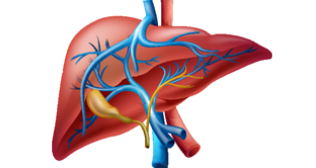

Related Specialities
Other Specialities
-
 Cardiac Sciences
-
 Critical Care
-
 Dental Science
-
 Dermatology
-
 Diabetology/Endocrinology
-
 Emergency and Trauma
-
 Endocrine Surgery
-
 ENT
ENT
-
 Foetal Medicine
-
 Gastroenterology and Hepatobiliary Sciences
-
 General Surgery
-
 Geriatric Medicine
-
 Haematology
-
 Infectious Diseases
-
 Infertility medicine
-
 Internal Medicine
-
 Liver Transplant and Hepatobiliary Sciences
-
 Medical Genetics
-
 Mental Health and Behavioural Sciences
-
 Nephrology
-
 Neurointerventional Radiology
-
 Neurology
-
 Neurosurgery
-
Nuclear Medicine
-
 Obstetrics and Gynaecology
-
 Oncology
-
 Ophthalmology
-
 Orthopaedics
-
 Paediatrics
-
 Pain and Palliative Medicine
-
 Palliative Medicine
-
 Physiotherapy and Rehabilitation
-
 Plastic and Reconstructive Surgery
-
 Pulmonology
-
 Radiology
-
 Rheumatology
-
 Support Specialties
-
 Thoracic Surgery
-
 Transfusion Medicine
-
 Urology
-
 Vascular Surgery
-
Explore Hospitals for Organ Transplant
Fortis Cancer Institute, Defence Colony, New Delhi Fortis Escorts Heart Institute, New Delhi Fortis Escorts Hospital, Jaipur Fortis Flt. Lt. Rajan Dhall Hospital, Vasant Kunj Fortis Hospital BG Road Bangalore Fortis Hospital, Mohali Fortis Hospital, Noida Fortis Hospital, Shalimar Bagh, New Delhi Fortis Memorial Research Institute, Gurgaon Hiranandani Fortis Hospital, Vashi, Mumbai Fortis Hospital Manesar, Gurugram Fortis Nagarbhavi Bangalore Fortis Hospital CG Road Bangalore Fortis Hospital, Rajajinagar, Bengaluru Fortis Hospital, Ludhiana Fortis Hospital, Mall Road Ludhiana Fortis Hospital, Mulund, Mumbai -
Explore Doctors for Organ Transplant by Hospital
Doctors in Fortis Cancer Institute, Defence Colony, New Delhi Doctors in Fortis Escorts Heart Institute, New Delhi Doctors in Fortis Escorts Hospital, Jaipur Doctors in Fortis Flt. Lt. Rajan Dhall Hospital, Vasant Kunj Doctors in Fortis Hospital BG Road Bangalore Doctors in Fortis Hospital, Mohali Doctors in Fortis Hospital, Noida Doctors in Fortis Hospital, Shalimar Bagh, New Delhi Doctors in Fortis Memorial Research Institute, Gurgaon Doctors in Hiranandani Fortis Hospital, Vashi, Mumbai Doctors in Fortis Hospital Manesar, Gurugram Doctors in Fortis Nagarbhavi Bangalore Doctors in Fortis Hospital CG Road Bangalore Doctors in Fortis Hospital, Rajajinagar, Bengaluru Doctors in Fortis Hospital, Ludhiana Doctors in Fortis Hospital, Mall Road Ludhiana Doctors in Fortis Hospital, Mulund, Mumbai -
Explore Specialities by Cities
Specialities in Bangalore Specialities in Bangalore. Specialities in Bengaluru Specialities in Chandigarh Specialities in Delhi Specialities in Gurugram Specialities in Kolkata. Specialities in Navi Mumbai Specialities in Delhi NCR Specialities in New Delhi Specialities in Mumbai Specialities in Amritsar Specialities in Faridabad Specialities in Gurgaon Specialities in Manesar Specialities in Jaipur Specialities in Kolkata Specialities in Ludhiana Specialities in Mohali Specialities in Noida Specialities in Greater Noida Specialities in Chennai Specialities in Hyderabad -
Explore Hospitals for Organ Transplant by Cities
Fortis Cancer Institute, Defence Colony, New Delhi Fortis Escorts Heart Institute, New Delhi Fortis Escorts Hospital, Jaipur Fortis Flt. Lt. Rajan Dhall Hospital, Vasant Kunj Fortis Hospital BG Road Bangalore Fortis Hospital, Mohali Fortis Hospital, Noida Fortis Hospital, Shalimar Bagh, New Delhi Fortis Memorial Research Institute, Gurgaon Hiranandani Fortis Hospital, Vashi, Mumbai Fortis Hospital Manesar, Gurugram Fortis Nagarbhavi Bangalore Fortis Hospital CG Road Bangalore Fortis Hospital, Rajajinagar, Bengaluru Fortis Hospital, Ludhiana Fortis Hospital, Mall Road Ludhiana Fortis Hospital, Mulund, Mumbai -
Explore Hospitals for Organ Transplant by Cities
Fortis Cancer Institute, Defence Colony, New Delhi Fortis Escorts Heart Institute, New Delhi Fortis Escorts Hospital, Jaipur Fortis Flt. Lt. Rajan Dhall Hospital, Vasant Kunj Fortis Hospital BG Road Bangalore Fortis Hospital, Mohali Fortis Hospital, Noida Fortis Hospital, Shalimar Bagh, New Delhi Fortis Memorial Research Institute, Gurgaon Hiranandani Fortis Hospital, Vashi, Mumbai Fortis Hospital Manesar, Gurugram Fortis Nagarbhavi Bangalore Fortis Hospital CG Road Bangalore Fortis Hospital, Rajajinagar, Bengaluru Fortis Hospital, Ludhiana Fortis Hospital, Mall Road Ludhiana Fortis Hospital, Mulund, Mumbai