

About Pain and Palliative Medicine
When a person is living with a serious, complex, or life-limiting illness, the experience of suffering — physical, emotional, psychological, and spiritual — can be as overwhelming as the disease itself. The Department of Pain and Palliative Medicine exists to address that suffering directly, comprehensively, and compassionately. It is a specialty built not around a single organ or disease, but around the whole person — their comfort, their dignity, their relationships, and their quality of life.
Pain and Palliative Medicine is one of the most humane disciplines in modern healthcare. It affirms a fundamental truth that every patient and every family deserves to have affirmed: that relief from suffering is not a secondary concern — it is a core goal of medical care, from the moment of diagnosis through every stage of illness.
Understanding Pain and Palliative Medicine
These two closely related but distinct disciplines are often practised together, reflecting the breadth of need among patients with serious illness.
- Pain Medicine focuses on the assessment, diagnosis, and management of acute and chronic pain — whether arising from injury, surgery, nerve damage, cancer, or long-standing musculoskeletal or degenerative conditions. Pain is one of the most prevalent and undertreated medical problems in the world. Untreated or poorly managed pain diminishes every dimension of a person's life — their sleep, mobility, mood, relationships, and ability to work. Pain medicine specialists use a sophisticated, multimodal approach to help patients achieve meaningful relief and restore function.
- Palliative Medicine is a broader specialty that addresses the full burden of symptoms, stress, and suffering that accompanies serious illness — extending well beyond pain alone. Palliative care provides skilled management of symptoms from the burden of disease and treatments and alleviates suffering across psychosocial, emotional, and spiritual dimensions. Examples of these symptoms may include pain, constipation, anxiety, depression, and loss of appetite. Fortis Healthcare
A critical distinction that is often misunderstood: palliative care is not the same as end-of-life care or hospice. Palliative care can be delivered at any stage of illness alongside other treatments with curative or life-prolonging intent and is not restricted to people receiving end-of-life care. A patient newly diagnosed with cancer, heart failure, or a chronic neurological condition can — and should — receive palliative support from the very beginning of their treatment journey. Fortis Healthcare
Who Benefits from Pain and Palliative Care?
This specialty serves patients across a wide spectrum of conditions and stages of illness:
- Cancer — Pain, nausea, fatigue, breathlessness, and anxiety are among the most distressing symptoms experienced by cancer patients. Palliative medicine works alongside oncology teams to manage these symptoms throughout treatment, enabling patients to tolerate therapy better and maintain quality of life.
- Heart and Lung Disease — Advanced heart failure, chronic obstructive pulmonary disease (COPD), and pulmonary hypertension cause significant breathlessness, fatigue, and functional limitation. Palliative care helps manage these symptoms and supports patients and families in making informed decisions about their care.
- Neurological Conditions — Progressive diseases such as Parkinson's disease, motor neuron disease (ALS), multiple sclerosis, and advanced dementia impose a profound burden of physical and psychological symptoms that palliative medicine is specifically equipped to address.
- Chronic Pain Syndromes — Conditions such as neuropathic pain, complex regional pain syndrome (CRPS), post-surgical pain, cancer-related pain, spinal disorders, and fibromyalgia require specialised pain assessment and individualized management strategies that go beyond routine analgesic prescribing.
- Organ Failure — Patients with advanced kidney, liver, or respiratory failure face complex symptom burdens and difficult decisions about treatment goals. Palliative medicine provides expert guidance at every step.
- Post-Surgical and Procedural Pain — Effective acute pain management following surgery or invasive procedures is critical to recovery, rehabilitation, and the prevention of chronic post-operative pain.
Pain Management: A Multimodal Approach
Effective pain management is never one-dimensional. The Department of Pain and Palliative Medicine employs a comprehensive, evidence-based range of interventions:
- Pharmacological Management — A carefully titrated combination of analgesic medications — from non-opioid drugs and adjuvant agents such as anticonvulsants and antidepressants, to opioid analgesics when clinically appropriate — forms the backbone of pain treatment. Medication regimens are individualised, regularly reviewed, and adjusted to optimise relief while minimising side effects.
- Interventional Pain Procedures — For patients with pain that is refractory to medications alone, a range of minimally invasive procedures can provide targeted, durable relief. These include nerve blocks, epidural steroid injections, facet joint injections, radiofrequency ablation (where heat is used to interrupt pain signals from specific nerves), intrathecal drug delivery systems, and spinal cord stimulation.
- Palliative Sedation and Symptom Control — In patients with refractory and intractable symptoms near the end of life, palliative sedation — the carefully monitored use of sedating medications to reduce consciousness and relieve suffering — may be offered as a compassionate option, following clear ethical guidelines and the patient's expressed wishes.
- Complementary Therapies — Complementary therapies for pain relief may include massage therapy, relaxation methods, music therapy, acupuncture, and aromatherapy — offered as adjuncts to medical management to support the patient's overall sense of wellbeing and comfort.
Emotional, Psychological, and Spiritual Support
Serious illness can cause fear, anger, confusion, grief, and sadness that add to physical suffering. Patients and their families may feel exhausted, anxious, or alone. The Department of Pain and Palliative Medicine recognises that suffering is never purely physical. Psychological support, spiritual care, social work services, and family counselling are integral components of every palliative care plan.
Goals-of-care conversations — sensitive, honest discussions about prognosis, treatment options, and the patient's own values and wishes — are a cornerstone of palliative practice. These conversations, conducted with skill and compassion, empower patients and families to make informed, meaningful decisions about their care — decisions that reflect what matters most to them.
A Multidisciplinary Team Built Around You
Members of a palliative care team can include providers like physicians, nurses, social workers, chaplains and spiritual counsellors, dietitians, therapists, and pharmacists, as well as family members and caregivers. This interdisciplinary structure is not incidental — it is the very model through which palliative care delivers its most profound impact.
The team works in close collaboration with every treating specialist — oncologists, cardiologists, neurologists, intensivists, and surgeons — to ensure that symptom management and emotional support are woven seamlessly into the patient's overall care, never separated from it.
Every person facing serious illness deserves to feel that their suffering is seen, taken seriously, and actively addressed. The Department of Pain and Palliative Medicine is committed to that promise — bringing skill, compassion, and unwavering human presence to some of the most difficult moments in a patient's and family's life.
Our Team of Experts
View all Dr. Gajanan Babu S MAssociate Consultant Anaesthesiology
Available Locations
-
 Fortis Hospital, Greater Noida4.4
4.4


-
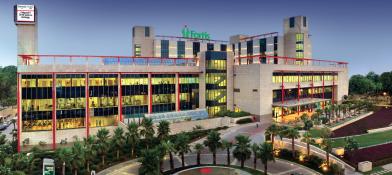 Fortis Memorial Research Institute, Gurgaon4.6
4.6
-
 Fortis Cancer Institute, Defence Colony4.9
4.9
-
 Fortis Nagarbhavi Bangalore4.6
4.6
-
 Fortis Hospital BG Road Bangalore4.7
4.7
Explore blogs
View all


Related Specialities
Other Specialities
-
 Cardiac Sciences
-
 Critical Care
-
 Dental Science
-
 Dermatology
-
 Diabetology/Endocrinology
-
 Emergency and Trauma
-
 Endocrine Surgery
-
 ENT
ENT
-
 Foetal Medicine
-
 Gastroenterology and Hepatobiliary Sciences
-
 General Surgery
-
 Geriatric Medicine
-
 Haematology
-
 Infectious Diseases
-
 Infertility medicine
-
 Internal Medicine
-
 Liver Transplant and Hepatobiliary Sciences
-
 Medical Genetics
-
 Mental Health and Behavioural Sciences
-
 Nephrology
-
 Neurointerventional Radiology
-
 Neurology
-
 Neurosurgery
-
Nuclear Medicine
-
 Obstetrics and Gynaecology
-
 Oncology
-
 Ophthalmology
-
 Organ Transplant
-
 Orthopaedics
-
 Paediatrics
-
 Palliative Medicine
-
 Physiotherapy and Rehabilitation
-
 Plastic and Reconstructive Surgery
-
 Pulmonology
-
 Radiology
-
 Rheumatology
-
 Support Specialties
-
 Thoracic Surgery
-
 Transfusion Medicine
-
 Urology
-
 Vascular Surgery
-
Explore Hospitals for Pain and Palliative Medicine
Fortis Hospital, Noida Fortis Cancer Institute, Defence Colony Fortis Hospital BG Road Bangalore Fortis Memorial Research Institute, Gurgaon Fortis Escorts Hospital, Faridabad Hiranandani Fortis Hospital, Vashi, Mumbai Fortis Hospital, Shalimar Bagh, New Delhi Fortis Nagarbhavi Bangalore Fortis Hospital, Greater Noida -
Explore Doctors for Pain and Palliative Medicine by Hospital
Doctors in Fortis Hospital, Noida Doctors in Fortis Cancer Institute, Defence Colony Doctors in Fortis Hospital BG Road Bangalore Doctors in Fortis Memorial Research Institute, Gurgaon Doctors in Fortis Escorts Hospital, Faridabad Doctors in Hiranandani Fortis Hospital, Vashi, Mumbai Doctors in Fortis Hospital, Shalimar Bagh, New Delhi Doctors in Fortis Nagarbhavi Bangalore Doctors in Fortis Hospital, Greater Noida -
Explore Specialities by Cities
Specialities in Bangalore Specialities in Bangalore. Specialities in Bengaluru Specialities in Chandigarh Specialities in Delhi Specialities in Gurugram Specialities in Kolkata. Specialities in Navi Mumbai Specialities in Delhi NCR Specialities in New Delhi Specialities in Mumbai Specialities in Amritsar Specialities in Faridabad Specialities in Gurgaon Specialities in Manesar Specialities in Jaipur Specialities in Kolkata Specialities in Ludhiana Specialities in Mohali Specialities in Noida Specialities in Greater Noida Specialities in Chennai Specialities in Hyderabad -
Explore Hospitals for Pain and Palliative Medicine by Cities
Fortis Hospital, Noida Fortis Cancer Institute, Defence Colony Fortis Hospital BG Road Bangalore Fortis Memorial Research Institute, Gurgaon Fortis Escorts Hospital, Faridabad Hiranandani Fortis Hospital, Vashi, Mumbai Fortis Hospital, Shalimar Bagh, New Delhi Fortis Nagarbhavi Bangalore Fortis Hospital, Greater Noida -
Explore Hospitals for Pain and Palliative Medicine by Cities
Fortis Hospital, Noida Fortis Cancer Institute, Defence Colony Fortis Hospital BG Road Bangalore Fortis Memorial Research Institute, Gurgaon Fortis Escorts Hospital, Faridabad Hiranandani Fortis Hospital, Vashi, Mumbai Fortis Hospital, Shalimar Bagh, New Delhi Fortis Nagarbhavi Bangalore Fortis Hospital, Greater Noida