


Is an Adrenal Tumor Always Cancer? Understanding the Facts
Is an Adrenal Tumor Always Cancer? Understanding the Facts
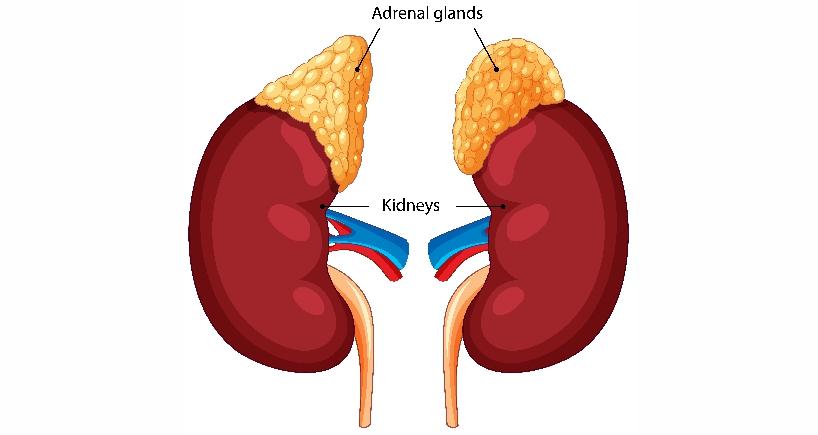
When you hear the word "tumor," it's natural to feel concerned—especially when it involves the adrenal glands, those tiny hormone-producing glands above your kidneys. But here's the key question: Is an adrenal tumor always cancer?
The short answer: No. Most Adrenal tumors are non-cancerous, but understanding the types, symptoms, and when to seek treatment is essential.
Understanding Adrenal Tumors:
Adrenal tumors are growths in the adrenal glands, which sit atop your kidneys and produce essential hormones like Cortisol and Adrenaline. While the term "tumor" can sound alarming, it’s important to know that most are benign and don’t require treatment unless they affect hormone levels.
Are They Always Cancerous?
No, Adrenal tumors are not always cancer. In fact, the vast majority are benign, meaning they’re non-cancerous and often harmless. Malignant tumors, like adrenocortical carcinoma, are rare but serious and need prompt medical attention.
Types of Adrenal Tumors:
Adrenal tumors are classified into two primary categories based on their nature:
- Benign Tumors: These are non-cancerous and include adrenal adenomas and most pheochromocytomas. Adrenal adenomas are the most common, often discovered incidentally during imaging for other conditions. Pheochromocytomas, while usually benign, can occasionally be malignant.
- Malignant Tumors: These are cancerous and include adrenocortical carcinoma, which originates in the adrenal cortex, and malignant pheochromocytoma, which starts in the adrenal medulla. Malignant tumors are significantly less common but can be aggressive.
Symptoms and Presentation:
Adrenal tumor symptoms depend on whether the tumor produces hormones. Non-functional tumors often have no symptoms and are found by chance. Functional tumors can cause issues due to excess hormones, such as:
- High blood pressure
- Weight gain or obesity
- Muscle weakness
- Irregular menstrual periods in women
- Excessive facial and body hair in women
- Diabetes or prediabetes
- Bone loss or fractures
- Kidney stones
Diagnosis of Adrenal Tumors:
Adrenal tumors are often found via:
- Imaging: CT or MRI scans, sometimes incidentally. PET scans or MIBG scans for further evaluation.
- Blood/Urine Tests: Measure hormone levels (cortisol, aldosterone, adrenaline) to check if the tumor is functioning.
- Biopsy: Rarely used due to risks but may confirm malignancy.
Treatment Options:
- Observation: Small, non-functioning benign tumors may only need monitoring with scans/tests.
- Surgery: Adrenalectomy for functioning tumors or suspected cancer, often minimally invasive.
- Medication: Manages hormone overproduction in some cases.
- Chemotherapy/Radiation: Used for malignant tumors, especially if spread occurs.
Key Points:
- Most adrenal tumors are benign (non-cancerous), not malignant (cancerous).
- Research suggests only a small percentage, like 0.5 to 2 per million annually, are cancerous.
- It seems likely that symptoms vary, with many benign tumors causing no issues, while functional tumors can affect hormones.
- The evidence leans toward early diagnosis via imaging and hormone tests being crucial for treatment.
Categories
Clear allMeet the doctor

- Urology | Urology | Robotic Surgery | Uro-Oncology | Kidney Transplant | Paediatric Urology
- Organ Transplant | Kidney Transplant
-
 18 Years
-
 1000
1000
 Available at 3 different locations

Related Blogs
View all



Adult Circumcision: Debunking Facts and Myths | Fortis Health Connect Blogs

Is Beer Good for Kidney Stones ? - Myths Vs Facts | Fortis Healthcare






Keep track of your appointments, get updates & more!

