


Best Cardiologist in Mumbai
Best Cardiologist in Mumbai
Why Heart Attack Risk Increases in Winter
The winter season is associated with a range of health risks, such as respiratory illnesses, hypothermia, and frostbite. But did you know that the chilly weather can also affect your heart health? Many studies have shown that cold weather can raise the risk of having heart attacks and heart-related problems, especially among the elderly and people with pre-existing heart conditions. In fact, a study published in the journal Circulation showed that the number of people dying from heart attacks is higher during the last week of December compared to any other time of the year. Whether you are experiencing a cardiac emergency due to cold-induced blood vessel constriction or have been newly diagnosed with a heart condition, our multidisciplinary team of cardiologists, cardiac surgeons, and other specialists at Fortis Hospital, Mulund, is here to provide you with the best care possible.
Read on to learn how cold weather impacts your cardiovascular health, increasing the risk of heart attacks, and what you can do to protect your heart when the temperature drops.
Why Do Heart Attack Cases Spike in Winter?
The colder months can affect your health, including your heart health, in different ways. Several theories explain why there is a higher risk of having a heart attack in winter. Cold or low temperatures cause your blood vessels and arteries to constrict, making it difficult for the blood to flow easily. This puts immense strain on your heart, forcing it to pump harder to circulate blood throughout your body to maintain a healthy body temperature. This causes your blood pressure and heart rate to rise, increasing your risk of a heart attack and stroke. Besides, other factors, such as a lack of exercise, overindulgence in rich foods and drinks, and high stress levels during the holiday season, can lead to an increased risk of a heart attack. Ignoring the warning signs of a heart attack or stroke is another major factor contributing to a higher cardiac risk.
Moreover, people with coronary heart disease tend to have chest pain or angina, which can worsen when the arteries constrict in cold weather. Additionally, hypothermia when the body temperature drops dangerously low, below 95 degrees Fahrenheit is another cold weather health risk, which is usually triggered by prolonged exposure to cold temperatures. Left untreated, hypothermia can cause heart and respiratory system failure, eventually leading to death.
What Can You Do to Keep Your Heart Healthy in Winter?
The good news is that you can take precautions to help prevent or reduce your risk of heart attacks and other heart-related problems, even when the weather turns chilly. Some preventive measures include:
- Keeping yourself warm by wearing layers of clothing, ensuring that your head, ears, hands, and feet are properly covered.
- Exercising wisely by following safety guidelines while working out in cold weather. Engaging in indoor activities, such as yoga, Pilates, dance, and stretching exercises, is a great way to get the blood flowing and stay active at home.
- Avoiding overexertion by taking frequent breaks, especially if you’re shovelling snow or doing physical activities outside.
- Eating heart-healthy foods, such as leafy greens, fruits, nuts, wholegrains, lean proteins, while avoiding or limiting saturated and trans fats. Using herbs and spices to flavour foods instead of salt is a healthy alternative to salt, as consuming too much salt can cause high blood pressure, which is a risk factor for heart disease.
- Staying hydrated by drinking enough water and fluids.
- Sticking to non-alcoholic beverages. Drinking alcohol can give you a false sense of warmth by dilating blood vessels when your body is, in fact, losing heat, thereby increasing your risk of hypothermia.
- Managing risk factors or any health conditions you may have – such as high blood pressure, high cholesterol, diabetes, obesity, etc.
- Being able to recognize any unusual signs and seeking prompt medical help, especially if the symptoms persist.
Common signs and symptoms of a heart attack include:
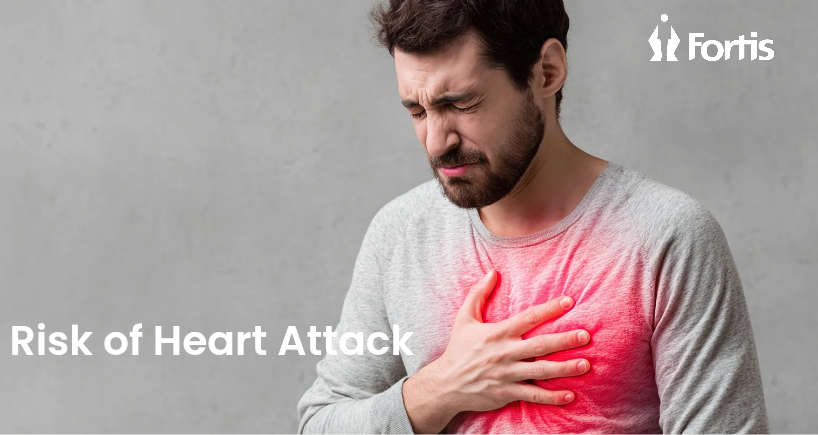
- Chest pain, tightness, or discomfort – the pain or discomfort may worsen in cold air
- Discomfort that may spread to other areas, such as the neck, jaw, arm, back, and stomach
- Shortness of breath
- Rapid or irregular heartbeat
- Unusual fatigue or weakness
- Nausea
- Dizziness
- Cold sweat
Making small, consistent lifestyle changes and seeking medical attention, even if you’re not sure it’s a heart-related problem, can go a long way in keeping your heart safe throughout the year, not just in winter.
_______________________________________________________________________________________________________
Fortis Hospital Mulund, Mumbai
Address: Mulund Goregaon Link Road, Mulund-West, Mumbai, 400078
Ph.02268846141
Categories
Clear allMeet the doctor

- Cardiac Sciences | Interventional Cardiology
-
 22 Years
-
 2500
2500
Related Blogs
View all




FAQs
What are the common symptoms of heart disease?
Common symptoms include chest discomfort, shortness of breath, fatigue, irregular heartbeat, sweating, and pain in the arm, jaw, or back.
What tests are commonly used to diagnose heart disease?
Doctors may recommend ECG, echocardiogram, stress test, angiography, CT scan, and blood tests to diagnose heart conditions.
When should I consult a cardiologist?
You should consult a cardiologist if you experience chest pain, breathlessness, palpitations, dizziness, or high blood pressure.
What is angioplasty?
Angioplasty is a minimally invasive procedure used to open blocked heart arteries and improve blood flow to the heart.
How can I reduce my risk of heart disease?
Maintaining a healthy weight, eating balanced meals, exercising regularly, and managing diabetes and blood pressure can lower heart disease risk.

Keep track of your appointments, get updates & more!

