
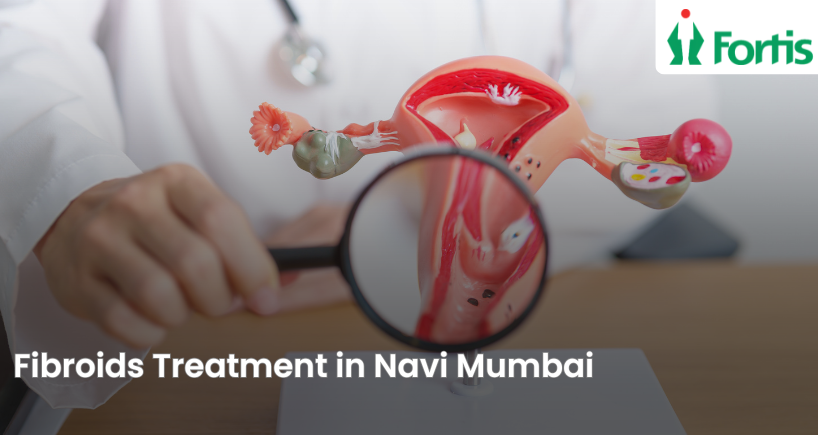


One of the Best Fibroids Treatment in Navi Mumbai
One of the Best Fibroids Treatment in Navi Mumbai
Most women who have fibroids don’t know it. The diagnosis comes up on a routine scan done for something else entirely, a check during pregnancy, an ultrasound for something unrelated and the finding sits there in the report, quietly.
No symptoms. No treatment needed. Just a note to keep in mind. That’s actually the most common story. The women who need attention are the ones with symptoms. And those symptoms almost always fall into one of three categories: heavy bleeding, pressure or pain, or trouble conceiving. The fibroid’s size matters less than what it’s doing.
Heavy Bleeding: The Most Common Symptom of Fibroids - Heavy periods are the most frequent reason women come to clinic. What surprises me is how long many women have been managing it before they seek help, years, sometimes. Extra pads, iron tablets, the quiet assumption that this is simply how their body works. In some cases the bleeding has caused anaemia by the time they’re seen. Tiredness that doesn’t lift, breathlessness climbing stairs, a haemoglobin that’s been low for so long it now feels normal. That’s when watchful waiting stops being appropriate.
Pressure and Pain Caused by Fibroids - Larger fibroids, or ones sitting in particular positions, press on neighbouring structures. The bladder takes the brunt of it most often, with frequent urination and the feeling of not fully emptying. Sometimes there’s a dragging heaviness in the pelvis, or low back discomfort that’s been attributed to posture or a bad chair for months before anyone looks further.
Fibroids and Fertility - A fibroid sitting inside the uterine cavity, or distorting the shape of it, can interfere with implantation. This is a specific subtype, submucosal, and it behaves differently from fibroids in the wall or on the outer surface. When fertility is the concern, the location matters more than the size.
How Treatment for Fibroids Is Decided
No two women with fibroids end up on the same path. Two patients can walk in with fibroids of almost identical dimensions and end up with entirely different plans.
What drives the decision is:
- The symptom pattern
- The blood count
- The scan findings
- Sometimes an MRI
- Whether the woman is planning a future pregnancy
Medical Management of Fibroids
Medical options address the bleeding without removing anything.
- Hormonal Treatments - Hormonal treatments regulate the cycle and help control symptoms related to bleeding.
- Non-Hormonal Treatments - Non-hormonal options reduce blood loss directly without suppressing the hormones.
These work well for women where the fibroid itself doesn’t need to come out.
Surgical Treatment Options for Fibroids
When surgery is needed, the approach is planned around the fibroid’s number, size, and location. Wherever possible, this is done laparoscopically, keyhole surgery, smaller incisions, less blood loss, recovery measured in days rather than weeks.
- Myomectomy - For a woman who wants to preserve her uterus, especially one planning a pregnancy, the fibroid is removed and the womb is left intact. This is called a myomectomy.
- Hysterectomy - For a woman who has completed her family and is dealing with multiple or large fibroids causing significant symptoms, a hysterectomy may be the most definitive answer. The decision to go that route is made together, not handed down.
What the Consultation Actually Involves
A fibroid found on scan is a starting point, not a diagnosis. The next step is understanding what it’s doing.
That means a proper history:
- How heavy is the bleeding?
- Is there pain?
- Has conception been difficult?
This is followed by a targeted ultrasound and, when needed, an MRI to map the fibroid’s exact position relative to the uterine cavity and surrounding structures.
Expert Fibroid Care at Fortis Hiranandani Hospital, Vashi
At Fortis Hiranandani Hospital, Vashi, fibroid management under Dr. Prashant Bhamare’s team is built around that individual assessment. The goal is to treat what’s actually causing the problem, using the least invasive approach that gets the job done.
If you’ve been told you have fibroids and aren’t sure what to do next, a single consultation is usually enough to give you a clear picture.
Categories
Clear allRelated Blogs
View all

Bacterial Vaginosis: Causes, Symptoms And Treatment


Awareness, Breast Self-Examination And Regular Screening Examination Can Change The Life o...

Hormonal Imbalance: Symptoms, Causes And Treatment

Evolution of Gynae & Cancer Surgeries With Robotics


Know The Top 11 Benefits of Antenatal Exercises
FAQs

Keep track of your appointments, get updates & more!

