
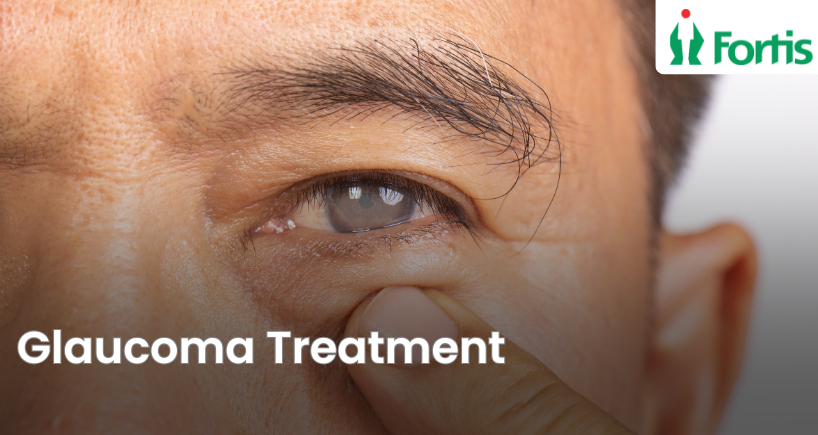


Glaucoma Treatment in Mumbai
Glaucoma Treatment in Mumbai
Eye diseases, such as glaucoma, can be tricky, because you may not even know you have it until the condition has caused irreversible damage. With glaucoma, which damages the optic nerve, most people do not have any noticeable symptoms in the early stages. Treatment can delay or prevent vision loss if glaucoma is detected early. If you’re searching for the best hospital in Mumbai for comprehensive glaucoma treatment, you can count on the eye specialists at Fortis Hospital, Mulund. Our ophthalmologists diagnose and treat all types of glaucoma, using the latest diagnostic tools and state-of-the-art treatments. Our leading glaucoma specialists will work with you to craft a personalised plan to ensure your vision stays intact as much as possible.
Read on to learn more about glaucoma, including the signs and symptoms, causes, risk factors, and the treatment options available at Fortis Hospital, Mulund.
What is Glaucoma?
Glaucoma is a group of eye disorders that damage the eye’s optic nerve, leading to irreversible vision loss and blindness. Damage to the optic nerve usually occurs when fluid builds up in your eye, resulting in increased eye pressure. Left unchecked, it can lead to loss of vision and permanent blindness.
The two main types of glaucoma are:
- Open-angle glaucoma – the most common type of glaucoma, where fluid pressure builds up in your eye as the drainage system becomes inefficient. It happens gradually.
- Angle-closure glaucoma, also called ‘closed-angle glaucoma’ or ‘narrow-angle glaucoma’ – a serious eye condition that may happen suddenly or gradually. This type of glaucoma develops when the iris blocks the drainage angle, causing fluid pressure in your eye to rise quickly.
While there’s no cure for glaucoma, early diagnosis and appropriate treatment can help slow or even halt further vision loss. The problem is that glaucoma symptoms are hard to notice until the disease has progressed to an advanced stage. That’s why it’s important to have regular eye exams that include measurements of your eye pressure (intraocular) to detect any changes as early as possible, when it’s easier to treat.
What are the Signs and Symptoms of Glaucoma?
Most types of glaucoma do not show any symptoms during the initial stages. As the condition progresses, you may have symptoms, depending on the type of glaucoma you have.
Open-angle glaucoma
Symptoms develop slowly and may include:
- Small blind spots in your side vision (peripheral vision)
- Difficulty seeing things in your central vision as the disease advances
Closed-angle glaucoma
Symptoms can be sudden and severe, requiring immediate medical attention. This is called an acute attack, which is a medical emergency.
Acute angle-closure glaucoma symptoms may include:
- Sudden, severe eye pain
- Headache
- Nausea or vomiting
- Blurred vision
- Red eyes
- Rainbow-coloured circles around lights
With chronic angle closure glaucoma, you may not have any symptoms at first, so you won’t notice any changes until the damage is severe.
When to see an eye doctor?
Consult an eye specialist if you notice any changes in your vision. Seek immediate medical help if you’re experiencing severe eye pain, a bad headache, or any symptoms that come on suddenly.
What Causes Glaucoma?
You get glaucoma when there is damage to your optic nerves, often due to high pressure inside the eye.
Your eyes continuously produce a clear fluid (aqueous humor) to nourish them. This fluid leaves your eyes through mesh-like channels, an angle where your iris and cornea meet. But when the drainage system doesn’t work properly, fluid pressure builds up inside the eye. This increased eye pressure can damage your optic nerve, resulting in glaucoma.
While doctors aren’t sure what causes eye pressure (intraocular pressure or IOP) to rise, they believe some factors may increase the risk. Some people may develop glaucoma even with normal eye pressure.
Risk factors for glaucoma include:
- Elevated eye pressure
- Large optic nerve
- Thin cornea
- Eye injury or certain types of eye surgery
- Refractive errors, including myopia and hyperopia
- Age – over 55 years
- African, Hispanic, or Asian descent
- A family history of glaucoma
- Certain health conditions – diabetes, high blood pressure, migraine, heart problems
- Prolonged use of corticosteroid medicines, especially eye drops
How is Glaucoma Diagnosed?
Diagnosing glaucoma involves a comprehensive eye exam. At Fortis Hospital, Mulund, our eye specialists will run a series of tests to confirm your diagnosis, so they can personalise your treatment.
Common tests and procedures may include:
- Tonometry – to measure your eye pressure
- Pachymetry – to measure the thickness of your cornea
- Visual field test – to measure your central and peripheral vision
- Gonioscopy – to check your eye’s drainage angle
- Dilated eye exam and imaging tests – to check for optic nerve damage
How is Glaucoma Treated?
The main goal of treatment is to prevent glaucoma from getting worse by reducing eye pressure.
At Fortis Hospital, Mulund, our specialists provide advanced, effective treatments, including:
- Medications – such as eye drops to reduce eye pressure or decrease the amount of fluid your eye produces.
- Laser treatments – such as trabeculoplasty and iridotomy procedures to help fluid drain from the eye effectively.
- Surgery – such as trabeculectomy to create a new pathway for fluid to drain, which lowers eye pressure.
Minimally invasive glaucoma surgeries (MIGS) – our doctors offer less invasive approaches, which offer faster recovery and fewer complications compared to traditional procedures.
Depending on the type of glaucoma you have, our experts will recommend a treatment that’s best for you.
Can You Prevent Glaucoma?
Glaucoma isn’t always preventable, but you can take steps to prevent vision loss or even reduce your risk of getting it. These include getting regular eye exams to enable early detection and timely treatment, knowing and managing your risk factors, and using protective items, such as safety glasses, to prevent eye injuries.
Conclusion
If you or a loved one has been diagnosed with glaucoma, it’s important to get it treated right away to protect your eyes from further damage. Although the damage caused by glaucoma cannot be cured or reversed, several effective treatment options are available to help slow disease progression or prevent vision loss. At Fortis Hospital, Mulund, our glaucoma specialists will work with you to create a personalised treatment plan based on your condition and needs.
Categories
Clear allMeet the doctor

- Ophthalmology | Ophthalmology
-
 30 Years
-
 1700
1700
Related Blogs
View all


-
Explore More
Neurology Hospital in Mumbai Kidney Transplant Hospital in Mumbai Cancer Hospital in Mumbai Bone Marrow Transplant Hospital in Mumbai Heart Hospital in Mumbai Breast Cancer Hospital in Mumbai Mouth Cancer Hospital in Mumbai Anemia Hospital in Mumbai Heart Failure Treatment in Mumbai Emergency Hospital in Mumbai Radiation Therapy in Mumbai Eye Hospital in Mumbai Kidney Cancer Hospital in Mumbai
FAQs
What are the warning signs of Glaucoma that need immediate attention?
Sudden symptoms like severe pain, blurred vision, headache, nausea, or halos around lights may indicate acute Glaucoma and require urgent medical care
How is Glaucoma detected early?
Through regular comprehensive eye exams, including tests like tonometry (eye pressure), visual field tests, and optic nerve evaluation
What happens if Glaucoma is left untreated?
If untreated, Glaucoma can lead to progressive vision loss and eventually permanent blindness, due to ongoing Optic nerve damage

Keep track of your appointments, get updates & more!

