
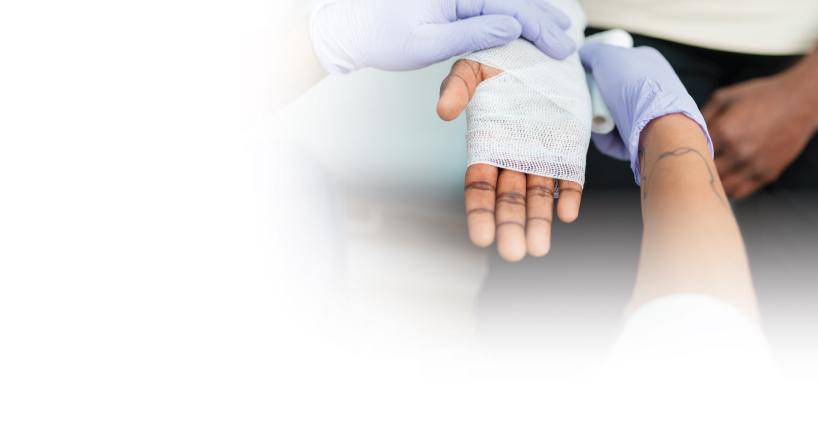


Choking, Burns, Cuts & Falls: First Aid You Should Know
Accidents can happen anytime—at home, at work, or in public places. Situations such as choking, burns, cuts, or falls are common emergencies that require quick and appropriate first aid. Knowing how to respond during these moments can prevent complications and, in some cases, even save a life.
Healthcare professionals emphasize that basic first aid knowledge empowers people to act confidently until medical help arrives. If an injury is serious or symptoms worsen, it is important to seek immediate care at a trusted emergency hospital in Noida or consult a qualified emergency medicine doctor in Noida for proper treatment.
Below are some essential first aid steps everyone should know for common emergencies.
First Aid for Choking
Choking occurs when food or another object blocks the airway, preventing a person from breathing properly. It is a life-threatening situation that requires immediate action.
Signs of Choking
- Difficulty breathing or speaking
- Inability to cough effectively
- Clutching the throat (universal choking sign)
- Blue or pale skin
- Loss of consciousness in severe cases
What You Should Do
- Encourage the person to cough if they can still breathe or speak.
- Ask: “Are you choking?” and get consent if conscious
- If severe airway obstruction: Give 5 back blows (between shoulder blades) and Follow with 5 abdominal thrusts. Continue cycle until object is expelled If person becomes unconscious, start CPR immediately. Check for visible object before giving breaths (do NOT blind sweep). For pregnant or obese patients → chest thrusts instead of abdominal thrusts
- Call emergency medical services immediately if the object does not come out.
- If the person becomes unconscious, begin CPR until professional medical help arrives.
Prompt treatment at a nearby emergency care hospital in Noida is essential if choking persists or breathing does not improve.
First Aid for Burns
Burns can result from heat, fire, hot liquids, chemicals, electricity, or radiation. The severity of burns varies from mild to severe and requires appropriate care.
Immediate First Aid Steps
- Cool the burn by placing it under cool running water for at least 20 minutes.
- Remove tight clothing or jewellery near the affected area before swelling begins.
- Cover the burn with a clean, sterile dressing or cloth to protect the skin.
- Do NOT break blisters
- For chemical burns → brush off dry chemicals first, then irrigate
- Avoid applying ice, butter, toothpaste, or home remedies, as these may worsen the injury.
When to Seek Medical Help
Visit an emergency hospital in Noida if:
- The burn is large or deep
- It involves the face, hands, feet, or joints
- Blisters form or severe pain develops
- The burn is caused by electricity or chemicals
Early treatment by an emergency medicine specialist in Noida can help prevent infection and complications.
First Aid for Cuts and Bleeding
Cuts and wounds are among the most common injuries. While minor cuts can be treated at home, deep or heavily bleeding wounds require medical attention.
Steps to Control Bleeding
- Wash your hands before touching the wound to reduce infection risk.
- Apply firm, direct pressure immediately
- Use pressure dressing/bandage
- If bleeding continues: Apply tourniquet (life-threatening limb bleeding)
- Apply an antiseptic and cover the wound with a sterile bandage.
When to Seek Medical Attention
Visit a trauma care hospital in Noida if:
- If bleeding is severe or not controlled with direct pressure
- The wound is deep or large
- The injury was caused by a rusty or contaminated object
- There are signs of infection such as redness, swelling, or pus
Prompt evaluation by an emergency physician in Noida helps prevent complications.
First Aid for Falls and Minor Injuries
Falls are common among children, athletes, and older adults. They can lead to bruises, sprains, fractures, or head injuries.
Immediate First Aid Steps
- Help the person sit or lie down safely to avoid further injury.
- Check for pain, swelling, or deformity in the injured area.
- Apply a cold compress or ice pack (wrapped in cloth) to reduce swelling.
- Encourage rest and avoid moving the injured part unnecessarily.
Warning Signs After a Fall
Seek immediate care at a multispecialty emergency hospital in Noida if the person experiences:
- Vomiting
- Severe headache
- Seizure
- Persistent dizziness or confusion
- Severe pain or inability to move a limb
- Persistent dizziness or confusion
- Head injury or bleeding
- Loss of consciousness
Doctors trained in emergency medicine can perform imaging tests and provide appropriate treatment.
Why First Aid Knowledge is Important
Understanding basic first aid helps individuals respond effectively during emergencies. Quick action can:
- Prevent a minor injury from becoming serious
- Reduce pain and discomfort
- Lower the risk of infection or complications
- Stabilize a patient until professional help arrives
Hospitals and healthcare organizations in Noida often encourage community awareness programs that teach basic first aid skills to improve public safety.
When to Seek Emergency Medical Care
While first aid provides temporary support, professional medical care may still be necessary. You should visit an emergency hospital in Noida if:
- The injury is severe or worsening
- Breathing problems occur
- There is uncontrolled bleeding
- Burns or injuries cover large areas of the body
- The person becomes unconscious or disoriented
Timely treatment from an experienced emergency medicine doctor in Noida ensures proper diagnosis and recovery.
Conclusion
Emergencies such as choking, burns, cuts, and falls can occur unexpectedly, but knowing basic first aid can make a critical difference. Simple actions like clearing an airway, cooling a burn, stopping bleeding, or stabilizing a fall injury can help protect a person’s health until medical assistance arrives.
If an injury appears serious or symptoms worsen, seeking prompt treatment at a trusted emergency hospital in Noida is essential. Learning and practising first aid skills not only prepares you for emergencies but also helps create a safer environment for everyone around you.
Categories
Clear allMeet the doctor

- Support Specialties | Pain Management
- Emergency and Trauma | Emergency Medicine
- Pain and Palliative Medicine | Pain and Palliative Medicine
-
 15 Years
-
 800
800
Related Blogs
View all



FAQs

Keep track of your appointments, get updates & more!

