


Chyluria Explained: When Milky Urine Signals a Lymphatic Disorder
A routine trip to the restroom should never cause feelings of sudden panic. However, noticing a strange milky color in the toilet bowl brings immediate anxiety. Finding a thick white liquid instead of normal yellow urine alarms for anyone. This strange visual anomaly indicates a fascinating internal structural problem inside you. Your body is leaking vital digestive fluid into the wrong anatomical plumbing.
Exploring your lymphatic network helps explain this rare and highly frustrating condition. Your dedicated physician will carefully guide your demanding physical healing journey safely. Understanding the root cause of this fluid leakage provides profound emotional relief. Modern medicine offers excellent diagnostic tools to find the exact microscopic tear. You can successfully manage this condition with proper medical and dietary guidance.
Decoding the Milky Appearance
The medical term for this specific milky urine condition is clinical chyluria. The startling white color comes directly from a specialized fluid called chyle. Your digestive system produces this milky substance after you consume dietary fats. Tiny lymphatic vessels absorb this fat rich liquid from your sensitive intestines. This intricate biological process ensures your body receives necessary calories and nutrients.
The fluid normally travels upward through your chest to join your bloodstream. The specialized medical field of Urology closely studies these intricate physiological processes. Doctors possess excellent diagnostic tools for tracing this bizarre internal fluid leak. Understanding normal anatomy helps you grasp why this unusual leakage occurs. Your internal plumbing relies on separate pathways that must never cross.
The Mechanics of the Leak
Sometimes, a severe blockage forces this fluid backward causing immense internal pressure. This intense mechanical pressure forces the fragile lymphatic vessels to burst open. The chyle leaks directly into your urinary tract and mixes with your urine. This abnormal connection is known medically as a fistulous communication. The fragile vessels cannot withstand the forceful backup of digestive fluids.
When the fat rich fluid enters the kidneys, it travels down the ureters. The mixture eventually reaches your bladder and is expelled during normal urination. The severity of the milky appearance varies depending on your recent fat intake. Consuming a heavy meal makes the fluid significantly thicker and much whiter. You might notice the color changes dramatically throughout the course of a day.
Identifying the Primary Symptoms
The most obvious sign remains the sudden milky white appearance of your urine. You might notice this visual change happens more frequently after eating heavy meals. The high fat content in a rich dinner increases the chyle production significantly. This specific visual change serves as the primary diagnostic clue for physicians. You should document when the urine appears the cloudiest to help your doctor.
Recognizing exact chyluria symptoms early demands rigorous daily physical observations. Some patients also experience vague aching pain radiating across their lower back. As the fatty liquid cools inside the bladder, it can occasionally form clumps. These soft biological clots might cause mild difficulty during normal urination. If you notice tiny drops of blood mixed in, seek immediate medical help.
Uncovering the Parasitic Connection
Understanding exactly why this lymph urine leakage happens requires looking at global geography. In many tropical regions, a specific microscopic parasite causes the vast majority of cases. A mosquito bite transmits tiny filarial worms directly into your human bloodstream. These resilient parasites migrate toward your lymphatic vessels and establish permanent colonies. They disrupt the normal flow of essential fluids throughout your body.
Their physical presence creates massive internal blockages and severe localized tissue inflammation. The resulting pressure buildup eventually causes the delicate vessels near your kidneys to rupture. If you have recently traveled to tropical areas, inform your attending physician immediately. Treating the underlying parasitic infection is crucial for your long term recovery. Powerful antiparasitic medications can eliminate the worms and stop further structural damage.
Non Parasitic Causes of Leakage
While parasites represent the most common cause, other rare triggers do exist. Severe abdominal trauma from a car accident can crush these delicate vessels. Hidden pelvic tumors can also press against the lymphatic network and cause blockages. Your doctor will carefully investigate your medical history to find the source. Finding the non parasitic cause often requires advanced scanning and deep investigation.
Congenital lymphatic malformations occasionally cause this frustrating condition in perfectly healthy young adults. Some individuals are simply born with abnormal connections between their lymphatic and urinary systems. These structural issues might not manifest until later in adult life. Comprehensive medical imaging will reveal these hidden anatomical variations clearly. Once identified, your medical team can formulate a precise plan of action.
Navigating the Diagnostic Pathway
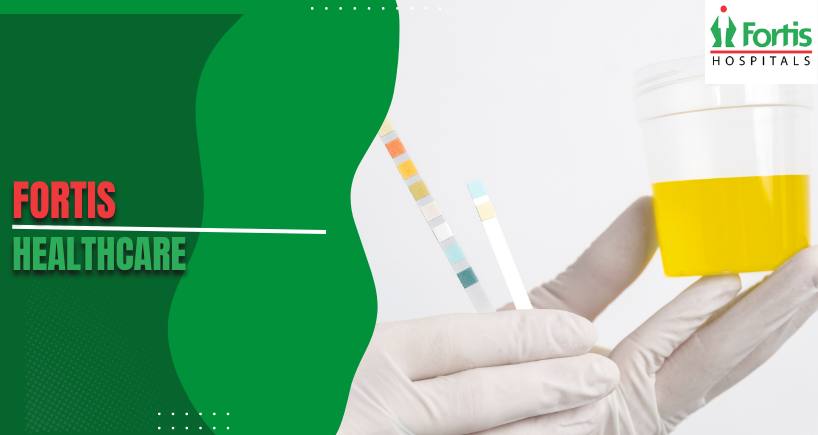
Accurate medical interventions require precise initial biological mapping for complete success. Your doctor will ask you to provide a fresh urine sample for laboratory testing. Advanced clinical pathology laboratories routinely analyze your extracted fluid samples using powerful machines. They check for the specific presence of dietary fats and unique proteins. This vital laboratory data definitively establishes a specific clinical path forward.
Physicians frequently utilize advanced imaging studies to locate the exact point of leakage. A specialized magnetic resonance imaging scan maps your entire abdominal lymphatic network beautifully. Sometimes, they inject a safe contrasting dye to watch how the fluids travel. This dynamic testing allows doctors to see the leak occurring in real time. Knowing the exact location of the tear determines your future treatment options.
Accessing Specialized Medical Care
Complex biological challenges demand highly sophisticated clinical medical environments for ensuring success. Premium healthcare institutions maintain rigorous safety protocols across their highly active departments. Finding an elite specialist ensures you actively receive appropriate therapeutic guidance safely. Excellent institutional clinical guidance safely illuminates the darkest corners of your demanding journey. You deserve the best possible care when facing a rare medical condition.
Seeking comprehensive clinical evaluation provides absolute safety. Their highly qualified medical consultants collaborate seamlessly to resolve particularly difficult diagnostic mysteries. This structured multidisciplinary clinical approach ensures comprehensive physiological support for every patient. The comforting presence of highly experienced clinical staff drastically reduces your severe anxiety. They will guide you through the testing and treatment phases with compassion.
Categories
Clear allRelated Blogs
View all



Adult Circumcision: Debunking Facts and Myths | Fortis Health Connect Blogs
Is Beer Good for Kidney Stones ? - Myths Vs Facts | Fortis Healthcare




FAQs

Keep track of your appointments, get updates & more!

