
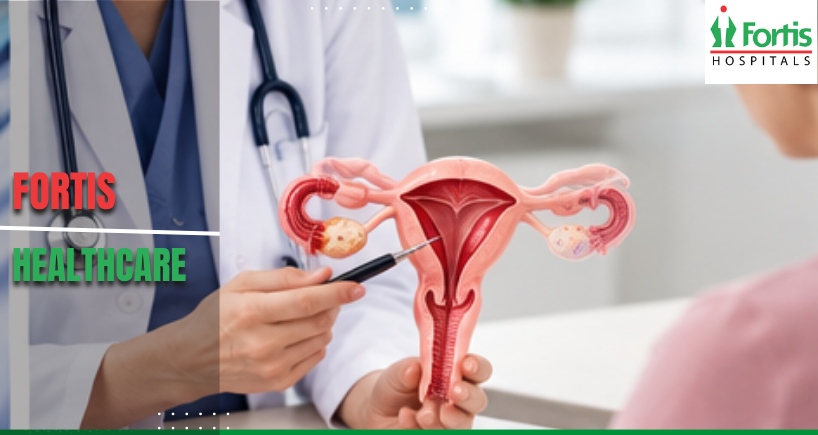


Does a Gynaecologic Oncologist Only Treat Cancer
Gynaecologic oncology is a specialised field focused on cancers affecting the female reproductive system, including ovarian, cervical, uterine, vaginal and vulvar cancers. However, the role of a gynaecologic oncologist can extend beyond treating confirmed cancer.
These specialists have advanced training in complex pelvic surgery and the evaluation of suspicious or difficult-to-diagnose conditions. They may also be involved when a pelvic mass has uncertain characteristics, when a complex benign condition requires specialised surgery, or when a woman has a high inherited risk of developing certain cancers.
Understanding when a gynaecologic oncologist may be involved can help women seek the right specialist at the right time.
Managing Complex Benign Tumours
Not every pelvic or reproductive-system tumour is cancerous. Conditions such as uterine fibroids are common examples of benign growths that may sometimes become large or cause significant symptoms.
Fibroids can contribute to heavy menstrual bleeding, pelvic pressure, abdominal discomfort, frequent urination or fertility-related concerns. While many fibroids can be managed medically or with routine gynaecological care, some complex cases may require surgery.
A gynaecologic oncologist may be involved when a pelvic mass is unusually large, has uncertain features, or requires technically challenging surgery. Their extensive experience with pelvic anatomy can be valuable when operating close to organs such as the bladder, bowel, ureters and reproductive organs.
The appropriate treatment depends on factors such as the size and location of the growth, symptoms, age, fertility plans and imaging findings.
Addressing Severe Endometriosis Complications
Endometriosis is a chronic condition in which tissue similar to the lining of the uterus grows outside the uterus. It can affect the ovaries, pelvic lining and other surrounding structures and may cause pelvic pain, painful periods, pain during intercourse and, in some women, fertility difficulties.
In severe cases, endometriosis can cause scar tissue and adhesions that make pelvic organs stick together. Surgery may be considered when symptoms are significant, medical treatment is not effective or certain complications require intervention.
Complex endometriosis surgery requires a detailed understanding of pelvic anatomy. Depending on where the disease is located, treatment may involve carefully removing endometriosis lesions or separating adhesions while protecting nearby organs.
A gynaecologist with expertise in advanced endometriosis surgery or a multidisciplinary team may be recommended depending on the complexity of the condition.
Evaluating Pelvic Masses of Unknown Origin
A pelvic mass may be discovered during a routine examination or through imaging performed for symptoms such as abdominal pain, abnormal bleeding or changes in bladder or bowel habits.
Importantly, finding a pelvic mass does not automatically mean that it is cancer. Many masses are benign, including ovarian cysts, fibroids and other non-cancerous conditions.
However, when imaging or clinical findings suggest that a mass may be complex or potentially malignant, referral to a gynaecologic oncologist can be appropriate. These specialists are trained to assess suspicious masses and plan surgery when necessary.
Depending on the situation, evaluation may include ultrasound, CT or MRI scans, blood tests and other investigations. If tissue needs to be examined, pathology can help establish the diagnosis.
Managing Precancerous Cellular Changes
Some changes in reproductive tissues can occur before cancer develops. Cervical precancerous changes, for example, may be identified through cervical screening and follow-up testing.
The management of precancerous conditions depends on the type and severity of the abnormality. Some mild changes may simply require careful monitoring, while more significant abnormalities may need procedures to remove or treat the affected tissue.
The goal is not to assume that every abnormal cell will become cancer, but to identify changes that may carry a higher risk and manage them appropriately.
Regular screening and timely follow-up can therefore play an important role in preventing certain cancers or detecting them at an earlier stage.
When Preventive or Risk-Reducing Surgery Is Considered
Some women have inherited genetic variants that increase their risk of developing particular cancers. For example, certain changes in genes such as BRCA1 and BRCA2 can increase the risk of ovarian, fallopian tube and breast cancers.
For women with a significantly elevated inherited risk, risk-reducing surgery may sometimes be discussed. Depending on the individual situation, this can include removal of the fallopian tubes and ovaries.
Such decisions are highly personal and require careful counselling. Doctors generally discuss the individual's genetic results, age, family history, cancer risk, fertility plans and the potential effects of surgery, including early menopause when the ovaries are removed before natural menopause.
Risk-reducing surgery can substantially lower the risk of certain cancers, but it does not necessarily eliminate every possible cancer risk. Genetic counselling and individualised medical advice are therefore important before making such decisions.
Accessing Advanced Diagnostic and Surgical Care
Complex pelvic conditions sometimes require more than one medical specialty. Depending on the diagnosis, care may involve gynaecologists, gynaecologic oncologists, radiologists, pathologists, genetic counsellors and other specialists.
Hospitals with appropriate diagnostic and surgical facilities can support this multidisciplinary approach. Imaging, pathology, minimally invasive surgical equipment, intensive care support and access to other relevant specialties may all be important when managing complex cases.
Rather than choosing a hospital based only on a title such as "best hospital", patients should consider whether the facility has the appropriate expertise and infrastructure for their specific condition.
What Does a Gynaecologic Oncologist Actually Treat?
A gynaecologic oncologist primarily specialises in cancers of the female reproductive system and their surgical management. Their expertise can also be useful in selected non-cancerous or uncertain cases that involve complex pelvic surgery.
They may be consulted for:
- Ovarian, cervical, uterine, vaginal and vulvar cancers
- Suspicious or complex pelvic masses
- Difficult pelvic surgeries
- Certain large or complicated benign tumours
- Selected cases of severe endometriosis requiring complex surgery
- Precancerous conditions requiring specialist management
- Risk-reducing surgery in women with certain inherited cancer risks
Not every woman with a benign gynaecological condition needs to see a gynaecologic oncologist. A general gynaecologist may be the appropriate specialist for many common conditions.
Building a Proactive Women's Health Plan
Regular gynaecological care can help identify changes that deserve further evaluation. Depending on age, personal history and risk factors, this may include recommended cervical cancer screening, breast health assessments and appropriate follow-up of symptoms.
Women should also discuss persistent or unusual symptoms with a healthcare professional rather than relying solely on routine annual check-ups. Symptoms such as abnormal vaginal bleeding, persistent pelvic or abdominal pain, unexplained bloating, changes in bowel or bladder habits, or an unexplained pelvic mass may require medical evaluation.
Keeping track of symptoms and sharing relevant family or genetic history with your doctor can also help guide appropriate testing and referrals.
Final Thoughts
A gynaecologic oncologist does primarily focus on cancers of the female reproductive system, but their advanced training in complex pelvic surgery and cancer assessment can also make them valuable in selected non-cancerous or uncertain cases.
A pelvic mass is not automatically cancer, and not every benign gynaecological condition requires specialist oncology care. The right specialist depends on the individual's symptoms, diagnosis, imaging findings, risk factors and treatment needs.
If you have been referred to a gynaecologic oncologist, it does not necessarily mean that you have cancer. In many situations, the referral is made because the doctor wants a specialist with advanced expertise to evaluate a complex condition or determine the safest treatment approach.
Categories
Clear allRelated Blogs
View all

Bacterial Vaginosis: Causes, Symptoms And Treatment


Awareness, Breast Self-Examination And Regular Screening Examination Can Change The Life o...

Hormonal Imbalance: Symptoms, Causes And Treatment

Evolution of Gynae & Cancer Surgeries With Robotics


Know The Top 11 Benefits of Antenatal Exercises


FAQs

Keep track of your appointments, get updates & more!

