
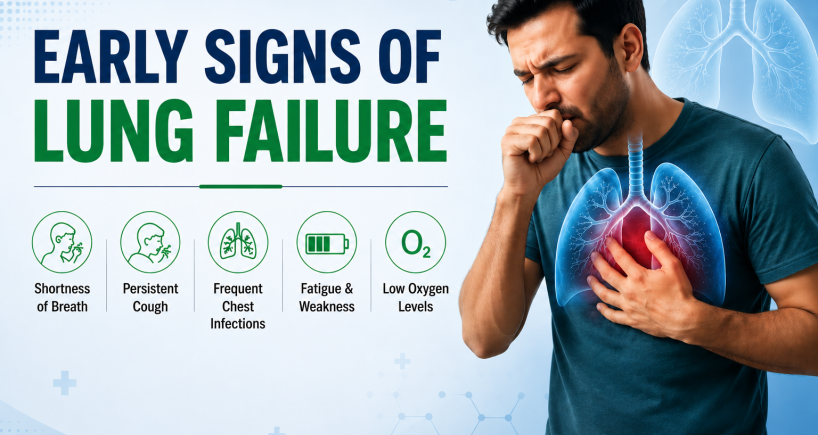


Early Signs of Lung Failure and When You Should See a Lung Specialist
Breathing problems should never be ignored, especially when they become frequent or interfere with daily activities. While occasional shortness of breath after physical exertion is normal, persistent breathlessness, chronic cough, wheezing, or low oxygen levels may be early signs of lung failure or an underlying respiratory condition.
Lung failure, also known as respiratory failure, is a serious condition in which the lungs cannot supply enough oxygen to the body or remove carbon dioxide effectively. Recognizing the warning signs early and seeking timely medical care can help prevent complications and improve long-term outcomes.
At Fortis Hospital, Manesar, Dr. Karn Mehra, Pulmonologist, provides comprehensive evaluation and advanced treatment for patients with acute and chronic lung diseases through the Specialised Lung Failure Clinic.
What Is Lung Failure?
Lung failure occurs when the lungs are unable to perform their essential function of exchanging oxygen and carbon dioxide. It can develop suddenly due to severe infections or injuries (acute lung failure) or gradually because of chronic lung diseases (chronic lung failure).
Without timely diagnosis and treatment, lung failure can affect multiple organs and may become life-threatening. Early intervention is key to slowing disease progression and improving quality of life.
What are the Early Signs of Lung Failure?
Many people overlook the initial symptoms, assuming they are caused by ageing or lack of fitness. Common early signs include:
- Persistent shortness of breath during daily activities
- Difficulty climbing stairs or walking short distances
- Chronic cough lasting more than three weeks
- Wheezing or noisy breathing
- Chest tightness
- Frequent chest infections
- Low oxygen saturation
- Fatigue or reduced exercise tolerance
- Difficulty sleeping due to breathing problems
- Bluish lips or fingertips in advanced stages
If these symptoms continue or worsen, it is important to consult a lung specialist in Manesar for evaluation.
What Causes Lung Failure?
Lung failure is usually the result of another medical condition affecting the lungs. Common causes include:
- Chronic Obstructive Pulmonary Disease (COPD)
- Interstitial Lung Disease (ILD)
- Pulmonary Fibrosis
- Severe Asthma
- Pneumonia
- Post-COVID lung damage
- Smoking-related lung disease
- Occupational exposure to dust and chemicals
Identifying the underlying cause is essential for effective treatment.
Who Is at Risk?
Certain individuals have a higher risk of developing lung failure, including:
- Current or former smokers
- Patients with COPD, asthma, or pulmonary fibrosis
- People with recurrent chest infections
- Individuals exposed to pollution, industrial dust, or chemicals
- Older adults
- Patients with obesity or heart disease
If you fall into any of these categories, regular respiratory check-ups can help detect problems early.
How Is Lung Failure Diagnosed?
An accurate diagnosis helps determine the cause and severity of lung failure. At Fortis Hospital, Manesar, Dr. Karn Mehra may recommend:
- Clinical examination and medical history
- Pulse oximetry to measure oxygen levels
- Pulmonary Function Test (PFT)
- Arterial Blood Gas (ABG) analysis
- Chest X-ray
- High-Resolution CT (HRCT) scan
- Bronchoscopy, when required
These investigations help develop a personalized treatment plan based on the patient's condition.
Treatment for Lung Failure
Treatment depends on the underlying cause and the severity of the disease. Common treatment options include:
- Oxygen therapy to improve oxygen levels
- Inhalers and bronchodilators to open the airways
- Corticosteroids and other medications to reduce inflammation
- Antibiotics for respiratory infections
- Pulmonary rehabilitation to improve breathing capacity
- Non-invasive ventilation (BiPAP or CPAP) for breathing support
- Lifestyle changes such as quitting smoking, maintaining a healthy weight, and avoiding air pollution
Early treatment can help improve breathing, reduce hospital admissions, and enhance quality of life.
Why Choose Fortis Hospital Manesar for Lung Failure Care?
The Specialised Lung Failure Clinic at Fortis Hospital, Manesar offers comprehensive care for patients with complex respiratory conditions. Led by Dr. Karn Mehra, the clinic provides advanced diagnostic facilities, evidence-based treatment, pulmonary rehabilitation, and personalized care for conditions such as COPD, ILD, pulmonary fibrosis, severe asthma, and respiratory failure.
Our multidisciplinary approach ensures patients receive timely diagnosis and long-term management tailored to their individual needs.
When Should You Consult a Pulmonologist?
Seek immediate medical advice if you experience:
- Breathlessness that is worsening
- Persistent cough lasting more than three weeks
- Frequent chest infections
- Wheezing despite medication
- Low oxygen levels
- Difficulty performing routine activities due to breathing problems
Prompt consultation can help identify the underlying condition before it progresses to severe lung failure.
Conclusion
Lung failure is a serious condition, but recognizing the early warning signs can make a significant difference. Persistent breathlessness, chronic cough, wheezing, or low oxygen levels should never be ignored. Early diagnosis and expert treatment can help manage symptoms, slow disease progression, and improve overall lung health.
If you are experiencing symptoms of a chronic lung condition, consult Dr. Karn Mehra, Pulmonologist at Fortis Hospital, Manesar, for expert evaluation and personalized respiratory care.
Categories
Clear allMeet the doctor
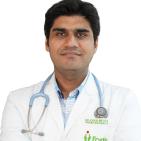
- Pulmonology | Pulmonology
-
 10 Years
-
 1200
1200
Related Blogs
View all






FAQs
What are the early signs of lung failure?
Common early signs include persistent breathlessness, chronic cough, wheezing, fatigue, low oxygen levels, and frequent chest infections.
What causes lung failure?
Lung failure can result from COPD, pulmonary fibrosis, interstitial lung disease, severe asthma, pneumonia, post-COVID lung damage, and smoking-related lung diseases.
Can lung failure be treated?
Yes. Treatment may include oxygen therapy, medications, pulmonary rehabilitation, and breathing support depending on the underlying cause.
When should I see a lung specialist for breathing problems?
You should consult a pulmonologist if you have persistent breathlessness, chronic cough, wheezing, recurrent chest infections, or low oxygen levels.
Who provides lung failure treatment in Manesar?
Dr. Karn Mehra, Pulmonologist at Fortis Hospital, Manesar, specializes in the diagnosis and treatment of lung failure, COPD, ILD, pulmonary fibrosis, and other chronic respiratory diseases.

Keep track of your appointments, get updates & more!

