


Early Warning Signs of Pelvic Inflammatory Disease You Shouldn’t Ignore
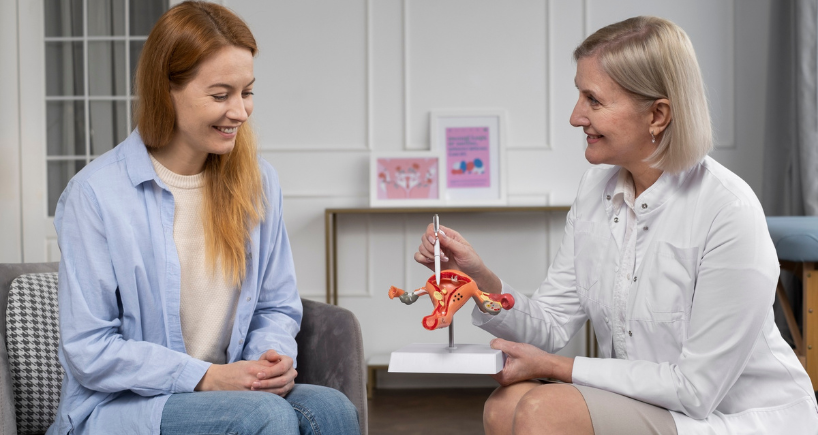
Pelvic inflammatory disease (PID) is an infectious disease affecting the female genital tract. The most common causes are sexually transmitted diseases such as chlamydia or gonorrhoea, but PID can be precipitated by any source of infection. It is also important to identify the various symptoms of pelvic inflammatory disease to ensure that optimal treatment is offered, as well as to avert dangerous consequences.
What is PID?
Pelvic inflammatory disease occurs due to the spread of bacteria from the vagina to the organs within the pelvis. If not treated, PID will cause chronic pelvic pain, infertility or life-threatening complications like an abscess or ectopic pregnancy. The condition can be quite asymptomatic at first or have mild symptoms; hence, the important indicators should not be overlooked.
Early warning signs of PID
- Pelvic pain: Severe and chronic pain in the lower abdomen or pelvis is a primary characteristic of PID. The pain may be more in the form of a dull ache to severe spasms and is usually most pronounced during intercourse or menstruation.
- Abnormal vaginal discharge: A woman with PID may experience a change in vaginal discharge; the discharge may be heavy, have an abnormal colour in that it looks greenish yellow or may even stink. This is due to the infection affecting the reproductive organs.
- Painful intercourse: Pain during sex, which is also referred to as dyspareunia, is normally the first sign of PID. This is due to inflammation and infection of the reproductive organs.
- Irregular menstrual bleeding: PID can result in experiencing genital bleeding outside the regular menstrual cycle, such as premenstrual and spotting during inter-menstrual or postcoital bleeding. Any of these changes should swiftly demand the attention of a healthcare provider.
- Fever and chills: Symptoms like low-grade fever, chills, and flu might indicate that a person is infected with a reproductive health disease. Fever is not always necessarily present; however, it indicates that the body is combating an infection.
- Painful urination: If the infection ascends to the urinary tract, the symptoms include painful or sometimes difficult urination. This symptom may be masked by the UTI, meaning that it should not be mistaken for one since it’s a different condition altogether.
- Fatigue and general malaise: Mild fatigue and flu-like symptoms characteristic of PID may present themselves with little or no other definitive signs.
Complications of PID
- Infertility: This condition is the leading cause of infertility among women. The infection may block the fallopian tubes, thus preventing an egg from being fertilised or implantation.
- Ectopic pregnancy: If the scarring as a result of PID keeps a fertilised egg from travelling to the uterus, it may burrow elsewhere, usually in the tube. This is a serious life-threatening condition, and the patient should be treated as an emergency.
- Chronic pelvic pain: Inflammation of the reproductive system may persist and cause pelvic pain well after the infection has been eradicated.
- Abscess formation: PID leads to the formation of abscesses, which are essentially pockets filled with pus, within the reproductive system. In case of these ruptures, the patient is at risk for developing sepsis and other complications.
Pregnancy was found to have an enhanced risk of recurrent PID. PID recurrent is a higher risk among women with a history of PID, primarily when there is untreated infection.
Prevention tips
Preventing pelvic inflammatory disease involves reducing the risk of infection and maintaining good reproductive health:
- Practice safe sex: Use condoms, which forestall STIs, a major cause of PID.
- Regular STI testing: Infections such as chlamydia and gonorrhoea, which eventually cause PID, must be diagnosed and treated before they advance to PID.
- Avoid douching: Douching interferes with the normal flora of the vagina leading to possible infective agent colonisation.
- Prompt treatment: Any tested or suspected vaginal or urinary infections should be treated early to avoid further complications.
Conclusion
It is, therefore, crucial to identify the first symptoms of pelvic inflammatory disease to avoid the worst outcomes. If you experience some of the symptoms, which are pelvic pain, abnormal discharge and fever, among others, do not hesitate to see your doctor. That is why, if a woman has not had PID, she should act quickly so that her reproductive health would not suffer from its ill effects in the long run.
Categories
Clear allRelated Blogs
View all


Adult Circumcision: Debunking Facts and Myths | Fortis Health Connect Blogs
Is Beer Good for Kidney Stones ? - Myths Vs Facts | Fortis Healthcare




Keep track of your appointments, get updates & more!

