


Endometriosis Awareness Month: Symptoms Women Should Not Ignore
Many women live with pain for years, pain they are told is simply due to bad periods. They often cancel commitments, take more pain medication than needed, and quietly change their lives to suit a cycle which leaves them unable to get out of bed. Most do not think there might be a more serious problem occurring in their bodies.
Endometriosis affects approximately one in ten women of childbearing years, but remains one of the least diagnosed conditions in obstetrics and gynaecology worldwide. On average, it takes seven to ten years to receive a diagnosis. Millions of women spend a whole ten years dealing with a condition they are unable to name, let alone receive treatment for.
What Endometriosis Does Inside the Body
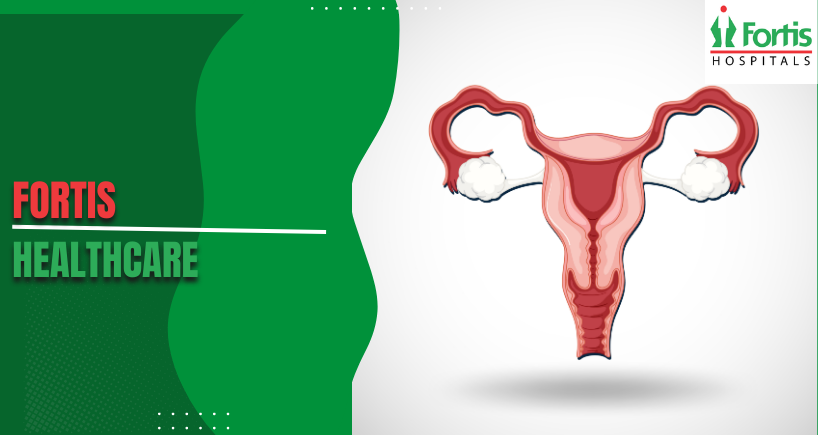
Endometriosis is the situation where tissue similar to the uterus’s inner surface develops outside of it. As with the tissue in the uterus, these areas respond to the regular monthly fluctuations of hormones – growing, then disintegrating, and bleeding. However, unlike blood from a period, this blood isn’t able to exit the body, and therefore gathers within the pelvis.
Over the course of time, that accumulation leads to continuous inflammation, and to fibrous scarring. Nearby organs – the ovaries, fallopian tubes, bladder, and bowels – may then become connected to one another by bands of this scar tissue. This physical effect is what means the illness doesn’t just cause discomfort at the time of menstrual flow.
The Endometriosis Symptoms Most Commonly Dismissed
Pain in the pelvis during a period is the most often given reason for seeking help, and is generally described as cramping that does not get better with normal painkillers. Pain during or after sexual activity is also quite frequent, but is often not talked about. Many women believe these things are normal and do not mention them to their doctor.
Endometriosis symptoms go further than the reproductive system. Noticeable tiredness, pain in the lower back, bloating which gets worse at certain times of the month, and painful bowel movements or urination during periods are all known to be associated with it. These symptoms are usually put down to stress, diet, or problems with the digestive system which are not connected, and this is exactly why diagnosis is so often delayed.
Signs of Endometriosis Beyond Pelvic Pain
The ways in which this condition affects digestion are particularly confusing. Constipation, feeling sick, diarrhoea and cramping after eating are very similar to irritable bowel syndrome. A number of women are given a diagnosis of IBS and follow a special diet for years, while the real cause of their symptoms is not dealt with at all.
Signs of endometriosis which suggest problems with being able to get pregnant are often what finally cause someone to investigate. Research shows that between 30 and 50 per cent of women with the condition find it difficult to become pregnant. When a couple goes to a fertility clinic, endometriosis found at this stage is almost always a diagnosis that has been delayed.
Why Oestrogen Is Central to This Condition
Endometriosis is a condition which depends on oestrogen. Areas of tissue grow and become more active when oestrogen levels are high, and tend to become less active when oestrogen levels fall – as happens during the menopause or pregnancy. This dependency on hormones causes the cyclical nature of symptoms and explains why they change so predictably throughout the menstrual cycle.
Women who began menstruating early, have short menstrual cycles, have a heavy flow, or have a close family member with the condition are at a statistically higher risk. Family history is a particularly important thing to mention when discussing assessments in obstetrics and gynaecology with a specialist.
How Diagnosis Is Confirmed
There is no single blood test which reliably shows endometriosis. Ultrasound scans can show ovarian cysts which are connected with the condition – called endometriomas – but smaller areas of tissue in the peritoneum frequently cannot be seen on normal scans. A physical examination might show sensitivity or lumps in the lower pelvic area, but these findings on their own are not enough to confirm a diagnosis.
Laparoscopy is a certain way to diagnose the condition. A camera put in through small cuts in the stomach allows direct viewing of the areas of tissue, and enables a biopsy to be taken to confirm the diagnosis and for the condition to be staged surgically. Gynaecological specialists combine diagnostic laparoscopy with detailed staging to create individual plans for managing each case from the beginning.
Treatment Options and Their Differences
Treatments with hormones cut down on oestrogen – and therefore halt periods – and this prevents more of the affected areas of tissue from being active. Oral contraceptive pills, progestins and GnRH analogues all suit some people better than others, depending on their age, how bad their symptoms are, and whether they want to have children in future. All of these treatments control the condition, but do not cure it.
Surgical removal of the areas of tissue, by actually cutting them out, and not just burning the surface, provides longer-lasting relief from symptoms. How the tissue is removed, versus ablated, is a vital consideration in practice, and especially for women whose endometriosis is widespread. When diagnosing endometriosis and deciding on treatment, doctors should consider both getting symptoms under control quickly, and what the patient’s long-term plans are for a family.
The Fertility and Surgery Balance
Surgery for ovarian endometriomas carries a known risk of reducing ovarian reserve, especially when procedures are done more than once. Doctors carefully balance relief from symptoms against the possible impact on the number of eggs, particularly in women who plan to become pregnant. This balance needs a full discussion rather than a single recommendation for all.
Egg freezing is sometimes talked about with surgical planning for younger women. Understanding how different ways of treating the condition affect future plans for having children allows women to make decisions which help both their current health and their longer-term aims.
When Lesions Develop Outside the Pelvis
In a small number of cases, endometrial deposits form outside the pelvic area. Diaphragmatic endometriosis causes pain in the shoulder or chest which happens at exactly the same time as menstruation. Thoracic endometriosis, which is rare but has been recorded, shows itself with pain in the chest or coughing up blood which follows a clear pattern of the menstrual cycle.
These cases often reach lung specialists or stomach specialists before a gynaecologist is involved. Increasing awareness of the timing of cyclical symptoms across all areas of medicine is the most effective way to shorten the time it takes to diagnose women whose endometriosis symptoms do not follow the expected pattern in the pelvis.
Categories
Clear allRelated Blogs
View all

Bacterial Vaginosis: Causes, Symptoms And Treatment


Awareness, Breast Self-Examination And Regular Screening Examination Can Change The Life o...
Hormonal Imbalance: Symptoms, Causes And Treatment

Evolution of Gynae & Cancer Surgeries With Robotics

Know The Top 11 Benefits of Antenatal Exercises

Keep track of your appointments, get updates & more!

