


Endometriosis or IBS - Why Digestive Problems Are a Commonly Overlooked Symptom?
Medicine Made Simple Summary
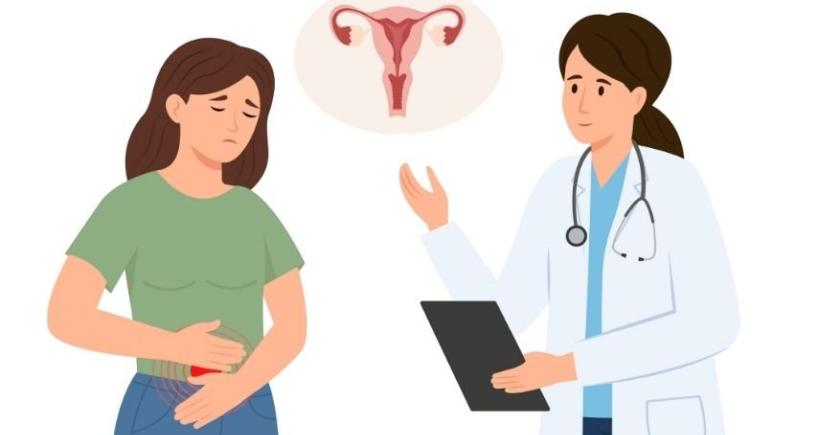
Many women experience digestive problems such as bloating, constipation, diarrhea, or stomach pain, especially during their menstrual cycle. These symptoms are often diagnosed as Irritable Bowel Syndrome (IBS). However, in some cases the real cause may be endometriosis. This condition occurs when tissue similar to the uterine lining grows outside the uterus and can affect organs in the pelvic area, including the intestines. Because digestive symptoms are not always associated with gynecological conditions, many women live with discomfort for years without a correct diagnosis. Understanding the connection between endometriosis and endometriosis digestive symptoms can help women seek the right medical care earlier.
Understanding Endometriosis
Endometriosis is a condition where tissue similar to the lining inside the uterus grows outside the uterus. Normally, the uterine lining thickens and sheds every month during menstruation.
In endometriosis, similar tissue grows in places such as the ovaries, fallopian tubes, pelvic lining, bladder, and sometimes even the intestines. Like the uterine lining, this tissue reacts to hormonal changes during the menstrual cycle.
Each month it becomes thicker and then breaks down. However, because this tissue is outside the uterus, it has no natural way to leave the body. This leads to inflammation, irritation, and sometimes scar tissue formation.
Over time, this process can cause chronic pain and other endometriosis symptoms that affect daily life.
Suggested image: Illustration showing endometriosis tissue growing outside the uterus and near the intestines.
What Is Irritable Bowel Syndrome (IBS)?
Irritable Bowel Syndrome is a common digestive disorder that affects the large intestine. It is not a structural disease but a functional condition, meaning the digestive system looks normal but does not function properly.
People with IBS often experience symptoms such as abdominal pain, bloating, constipation, diarrhea, or a combination of both.
These symptoms can come and go and may be triggered by stress, certain foods, or hormonal changes.
Because IBS is common and shares several symptoms with endometriosis, doctors may initially diagnose digestive symptoms as IBS before considering a gynecological cause.
Why Endometriosis Can Cause Digestive Problems
The pelvic cavity contains many organs located very close to each other. The uterus, ovaries, bladder, and intestines share the same space.
When endometriosis tissue develops in this area, it can affect nearby organs. If the tissue grows on or near the intestines, it can interfere with normal digestive function.
Inflammation caused by endometriosis may irritate the bowel and surrounding nerves. This irritation can lead to symptoms that feel similar to a digestive disorder.
In some cases, endometriosis lesions may directly involve the bowel wall, which can further affect bowel movements.
Suggested image: Diagram showing the close relationship between uterus, ovaries, and intestines in the pelvic region.
Digestive Symptoms Linked to Endometriosis
Bloating
Severe bloating is one of the most commonly reported digestive symptoms. Many women describe their abdomen becoming visibly swollen during their menstrual cycle.
This symptom is sometimes referred to as “endo belly.” It can cause discomfort and may make clothes feel tight.
Constipation
Some women with endometriosis experience constipation, particularly during their periods. Inflammation around the intestines may slow bowel movements.
Diarrhea
Others may experience diarrhea instead of constipation. These symptoms may appear suddenly during menstruation and improve afterward.
Painful Bowel Movements
Pain during bowel movements is another symptom that can occur if endometriosis affects the area around the intestines.
This pain is often more noticeable during menstruation when inflammation increases.
Nausea
Hormonal changes and inflammation may also cause nausea or general stomach discomfort.
Abdominal Cramping
Cramping in the lower abdomen may occur alongside pelvic pain. Because the symptoms feel similar to digestive problems, they are often mistaken for gastrointestinal conditions.
Suggested image: Infographic showing digestive symptoms linked to endometriosis.
How Endometriosis Symptoms Differ From IBS
Although the symptoms may appear similar, there are some key differences.
IBS symptoms are often related to diet, stress, or irregular digestion. They may occur randomly or after certain foods.
In endometriosis, digestive symptoms often follow a clear pattern related to the menstrual cycle. Many women notice that symptoms worsen just before or during their period.
Another difference is the presence of other symptoms such as severe menstrual cramps, pelvic pain, or pain during intercourse. These symptoms are more typical of endometriosis than IBS.
Recognizing this pattern can help doctors consider the correct diagnosis.
Why Endometriosis Is Often Misdiagnosed as IBS
Several factors contribute to misdiagnosis.
Digestive symptoms are often the most noticeable problem for many women. If a patient reports bloating or bowel issues, doctors may first evaluate digestive conditions.
Standard imaging tests for digestive disorders may appear normal. This can lead to a diagnosis of IBS, which is often based on symptoms rather than visible abnormalities.
Because endometriosis lesions are not always visible on routine scans, the underlying condition may remain undetected.
Another reason is that awareness about endometriosis is still limited. Many women do not realize that digestive symptoms can be related to a gynecological condition.
How Doctors Diagnose Endometriosis
Doctors usually begin with a detailed discussion about symptoms. They may ask about menstrual patterns, pain during periods, digestive symptoms, and fertility concerns including endometriosis and fertility.
A pelvic examination may help identify tenderness or abnormalities.
Imaging tests such as ultrasound or MRI can sometimes detect ovarian cysts related to endometriosis. However, smaller lesions may not appear on scans.
The most reliable method of diagnosis is a minimally invasive surgical procedure called laparoscopy. During this procedure, a small camera is inserted through a tiny incision in the abdomen to examine the pelvic organs.
If endometriosis tissue is found, doctors may remove or biopsy it during the same procedure.
Suggested image: Illustration showing laparoscopic diagnosis of endometriosis.
Managing Digestive Symptoms in Endometriosis
Treatment usually focuses on controlling the underlying condition.
Hormonal medications may help regulate the menstrual cycle and reduce the growth of endometriosis tissue.
Pain management strategies may include anti-inflammatory medications and other supportive therapies.
In some cases, surgery may be recommended to remove endometriosis lesions affecting the bowel or surrounding tissues as part of available endometriosis treatment options.
Lifestyle adjustments may also help manage symptoms. Regular exercise, balanced nutrition, stress management, and adequate sleep can support overall digestive health.
When Should You Seek Medical Advice?
Women should consult a doctor if digestive symptoms repeatedly occur during their menstrual cycle.
Medical advice is also important if symptoms such as severe bloating, painful bowel movements, or persistent abdominal pain interfere with daily life.
If digestive symptoms occur along with severe menstrual cramps, pelvic pain, or difficulty getting pregnant, a gynecological evaluation may be necessary.
Early diagnosis can help prevent long term complications and improve quality of life.
Conclusion
Digestive symptoms such as bloating, constipation, and abdominal pain are often associated with digestive disorders like IBS. However, in some cases these symptoms may actually be linked to endometriosis.
Because the pelvic organs are closely connected, inflammation from endometriosis can affect the intestines and cause bowel related symptoms.
Recognizing the connection between menstrual cycles and digestive discomfort can help identify when symptoms might have a gynecological cause. Early medical evaluation can lead to accurate diagnosis and effective treatment.
If you experience repeated digestive symptoms such as bloating, bowel discomfort, or abdominal pain during your menstrual cycle, it may be worth discussing these symptoms with a gynecologist. Identifying the underlying cause can help ensure the right treatment and improve long term health.
Categories
Clear allMeet the doctor

- Obstetrics and Gynaecology | Robotic Surgery | Obstetrics and Gynaecology
-
 18 Years
-

Related Blogs
View all

Bacterial Vaginosis: Causes, Symptoms And Treatment


Awareness, Breast Self-Examination And Regular Screening Examination Can Change The Life o...
Hormonal Imbalance: Symptoms, Causes And Treatment

Evolution of Gynae & Cancer Surgeries With Robotics

Know The Top 11 Benefits of Antenatal Exercises

FAQs

Keep track of your appointments, get updates & more!

