
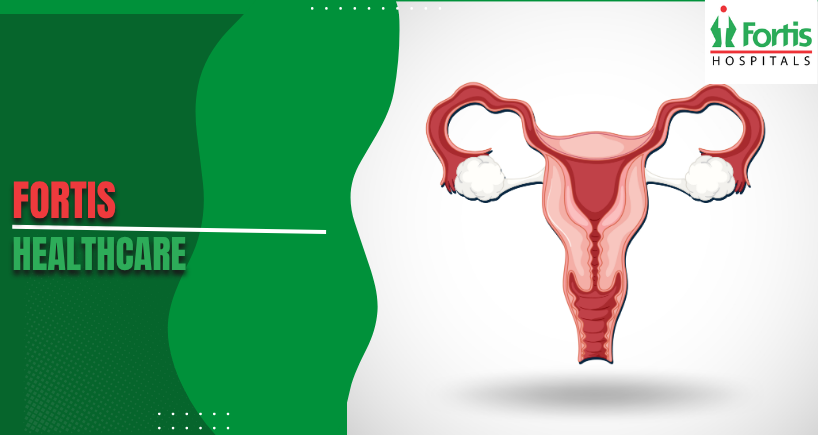


Female Neobladder: Breaking Barriers in Urinary Diversion
Female Neobladder: Breaking Barriers in Urinary Diversion
By Dr. B Karthik Rao
Bladder cancer treatment has evolved significantly over the years, with advancements in surgical techniques offering patients not just survival benefits, but also an improved quality of life. Among these advancements, orthotopic neobladder reconstruction in women is steadily gaining recognition as a safe and effective option following radical cystectomy.
Traditionally, female patients undergoing bladder removal surgery were less frequently offered neobladder reconstruction due to concerns regarding urinary continence, urinary retention, and surgical complexity. However, modern robotic surgical techniques and growing clinical expertise are challenging these long-held perceptions.
Understanding Radical Cystectomy and Urinary Diversion
Radical cystectomy remains the gold standard treatment for muscle-invasive bladder cancer and certain high-risk non–muscle-invasive bladder cancers. The procedure involves removal of the urinary bladder and surrounding affected tissues.
Since the bladder is removed, the body requires an alternative method to store and pass urine. This process is known as urinary diversion. The commonly performed urinary diversion procedures include:
Ileal conduit
Continent cutaneous diversion
Orthotopic neobladder reconstruction
An orthotopic neobladder involves creating a new bladder using a segment of the patient’s intestine, allowing urine to pass through the natural urinary passage.
Why Are Female Neobladders Less Common?
Despite its advantages, only about 4–15% of women undergoing radical cystectomy receive a neobladder reconstruction. Historically, several concerns limited its widespread adoption in female patients, including:
Urinary retention caused by “pouchcele” formation or short urethra
Risk of neobladder-vaginal fistula
Urinary incontinence
Technical complexity of surgery
These concerns contributed to a traditional bias against offering neobladder reconstruction to women. However, advances in patient selection, surgical planning, and robotic-assisted techniques are significantly improving outcomes.
A Clinical Case Highlighting Modern Possibilities
A 53-year-old woman presented with increased urinary frequency and urgency leak for two months. A CT scan of the abdomen revealed a polypoidal lesion on the left lateral wall of the bladder. She subsequently underwent Transurethral Resection of Bladder Tumor (TURBT), which confirmed a diagnosis of high-grade muscle-invasive urothelial carcinoma.
After extensive counselling regarding treatment options, the patient underwent robotic radical cystectomy with ileal neobladder reconstruction.
The procedure was successfully performed using robotic-assisted technology, allowing for precise surgical dissection and intracorporeal reconstruction.
Advantages of Robotic Surgery in Radical Cystectomy
Robotic-assisted radical cystectomy has transformed the management of bladder cancer by offering several advantages over conventional open surgery, including:
Minimally Invasive Approach
Smaller incisions lead to reduced pain, minimal blood loss, and improved cosmetic outcomes.
Greater Surgical Precision
Enhanced visualization and precision help surgeons perform delicate procedures with improved accuracy.
Faster Recovery
Patients often experience shorter hospital stays and quicker return to daily activities.
Improved Oncological Outcomes
Robotic surgery enables meticulous cancer clearance while preserving important surrounding structures whenever possible.
Intracorporeal Reconstruction
The neobladder can be reconstructed entirely within the body, reducing bowel handling and improving recovery.
Potential for Nerve Sparing
Careful nerve preservation techniques may help maintain urinary continence and overall functional outcomes.
Changing the Narrative Around Female Neobladders
The female orthotopic neobladder is increasingly being recognized as a safe, functional, and effective urinary diversion option for carefully selected patients. With advancements in robotic surgery, refined reconstructive techniques, and growing surgical expertise, women can now achieve excellent oncological and functional outcomes after radical cystectomy.
While patient selection remains crucial, the traditional hesitation toward offering neobladder reconstruction in women deserves reconsideration. For many patients, a neobladder offers the possibility of preserving body image, avoiding an external urine bag, and maintaining a better quality of life.
Conclusion
Modern urological oncology is no longer focused solely on cancer removal—it is equally committed to restoring quality of life after treatment. Female neobladder reconstruction exemplifies this progress.
As surgical technology and expertise continue to advance, more women with bladder cancer may benefit from orthotopic neobladder reconstruction, helping break longstanding barriers in urinary diversion and redefining what is possible after radical cystectomy.
Categories
Clear allMeet the doctor

- Urology | Uro-Oncology | Urology | Kidney Transplant
-
 14 Years
-
 1800
1800
Related Blogs
View all



Adult Circumcision: Debunking Facts and Myths | Fortis Health Connect Blogs
Is Beer Good for Kidney Stones ? - Myths Vs Facts | Fortis Healthcare




FAQs

Keep track of your appointments, get updates & more!

