
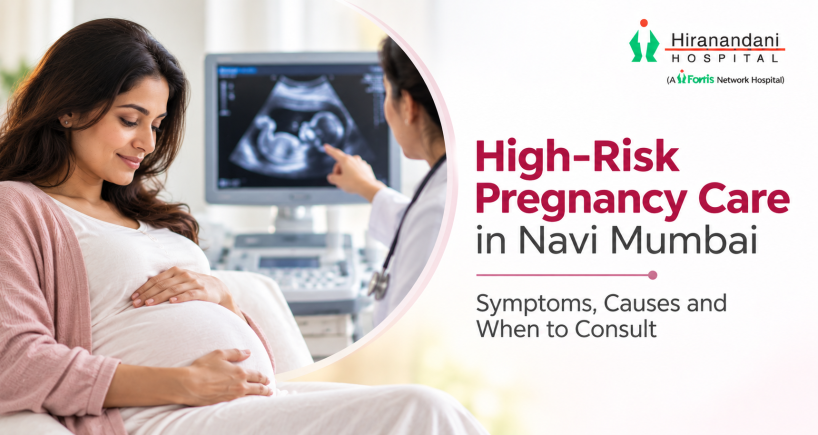


High-Risk Pregnancy Care Hospital in Navi Mumbai
High-Risk Pregnancy Care Hospital in Navi Mumbai
Symptoms, Causes and When to Consult
Pregnancy is a special journey but some pregnancies need extra medical care and closer follow-up. A pregnancy is considered high risk if the mother, the baby or both are at increased risk of complications.
A high-risk pregnancy doesn’t always mean something is going to go wrong. This means a planned pregnancy monitoring, timely tests, regular doctor visits and a safe delivery plan. Many high-risk pregnant women can have a healthy pregnancy and a safe delivery if they receive proper care.
If you are looking for high risk pregnancy care in Navi Mumbai, early evaluation with Dr. Hina Shaikh at Fortis Hiranandani Hospital, Vashi, Navi Mumbai may help in identifying risk factors, close monitoring of the pregnancy and planning care based on the health of the mother and baby.
What is a High Risk Pregnancy?
A high risk pregnancy is one where the mother, baby or both require closer monitoring because of a pre-existing health condition, a complication of pregnancy or a concern picked up during scans or tests.
Some women are considered high risk prior to pregnancy because they have pre-existing conditions such as diabetes, high blood pressure, thyroid disease, kidney disease, heart disease or autoimmune conditions. In some women, the pregnancy may become high risk later on due to bleeding, high blood pressure, gestational diabetes, reduced movement of the baby, fetal growth problems, twin pregnancy or other complications.
High-risk pregnancy care involves early diagnosis, regular monitoring, prevention of complications and planning for safe delivery.
Common Causes of High-Risk Pregnancy:
A pregnancy is considered high risk if:
- Pregnancy over 35 years old
- Diabetes
- Gestational hypertensive disorders
- Thyroid gland diseases
- History of miscarriage or pregnancy loss
- Previous cesarean section
- Multiple pregnancy or twin
- Placenta previa or low-lying placenta
- Bleeding in pregnancy
- Anemia
- Obesity
- Kidney, heart or autoimmune diseases
- Pregnancy IVF
- History of Preterm Labor
- Inhibition of infant growth
- less movement from baby
- Abnormal finding on scan or blood test
- Rh incompatibility
- Infection during pregnancy
Some women may have one risk factor; some women may have many concerns. The amount of monitoring will depend on the type and severity of the risk.
Symptoms & Signs of a High-Risk Pregnancy
Some high-risk conditions may not show symptoms at first. This is where regular antenatal check-ups come into play. But there are warning signs pregnant women should look out for, such as:
- Bleeding from the vagina
- Loss of vaginal fluid
- Severe pain in abdomen
- Severe headache
- Flashes of light or blurred vision
- Face, hands, or feet swelling
- Elevated blood pressure readings
- Less activity from baby
- Fevers
- Projectile vomiting
- Fainting or dizziness
- shortness of breath
- Pain in the chest
- Convulsions
- Rapid swelling and weight gain
- Pain or burning sensation when you urinate
- Early contractions before due date
These symptoms require immediate medical attention. A quick diagnosis can also help to reduce the risk to mother and baby.
High Blood Pressure in Pregnancy
High blood pressure during pregnancy is one of the major causes of high risk pregnancy. It can be present before conception or it can occur during pregnancy. High BP can cause preeclampsia, preterm birth, placental problems and the need for closer monitoring. Warning signs may be severe headache, swelling of face or hands, visual changes, nausea, abdominal pain or very high BP readings. Women with high BP during pregnancy need regular monitoring of BP, urine tests, blood tests, fetal monitoring and planning for delivery based on the condition of the mother and baby.
Gestational diabetes
Diabetes may be present before pregnancy or develop during pregnancy (gestational diabetes). If blood sugar is not checked regularly, it can affect mother and baby. Women with diabetes in pregnancy may require dietary advice, blood sugar monitoring, medication if required, fetal growth scans and planned delivery care. Controlling blood sugar helps to prevent complications and promotes healthy growth of the fetus.
Thyroid Problems in Pregnancy
Thyroid imbalance can impact pregnancy health, fetal development and maternal well-being. Thyroid disease might be present before pregnancy, or it may be detected during routine antenatal tests. Thyroid disease in pregnancy requires regular monitoring and adjustment of therapy. Depending on your thyroid levels and symptoms, a gynecologist may work with you to coordinate your care.
Pregnancy After a Previous C-Section
If you have had a previous C-section, delivery planning for the next pregnancy may be more careful. The doctor will assess why you had a C-section before, the condition of the scar, the health of this pregnancy, the position of the baby, where the placenta is and any risks to the labor. Some women may be candidates for vaginal birth after C-section in selected circumstances, while others will need a planned repeat C-section. The safest option is based on medical evaluation.
Multiple or Twin Pregnancy
Twin or multiple pregnancy is often closer monitored, as the mother and babies may have a higher chance of anemia, high BP, preterm birth, fetal growth differences and delivery-related complications. Regular scans and fetal growth monitoring and planned delivery care are important in twin pregnancy.
How is the diagnosis of high-risk pregnancy done?
High risk pregnancy is diagnosed by medical history, physical examination, pregnancy check-ups, blood tests, urine tests, ultrasound scans and fetal monitoring.
Evaluation may involve:
- Detailed OB History and Medical History
- Monitoring blood pressure
- Checking blood sugars
- Thyroid testing
- Blood tests for infection and anemia
- Tests on Urine
- Ultrasound scans
- Monitoring fetal growth
- Doppler study if necessary
- Fetal monitoring or non stress test if advised
- Review of prior pregnancy records
- Delivery risk evaluation
Diagnosis should be about planning safe care and early identification of risks, not fear.
Treatment and care options for high-risk pregnancy
The treatment depends on the cause and severity of the risk. Care for high risk pregnancy may include:
1. Routine Antenatal Visits
High-risk pregnancy patients may need to visit more often than routine pregnancy patients. These visits are used to monitor BP, weight, fetal growth, symptoms and test results.
2. Blood Pressure and Sugar Check ups
If the mother has high BP or diabetes, it is important to monitor regularly. Treatment may include lifestyle advice, diet planning, medications or specialist input if required.
3. Ultrasound and Fetal Growth Surveillance
We do growth scans to determine if the baby is growing well. Doppler scans or fetal monitoring may sometimes be suggested to check the baby's well-being.
4. Medical management and drug treatment
Some women may require medicines for BP, diabetes, thyroid, anemia, infections or other pregnancy related conditions. Medicines should be taken during pregnancy only under the supervision of a doctor.
5. Lifestyle and Nutrition Counseling
Staying hydrated, resting, getting enough sleep, safe physical activity, a healthy diet, and controlled weight gain can help support pregnancy health. Diet guidance is especially important in gestational diabetes, anemia and high BP.
6. Delivery Planning
High risk pregnancy needs clear plan of delivery. The doctor will decide when and how the delivery will take place, depending on the mother’s condition, the baby’s growth, fetal monitoring, position of placenta, previous C-section history and risk of emergency.
7. Emergency Preparedness
If symptoms get worse, some high-risk pregnancies may need immediate hospital care. A hospital based setup helps in timely evaluation, monitoring, delivery support and newborn care, when needed.
Can High-Risk Pregnancy Have a Normal Delivery?
Yes, in some high-risk pregnancies a normal delivery is possible if the mother and baby are stable and there are no major medical issues. However, in some circumstances, a C-section could be safer for the mother, the baby, or both. After evaluating baby position, fetal heartbeat, placenta location, BP, sugar control, previous C-section history, labor progress and emergency risk, the delivery method is decided. Normal delivery is not the goal, safe delivery is.
Why choose Dr Hina Shaikh?
Dr. Hina Shaikh is an Obstetrician and Gynecologist at Fortis Hiranandani Hospital, Vashi, Navi Mumbai. She has more than 13 years of clinical experience in women’s health, high risk pregnancy management, infertility and minimally invasive gynecological procedures. She evaluates women with complications in pregnancy, diabetes in pregnancy, high BP, thyroid issues, previous C-section, twin pregnancy, bleeding or any other high risk pregnancy concerns for evaluation, monitoring and planning for delivery.
Why choose Fortis Hiranandani Hospital, Vashi?
Fortis Hiranandani Hospital, Vashi is a multispeciality hospital in Navi Mumbai offering services related to gynecology, obstetrics, maternity care, diagnostic support and hospital based pregnancy services. High-risk pregnancy requires a multispecialty hospital environment, as some mothers may need coordinated care, close monitoring, emergency support, or newborn care.
__________________________________________________________________________________________
Fortis Hiranandani Hospital Vashi, Navi Mumbai
Address: Mini Sea Shore Road, Sector 10, Vashi, Navi Mumbai, Maharashtra - 400703
Ph. 02268846142
Categories
Clear allMeet the doctor
- Obstetrics and Gynaecology | Obstetrics and Gynaecology
-
 13 Years
-
 800
800
Related Blogs
View all

Bacterial Vaginosis: Causes, Symptoms And Treatment


Awareness, Breast Self-Examination And Regular Screening Examination Can Change The Life o...

Hormonal Imbalance: Symptoms, Causes And Treatment

Evolution of Gynae & Cancer Surgeries With Robotics


Know The Top 11 Benefits of Antenatal Exercises
FAQs

Keep track of your appointments, get updates & more!

