
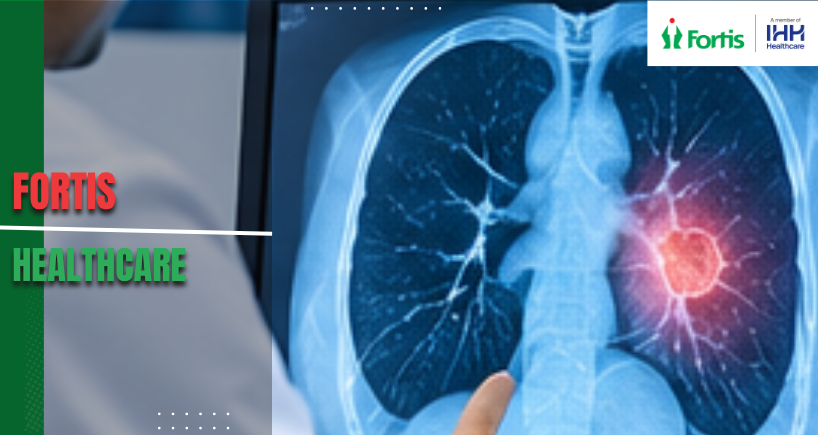


How to Find the Best Pulmonologist Specialising in Lung Cancer
A lung cancer diagnosis can bring uncertainty, difficult medical terminology and many decisions about investigations and treatment. Finding the right specialist can make it easier to understand the diagnosis, evaluate treatment options and coordinate care with other members of the medical team.
When looking for a pulmonologist specialising in lung cancer, it is useful to look beyond general reputation. Qualifications, experience with relevant lung conditions, access to appropriate diagnostic facilities, multidisciplinary collaboration and clear communication can all help you make an informed choice.
Check the Pulmonologist's Qualifications and Training
A pulmonologist, also known as a respiratory medicine specialist, is trained to diagnose and manage diseases affecting the lungs and respiratory system.
When evaluating a specialist, consider their:
- Medical qualifications and specialist training
- Experience in respiratory medicine
- Experience evaluating suspected or confirmed lung cancer
- Hospital or cancer-centre affiliations
- Areas of clinical interest
- Experience with procedures relevant to your condition
It is also useful to understand whether the doctor regularly manages the particular type of lung problem you are dealing with.
For lung cancer, care may involve more than a pulmonologist. Depending on the diagnosis, patients may need input from medical oncologists, radiation oncologists, thoracic surgeons, radiologists, pathologists and other specialists.
Look for Experience With Lung Cancer Diagnosis
A pulmonologist may play an important role in investigating symptoms or abnormal imaging findings that could indicate lung cancer.
Depending on the situation, evaluation may involve:
- Chest X-ray or CT scan
- PET-CT in selected cases
- Bronchoscopy
- Endobronchial ultrasound (EBUS)
- Image-guided biopsy
- Pleural fluid analysis
- Pulmonary function testing when appropriate
The specific tests depend on the patient's symptoms, imaging findings and overall clinical situation.
Experience with these investigations can be particularly relevant when tissue sampling or evaluation of lymph nodes is required.
Understand the Role of Bronchoscopy
Bronchoscopy is a procedure that allows a doctor to examine the airways using a thin, flexible instrument. It can also be used to collect tissue or fluid samples for laboratory analysis.
In selected patients, techniques such as EBUS can help doctors examine lymph nodes located near the airways and obtain samples.
However, bronchoscopy is not appropriate for every lung lesion. Depending on its location and characteristics, another biopsy method may be more suitable.
The aim of diagnostic testing is to obtain sufficient information to establish the diagnosis and guide further treatment.
Ask About Pathology and Molecular Testing
Lung cancer is not one single disease. Different types and subtypes can behave differently and may require different treatments.
Once a tissue sample has been obtained, a pathology team examines it to determine the type of cancer.
For some non-small-cell lung cancers, additional molecular or biomarker testing may be recommended. Depending on the cancer subtype and clinical situation, testing may look for specific genetic alterations or biomarkers that can influence treatment decisions.
This information can help the oncology team determine whether targeted therapy, immunotherapy, chemotherapy or another treatment approach may be appropriate.
A pulmonologist may coordinate with the pathology and oncology teams rather than interpreting all of these results independently.
Consider Access to a Multidisciplinary Cancer Team
Lung cancer treatment often requires collaboration between multiple specialists.
A multidisciplinary team may include:
- Pulmonologists
- Medical oncologists
- Radiation oncologists
- Thoracic surgeons
- Radiologists
- Pathologists
- Nuclear medicine specialists
- Respiratory therapists
- Oncology nurses
- Palliative and supportive-care specialists when appropriate
This collaborative approach allows different aspects of diagnosis and treatment to be considered together.
For example, a pulmonologist may investigate the respiratory problem and obtain tissue, while a thoracic surgeon or oncologist may become more involved depending on the stage and characteristics of the cancer.
Evaluate the Hospital and Diagnostic Facilities
The specialist's expertise is important, but the surrounding healthcare infrastructure also matters.
When comparing hospitals or cancer centres, consider whether they have access to:
- Advanced imaging
- Bronchoscopy and EBUS where appropriate
- Pathology services
- Molecular testing
- Thoracic surgery
- Medical oncology
- Radiation oncology
- Intensive care facilities
- Pulmonary rehabilitation and supportive care
Having these services available can make coordination between different stages of care more convenient.
However, advanced technology alone does not determine whether a particular treatment is appropriate. The right investigation or procedure depends on the individual patient's condition.
Pay Attention to Communication
A lung cancer consultation can involve a large amount of information. A good specialist should be willing to explain the diagnosis, investigations and possible next steps in language that you can understand.
During your appointment, consider whether the doctor:
- Explains medical terms clearly
- Gives you an opportunity to ask questions
- Discusses why a test is being recommended
- Explains what is known and what remains uncertain
- Talks about different treatment options when relevant
- Clearly explains the next steps
You should feel comfortable asking questions about your diagnosis and treatment plan.
If something is unclear, it is reasonable to ask the doctor to explain it again or provide written information.
Ask How Your Care Will Be Coordinated
Lung cancer treatment can involve several specialists, so coordination is an important consideration.
Ask how your pulmonologist works with the oncology and surgical teams and who will coordinate your overall treatment plan.
Depending on the diagnosis, your care may progress through several stages:
- Investigation of symptoms or abnormal imaging
- Tissue diagnosis
- Staging
- Molecular or biomarker testing when appropriate
- Multidisciplinary treatment planning
- Treatment
- Monitoring and follow-up
The exact sequence varies according to the type and stage of lung cancer.
Consider Experience With Your Specific Condition
Rather than choosing a specialist solely because they are described as the "best pulmonologist in India," consider whether their experience matches your particular needs.
For example, different expertise may be relevant for:
- Suspected lung cancer
- Confirmed non-small-cell lung cancer
- Small-cell lung cancer
- Lung nodules
- Pleural disease
- Airway obstruction
- Complex respiratory symptoms
- Preoperative respiratory assessment
A specialist who understands your specific clinical situation can help ensure that the appropriate diagnostic and referral pathway is considered.
What Questions Should You Ask During the Consultation?
Preparing questions before the appointment can make the consultation more useful.
You may want to ask:
- What could be causing the abnormality seen on my scan?
- Do I need a biopsy?
- Which biopsy method would be appropriate?
- What information will the pathology report provide?
- Will molecular or biomarker testing be needed?
- Do I need to see a thoracic surgeon or oncologist?
- What additional tests are required to determine the stage?
- What are the next steps after the diagnosis is confirmed?
- How will my treatment be coordinated?
Taking a family member or trusted person to the appointment can also help with remembering important information.
Why Follow-Up Matters
Lung cancer care does not end after the initial diagnosis or treatment.
Follow-up may involve imaging, laboratory tests, pulmonary assessment, treatment monitoring and management of treatment-related side effects.
The schedule depends on the type of cancer, treatment received and individual clinical circumstances.
For patients who have completed treatment, follow-up appointments can help doctors monitor for recurrence and address other respiratory or general health concerns.
Patients should also report new or worsening symptoms rather than waiting for the next scheduled appointment.
Final Thoughts
Finding a pulmonologist specialising in lung cancer involves looking at qualifications, relevant clinical experience, diagnostic capabilities, multidisciplinary collaboration and communication style.
There is no single factor that makes one doctor universally the "best" choice. The appropriate specialist depends on the patient's diagnosis, treatment needs and the type of care required.
If you are being evaluated for suspected or confirmed lung cancer, consider choosing a pulmonologist who can work closely with pathology, radiology, oncology and thoracic surgery teams. A coordinated approach can help ensure that diagnosis, staging and treatment decisions are based on the complete clinical picture.
Most importantly, take time to understand your diagnosis, ask questions and discuss your options with your treating medical team before making decisions about treatment.
Categories
Clear allRelated Blogs
View all









FAQs

Keep track of your appointments, get updates & more!

