
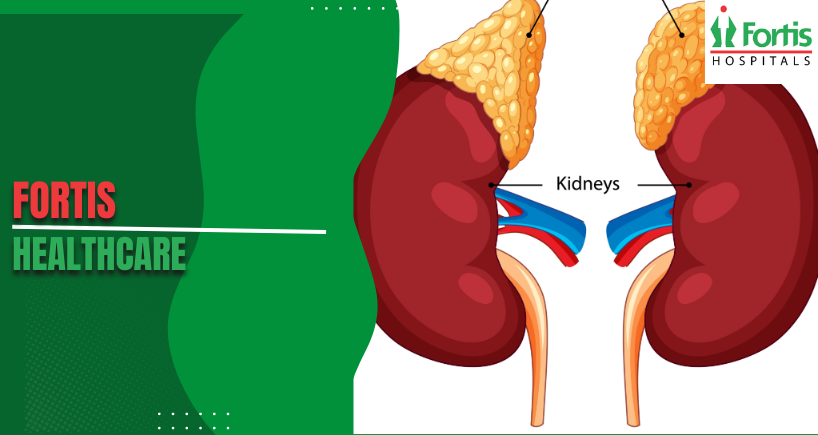


How to Keep Your Kidneys Healthy?
Expert Guidance from Dr Mohan Keshavamurthy
Principal Director, Fortis Hospitals, Bannerghatta Road, Bengaluru.
Your kidneys work around the clock to filter waste, regulate blood pressure, balance fluids, and maintain essential minerals in the body. Yet kidney health is often ignored—until symptoms appear.
According to Dr Mohan Keshavamurthy, prevention, early screening, and simple lifestyle modifications can significantly reduce the risk of chronic kidney disease and kidney stones.
Why Kidney Health Matters
Healthy kidneys:
Filter toxins and waste from the blood
Maintain fluid and electrolyte balance
Regulate blood pressure
Support red blood cell production
Help maintain strong bones
When kidney function declines, waste products accumulate in the body, leading to serious complications. The concern is that kidney disease often develops silently in its early stages.
Key Recommendations for Kidney Health
1. Stay Well Hydrated
Adequate water intake is one of the simplest and most effective ways to protect your kidneys.
Proper hydration:
Helps flush toxins
Prevents kidney stone formation
Supports efficient filtration
Dr Keshavamurthy advises maintaining consistent hydration, especially in warm climates like Bangalore.
2. Control Blood Pressure and Diabetes
High blood pressure and diabetes are the leading causes of chronic kidney disease.
If you are diabetic or hypertensive:
Monitor blood sugar regularly
Keep blood pressure under control
Follow prescribed medications
Schedule routine check-ups
Uncontrolled levels can silently damage kidney blood vessels over time.
3. Get the Urine Micro Albumin Test
One of Dr Keshavamurthy’s key recommendations is asking for a “Urine for Micro Albumin” test.
This test:
Detects early kidney damage
Identifies protein leakage before creatinine levels rise
Allows early intervention
Early detection can significantly slow—or even prevent—further deterioration.
4. Maintain a Balanced, Low-Sodium Diet
Diet plays a central role in kidney health.
Dr Keshavamurthy recommends:
Reducing sodium intake
Limiting excessive animal protein
Avoiding processed foods
Eating a balanced diet rich in fruits and vegetables
These measures reduce strain on the kidneys and help prevent stone formation.
5. Avoid Overuse of Painkillers (NSAIDs)
Frequent or unsupervised use of certain pain relievers (NSAIDs) can harm kidney function over time.
Always:
Consult a doctor before prolonged use
Avoid self-medication
Inform your doctor about all medications you take
Medication safety is essential to long-term kidney protection.
6. Maintain a Healthy Weight
Obesity increases the risk of:
Diabetes
Hypertension
Chronic kidney disease
Maintaining a healthy weight reduces pressure on the kidneys and supports overall metabolic health.
7. Stay Physically Active
Regular exercise helps:
Improve circulation
Control blood sugar
Maintain blood pressure
Reduce kidney stone risk
Activities such as walking, yoga, or moderate workouts for at least 30 minutes daily are highly beneficial.
8. Avoid Smoking
Smoking reduces blood flow to the kidneys and accelerates kidney damage in high-risk individuals.
9. Watch for Warning Signs
Consult a doctor if you notice:
Swelling in feet or face
Persistent fatigue
Changes in urination
Foamy urine
Blood in urine
Do not ignore early symptoms.
Who Is at Higher Risk?
You should be especially vigilant if you:
Have diabetes
Have high blood pressure
Have a family history of kidney disease
Are over 60 years old
Have a history of kidney stones
Routine screening can make a life-changing difference.
The Importance of Early Detection
“Kidney disease is often silent in its early stages. Timely screening and lifestyle modification are our strongest tools to prevent progression,” says Dr Mohan Keshavamurthy.
Early diagnosis—especially through tests like the Urine Micro Albumin test—can significantly slow or prevent further deterioration.
Expert Kidney Care at Fortis Bannerghatta Road
At Fortis Hospitals, Bannerghatta Road, Bangalore, patients have access to advanced diagnostics, preventive screening programs, and comprehensive urology care under experienced specialists.
Final Takeaway
Healthy kidneys are essential for overall well-being. Staying hydrated, managing diabetes and hypertension, eating a balanced low-sodium diet, avoiding unnecessary medications, exercising regularly, and undergoing appropriate screening tests can safeguard kidney function for years to come.
Prevention today can protect your kidneys for a lifetime.
Categories
Clear allMeet the doctor

- Urology | Uro-Oncology | Kidney Transplant | Paediatric Urology | Urology | Robotic Surgery
- Organ Transplant | Kidney Transplant
-
 37 Years
-
 1800
1800
 Available at 2 different locations

Related Blogs
View all



Adult Circumcision: Debunking Facts and Myths | Fortis Health Connect Blogs
Is Beer Good for Kidney Stones ? - Myths Vs Facts | Fortis Healthcare



FAQs

Keep track of your appointments, get updates & more!

