
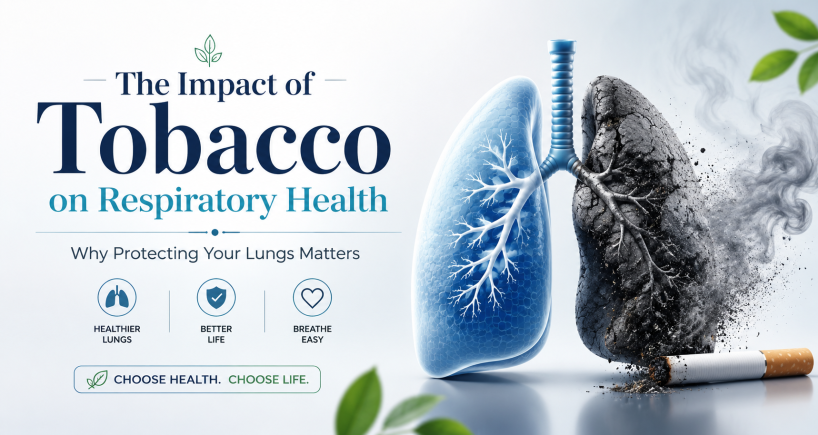


The Impact of Tobacco on Respiratory Health: Why Protecting Your Lungs Matters
Healthy lungs are the foundation of an active, energetic, and fulfilling life. Every breath we take supplies oxygen to our bodies, helping us perform daily activities and maintain overall well-being. However, tobacco use remains one of the biggest threats to respiratory health worldwide. On World No Tobacco Day, it is important to understand how tobacco affects our lungs and why quitting can be one of the best decisions for long-term health.
How Tobacco Harms the Lungs
Whether it is smoking cigarettes, vaping, or chewing tobacco, these habits expose the body to numerous harmful chemicals and toxins. Over time, these substances damage the respiratory system, leading to serious health conditions such as:
Lung Cancer – One of the leading causes of cancer-related deaths globally, strongly linked to tobacco use.
Severe Asthma – Tobacco smoke can trigger asthma attacks and worsen existing symptoms.
Frequent Chest Infections – Smokers are more susceptible to respiratory infections and recurring flare-ups.
Reduced Lung Function – Tobacco gradually weakens lung capacity, making breathing more difficult.
Chronic Obstructive Pulmonary Disease (COPD) – A progressive lung disease that causes airflow blockage and breathing problems.
The Hidden Danger of Second-Hand Smoke
Tobacco does not only harm the person using it. Second-hand smoke can have serious health consequences for those around them, particularly:
Children
Elderly individuals
People with pre-existing respiratory conditions
Exposure to second-hand smoke can increase the risk of respiratory infections, asthma attacks, and long-term lung damage, making smoke-free environments essential for public health.
Early Warning Signs Your Lungs Need Attention
Recognizing the early symptoms of lung damage can help prevent more serious complications. Consult a healthcare professional if you experience:
1. Persistent cough that does not go away
2. Breathlessness during routine daily activities
3. Wheezing or chest discomfort
4. Recurrent respiratory infections
5. Hoarseness or ongoing throat irritation
Early diagnosis and timely intervention can significantly improve health outcomes.
Simple Steps to Protect Your Lung Health
The good news is that there are practical steps everyone can take to support healthier lungs:
1. Quit Tobacco in All Forms
Stopping smoking, vaping, or chewing tobacco is the most effective way to reduce the risk of respiratory disease.
2. Avoid Passive Smoking
Stay away from environments where tobacco smoke is present and encourage smoke-free spaces.
3. Exercise Regularly
Physical activity helps improve lung capacity, strengthens respiratory muscles, and supports overall fitness.
4. Follow a Balanced Diet
A nutritious diet rich in fruits, vegetables, and antioxidants can support lung health and immunity.
5. Stay Hydrated and Maintain Good Air Hygiene
Drinking enough water and minimizing exposure to air pollutants can help keep the respiratory system functioning effectively.
6. Schedule Regular Lung Health Check-Ups
Routine screenings and medical consultations can help detect respiratory problems early and support timely treatment.
Choose Clean Air, Choose Life
Every cigarette avoided is a step toward healthier lungs and a better future. The benefits of quitting tobacco begin almost immediately, with improved breathing, increased energy levels, and reduced risk of serious diseases over time.
This World No Tobacco Day, make a commitment to protect your respiratory health.
Choose clean air. Choose healthier lungs. Choose life.
Categories
Clear allMeet the doctor

- Pulmonology | Sleep Medicine | Pulmonology and Critical care | Interventional Pulmonology | Pulmonology
-
 26 Years
-
 1800
1800
 Available at 1 different locations

Related Blogs
View all




FAQs

Keep track of your appointments, get updates & more!

