
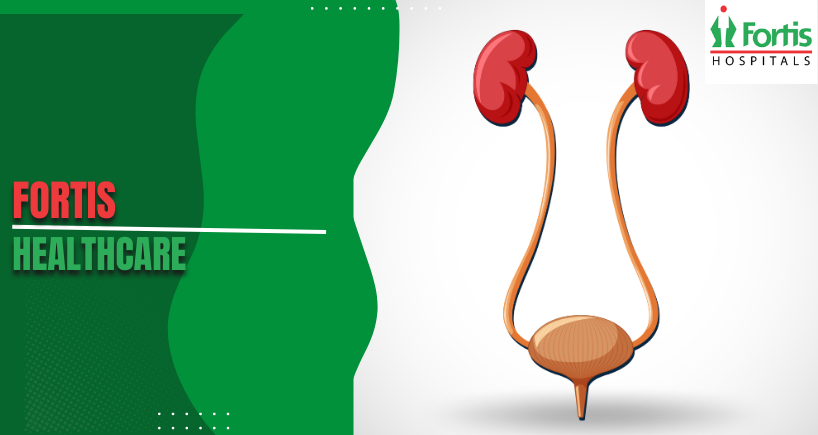


Introducing Incontinence Clinic at Fortis Hospitals, Bannerghatta Road: A Patient-Centric Approach to Urinary Leakage
Urinary incontinence—uncontrolled leakage of urine—is one of the most common and distressing health problems affecting people across all age groups. Despite being widespread, it often goes unspoken due to embarrassment or lack of awareness.
To address this major social and clinical challenge, Fortis Hospitals, Bannerghatta Road has launched a revolutionary, patient-centric OPD model designed to offer focused, comprehensive care in Urology and Urogynecology.
In this blog, Dr. Mohan Keshavamurthy, Principal Director, explains the concept behind the new Incontinence Clinic and how it aims to transform care for patients struggling with urinary leakage.
A Focused Solution for a Common Problem
Urinary incontinence is not limited to any one gender or age group—it affects children, men, and women alike. Recognizing the need for structured, specialized care, Fortis has introduced the Incontinence Clinic, the first in a series of four specialized OPDs dedicated to complex urological conditions.
This clinic is built on a single-stop solution model, where patients receive accurate diagnosis, specialized investigations, and tailored treatment plans—all under one roof.
What the Incontinence Clinic Offers
The clinic provides customized packages that include:
Detailed consultations
A battery of diagnostic tests
Specialized investigations for specific age groups
Expert evaluation by urology and urogynecology specialists
The packages are designed separately for:
Children with urinary control issues
Men experiencing urine leakage
Women suffering from stress, urge, or anatomical causes of incontinence
Understanding Different Types of Urinary Incontinence
Dr. Mohan explains that urinary leakage can occur due to a variety of reasons. Common forms include:
1. Urge Incontinence
A sudden, intense urge to urinate followed by leakage—patients often cannot reach the bathroom in time.
2. Stress Incontinence
Leakage triggered by activities like laughing, coughing, sneezing, lifting, or standing up from a seated position. More common in women.
3. Overflow Incontinence
Unknowingly leaking urine due to an obstruction in the urinary tract.
This is typically seen in elderly men with prostate enlargement (BPH).
4. Neurogenic Incontinence
Loss of bladder control due to nerve damage.
This can occur after:
A stroke
Major illness
Neurological disorders
Certain surgeries
5. Anatomical Causes
Leakage due to abnormal connections (fistulas) between the:
Bladder and vagina
Urethra and vagina
These may occur after surgery, childbirth complications, or trauma.
Why the Incontinence Clinic Matters
The goal of the clinic is simple yet powerful:
to help every patient arrive at a definitive, individualized solution for urinary leakage.
By bringing together advanced diagnostics, specialist care, and tailored treatment packages, Fortis Hospitals aims to offer clarity, confidence, and comfort to patients dealing with this sensitive condition.
The Incontinence Clinic is just the first of four specialized OPDs being launched to support patients with challenging urological and urogynecological concerns.
Categories
Clear allMeet the doctor

- Urology | Uro-Oncology | Kidney Transplant | Paediatric Urology | Urology | Robotic Surgery
- Organ Transplant | Kidney Transplant
-
 37 Years
-
 1800
1800
 Available at 2 different locations

Related Blogs
View all



Adult Circumcision: Debunking Facts and Myths | Fortis Health Connect Blogs

Is Beer Good for Kidney Stones ? - Myths Vs Facts | Fortis Healthcare





FAQs

Keep track of your appointments, get updates & more!

