
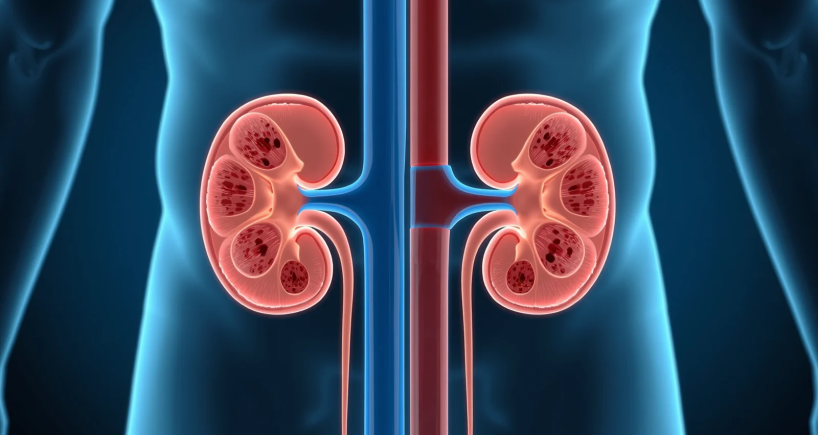


Kidney Stone Treatment at Fortis Hospital Mulund
Kidney Stone Treatment Options at Fortis Hospital, Mulund
Kidney stones are common and can be painful and, sometimes, put your health at risk for various complications. But timely and appropriate treatment can help you get lasting relief and prevent a recurrence. At Fortis Hospital, Mulund, our experts have the expertise and technology to diagnose and treat all types of kidney stones, including the most complex ones. Our experienced urologists use research-based guidelines to craft a personalised treatment plan for you, ensuring you get the best care with exceptional outcomes. Our comprehensive, multidisciplinary kidney stone programme focuses not only on treatment, but also on prevention once the first stone is removed.
This article explains what kidney stones are, how doctors treat and remove them, and why you should choose Fortis Hospital, Mulund, for urology care.
What are Kidney Stones?
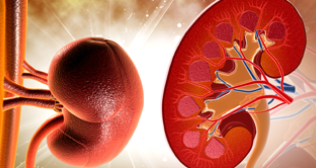
Kidney stones are hard, pebble-like objects or crystals that form inside your kidneys. These stones are composed of substances, such as minerals, salts, and acids, normally present in your urine. Smaller kidney stones may pass through
the urinary tract on their own with little or no pain. However, larger kidney stones can get stuck in your ureter and block urine flow, causing extreme pain, bleeding, and even kidney damage.
Kidney stones, also called renal calculi or nephrolithiasis, are classified into different types, based on what they are made of –
- Calcium stones
- Uric acid stones
- Struvite stones
- Cystine stones
If you’ve had a kidney stone, chances are that you’ll develop another one over the next few years. The doctors at Fortis Hospital, Mulund, excel in treating patients with recurrent kidney stone disease. Our experts will identify the cause of your kidney stones and develop a plan to treat your condition and help prevent new ones from forming.
Causes and Risk Factors of Kidney Stones
Kidney stones form when your urine turns highly concentrated. This lets substances, like minerals, calcium, sodium, oxalate, and uric acid, found in your pee stick together and form crystals or stones. Not drinking enough water is the most common reason for concentrated urine, which can lead to stone formation.
Factors that can increase your risk of kidney stones include:
- Dehydration
- Family or personal history of kidney stones
- Being men
- Eating too much animal protein, salt, and sugar
- Certain medical conditions, such as diabetes, high blood pressure, chronic urinary tract infections, obesity, Gout, and digestive issues
- Some supplements and medicines – such as vitamin C supplements, calcium-based antacids, laxatives, and migraine medicines
Common Symptoms of Kidney Stones
Symptoms of kidney stones include:
- Sharp or severe pain in the lower back, side, belly, and groin area
- Pain that comes and goes in waves
- Pain or a burning sensation while urinating
- Blood in urine
- An urge to pee more often
- Cloudy or foul-smelling urine
- Abnormal urine colour
- Inability to pee
- Nausea, vomiting, fever, and chills, along with pain
A small kidney stone may not cause symptoms until it moves into one of the ureters, blocking the flow of urine.
Seek medical help right away if you have any of these symptoms or any concerning issues. The sooner you have them investigated and treated, the better the outcome. There are many treatment options that can remove kidney stones and prevent permanent damage.
Complications of Kidney Stones
Kidney stones, if not treated, can lead to several health complications, including:
- Chronic kidney disease
- Loss of kidney function
- Kidney infections
- Frequent UTIs
What are the Treatment Options for Kidney Stones at Fortis Hospital, Mulund?
Fortis Hospital, Mulund, offers a full range of advanced surgical and medical treatment options to remove kidney stones completely and prevent future stone formation. Our experts use minimally invasive techniques whenever possible, leading to less pain, smaller scars, and a quicker recovery. Depending on the type and the cause of your kidney stones, our urologists will create a treatment plan personalised for you.
Treatment Options We Offer
Medication and Dietary Changes for Small Stones – if you have kidney stones that may be small enough to pass on their own, our doctors may recommend:
- Diet modifications – drinking lots of water to flush out the stones and prevent them from returning, as well as limiting the intake of animal protein and foods high in oxalate, such as spinach, soy products, beets, black teas, etc.
- Pain relievers and other medications – to help relieve mild pain and pass your kidney stone as comfortably as possible.
Advanced Treatments for Large Stones – our doctors may recommend a more extensive treatment if you have a kidney stone that is too large to pass on its own. Our surgeons specialise in advanced surgical techniques and, each year, they perform high volumes of procedures with excellent outcomes – even for large or recurrent kidney stones.
Options may include:
- Extracorporeal shock wave lithotripsy – a non-invasive procedure that uses high-energy sound waves to break up kidney stones, so they can be passed out of your body more easily.
- Ureteroscopy – in this procedure, a ureteroscope with a small camera and light attached is passed through the urethra and guided to the bladder and ureter to break up and remove the stone.
- Percutaneous nephrolithotomy – your surgeon inserts a thin, flexible tube into your kidney through a small incision in your back to break up stones into small pieces and remove them. This procedure is often used to remove larger stones that can’t be treated with other procedures.
- Robotic-assisted surgery – your surgeon may recommend robotic surgery if you have large, complicated stones that can’t be removed with other surgical methods.
Why Choose Fortis Hospital, Mulund, for Kidney Stone Care?
- Advanced Diagnosis
- Comprehensive Treatment
- State-of-the-art Techniques
- Expert Doctors
- Personalised, Collaborative Care
Conclusion
Kidney stones can interfere with your daily life, causing unbearable pain and other symptoms. If you suspect that you have kidney stones, contact Fortis Hospital, Mulund, for advanced, compassionate care. Our urologists are experts in diagnosing and treating all types of kidney stones. And if you have recurrent kidney stones, our specialists will work with you to identify the cause and figure out a plan that can treat and prevent them from returning.
Making changes to your diet and lifestyle is one of the best ways to avoid new or recurrent kidney stones. This includes staying well hydrated by drinking plenty of water, eating fewer oxalate-rich foods, limiting intake of animal protein and sodium, getting enough calcium-rich foods, and maintaining a healthy weight.
__________________________________________________________________________________________
Fortis Hospital Mulund, Mumbai
Address: Mulund Goregaon Link Road, Mulund-West, Mumbai, 400078
For any enquiries -
Ph. 02268846141
Categories
Clear allMeet the doctor

- Nephrology | Nephrology
-
 30 Years
-
 2000
2000
 Available at 1 different locations

Related Blogs
View all




FAQs

Keep track of your appointments, get updates & more!

