
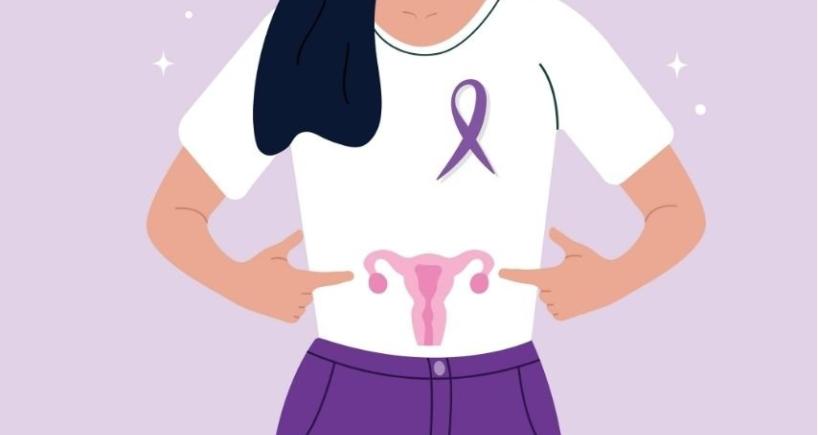


Life After UFE - 6 Months Later What to Expect?
Medicine Made Simple
Six months after Uterine Fibroid Embolization (UFE), most women experience significant improvement in symptoms such as heavy bleeding, pain, and abdominal pressure. Fibroids shrink gradually over time, and by this stage, the results become more noticeable and stable. However, recovery is not just physical. Hormonal balance, menstrual patterns, and overall energy levels also change. This article explains what life looks like six months after UFE, what improvements to expect, what may still need attention, and how to manage your health going forward.
Understanding the six-month milestone after UFE
UFE is not an instant solution. It works slowly by reducing the blood supply to fibroids, causing them to shrink over time. The early phase is often discussed in terms of UFE recovery, but the real results develop gradually over several months.
By the six-month mark, most of the internal healing has taken place. Fibroids have reduced in size significantly, and the uterus has adjusted to these changes. This is the stage where patients can clearly see the difference between life before and after treatment, especially when comparing fibroids vs UFE.
It is also the point where doctors often evaluate the success of the procedure through follow-up imaging and symptom assessment.
Changes in menstrual cycles
One of the most noticeable improvements after six months is in menstrual health. Women who previously experienced heavy or prolonged bleeding often find that their periods have become lighter and more manageable.
Cycles tend to become more regular compared to the early months after UFE, when irregularity is common. The duration of periods may reduce, and the intensity of flow often becomes closer to what is considered normal.
Pain during menstruation also improves for many women. Cramping may still occur, but it is usually less severe than before treatment.
However, not every cycle becomes perfect. Some variation can still occur depending on age and hormonal patterns. The key difference is that periods no longer dominate daily life.
Reduction in fibroid-related symptoms
Beyond menstrual changes, other symptoms caused by fibroids also improve significantly. Pelvic pressure, which often feels like a constant heaviness, becomes less noticeable as fibroids shrink.
Bloating reduces gradually, and the abdomen may feel lighter. Clothes may fit more comfortably, and the visible swelling in the lower abdomen often decreases.
Frequent urination, caused by pressure on the bladder, usually improves as space inside the pelvis is restored. Similarly, constipation or digestive discomfort caused by pressure on the bowel may also ease.
These improvements reflect the long term results of UFE, which continue to evolve beyond the six-month point.
Energy levels and overall well-being
Many women report a significant improvement in energy levels by this stage. Before UFE, heavy bleeding often leads to anemia, which causes fatigue, weakness, and low stamina.
As bleeding reduces, the body gradually restores its iron levels. This leads to better energy, improved focus, and a general sense of well-being.
Sleep quality may also improve as pain and discomfort decrease. Daily activities become easier, and physical movement feels less restricted.
This improvement in energy is one of the most meaningful changes, as it affects every aspect of life, from work to personal relationships.
Emotional and psychological changes
The impact of UFE is not just physical. Many women experience emotional relief as symptoms improve. Living with fibroids can be stressful, especially when symptoms interfere with daily routines.
By six months, as discomfort reduces and normalcy returns, confidence often improves. Women feel more in control of their bodies and less limited by their condition.
However, it is also normal to have lingering concerns about long-term outcomes or the possibility of recurrence. Awareness of possible UFE side effects and expectations helps patients stay informed without unnecessary worry.
What follow-up care looks like
At the six-month stage, follow-up care becomes important to assess how well the treatment has worked. Doctors may recommend imaging tests such as ultrasound or MRI to measure the reduction in fibroid size.
Symptom evaluation is equally important. Even if imaging shows improvement, the main goal is how you feel in daily life.
Follow-up visits also provide an opportunity to discuss any ongoing symptoms or concerns. This helps ensure that recovery is complete and that no additional treatment is needed.
What if symptoms are not fully resolved
While most women experience significant improvement, some may still have mild symptoms at six months. This does not always mean the treatment has failed.
Fibroids can continue to shrink beyond six months, and symptoms may keep improving over time. However, if symptoms remain bothersome, further evaluation may be needed.
In some cases, additional treatment options may be discussed. This depends on the size, location, and behavior of the remaining fibroids.
The important thing is to focus on overall improvement rather than expecting perfection.
Long-term expectations after UFE
UFE provides long-lasting relief for many women, but it is important to understand that fibroids are influenced by ongoing hormonal activity. This means there is still a possibility of new fibroids developing in the future.
However, for many women, the improvement after UFE is significant enough to restore normal life for years.
Maintaining regular check-ups helps detect any changes early and ensures continued health.
The goal is not just to treat fibroids once but to manage them effectively over time.
Lifestyle and health after UFE
After six months, most women can return fully to their normal lifestyle. Physical activity, work, and social life can be resumed without major restrictions.
Maintaining a balanced lifestyle supports overall health and helps manage symptoms in the long term. Good nutrition, regular exercise, and stress management contribute to better hormonal balance.
While lifestyle changes do not prevent fibroids completely, they support the body’s overall function and recovery.
When to seek medical advice again
Even after successful recovery, it is important to stay aware of your body. If symptoms such as heavy bleeding, pelvic pain, or unusual changes return, it is advisable to consult your doctor.
Early evaluation helps identify whether fibroids are recurring or if another issue is present.
Regular monitoring ensures that any concerns are addressed promptly.
Looking at life beyond treatment
For many women, six months after UFE marks a new phase of life. Activities that were once difficult due to pain or fatigue become manageable again.
Travel, work, and social interactions feel easier. The constant awareness of discomfort fades, allowing a more relaxed and confident approach to daily life.
This shift is often the most rewarding outcome of the treatment.
Conclusion
Life six months after UFE is usually marked by significant improvement in symptoms and overall well-being. While recovery is gradual, this stage reflects the true benefits of the procedure. If you have undergone UFE or are considering it, understanding this timeline helps set realistic expectations. Continue regular follow-ups, listen to your body, and seek medical advice when needed. With the right care, UFE can provide lasting relief and help you regain control over your health and daily life.
Categories
Clear allMeet the doctor

- Radiology | Interventional Radiology
-
 11 Years
-
 650
650
Related Blogs
View all

MRI: A Closer Look at the Purpose, Mechanism and Risks of the Technique

Navigating Radiation Therapy: Minimizing Side Effects and Enhancing Recovery




FAQs

Keep track of your appointments, get updates & more!

