
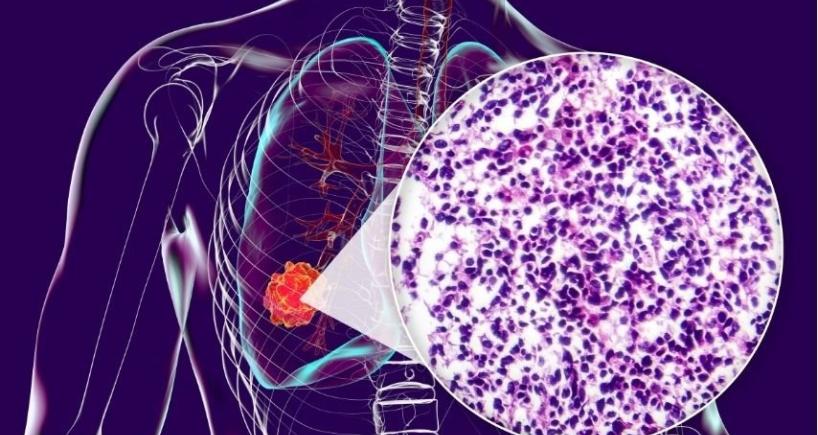


Is Lung Biopsy Considered a Surgery - Transbronchial Lung Biopsy Explained
Medicine Made Simple Summary
Many patients believe that a transbronchial lung biopsy is a major surgery because it involves taking tissue from the lungs. This is one of the most common and most stressful misconceptions. In reality, a transbronchial lung biopsy is not a surgery. It is a minimally invasive diagnostic procedure performed through the airways using a bronchoscope. There are no chest cuts, no stitches, and usually no long hospital stay. Understanding this difference helps reduce fear and allows patients and families to approach the procedure with confidence.
Why the Word “Biopsy” Causes So Much Fear
The moment patients hear the word biopsy, their thoughts often jump to surgery, cancer, and long recovery times. This reaction is understandable. In everyday language, biopsies are often associated with operations and hospital admissions.
However, not all biopsies are the same. Some require surgery, but many do not. A transbronchial lung biopsy belongs to the non-surgical category. The fear usually comes from lack of clarity rather than the procedure itself.
Clearing this misunderstanding early makes a big difference in how patients experience the entire process.
What Surgery Actually Means in Medical Terms
In medical terms, surgery usually involves making an incision through the skin to access organs inside the body. It often requires general anesthesia, operating rooms, stitches, and longer recovery periods.
Surgery also usually involves cutting through muscle, bone, or other tissues. Because of this, surgical procedures carry higher risks, longer healing time, and more physical stress on the body.
A transbronchial lung biopsy does not involve any of these steps.
What a Transbronchial Lung Biopsy Really Is
A transbronchial lung biopsy is performed using a bronchoscope, which is a thin, flexible tube with a camera. This tube is passed through the mouth or nose and guided into the lungs through natural air passages.
Small instruments are passed through the bronchoscope to collect tiny samples of lung tissue. Because the procedure uses existing airways, there is no need to cut through the chest wall.
This is why it is classified as a minimally invasive procedure rather than surgery.
Why Doctors Choose a Non-Surgical Approach First
Doctors always aim to get the information they need using the safest and least invasive method possible. When lung tissue can be accessed through the airways, a transbronchial lung biopsy is often the preferred option.
This approach reduces pain, shortens recovery time, and lowers complication risk compared to surgical lung biopsy. It also allows many patients to go home the same day.
Surgery is usually considered only when less invasive methods cannot provide enough information.
How the Procedure Is Performed Without Surgery
During the procedure, the patient is usually given medication to relax and local anesthesia to numb the throat. The patient continues to breathe on their own.
The bronchoscope is gently guided into the lungs. The doctor watches the live camera feed and carefully navigates to the area of concern. Small biopsy tools are used to take tiny tissue samples.
The lung tissue does not have pain sensors in the same way skin does, which is why patients usually do not feel pain during tissue sampling.
What Patients Commonly Feel During the Procedure
Most patients do not feel pain during a transbronchial lung biopsy, helping address concerns about Transbronchial Lung Biopsy Pain. They may feel pressure in the throat, a temporary urge to cough, or a sensation of something moving in the chest.
Sedation helps reduce anxiety and discomfort. Doctors communicate with the patient throughout the procedure and can pause if needed.
The experience is very different from what people imagine when they think of surgery.
Why No Cuts or Stitches Are Needed
Because the bronchoscope travels through natural openings, no external cuts are made. This means there are no stitches, no surgical wounds, and no visible scars.
After the procedure, patients may have a mild sore throat or cough. These symptoms usually resolve within a short time.
The absence of incisions is one of the clearest reasons this procedure is not considered surgery.
Recovery Compared to Surgical Lung Biopsy
Recovery from a transbronchial lung biopsy is usually quick. Most patients are observed for a few hours and then allowed to go home.
In contrast, surgical lung biopsy often requires general anesthesia, chest incisions, hospital admission, and longer recovery. Pain management and wound care are also needed after surgery.
Understanding this difference helps patients appreciate why doctors prefer non-surgical biopsy whenever possible.
Why Doctors Still Monitor Patients Carefully
Even though the procedure is not surgery, doctors take safety seriously. After the biopsy, patients are monitored for breathing, oxygen levels, and signs of complications such as air leak or bleeding.
This monitoring does not mean the procedure is dangerous. It means doctors are being cautious and proactive.
Most patients complete observation without any issues.
Common Situations Where Surgery Is Not Needed
Many lung conditions can be diagnosed with transbronchial lung biopsy. These include infections, inflammatory lung diseases, sarcoidosis, transplant-related problems, and some cancers.
In these situations, surgery would add unnecessary risk without providing better information, highlighting the Transbronchial Lung Biopsy Accuracy in appropriate clinical settings.
Doctors choose surgery only when non-surgical methods cannot reach the affected area or provide adequate tissue.
When Surgical Lung Biopsy May Be Considered
Surgical lung biopsy may be considered when abnormalities are located in areas that cannot be safely reached with a bronchoscope or when previous biopsies have been inconclusive.
This does not mean the condition is more severe. It simply reflects the location or nature of the lung problem.
Doctors discuss this carefully with patients if surgery becomes necessary.
Why Patients Often Hear the Word “Procedure” Instead of “Surgery”
Healthcare professionals often use the word procedure when referring to transbronchial lung biopsy because it accurately reflects what is being done.
A procedure is any medical intervention, while surgery is a specific type of procedure involving incisions. Understanding this language helps reduce confusion.
Asking doctors to clarify terms is always appropriate.
How Misunderstanding Affects Patient Anxiety
When patients believe they are undergoing surgery, anxiety increases dramatically. Fear of pain, long recovery, and complications can overshadow rational decision-making.
Once patients understand that transbronchial lung biopsy is not surgery, their anxiety often decreases. This allows them to focus on the purpose of the test rather than imagined risks.
Clear explanation improves emotional well-being.
How Families Can Help Correct the Misconception
Family members often react strongly when they hear “lung biopsy.” They may imagine major surgery and long hospital stays.
Helping families understand the non-surgical nature of the procedure allows them to provide calmer, more supportive care. Informed families reduce stress rather than add to it.
Shared understanding improves the experience for everyone involved.
Why Doctors Emphasize Minimally Invasive Testing
Minimally invasive procedures reduce physical stress on the body. They allow faster recovery, lower complication rates, and better patient comfort.
Transbronchial lung biopsy fits perfectly into this philosophy. It provides valuable diagnostic information without the burden of surgery.
This approach reflects modern, patient-centered medicine.
What Patients Should Ask Their Doctor
Patients should feel comfortable asking whether their biopsy is surgical or non-surgical. They can also ask about recovery time, anesthesia, and expected sensations.
Clear answers help patients prepare mentally and emotionally. Informed patients feel more in control.
Questions are a sign of engagement, not doubt.
Why Understanding This Difference Matters
Understanding that a transbronchial lung biopsy is not surgery changes how patients view the entire process. It reduces fear, improves cooperation, and builds trust in the care plan.
Knowledge replaces imagination with reality.
Medicine becomes easier to navigate when misconceptions are corrected.
Conclusion
If you have been advised to undergo a transbronchial lung biopsy and are worried about surgery, speak openly with your doctor. Ask them to explain how the procedure is done and why it is not considered surgical. Clear understanding helps you approach the test calmly and confidently.
Categories
Clear allMeet the doctor

- Pulmonology | Interventional Pulmonology | Sleep Medicine
-
 7 Years
-
 650
Related Blogs
View all









Keep track of your appointments, get updates & more!

