
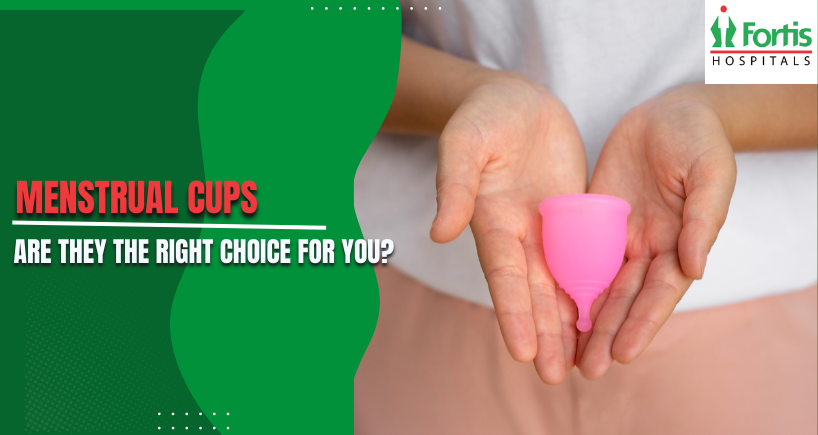


Menstrual Cups: Are They the Right Choice for You?
For decades, the world of period care has been dominated by two familiar options: pads and tampons. The aisle has been a predictable landscape of disposable products, each promising better absorption and leak protection. But in recent years, a quiet revolution has been gaining momentum, led by a small, bell-shaped device that is changing the way millions of people experience their periods. This is the world of the menstrual cup.
If you have heard friends talking about it or seen it pop up on your social media feed, you have likely been curious. What is a menstrual cup exactly? How does it work? Is it difficult to use?
The shift from disposable to reusable period care can feel like a big leap, filled with questions and a bit of apprehension. This guide is here to provide a clear, comprehensive overview of the menstrual cup, from its basic function to a step-by-step guide on how to use it, so you can decide if it is the right choice for you.
What Is a Period Cup?
A menstrual cup, often called a period cup, is a flexible, bell-shaped cup made from medical-grade materials like silicone, rubber, or thermoplastic elastomer (TPE). It is designed to be a reusable alternative to tampons and pads. The primary answer to "what is menstrual cup used for?" is simple: it is inserted into the vagina during menstruation to collect menstrual fluid.
The most fundamental difference between a menstrual cup and its disposable counterparts is its method. Tampons and pads absorb menstrual flow. A menstrual cup collects it. This simple distinction is the source of many of its unique benefits, from a longer wear time to a reduced impact on the vaginal environment. One cup, with proper care, can be washed and reused for up to 10 years, making it a revolutionary product in both personal health and environmental sustainability.
How Menstrual Cups Work: Collection Over Absorption
The science behind how menstrual cups work is a marvel of simple, effective design. The process is straightforward, relying on the cup’s flexibility and the body’s own anatomy.
When you are ready to use it, the cup is folded into a smaller, more compact shape for insertion. Once inside the vaginal canal, the flexible material allows the cup to spring open. It is designed to create a gentle, leak-proof seal against the vaginal walls, sitting comfortably below the cervix.
Once in place, it simply collects the menstrual flow as it leaves the cervix. Because it collects the fluid rather than absorbing it, it does not disrupt the natural moisture or pH balance of your vagina, nor does it leave behind any fibers. Depending on the volume of your flow, a menstrual cup can hold significantly more fluid than a super-absorbent tampon, allowing it to be worn safely for up to 12 hours. When it is time to empty it, you simply remove it, pour the contents into the toilet, rinse it, and reinsert.
How to Use a Menstrual Cup: A Step-by-Step Guide
The biggest hurdle for most new users is the learning curve. Learning how to use a menstrual cup can take a bit of practice and patience, but once you master it, the process becomes second nature. Here is a step-by-step guide to get you started.
Step 1: Choose the Right Cup
Menstrual cups are not one-size-fits-all. Most brands offer at least two sizes: a smaller size for those under 30 who have not given birth vaginally, and a larger size for those over 30 or who have given birth vaginally. Your flow is also a factor—if you have a very heavy flow, you might opt for a higher-capacity cup.
Step 2: Sterilize Your Cup
Before your first use and between each menstrual cycle, it is essential to sterilize your cup. Simply place it in a pot of boiling water for 5-10 minutes. Make sure the cup does not touch the bottom of the pot to avoid melting.
Step 3: Fold the Cup for Insertion
There are many ways to fold a cup, and you can experiment to find what works for you. The two most popular methods are:
The C-Fold: Press the sides of the cup together to flatten it, and then fold it in half to form a "C" or "U" shape.
The Punch-Down Fold: Press the rim of the cup down into the base with your index finger to create a smaller, pointed insertion point.
Step 4: Insert the Cup
Find a comfortable and relaxed position, such as squatting, sitting on the toilet, or standing with one leg up on the side of the tub. Gently separate your labia with one hand and, with the other, insert the folded cup into your vagina, aiming it horizontally toward your tailbone, not straight up like a tampon.
Step 5: Ensure a Proper Seal
Once the cup is inside, let it go. It should spring open. To make sure it has opened fully and created a seal, run your finger around the base of the cup. It should feel round or oval without any major folds. You can also gently grip the base (not the stem) and rotate it slightly to help it seal. This seal is the key to a leak-free experience.
Step 6: Remove the Cup
After up to 12 hours, it is time to remove it. First, wash your hands. Get into a comfortable position and use your pelvic floor muscles to gently bear down, which will help push the cup lower. Reach for the base of the cup and pinch it firmly to break the suction seal. This is the most important step. Never pull on the stem alone, as this will not release the seal and can cause discomfort. Once the seal is broken, gently wiggle the cup from side to side and pull it out, keeping it upright.
Step 7: Empty, Rinse, and Reinsert
Empty the contents into the toilet. Rinse the cup thoroughly with clean water. You can also use a mild, oil-free, and fragrance-free soap. Once it is clean, you can immediately reinsert it.
The Verdict: Is It Right for You?
Like any product, menstrual cups have their pros and cons.
The Advantages:
Eco-Friendly and Cost-Effective: A single cup can prevent thousands of disposable pads and tampons from ending up in landfills, and it can save you a significant amount of money over its lifespan.
Longer Wear Time: The 12-hour wear time offers a level of freedom and convenience that is hard to match.
Comfort and Health: Many users find them more comfortable than tampons, as they do not cause vaginal dryness. The medical-grade materials are hypoallergenic, and the risk of Toxic Shock Syndrome (TSS) is exceptionally low.
Less Odor: Because the menstrual fluid is not exposed to air, the odor associated with periods is virtually eliminated.
The Disadvantages:
The Learning Curve: Mastering insertion and removal can take a few cycles of practice and patience.
The "Mess" Factor: It can be messy, particularly at the beginning. Emptying it in a public restroom requires a bit of planning (carrying a small water bottle or using sanitary wipes can help).
Finding the Right Fit: It may take some trial and error with different brands or sizes to find your perfect cup.
A New Era of Period Freedom
The menstrual cup is more than just another period product. For many, it represents a fundamental shift in how they relate to their bodies and their cycles. It offers a more sustainable, affordable, and comfortable way to manage menstruation. The choice of period care is deeply personal, but if you are looking for a new level of freedom and are willing to be patient through a short learning curve, the menstrual cup could be a truly life-changing discovery.
Frequently Asked Questions
Q1. Can you feel the menstrual cup when it's inside?
Ans. When inserted correctly, you should not be able to feel your menstrual cup at all. If you can feel it, it may be positioned too low or may not have opened up properly.
Q2. Can a menstrual cup get lost inside me?
Ans. No. It is anatomically impossible. The vagina is a closed canal that ends at the cervix, so there is nowhere for the cup to go.
Q3. Can I use a menstrual cup if I have an IUD?
Ans. Yes, many people with IUDs successfully use menstrual cups. However, it is important to be careful to break the seal before removing the cup to avoid dislodging the IUD strings. It is always a good idea to consult with your gynecologist first.
Q4. How do I clean my cup in a public restroom?
Ans. The simplest way is to empty the cup and then wipe it out thoroughly with toilet paper before reinserting. You can then give it a proper wash the next time you are in a private bathroom. Alternatively, you can carry a small bottle of water or sanitary wipes specifically designed for cups.
Categories
Clear allRelated Blogs
View all

Bacterial Vaginosis: Causes, Symptoms And Treatment


Awareness, Breast Self-Examination And Regular Screening Examination Can Change The Life o...

Hormonal Imbalance: Symptoms, Causes And Treatment

Evolution of Gynae & Cancer Surgeries With Robotics


Know The Top 11 Benefits of Antenatal Exercises



Keep track of your appointments, get updates & more!

