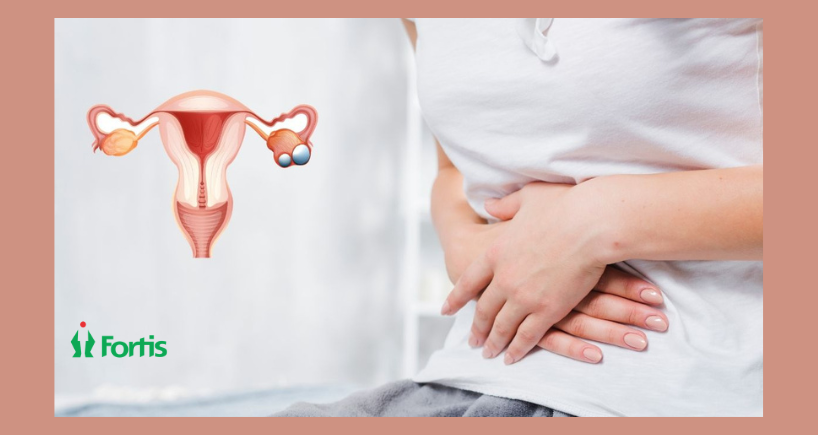
पीसीओडी और पीसीओएस क्या है
Obstetrics and Gynaecology

पीसीओडी और पीसीओएस क्या है? लक्षण, कारण, जांच, इलाज और प्राकृतिक समाधान | महिलाओं के लिए पूरी गाइड

admin Feb 25, 2026

आज के समय में पीसीओडी (PCOD) और पीसीओएस (PCOS) महिलाओं में तेजी से बढ़ने वाली हार्मोनल समस्याओं में से एक हैं। अनियमित पीरियड्स, वजन बढ़ना, चेहरे पर मुंहासे या गर्भधारण में कठिनाई - ये सभी संकेत हो सकते हैं कि शरीर में हार्मोनल असंतुलन हो रहा है।

लेकिन अच्छी बात यह है कि सही जानकारी, समय पर जांच, और उचित इलाज से इस समस्या को आसानी से मैनेज किया जा सकता है।

इस लेख में हम सरल भाषा में समझेंगे:
 ✔ पीसीओडी और पीसीओएस क्या है
 ✔ इनके लक्षण और कारण
 ✔ जांच और उपचार विकल्प
 ✔ जीवनशैली में बदलाव से सुधार के तरीके

पीसीओडी और पीसीओएस क्या है?

पीसीओडी (PCOD) क्या होता है?

पीसीओडी यानी Polycystic Ovarian Disease एक ऐसी स्थिति है जिसमें महिलाओं के अंडाशय (Ovaries) में कई छोटी-छोटी सिस्ट (गांठें) बनने लगती हैं। इससे हार्मोनल असंतुलन होता है और ओव्यूलेशन प्रभावित होता है।

पीसीओएस (PCOS) क्या होता है?

पीसीओएस यानी Polycystic Ovary Syndrome एक मेटाबोलिक और हार्मोनल डिसऑर्डर है। इसमें शरीर में पुरुष हार्मोन (एंड्रोजन) ज्यादा बनने लगते हैं, जिससे कई स्वास्थ्य समस्याएं हो सकती हैं।

सरल शब्दों में:

  • PCOD = ओवरी से जुड़ी समस्या
  • PCOS = हार्मोन + मेटाबोलिक समस्या

पीसीओडी और पीसीओएस के लक्षण

सामान्य लक्षण:

  • अनियमित पीरियड्स
     
  • वजन तेजी से बढ़ना
     
  • चेहरे पर मुंहासे
     
  • अत्यधिक बाल बढ़ना
     
  • बालों का झड़ना
     
  • थकान और मूड स्विंग

गंभीर लक्षण:

  • गर्भधारण में कठिनाई
     
  • इंसुलिन रेजिस्टेंस
     
  • डायबिटीज का खतरा
     
  • हाई कोलेस्ट्रॉल

पीसीओडी और पीसीओएस के कारण

मुख्य कारण:

हार्मोनल असंतुलन

एंड्रोजन हार्मोन का बढ़ना ओव्यूलेशन को प्रभावित करता है।

इंसुलिन रेजिस्टेंस

शरीर में इंसुलिन सही से काम नहीं करता जिससे हार्मोन गड़बड़ा जाते हैं।

अनहेल्दी लाइफस्टाइल

  • जंक फूड
     
  • कम एक्सरसाइज
     
  • तनाव

जेनेटिक कारण

परिवार में किसी को हो तो जोखिम बढ़ जाता है।

पीसीओडी और पीसीओएस की जांच

डॉक्टर निम्न टेस्ट करवाने की सलाह देते हैं:

  • ब्लड टेस्ट (हार्मोन स्तर)
     
  • अल्ट्रासाउंड
     
  • शुगर और इंसुलिन टेस्ट

पीसीओडी और पीसीओएस का इलाज (Medical Treatment Options)

दवाइयों से इलाज

  • हार्मोन संतुलन दवाएं
     
  • बर्थ कंट्रोल पिल्स
     
  • इंसुलिन कंट्रोल मेडिसिन

फर्टिलिटी ट्रीटमेंट

गर्भधारण में परेशानी होने पर विशेष उपचार दिए जाते हैं।

हार्मोन थेरेपी

गंभीर मामलों में हार्मोन थेरेपी की जरूरत पड़ सकती है।

लाइफस्टाइल टिप्स (Lifestyle Changes)

डाइट टिप्स

  • कम शुगर वाला भोजन
     
  • हाई फाइबर फूड
     
  • प्रोटीन युक्त आहार

एक्सरसाइज

  • रोज 30 मिनट वॉक
     
  • योग और मेडिटेशन

स्ट्रेस मैनेजमेंट

  • पर्याप्त नींद
     
  • स्क्रीन टाइम कम करें

सिर्फ लाइफस्टाइल सुधार से ही कई महिलाओं में लक्षण काफी कम हो जाते हैं।

भावनात्मक पहलू (Emotional Support)

पीसीओएस सिर्फ शारीरिक नहीं बल्कि मानसिक स्वास्थ्य को भी प्रभावित करता है। कई महिलाएं चिंता, आत्मविश्वास की कमी और तनाव का अनुभव करती हैं।

याद रखें - यह समस्या कंट्रोल की जा सकती है और लाखों महिलाएं सही इलाज से सामान्य जीवन जी रही हैं।

निष्कर्ष (Conclusion)

पीसीओडी और पीसीओएस आज की जीवनशैली से जुड़ी आम लेकिन महत्वपूर्ण समस्याएं हैं। समय पर पहचान, सही इलाज और स्वस्थ जीवनशैली अपनाकर इन्हें प्रभावी तरीके से नियंत्रित किया जा सकता है।

यदि आपको अनियमित पीरियड्स, अचानक वजन बढ़ना या हार्मोनल बदलाव के संकेत दिख रहे हैं, तो देरी न करें - विशेषज्ञ डॉक्टर से सलाह लेना ही पहला और सबसे जरूरी कदम है।

सही जानकारी और समय पर उपचार से आप स्वस्थ, आत्मविश्वासी और संतुलित जीवन जी सकती हैं।

FAQs (अक्सर पूछे जाने वाले सवाल)

Q1. क्या पीसीओडी और पीसीओएस पूरी तरह ठीक हो सकते हैं?

नहीं, लेकिन सही इलाज और लाइफस्टाइल से इन्हें पूरी तरह कंट्रोल किया जा सकता है।

Q2. क्या पीसीओएस में प्रेग्नेंसी संभव है?

हाँ, सही इलाज और समय पर देखभाल से गर्भधारण संभव है।

Q3. क्या वजन कम करने से पीसीओएस ठीक होता है?

हाँ, 5-10% वजन कम करने से लक्षण काफी कम हो सकते हैं।

Q4. क्या पीसीओडी खतरनाक बीमारी है?

यह गंभीर नहीं है, लेकिन इलाज न करने पर जटिलताएं बढ़ सकती हैं।

Q5. पीसीओएस किस उम्र में होता है?

यह समस्या आमतौर पर 15–35 वर्ष की महिलाओं में होती है।

Categories

Clear all

Related Blogs

View all
uterine fibroid symptoms
Obstetrics and Gynaecology

Fibroids: Symptoms & Treatment

Dr. Suneet Tayal May 30, 2024
Bacterial Vaginosis: Causes, Symptoms And Treatment

Obstetrics and Gynaecology

Bacterial Vaginosis: Causes, Symptoms And Treatment

Dr. Anjana Singh Jul 20, 2023
High Risk Pregnancy
Obstetrics and Gynaecology

High Risk Pregnancy

admin Jun 28, 2024
Awareness, Breast Self-Examination And Regular Screening Examination Can Change The Life of Breast Cancer Patients
Obstetrics and Gynaecology

Awareness, Breast Self-Examination And Regular Screening Examination Can Change The Life o...

admin Oct 11, 2023
Hormonal Imbalance: Symptoms, Causes And Treatment

Obstetrics and Gynaecology

Hormonal Imbalance: Symptoms, Causes And Treatment

Dr. Anjana Singh Jun 28, 2024
Evolution of Gynae & Cancer Surgeries With Robotics

Obstetrics and Gynaecology

Evolution of Gynae & Cancer Surgeries With Robotics

Dr. Swapna Misra Jan 23, 2024
Fibroids In The Uterus - Need Your Attention!
Obstetrics and Gynaecology

Fibroids In The Uterus - Need Your Attention!

admin Jun 28, 2024
Know The Top 11 Benefits of Antenatal Exercises
Obstetrics and Gynaecology

Know The Top 11 Benefits of Antenatal Exercises

Dr. Suneet Tayal Jun 28, 2024
Laparoscopy Or Open Surgery? Which Is Best For Me?
Obstetrics and Gynaecology

Laparoscopy Or Open Surgery? Which Is Best For Me?

Dr. Suneet Tayal Apr 29, 2024
Should I Get My Fibroids Taken Out?
Obstetrics and Gynaecology

Should I Get My Fibroids Taken Out?

Dr. Suneet Tayal Nov 07, 2023

Quick Enquiry Form

  • Where is Fortis Hospital, Mulund, located and how do I travel there?

    Fortis Hospital, Mulund, is located on the Mulund Goregaon Link Road, Nahur West, Industrial Area, Bhandup West, Mumbai, Maharashtra. Different modes of transportation can be used to travel to the hospital.

  • How to book an appointment at Fortis Mulund?

    For Fortis Mulund Appointment:


    Call 022 4925 4925

    Install myFortis App

    Fill out the contact form at fortismumbai.com

  • How many beds are in Fortis Hospital Mulund?

    Fortis Hospital Mulund has 350 beds and 108 ICU beds along with 6 dedicated BMT units. Fortis Mulund is also equipped with a state-of-the-art & NABH accredited Level 1 Trauma centre.

  • What types of emergencies are managed at Fortis Hospital, Mulund?

    With state-of-the-art equipment and best specialists, we provide 24x7 medical emergency services for all kinds of simple and complex conditions, other than accident. We are a leader in the city for rapid response during brain injuries, cardiac arrest, heart conditions and trauma, as well as for excellent patient outcomes. Fortis Hospital, Mulund, has the biggest ER Department in central Mumbai, delivering success in 95% of the cases in the treatment and management of acute ischemic stroke.

  • What are the facilities available in the Fortis Hospital, Mulund?

    Fortis Hospital, Mulund, is a multi-speciality hospital that offers complete range of medical and surgical care for adults and children under one single roof, delivering leading-edge patient care.

  • What is Fortis Hospital, Mulund, well-known for?

    Fortis Hospital, Mulund, is well-known for its state-of-the-art infrastructure and world-class teams of specialists who provide compassionate, top-notch patient care. The hospital is also world-renowned for its excellence in various medical specialities, including cardiac care, oncology, neuro and spine care, bone and joint care, urology, liver and kidney transplant, emergency services, etc.

  • Does Fortis Hospital, Mulund, have a pickup service?

    All overseas patients are provided with pickup services from the international airport.

  • Who are the specialists at the Fortis Bone and Joint Institute?

    The institute employs a team of highly qualified and experienced orthopedic surgeons, rheumatologists, physiotherapists, and other healthcare professionals who specialize in various aspects of bone and joint care.

  • What advanced technologies are used at the Fortis Bone and Joint Institute?

    The institute employs advanced technologies such as: Minimally invasive surgical techniques Robotic-assisted surgery Computer-assisted navigation Advanced imaging modalities for accurate diagnosis and treatment

  • How is postoperative care managed at the Fortis Bone and Joint Institute?

    Postoperative care includes: Pain management Wound care Physiotherapy and rehabilitation Regular follow-up appointments to monitor recovery Guidance on lifestyle modifications and exercises to enhance recovery

  • What measures are in place to ensure patient safety at the Fortis Bone and Joint Institute?

    The institute follows stringent protocols to ensure patient safety, including: Sterile operating environments Use of advanced surgical and diagnostic equipment Regular training and updates for medical staff Comprehensive infection control practices Continuous monitoring and evaluation of patient care standards

  • What is nephrology?

    Nephrology is a medical specialty that focuses on the diagnosis, treatment, and management of kidney diseases and disorders.

  • What are some common kidney diseases?

    Common kidney diseases include chronic kidney disease (CKD), glomerulonephritis, polycystic kidney disease (PKD), kidney stones, urinary tract infections (UTIs), and kidney cancer.

  • What are the symptoms of kidney disease?

    Symptoms of kidney disease can vary depending on the specific condition, but common symptoms include changes in urine frequency and color, blood in the urine, fatigue, swelling in the legs or ankles, high blood pressure, and decreased appetite.

  • How is kidney disease diagnosed?

    Diagnosis of kidney disease involves a combination of medical history evaluation, physical examination, laboratory tests (such as blood and urine tests), imaging studies (like ultrasound or CT scan), and sometimes kidney biopsy.

  • Can kidney disease be prevented?

    Some types of kidney disease can be prevented or their progression can be slowed through lifestyle modifications such as maintaining a healthy diet, exercising regularly, managing blood pressure and diabetes, avoiding excessive alcohol consumption, and not smoking.

  • What are the treatment options for kidney disease?

    Treatment options for kidney disease depend on the specific condition but may include medication management, lifestyle changes (such as dietary modifications), blood pressure control, dialysis (hemodialysis or peritoneal dialysis), and kidney transplantation.

  • How often should someone with kidney disease be monitored?

    The frequency of monitoring for kidney disease depends on the stage and severity of the condition. Generally, individuals with kidney disease should have regular check-ups with their nephrologist and undergo periodic blood and urine tests to monitor kidney function.

  • WHAT ARE THE TYPES OF CARDIAC AILMENTS FACED BY PATIENTS IN CARDIOLOGY HOSPITALS IN INDIA?

    Cardiac ailments or heart diseases are a group of disease which affect the heart and blood vessels of the body. These can be both, symptomatic or asymptomatic and either acute or chronic. Cardiac ailments commonly faced by patients in India range from
    Hypertension
    Cardiovascular diseases like Coronary Artery Diseases (CADs) and Atherosclerosis
    Angina, Heart attack or Myocardial Infarction,
    Structural defects of the heart like valvular defects and cardiomyopathies (muscular defects)
    Congenital heart defects like Atrial Septal Defect (ASD), Ventricular Septal Defect (VSD), tetralogy of Fallot, in both adult and paediatric patients.
    defect in electrical conduction of heart or Arrythmias or abnormal heart rhythm
    Infections of Heart like Rheumatoid Heart Disease
    Peripheral Artery Disease
    Aortic aneurysms
    Pericardial defects like Pericarditis and Pericardial Effusion

  • WHAT TO EXPECT FROM YOUR VISIT AT BEST CARDIAC HOSPITAL IN INDIA, FORTIS ESCORTS HEART INSTITUTE?

    If you are coming to Fortis Escorts, we understand that it might not be the best moment of your life. But we assure you that our team strives to make your stay in the hospital as comfortable and smooth as possible. Right from booking the first appointment till the patient’s requirement is met, patient experience is a priority for us at all steps.

    In the OPD clinic, our aim is to make this experience seamless for the patient and their families. Our doctors take their time talking and listening to you with adequate appointment slot duration of around 10-15 mins.
    Our doctors and other staff believe in engaging the patients in an informed decision-making.
    Our doctors are easily accessible through their coordinators and patients can get in touch with them on the phone or through secure email services.
    Doctors and their teams work in complete coordination to provide multidisciplinary and comprehensive care and services to patients suffering from heart diseases.

  • WHAT ARE THE TREATMENTS AND PROCEDURES PERFORMED BY A CARDIOLOGISTS AT FORTIS OKHLA?

    FEHI caters to a wide range of treatment facilities ranging from low-tech to high-tech therapies. Treatment for heart disease comprises medication, surgery and other interventional and diagnostic procedures both for children and adults.

    With technologically advanced Cath labs and state-of-the-art OTs, our dedicated team of doctors and trained nursing staff has the capacity to perform a staggering 10000 CABGs every year.

    Our doctors have the skills and expertise in performing Minimally invasive or Non-invasive cardiac interventions, advanced technology heart surgeries and Conventional Open-Heart surgeries.

    Facilities- FEHI has 310 beds 13 Fully functional OTs, including 2 C-ARM & 1 laser and 5 Cath Labs including one EP Lab, a Dedicated ICU for highly critical patients with ECMO support, and 158 Critical Care Beds.

    We have 2 Heart Stations equipped with the latest 3D Echocardiography machines, Nuclear Medicine technology with Gamma Camera and the Latest DR 6 X-ray machines (2 fixed and 4 mobile), Dual Head 256 slices CT Machine and an MRI machine with 1.5 T, USG machines, Bone Densitometer, Mammography machine and Adult Bronchoscope plus advanced Endoscopy Suites with EUS., Elastography and ERCP facility & ESWL Room

    The team of cardiac specialists caters to a wide range of services and treatment facilities ranging low to high technology and advanced therapies.

    Treatment for heart disease comprises of medications, surgeries and other interventional and diagnostic procedures.

    With technologically advanced Cath labs and state of the art OTs, our dedicated and highly experienced team of doctors /trained nursing staff has the capacity to perform staggering 10000 CABGs every year.

    Our doctors have the skills and expertise in performing Minimally invasive or Non-invasive cardiac interventions, Robotic heart surgeries and Conventional Open-Heart surgeries.

    Non-invasive and Preventive cardiology: The services offered by the department are superior in quality and are available for both outpatients and inpatients. Some of such services provided are as mentioned

    Transthoracic Echocardiogram (TTE)
    Stress Echocardiogram
    Transoesophageal Echocardiogram (TEE)
    Dobutamine Stress Echocardiogram
    Coronary Computed Tomography Angiogram (CTA)
    Exercise Stress Test with Nuclear Imaging
    Implantable Cardioverter/Defibrillators and Pacemaker Interrogation
    Heart monitors/Holter monitor
    Nuclear Cardiology
    Interventional cardiology

    EP Study (Diagnostic) and Ablation
    Angiography and Angioplasty of arteries of neck, leg, arm and kidney
    Heart failure device and AICD implantation
    Coronary Angiography, Angioplasty and Stenting
    ASD, VSD, PDA device closure
    Valvuloplasty- TAVR, TMVR
    Permanent Pacemaker (Single and Double Chamber)
    Endovascular aneurysm repair
    Cardiac Surgeries

    Aortic Surgery - Carried out to repair/replace aortic aneurysms & dissections
    Aortic Valve Surgery that is performed to repair or replace an aortic valve. The surgery can be carried out in the following different ways
    Endoscopic
    Non-Sternotomy
    MAZE Procedures for AF
    Arrhythmia surgery - A surgical procedure to correct irregular heart rhythms such as atrial fibrillation or ventricular tachycardia.
    Corrective surgery to fix or treat a genetic heart defect or congenital heart surgery
    Coronary Artery Bypass Graft (CABG) – off pump / keyhole
    Surgery for heart failure
    LVAD or Left ventricular assist device - A device that aids in the pumping function, thereby circulating blood inside the body.
    Left ventricular remodelling/surgical ventricular restoration – This is a technique that provides the heart with a more normal shape post a MI, allowing the heart to pump blood efficiently.
    Heart transplant - A surgery to treat end-stage heart failure - a condition that occurs when the heart can't pump enough oxygenated blood to meet the needs of the body's organs.
    Awake heart surgeries (on or off-pump cardiac surgeries under high thoracic epidural without general anaesthesia)
    Cardiothoracic and vascular procedures/surgery
    Major Aortic Cardiac Aneurysm Surgeries
    Minimal access aortic arch replacement
    Aortic surgery
    Hybrid
    Endovascular aortic surgery
    At Fortis Escorts, our hospital is also equipped with dedicated Cardiothoracic ICUs with up to a 1:1 nursing ratio, 24X7. Each ICU is equipped with the following facilities: Echocardiography (ECG) system
    Colour Doppler system
    Continuous oxygen supply
    Infusion pumps
    Defibrillator
    Ventilators
    Pressure monitoring systems
    Temporary pacemaker both transdermal and transvenous
    Intra-aortic balloon pump
    ABG (Blood Gas machine)
    Electrolytes analysis machines
    Paediatric cardiology surgeries , cardiac defect repair treatments, TOF, AV Shunt

  • What diseases affect the kidneys?

    The most common causes of kidney disease are hypertension and diabetes. These two diseases can affect every organ in the body. If not well controlled, either of these conditions can result in kidney failure and dialysis. Other diseases that attack multiple organs including the kidney are lupus, HIV and viral hepatitis.

  • What are the symptoms of kidney disease?

    Symptoms can include blood in the urine or urine that is foamy, fatigue, high blood pressure, weight loss, ankle swelling from retained fluid, anemia, nausea or vomiting. Kidney disease is often silent until late in the course and after severe damage has occurred.

  • What can I do to protect my kidneys?

    Stop smoking, maintain a healthy weight, and exercise. Talk to your doctor about ways to adjust your diet. Other important aspects of kidney therapy are careful regulation of blood pressure if you have hypertension, and tight control of your blood sugar if you are diabetic.

  • What is the best blood pressure for someone with kidney disease?

    The Joint National Commission (JNC7) report on hypertension recommends patients target a blood pressure less than 130/80. Another panel of experts who specialize in kidney disease agree with the JNC recommendations except in patients with a lot of protein in their urine. They recommend more aggressive blood pressure reduction to 125/75.

  • Drinking a lot of water good for the kidneys?

    Despite widespread belief, there is no evidence that drinking 8 glasses of water is good for your kidneys. The one exception is patients who have recurrent kidney stones. In this population drinking water is among the most effective therapies to prevent the recurrence of kidney stones.

  • How many times a day does a healthy person urinate?

    Urination frequency varies widely, but most healthy people use the bathroom four to eight times a day. More frequent urination or waking up at night to go to the bathroom may signal a health problem or simply that you're drinking too much before or at bedtime.

  • When should I see a doctor for incontinence?

    Generally, it's a good idea to call your doctor or schedule an appointment if you:
    Have a sudden onset of incontinence
    Are wearing a urine absorption pad because of frequent accidents
    Find that incontinence is interfering with your quality of life

  • How to know when to see a nephrologist for the first time?

    Nephrology is a specialty of internal medicine that focuses on the treatment of diseases that affects the kidneys. Your kidneys are extremely important and serve several vital functions: waste and excess fluid removal from the blood, maintaining your body’s electrolyte balance, releasing hormones with functions such as managing blood pressure. A nephrologist can help you by looking at the state of your kidneys, and determining if you have or are at risk of kidney disease. Here are some signs to know when it is the right time to pay a visit to a nephrologist.
    Diabetes
    Diabetes is the leading cause of kidney failure. Professionals have stated that diabetes causes tremendous stress and damage to the kidneys. If you are diabetic, you should see a nephrologist as you might be having no symptoms in the early stages but might be losing protein in the urine which will gradually lead to kidney failure.
    High Blood Pressure
    This is the second most important cause of kidney failure. Having high blood pressure can lead to damage to the kidneys or even kidney failure.The kidneys help filter waste and extra fluids from the blood, and they use a lot of blood vessels to do so. When the blood vessels becomedamaged, the nephrons that filter your blood don’t receive the oxygen and nutrients they need to function properly. If you have high blood pressure, consult a nephrologist to learn how you can protect your kidneys and better manage your blood pressure
    Changes in Urination
    This is an important symptom that there may be something wrong with your kidneys. Unusual changes in urination include: urinating more at night, having decreased frequency or not at all, having frothy urine or having blood in the urine
    A Family History of Kidney Disease
    If there is a history of heart disease in your family, it would be wise to consult a nephrologist. Nephrologists can help prevent and treat the early stages of kidney disease. Having an underlying predisposition could potentially put you at risk, making early testing important for your health. Administering tests early on can help detect signs of decreasing kidney function.
    Heart disease
    Anyone with heart disease should also see a nephrologist as they are at increased risk for kidney disease.
    Young female having joint pains, hair loss, difficulty to conceive or having abortions, leg swelling or swelling around the eyes should also see a nephrologist as might me suffering from autoimmune disease that can affect multiple organs including kidneys
    Any patient less than 30 years or above 50 years with hypertension, should immediately see a nephrologist as kidneys might me the cause for the same which if in early stages might be diagnosed and treated.

  • Procedures performed by nephrologist in Fortis Mohali.

    Dialysis
    Maintenance haemodialysis
    Acute haemodialysis
    SLEDD
    Peritoneal dialysis (CAPD)
    CRRT
    Plasmapheresis
    Interventional nephrology
    Acute dialysis catheters: Non tunnelled catheters
    Permacath insertions
    Kidney biopsies
    Av fistula creation
    Kidney transplantation
    Living related
    SWAP transplant
    ABO incompatible
    Preventive nephrology and screening programme

  • 1. What are the signs of a heart attack?

    Common symptoms include chest pain or discomfort, shortness of breath, pain in the jaw, throat, or upper back, nausea, excessive sweating, palpitations, or a choking sensation. Some may experience unusual fatigue or fainting.

  • 2. What kind of heart conditions do your treat at Fortis Hospital, Noida?

    We treat coronary artery disease, heart failure, arrhythmias, valvular and congenital heart conditions, cardiomyopathies, pericardial disease, and more.

  • 3. What treatments are available for heart conditions?

    Depending on your condition, we offer lifestyle counselling, medications, angioplasty (PTCA), cardiac surgery, TAVR, LVAD implantation, and heart transplants.

  • 4. What diagnostic tests are performed at Fortis Noida?

    Our cardiac diagnostics include ECG, ECHO, TMT, Holter monitoring, cardiac catheterization, and electrophysiology studies.

  • 5. What is Coronary Artery Disease (CAD)?

    CAD is the narrowing or blockage of coronary arteries due to plaque build-up, leading to reduced blood flow to the heart. It can cause chest pain (angina) or heart attacks.

  • 6. What is angioplasty (PTCA)?

    Angioplasty is a non-surgical procedure where a balloon is used to open narrowed arteries, often followed by stent placement to keep them open.

  • 7. How is angioplasty different from bypass surgery?

    Angioplasty uses a balloon/stent to widen the artery, while bypass surgery uses grafts to redirect blood flow around blocked areas.

  • 8. What is TAVR (Transcatheter Aortic Valve Replacement)?

    TAVR is a method to replace the aortic valve in the heart using a small catheter or tube about the diameter of a pencil. This eradicates the requirement for traditional open heart surgery. The catheter is commonly inserted through an artery in the groin. In most cases, this process usually takes about two hours. The new valve, which is made of natural material, is stitched inside a metal stent that is placed inside the patient's own aortic valve through the catheter. The procedure is done while the heart is still beating, eliminating the need for a heart lung bypass machine.

  • 1. What types of surgeries are performed at Fortis Hospital Noida?

    We offer a wide range of procedures including hernia repair, gallbladder removal, appendectomy, bariatric surgery, colorectal surgery, thyroid surgery, and minimally invasive laparoscopic procedures.

  • 2. What are the benefits of laparoscopic surgery?

    Laparoscopic surgery offers smaller incisions, reduced pain, quicker recovery, minimal scarring, and lower infection risk.

  • 3. How long is recovery after general surgery?

    Recovery varies depending on the procedure. Minimally invasive surgeries typically allow faster discharge and quicker return to daily activities.

  • 4. Is general surgery at Fortis affordable?

    Yes. We support insurance, cashless options, and EMI-based payment plans for eligible patients.

  • 5. Can I eat or drink before surgery?

    Usually, fasting is required for a few hours before surgery. Your doctor will provide clear preoperative instructions.

  • 1. What orthopaedic conditions are treated at Fortis Hospital Noida?

    We treat arthritis, joint pain, fractures, ligament injuries, spine problems, shoulder/elbow disorders, and offer advanced joint replacements using robotic and minimally invasive techniques.

  • 2. When should I see an orthopaedic specialist?

    Visit if you have joint pain, stiffness, swelling, limited mobility, injury, or symptoms that interfere with your daily activities. Immediate care is needed for trauma, fractures, or suspected ligament tears.

  • 3. What types of joint replacement surgeries are offered?

    We perform total and partial joint replacements for the knee, hip, shoulder, and elbow, including revision surgeries. Robotic-assisted procedures ensure optimal implant positioning and better outcomes.

  • 4. How long is the recovery after joint replacement surgery?

    Most patients resume light activities within 4–6 weeks and complete recovery takes about 3 months. Our expert rehabilitation team supports you throughout your healing journey.

  • 5. What is minimally invasive orthopaedic surgery?

    These are procedures done through small incisions using advanced tools like arthroscopes or robotic arms. Benefits include reduced pain, minimal scarring, quicker discharge, and faster recovery.

  • How to book an appointment at Fortis Mulund?

    For Fortis Mulund Appointment:
    Call 02268846142 OR Install myFortis App

  • How many beds are in Fortis Hospital Mulund?

    Fortis Hospital Mulund has 400 beds and 108 ICU beds along with 6 dedicated BMT units. Fortis Mulund is also equipped with a state-of-the-art & NABH accredited Level 1 Trauma centre.

  • Does Fortis Hospital, Mulund, accept Mediclaim policy?

    Yes, if the patient’s TPA is on the panel of our hospital.

  • What types of emergencies are managed at Fortis Hospital, Mulund?

    With state-of-the-art equipment and best specialists, we provide 24x7 medical emergency services for all kinds of simple and complex conditions, other than accident. We are a leader in the city for rapid response during brain injuries, cardiac arrest, heart conditions and trauma, as well as for excellent patient outcomes. Fortis Hospital, Mulund, has the biggest ER Department in central Mumbai, delivering success in 95% of the cases in the treatment and management of acute ischemic stroke.

  • Where is Fortis Hospital, Mulund, located and how do I travel there?

    Fortis Hospital, Mulund, is located on the Mulund Goregaon Link Road, Nahur West, Industrial Area, Bhandup West, Mumbai, Maharashtra. Different modes of transportation can be used to travel to the hospital.

  • Why should I choose Fortis Hospital, Mulund?

    Fortis Hospital, Mulund, is among the most comprehensive and advanced healthcare systems in the country. Our experts are leaders in the diagnosis and treatment of toughest medical cases. For more than two decades, the hospital has delivered the best in patient care and the latest in medical technology to the people of India and the world.

  • What is Fortis Hospital, Mulund, well-known for?

    Fortis Hospital, Mulund, is well-known for its state-of-the-art infrastructure and world-class teams of specialists who provide compassionate, top-notch patient care. The hospital is also world-renowned for its excellence in various medical specialities, including cardiac care, oncology, neuro and spine care, bone and joint care, urology, liver and kidney transplant, emergency services, etc.

  • What are some common conditions treated by Orthopaedic doctors?

    Orthopaedic doctors treat a wide range of conditions, including fractures, arthritis, sports injuries, spinal disorders, hand and foot disorders, congenital deformities, and bone and soft tissue tumours

  • What are some common procedures performed by Orthopaedic surgeons?

    Orthopaedic surgeons perform a variety of procedures, including joint replacement surgery, arthroscopy, spinal surgery, fracture repair, hand and foot surgery, and tumour removal.

  • Which joints can be replaced through joint replacement surgery?

    Joint replacement surgery can be performed on several joints, including the hip, knee, shoulder, and elbow.

  • What are the common reasons for joint replacement surgery?

    Joint replacement surgery is usually performed to treat severe joint pain and mobility issues caused by conditions such as osteoarthritis, rheumatoid arthritis, and avascular necrosis.

  • How long does it take to recover from joint replacement surgery?

    The recovery time for joint replacement surgery varies depending on the type of joint replaced and the patient's age and overall health. Patients typically undergo physical therapy to regain strength and mobility in the joint, and may need several months to fully recover.

  • Can I engage in physical activities after joint replacement surgery?

    Yes, after joint replacement surgery, patients can typically engage in physical activities such as walking, swimming, and cycling. However, high-impact activities such as running and jumping may need to be avoided to prevent damage to the prosthetic joint.

  • How does fast track knee replacement differ from traditional knee replacement?

    Fast track knee replacement differs from traditional knee replacement in that it uses a combination of minimally invasive surgical techniques, optimized pain management, and early mobilization to speed up recovery time.

  • What are the benefits of fast track knee replacement?

    The benefits of fast track knee replacement include shorter hospital stays, reduced need for postoperative pain medication, faster return to daily activities, and improved patient satisfaction.

  • What is the difference between obstetrics and gynecology?

    Obstetrics focuses on pregnancy, childbirth, and postpartum care, while gynecology deals with the health of the female reproductive system, including routine exams, screenings, and treatments.

  • When should I schedule my first gynecological visit?

    It is recommended to have your first gynecological visit between the ages of 13 and 15 or when you become sexually active. However, individual circumstances may vary, and it's best to consult with a healthcare provider.

  • What are the common screenings and tests performed during gynecological visits?

    Common screenings and tests may include a pelvic exam, Pap smear to detect cervical cancer, breast exam, and sexually transmitted infection (STI) testing. Additional tests or screenings may be recommended based on individual needs and medical history

  • How often should I have a gynecological exam?

    The frequency of gynecological exams depends on factors such as age, overall health, and specific concerns. Generally, an annual exam is recommended, but your healthcare provider will determine the appropriate interval based on your individual needs.

  • What types of heart conditions do you treat?

    We treat a wide range of heart conditions, including coronary artery disease, heart failure, arrhythmias, valve disease, and congenital heart defects.

  • What kind of tests do you perform in the department of cardiac sciences?

    We perform a variety of diagnostic tests, including electrocardiogram (ECG), echocardiogram (ECHO), Stress ECHO, cardiac catheterization, and electrophysiology studies.

  • What treatments are available for heart conditions?

    Treatment options depend on the type and severity of the heart condition. We offer a range of treatments, including medications, lifestyle changes, cardiac rehabilitation, angiography, angioplasty, heart transplant, rotablation, minimally invasive procedures, and surgery.

  • How long does recovery take after a heart procedure?

    Recovery time varies depending on the type of procedure and individual factors. Our medical team will provide you with specific instructions and guidance for your recovery.

  • What are the symptoms of cancer?

    The symptoms of cancer can vary widely depending on the type and stage of the disease. Common symptoms include unexplained weight loss, fatigue, pain, changes in the skin, persistent cough or hoarseness, changes in bowel or bladder habits, and unusual bleeding or discharge.

  • How is cancer diagnosed?

    Cancer is typically diagnosed through a combination of methods, including physical examination, medical history review, imaging tests (such as X-rays, CT scans, or MRI), laboratory tests (such as blood tests or biopsies), and sometimes genetic testing.

  • What are the treatment options for cancer?

    The treatment options for cancer depend on the type, stage, and location of the disease. Common treatment modalities include surgery, radiation therapy, chemotherapy without hairloss, immunotherapy, targeted therapy, hormone therapy, and stem cell transplantation. At Fortis Hospital Shalimar Bagh, a specific treatment plan is determined on an individual basis by a multidisciplinary team of healthcare professionals.

  • How will my treatment plan be determined?

    Your treatment plan will be determined by a multidisciplinary team of healthcare professionals, including oncologists, surgeons, radiation oncologists, and other specialists. They will consider various factors, such as the type and stage of cancer, your overall health, and your personal preferences, to develop a treatment plan tailored to your specific needs.

  • What is radiation therapy, and will I need it?

    Radiation therapy uses high-energy rays to kill cancer cells or shrink tumors. It can be delivered externally (external beam radiation) or internally (brachytherapy). Whether you need radiation therapy will depend on the type and location of your cancer, as well as other factors determined by our doctor's team.

  • What is chemotherapy, and will I need it?

    Chemotherapy refers to the use of drugs to kill cancer cells. It can be administered orally or intravenously and can be given as the primary treatment or in combination with other treatment modalities. Whether you need chemotherapy depends on various factors, including the type of cancer, stage, and treatment goals.

  • How long will my treatment last?

    The duration of cancer treatment varies depending on several factors, including the type and stage of cancer, the specific treatment modalities used, and how your body responds to treatment. Some treatments may be completed within a few weeks, while others may extend over several months or even years.

  • Which are types of cancer ?

    There are many types of cancers, each arising from different types of cells in the body. Some common types include:

    Breast Cancer: This forms in the cells of the breast and is the most common cancer among women worldwide.

    Lung Cancer: Often associated with smoking, this cancer forms in the tissues of the lung.

    Prostate Cancer: Occurs in the prostate gland in men.

    Colorectal Cancer: Arises in the colon or rectum, commonly known as colon cancer or rectal cancer.

    Skin Cancer: There are different types, including melanoma, basal cell carcinoma, and squamous cell carcinoma, all originating in the skin cells.

    Leukemia: A cancer of the blood or bone marrow, where abnormal white blood cells are produced.

    Lymphoma: This affects the lymphatic system, which is part of the body's immune system. Types include Hodgkin lymphoma and non-Hodgkin lymphoma.

    Liver Cancer: Develops in the liver cells and can be primary (starting in the liver) or metastatic (spreading to the liver from other parts of the body).

    Pancreatic Cancer: Begins in the pancreas, an organ behind the stomach.

    Ovarian Cancer: Affects the ovaries, which are part of the female reproductive system.

  • 1. What specialties are available at Fortis Hospital Noida?

    Fortis Hospital Noida offers a wide range of specialties, including Cardiology, Oncology, Neurology, Orthopedics, Gastroenterology, Pulmonology, Urology, Nephrology, General Surgery, and Obstetrics & Gynecology, among others.

  • 2. How can I book an appointment with a doctor at Fortis Hospital Noida?

    Call us at 84477 17722 or download the MyFortis App to book appointments anytime.

  • 3. Does Fortis Hospital Noida provide emergency services?

    Yes, Fortis Hospital Noida operates a 24/7 emergency department equipped to handle critical situations. Our emergency care team is trained to respond promptly to urgent medical needs.

  • 4. What payment methods are accepted at the hospital?

    We accept multiple payment methods, including cash, credit/debit cards, net banking, and major health insurance plans. For specific insurance-related queries, please contact our TPA/ Billing Desk.

  • 5. Does Fortis Hospital Noida offer health check-up packages?

    Yes, we provide a variety of health check-up packages for different age groups and medical needs, including cardiac, diabetes, and wellness packages. Details can be found on our website or by inquiring at the hospital.

  • 6. Is there a pharmacy within the hospital?

    Yes, Fortis Hospital Noida has an in-house pharmacy open 24/7 to cater to all patient medication needs and ensure easy access to prescribed medicines.

  • 7. Does the hospital have parking facilities?

    Yes, we have dedicated parking facilities for patients and visitors, ensuring easy and accessible parking within the hospital premises.

  • 8. What services does Fortis Hospital Noida offer for post-treatment care?

    We offer various post-treatment services, including physiotherapy, diet counselling, rehabilitation, and follow-up consultations to support recovery and health maintenance after treatment.

  • 9. Can I contact my doctor after discharge if I have questions?

    Yes, we encourage patients to stay connected with their healthcare providers. You may contact our helpline or patient care coordinators to arrange follow-up consultations or address any concerns.

  • 1. Who is a Neurologist?

    A neurologist is a doctor who specializes in diagnosing and treating conditions affecting the nervous system, including the brain, spinal cord, nerves, and muscles.

  • 2. How can I book an appointment with a neurologist at Fortis Hospital Noida?

    You can book an appointment by:
    - Calling our hospital’s appointment line at 84477 17722
    - By downloading our MyFortis App

  • 3. What kind of problems does a neurologist treat?

    Common conditions include:
    Headaches, Migraine, Epilepsy, Stroke, Parkinson’s disease, Alzheimer’s, Sleep disorders, Vertigo, Muscular Dystrophy, Spinal Cord Injury, Head Injury, etc.

  • 4. What treatments are available for neurological disorders?

    Our treatment options are tailored to each patient and may include:
    • Medications (seizures, pain, MS, etc.)
    • Physical therapy & rehabilitation
    • Minimally invasive and neurosurgical procedures
    • Pain management (nerve blocks, spinal stimulation)
    • Speech & cognitive therapies

  • 5. Do you offer rehabilitation services for neurological disorders?

    Yes. We offer:
    • Physical therapy
    • Occupational therapy
    • Speech and cognitive therapy
    • Psychological support

  • 6. How is a stroke treated at Fortis Hospital Noida?

    At Fortis Hospital Noida, we offer rapid diagnosis and treatment for stroke, which may include:
    • Thrombolysis (clot-busting drugs)
    • Endovascular therapy (minimally invasive)
    • Full rehabilitation: physical, occupational, and speech therapy

  • 7. How do I know if I or someone I know is having a stroke?

    Look for these signs:
    • Face drooping
    • Arm weakness
    • Speech difficulty
    Call emergency services immediately if any of these symptoms are present

  • When should I see a neurologist?

    You may consider seeing a neurologist if you experience symptoms such as persistent headaches, seizures, numbness or weakness in limbs, difficulty speaking or understanding, memory problems, dizziness, or any other neurological concerns. Your primary care physician can help determine if a referral to a neurologist is necessary.

  • How Does Fortis Combat Stroke?

    (F.A.S.T) is a comprehensive protocol based treatment facility for Acute ischemic stroke (brain paralysis) patients who come to us within the; Golden Period ; i.e around 4-6 hrs of the stroke. Intravenous thrombolysis, intra-arterial thrombolysis or mechanic evacuation of the clot is done to minimize the damage caused by the blocked blood vessels in the Brain.

    The FAST program is a team work between the ER ,Critical care Team, Neurologist, Radiologist, Neurosurgeon and the Neuro-interventionist ensuring a 24x7 care and initiating Thrombolytic (Clot busting) treatment of eligible stroke patients as fast as possible.

    A standardized protocol based action pathway is followed from the time patients enter the triage till he receives the treatment, to reduce the & door to needle time for maximum treatment benefit.

  • What neurological conditions and disorders do you treat?

    At Fortis Hospital , we specialize in treating a wide range of neurological conditions and disorders. Some of the common conditions we treat include: Headaches, Epilepsy, Stroke or Paralysis, Backache and Slipped Disc, Movement disorders like Parkinson's disease, Paediatric neurologic disorders, including behavioural disorders, Botolinum toxin injection for spasticity, task-specific dystonias, hemifacial spasm, and torticollis, Benign and Malignant Brain Tumors, Neuroendocrine Pituitary Disorder, Developmental Paediatric brain disorders, Brain Trauma, Stroke, Aneurysms and AVMs, Spinal disorders, Peripheral Nerve Disorder

  • Do you treat pediatric neurological disorders?

    Yes, we specialize in treating pediatric neurological disorders. Our experienced team has expertise in addressing various neurologic conditions that affect children, including developmental disorders and behavioral issues. We understand the unique challenges faced by young patients and their families, and we are committed to providing compassionate and effective care. Whether it's a neurological condition requiring medication management, rehabilitation therapy, or specialized interventions, our pediatric neurologists are dedicated to improving the health and quality of life for children with neurologic disorders.

  • What types of neurosurgeries do you offer?

    We offer a range of neurosurgical procedures, including: Skull base surgery, Endoscopic neurosurgery, Keyhole approach surgery, Minimally invasive tailored surgery, Stereotactic and functional neurosurgery, Intraventricular surgery with ventriculoscopy, Neurovascular surgery

  • Why should you choose Fortis Hospital , India for your neurology ?

    Fortis Hospital India, stands out as the best neurology hospital in the city, offering a team of highly skilled neurologists and neurosurgeons, advanced technology, and 24/7 care. Whether you're searching for a neurologist in Pan India. Fortis Hospital India provides comprehensive neurology services, personalized treatment plans, and access to cutting-edge medical equipment. With its commitment to excellence and round-the-clock support, Fortis Hospital Mulund is the ideal choice for exceptional neurology care.

  • What are the common neurosurgical procedures offered by the department?

    The department offers a wide range of neurosurgical procedures, including brain surgery, spinal fusion, laminectomy, discectomy, and various minimally invasive spine surgeries, among others. Our experienced team employs the latest surgical techniques to ensure the best possible outcomes for our patients.

  • Is oncologists or Cancer Doctors are Same ?

    Yes, Oncologists or Cancer Doctors are Same !

    There are three main types of oncologists:

    Medical Oncologist: Treats cancer with medication, including chemotherapy, hormone therapy, and immunotherapy.

    Radiation Oncologist: Uses radiation therapy to treat cancer.

    Surgical Oncologist: Performs surgery to remove tumors and surrounding tissue.

  • What are the common signs and symptoms of cancer?

    Common signs and symptoms can include:

    Unexplained weight loss
    Fatigue
    Persistent pain
    Changes in skin
    Unusual bleeding
    Persistent cough or hoarseness
    Changes in bowel or bladder habits
    Lumps or swelling in the body

  • Is there a Cure for Oncology?

    Whether a person's cancer can be cured depends on the type and stage of the cancer, the type of treatment they receive, and other factors. Some cancers are more likely to be cured than others. But each cancer must be treated differently. There is no single cure for cancer.

  • How is cancer diagnosed?

    Cancer diagnosis typically involves:

    Medical History & Physical Examination: Assessing symptoms and risk factors.
    Imaging Tests: X-rays, CT scans, MRIs, and PET scans to visualize tumors.
    Biopsy: Taking a sample of tissue for laboratory analysis.
    Blood Tests: Evaluating tumor markers and general health.

  • How can I find the right oncologist or cancer center?

    To find the right oncologist or cancer center, consider:

    Referrals from your primary care physician or healthcare provider.
    Researching cancer centers accredited by organizations like the American College of Surgeons or NCI-designated Comprehensive Cancer Centers.
    Looking for specialists with experience in your specific type of cancer.

  • What can I expect during chemotherapy?

    Chemotherapy can cause side effects such as nausea, fatigue, hair loss, and increased risk of infection. The specific side effects depend on the drugs used and individual response. Your healthcare team will provide guidance on managing these side effects.

  • 1. What symptoms indicate I should see a gastroenterologist?

    Persistent abdominal pain, bloating, diarrhoea, constipation, nausea, vomiting, blood in stool, or if you have a family history of GI conditions. Screening is also recommended if you're over 50.

  • 2. How do I prepare for an endoscopy or colonoscopy?

    You'll be given specific instructions, including dietary restrictions and fasting. Our team ensures you're well-prepared and comfortable.

  • 3. Are gastrointestinal procedures painful?

    Most are minimally invasive and performed under sedation or anaesthesia to ensure comfort. Recovery is usually quick.

  • 4. What are the common diagnostic tests used?

    These include blood tests, stool tests, imaging (ultrasound, CT), breath tests, endoscopy, and colonoscopy.

  • 5. What lifestyle changes might be recommended?

    Depending on the condition, changes may include a high-fibre diet, avoiding trigger foods, reducing alcohol and caffeine, quitting smoking, and managing stress.

  • 1. What is a bone marrow transplant?

    A bone marrow transplant is a medical procedure that involves replacing a patient's damaged or diseased bone marrow with healthy bone marrow stem cells, which can help treat various conditions such as leukemia, lymphoma, and multiple myeloma.

  • 2. How is the bone marrow collected?

    The bone marrow can be collected through two main methods: a bone marrow aspiration, which involves removing a small amount of liquid bone marrow from the hipbone using a needle, or a peripheral blood stem cell transplant, which involves collecting stem cells from the bloodstream through a process called apheresis.

  • 3. Who can be a bone marrow donor?

    Generally, donors need to be in good health and between the ages of 18 and 44. The donor's blood and tissue type must also match the recipient's to reduce the risk of complications.

  • 4. Can family members donate bone marrow?

    Seeking a bone marrow donor within the family is the first option. A brother or sister is most likely to be a perfect match as a donor. This is called a matched sibling donor transplant. There’s a 1 in 4 chance of the bone marrow cells matching among siblings. One’s parents, own children, and other relatives can sometimes be good matches. Only about 30% of those who need a bone marrow transplant can find a matching donor in their own family.

  • 5. What are the risks associated with a bone marrow transplant?

    Some of the potential risks and side effects of a bone marrow transplant include infections, bleeding, graft-versus-host disease (GVHD), and organ damage. The risks can vary depending on the patient's age, overall health, and the specific type of transplant.

  • 6. How long does the recovery process take?

    The recovery process can vary depending on the patient's overall health and the specific type of transplant. Patients may experience a range of side effects and complications during the recovery period, and it may take several months or even years to fully recover.

  • 7. How effective is a bone marrow transplant?

    The success rate of a bone marrow transplant depends on several factors, including the patient's age, overall health, and the specific condition being treated. In general, bone marrow transplants have a high success rate for treating certain types of blood cancers and other blood disorders.

  • 8. How can one prepare for a bone marrow transplant?

    Patients can prepare for a bone marrow transplant by following their doctor's instructions, maintaining a healthy lifestyle, and managing any underlying medical conditions. Patients should also be prepared for a long recovery process and work closely with their healthcare team to manage any side effects or complications.

  • 9. What is the cut-off age (eligibility) for a bone marrow transplant?

    Bone marrow cell donors and recipients of all ages who meet strict health criteria are eligible for bone marrow transplants. This means both the donor and the recipient will undergo stringent tests to check for underlying risks and health issues that could restrict the treatment. While younger donors under the age of 65 years are preferred for BMT and recipients’ age can be extended upto 75 years if they are fit and without accompanying severe illness.

  • 10. How long can a person live after a bone marrow transplant?

    The encouraging news is that the risks or complications following bone marrow transplant are decreasing according to medical research. This is making it possible for more people to live longer after a successful BMT.
    The general estimated survival rate following BMT is 80%; this means that the person can live a healthy life for many years after a BMT. The success rate of BMT varies from person to person, depending on the stage and type of cancer, general health condition according to age, etc.

  • 11. Is bone marrow transplant painful?

    The transplant procedure is not painful because it is not surgery. In fact, it is similar to a blood transfusion. The bone marrow cells are infused into the vein directly through a thin catheter or intravenous tube. This process could take a couple of hours and the recipient is awake throughout.

  • 12. How long is recovery after bone marrow transplant?

    Recovery after a bone marrow transplant is gradual. It takes up to 2 weeks for the newly infused cells to reach the bone marrow to begin to make healthy new cells. This process is called engraftment. In some recipients, it could take longer. During this time the immunity system can be weak. To prevent infections or the risk of complications, doctors recommend hospitalization for a few weeks to around 90 days to monitor the progress. Even after being discharged from the hospital, the bone marrow transplant recipients will have to visit the hospital for routine follow-ups with the doctors to check the response to the transplant.

  • What services do you offer in Cardiac Sciences?

    We offer a comprehensive range of cardiac services, including: o Diagnostic tests for heart conditions o Cardiac interventions, such as angioplasty and stent placement o Electrophysiology services for heart rhythm disorders o Open-heart surgeries, Minimal Invasive Cardiac Surgery and heart valve repairs o Cardiac rehabilitation programs for post-procedure recovery and heart health improvement.

  • Can cardiologist do surgery?

    Although cardiologists can't perform surgery, there are some specialized procedures that they can perform. For example, an interventional cardiologist may use a stent to open clogged arteries. Apart from this, they can implant some advanced devices in the heart of the patient suffering from some heart related disorders.

  • What are the heart problems?

    Heart disease refers to any problem affecting the heart, such as coronary artery disease, arrhythmias, and heart failure. Lifestyle choices can prevent many of these conditions, and medicine can help manage them if they do occur.

  • What is weak heart?

    Cardiomyopathy is a disease in which the heart muscle becomes weak, stretched, or has some other structural problem. This often contributes to the heart's inability to pump or function properly. Many people with cardiomyopathy develop heart failure.

  • How do you confirm heart failure?

    Go to your doctor. You may have trouble breathing, an irregular heartbeat, swollen legs, varicose veins in your neck, and hoarseness from fluid in your lungs. Your doctor will check for these and other signs of heart failure. A test called an echocardiogram is often the best test to diagnose your heart failure.

  • When should I see an orthopedic specialist?

    You should consider seeing an orthopedic specialist if you're experiencing persistent pain, limited range of motion, swelling, or any other musculoskeletal issue that affects your daily life or physical activities.

  • What conditions do orthopedic doctors treat?

    Orthopedic doctors treat a wide range of conditions, including fractures, sprains, arthritis, sports injuries, spine disorders, joint pain, and more.

  • How are orthopedic conditions diagnosed?

    Diagnosis involves a combination of medical history review, physical examination, and often, imaging tests such as X-rays, MRI scans, and CT scans.

  • What is the recovery process after surgery?

    Recovery varies depending on the type of surgery. Physical therapy, rest, and adherence to post-operative guidelines are typically essential for optimal recovery.

  • How can I prevent orthopedic injuries?

    Maintaining a healthy weight, engaging in regular exercise, practicing proper body mechanics, using appropriate protective gear during sports, and avoiding overexertion can help prevent injuries.

  • What is robotic knee replacement surgery?

    Robotic knee replacement surgery is an advanced technique that combines the precision of robotics with the expertise of orthopedic surgeons to enhance the accuracy and outcomes of knee replacement procedures.

  • What conditions do sports medicine doctors treat?

    Sports medicine doctors treat a wide range of conditions, including but not limited to sprains, strains, fractures, ligament tears, tendonitis, overuse injuries, concussions, and joint issues.

  • What treatments do sports medicine doctors offer?

    Sports medicine doctors provide a variety of treatments, including rest, physical therapy, rehabilitation exercises, medication, joint injections, and in some cases, surgical interventions.

  • What is a Shoulder Specialist and what conditions do they treat?

    A Shoulder Specialist is a medical doctor who focuses on diagnosing and treating a wide range of shoulder-related problems and conditions. These may include rotator cuff injuries, frozen shoulder, shoulder dislocations, labral tears, and more.

  • What is the cut-off age (eligibility) for a bone marrow transplant?

    Bone marrow cell donors and recipients of all ages who meet strict health criteria are eligible for bone marrow transplant. This means both, the donor and the patient who is to receive the donor bone marrow cells, will undergo stringent tests to check for underlying risks and heath issues that could restrict the treatment. While younger donors under the age of 65 years are preferred for BMT, transplant recipients age can be extended upto 75 years if they are otherwise fit and without accompanying severe illness.

  • Can leukemia be cured after bone marrow transplant?

    There are four common types of leukemia. Of these, Acute Leukemia is the highly curable form of adult leukemia. This is attributed to the advances in the diagnosis and high-precision treatment of this type of blood cancer. Cure rates of 80-90 percent following bone marrow transplant have been reported from centers specializing in acute leukemia treatment, including Fortis Hospital in Mumbai, India.

  • Which family members can donate bone marrow?

    Seeking a bone marrow donor within the family is the first option. A brother or sister is most likely to be a perfect match as a donor. This is called a matched sibling donor transplant. There’s a 1 in 4 chance of the bone marrow cells matching among siblings. One’s parents, own children, and other relatives can sometimes be good matches. Only about 30% of those who need a bone marrow transplant can find a matching donor in their own family.

  • Is bone marrow transplant painful?

    The transplant procedure is not painful because it is not surgery. In fact, it is similar to a blood transfusion. The bone marrow cells are infused into the vein directly through a thin catheter or intravenous tube. This process could take a couple of hours and the recipient is awake throughout.

  • Can you walk after a bone marrow transplant?

    Recovery after a bone marrow transplant is gradual but most patients can walk throughout the transplant period barring a few days time when they have low blood counts. It could take several weeks for the new bone marrow cells which were infused into the blood to travel to the bone marrow to begin to make healthy new cells. In some, it could take longer. This is why doctors will keep a steady watch on the recipients to monitor their progress.

    Depending on the type of transplant, and the risks of complications, doctors could recommend light forms of exercising like walking for short periods within the transplant unit itself.

  • How long is recovery after bone marrow transplant?

    Recovery after a bone marrow transplant is gradual. It takes up to 2 weeks for the newly infused cells to reach the bone marrow to begin to make healthy new cells. This process is called engraftment. In some recipients, it could take longer. During this time the immunity system can be weak.

    To prevent infections or the risk of complications, doctors recommend hospitalization for a few weeks to around 90 days to monitor the progress.

    Even after being discharged from the hospital, the bone marrow transplant recipients will have to visit the hospital for routine follow-ups with the doctors to check the response to the transplant.

  • How is the bone marrow collected?

    The bone marrow can be collected through two main methods: a bone marrow aspiration, which involves removing a small amount of liquid bone marrow from the hipbone using a needle, or a peripheral blood stem cell transplant, which involves collecting stem cells from the bloodstream through a process called apheresis.

  • What is the cut-off age (eligibility) for a bone marrow transplant?

    Bone marrow cell donors and recipients of all ages who meet strict health criteria are eligible for bone marrow transplant. This means both, the donor and the patient who is to receive the donor bone marrow cells, will undergo stringent tests to check for underlying risks and heath issues that could restrict the treatment. While younger donors under the age of 65 years are preferred for BMT, transplant recipients age can be extended upto 75 years if they are otherwise fit and without accompanying severe illness.

  • Can leukemia be cured after bone marrow transplant?

    There are four common types of leukemia. Of these, Acute Leukemia is the highly curable form of adult leukemia. This is attributed to the advances in the diagnosis and high-precision treatment of this type of blood cancer. Cure rates of 80-90 percent following bone marrow transplant have been reported from centers specializing in acute leukemia treatment, including Fortis Hospital in Mumbai, India.

  • Which family members can donate bone marrow?

    Seeking a bone marrow donor within the family is the first option. A brother or sister is most likely to be a perfect match as a donor. This is called a matched sibling donor transplant. There’s a 1 in 4 chance of the bone marrow cells matching among siblings. One’s parents, own children, and other relatives can sometimes be good matches. Only about 30% of those who need a bone marrow transplant can find a matching donor in their own family.

  • Is bone marrow transplant painful?

    The transplant procedure is not painful because it is not surgery. In fact, it is similar to a blood transfusion. The bone marrow cells are infused into the vein directly through a thin catheter or intravenous tube. This process could take a couple of hours and the recipient is awake throughout.

  • Can you walk after a bone marrow transplant?

    Recovery after a bone marrow transplant is gradual but most patients can walk throughout the transplant period barring a few days time when they have low blood counts. It could take several weeks for the new bone marrow cells which were infused into the blood to travel to the bone marrow to begin to make healthy new cells. In some, it could take longer. This is why doctors will keep a steady watch on the recipients to monitor their progress.

    Depending on the type of transplant, and the risks of complications, doctors could recommend light forms of exercising like walking for short periods within the transplant unit itself.

  • How long is recovery after bone marrow transplant?

    Recovery after a bone marrow transplant is gradual. It takes up to 2 weeks for the newly infused cells to reach the bone marrow to begin to make healthy new cells. This process is called engraftment. In some recipients, it could take longer. During this time the immunity system can be weak.

    To prevent infections or the risk of complications, doctors recommend hospitalization for a few weeks to around 90 days to monitor the progress.

    Even after being discharged from the hospital, the bone marrow transplant recipients will have to visit the hospital for routine follow-ups with the doctors to check the response to the transplant.

  • What is a Bone Marrow Transplant (BMT) ?

    A Bone Marrow Transplant, also known as a Hematopoietic Stem Cell Transplant (HSCT), is a medical procedure that involves replacing damaged or diseased bone marrow with healthy stem cells. These stem cells can come from the patient themselves (autologous transplant) or a compatible donor (allogeneic transplant).

  • What is the purpose of a Bone Marrow Transplant ?

    The primary goal of a Bone Marrow Transplant is to treat various conditions like certain types of cancer (leukemia, lymphoma, multiple myeloma), severe aplastic anemia, and genetic disorders that affect the production of blood cells.

  • How does a Bone Marrow Transplant work?

    The procedure involves three main stages:

    a. Conditioning: High-dose chemotherapy, radiation, or a combination of both is administered to destroy the diseased marrow and suppress the immune system to prevent rejection.

    b. Transplantation: Healthy stem cells are infused into the patient's bloodstream, where they migrate to the bone marrow and start producing new blood cells.

    c. Engraftment: It is the phase where the transplanted stem cells begin to grow and produce healthy blood cells.

  • What types of Bone Marrow Transplants are there?

    There are three main types of Bone Marrow Transplants:

    a. Autologous Transplant: The patient receives their previously collected and stored stem cells.

    b. Allogeneic Transplant: Stem cells come from a healthy donor whose tissue type closely matches the patient's.

    c. Syngeneic Transplant: The stem cells come from an identical twin of the patient.

  • How is a donor matched for an allogeneic transplant?

    Human leukocyte antigen (HLA) testing is performed to determine the compatibility between the patient and potential donors. The more closely the HLA markers match, the better the chance of a successful transplant.

  • What are some common kidney diseases?

    Common kidney diseases include chronic kidney disease (CKD), glomerulonephritis, polycystic kidney disease (PKD), kidney stones, urinary tract infections (UTIs), and kidney cancer.

  • What are the symptoms of kidney disease?

    Symptoms of kidney disease can vary depending on the specific condition, but common symptoms include changes in urine frequency and color, blood in the urine, fatigue, swelling in the legs or ankles, high blood pressure, and decreased appetite.

  • How is kidney disease diagnosed?

    Diagnosis of kidney disease involves a combination of medical history evaluation, physical examination, laboratory tests (such as blood and urine tests), imaging studies (like ultrasound or CT scan), and sometimes kidney biopsy.

  • Can kidney disease be prevented?

    Some types of kidney disease can be prevented or their progression can be slowed through lifestyle modifications such as maintaining a healthy diet, exercising regularly, managing blood pressure and diabetes, avoiding excessive alcohol consumption, and not smoking.

  • What is the cut-off age (eligibility) for a bone marrow transplant?

    Bone marrow cell donors and recipients of all ages who meet strict health criteria are eligible for bone marrow transplant. This means both, the donor and the patient who is to receive the donor bone marrow cells, will undergo stringent tests to check for underlying risks and heath issues that could restrict the treatment. While younger donors under the age of 65 years are preferred for BMT, transplant recipients age can be extended upto 75 years if they are otherwise fit and without accompanying severe illness.

  • Can leukemia be cured after bone marrow transplant?

    There are four common types of leukemia. Of these, Acute Leukemia is the highly curable form of adult leukemia. This is attributed to the advances in the diagnosis and high-precision treatment of this type of blood cancer. Cure rates of 80-90 percent following bone marrow transplant have been reported from centers specializing in acute leukemia treatment, including Fortis Hospital in Mumbai, India.

  • Which family members can donate bone marrow?

    Seeking a bone marrow donor within the family is the first option. A brother or sister is most likely to be a perfect match as a donor. This is called a matched sibling donor transplant. There’s a 1 in 4 chance of the bone marrow cells matching among siblings. One’s parents, own children, and other relatives can sometimes be good matches. Only about 30% of those who need a bone marrow transplant can find a matching donor in their own family.

  • Is bone marrow transplant painful?

    The transplant procedure is not painful because it is not surgery. In fact, it is similar to a blood transfusion. The bone marrow cells are infused into the vein directly through a thin catheter or intravenous tube. This process could take a couple of hours and the recipient is awake throughout.

  • Can you walk after a bone marrow transplant?

    Recovery after a bone marrow transplant is gradual but most patients can walk throughout the transplant period barring a few days time when they have low blood counts. It could take several weeks for the new bone marrow cells which were infused into the blood to travel to the bone marrow to begin to make healthy new cells. In some, it could take longer. This is why doctors will keep a steady watch on the recipients to monitor their progress.

    Depending on the type of transplant, and the risks of complications, doctors could recommend light forms of exercising like walking for short periods within the transplant unit itself.

  • How long is recovery after bone marrow transplant?

    Recovery after a bone marrow transplant is gradual. It takes up to 2 weeks for the newly infused cells to reach the bone marrow to begin to make healthy new cells. This process is called engraftment. In some recipients, it could take longer. During this time the immunity system can be weak.

    To prevent infections or the risk of complications, doctors recommend hospitalization for a few weeks to around 90 days to monitor the progress.

    Even after being discharged from the hospital, the bone marrow transplant recipients will have to visit the hospital for routine follow-ups with the doctors to check the response to the transplant.

  • What are the advanced endoscopic procedures used at Fortis Hospital, India?

    The specialists at Fortis Hospital, India use advanced endoscopic procedures such as endoscopic ultrasound (EUS) to diagnose and treat different types of GI and Pancreaticobiliary diseases and liver conditions.

  • What causes gastrointestinal diseases?

    Infections, inflammation, foodborne illnesses, IBS, IBD, GERD, gallstones, celiac disease, and more.

  • Do I need any specific tests or screenings for my condition?

    Depending on your symptoms and suspected condition; your doctor will advise based on your situation.

  • What dietary changes should I make to improve my gastrointestinal health?

    Increase fiber intake, stay hydrated, limit processed foods, and avoid trigger foods if you have known sensitivities.

  • When should I see a pulmonologist?

    You should see a pulmonologist if you experience persistent cough, shortness of breath, wheezing, chronic chest pain, or recurrent respiratory infections, or if you have been diagnosed with a chronic lung condition that requires specialized care.

  • What is a bronchoscopy and why is it done?

    A bronchoscopy is a procedure that uses a thin, flexible tube with a camera to examine the inside of the airways and lungs. It is used to diagnose and treat conditions, take biopsies, or remove blockages.

  • Who needs a liver transplant?

    Liver transplantation is recommended for individuals with end-stage liver disease, liver failure, or certain liver cancers.

  • What is a liver transplant?

    A liver transplant is a surgical procedure that involves replacing a diseased or damaged liver with a healthy liver from a donor.

  • How does the liver transplant process work?

    The process involves evaluation of the patient's condition, matching with a suitable donor, the transplant surgery itself, and post-operative care and monitoring.

  • How long does it take to recover from a liver transplant?

    The recovery time varies for each patient, but typically it takes several months to a year to fully recover from a liver transplant.

  • Can living donors donate a liver?

    Yes, living donors can donate a portion of their liver for transplantation, as the liver has the ability to regenerate

  • What is the success rate of liver transplant surgery?

    The success rate of liver transplant surgery varies depending on various factors, including the patient's overall health, the quality of the donor liver, and the expertise of the surgical team. However, the overall success rate is generally high.

  • How long is the waiting time for a liver transplant?

    The waiting time for a liver transplant depends on factors such as the availability of suitable donors, the patient's medical condition, and the urgency of the transplant.

  • What are the advanced endoscopic procedures used at Fortis Hospital, India?

    The specialists at Fortis Hospital, India use advanced endoscopic procedures such as endoscopic ultrasound (EUS) to diagnose and treat different types of GI and Pancreaticobiliary diseases and liver conditions.

  • How are endoscopic treatments beneficial compared to traditional surgeries?

    Endoscopic treatments offer a safe and effective alternative to conventional surgeries in select groups of patients. They can deliver therapies directly to the gastrointestinal tract without the need for incisions, leading to faster recovery and an early return to normal life.

  • What is the recovery time for patients receiving endoscopic treatments?

    Patients receiving endoscopic treatments can recover much faster compared to traditional surgical procedures. The minimally invasive nature of endoscopic treatments allows for quicker healing and a prompt return to normal life.

  • What conditions does a gastroenterologist treat?

    A gastroenterologist treats diseases of the digestive system, including the esophagus, stomach, intestines, liver, gallbladder, and pancreas.

  • When should I consult a gastroenterologist?

    You should consult a gastroenterologist if you experience frequent stomach pain, acidity, indigestion, constipation, diarrhea, blood in stools, unexplained weight loss, jaundice, or any persistent digestive issues.

  • FAQ Heading 1

    FAQ Answer FAQ Answer FAQ Answer FAQ Answer FAQ Answer FAQ Answer FAQ Answer FAQ Answer FAQ Answer FAQ Answer FAQ Answer FAQ Answer FAQ Answer FAQ Answer FAQ Answer FAQ Answer FAQ Answer FAQ Answer FAQ Answer FAQ Answer FAQ Answer

  • FAQ Heading 2

    FAQ Answer FAQ Answer FAQ Answer FAQ Answer FAQ Answer FAQ Answer FAQ Answer FAQ Answer FAQ Answer FAQ Answer FAQ Answer FAQ Answer FAQ Answer FAQ Answer FAQ Answer FAQ Answer FAQ Answer FAQ Answer FAQ Answer FAQ Answer FAQ Answer

  • What is the difference between a neurologist and a neurosurgeon?

    Neurologists and neurosurgeons are both medical specialists who deal with conditions of the nervous system, but their roles differ. Neurologists focus on the non-surgical diagnosis and management of neurological disorders, while neurosurgeons perform surgical interventions for conditions that require operative treatment.

  • When should I see a neurologist?

    You may consider seeing a neurologist if you experience symptoms such as persistent headaches, seizures, numbness or weakness in limbs, difficulty speaking or understanding, memory problems, dizziness, or any other neurological concerns. Your primary care physician can help determine if a referral to a neurologist is necessary.

  • What are the common neurological disorders?

    Neurological disorders encompass a wide range of conditions. Some common examples include migraines, epilepsy, stroke, multiple sclerosis, Parkinson's disease, Alzheimer's disease, neuropathy, and spinal cord disorders. Neurologists specialize in diagnosing and managing these and many other neurological conditions.

  • What neurological conditions and disorders do you treat?

    we specialize in treating a wide range of neurological conditions and disorders. Some of the common conditions we treat include: Headaches, Epilepsy, Stroke or Paralysis, Backache and Slipped Disc, Movement disorders like Parkinson's disease, Paediatric neurologic disorders, including behavioural disorders, Botolinum toxin injection for spasticity, task-specific dystonias, hemifacial spasm, and torticollis, Benign and Malignant Brain Tumors, Neuroendocrine Pituitary Disorder, Developmental Paediatric brain disorders, Brain Trauma, Stroke, Aneurysms and AVMs, Spinal disorders, Peripheral Nerve Disorder

  • When should I consider seeing a neurologist?

    You should consider seeing a neurologist if you experience persistent or severe headaches, dizziness, numbness, tingling, memory problems, muscle weakness, or any other symptoms related to the nervous system

  • What is neurosurgery, and what conditions does it cover?

    Neurosurgery is a specialized branch of medicine that focuses on the surgical treatment of conditions affecting the nervous system. This includes disorders of the brain, spine, and nerves, such as brain tumors, spinal cord injuries, herniated discs, and other neurosurgical conditions.

  • What can I expect during my first neurosurgical consultation?

    During your initial consultation, the neurosurgeon will review your medical history, perform a physical examination, and discuss diagnostic tests if needed. They will explain your diagnosis, treatment options, potential risks, and answer any questions you may have.

  • How can I choose the right neurosurgeon?

    Selecting a qualified and experienced neurosurgeon is vital. Consider factors such as their credentials, expertise in specific neurosurgical areas, patient reviews, and hospital affiliations. Seeking recommendations from your primary care physician or trusted healthcare professionals can also be helpful.

  • Can neurological disorders affect mental health?

    Neurological disorders can often be associated with mental health challenges. Conditions such as epilepsy, stroke, traumatic brain injury, and neurodegenerative diseases can lead to emotional changes, depression, anxiety, cognitive impairment, or other mental health symptoms. It is important to address both the neurological and mental health aspects of these conditions.

  • What is a kidney transplant?

    A kidney transplant is a surgical procedure in which a healthy kidney from a donor is transplanted into a person with end-stage renal disease (ESRD) whose kidneys can no longer function properly.

  • Who is eligible for a kidney transplant?

    Eligibility for a kidney transplant is determined by several factors, including the severity of kidney disease, overall health, and the absence of medical conditions that could affect the success of the transplant. Each case is evaluated individually by a transplant team.

  • Where do the donor kidneys come from?

    Donor kidneys can come from deceased donors or living donors. Deceased donor kidneys are obtained from individuals who have chosen to donate their organs after death. Living donor kidneys come from healthy individuals who willingly donate one of their kidneys.

  • How long is the waiting time for a kidney transplant?

    The waiting time for a kidney transplant varies depending on factors such as blood type, medical urgency, and availability of suitable donors. It is important to note that the waiting time can be unpredictable, and patients may need to wait for a suitable match.

  • What is the success rate of kidney transplants?

    Kidney transplants have a high success rate, with the transplanted kidney usually functioning well in the recipient's body. The success of the transplant depends on various factors, including the overall health of the recipient, compatibility of the donor kidney, and adherence to post-transplant care.

  • What is the recovery process after a kidney transplant?

    The recovery process after a kidney transplant involves close monitoring, medication management, and follow-up appointments. Patients need to take immunosuppressant medications to prevent rejection of the transplanted kidney. With proper care and follow-up, patients can resume their daily activities and enjoy an improved quality of life.

  • What are the potential risks and complications of a kidney transplant?

    While kidney transplants are generally safe and successful, there are potential risks and complications associated with the procedure. These can include rejection of the transplanted kidney, infection, side effects of immunosuppressant medications, and surgical complications. The transplant team closely monitors patients to minimize these risks and provide appropriate care.

  • How long does a transplanted kidney last?

    The lifespan of a transplanted kidney varies from person to person. On average, a transplanted kidney can function for many years, but the longevity depends on various factors, including the recipient's overall health, adherence to medication and follow-up care, and any potential complications that may arise.

  • What is robotic surgery offered at Fortis Hospital, Vasant Kunj?

    At Fortis Hospital, robotic surgery is an advanced surgical technique where our skilled surgeons use sophisticated robotic systems to perform complex procedures with enhanced precision, dexterity, and control.

  • What are the benefits of choosing robotic surgery at Fortis Hospitals?

    Robotic surgery offers several advantages, including smaller incisions, reduced pain, minimized scarring, faster recovery times, shorter hospital stays, and a decreased risk of post-operative complications

  • Is robotic surgery performed by experienced surgeons at Fortis Hospitals?

    Yes, our dedicated team of highly experienced surgeons undergoes extensive and specialized training to achieve mastery in utilizing these advanced robotic systems, ensuring the highest standard of care.

  • Is robotic surgery suitable for all patients?

    Our surgeons tailor each procedure to the individual needs of the patient. They will assess your specific condition to determine if robotic surgery is the most appropriate treatment option for you.

  • What is robotic surgery?

    Robotic surgery is a minimally invasive surgical technique that utilizes robotic systems to assist surgeons during procedures. It involves the use of robotic arms and instruments controlled by the surgeon from a console.

  • How does robotic surgery differ from traditional surgery?

    Robotic surgery offers several advantages over traditional surgery, including smaller incisions, reduced blood loss, faster recovery, and shorter hospital stays. It also provides surgeons with enhanced precision, dexterity, and range of motion.

  • What types of surgeries can be performed using robotic technology?

    Robotic surgery can be used in various specialties, including urology, gynecology, cardiothoracic surgery, and general surgery. It can be utilized for procedures such as prostatectomy, hysterectomy, mitral valve repair, and colorectal surgery, among others.

  • Is robotic surgery safe?

    Robotic surgery has been proven to be safe and effective. The robotic systems used in surgery are designed to enhance the surgeon's capabilities and provide better surgical outcomes for patients. However, like any surgical procedure, there are potential risks and complications that will be discussed with the patient beforehand.

  • What are the benefits of robotic surgery?

    The benefits of robotic surgery include smaller incisions, reduced blood loss, less pain, faster recovery, shorter hospital stays, and improved surgical precision. It can also result in reduced scarring and improved cosmetic outcomes.

  • What is a orthopaedic do?

    An orthopedic surgeon (also known as an orthopedic doctor or orthopedic for short) is a specialist who focuses on conditions that affect your musculoskeletal system.

  • What is orthopedic doctor called?

    An orthopedist (also called orthopaedist) is a medical specialty that focuses on injuries and diseases affecting your musculoskeletal system (bones, muscles, joints, and soft tissues). Although this type of doctor is a surgeon, they often help people find relief with non-surgical treatments.

  • How is orthopedic treated?

    Orthopedic treatment for all your joint and bone problems
    Basically, this orthopedic surgery procedure is used by professionals to visualize, diagnose and treat the entire problem within the joint itself. Generally, there are six different types of joints that are examined using this type of surgery namely – knee, shoulder, ankle, elbow, wrist and hip.

  • What are orthopedic problems?

    Chronic orthopedic conditions, such as arthritis and bursitis, affect the musculoskeletal system – usually the bones or joints. They can cause pain and dysfunction, making even normal daily activities difficult.

  • Is orthopedic curable?

    Some orthopedic malocclusions are treatable, and some cannot currently be cured, but can be treated to reduce pain and improve quality of life. Getting a symptomatic diagnosis and targeted treatment can help shorten the prognosis - even in late stages without treatment.

  • What does cardiologist do?

    A cardiologist is a medical doctor who studies and treats diseases and conditions of the cardiovascular system – the heart and blood vessels – including heart rhythm disorders, coronary artery disease, heart attacks, heart defects and infections and related disorders.

  • Can cardiologist do surgery?

    Although cardiologists can't perform surgery, there are some specialized procedures that they can perform. For example, an interventional cardiologist may use a stent to open clogged arteries. Apart from this, they can implant some advanced devices in the heart of the patient suffering from some heart related disorders.

  • What is a heart doctor called?

    A cardiologist is a doctor who specializes in the care of your heart and blood vessels. They can treat many heart problems or help you prevent them. They may also specialize in specific areas, such as abnormal heart rhythms, heart failure, or heart problems you've had since birth.

  • How does a cardiologist check your heart?

    Electrocardiogram (ECG) is a test that records the electrical activity of the heart. The ECG shows what is happening in different areas of the heart and helps to identify any problems with your heart's rhythm or rhythm. ECG is painless and takes about 5-10 minutes to do.

  • What is a normal heart rate?

    The normal resting heart rate for adults ranges from 60 to 100 beats per minute. In general, a lower resting heart rate means more efficient heart function and better cardiovascular fitness.

  • Why is echo test done?

    An echocardiogram can help diagnose and monitor certain heart conditions. It examines the structure of the heart and surrounding blood vessels, analyzes how blood flows through them, and assesses the pumping chambers of the heart.

  • What are the heart problems?

    Heart disease refers to any problem affecting the heart, such as coronary artery disease, arrhythmias, and heart failure. Lifestyle choices can prevent many of these conditions, and medicine can help manage them if they do occur.

  • What is weak heart?

    Cardiomyopathy is a disease in which the heart muscle becomes weak, stretched, or has some other structural problem. This often contributes to the heart's inability to pump or function properly. Many people with cardiomyopathy develop heart failure.

  • How do you confirm heart failure?

    Go to your doctor. You may have trouble breathing, an irregular heartbeat, swollen legs, varicose veins in your neck, and hoarseness from fluid in your lungs. Your doctor will check for these and other signs of heart failure. A test called an echocardiogram is often the best test to diagnose your heart failure.

  • When can heart failure start?

    Heart failure can begin suddenly after your heart muscle is damaged by a medical condition or injury. But in most cases, heart failure develops gradually due to long-term medical conditions. Conditions that can cause heart failure include: Arrhythmia (a problem with the rate or rhythm of your heartbeat)

  • Services for International patients

    Fortis is known for providing excellent service for its international patients, making the care delivery system flawless and convenient for everyone.

  • What is a nephrologist do?

    A nephrologist diagnoses and treats kidney conditions and kidney failure. In addition, they also identify how kidney conditions affect other parts of your body, including: Autoimmune diseases. cardiovascular disease.

  • What disease is under nephrology?

    Disorders that are treated by nephrologists include kidney cancer, blood pressure, autoimmune disorders, diabetic nephropathy and other associated complications.

  • What is the Difference between nephrologist and urologist?

    Nephrology and Urology deal with the kidney and its problems. A nephrologist deals with kidney problems with drugs and a urologist deals with kidney diseases that require surgery. Any diseases of the urinary system, prostate, bladder and penis that require surgical intervention are treated by a urologist.

  • What is kidney specialist called?

    A Nephrologist is a physician who studies and treats nephrology. Nephrology is the adult and pediatric study of the kidney and its diseases. Nephrologist deals with the diagnosis and management of kidney diseases. The kidneys are important for maintaining normal fluid and electrolyte balance in the body.

  • What is a bad creatinine level?

    Creatinine levels of 2.0 or higher in infants and 5.0 or higher in adults may indicate severe kidney damage. Creatinine levels may be elevated in people who are dehydrated.

  • What causes high creatinine?

    Spontaneous and temporary increases in creatinine may be caused by certain medications, consumption of excessive amounts of protein or red meat, or dehydration. However, persistently high creatinine levels are a serious issue indicating kidney damage.

  • What is the best treatment of kidney Diseases?

    At that time, you need dialysis or a kidney transplant. dialysis. Dialysis artificially removes waste products and excess fluid from your blood when your kidneys can no longer do so. In hemodialysis, a machine filters waste and extra fluid from your blood.

  • How does a nephrologist check your kidneys?

    CKD is evaluated using two simple tests – a blood test known as the estimated glomerular filtration rate (eGFR) and a urine test known as the urine albumin-creatinine ratio (UACR). Both tests are necessary to get a clear picture of your kidney health.

  • What is bad for kidneys?

    Salt intake in large quantities: A diet rich in sodium increases the blood pressure level. High blood pressure damages the kidneys over time, and is a leading cause of kidney failure.

  • What types of procedures do general surgeons perform?

    Appendectomy (removal of the appendix)
    Cholecystectomy (gallbladder removal)
    Hernia repair
    Breast surgery (lumpectomy, mastectomy)
    Bariatric surgery (weight loss surgery)
    Surgery for colorectal diseases (e.g., bowel resection)
    Trauma surgeries
    Endoscopic procedures

  • What are the risks of general surgery?

    Infection
    Bleeding
    Blood clots
    Anesthesia complications
    Delayed healing or scarring
    Specific risks related to the type of surgery performed

  • What lifestyle changes should I consider after surgery?

    Depending on the type of surgery, you may need to:

    Follow a specific diet
    Gradually increase activity levels
    Attend physical therapy sessions
    Avoid certain activities until cleared by your surgeon

  • Is general surgery covered by health insurance?

    Most health insurance plans cover necessary surgical procedures. It is advised to check with your insurance provider regarding specific coverage, pre-authorization requirements, and out-of-pocket costs.

    If you have additional questions or concerns, please consult with your healthcare provider or reach out to the surgical office directly for personalized information.

  • Will I need follow-up appointments?

    Most patients will require follow-up appointments to monitor healing and assess recovery. Your surgeon will schedule these appointments and advice on your specific needs.

  • What is the cut-off age (eligibility) for a bone marrow transplant?

    Bone marrow cell donors and recipients of all ages who meet strict health criteria are eligible for bone marrow transplant. This means both, the donor and the patient who is to receive the donor bone marrow cells, will undergo stringent tests to check for underlying risks and heath issues that could restrict the treatment. While younger donors under the age of 65 years are preferred for BMT, transplant recipients age can be extended upto 75 years if they are otherwise fit and without accompanying severe illness.

  • Can leukemia be cured after bone marrow transplant?

    There are four common types of leukemia. Of these, Acute Leukemia is the highly curable form of adult leukemia. This is attributed to the advances in the diagnosis and high-precision treatment of this type of blood cancer. Cure rates of 80-90 percent following bone marrow transplant have been reported from centers specializing in acute leukemia treatment, including Fortis Hospital in Mumbai, India.

  • Which family members can donate bone marrow?

    Seeking a bone marrow donor within the family is the first option. A brother or sister is most likely to be a perfect match as a donor. This is called a matched sibling donor transplant. There’s a 1 in 4 chance of the bone marrow cells matching among siblings. One’s parents, own children, and other relatives can sometimes be good matches. Only about 30% of those who need a bone marrow transplant can find a matching donor in their own family.

  • Is bone marrow transplant painful?

    The transplant procedure is not painful because it is not surgery. In fact, it is similar to a blood transfusion. The bone marrow cells are infused into the vein directly through a thin catheter or intravenous tube. This process could take a couple of hours and the recipient is awake throughout.

  • Can you walk after a bone marrow transplant?

    Recovery after a bone marrow transplant is gradual but most patients can walk throughout the transplant period barring a few days time when they have low blood counts. It could take several weeks for the new bone marrow cells which were infused into the blood to travel to the bone marrow to begin to make healthy new cells. In some, it could take longer. This is why doctors will keep a steady watch on the recipients to monitor their progress.

    Depending on the type of transplant, and the risks of complications, doctors could recommend light forms of exercising like walking for short periods within the transplant unit itself.

  • How long is recovery after bone marrow transplant?

    Recovery after a bone marrow transplant is gradual. It takes up to 2 weeks for the newly infused cells to reach the bone marrow to begin to make healthy new cells. This process is called engraftment. In some recipients, it could take longer. During this time the immunity system can be weak.

    To prevent infections or the risk of complications, doctors recommend hospitalization for a few weeks to around 90 days to monitor the progress.

    Even after being discharged from the hospital, the bone marrow transplant recipients will have to visit the hospital for routine follow-ups with the doctors to check the response to the transplant.

  • What should I pack for my stay at a maternity hospital?

    Here is a list of things you should pack for your stay at a maternity hospital:

    • Clothing: Comfortable clothes to wear during labor and delivery, as well as clothes for your hospital stay.
    • Toiletries: Your toothbrush, toothpaste, shampoo, conditioner, and any other toiletries you use on a daily basis.
    • Snacks and drinks: You may not be able to eat or drink during labor, so it's a good idea to pack snacks and drinks to keep you hydrated.
    • A camera or video camera: You'll want to capture all of the memories of your baby's birth, so be sure to pack a camera or video camera.
    • A support person: It's important to have someone with you during labor and delivery, so be sure to pack for your support person as well.

  • What are some of the risks associated with childbirth?

    There are a few risks associated with childbirth, including:

    • Bleeding: It is normal to bleed after childbirth, but excessive bleeding can be a sign of a problem.
    • Infection: There is a small risk of infection after childbirth.
    • C-section: A C-section is a surgical procedure to deliver a baby. It is a major surgery, and there are risks associated with it.
    • Baby complications: There is a small risk of complications for the baby, such as low birth weight or breathing problems.

  • What are some of the things I can do to prepare for childbirth?

    There are a few things you can do to prepare for childbirth, including:

    • Take prenatal classes: Prenatal classes can teach you about childbirth and what to expect.
    • Read books about childbirth: There are many books available that can teach you about childbirth.
    • Talk to your doctor: Talk to your doctor about your concerns and fears about childbirth.
    • Get a support person: It is important to have someone with you during labor and delivery, so be sure to get a support person.

  • Do you accept insurance patients?

    We accept insurance patients. If you have any questions about insurance coverage, please speak to our staff before your appointment.

  • When should I see an orthopedic specialist?

    You should consider seeing an orthopedic specialist if you're experiencing persistent pain, limited range of motion, swelling, or any other musculoskeletal issue that affects your daily life or physical activities.

  • What conditions do orthopedic doctors treat?

    Orthopedic doctors treat a wide range of conditions, including fractures, sprains, arthritis, sports injuries, spine disorders, joint pain, and more.

  • How are orthopedic conditions diagnosed?

    Diagnosis involves a combination of medical history review, physical examination, and often, imaging tests such as X-rays, MRI scans, and CT scans.

  • What is the recovery process after surgery?

    Recovery varies depending on the type of surgery. Physical therapy, rest, and adherence to post-operative guidelines are typically essential for optimal recovery.

  • How can I prevent orthopedic injuries?

    Maintaining a healthy weight, engaging in regular exercise, practicing proper body mechanics, using appropriate protective gear during sports, and avoiding overexertion can help prevent injuries.

  • How can I prevent orthopedic injuries?

    Maintaining a healthy weight, engaging in regular exercise, practicing proper body mechanics, using appropriate protective gear during sports, and avoiding overexertion can help prevent injuries.

  • What is robotic knee replacement surgery?

    Robotic knee replacement surgery is an advanced technique that combines the precision of robotics with the expertise of orthopedic surgeons to enhance the accuracy and outcomes of knee replacement procedures.

  • What conditions do sports medicine doctors treat?

    Sports medicine doctors treat a wide range of conditions, including but not limited to sprains, strains, fractures, ligament tears, tendonitis, overuse injuries, concussions, and joint issues.

  • What treatments do sports medicine doctors offer?

    Sports medicine doctors provide a variety of treatments, including rest, physical therapy, rehabilitation exercises, medication, joint injections, and in some cases, surgical interventions.

  • What is a Shoulder Specialist and what conditions do they treat?

    A Shoulder Specialist is a medical doctor who focuses on diagnosing and treating a wide range of shoulder-related problems and conditions. These may include rotator cuff injuries, frozen shoulder, shoulder dislocations, labral tears, and more.

  • What is the cut-off age (eligibility) for a bone marrow transplant?

    Bone marrow cell donors and recipients of all ages who meet strict health criteria are eligible for bone marrow transplant. This means both, the donor and the patient who is to receive the donor bone marrow cells, will undergo stringent tests to check for underlying risks and heath issues that could restrict the treatment. While younger donors under the age of 65 years are preferred for BMT, transplant recipients age can be extended upto 75 years if they are otherwise fit and without accompanying severe illness.

  • Can leukemia be cured after bone marrow transplant?

    There are four common types of leukemia. Of these, Acute Leukemia is the highly curable form of adult leukemia. This is attributed to the advances in the diagnosis and high-precision treatment of this type of blood cancer. Cure rates of 80-90 percent following bone marrow transplant have been reported from centers specializing in acute leukemia treatment, including Fortis Hospital in Mumbai, India.

  • Which family members can donate bone marrow?

    Seeking a bone marrow donor within the family is the first option. A brother or sister is most likely to be a perfect match as a donor. This is called a matched sibling donor transplant. There’s a 1 in 4 chance of the bone marrow cells matching among siblings. One’s parents, own children, and other relatives can sometimes be good matches. Only about 30% of those who need a bone marrow transplant can find a matching donor in their own family.

  • Is bone marrow transplant painful?

    The transplant procedure is not painful because it is not surgery. In fact, it is similar to a blood transfusion. The bone marrow cells are infused into the vein directly through a thin catheter or intravenous tube. This process could take a couple of hours and the recipient is awake throughout.

  • Can you walk after a bone marrow transplant?

    Recovery after a bone marrow transplant is gradual but most patients can walk throughout the transplant period barring a few days time when they have low blood counts. It could take several weeks for the new bone marrow cells which were infused into the blood to travel to the bone marrow to begin to make healthy new cells. In some, it could take longer. This is why doctors will keep a steady watch on the recipients to monitor their progress.

    Depending on the type of transplant, and the risks of complications, doctors could recommend light forms of exercising like walking for short periods within the transplant unit itself.

  • How long is recovery after bone marrow transplant?

    Recovery after a bone marrow transplant is gradual. It takes up to 2 weeks for the newly infused cells to reach the bone marrow to begin to make healthy new cells. This process is called engraftment. In some recipients, it could take longer. During this time the immunity system can be weak.

    To prevent infections or the risk of complications, doctors recommend hospitalization for a few weeks to around 90 days to monitor the progress.

    Even after being discharged from the hospital, the bone marrow transplant recipients will have to visit the hospital for routine follow-ups with the doctors to check the response to the transplant.

  • Why choose Fortis Hospital, Vasant Kunj?

    Fortis Hospital, Vasant Kunj, is a multi-speciality tertiary care hospital located in Delhi NCR, dedicated to transforming medical healthcare infrastructure. It offers over 180 beds and aims to provide the best healthcare services while adhering to its core mission of "Saving and Enriching Lives."

  • How many beds are there in Fortis Hospital, Vasant Kunj Delhi?

    The hospital holds 180+ Beds, adequate Operating Rooms, 65 ICU Beds, and Hi-tech Medical Equipment.

  • Is Fortis Hospital accredited?

    Yes, Fortis Hospital Vasant Kunj is accredited by various national and international healthcare organizations, ensuring that we adhere to the highest standards of quality and safety in patient care.

  • What support does the hospital provide for insurance and financial guidance?

    We understand healthcare can be financially burdensome. Our dedicated insurance team assists patients in navigating health insurance options to ensure a smooth claims process and minimize out-of-pocket expenses.

  • What amenities are provided for patients and families?

    We offer a range of facilities and amenities including:

    Comfortable patient rooms
    Diagnostic centers
    Pharmacies
    Cafeterias

  • Is Fortis Hospital suitable for medical tourists?

    Yes, our hospital is a preferred choice for medical tourists due to our reputation for quality healthcare services and our proximity to Indira Gandhi International Airport, which is only 8 km away.

  • How are emergency services managed at Fortis Hospital, Vasant kunj?

    Our emergency department is fully equipped to handle all types of emergencies, ensuring prompt and efficient care when you need it most.

  • What medical top specialties does Fortis Hospital Vasant Kunj offer?

    We provide a comprehensive range of medical services, including:

    Cardiology
    Cardiac Surgery
    GI, GI Oncology & Robotics
    Oncology (Cancer Care)
    Orthopedics & Joint Replacement
    Gastroenterology
    Nephrology & Kidney Transplant
    Robotic Surgery
    Neuro & Spine Surgery
    Urology & Uro Oncology
    Neurology
    Pulmonology & Critical Care
    Internal Medicine
    Obstetrics & Gynaecology
    Paediatrics & Neonatology
    Plastic Surgery

  • Is Fortis Hospital, Vasant Kunj Empanned with Insurance Company

    Fortis Hospital in Vasant Kunj is empaneled with various insurance companies and Third Party Administrators (TPAs). However, the specific list of insurance companies and TPAs can change over time due to new agreements or changes in network status.

    Typically, Fortis Hospitals are known to be empaneled with major health insurance providers, including but not limited to:


    Star Health and Allied Insurance
    ICICI Lombard General Insurance
    HDFC ERGO Health Insurance
    New India Assurance
    Oriental Insurance
    United India Insurance
    SBI Health Insurance
    Aditya Birla Health Insurance
    TATA AIG Health Insurance
    Max Bupa Health Insurance

    Common TPAs

    Medi Assist
    Max Bupa Health Insurance TPA
    HPA (Health Insurance TPA)
    Aditya Birla Health TPA
    PSU Insurance Companies

    PSU's

    ONGC
    AAI
    BHEL
    NTPC
    IOCL
    DU
    OIL India
    BPCL
    JNU
    MMTC
    Power Grid
    Iffco
    NHPC

    Fortis Hospital may also have arrangements with public sector companies, which typically include:

    New India Assurance | Oriental Insurance | United India Insurance | National Insurance Company

  • What is pain and palliative care?

    Pain and palliative care is a specialized medical approach that focuses on improving the quality of life for individuals facing serious illnesses, particularly those with life-limiting conditions. It aims to prevent and relieve pain and suffering, while also addressing the physical, psychological, social, and spiritual needs of patients and their families.

  • What is the goal of pain and palliative care?

    The primary goal of pain and palliative care is to enhance the overall quality of life for patients by providing relief from pain, managing distressing symptoms, and offering support for emotional and spiritual concerns. It also assists patients in making informed decisions about their care, supports their families, and helps in coordinating care across various healthcare providers.

  • Who can benefit from pain and palliative care?

    Pain and palliative care can benefit individuals of any age and at any stage of a serious illness. It is not limited to specific conditions and can be provided alongside curative treatments. It helps individuals with chronic conditions, such as cancer, heart disease, respiratory diseases, neurological disorders, and other life-limiting illnesses.

  • What services are offered in pain and palliative care?

    Pain and palliative care services encompass a wide range of supportive measures, including pain management, symptom control (e.g., nausea, shortness of breath), emotional and psychological support, spiritual care, assistance with decision-making, coordination of care, and bereavement support for families.

  • Is pain and palliative care the same as hospice care?

    While there are similarities, pain and palliative care and hospice care are not the same. Palliative care can be provided at any stage of a serious illness, whereas hospice care is specifically for individuals who are nearing the end of life. Palliative care can be integrated alongside curative treatments, whereas hospice care is focused on providing comfort and support when curative treatment is no longer the primary goal.

  • Does receiving pain and palliative care mean giving up on treatment?

    No, receiving pain and palliative care does not mean giving up on treatment. It is a complementary approach that can be provided alongside curative or life-prolonging treatments. The goal is to improve the patient's quality of life, manage symptoms, and provide support, regardless of the treatment plan.

  • How is pain managed in pain and palliative care?

    Pain management in pain and palliative care involves a comprehensive assessment of the patient's pain, including its intensity, location, and characteristics. It utilizes a combination of pharmacological interventions (such as medications), non-pharmacological approaches (such as physical therapy or relaxation techniques), and psychological support to alleviate pain and improve comfort.

  • How can someone access pain and palliative care services?

    Pain and palliative care services can be accessed through various healthcare settings, including hospitals, outpatient clinics, and home-based care. It is typically recommended to discuss the need for pain and palliative care with the primary healthcare provider or specialist involved in the patient's care,

  • What is nephrology?

    Nephrology is a medical specialty that focuses on the diagnosis, treatment, and management of kidney diseases and disorders.

  • What are some common kidney diseases?

    Common kidney diseases include chronic kidney disease (CKD), glomerulonephritis, polycystic kidney disease (PKD), kidney stones, urinary tract infections (UTIs), and kidney cancer.

  • What are the symptoms of kidney disease?

    Symptoms of kidney disease can vary depending on the specific condition, but common symptoms include changes in urine frequency and color, blood in the urine, fatigue, swelling in the legs or ankles, high blood pressure, and decreased appetite.

  • How is kidney disease diagnosed?

    Diagnosis of kidney disease involves a combination of medical history evaluation, physical examination, laboratory tests (such as blood and urine tests), imaging studies (like ultrasound or CT scan), and sometimes kidney biopsy.

  • Can kidney disease be prevented?

    Some types of kidney disease can be prevented or their progression can be slowed through lifestyle modifications such as maintaining a healthy diet, exercising regularly, managing blood pressure and diabetes, avoiding excessive alcohol consumption, and not smoking.

  • What are the treatment options for kidney disease?

    Treatment options for kidney disease depend on the specific condition but may include medication management, lifestyle changes (such as dietary modifications), blood pressure control, dialysis (hemodialysis or peritoneal dialysis), and kidney transplantation.

  • How often should someone with kidney disease be monitored?

    The frequency of monitoring for kidney disease depends on the stage and severity of the condition. Generally, individuals with kidney disease should have regular check-ups with their nephrologist and undergo periodic blood and urine tests to monitor kidney function.

  • Can kidney disease be cured?

    The curability of kidney disease depends on the underlying cause. Some conditions, such as certain types of kidney infections or reversible acute kidney injuries, can be cured. However, chronic kidney disease often requires ongoing management and may progress to end-stage renal disease, which may necessitate dialysis or kidney transplantation.

  • What are the common treatment options for cancer ?

    Common treatment options for cancer include surgery, chemotherapy, radiation therapy, immunotherapy, targeted therapy, and hormonal therapy. The choice of treatment depends on factors such as cancer type, stage, location, and individual patient characteristics.

  • How is the right treatment plan determined ?

    The treatment plan is determined through a comprehensive evaluation of the patient's medical history, physical examination, diagnostic tests, and consultations with a multidisciplinary team of oncology specialists. The team considers factors such as the type and stage of cancer, the patient's overall health, and treatment goals to develop an individualized plan.

  • What are the potential side effects of cancer treatment ?

    The side effects of cancer treatment can vary depending on the type of treatment and individual factors. Common side effects may include fatigue, nausea, hair loss, pain, changes in appetite, and weakened immune system. The healthcare team will provide guidance on managing and minimizing side effects.

  • Are there alternative or complementary treatments available ?

    Some individuals may explore alternative or complementary treatments alongside conventional cancer treatments. It is important to discuss these options with the healthcare team to ensure their safety and effectiveness, as well as to avoid any potential interactions or conflicts with the primary treatment plan.

  • What support services are available during cancer treatment ?

    Cancer treatment centers often provide support services such as counseling, support groups, nutrition guidance, pain management, palliative care, and survivorship programs. These services aim to address the physical, emotional, and practical needs of patients throughout their cancer journey.

  • Are clinical trials an option for cancer treatment ?

    Clinical trials investigate new treatments or treatment combinations for various types of cancer. Participation in clinical trials may be an option for eligible patients and can provide access to innovative therapies. The healthcare team can provide information about ongoing clinical trials and discuss the potential benefits and risks.

  • How can I manage the financial aspects of cancer treatment?

    Cancer treatment can be expensive. It is important to communicate with the healthcare team and the hospital's financial counselors to understand the costs involved, explore insurance coverage options, and inquire about financial assistance programs or resources that may be available to help manage the expenses.

  • What is a kidney transplant?

    A kidney transplant is a surgical procedure in which a healthy kidney from a donor is transplanted into a person with end-stage renal disease (ESRD) whose kidneys can no longer function properly.

  • Who is eligible for a kidney transplant?

    Eligibility for a kidney transplant is determined by several factors, including the severity of kidney disease, overall health, and the absence of medical conditions that could affect the success of the transplant. Each case is evaluated individually by a transplant team.

  • Where do the donor kidneys come from?

    Donor kidneys can come from deceased donors or living donors. Deceased donor kidneys are obtained from individuals who have chosen to donate their organs after death. Living donor kidneys come from healthy individuals who willingly donate one of their kidneys.

  • How long is the waiting time for a kidney transplant?

    The waiting time for a kidney transplant varies depending on factors such as blood type, medical urgency, and availability of suitable donors. It is important to note that the waiting time can be unpredictable, and patients may need to wait for a suitable match.

  • What is the success rate of kidney transplants?

    Kidney transplants have a high success rate, with the transplanted kidney usually functioning well in the recipient's body. The success of the transplant depends on various factors, including the overall health of the recipient, compatibility of the donor kidney, and adherence to post-transplant care.

  • What is the recovery process after a kidney transplant?

    The recovery process after a kidney transplant involves close monitoring, medication management, and follow-up appointments. Patients need to take immunosuppressant medications to prevent rejection of the transplanted kidney. With proper care and follow-up, patients can resume their daily activities and enjoy an improved quality of life.

  • What are the potential risks and complications of a kidney transplant?

    While kidney transplants are generally safe and successful, there are potential risks and complications associated with the procedure. These can include rejection of the transplanted kidney, infection, side effects of immunosuppressant medications, and surgical complications. The transplant team closely monitors patients to minimize these risks and provide appropriate care.

  • What are the most common risk factors for heart disease?

    Common risk factors include high blood pressure, high cholesterol, smoking, diabetes, obesity and a sedentary lifestyle.

  • How can I prevent heart diseases?

    Prevention strategies include a healthy diet, regular exercise, maintaining a healthy weight, avoiding smoking, and managing blood pressure and cholesterol.

  • What are the symptoms of a heart attack?

    Symptoms include chest pain, shortness of breath, nausea, sweating, and pain radiating to the arm, neck, or jaw.

  • How often should I have a heart check-up?

    Regular check-ups every 1-2 years for adults without risk factors, and more frequently for those with heart disease risks are advised.

  • What is coronary artery disease (CAD), and how does it develop?

    CAD occurs when the arteries that supply blood to the heart become narrowed by plaque build-up, leading to reduced blood flow.

  • What should diabetics know about their heart health?

    Diabetics are at a higher risk for heart diseases; controlling blood sugar, blood pressure, and cholesterol is important.

  • How does heart diseases affect children and young adults?

  • What are arrhythmias, and how are they diagnosed?

    Arrhythmias are irregular heartbeats, diagnosed through ECG, Holter monitoring, or electrophysiological studies.

  • What are congenital heart diseases, and how are they treated?

    These are structural heart defects present from birth. Treatments vary from monitoring to surgery or catheter- based interventions.

  • What is an electrocardiogram (ECG), and what does it detect?

    An ECG records the electrical activity of the heart and can detect arrhythmias, heart attacks, and other abnormalities.

  • What is an echocardiogram (ECHO), and how is used in diagnosis?

    An ECHO uses ultrasound to visualize heart structure and function, diagnosing valve diseases, heart failure, and more.

  • What is a stress test, and when is it recommended?

    A stress test measures heart function during exercise, used to diagnose CAD and evaluate exercise tolerance.

  • How is high blood pressure diagnosed and monitored?

    Blood pressure is measured using a cuff, with consistent readings above 130/80 mmHg indicating hypertension.

  • What are lipid panels, and why are they important for heart health?

    Lipid panels measure cholesterol levels, crucial for assessing heart disease risk and guiding treatment.

  • What is angioplasty, and when is it necessary?

    Angioplasty involves opening narrowed arteries with a balloon and stent, typically used in CAD to improve blood flow.

  • Does Fortis Hospital, Mulund, accept Mediclaim policy?

    Yes, if the patient’s TPA is on the panel of our hospital.

  • What types of emergencies are managed at Fortis Hospital, Mulund?

    With state-of-the-art equipment and best specialists, we provide 24x7 medical emergency services for all kinds of simple and complex conditions, other than accident. We are a leader in the city for rapid response during brain injuries, cardiac arrest, heart conditions and trauma, as well as for excellent patient outcomes. Fortis Hospital, Mulund, has the biggest ER Department in central Mumbai, delivering success in 95% of the cases in the treatment and management of acute ischemic stroke.

  • Why is Fortis Hospital the preferred centre for multi-speciality care in Mulund?

    With its highly skilled team of dedicated medical professionals, world-class infrastructure and state-of-the-art technology, the hospital has positioned itself as a preferred healthcare destination providing high-quality care across all specialities. Whether it’s for everyday care of life-changing procedure, you can continue to count on us to keep you and your family healthy and safe.

  • What are the facilities available in the Fortis Hospital, Mulund?

    Fortis Hospital, Mulund, is a multi-speciality hospital that offers complete range of medical and surgical care for adults and children under one single roof, delivering leading-edge patient care.

  • How to book an appointment at Fortis Vashi?

    For Fortis Mulund Appointment:
    Call 02268846142 OR Install myFortis App

  • How many beds are in Fortis Hospital Vashi?

    Fortis Vashi has 150+ beds

  • Does Fortis Hospital, Vashi, accept Mediclaim policy?

    Yes, if the patient’s TPA is on the panel of our hospital.

  • What types of emergencies are managed at Fortis Hospital Vashi?

    With state-of-the-art equipment and best specialists, we provide 24x7 medical emergency services for all kinds of simple and complex conditions, other than accident. We are a leader in the city for rapid response during brain injuries, cardiac arrest, heart conditions and trauma, as well as for excellent patient outcomes. Fortis Hospital Vashi, has a fully equipped ER Department in Navi Mumbai.

  • Why should I choose Fortis Vashi?

    Fortis Hospital, Vashi, is among the most comprehensive and advanced healthcare systems in the Navi Mumbai. Our experts are leaders in the diagnosis and treatment of toughest medical cases. For more than 15+ years, the hospital has delivered the best in patient care and the latest in medical technology to the people of Navi Mumbai!

  • 1. Who are the top neurosurgeons at Fortis Noida?

    Our experienced, board-certified neurosurgeons specialize in brain and spine surgery with global training and excellent success rates.

  • 2. When should I consult a neurosurgeon?

    If you're experiencing seizures, chronic headaches, mobility issues, or have a diagnosed neurological condition.

  • 3. Is neurosurgery at Fortis affordable?

    Yes, with insurance, cashless options, and EMI support available.

  • 4. How long is recovery after surgery?

    Recovery depends on the procedure – ranging from a few weeks (minimally invasive) to a few months (major surgery). Our rehab team supports you throughout.

  • 5. What are the risks?

    As with any surgery, risks exist. However, Fortis minimizes these through cutting-edge tech and experienced surgical teams.

  • What are the advanced endoscopic procedures used at Fortis Hospital, Mulund?

    The specialists at Fortis Hospital, Mulund use advanced endoscopic procedures such as endoscopic ultrasound (EUS) to diagnose and treat different types of GI and Pancreaticobiliary diseases and liver conditions.

  • How are endoscopic treatments beneficial compared to traditional surgeries?

    Endoscopic treatments offer a safe and effective alternative to conventional surgeries in select groups of patients. They can deliver therapies directly to the gastrointestinal tract without the need for incisions, leading to faster recovery and an early return to normal life.

  • What is the recovery time for patients receiving endoscopic treatments?

    Patients receiving endoscopic treatments can recover much faster compared to traditional surgical procedures. The minimally invasive nature of endoscopic treatments allows for quicker healing and a prompt return to normal life.

  • What are some common causes of abdominal pain?

    Abdominal pain can be caused by gas, constipation, appendicitis, or Crohn's disease, among other factors.

  • What is GERD, and how does it affect the body?

    GERD (Gastroesophageal Reflux Disease) is a condition where stomach acid flows back into the esophagus, causing discomfort and affecting the esophageal muscle.

  • What are the symptoms and causes of gastritis?

    Gastritis is characterized by belly pain, bloating, indigestion, nausea, and vomiting. It can be caused by factors such as diet and lifestyle habits.

  • What are the different types of pancreas diseases?

    Pancreas diseases include acute pancreatitis, recurrent acute pancreatitis, chronic pancreatitis, and pancreatic tumors.

  • What is colon cancer, and how does it develop?

    Colon cancer occurs when tumor cells form in the colon or large intestine, often originating from polyps in the inner lining of the colon or rectum.

  • What sets the gastroenterology specialists at Fortis Hospital, Mulund apart?

    he gastroenterology specialists at Fortis Hospital, Mulund are highly skilled and constantly strive to gain new knowledge to improve diagnosis and therapies for digestive disorders. They are known for their expertise in the field and their commitment to providing the best possible care for patients. Each year, thousands of people with digestive diseases come to these specialists for treatment and minimally invasive endoscopic procedures.

  • What procedures are available at the Institute of Gastroenterology in Fortis Hospital, Mulund?

    The Institute of Gastroenterology at Fortis Hospital, Mulund offers a range of procedures to diagnose and treat digestive disorders. These include colonoscopy, esophagogastroduodenoscopy (EGD), endoscopic retrograde cholangiopancreatography (ERCP), small bowel enteroscopy, anti-reflux surgery, and colectomy. The hospital is equipped with advanced technology and skilled practitioners who perform these minimally invasive procedures.

  • How to Schedule an Appointment?

    If you or a loved one requires Whipple surgery, pancreatic treatment, or consultation with a specialist, contact us today. Our compassionate team is ready to assist you and provide the highest quality care for your pancreatic needs. Call 02249254295 or fill out our online appointment form to schedule your visit.

  • What is a Whipple procedure?

    The Whipple procedure, also known as pancreaticoduodenectomy, is a surgical procedure used to treat pancreatic cancer, tumors, and certain benign conditions. It involves the removal of the head of the pancreas, the gallbladder, part of the bile duct, and the first part of the small intestine.

  • How is acute pancreatitis treated?

    Acute pancreatitis treatment depends on the severity of the condition. It often involves hospitalization, intravenous fluids, pain management, and addressing the underlying cause. Severe cases may require Endoscopic or radiological interventions such as drainage procedures or surgery.

  • What are the treatment options for chronic pancreatitis?

    Treatment for chronic pancreatitis focuses on pain management, improving digestion, and preventing complications. It may involve lifestyle modifications, medications, enzyme replacement therapy, endoscopic and Endoscopic Ultrasound interventions, or, in severe cases, surgery.

  • How is pancreatic cancer diagnosed?

    Pancreatic cancer is diagnosed through various imaging tests, such as CT scans, MRIs, and endoscopic ultrasound. Biopsy samples may be obtained to confirm the diagnosis.

  • What are the risk factors for pancreatic cancer?

    Risk factors for pancreatic cancer include smoking, obesity, chronic pancreatitis, diabetes, family history of pancreatic or certain other cancers, and certain genetic syndromes.

  • Who is the best doctor for pancreatic conditions?

    Fortis Hospital Mulund has a team of highly skilled pancreatic gastroenterologists, surgeons, and specialists who are experts in diagnosing and treating pancreatic conditions. You can trust in their experience and knowledge to provide the best care for your specific needs.

  • What are the symptoms of pancreatic cancer?

    Pancreatic cancer symptoms may include abdominal pain, jaundice (yellowing of the skin and eyes), unexplained weight loss, loss of appetite, nausea, and changes in bowel movements. However, it's important to note that these symptoms can also be caused by other conditions. If you experience any of these symptoms, we recommend consulting with our pancreatic specialists at Fortis Hospital Mulund for a proper evaluation.

  • What are the common symptoms of pancreatitis?

    The common symptoms of pancreatitis include abdominal pain, nausea, vomiting, and a swollen or tender abdomen. The abdominal pain is typically located in the upper abdomen and can range from mild to severe. It may also radiate to the back or chest. Nausea and vomiting are frequent symptoms, often occurring after meals. The abdomen may feel tender to the touch and can appear swollen. In some cases, pancreatitis can cause digestive issues such as diarrhea, oily stools (steatorrhea), and unintended weight loss.

  • What is Gasto Emergency

    What is Gasto Emergency

  • What is sickle cell disease?

    Sickle cell disease is an inherited blood disorder that affects the shape and function of red blood cells. Instead of being round and flexible, the red blood cells are crescent-shaped and can become rigid and sticky. This can cause blockages in blood vessels, leading to various health complications.

  • How is sickle cell disease inherited?

    Sickle cell disease is inherited in an autosomal recessive manner, which means that a person needs to inherit two abnormal copies of the hemoglobin gene (one from each parent) to have the disease. If a person inherits only one abnormal copy, they will have the sickle cell trait but not the disease itself.

  • What are the common symptoms of sickle cell disease?

    The symptoms of sickle cell disease can vary among individuals, but common symptoms include severe pain episodes known as "sickle cell crises," anaemia, fatigue, jaundice, and increased susceptibility to infections. Other complications can include organ damage, stroke, and delayed growth and development in children.

  • How is sickle cell disease diagnosed?

    Sickle cell disease can be diagnosed through various methods, including newborn screening tests, hemoglobin electrophoresis, and genetic testing. Newborn screening programs are available in many countries to identify infants with sickle cell disease early on, allowing for early intervention and management.

  • What are the treatment options for sickle cell disease?

    The treatment of sickle cell disease aims to manage symptoms, prevent complications, and improve quality of life. This can include medications to relieve pain, prevent infections, and manage complications like anaemia and organ damage. Blood transfusions, hydroxyurea therapy, and bone marrow transplant may also be considered in certain cases.

  • Can sickle cell disease be cured?

    Currently, there is no cure for sickle cell disease. However, advancements in medical care have significantly improved the prognosis and quality of life for individuals with the disease. Early diagnosis, regular medical care, and adopting a healthy lifestyle can help manage the symptoms and reduce the risk of complications.

  • What does pulmonologist do?

    Pulmonologist is a physician who specializes in the respiratory system. From trachea to lungs, if your complaint is related to the lungs or any part of the respiratory system, a pulmonologist is the doctor you would seek to address the issue.

  • Can pulmonologist treat cough?

    Pulmonologists diagnose and treat a variety of conditions of the respiratory system. This can include a bothersome cough, whether it is acute (lasting less than three weeks) or chronic (lasting more than three weeks).

  • What is the most common disease in pulmonology?

    The two most common chronic respiratory diseases are asthma and chronic obstructive pulmonary disease (COPD). Both of these affect the airways in the lungs.

  • Is pulmonary disease serious?

    Pulmonary fibrosis is a serious disease, but advances are being made in research all the time that allow people to live longer and have a better quality of life.

  • Who is at risk for pulmonary disease?

    Smoke from a coal or wood burning stove. Exposure to secondhand smoke. People with a history of asthma. People whose lungs are underdeveloped.

  • Which is the best neurology hospital in India?

    Fortis Hospital, Gurugram is among the leading neurology hospitals in India, offering advanced diagnostics, a dedicated stroke unit, and experienced neurologists.

  • Who are the best neurologists in India?

    Fortis Gurugram has a team of highly experienced neurologists in India, known for managing complex neurological disorders with precision and compassion.

  • Do you provide advanced stroke treatment?

    Yes. Our dedicated stroke unit offers thrombolysis, advanced stroke care, and neurocritical support for improved recovery outcomes.

  • What neurological conditions are treated at Fortis Gurugram?

    We treat stroke, epilepsy, Parkinson’s disease, multiple sclerosis, dementia, migraine, neuromuscular disorders, and more.

  • Do you offer long-term neurological care and rehabilitation?

    Yes. We provide comprehensive neuro-rehabilitation and long-term management plans tailored to each patient’s needs.

  • How can I book an appointment with a neurologist?

    You can book an appointment online or request a consultation with our neurology specialists at Fortis Hospital, Gurugram.

  • What research advancements are being made in neurology?

    Neurology is a field of active research, and ongoing advancements are being made in understanding neurological disorders, developing new treatments, and improving patient care. Researchers are exploring areas such as neuroimaging, genetics, regenerative medicine, neuroprotective therapies, and brain-computer interfaces to advance the field.

  • How can I find a qualified neurologist?

    To find a qualified neurologist, you can start by asking for a referral from your primary care physician or seeking recommendations from trusted healthcare professionals. It is important to consider the neurologist's expertise, experience, and credentials when choosing a healthcare provider for your neurological needs.

  • What is neurosurgery?

    Neurosurgery is a specialized surgical field that focuses on the diagnosis, treatment, and management of conditions affecting the nervous system, including the brain, spinal cord, and peripheral nerves.

  • When is neurosurgery necessary?

    Neurosurgery may be necessary for various conditions, including brain tumors, spinal disorders, head or spinal cord injuries, neurovascular diseases (such as aneurysms or arteriovenous malformations), and neurodegenerative disorders (such as Parkinson's disease).

  • What are the risks and benefits of neurosurgery?

    Like any surgical procedure, neurosurgery carries certain risks, including infection, bleeding, and anesthesia-related complications. However, the potential benefits of neurosurgery can be significant, such as relieving pain, improving neurological function, and even saving lives in certain cases.

  • How long does it take to recover from neurosurgery?

    Recovery time varies depending on the type of procedure and individual factors. It can range from a few weeks to several months. Your neurosurgeon will provide you with specific post-operative instructions and a personalized recovery plan.

  • Will I experience pain after neurosurgery?

    Pain after neurosurgery is common, but it can be managed effectively with pain medications and other techniques. Your neurosurgeon will work closely with you to ensure your comfort during the recovery process.

  • Will I need rehabilitation after neurosurgery?

    Rehabilitation may be necessary after neurosurgery to help restore function and optimize recovery. This may include physical therapy, occupational therapy, speech therapy, or other forms of specialized rehabilitation, depending on your individual needs.

  • How experienced is the neurosurgeon?

    It is important to choose a highly experienced and qualified neurosurgeon. Ask about the surgeon's training, expertise, and experience in performing the specific procedure you require. Trusting your care to a skilled neurosurgeon can greatly improve your chances of a successful outcome.

  • What alternatives to surgery are available?

    In some cases, non-surgical treatment options, such as medication, physical therapy, or lifestyle modifications, may be recommended as alternatives to surgery. Your neurosurgeon will evaluate your condition and discuss all appropriate treatment options with you.

  • What is vascular surgery?

    Vascular surgery is a specialized field of medicine that focuses on the treatment of conditions affecting the blood vessels, including arteries and veins. Vascular surgeons perform surgical interventions to improve blood flow, repair damaged vessels, and treat various vascular diseases.

  • What conditions can be treated with vascular surgery?

    Vascular surgery is used to treat a wide range of conditions, including peripheral artery disease, aneurysms, varicose veins, carotid artery disease, deep vein thrombosis, and venous ulcers. It also addresses conditions that require bypass grafting, angioplasty, stenting, and endarterectomy.

  • How do I know if I need vascular surgery?

    If you are experiencing symptoms such as leg pain, swelling, wounds that won't heal, or changes in skin color, you may benefit from a consultation with a vascular surgeon. They will evaluate your medical history, perform diagnostic tests, and recommend appropriate treatment options.

  • What are the risks and benefits of vascular surgery?

    Like any surgical procedure, vascular surgery carries some risks, such as bleeding, infection, or adverse reactions to anesthesia. However, the benefits can be significant, including improved blood flow, relief of symptoms, prevention of complications, and enhanced quality of life.

  • How long is the recovery period after vascular surgery?

    The recovery period varies depending on the specific procedure and individual factors. Some patients may need a few days of hospitalization, while others can go home the same day. Full recovery may take several weeks or months, during which you will receive follow-up care and guidance from your vascular surgeon.

  • Are there alternative treatments to vascular surgery?

    In some cases, non-surgical treatments such as lifestyle modifications, medication, or minimally invasive procedures may be considered. Your vascular surgeon will assess your condition and recommend the most appropriate treatment options for you.

  • How experienced is the vascular surgeon?

    It is important to choose a vascular surgeon who is experienced and specialized in the field. Ask about their credentials, training, and experience in performing the specific procedure you may require. A skilled and experienced vascular surgeon can provide you with optimal care and outcomes.

  • What can I expect during the consultation and treatment process?

    During the consultation, your vascular surgeon will review your medical history, perform a physical examination, and order diagnostic tests to assess your condition. They will then discuss the findings, explain the treatment options, and address any concerns or questions you may have.

  • Will I need long-term follow-up care after vascular surgery?

    In many cases, long-term follow-up care is necessary to monitor your progress, assess the success of the procedure, and manage any potential complications. Your vascular surgeon will develop a personalized follow-up plan to ensure ongoing care and support.

  • How can I prepare for vascular surgery?

    Your vascular surgeon will provide you with specific instructions on how to prepare for the surgery. This may include avoiding certain medications, fasting before the procedure, and arranging for transportation and post-operative care. It's important to follow these instructions closely to ensure a smooth and successful surgery.

  • What is Nuclear Medicine?

    Nuclear Medicine is a specialized branch of medical imaging that uses small amounts of radioactive substances to diagnose and treat diseases. It provides detailed information about the structure and function of organs and tissues at a molecular level.

  • What conditions can Nuclear Medicine diagnose?

    Nuclear Medicine can diagnose a wide range of conditions, including cancer, heart disease, thyroid disorders, bone disorders, and neurological disorders. It can also help in the evaluation of organ function and the detection of infections and inflammation.

  • How does Nuclear Medicine work?

    In Nuclear Medicine, a small amount of radioactive substance, known as a radiotracer, is injected into the patient's body. The radiotracer emits gamma rays, which are detected by a special camera called a gamma camera. The camera captures the distribution of the radiotracer in the body and creates images that show how organs and tissues are functioning.

  • Is Nuclear Medicine safe?

    Yes, Nuclear Medicine is generally safe. The radioactive substances used in Nuclear Medicine have short half-lives, which means they quickly lose their radioactivity. The amount of radiation exposure from a Nuclear Medicine procedure is usually very low and considered safe for diagnostic purposes.

  • What are the benefits of Nuclear Medicine?

    Nuclear Medicine offers several benefits, including the ability to detect diseases at an early stage, evaluate organ function, monitor treatment effectiveness, and guide targeted therapies. It can provide valuable information that other imaging modalities may not be able to provide.

  • How long does a Nuclear Medicine procedure take?

    The duration of a Nuclear Medicine procedure can vary depending on the specific test being performed. Some tests may take only a few minutes, while others may take several hours. Your healthcare provider will inform you about the expected duration of the procedure.

  • Are there any special preparations for a Nuclear Medicine procedure?

    The preparation for a Nuclear Medicine procedure can vary depending on the specific test. In some cases, you may be asked to fast for a certain period of time or avoid certain medications before the procedure. Your healthcare provider will provide you with specific instructions.

  • What are the potential risks of Nuclear Medicine?

    The radiation exposure from Nuclear Medicine procedures is generally low and considered safe. However, there may be a slight risk of an allergic reaction to the radiotracer or a rare chance of infection at the injection site. Your healthcare provider will discuss any potential risks with you before the procedure.

  • Can Nuclear Medicine be used for treatment?

    Yes, Nuclear Medicine can be used for therapeutic purposes. Certain radioactive substances can be used to treat specific types of cancer by delivering targeted radiation to cancer cells, known as radiotherapy or radionuclide therapy.

  • How can I find a qualified Nuclear Medicine facility?

    It is important to choose a reputable healthcare facility with experienced Nuclear Medicine professionals. You can ask your primary care physician for a referral or consult a specialist who can guide you to a reliable Nuclear Medicine center.

  • What is multiple sclerosis (MS)?

    Multiple sclerosis is a chronic autoimmune disease that affects the central nervous system, causing communication problems between the brain and the rest of the body.

  • What are the common symptoms of multiple sclerosis?

    Common symptoms of multiple sclerosis include fatigue, difficulty walking, numbness or tingling in the limbs, muscle weakness, problems with coordination and balance, vision problems, and cognitive changes

  • How is multiple sclerosis diagnosed?

    Multiple sclerosis is diagnosed through a combination of medical history, neurological exams, imaging tests such as MRI, and sometimes spinal fluid analysis.

  • What are the treatment options for multiple sclerosis?

    Treatment for multiple sclerosis aims to manage symptoms, slow down the progression of the disease, and improve quality of life. Treatment may include disease-modifying medications, symptom management strategies, physical therapy, and lifestyle modifications.

  • Can multiple sclerosis be cured?

    Currently, there is no cure for multiple sclerosis. However, with proper management and treatment, many people with MS are able to lead fulfilling lives and effectively manage their symptoms.

  • What is the outlook for someone with multiple sclerosis?

    The outlook for someone with multiple sclerosis varies depending on the individual and the course of their disease. With early diagnosis, appropriate treatment, and lifestyle adjustments, many people with MS are able to live active and productive lives.

  • Can multiple sclerosis be inherited?

    While there is a genetic component to multiple sclerosis, it is not directly inherited in a predictable pattern. Having a family member with MS may slightly increase the risk, but the majority of people with MS do not have a family history of the disease.

  • Can lifestyle choices impact multiple sclerosis?

    Adopting a healthy lifestyle can have a positive impact on managing multiple sclerosis. This may include regular exercise, a balanced diet, stress management techniques, and avoiding smoking or excessive alcohol consumption.

  • Are there support resources available for people with multiple sclerosis?

    Yes, there are various support resources available for people with multiple sclerosis, including support groups, educational programs, and online communities. These resources can provide valuable information, emotional support, and a sense of community for individuals with MS and their families.

  • Can multiple sclerosis affect fertility or pregnancy?

    Multiple sclerosis does not typically affect fertility, and many women with MS are able to have successful pregnancies. However, it is important to work closely with healthcare providers to manage MS during pregnancy and ensure the safety and well-being of both the mother and the baby.

  • What conditions can be treated with cardiovascular and thoracic surgery?

    Cardiovascular and thoracic surgery can treat a wide range of conditions such as coronary artery disease, heart valve disorders, aortic aneurysms, lung tumors, and congenital heart defects.

  • How long does the recovery take after cardiovascular and thoracic surgery?

    The recovery time varies depending on the specific procedure and the patient's overall health. It can range from a few weeks to several months. Your surgeon will provide you with detailed post-operative instructions and monitor your progress during follow-up visits.

  • What are the risks and complications associated with cardiovascular and thoracic surgery?

    Like any surgical procedure, cardiovascular and thoracic surgery carries risks such as bleeding, infection, blood clots, and adverse reactions to anesthesia. Your surgeon will discuss these risks with you beforehand and take necessary precautions to minimize them.

  • How long will I need to stay in the hospital after cardiovascular and thoracic surgery?

    The length of the hospital stay depends on the type of surgery and individual factors. It can range from a few days to a week or more. Your medical team will closely monitor your recovery and determine when it is safe for you to be discharged.

  • Will I have a scar after cardiovascular and thoracic surgery?

    Most cardiovascular and thoracic surgeries require incisions, which may result in scars. However, your surgeon will make every effort to minimize the size and visibility of the incisions. Over time, scars typically fade and become less noticeable.

  • What are the long-term outcomes of cardiovascular and thoracic surgery?

    The long-term outcomes depend on the specific procedure and individual factors. In general, cardiovascular and thoracic surgery can significantly improve heart and lung function, relieve symptoms, and enhance quality of life for patients with various conditions.

  • How experienced are the surgeons at Fortis in performing cardiovascular and thoracic surgeries?

    The surgeons at Fortis are highly experienced and specialized in performing cardiovascular and thoracic surgeries. They have undergone extensive training and have a proven track record of successful outcomes in this field.

  • What support services are available at Fortis for cardiovascular and thoracic surgery patients?

    Fortis provides comprehensive support services for cardiovascular and thoracic surgery patients, including pre-operative evaluation, post-operative care, cardiac rehabilitation programs, and access to a multidisciplinary team of healthcare professionals.

  • How can I prepare for cardiovascular and thoracic surgery?

    Your surgeon will provide you with specific instructions on how to prepare for the surgery, which may include fasting before the procedure, stopping certain medications, and undergoing pre-operative tests. It is important to follow these instructions closely to ensure a safe and successful surgery.

  • What is a kidney transplant?

    A kidney transplant is a surgical procedure in which a healthy kidney from a donor is transplanted into a person with end-stage renal disease (ESRD) whose kidneys can no longer function properly.

  • Who is eligible for a kidney transplant?

    Eligibility for a kidney transplant is determined by several factors, including the severity of kidney disease, overall health, and the absence of medical conditions that could affect the success of the transplant. Each case is evaluated individually by a transplant team.

  • Where do the donor kidneys come from?

    Donor kidneys can come from deceased donors or living donors. Deceased donor kidneys are obtained from individuals who have chosen to donate their organs after death. Living donor kidneys come from healthy individuals who willingly donate one of their kidneys.

  • How long is the waiting time for a kidney transplant?

    The waiting time for a kidney transplant varies depending on factors such as blood type, medical urgency, and availability of suitable donors. It is important to note that the waiting time can be unpredictable, and patients may need to wait for a suitable match.

  • What is the success rate of kidney transplants?

    Kidney transplants have a high success rate, with the transplanted kidney usually functioning well in the recipient's body. The success of the transplant depends on various factors, including the overall health of the recipient, compatibility of the donor kidney, and adherence to post-transplant care.

  • What is the recovery process after a kidney transplant?

    The recovery process after a kidney transplant involves close monitoring, medication management, and follow-up appointments. Patients need to take immunosuppressant medications to prevent rejection of the transplanted kidney. With proper care and follow-up, patients can resume their daily activities and enjoy an improved quality of life.

  • What are the potential risks and complications of a kidney transplant?

    While kidney transplants are generally safe and successful, there are potential risks and complications associated with the procedure. These can include rejection of the transplanted kidney, infection, side effects of immunosuppressant medications, and surgical complications. The transplant team closely monitors patients to minimize these risks and provide appropriate care.

  • How long does a transplanted kidney last?

    The lifespan of a transplanted kidney varies from person to person. On average, a transplanted kidney can function for many years, but the longevity depends on various factors, including the recipient's overall health, adherence to medication and follow-up care, and any potential complications that may arise.

  • Can I live a normal life after a kidney transplant?

    Yes, many individuals who receive a kidney transplant can go on to live a normal and fulfilling life. With proper care, including regular check-ups, medication adherence, and a healthy lifestyle, recipients can enjoy improved kidney function and regain their quality of life.

  • How do I start the process of getting a kidney transplant?

    To start the process of getting a kidney transplant, you should consult with a nephrologist or a transplant center. They will evaluate your medical condition, conduct necessary tests, and guide you through the transplantation process, including listing you on the national transplant waiting list if necessary.

  • What are the common types of gynecologic cancers?

    Common types of gynecologic cancers include ovarian cancer, uterine cancer, cervical cancer, vaginal cancer, and vulvar cancer.

  • What are the risk factors for developing gynecologic cancers?

    Risk factors for gynecologic cancers may include advanced age, family history of cancer, certain genetic mutations, human papillomavirus (HPV) infection, hormonal factors, obesity, and smoking.

  • What are the symptoms of gynecologic cancers?

    Symptoms of gynecologic cancers can vary depending on the type but may include abnormal vaginal bleeding, pelvic pain, bloating, changes in bowel or bladder habits, and unexplained weight loss.

  • How are gynecologic cancers diagnosed?

    Diagnosis of gynecologic cancers typically involves a combination of medical history evaluation, physical examination, imaging tests (such as ultrasound, CT scan, or MRI), and tissue biopsy for pathological analysis.

  • What are the treatment options for gynecologic cancers?

    Treatment options for gynecologic cancers may include surgery, radiation therapy, chemotherapy, targeted therapy, and immunotherapy. The choice of treatment depends on the type and stage of cancer, as well as the individual's overall health.

  • What is the prognosis for gynecologic cancers?

    Prognosis for gynecologic cancers varies depending on factors such as the type and stage of cancer, the response to treatment, and individual characteristics. Early detection and timely intervention significantly improve the chances of successful outcomes.

  • How can I reduce the risk of developing gynecologic cancers?

    Some preventive measures include practicing safe sex, getting vaccinated against HPV, maintaining a healthy weight, exercising regularly, quitting smoking, and attending regular gynecological check-ups and screenings.

  • What is Nuclear Medicine?

    Nuclear Medicine is a specialized branch of medical imaging that uses small amounts of radioactive substances to diagnose and treat diseases. It provides detailed information about the structure and function of organs and tissues at a molecular level.

  • What conditions can Nuclear Medicine diagnose?

    Nuclear Medicine can diagnose a wide range of conditions, including cancer, heart disease, thyroid disorders, bone disorders, and neurological disorders. It can also help in the evaluation of organ function and the detection of infections and inflammation.

  • How does Nuclear Medicine work?

    In Nuclear Medicine, a small amount of radioactive substance, known as a radiotracer, is injected into the patient's body. The radiotracer emits gamma rays, which are detected by a special camera called a gamma camera. The camera captures the distribution of the radiotracer in the body and creates images that show how organs and tissues are functioning.

  • Is Nuclear Medicine safe?

    Yes, Nuclear Medicine is generally safe. The radioactive substances used in Nuclear Medicine have short half-lives, which means they quickly lose their radioactivity. The amount of radiation exposure from a Nuclear Medicine procedure is usually very low and considered safe for diagnostic purposes.

  • What are the benefits of Nuclear Medicine?

    Nuclear Medicine offers several benefits, including the ability to detect diseases at an early stage, evaluate organ function, monitor treatment effectiveness, and guide targeted therapies. It can provide valuable information that other imaging modalities may not be able to provide.

  • How long does a Nuclear Medicine procedure take?

    The duration of a Nuclear Medicine procedure can vary depending on the specific test being performed. Some tests may take only a few minutes, while others may take several hours. Your healthcare provider will inform you about the expected duration of the procedure.

  • Are there any special preparations for a Nuclear Medicine procedure?

    The preparation for a Nuclear Medicine procedure can vary depending on the specific test. In some cases, you may be asked to fast for a certain period of time or avoid certain medications before the procedure. Your healthcare provider will provide you with specific instructions.

  • What are the potential risks of Nuclear Medicine?

    The radiation exposure from Nuclear Medicine procedures is generally low and considered safe. However, there may be a slight risk of an allergic reaction to the radiotracer or a rare chance of infection at the injection site. Your healthcare provider will discuss any potential risks with you before the procedure.

  • Can Nuclear Medicine be used for treatment?

    Yes, Nuclear Medicine can be used for therapeutic purposes. Certain radioactive substances can be used to treat specific types of cancer by delivering targeted radiation to cancer cells, known as radiotherapy or radionuclide therapy.

  • How can I find a qualified Nuclear Medicine facility?

    It is important to choose a reputable healthcare facility with experienced Nuclear Medicine professionals. You can ask your primary care physician for a referral or consult a specialist who can guide you to a reliable Nuclear Medicine center.

  • What is internal medicine, and how does it differ from other medical specialties?

    Internal medicine focuses on the prevention, diagnosis, and treatment of adult diseases. Internal medicine physicians, also known as internists, undergo extensive training in various medical specialties, allowing them to provide comprehensive care for a wide range of conditions affecting adults.

  • What services does the Internal Medicine department offer?

    Our Internal Medicine department provides a broad spectrum of services, including routine check-ups, management of chronic conditions (such as diabetes and hypertension), preventive care, and personalized health assessments. We are committed to addressing your overall health and well-being.

  • How can I schedule an appointment with an internal medicine specialist?

    Scheduling an appointment is easy and convenient. You can book appointments through our online portal, call our scheduling hotline, or visit our facility in person. We also offer options for urgent care and same-day appointments for immediate health concerns.

  • Does the Internal Medicine department offer preventive care plans or wellness programs?

    Yes, our Internal Medicine department is dedicated to preventive care. We offer personalized health assessments, preventive care plans, and wellness programs tailored to individual needs. Our goal is to work with you to maintain your health and prevent the onset of potential health issues.

  • What services does the Obstetrics and Gynecology department offer?

    Our Obstetrics and Gynecology department provides a comprehensive range of services for women's health, including prenatal care, gynecological examinations, and management of reproductive health issues. We are committed to supporting women at every stage of life.

  • How do I choose the right obstetrician or gynecologist for my needs?

    We understand the importance of a strong patient-provider relationship. On our website, you can find detailed profiles of our obstetricians and gynecologists, showcasing their qualifications, specialties, and patient testimonials. This information will help you make an informed decision based on your specific healthcare needs.

  • Does the department provide fertility and family planning services?

    Yes, our Obstetrics and Gynecology department offers fertility evaluations, family planning consultations, and a range of contraceptive options. Whether you are planning to start a family or considering family planning options, our team is here to provide guidance and support.

  • What conditions does the Nephrology department specialize in?

    Our Nephrology department specializes in the diagnosis and management of kidney-related conditions, including chronic kidney disease (CKD), kidney stones, glomerulonephritis, hypertension-related kidney issues, and kidney failure. We are dedicated to providing comprehensive care for all aspects of kidney health.

  • How do I know if I should see a nephrologist?

    If you are experiencing symptoms such as persistent high blood pressure, changes in urine color or frequency, swelling, or have a family history of kidney disease, it's advisable to consult with a nephrologist. Our team of experts can assess your kidney health and develop a personalized care plan.

  • What diagnostic and treatment services does the Nephrology department offer?

    We offer a range of diagnostic services, including kidney function tests, imaging studies, and biopsies. Our treatment options encompass medical management, lifestyle interventions, and, if needed, advanced therapies such as dialysis and kidney transplantation.

  • Can I schedule a consultation for kidney-related concerns online?

    Yes, we offer online appointment scheduling for consultations related to kidney health. Whether you are seeking an initial evaluation or a follow-up appointment, our online portal provides a convenient way to schedule appointments at your convenience.

  • Who is eligible for a kidney transplant?

    Eligibility for a kidney transplant depends on various factors such as the severity of kidney disease, overall health, and compatibility with a donor. Our transplant team evaluates each patient individually to determine their candidacy for a kidney transplant.

  • What is the expected recovery time after a kidney transplant?

    Recovery times can vary, but most patients can expect to stay in the hospital for about a week after the transplant. The complete recovery period may take several weeks to months, during which regular follow-up appointments and monitoring are essential for a successful outcome.

  • Does the hospital provide support for transplant recipients and their families?

    Yes, our transplant program is committed to providing comprehensive support for both transplant recipients and their families. This includes educational resources, counseling services, support groups, and assistance in navigating the post-transplant journey.

  • What conditions does the Urology department treat?

    Our Urology department specializes in the diagnosis and treatment of conditions affecting the urinary tract and male reproductive system. This includes kidney stones, urinary tract infections, prostate issues, bladder conditions, and male infertility. We offer comprehensive care for a wide range of urological concerns.

  • When should I consult a urologist?

    It's advisable to consult a urologist if you experience symptoms such as persistent urinary issues, blood in the urine, pain during urination, changes in sexual health, or concerns about reproductive health. Our urology experts are here to address your concerns and provide personalized care.

  • What urological treatments and surgeries are available?

    Our urology department offers a variety of treatments, both medical and surgical, for urological conditions. This may include medications, minimally invasive procedures, and surgical interventions for conditions such as kidney stones, prostate issues, and bladder disorders. Our team discusses all available options with patients to determine the most appropriate course of action.

  • How do I choose the right pediatrician for my child?

    We understand the importance of finding the right pediatrician. On our website, you can find profiles of our experienced pediatricians, highlighting their qualifications, areas of expertise, and approach to child healthcare. This information can assist you in making an informed choice for your child's healthcare needs.

  • What conditions does the Pulmonology department specialize in?

    Our Pulmonology department specializes in the diagnosis and treatment of respiratory conditions. This includes asthma, chronic obstructive pulmonary disease (COPD), pulmonary fibrosis, sleep disorders, and lung infections. We provide comprehensive care to address a wide range of respiratory issues.

  • When should I consult a pulmonologist?

    It's advisable to consult a pulmonologist if you experience symptoms such as persistent cough, shortness of breath, chest pain, wheezing, or recurring respiratory infections. Our pulmonology experts are here to assess your respiratory health and provide personalized care plans.

  • What diagnostic services are available for respiratory conditions?

    We offer a range of diagnostic services, including pulmonary function tests, chest imaging, bronchoscopy, and sleep studies. These tests help us accurately diagnose respiratory conditions and tailor treatment plans to meet the individual needs of our patients.

  • What treatment options are available for respiratory conditions?

    Our pulmonology department offers a variety of treatment options, including medications, inhalation therapies, lifestyle interventions, and pulmonary rehabilitation. For more complex cases, we provide access to advanced treatments and collaborate with other specialists to ensure comprehensive care.

  • What types of procedures does the Plastic Surgery department offer?

    Our Plastic Surgery department offers a comprehensive range of cosmetic and reconstructive procedures. This includes facelifts, breast augmentation, rhinoplasty, body contouring, reconstructive surgeries after trauma or surgery, and non-surgical cosmetic treatments

  • What conditions does the Gastroenterology department treat?

    Our Gastroenterology department specializes in the diagnosis and treatment of digestive system disorders. This includes conditions such as acid reflux, inflammatory bowel disease (IBD), irritable bowel syndrome (IBS), liver diseases, and gastrointestinal cancers.

  • When should I consult a gastroenterologist?

    t's advisable to consult a gastroenterologist if you experience persistent symptoms such as abdominal pain, bloating, changes in bowel habits, rectal bleeding, or difficulty swallowing. Our gastroenterology experts are here to assess your digestive health and provide personalized care plans.

  • Who are the Best Doctors of Fortis Hospital Shalimar Bagh

    1) Dr. Pradeep Kumar Jain PRINCIPAL DIRECTOR & HOD LAP GI, GI ONCO, BARIATRIC & MIS SURGERY | Fortis Shalimar Bagh

    2) Dr. Amite Pankaj Aggarwal - DIRECTOR & HOD ORTHOPAEDICS | Fortis Shalimar Bagh

    3) Dr. Arpana Jain - DIRECTOR OBSTETRICS & GYNAECOLOGY | Fortis Shalimar Bagh

    4) Dr. Arvind Kumar -DIRECTOR & HOD Paediatrics | Fortis Shalimar Bagh

    5) Dr. Deepak Kalra - DIRECTOR NEPHROLOGY | Fortis Shalimar Bagh

    6) Dr. Jaideep Bansal - DIRECTOR & HOD NEUROLOGY | Fortis Shalimar Bagh

    7) Dr. Rajinder Yadav - DIRECTOR UROLOGY | Fortis Shalimar Bagh

    8) Dr. Richie Gupta - DIRECTOR & HOD PLASTIC SURGERY | Fortis Shalimar Bagh

    9) Dr. Sanjay Khanna - DIRECTOR & HOD GASTROENTEROLOGY | Fortis Shalimar Bagh

    10) Dr. Sunita Varma - DIRECTOR OBSTETRICS & GYNAECOLOGY | Fortis Shalimar Bagh

    11) Dr. Vikas Maurya - DIRECTOR PULMONOLOGY | Fortis Shalimar Bagh

    12) Dr. Vivek Jain - DIRECTOR & HOD NEONATOLOGY | Fortis Shalimar Bagh


  • What is internal medicine?

    Internal medicine is a medical specialty that focuses on the prevention, diagnosis, and treatment of adult diseases. Internists, also known as internal medicine physicians, are trained to provide comprehensive and personalized medical care for a wide range of health conditions.

  • What is the role of an internist?

    Internists are primary care physicians who serve as the first point of contact for adult patients. They are skilled in diagnosing complex medical conditions, managing chronic diseases, and providing preventive care. Internists coordinate patient care, refer to specialists when needed, and oversee the overall health of their patients.

  • When should I see an internist?

    You should consider seeing an internist for your primary care needs, such as routine check-ups, preventive screenings, and management of chronic conditions like diabetes, hypertension, or asthma. Internists are also equipped to diagnose and treat a wide range of illnesses, making them suitable for various health concerns.

  • What is the difference between internal medicine and family medicine?

    While both internal medicine and family medicine provide primary care services, there are some differences. Internal medicine focuses exclusively on adult patients, while family medicine encompasses care for patients of all ages, including children. Internal medicine physicians may have specialized training in specific areas, such as cardiology, gastroenterology, or endocrinology, to manage complex adult conditions.

  • Can internists perform surgeries?

    Internists primarily focus on non-surgical medical care. However, they may perform certain minor procedures, such as skin biopsies or joint injections. If a surgical intervention is required, internists will coordinate care with a specialist surgeon and provide pre- and post-operative management.

  • How often should I see an internist?

    The frequency of visits to an internist may vary depending on your health status and specific needs. For healthy individuals, an annual check-up is often recommended for preventive care and early detection of any underlying health issues. However, individuals with chronic conditions or complex medical histories may require more frequent visits for ongoing management and monitoring.

  • Can internists manage chronic conditions?

    Yes, internists are trained to manage and treat chronic conditions such as diabetes, hypertension, heart disease, asthma, and arthritis. They work closely with patients to develop personalized treatment plans, monitor progress, adjust medications, and provide lifestyle recommendations to optimize their overall health and well-being.

  • Can an internist be my primary care physician?

    Yes, internists are well-suited to be primary care physicians for adult patients. They provide comprehensive care, coordinate specialist referrals when necessary, and help manage your overall health and preventive care needs. Building a long-term relationship with an internist can ensure continuity of care and personalized attention to your health concerns.

  • What is general surgery?

    General surgery is a medical specialty that involves performing surgical procedures to treat a wide range of conditions affecting different parts of the body.

  • What conditions do general surgeons treat?

    General surgeons are trained to treat various conditions, including appendicitis, hernias, gallbladder diseases, tumors, gastrointestinal disorders, and thyroid problems, among others.

  • What types of surgeries do general surgeons perform?

    General surgeons perform a wide range of surgeries, including appendectomy, hernia repair, cholecystectomy (gallbladder removal), colon resection, breast surgery, thyroidectomy, and tumor excision.

  • When should I see a general surgeon?

    You may need to see a general surgeon if you have a condition that requires surgical intervention, such as persistent abdominal pain, hernia, gallbladder stones, breast lumps, or gastrointestinal disorders.

  • What can I expect during a general surgery consultation?

    During a consultation with a general surgeon, they will evaluate your medical history, perform a physical examination, and order any necessary tests or imaging studies to make an accurate diagnosis and develop an appropriate treatment plan.

  • Is general surgery performed under anesthesia?

    Yes, general surgery is typically performed under anesthesia, which ensures that you are comfortable and pain-free during the procedure.

  • What is the recovery process like after general surgery?

    The recovery process after general surgery varies depending on the type of procedure performed. It may involve a hospital stay, medication for pain management, follow-up appointments, and post-operative care instructions provided by the surgeon.

  • Are there any risks or complications associated with general surgery?

    As with any surgery, there are risks and potential complications involved. However, general surgeons are highly trained professionals who take every precaution to minimize risks and ensure the safety of their patients.

  • How long does it take to recover from general surgery?

    The recovery time after general surgery varies depending on the complexity of the procedure and individual factors. Your surgeon will provide you with specific guidelines on post-operative care and expected recovery time.

  • Why should I choose Fortis for general surgery?

    Fortis is known for its team of experienced general surgeons who provide comprehensive care, advanced surgical techniques, state-of-the-art facilities, and a patient-centered approach to ensure the best possible outcomes for patients undergoing general surgery procedures.

  • What is the difference between obstetrics and gynecology?

    Obstetrics focuses on pregnancy, childbirth, and postpartum care, while gynecology deals with the health of the female reproductive system, including routine exams, screenings, and treatments.

  • When should I schedule my first gynecological visit?

    It is recommended to have your first gynecological visit between the ages of 13 and 15 or when you become sexually active. However, individual circumstances may vary, and it's best to consult with a healthcare provider.

  • What are the common screenings and tests performed during gynecological visits?

    Common screenings and tests may include a pelvic exam, Pap smear to detect cervical cancer, breast exam, and sexually transmitted infection (STI) testing. Additional tests or screenings may be recommended based on individual needs and medical history.

  • How often should I have a gynecological exam?

    The frequency of gynecological exams depends on factors such as age, overall health, and specific concerns. Generally, an annual exam is recommended, but your healthcare provider will determine the appropriate interval based on your individual needs.

  • What birth control options are available, and how do I choose the right one?

    There are various birth control options available, including pills, patches, injections, intrauterine devices (IUDs), and implants. The choice depends on factors such as effectiveness, convenience, personal preferences, and any underlying health conditions. Your healthcare provider can help you select the most suitable option.

  • What are common symptoms of gynecological conditions like endometriosis or polycystic ovary syndrome (PCOS)?

    Symptoms of conditions like endometriosis may include pelvic pain, painful periods, and infertility. PCOS may present with irregular periods, excessive hair growth, weight gain, and acne. If you experience any concerning symptoms, it's important to consult with a healthcare provider for proper evaluation and diagnosis.

  • What can I expect during pregnancy and childbirth?

    Each pregnancy and childbirth experience is unique, but common aspects include prenatal care, regular check-ups, ultrasounds, monitoring of fetal development, and discussions about birth plans. Your healthcare provider will guide you through the process and address any concerns along the way.

  • What are the treatment options for common gynecological conditions like uterine fibroids or ovarian cysts?

    Treatment options depend on the specific condition, its severity, and the individual's preferences. It can range from watchful waiting and medication to minimally invasive procedures or surgery. Your healthcare provider will discuss the available options and recommend the most appropriate treatment plan.

  • What does a urologist treat?

    A urologist treats a wide range of conditions related to the urinary tract, including bladder infections, kidney stones, urinary incontinence, prostate problems, erectile dysfunction, and urinary tract cancers.

  • When should I see a urologist?

    It is recommended to see a urologist if you experience symptoms such as frequent urination, blood in the urine, difficulty in urination, persistent pain or discomfort in the urinary or reproductive organs, or if you have been diagnosed with a urological condition.

  • What diagnostic tests are commonly performed in urology?

    Diagnostic tests commonly performed in urology include urine analysis, blood tests, imaging studies such as ultrasound or CT scan, urodynamic testing to evaluate bladder function, and biopsies for detecting cancerous conditions.

  • Are there minimally invasive treatment options available in urology?

    Yes, urology offers various minimally invasive treatment options such as laparoscopic surgery, robotic-assisted surgery, laser therapy, and endoscopic procedures. These techniques result in smaller incisions, reduced pain, faster recovery, and improved outcomes.

  • Do urologists treat both men and women?

    Yes, urologists are trained to treat both men and women. They specialize in addressing urological conditions specific to each gender, such as prostate problems in men and urinary incontinence in women.

  • What are the risk factors for developing urological conditions?

    Risk factors for urological conditions vary depending on the specific condition. However, some common risk factors include age, family history, certain lifestyle factors (such as smoking and obesity), and exposure to certain chemicals or toxins.

  • Can urologists treat infertility?

    Yes, urologists can treat male infertility by addressing conditions such as low sperm count, blockages in the reproductive system, or hormonal imbalances. They can provide appropriate treatment options to improve fertility.

  • Are there preventive measures to maintain urological health?

    Maintaining urological health involves adopting a healthy lifestyle, such as staying hydrated, practicing safe sex, maintaining a balanced diet, avoiding tobacco and excessive alcohol consumption, and regular exercise. Regular check-ups with a urologist are also recommended for early detection and prevention of urological conditions.

  • Can urologists perform surgery?

    Yes, urologists are trained to perform various surgical procedures, including minimally invasive techniques, to treat urological conditions. They may perform surgeries such as kidney stone removal, prostate surgery, bladder surgery, and reconstructive procedures.

  • How do I choose the right urologist?

    When choosing a urologist, consider their expertise and experience in treating specific urological conditions, their credentials and qualifications, the reputation and quality of the medical facility they are associated with, and their ability to provide personalized care and communication. It is also helpful to seek recommendations from your primary care physician or trusted healthcare professionals.

  • What are the risk factors for developing cervical cancer?

    The main risk factor for cervical cancer is persistent infection with high-risk types of human papillomavirus (HPV). Other factors include smoking, a weakened immune system, early sexual activity, multiple sexual partners, and a history of sexually transmitted infections.

  • How is cervical cancer diagnosed?

    Cervical cancer is typically diagnosed through a Pap test or HPV test. A Pap test involves collecting cells from the cervix and examining them for any abnormalities. An HPV test checks for the presence of high-risk HPV types. If abnormal results are found, further diagnostic tests, such as colposcopy or biopsy, may be performed.

  • What are the treatment options for cervical cancer?

    Treatment options for cervical cancer depend on the stage and extent of the disease. They may include surgery (such as a hysterectomy or removal of lymph nodes), radiation therapy, chemotherapy, or a combination of these approaches. The treatment plan is tailored to each individual's specific case.

  • Can cervical cancer be prevented?

    Cervical cancer can be prevented through regular cervical cancer screening, such as Pap tests and HPV tests, which can detect precancerous changes or early-stage cancer. HPV vaccination is also an effective preventive measure, as it protects against the types of HPV that most commonly cause cervical cancer.

  • How important is early detection in cervical cancer?

    Early detection of cervical cancer or precancerous changes greatly increases the chances of successful treatment and cure. Regular screening allows for the identification of abnormal cell changes before they develop into cancer, enabling prompt intervention and better outcomes.

  • Is cervical cancer hereditary?

    While most cases of cervical cancer are not directly inherited, there may be a genetic component that increases the risk. Genetic factors can influence the body's ability to fight off HPV infection or repair DNA damage in cervical cells. It is recommended to discuss family history with a healthcare provider for personalized risk assessment.

  • What follow-up care is necessary after cervical cancer treatment?

    After treatment for cervical cancer, regular follow-up visits with healthcare providers are essential. These visits may involve physical exams, Pap tests, HPV tests, and imaging studies to monitor for any recurrence or new developments. Additionally, lifestyle changes and support for physical and emotional well-being may be recommended.

  • What are the common causes of bone and joint pain?

    Common causes include arthritis, fractures, sprains, strains, and overuse injuries.

  • How does robotic technology enhance surgical precision?

    Robotic systems offer unparalleled precision by allowing surgeons to plan and execute procedures with sub-millimeter accuracy, leading to improved outcomes.

  • Is robotic surgery safe?

    Yes, robotic orthopedic surgeries are safe. Our expert surgeons undergo specialized training to operate these systems, ensuring patient safety and optimal results.

  • What are the advantages of robotic-assisted joint surgeries?

    Advantages include minimized invasiveness, quicker recovery, and improved surgical vision, leading to enhanced overall outcomes for patients.

  • How long does it take to recover from bone and joint surgeries?

    Recovery time varies depending on the type and complexity of the surgery, as well as individual factors. It can range from a few weeks to several months. Following post-operative instructions and participating in rehabilitation programs can help optimize the recovery process.

  • Can bone and joint problems be managed without surgery?

    Yes, many bone and joint conditions can be effectively managed with non-surgical approaches such as physical therapy, medications, assistive devices, lifestyle modifications, and alternative therapies.

  • Are there any risk factors for developing bone and joint conditions?

    Risk factors can include age, family history, previous injuries, obesity, certain occupations or sports activities, and underlying medical conditions such as arthritis or osteoporosis.

  • What is a liver transplant?

    A liver transplant is a surgical procedure that involves replacing a diseased or damaged liver with a healthy liver from a donor.

  • Who needs a liver transplant?

    Liver transplantation is recommended for individuals with end-stage liver disease, liver failure, or certain liver cancers.

  • How does the liver transplant process work?

    The process involves evaluation of the patient's condition, matching with a suitable donor, the transplant surgery itself, and post-operative care and monitoring.

  • How long does it take to recover from a liver transplant?

    The recovery time varies for each patient, but typically it takes several months to a year to fully recover from a liver transplant.

  • What are the risks and complications associated with liver transplant?

    The risks include organ rejection, infection, bleeding, and side effects of immunosuppressive medications. However, the risk can be minimized with proper medical care and monitoring.

  • How long does a transplanted liver last?

    The success of a liver transplant varies, but with proper care, a transplanted liver can last for many years or even a lifetime.

  • Can living donors donate a liver?

    Yes, living donors can donate a portion of their liver for transplantation, as the liver has the ability to regenerate.

  • What is the success rate of liver transplant surgery?

    The success rate of liver transplant surgery varies depending on various factors, including the patient's overall health, the quality of the donor liver, and the expertise of the surgical team. However, the overall success rate is generally high.

  • How long is the waiting time for a liver transplant?

    The waiting time for a liver transplant depends on factors such as the availability of suitable donors, the patient's medical condition, and the urgency of the transplant.

  • How can I find a suitable liver transplant center?

    It is important to choose a reputable transplant center with experienced surgeons and a multidisciplinary team specializing in liver transplantation, such as Fortis Hospital, to ensure the best possible outcomes.

  • What are the common types of childhood cancer?

    The common types of childhood cancer include leukemia, brain tumors, neuroblastoma, Wilms tumor, lymphomas, and bone cancers.

  • What are the symptoms of childhood cancer?

    The symptoms of childhood cancer can vary depending on the type of cancer but may include persistent pain, unexplained lumps or swelling, prolonged fever, fatigue, bruising or bleeding, changes in vision, unexplained weight loss, and changes in balance or coordination.

  • How is childhood cancer diagnosed?

    Childhood cancer is typically diagnosed through a combination of medical history evaluation, physical examination, blood tests, imaging tests (such as X-rays, CT scans, or MRI), and sometimes a biopsy to obtain a sample for further testing.

  • What are the treatment options for childhood cancer?

    The treatment options for childhood cancer depend on the type, stage, and location of the cancer. They may include chemotherapy, radiation therapy, surgery, targeted therapy, immunotherapy, and stem cell transplantation. Treatment plans are tailored to each child's specific needs.

  • What is the prognosis for childhood cancer?

    The prognosis for childhood cancer varies depending on several factors, including the type and stage of cancer, age of the child, and response to treatment. Many childhood cancers have high cure rates, and advances in treatment have significantly improved survival rates in recent years.

  • What support services are available for children with cancer and their families?

    Comprehensive support services are available for children with cancer and their families, including psychosocial support, counseling, financial assistance, educational support, and support groups. These services aim to address the emotional, social, and practical needs of children and their families throughout their cancer journey.

  • How can I reduce the risk of childhood cancer?

    While the causes of most childhood cancers are unknown, some preventive measures can help reduce the risk, such as ensuring a healthy lifestyle, avoiding exposure to tobacco smoke and harmful chemicals, practicing sun safety, and ensuring regular healthcare check-ups for early detection.

  • Are there long-term effects or complications after childhood cancer treatment?

    Some childhood cancer survivors may experience long-term effects or complications after treatment, such as infertility, organ damage, growth problems, learning difficulties, or increased risk of secondary cancers. Regular follow-up care is crucial to monitor and manage any potential late effects.

  • Is childhood cancer hereditary?

    In most cases, childhood cancer is not inherited and occurs sporadically. However, in rare cases, there may be a genetic predisposition or family history of certain types of childhood cancer. Genetic counseling and testing can help identify any hereditary factors.

  • What is sickle cell disease?

    Sickle cell disease is an inherited blood disorder that affects the shape and function of red blood cells. Instead of being round and flexible, the red blood cells are crescent-shaped and can become rigid and sticky. This can cause blockages in blood vessels, leading to various health complications.

  • How is sickle cell disease inherited?

    Sickle cell disease is inherited in an autosomal recessive manner, which means that a person needs to inherit two abnormal copies of the hemoglobin gene (one from each parent) to have the disease. If a person inherits only one abnormal copy, they will have the sickle cell trait but not the disease itself.

  • What are the common symptoms of sickle cell disease?

    The symptoms of sickle cell disease can vary among individuals, but common symptoms include severe pain episodes known as "sickle cell crises," anaemia, fatigue, jaundice, and increased susceptibility to infections. Other complications can include organ damage, stroke, and delayed growth and development in children.

  • How is sickle cell disease diagnosed?

    Sickle cell disease can be diagnosed through various methods, including newborn screening tests, hemoglobin electrophoresis, and genetic testing. Newborn screening programs are available in many countries to identify infants with sickle cell disease early on, allowing for early intervention and management.

  • What are the treatment options for sickle cell disease?

    The treatment of sickle cell disease aims to manage symptoms, prevent complications, and improve quality of life. This can include medications to relieve pain, prevent infections, and manage complications like anaemia and organ damage. Blood transfusions, hydroxyurea therapy, and bone marrow transplant may also be considered in certain cases.

  • Can sickle cell disease be cured?

    Currently, there is no cure for sickle cell disease. However, advancements in medical care have significantly improved the prognosis and quality of life for individuals with the disease. Early diagnosis, regular medical care, and adopting a healthy lifestyle can help manage the symptoms and reduce the risk of complications.

  • What is ophthalmology?

    Ophthalmology is a medical specialty that focuses on the diagnosis, treatment, and management of eye-related conditions and diseases. Ophthalmologists are medical doctors who specialize in the comprehensive care of the eyes and visual system.

  • When should I see an ophthalmologist?

    You should consider seeing an ophthalmologist for various reasons related to your eye health. This can include routine eye examinations, vision problems, eye infections or injuries, cataracts, glaucoma, macular degeneration, diabetic eye disease, and other eye conditions or diseases. Ophthalmologists also perform eye surgeries, such as cataract surgery or laser eye surgery.

  • What is the difference between an ophthalmologist and an optometrist?

    Ophthalmologists are medical doctors who specialize in eye care, including the diagnosis and treatment of eye diseases, prescribing medications, and performing eye surgeries. Optometrists, on the other hand, are healthcare professionals who provide primary vision care, including eye examinations, prescribing glasses or contact lenses, and detecting certain eye abnormalities or diseases.

  • How often should I have an eye exam?

    The frequency of eye exams can vary depending on your age, overall health, and any existing eye conditions. As a general guideline, it is recommended to have a comprehensive eye exam every 1-2 years for adults without known eye problems. However, if you have specific eye conditions or risk factors, your ophthalmologist may recommend more frequent visits.

  • What happens during a comprehensive eye exam?

    A comprehensive eye exam typically involves several tests and evaluations to assess your vision and overall eye health. It may include visual acuity tests, refraction tests to determine your prescription for glasses or contact lenses, intraocular pressure measurement (for glaucoma screening), examination of the external and internal structures of the eye, and evaluation of eye movement and coordination.

  • Can ophthalmologists treat eye conditions with medications?

    Yes, ophthalmologists are trained to diagnose and manage various eye conditions using medications. They can prescribe eye drops, ointments, oral medications, or injections to treat conditions such as infections, inflammations, glaucoma, allergies, and dry eyes. In some cases, they may also work in collaboration with other healthcare professionals, such as rheumatologists or endocrinologists, for conditions related to systemic diseases.

  • Can ophthalmologists perform eye surgeries?

    Yes, ophthalmologists are skilled in performing a wide range of eye surgeries. This can include cataract surgery, refractive surgery (e.g., LASIK), corneal transplants, glaucoma surgeries, retinal surgeries, and other procedures aimed at treating various eye conditions or improving vision.

  • Can ophthalmologists help with vision correction?

    Yes, ophthalmologists can help with vision correction. They can prescribe glasses or contact lenses to correct refractive errors, such as nearsightedness, farsightedness, or astigmatism. Additionally, ophthalmologists can evaluate your suitability for vision correction surgeries, such as LASIK or PRK, and perform these procedures if appropriate.

  • Can ophthalmologists diagnose and treat eye diseases?

    Yes, ophthalmologists are trained to diagnose and treat a wide range of eye diseases. This includes conditions such as cataracts, glaucoma, macular degeneration, diabetic retinopathy, retinal detachment, corneal diseases, and many others. They utilize various diagnostic techniques and imaging technologies to evaluate and manage these diseases effectively.

  • What is robotic surgery?

    Robotic surgery is a minimally invasive surgical technique that utilizes robotic systems to assist surgeons during procedures. It involves the use of robotic arms and instruments controlled by the surgeon from a console.

  • How does robotic surgery differ from traditional surgery?

    Robotic surgery offers several advantages over traditional surgery, including smaller incisions, reduced blood loss, faster recovery, and shorter hospital stays. It also provides surgeons with enhanced precision, dexterity, and range of motion.

  • What types of surgeries can be performed using robotic technology?

    Robotic surgery can be used in various specialties, including urology, gynecology, cardiothoracic surgery, and general surgery. It can be utilized for procedures such as prostatectomy, hysterectomy, mitral valve repair, and colorectal surgery, among others.

  • Is robotic surgery safe?

    Robotic surgery has been proven to be safe and effective. The robotic systems used in surgery are designed to enhance the surgeon's capabilities and provide better surgical outcomes for patients. However, like any surgical procedure, there are potential risks and complications that will be discussed with the patient beforehand.

  • What are the benefits of robotic surgery?

    The benefits of robotic surgery include smaller incisions, reduced blood loss, less pain, faster recovery, shorter hospital stays, and improved surgical precision. It can also result in reduced scarring and improved cosmetic outcomes.

  • Is robotic surgery more expensive than traditional surgery?

    Robotic surgery may have higher upfront costs due to the equipment and technology involved. However, it can lead to cost savings in terms of reduced hospital stays and quicker recovery times. The overall cost will depend on various factors and can be discussed with the healthcare provider.

  • How experienced are the surgeons in performing robotic surgery?

    The surgeons at Fortis who perform robotic surgery are highly skilled and experienced in using robotic systems. They undergo specialized training to ensure safe and effective utilization of the technology for optimal patient outcomes.

  • What is the role of an emergency department in handling trauma cases?

    The emergency department plays a critical role in assessing and stabilizing trauma patients. They provide initial medical evaluation, immediate interventions, and coordinate further specialized care if needed.

  • How do emergency departments prioritize patients in the event of a mass casualty situation?

    In a mass casualty situation, patients are triaged based on the severity of their injuries. The most critically injured individuals receive immediate attention and treatment to ensure the best chances of survival.

  • What specialized services are available in an emergency department for trauma patients?

    Emergency departments are equipped with advanced diagnostic imaging, surgical facilities, and access to specialists such as trauma surgeons, orthopedic surgeons, neurosurgeons, and anesthesiologists to provide comprehensive care to trauma patients.

  • How do emergency departments handle time-sensitive conditions like heart attacks or strokes?

    Emergency departments have protocols in place to quickly identify and treat time-sensitive conditions. They have specialized teams and resources to perform interventions such as cardiac catheterization for heart attacks or administer clot-busting medications for strokes.

  • What support services are available for patients and families in the emergency department?

    Emergency departments have social workers, chaplains, and patient advocates who provide emotional support, information, and resources to patients and their families during times of crisis.

  • How are emergency departments prepared to handle natural disasters or public health emergencies?

    Emergency departments have disaster response plans in place to ensure readiness during natural disasters or public health emergencies. They collaborate with local authorities, emergency management agencies, and healthcare organizations to provide coordinated care and support to affected individuals.

  • Can emergency departments handle pediatric emergencies?

    Yes, emergency departments are equipped to handle pediatric emergencies. They have pediatric-trained healthcare professionals and specialized equipment to provide age-appropriate care to children.

  • How do emergency departments ensure patient confidentiality and privacy?

    Emergency departments follow strict protocols and adhere to HIPAA regulations to protect patient confidentiality and privacy. Access to patient information is restricted to authorized healthcare professionals involved in the patient's care.

  • Can I go to an emergency department for non-life-threatening conditions?

    Emergency departments are designed to handle life-threatening conditions and emergencies. For non-life-threatening conditions, it is generally recommended to seek care from primary care providers or urgent care centers to ensure appropriate utilization of emergency department resources.

  • What is electrophysiology?

    Electrophysiology is a branch of cardiology that focuses on the electrical system of the heart. It involves the diagnosis and treatment of various heart rhythm disorders, also known as arrhythmias.

  • What are some common heart rhythm disorders treated by electrophysiology?

    Electrophysiology addresses a wide range of heart rhythm disorders, including atrial fibrillation, ventricular tachycardia, supraventricular tachycardia, and bradycardia. These conditions involve abnormal electrical impulses in the heart.

  • How is electrophysiology performed?

    Electrophysiology procedures involve inserting catheters into blood vessels and guiding them to the heart. These catheters can map the electrical activity of the heart and deliver therapies such as ablation to correct abnormal rhythms.

  • What is cardiac ablation?

    Cardiac ablation is a procedure performed during electrophysiology in which targeted areas of the heart are treated to correct abnormal electrical pathways. It involves the use of heat (radiofrequency ablation) or extreme cold (cryoablation) to destroy or modify the tissue causing the arrhythmia.

  • What are the benefits of electrophysiology procedures?

    Electrophysiology procedures can help restore normal heart rhythm, alleviate symptoms associated with arrhythmias, and reduce the risk of complications such as stroke or heart failure. They can improve quality of life and reduce the need for long-term medication.

  • Are electrophysiology procedures safe?

    Electrophysiology procedures are generally considered safe and have a high success rate. However, like any medical procedure, there are risks involved, including bleeding, infection, damage to blood vessels, or complications related to anesthesia. The specific risks and benefits will be discussed with the healthcare provider before the procedure.

  • How experienced are the electrophysiologists at Fortis?

    The electrophysiologists at Fortis are highly skilled and experienced in diagnosing and treating heart rhythm disorders. They have specialized training in electrophysiology procedures and use the latest technology and techniques to provide the best possible care for patients.

  • What can I expect during recovery after an electrophysiology procedure?

    Recovery after an electrophysiology procedure varies depending on the individual and the specific procedure performed. In general, patients can expect to stay in the hospital for a day or two for monitoring. Some discomfort or soreness at the catheter insertion site is common, but most patients can resume their normal activities within a few days to a week. Detailed post-procedure instructions will be provided by the healthcare team.

  • How long does pregnancy last?

    Approximately 40 weeks

  • What are early signs of pregnancy?

    Missed period, breast tenderness, nausea/vomiting.

  • When should I see a healthcare provider after a positive pregnancy test?

    Schedule an appointment as soon as possible.

  • What prenatal vitamins should I take?

    Folic acid and iron are commonly recommended

  • Can I exercise during pregnancy?

    Yes, with approval from your healthcare provider.

  • What foods should I avoid during pregnancy?

    Raw seafood, unpasteurized products, certain fish high in mercury.

  • How often should I have prenatal check-ups?

    Typically, once a month until the third trimester, then more frequent visits.

  • What are the signs that labor is starting?

    Regular contractions, water breaking, bloody show.

  • What pain relief options are available during labor?

    Medications, epidurals, breathing techniques, water immersion.

  • Which conditions lead to chest pains?

    • Acid reflux or heart burn
    • Angina
    • Heart attack
    • Muscle strain due to heavy lifting
    • Lung related problems

  • Which conditions lead to acute abdominal pains?

    • Food allergies, food poisoning, indigestion, gas, constipation etc
    • Infections or inflammations like ulcers, Appendicitis etc
    • Perforations or intestinal ruptures
    • Gall bladder Stones
    • Bowel obstructions
    • Aneurysms

  • Which conditions lead to asthma attack?

    • Exposure to triggering allergens
    • Underlying lung infections
    • GERD
    • Stress

  • Which conditions lead to seizures?

    • Brain infections like meningitis
    • Brain injury
    • Congenital brain defects
    • Epilepsy
    • High level of sodium(salt) or sugar
    • Alzheimer’s disease

  • Which conditions lead to fractures?

    • Physical Trauma
    • Injury
    • Bone diseases like osteoporosis
    • Old age

  • Which conditions lead to stroke?

    • Acute hypertension
    • Coronary and peripheral artery diseases
    • Pleural effusion
    • Deep Vein Thrombosis
    • Arteriovenous Malformations and aneurysms

  • Which conditions lead to dislocations?

    • Trauma or accident
    • Fall
    • Sports injury
    • Loose ligaments

  • Which conditions lead to tendon ruptures?

    • Gout
    • Hyperparathyroidism
    • Trauma or sports injury
    • Old age
    • Eccentric loading or exertion on one side

  • How long does pregnancy last?

    Approximately 40 weeks.

  • What are early signs of pregnancy?

    Missed period, breast tenderness, nausea/vomiting.

  • When should I see a healthcare provider after a positive pregnancy test?

    Schedule an appointment as soon as possible.

  • What prenatal vitamins should I take?

    Folic acid and iron are commonly recommended.

  • Can I exercise during pregnancy?

    Yes, with approval from your healthcare provider.

  • What foods should I avoid during pregnancy?

    Raw seafood, unpasteurized products, certain fish high in mercury.

  • What pain relief options are available during labor?

    Medications, epidurals, breathing techniques, water

  • What are the signs that labor is starting?

    Regular contractions, water breaking, bloody show.

  • How often should I have prenatal check-ups?

    Typically, once a month until the third trimester, then more frequent visits.

  • What are the common types of gynecologic cancers?

    Common types of gynecologic cancers include ovarian cancer, uterine cancer, cervical cancer, vaginal cancer, and vulvar cancer.

  • What are the risk factors for developing gynecologic cancers?

    Risk factors for gynecologic cancers may include advanced age, family history of cancer, certain genetic mutations, human papillomavirus (HPV) infection, hormonal factors, obesity, and smoking.

  • What are the symptoms of gynecologic cancers?

    Symptoms of gynecologic cancers can vary depending on the type but may include abnormal vaginal bleeding, pelvic pain, bloating, changes in bowel or bladder habits, and unexplained weight loss.

  • How are gynecologic cancers diagnosed?

    Diagnosis of gynecologic cancers typically involves a combination of medical history evaluation, physical examination, imaging tests (such as ultrasound, CT scan, or MRI), and tissue biopsy for pathological analysis.

  • What are the treatment options for gynecologic cancers?

    Treatment options for gynecologic cancers may include surgery, radiation therapy, chemotherapy, targeted therapy, and immunotherapy. The choice of treatment depends on the type and stage of cancer, as well as the individual's overall health.

  • What is the prognosis for gynecologic cancers?

    Prognosis for gynecologic cancers varies depending on factors such as the type and stage of cancer, the response to treatment, and individual characteristics. Early detection and timely intervention significantly improve the chances of successful outcomes.

  • How can I reduce the risk of developing gynecologic cancers?

    Some preventive measures include practicing safe sex, getting vaccinated against HPV, maintaining a healthy weight, exercising regularly, quitting smoking, and attending regular gynecological check-ups and screenings.

  • Why Choose Fortis Hospital, Mulund ?

    At the Fortis Hospital, Mulund, we offer world-class deep brain stimulation surgery for people with movement disorders. Our multidisciplinary team includes the expertise of world-renowned neurologists, neurosurgeons, neuropsychologists, psychiatrists, clinical psychologists, specially trained nurses, and other specialists. Our doctors may use deep brain stimulation to treat people who have Parkinson’s disease, dystonia, OCD, essential tremor, epilepsy, and other chronic conditions that do not respond to medications and other therapies. Our specialists have deep expertise in making sure only the right patients get deep brain stimulation. Our specialists ensure that the treatment plan you receive at our DBS Center carefully balances the risk of surgical procedures in your specific situation, thereby preventing undergoing unnecessary treatment.

  • What conditions does the Deep Brain Stimulation Center at Fortis Hospital, Mumbai treat?

    The Deep Brain Stimulation Center at Fortis Hospital, Mulund treats a range of movement disorder conditions, including Parkinson's disease, epilepsy, dystonia, essential tremor, obsessive-compulsive disorder (OCD), Huntington's disease, Tourette syndrome (TS), and chronic conditions.

  • Is DBS a cure for Parkinson’s disease ?

    No, DBS is not a cure for PD. It is a treatment that helps relieve the motor symptoms of PD, as well as some of the non-motor symptoms. It is called a symptomatic therapy; it does not change disease progression.

  • What is DBS ?

    Deep brain stimulation (DBS) is a neurosurgical procedure involving the placement of a medical device called a neurostimulator, which sends electrical impulses, through implanted electrodes, to specific targets in the brain (the brain nucleus) for the treatment of movement disorders, including Parkinson's disease, essential tremor, dystonia

  • How DBS works?

    The connections in the brain circuits are similar to the electrical wiring in your house or car. If one circuit malfunctions, it can disrupt the entire system. Research has shown that in PD there are faulty signals in several brain circuits. These faulty or disruptive signals seem to underpin many of the symptoms of PD (e.g., slowed movement, tremor, and stiffness). When electricity is introduced into the circuit it “disrupts the disruption,” restoring order and improving disabling symptoms. The electric current is thought to inhibit cell firing, excite the axons (the pipes), and release calcium from brain cells called astrocytes. Calcium seems to trigger a series of reactions that leads to the release of chemicals called neurotransmitters and the stimulation of blood flow

  • What symptoms does DBS help ?

    DBS can help improve the motor symptoms of PD. Typically, these are: Tremor. Complete or partial tremor suppression Rigidity, or stiffness Bradykinesia, or slowness of movement

  • Who is a right candidate for DBS ?

    It is recommended for people who have PD with motor fluctuations and tremor inadequately controlled by medication, or to those who are intolerant to medication, as long as they do not have severe neuropsychiatric problems. Selection of the correct DBS target is a complicated process. Multiple clinical characteristics are used to select the target including – identifying the most troublesome symptoms, the dose of levodopa that the patient is currently taking, the effects and side-effects of current medications and concurrent problems.

  • What are the risks and complications of DBS?

    The major complications include hemorrhage (1–2%) and infection (3–5%). The potential exists for neuropsychiatric side effects after DBS, including apathy, hallucinations, hypersexuality, cognitive dysfunction, depression, and euphoria

  • 1. What is a bone marrow transplant?

    A bone marrow transplant is a medical procedure that involves replacing a patient's damaged or diseased bone marrow with healthy bone marrow stem cells, which can help treat various conditions such as leukemia, lymphoma, and multiple myeloma.

  • 2. How is the bone marrow collected?

    The bone marrow can be collected through two main methods: a bone marrow aspiration, which involves removing a small amount of liquid bone marrow from the hipbone using a needle, or a peripheral blood stem cell transplant, which involves collecting stem cells from the bloodstream through a process called apheresis.

  • 3. Who can be a bone marrow donor?

    Generally, donors need to be in good health and between the ages of 18 and 44. The donor's blood and tissue type must also match the recipient's to reduce the risk of complications.

  • 4. Can family members donate bone marrow?

    Seeking a bone marrow donor within the family is the first option. A brother or sister is most likely to be a perfect match as a donor. This is called a matched sibling donor transplant. There’s a 1 in 4 chance of the bone marrow cells matching among siblings. One’s parents, own children, and other relatives can sometimes be good matches. Only about 30% of those who need a bone marrow transplant can find a matching donor in their own family.

  • 5. What are the risks associated with a bone marrow transplant?

    Some of the potential risks and side effects of a bone marrow transplant include infections, bleeding, graft-versus-host disease (GVHD), and organ damage. The risks can vary depending on the patient's age, overall health, and the specific type of transplant.

  • 6. How long does the recovery process take?

    The recovery process can vary depending on the patient's overall health and the specific type of transplant. Patients may experience a range of side effects and complications during the recovery period, and it may take several months or even years to fully recover.

  • 7. How effective is a bone marrow transplant?

    The success rate of a bone marrow transplant depends on several factors, including the patient's age, overall health, and the specific condition being treated. In general, bone marrow transplants have a high success rate for treating certain types of blood cancers and other blood disorders.

  • 8. How can one prepare for a bone marrow transplant?

    Patients can prepare for a bone marrow transplant by following their doctor's instructions, maintaining a healthy lifestyle, and managing any underlying medical conditions. Patients should also be prepared for a long recovery process and work closely with their healthcare team to manage any side effects or complications.

  • 9. What is the cut-off age (eligibility) for a bone marrow transplant?

    Bone marrow cell donors and recipients of all ages who meet strict health criteria are eligible for bone marrow transplants. This means both the donor and the recipient will undergo stringent tests to check for underlying risks and health issues that could restrict the treatment. While younger donors under the age of 65 years are preferred for BMT and recipients’ age can be extended upto 75 years if they are fit and without accompanying severe illness.

  • 10. How long can a person live after a bone marrow transplant?

    The encouraging news is that the risks or complications following bone marrow transplant are decreasing according to medical research. This is making it possible for more people to live longer after a successful BMT.
    The general estimated survival rate following BMT is 80%; this means that the person can live a healthy life for many years after a BMT. The success rate of BMT varies from person to person, depending on the stage and type of cancer, general health condition according to age, etc.

  • 11. Is bone marrow transplant painful?

    The transplant procedure is not painful because it is not surgery. In fact, it is similar to a blood transfusion. The bone marrow cells are infused into the vein directly through a thin catheter or intravenous tube. This process could take a couple of hours and the recipient is awake throughout.

  • 12. How long is recovery after bone marrow transplant?

    Recovery after a bone marrow transplant is gradual. It takes up to 2 weeks for the newly infused cells to reach the bone marrow to begin to make healthy new cells. This process is called engraftment. In some recipients, it could take longer. During this time the immunity system can be weak. To prevent infections or the risk of complications, doctors recommend hospitalization for a few weeks to around 90 days to monitor the progress. Even after being discharged from the hospital, the bone marrow transplant recipients will have to visit the hospital for routine follow-ups with the doctors to check the response to the transplant.

  • What neurological conditions and disorders do you treat?

    At Fortis Hospital Mulund, we specialize in treating a wide range of neurological conditions and disorders. Some of the common conditions we treat include:

    Headaches,
    Epilepsy,
    Stroke or Paralysis,
    Backache and Slipped Disc,
    Movement disorders like Parkinson's disease,
    Paediatric neurologic disorders, including behavioural disorders,
    Botolinum toxin injection for spasticity, task-specific dystonias, hemifacial spasm, and torticollis,
    Benign and Malignant Brain Tumors,
    Neuroendocrine Pituitary Disorder,
    Developmental Paediatric brain disorders,
    Brain Trauma,
    Stroke,
    Aneurysms and AVMs,
    Spinal disorders,
    Peripheral Nerve Disorder

  • Do you treat pediatric neurological disorders?

    Yes, we specialize in treating pediatric neurological disorders. Our experienced team has expertise in addressing various neurologic conditions that affect children, including developmental disorders and behavioral issues. We understand the unique challenges faced by young patients and their families, and we are committed to providing compassionate and effective care. Whether it's a neurological condition requiring medication management, rehabilitation therapy, or specialized interventions, our pediatric neurologists are dedicated to improving the health and quality of life for children with neurologic disorders.

  • What types of neurosurgeries do you offer?

    We offer a range of neurosurgical procedures, including:

    Skull base surgery,
    Endoscopic neurosurgery,
    Keyhole approach surgery,
    Minimally invasive tailored surgery,
    Stereotactic and functional neurosurgery,
    Intraventricular surgery with ventriculoscopy,
    Neurovascular surgery

  • Why should you choose Fortis Hospital Mulund for your neurology needs in Mumbai?

    Fortis Hospital Mulund stands out as the best neurology hospital in the city, offering a team of highly skilled neurologists and neurosurgeons, advanced technology, and 24/7 care. Whether you're searching for a neurologist in Mumbai or nearby, Fortis Hospital Mulund provides comprehensive neurology services, personalized treatment plans, and access to cutting-edge medical equipment. With their commitment to excellence and round-the-clock support, Fortis Hospital Mulund is the ideal choice for exceptional neurology care.

  • Services for International patients

    Fortis is known for providing excellent service for its international patients, making the care delivery system flawless and convenient for everyone.

  • What modes of payment do you accept?

    The mode of payment will be either cash or bank transfer or international credit/debit card/Online Payment. 100 % payment needs to be deposited before surgery/procedure/investigations

  • Any special facilities and services that you provide international patients?

    ✅ Complimentary Airport pickup and drop ✅ Assist with SIM card, provided to you immediately after your arrival, so that you can talk to your relatives back home ✅ VISA/FRRO assistance ✅ Language interpreters ✅ Foreign Exchange conversion ✅ In-room color television & cable connection ✅ Complimentary Wi-Fi in few of our hospitals ✅ Complimentary stay in your room for one attendant (attendant will have to vacate the hospital room while patient is in OT/ICU. Attendant can be accommodated in a nearby guesthouse.) ✅ Special arrangements to meet specific religious or dietary needs.

  • What about my doctor appointments?

    Our International Patient Coordinator will liaise between you and the hospital. He/She will arrange your appointment and assist for further investigations and treatment.

  • Will you arrange for an airport pickup?

    Before your arrival, our International Patient Coordinator will share the contact details and name of our representative who will be at the airport to greet you with a Fortis placard displaying your name. This representative will then escort you to the hospital or your pre-booked guest house/hotel.

  • Can you help me get a visa?

    Certainly. Once you confirm your visit to our facility for medical treatment, we will send a visa invitation letter to the Indian Embassy in your country. A copy of the letter will be shared with you on email for reference. Kindly share the following details via email in case you require a visa invitation letter: ✔ Patient's name and passport number (along with a copy of passport) ✔ Medical escort's name and passport number (along with a copy of passport) ✔ Country ✔ Tentative date of arrival at Fortis for treatment. ✔ Incase medical opinion is not taken from Fortis, then please share the medical report/ referral ✔ letter from a local doctor from your country.

  • How does India compare with other countries for medical treatment?

    In the recent years, the healthcare technology in India has leaped to the forefront owing to significant contributions from advancements that are at the center of Indian healthcare system currently and are being monitored via new regulatory frameworks so that patients continue to get benefits. Indian Government also aims at promoting MVT (Medical Value Travel) and taking initiative like HEAL IN INDIA, where we seek to provide "integrated and holistic treatment" to the world and enhance patient mobility for access to world class, affordable, and quality healthcare services

  • What if my Visa expires in middle of treatment?

    Patient attendant needs to report to International Patient care coordinator at least 7 days prior to Visa’s expiry. He/she will assist you with the Visa extension process. Charges for Visa extension must be borne by patient as per Government charges.

  • What is the process to avail International Insurance?

    We have multiple International Insurance companies on our panel. We request you to kindly share the name of your insurance company or Third-Party Administrator (TPA) and a front/back copy of your insurance card to assist you further.

  • What is the cut-off age (eligibility) for a bone marrow transplant?

    Bone marrow cell donors and recipients of all ages who meet strict health criteria are eligible for bone marrow transplant. This means both, the donor and the patient who is to receive the donor bone marrow cells, will undergo stringent tests to check for underlying risks and heath issues that could restrict the treatment. While younger donors under the age of 65 years are preferred for BMT, transplant recipients age can be extended upto 75 years if they are otherwise fit and without accompanying severe illness.

  • Can leukemia be cured after bone marrow transplant?

    There are four common types of leukemia. Of these, Acute Leukemia is the highly curable form of adult leukemia. This is attributed to the advances in the diagnosis and high-precision treatment of this type of blood cancer. Cure rates of 80-90 percent following bone marrow transplant have been reported from centers specializing in acute leukemia treatment, including Fortis Hospital in Mumbai, India.

  • Which family members can donate bone marrow?

    Seeking a bone marrow donor within the family is the first option. A brother or sister is most likely to be a perfect match as a donor. This is called a matched sibling donor transplant. There’s a 1 in 4 chance of the bone marrow cells matching among siblings. One’s parents, own children, and other relatives can sometimes be good matches. Only about 30% of those who need a bone marrow transplant can find a matching donor in their own family.

  • Is bone marrow transplant painful?

    The transplant procedure is not painful because it is not surgery. In fact, it is similar to a blood transfusion. The bone marrow cells are infused into the vein directly through a thin catheter or intravenous tube. This process could take a couple of hours and the recipient is awake throughout.

  • Can you walk after a bone marrow transplant?

    Recovery after a bone marrow transplant is gradual but most patients can walk throughout the transplant period barring a few days time when they have low blood counts. It could take several weeks for the new bone marrow cells which were infused into the blood to travel to the bone marrow to begin to make healthy new cells. In some, it could take longer. This is why doctors will keep a steady watch on the recipients to monitor their progress.

    Depending on the type of transplant, and the risks of complications, doctors could recommend light forms of exercising like walking for short periods within the transplant unit itself.

  • How long is recovery after bone marrow transplant?

    Recovery after a bone marrow transplant is gradual. It takes up to 2 weeks for the newly infused cells to reach the bone marrow to begin to make healthy new cells. This process is called engraftment. In some recipients, it could take longer. During this time the immunity system can be weak.

    To prevent infections or the risk of complications, doctors recommend hospitalization for a few weeks to around 90 days to monitor the progress.

    Even after being discharged from the hospital, the bone marrow transplant recipients will have to visit the hospital for routine follow-ups with the doctors to check the response to the transplant.

  • How is the bone marrow collected?

    The bone marrow can be collected through two main methods: a bone marrow aspiration, which involves removing a small amount of liquid bone marrow from the hipbone using a needle, or a peripheral blood stem cell transplant, which involves collecting stem cells from the bloodstream through a process called apheresis.

  • What is the cut-off age (eligibility) for a bone marrow transplant?

    Bone marrow cell donors and recipients of all ages who meet strict health criteria are eligible for bone marrow transplant. This means both, the donor and the patient who is to receive the donor bone marrow cells, will undergo stringent tests to check for underlying risks and heath issues that could restrict the treatment. While younger donors under the age of 65 years are preferred for BMT, transplant recipients age can be extended upto 75 years if they are otherwise fit and without accompanying severe illness.

  • Can leukemia be cured after bone marrow transplant?

    There are four common types of leukemia. Of these, Acute Leukemia is the highly curable form of adult leukemia. This is attributed to the advances in the diagnosis and high-precision treatment of this type of blood cancer. Cure rates of 80-90 percent following bone marrow transplant have been reported from centers specializing in acute leukemia treatment, including Fortis Hospital in Mumbai, India.

  • Which family members can donate bone marrow?

    Seeking a bone marrow donor within the family is the first option. A brother or sister is most likely to be a perfect match as a donor. This is called a matched sibling donor transplant. There’s a 1 in 4 chance of the bone marrow cells matching among siblings. One’s parents, own children, and other relatives can sometimes be good matches. Only about 30% of those who need a bone marrow transplant can find a matching donor in their own family.

  • Is bone marrow transplant painful?

    The transplant procedure is not painful because it is not surgery. In fact, it is similar to a blood transfusion. The bone marrow cells are infused into the vein directly through a thin catheter or intravenous tube. This process could take a couple of hours and the recipient is awake throughout.

  • Can you walk after a bone marrow transplant?

    Recovery after a bone marrow transplant is gradual but most patients can walk throughout the transplant period barring a few days time when they have low blood counts. It could take several weeks for the new bone marrow cells which were infused into the blood to travel to the bone marrow to begin to make healthy new cells. In some, it could take longer. This is why doctors will keep a steady watch on the recipients to monitor their progress.

    Depending on the type of transplant, and the risks of complications, doctors could recommend light forms of exercising like walking for short periods within the transplant unit itself.

  • How long is recovery after bone marrow transplant?

    Recovery after a bone marrow transplant is gradual. It takes up to 2 weeks for the newly infused cells to reach the bone marrow to begin to make healthy new cells. This process is called engraftment. In some recipients, it could take longer. During this time the immunity system can be weak.

    To prevent infections or the risk of complications, doctors recommend hospitalization for a few weeks to around 90 days to monitor the progress.

    Even after being discharged from the hospital, the bone marrow transplant recipients will have to visit the hospital for routine follow-ups with the doctors to check the response to the transplant.

  • How is the bone marrow collected?

    The bone marrow can be collected through two main methods: a bone marrow aspiration, which involves removing a small amount of liquid bone marrow from the hipbone using a needle, or a peripheral blood stem cell transplant, which involves collecting stem cells from the bloodstream through a process called apheresis.

  • What is the cut-off age (eligibility) for a bone marrow transplant?

    Bone marrow cell donors and recipients of all ages who meet strict health criteria are eligible for bone marrow transplant. This means both, the donor and the patient who is to receive the donor bone marrow cells, will undergo stringent tests to check for underlying risks and heath issues that could restrict the treatment. While younger donors under the age of 65 years are preferred for BMT, transplant recipients age can be extended upto 75 years if they are otherwise fit and without accompanying severe illness.

  • Can leukemia be cured after bone marrow transplant?

    There are four common types of leukemia. Of these, Acute Leukemia is the highly curable form of adult leukemia. This is attributed to the advances in the diagnosis and high-precision treatment of this type of blood cancer. Cure rates of 80-90 percent following bone marrow transplant have been reported from centers specializing in acute leukemia treatment, including Fortis Hospital in Mumbai, India.

  • Which family members can donate bone marrow?

    Seeking a bone marrow donor within the family is the first option. A brother or sister is most likely to be a perfect match as a donor. This is called a matched sibling donor transplant. There’s a 1 in 4 chance of the bone marrow cells matching among siblings. One’s parents, own children, and other relatives can sometimes be good matches. Only about 30% of those who need a bone marrow transplant can find a matching donor in their own family.

  • Is bone marrow transplant painful?

    The transplant procedure is not painful because it is not surgery. In fact, it is similar to a blood transfusion. The bone marrow cells are infused into the vein directly through a thin catheter or intravenous tube. This process could take a couple of hours and the recipient is awake throughout.

  • Can you walk after a bone marrow transplant?

    Recovery after a bone marrow transplant is gradual but most patients can walk throughout the transplant period barring a few days time when they have low blood counts. It could take several weeks for the new bone marrow cells which were infused into the blood to travel to the bone marrow to begin to make healthy new cells. In some, it could take longer. This is why doctors will keep a steady watch on the recipients to monitor their progress.

    Depending on the type of transplant, and the risks of complications, doctors could recommend light forms of exercising like walking for short periods within the transplant unit itself.

  • How long is recovery after bone marrow transplant?

    Recovery after a bone marrow transplant is gradual. It takes up to 2 weeks for the newly infused cells to reach the bone marrow to begin to make healthy new cells. This process is called engraftment. In some recipients, it could take longer. During this time the immunity system can be weak.

    To prevent infections or the risk of complications, doctors recommend hospitalization for a few weeks to around 90 days to monitor the progress.

    Even after being discharged from the hospital, the bone marrow transplant recipients will have to visit the hospital for routine follow-ups with the doctors to check the response to the transplant.

  • How is the bone marrow collected?

    The bone marrow can be collected through two main methods: a bone marrow aspiration, which involves removing a small amount of liquid bone marrow from the hipbone using a needle, or a peripheral blood stem cell transplant, which involves collecting stem cells from the bloodstream through a process called apheresis.

  • What are the common symptoms of heart disorders?

    People with heart disorders may experience chest pain, feeling sick, stomach pain/indigestion, sweating episodes, pain in the leg or arm, jaw or back pain, choking sensation, swollen ankles, fatigue, irregular heartbeat, etc. If you are experiencing any of these symptoms, schedule a visit to the best cardiologist in Mumbai.

  • What diseases do a heart specialist or a cardiologist treat?

    A heart specialist treats a wide range of heart-related problems such as atherosclerosis, high blood pressure, high cholesterol, angina (chest pain), sudden cardiac arrest, heart failure, heart attack, blood clots, atrial fibrillation, and other heart rhythm disorders, endocarditis, cardiogenic shock, heart valve problems, heart abnormalities, cardiomyopathy, myocarditis, congenital (from birth) conditions, problems with the aorta (aneurysm, stenosis), stroke, etc. If you’re experiencing any of these cardiovascular problems, consult the top cardiologists in Mumbai for the best possible treatment.

  • What kind of procedures does an interventional cardiologist do?

    An interventional cardiologist performs various procedures:

    1. Cardiac catheterisation/Angiogram

    In this test, the presence, location and size of the plaque deposits in the arteries, the heart muscle stability, and the activity of the heart valves are detected.

    2. Percutaneous Coronary Intervention (PCI)/ Angioplasty

    This procedure is also known as angioplasty in which the coronary artery is opened up to restore blood flow. This treatment is performed during emergencies for a heart attack patient.

    3. Balloon Angioplasty

    This Angioplasty is performed to improve the blood flow to the heart. A balloon-tipped catheter is guided up to the blocked artery. When the balloon reaches the site of the blockage, it inflates and opens the artery walls by stretching it.

    4. Atherectomy

    In Atherectomy, a special pulverizing device is used to open the stiff blockages in the coronary arteries. This procedure is performed during balloon angioplasty.

    5. Stent Implantation

    When the balloon angioplasty or atherectomy is completed, a metal coil which is called a stent is placed in the artery. This stent is placed at the end of the catheter and helps in preventing opened arteries from collapsing.

    If you want to consult an interventional cardiologist in Mumbai, we have the best interventional cardiologists in the panel.

    6. TAVI (transcutaneous aortic valve implantation)
    It is a minimally invasive procedure where a new valve is inserted without removing the old, damaged valve. The new valve is placed inside the diseased valve.

    7. Electrophysiology study and radiofrequency ablation
    It is a test to measure the electrical activity of the heart and to diagnose arrhythmia or abnormal heart rhythms.

  • Does the hospital offer emergency cardiac care services?

    Yes, Fortis Mulund has a dedicated emergency department that operates 24/7 to handle cardiac emergencies.

  • Are there any support services for international patients?

    Yes, the hospital offers specialized services for international patients, including assistance with visa formalities, language interpreters, and travel arrangements.

  • What services does Fortis Hospital, Mulund offer?

    Fortis Mulund offers a comprehensive range of cardiac services, including diagnostic tests, interventional cardiology, cardiovascular surgery, heart failure management, cardiac rehabilitation, heart transplant, and more.

  • What is angioplasty?

    Angioplasty is a medical procedure used to treat narrowed or blocked blood vessels, usually in the arteries. A catheter with an inflatable balloon is inserted into the affected vessel, and the balloon is inflated to widen the artery and restore blood flow. It is a minimally invasive procedure that can improve symptoms and blood circulation for various cardiovascular conditions. For angioplasty in Mumbai, contact Fortis Hospital Mulund

  • What is bypass surgery (CABG)?

    Bypass surgery, also known as coronary artery bypass grafting (CABG), is a surgical procedure used to treat severe coronary artery disease. It involves creating a new pathway for blood to bypass blocked or narrowed coronary arteries using a healthy blood vessel graft. This improves blood flow to the heart, relieves symptoms, and reduces the risk of heart attacks. It is typically considered when other treatments are not sufficient.

  • Can CT angiography detect blockage?

    Certainly! CT angiography can detect blockages in blood vessels using X-ray imaging and contrast dye to highlight the vessels. It's effective for identifying blockages caused by conditions like atherosclerosis in various parts of the body, including the heart, brain, and other organs.

  • What causes gastrointestinal diseases?

    Infections, inflammation, foodborne illnesses, IBS, IBD, GERD, gallstones, celiac disease, and more.

  • Do I need any specific tests or screenings for my condition?

    Depending on your symptoms and suspected condition; your doctor will advise based on your situation.

  • What dietary changes should I make to improve my gastrointestinal health?

    Increase fiber intake, stay hydrated, limit processed foods, and avoid trigger foods if you have known sensitivities.

  • Can stress or anxiety worsen my gastrointestinal symptoms?

    Yes, stress and anxiety can exacerbate gastrointestinal issues like IBS and GERD.

  • What are common treatments for gastroesophageal reflux disease (GERD)?

    Lifestyle modifications, medications to reduce stomach acid, and in some cases, surgery.

  • Why Choose Fortis Hospital,?

    At the Fortis Hospital, we offer world-class deep brain stimulation surgery for people with movement disorders. Our multidisciplinary team includes the expertise of world-renowned neurologists, neurosurgeons, neuropsychologists, psychiatrists, clinical psychologists, specially trained nurses, and other specialists. Our doctors may use deep brain stimulation to treat people who have Parkinson’s disease, dystonia, OCD, essential tremor, epilepsy, and other chronic conditions that do not respond to medications and other therapies. Our specialists have deep expertise in making sure only the right patients get deep brain stimulation. Our specialists ensure that the treatment plan you receive at our DBS Center carefully balances the risk of surgical procedures in your specific situation, thereby preventing undergoing unnecessary treatment.

  • What conditions does the Deep Brain Stimulation Center at Fortis Hospital, treat?

    The Deep Brain Stimulation Center at Fortis Hospital, treats a range of movement disorder conditions, including Parkinson's disease, epilepsy, dystonia, essential tremor, obsessive-compulsive disorder (OCD), Huntington's disease, Tourette syndrome (TS), and chronic conditions.

  • Is DBS a cure for Parkinson’s disease ?

    No, DBS is not a cure for PD. It is a treatment that helps relieve the motor symptoms of PD, as well as some of the non-motor symptoms. It is called a symptomatic therapy; it does not change disease progression.

  • What is DBS ?

    Deep brain stimulation (DBS) is a neurosurgical procedure involving the placement of a medical device called a neurostimulator, which sends electrical impulses, through implanted electrodes, to specific targets in the brain (the brain nucleus) for the treatment of movement disorders, including Parkinson's disease, essential tremor, dystonia

  • How DBS works ?

    The connections in the brain circuits are similar to the electrical wiring in your house or car. If one circuit malfunctions, it can disrupt the entire system. Research has shown that in PD there are faulty signals in several brain circuits.

    These faulty or disruptive signals seem to underpin many of the symptoms of PD (e.g., slowed movement, tremor, and stiffness). When electricity is introduced into the circuit it “disrupts the disruption,” restoring order and improving disabling symptoms. The electric current is thought to inhibit cell firing, excite the axons (the pipes), and release calcium from brain cells called astrocytes. Calcium seems to trigger a series of reactions that leads to the release of chemicals called neurotransmitters and the stimulation of blood flow

  • What symptoms does DBS help ?

    DBS can help improve the motor symptoms of PD. Typically, these are: Tremor. Complete or partial tremor suppression Rigidity, or stiffness Bradykinesia, or slowness of movement

  • Who is a right candidate for DBS ?

    It is recommended for people who have PD with motor fluctuations and tremor inadequately controlled by medication, or to those who are intolerant to medication, as long as they do not have severe neuropsychiatric problems.
    Selection of the correct DBS target is a complicated process. Multiple clinical characteristics are used to select the target including – identifying the most troublesome symptoms, the dose of levodopa that the patient is currently taking, the effects and side-effects of current medications and concurrent problems.

  • What are the risks and complications of DBS?

    The major complications include hemorrhage (1–2%) and infection (3–5%).
    The potential exists for neuropsychiatric side effects after DBS, including apathy, hallucinations, hypersexuality, cognitive dysfunction, depression, and euphoria

  • What is the Robotic Surgical System?

    It is a system consisting of three parts:
    Surgeon Console is the control centre where your surgeon sits to perform the operation.
    Patient Cart holds the camera and surgical instruments your surge on controls from the console.
    Vision Cart manages the communication between all the system components and provides a screen for the care team to view the operation.

  • Why is your surgeon suggesting Robotic Assisted Surgery?

    Surgical Robotic Systems have been widely adopted by surgeons and benefited millions of patients. More than 8.0 million robotic-assisted procedures have taken place worldwide, roughly, every 26 seconds, a patient somewhere in the world gets operated through Robotic Assisted Surgeries.

    Just as technology, such as MRI and CT scanners enhance clinicians’ skills beyond what the human body allows, RAS system extends the capabilities of a surgeon’s eyes and hands. With RAS your surgeon:
    • Stays with you in the operating room and uses his or her hands to control a camera and surgical instruments to perform the procedure.
    • Views the entire operation in 3-dimensional high definition (3DHD), giving your surgeon a crystal- clear view of the surgical area that is magnified 10 times to what the human eye sees.
    • Uses tiny instruments that move like a human hand but with an even greater range of motion. The system’s built-in tremor-filtration technology helps your surgeon to move each instrument with smooth precision.

    By providing surgeons with superior visualisation, enhanced dexterity, greater precision and ergonomic comfort, Robotic surgical systems make it possible for skilled surgeons to perform minimally invasive procedures involving complex dissection or reconstruction.

  • Which type of robot is used for robotic surgery?

    Fortis Hospitals boasts of highly advanced, latest 4th generation robotic surgery system - the DaVinci Robotic platform.

  • How surgeons determine the eligibility of a patient for robotic surgery?

    In most cases, surgeons check whether the patient’s case is feasible enough for robotic surgery. If yes, this surgery is recommended with complete details about the procedure, benefits, effects, costs and time. Most patients follow their surgeons’ advice in regard to surgical procedure.

  • Why Robotic Surgery?

    1. Smaller incisions and less scarring
    2. Precision in surgery
    3. Fewer complications
    4. Less postoperative pain and Less need for pain medication
    5. Reduced hospital stay and faster healing
    6. Quicker return to normal activity

  • What is the Robotic Surgical System?

    It is a system consisting of three parts:
    Surgeon Console is the control centre where your surgeon sits to perform the operation.
    Patient Cart holds the camera and surgical instruments your surge on controls from the console.
    Vision Cart manages the communication between all the system components and provides a screen for the care team to view the operation.

  • Why is your surgeon suggesting Robotic Assisted Surgery? What are the benefits?

    Surgical Robotic Systems have been widely adopted by surgeons and benefited millions of patients. More than 8.0 million robotic-assisted procedures have taken place worldwide, roughly, every 26 seconds, a patient somewhere in the world gets operated through Robotic Assisted Surgeries.

    Just as technology, such as MRI and CT scanners enhance clinicians’ skills beyond what the human body allows, RAS system extends the capabilities of a surgeon’s eyes and hands. With RAS your surgeon:
    • Stays with you in the operating room and uses his or her hands to control a camera and surgical instruments to perform the procedure.
    • Views the entire operation in 3-dimensional high definition (3DHD), giving your surgeon a crystal- clear view of the surgical area that is magnified 10 times to what the human eye sees.
    • Uses tiny instruments that move like a human hand but with an even greater range of motion. The system’s built-in tremor-filtration technology helps your surgeon to move each instrument with smooth precision.

    By providing surgeons with superior visualisation, enhanced dexterity, greater precision and ergonomic comfort, Robotic surgical systems make it possible for skilled surgeons to perform minimally invasive procedures involving complex dissection or reconstruction.

  • Which type of robot is used for robotic surgery?

    Fortis Hospitals boasts of highly advanced, latest 4th generation robotic surgery system - the DaVinci Robotic platform and SSI Mantra

  • Is robotic surgery more expensive than general surgical procedure?

    In general, robotic surgery costs around INR 50K – 70K more than a typical surgical procedure. Since robot is costly, the additional cost is directly related to the robotic instruments used for performing the procedure.
    All other associated costs remain same as compared to any traditional, open or laparoscopic surgery. With respect to the incurred cost of robotic surgery, patients get several benefits such as lesser complexities, quicker recovery, minimal incisions, lesser blood loss, and ultimately better quality of life.

  • How surgeons determine the eligibility of a patient for robotic surgery?

    In most cases, surgeons check whether the patient’s case is feasible enough for robotic surgery. If yes, this surgery is recommended with complete details about the procedure, benefits, effects, costs and time. Most patients follow their surgeons’ advice in regard to surgical procedure.

  • What are the outcomes?

    Be sure to talk with your surgeon about the surgical outcomes he or she delivers by using Robotic systems, as every surgeon’s experience is different. For example, ask about:

    -Length of hospital stay
    - Complication rate
    -Chance of switching to an open procedure
    - Length of surgery
    There are additional outcomes of surgery that you may want to talk with your doctor about. Please ask him or her about all important outcomes of surgery.

  • Does Robotic Surgery have any Risk?

    Complications may occur in any surgery, including robotic-assisted surgery. Bleeding, Infection, Injury to tissues and/or organs, Internal scarring may occur. Sometimes these may require an additional procedure or treatment or prolonged hospitalization. There is no additional risk for RIS.

  • Why Robotic Surgery?

    1. Smaller incisions and less scarring
    2. Precision in surgery
    3. Fewer complications
    4. Less postoperative pain and Less need for pain medication
    5. Reduced hospital stay and faster healing
    6. Quicker return to normal activity

  • What is the Robotic Surgical System?

    It is a system consisting of three parts:
    Surgeon Console is the control centre where your surgeon sits to perform the operation.
    Patient Cart holds the camera and surgical instruments your surge on controls from the console.
    Vision Cart manages the communication between all the system components and provides a screen for the care team to view the operation.

  • Why is your surgeon suggesting Robotic Assisted Surgery? What are the benefits?

    Surgical Robotic Systems have been widely adopted by surgeons and benefited millions of patients. More than 8.0 million robotic-assisted procedures have taken place worldwide, roughly, every 26 seconds, a patient somewhere in the world gets operated through Robotic Assisted Surgeries.

    Just as technology, such as MRI and CT scanners enhance clinicians’ skills beyond what the human body allows, RAS system extends the capabilities of a surgeon’s eyes and hands. With RAS your surgeon:
    • Stays with you in the operating room and uses his or her hands to control a camera and surgical instruments to perform the procedure.
    • Views the entire operation in 3-dimensional high definition (3DHD), giving your surgeon a crystal- clear view of the surgical area that is magnified 10 times to what the human eye sees.
    • Uses tiny instruments that move like a human hand but with an even greater range of motion. The system’s built-in tremor-filtration technology helps your surgeon to move each instrument with smooth precision.

    By providing surgeons with superior visualisation, enhanced dexterity, greater precision and ergonomic comfort, Robotic surgical systems make it possible for skilled surgeons to perform minimally invasive procedures involving complex dissection or reconstruction.

  • Which type of robot is used for robotic surgery?

    Fortis Hospitals boasts of highly advanced, latest 4th generation robotic surgery system - the DaVinci Robotic platform.

  • How surgeons determine the eligibility of a patient for robotic surgery?

    In most cases, surgeons check whether the patient’s case is feasible enough for robotic surgery. If yes, this surgery is recommended with complete details about the procedure, benefits, effects, costs and time. Most patients follow their surgeons’ advice in regard to surgical procedure.

  • Why Robotic Surgery?

    1. Smaller incisions and less scarring
    2. Precision in surgery
    3. Fewer complications
    4. Less postoperative pain and Less need for pain medication
    5. Reduced hospital stay and faster healing
    6. Quicker return to normal activity

  • What is the Robotic Surgical System?

    It is a system consisting of three parts:
    Surgeon Console is the control centre where your surgeon sits to perform the operation.
    Patient Cart holds the camera and surgical instruments your surge on controls from the console.
    Vision Cart manages the communication between all the system components and provides a screen for the care team to view the operation.

  • Why is your surgeon suggesting Robotic Assisted Surgery? What are the benefits?

    Surgical Robotic Systems have been widely adopted by surgeons and benefited millions of patients. More than 8.0 million robotic-assisted procedures have taken place worldwide, roughly, every 26 seconds, a patient somewhere in the world gets operated through Robotic Assisted Surgeries.

    Just as technology, such as MRI and CT scanners enhance clinicians’ skills beyond what the human body allows, RAS system extends the capabilities of a surgeon’s eyes and hands. With RAS your surgeon:
    • Stays with you in the operating room and uses his or her hands to control a camera and surgical instruments to perform the procedure.
    • Views the entire operation in 3-dimensional high definition (3DHD), giving your surgeon a crystal- clear view of the surgical area that is magnified 10 times to what the human eye sees.
    • Uses tiny instruments that move like a human hand but with an even greater range of motion. The system’s built-in tremor-filtration technology helps your surgeon to move each instrument with smooth precision.

    By providing surgeons with superior visualisation, enhanced dexterity, greater precision and ergonomic comfort, Robotic surgical systems make it possible for skilled surgeons to perform minimally invasive procedures involving complex dissection or reconstruction.

  • Which type of robot is used for robotic surgery?

    Fortis Hospitals boasts of highly advanced, latest 4th generation robotic surgery system - the DaVinci Robotic platform.

  • How surgeons determine the eligibility of a patient for robotic surgery?

    In most cases, surgeons check whether the patient’s case is feasible enough for robotic surgery. If yes, this surgery is recommended with complete details about the procedure, benefits, effects, costs and time. Most patients follow their surgeons’ advice in regard to surgical procedure.

  • Why Robotic Surgery?

    1. Smaller incisions and less scarring
    2. Precision in surgery
    3. Fewer complications
    4. Less postoperative pain and Less need for pain medication
    5. Reduced hospital stay and faster healing
    6. Quicker return to normal activity

  • What is the Robotic Surgical System?

    It is a system consisting of three parts:
    Surgeon Console is the control centre where your surgeon sits to perform the operation.
    Patient Cart holds the camera and surgical instruments your surge on controls from the console.
    Vision Cart manages the communication between all the system components and provides a screen for the care team to view the operation.

  • Why is your surgeon suggesting Robotic Assisted Surgery? What are the benefits?

    Surgical Robotic Systems have been widely adopted by surgeons and benefited millions of patients. More than 8.0 million robotic-assisted procedures have taken place worldwide, roughly, every 26 seconds, a patient somewhere in the world gets operated through Robotic Assisted Surgeries.

    Just as technology, such as MRI and CT scanners enhance clinicians’ skills beyond what the human body allows, RAS system extends the capabilities of a surgeon’s eyes and hands. With RAS your surgeon:
    • Stays with you in the operating room and uses his or her hands to control a camera and surgical instruments to perform the procedure.
    • Views the entire operation in 3-dimensional high definition (3DHD), giving your surgeon a crystal- clear view of the surgical area that is magnified 10 times to what the human eye sees.
    • Uses tiny instruments that move like a human hand but with an even greater range of motion. The system’s built-in tremor-filtration technology helps your surgeon to move each instrument with smooth precision.

    By providing surgeons with superior visualisation, enhanced dexterity, greater precision and ergonomic comfort, Robotic surgical systems make it possible for skilled surgeons to perform minimally invasive procedures involving complex dissection or reconstruction.

  • Which type of robot is used for robotic surgery?

    Fortis Hospitals boasts of highly advanced, latest 4th generation robotic surgery system - the DaVinci Robotic platform.

  • How surgeons determine the eligibility of a patient for robotic surgery?

    In most cases, surgeons check whether the patient’s case is feasible enough for robotic surgery. If yes, this surgery is recommended with complete details about the procedure, benefits, effects, costs and time. Most patients follow their surgeons’ advice in regard to surgical procedure.

  • Why Robotic Surgery?

    1. Smaller incisions and less scarring
    2. Precision in surgery
    3. Fewer complications
    4. Less postoperative pain and Less need for pain medication
    5. Reduced hospital stay and faster healing
    6. Quicker return to normal activity

  • Does the robot perform the surgery?

    No. The robot does not make decisions. It is 100% controlled by the surgeon. The da Vinci Xi system is a sophisticated tool that translates the surgeon's hand movements into precise micro-movements of the robotic instruments. Think of it as an advanced surgical instrument, not an autonomous machine.

  • Is robotic surgery safe?

    Yes. It is FDA-approved and often safer than traditional open surgery due to smaller incisions, less blood loss, and lower complication rates. Our extensive experience with over 3000 procedures further enhances safety. Multiple international studies have demonstrated comparable or superior safety profiles for robotic procedures compared to conventional approaches.

  • How does robotic surgery compare to laparoscopic surgery?

    While both are minimally invasive, robotic surgery offers several advantages: 3D high-definition vision (vs. 2D in standard laparoscopy), wristed instruments with 360-degree rotation (vs. rigid instruments), tremor filtration, and enhanced precision in complex anatomical spaces. For intricate procedures requiring fine dissection and suturing, robotics provides superior control.

  • What are the disadvantages or limitations of robotic surgery?

    The main limitations include: lack of tactile feedback (compensated by visual cues and experience), slightly longer setup time, higher initial costs, and the learning curve for surgeons. However, at high-volume centers like Fortis Mohali, these limitations are minimized through surgical expertise and efficiency.

  • Can robotic surgery fail or have complications?

    Like all surgical procedures, robotic surgery carries potential risks including bleeding, infection, or injury to surrounding structures. However, complication rates are generally lower than open surgery. At Fortis Mohali, our high-volume experience and internationally trained team further reduce risk through standardized protocols and expertise.

  • How long does robotic surgery take?

    The surgical duration is comparable to conventional surgery, though complex reconstructions may take slightly longer due to the precision steps involved. Typical procedures range from 2-6 hours depending on complexity. The benefits of reduced trauma and faster recovery outweigh any additional time.

  • How soon can patients resume normal activities?

    Most patients resume daily activities within days to weeks depending on the procedure type. Many return to work within 2-3 weeks, compared to 6-8 weeks with traditional open surgery. Specific timelines:
    • Light activities: 3-7 days
    • Driving: 1-2 weeks (when off pain medications)
    • Work (desk job): 2-3 weeks
    • Exercise/heavy lifting: 4-6 weeks

  • What is the typical hospital stay after robotic surgery?

    Most robotic procedures require 1-3 days of hospitalization, compared to 5-7 days for equivalent open surgeries. Some minor procedures may even allow same-day discharge. The shorter stay reduces infection risk and overall healthcare costs.

  • How long does it take to fully recover from robotic surgery?

    Full recovery varies by procedure complexity: minor procedures (typically less than a week), moderate procedures (4-6 weeks), and major cancer surgeries (6-8 weeks). This is significantly faster than open surgery equivalents which may take 8-12 weeks or longer.

  • Is robotic surgery more expensive?

    It may cost slightly more upfront due to advanced technology, but faster recovery, shorter hospital stay, fewer complications, and quicker return to work often offset overall costs for many patients. When considering total cost of care (including lost wages and extended recovery), robotic surgery can be cost-effective.

  • Is robotic surgery covered by insurance?

    Most private and corporate insurance plans cover robotic procedures. Coverage includes Mediclaim policies, corporate health insurance, government schemes (CGHS, ECHS allow their patients to pay a differential), and international insurance for medical tourists. Our dedicated insurance team assists with verification and approvals to ensure seamless processing.

  • Who is a good candidate for robotic surgery?

    Candidates include those requiring minimally invasive cancer surgery, urological procedures, gynaecological interventions, or deep pelvic/abdominal operations where precision, minimal scarring, and faster recovery matter. Ideal candidates have:
    • Conditions amenable to minimally invasive approach
    • Reasonable overall health status
    • Desire for faster recovery and better cosmetic outcomes
    • No contraindications to general anesthesia
    Your surgeon will evaluate your specific case during consultation.

  • Is robotic surgery suitable for cancer?

    Yes. It is widely used worldwide for prostate, colorectal, head & neck, esophageal, cervical, and uterine cancers with better margin visualization, enhanced lymph node dissection, and functional preservation. Many oncology societies recognize robotic surgery as a standard of care. Long-term cancer outcomes are equivalent or superior to open surgery while offering better quality of life.

  • Will I have visible scars?

    Robotic procedures use small incisions (typically 5-12mm). In many cases, scars are hidden in natural creases such as the navel, bikini line, or inside the mouth (for TORS), making them barely visible after healing. Most patients report high satisfaction with cosmetic outcomes.

  • How much pain should I expect after robotic surgery?

    Pain is typically mild to moderate and well-controlled with oral medications. Most patients describe it as discomfort rather than severe pain. Because there's no large incision and minimal muscle cutting, pain is significantly less than open surgery. Many patients require only over-the-counter pain relief after the first few days.

  • Can robotic surgery preserve sexual function and continence?

    Yes. This is a major advantage of robotic surgery, particularly for prostate and pelvic procedures. The 3D magnified vision and precise instruments allow nerve-sparing techniques that preserve erectile function and urinary continence. Studies show higher preservation rates with robotic versus open surgery.

  • Is robotic surgery safe during pregnancy or for fertility preservation?

    Robotic surgery is generally avoided during pregnancy except for urgent cases. However, for fertility preservation, robotic myomectomy and other procedures are excellent options as they minimize uterine trauma and adhesions, protecting future fertility better than open surgery.

  • How experienced is the team at Fortis Mohali?

    Fortis Mohali has 17 internationally trained surgeons and over 3000 successful robotic surgeries across multiple specialties, making it one of India's largest da Vinci programs. Our surgeons have received specialized training from leading international centers and maintain continuous skill development through advanced courses and proctorships.

  • What makes Fortis Mohali different from other centers?

    • Volume Leadership – One of India's largest da Vinci programs with 3000+ procedures
    • Dual Robot Capability – First in the region with two operational da Vinci Xi systems
    • Multidisciplinary Team – 17 internationally trained surgeons across all major specialties
    • 8+ Years of Excellence – Consistent track record since program inception
    • Comprehensive Care – From complex oncology to advanced reconstructive procedures

  • What is the success rate of robotic surgery at Fortis Mohali?

    Success rates vary by procedure but are comparable to or better than international benchmarks. For example, our robotic prostatectomy has >95% cancer control rates with excellent functional outcomes. We maintain transparent outcome tracking and participate in national quality registries.

  • Is Fortis Mohali accredited by international healthcare organizations?

    Yes. Fortis Mohali is JCI (Joint Commission International) accredited – the gold standard for healthcare quality worldwide. We are one of the very few hospitals in India to receive this prestigious accreditation in 2007 and have maintained it continuously for over 17 years, demonstrating sustained excellence in patient safety, clinical care, and quality management.
    Fortis Mohali is the only hospital in the region with JCI accreditation, ensuring that international patients receive care that meets or exceeds standards found in leading hospitals worldwide. JCI accreditation validates our:
    • Patient safety protocols and infection control measures
    • Clinical excellence and evidence-based practices
    • Medication management and documentation systems
    • Continuous quality improvement programs
    • International patient care standards
    Additionally, we maintain NABH (National Accreditation Board for Hospitals) accreditation and regularly host international observers and maintain partnerships with leading global medical centers.

  • What is the Robotic Surgical System?

    It is a system consisting of three parts:
    Surgeon Console is the control centre where your surgeon sits to perform the operation.
    Patient Cart holds the camera and surgical instruments your surge on controls from the console.
    Vision Cart manages the communication between all the system components and provides a screen for the care team to view the operation.

  • Which type of robot is used for robotic surgery?

    Fortis Hospitals boasts of highly advanced, latest 4th generation robotic surgery system - the DaVinci Robotic platform.

  • How surgeons determine the eligibility of a patient for robotic surgery?

    In most cases, surgeons check whether the patient’s case is feasible enough for robotic surgery. If yes, this surgery is recommended with complete details about the procedure, benefits, effects, costs and time. Most patients follow their surgeons’ advice in regard to surgical procedure.

  • What are the outcomes?

    Be sure to talk with your surgeon about the surgical outcomes he or she delivers by using Robotic systems, as every surgeon’s experience is different. For example, ask about:

    -Length of hospital stay
    - Complication rate
    -Chance of switching to an open procedure
    - Length of surgery
    There are additional outcomes of surgery that you may want to talk with your doctor about. Please ask him or her about all important outcomes of surgery.

  • Does Robotic Surgery have any Risk?

    Complications may occur in any surgery, including robotic-assisted surgery. Bleeding, Infection, Injury to tissues and/or organs, Internal scarring may occur. Sometimes these may require an additional procedure or treatment or prolonged hospitalization. There is no additional risk for RIS.

  • Why Robotic Surgery?

    1. Smaller incisions and less scarring
    2. Precision in surgery
    3. Fewer complications
    4. Less postoperative pain and Less need for pain medication
    5. Reduced hospital stay and faster healing
    6. Quicker return to normal activity

  • What is the Robotic Surgical System?

    It is a system consisting of three parts:
    Surgeon Console is the control centre where your surgeon sits to perform the operation.
    Patient Cart holds the camera and surgical instruments your surge on controls from the console.
    Vision Cart manages the communication between all the system components and provides a screen for the care team to view the operation.

  • Why is your surgeon suggesting Robotic Assisted Surgery? What are the benefits?

    Surgical Robotic Systems have been widely adopted by surgeons and benefited millions of patients. More than 8.0 million robotic-assisted procedures have taken place worldwide, roughly, every 26 seconds, a patient somewhere in the world gets operated through Robotic Assisted Surgeries.

    Just as technology, such as MRI and CT scanners enhance clinicians’ skills beyond what the human body allows, RAS system extends the capabilities of a surgeon’s eyes and hands. With RAS your surgeon:
    • Stays with you in the operating room and uses his or her hands to control a camera and surgical instruments to perform the procedure.
    • Views the entire operation in 3-dimensional high definition (3DHD), giving your surgeon a crystal- clear view of the surgical area that is magnified 10 times to what the human eye sees.
    • Uses tiny instruments that move like a human hand but with an even greater range of motion. The system’s built-in tremor-filtration technology helps your surgeon to move each instrument with smooth precision.

    By providing surgeons with superior visualization, enhanced dexterity, greater precision and ergonomic comfort, Robotic surgical systems make it possible for skilled surgeons to perform minimally invasive procedures involving complex dissection or reconstruction.

  • Which type of robot is used for robotic surgery?

    Fortis Hospitals boasts of highly advanced, latest 4th generation robotic surgery system - the DaVinci Robotic platform.

  • What are the outcomes?

    1. Smaller incisions and less scarring
    2. Precision in surgery
    3. Fewer complications
    4. Less postoperative pain and Less need for pain medication
    5. Reduced hospital stay and faster healing
    6. Quicker return to normal activity

  • Are there different types of Surgery?

    Open surgery : This requires large incisions to view the entire surgery area and perform the procedure using hand-held tools.
    Minimally invasive surgery includes:
    a. Traditional laparoscopic surgery
    Surgeons perform laparoscopic surgery using special long-hand held tools while viewing magnified images from the laparoscope (camera) on a video screen. Laparoscopy requires much smaller incision than open surgery. Instruments have restricted range of motion as compared to Robotic arms.

    b. Robotic-assisted surgery:
    While the word “robotic” is in the description, a robot doesn’t perform surgery. Your surgeon is the one performing surgery using the Robot and instruments. Robotic arms are operated by the surgeon at the console. With robotic arms and instruments engineered specifically for surgical use, the operative team can observe the surgery area in a highly accurate manner, with improved control, and in three-dimensional high definition.

  • Why your doctor may recommend robotic-assisted surgery?

    Just as technology, such as MRI and CT scanners, enhances doctors’ skills beyond what the human body allows, robotic- assisted surgery extends the capabilities of a surgeon’s eyes and hands.
    Stays with you in the operating room and uses his or her hands to control a camera and surgical instruments to perform the procedure.
    Views the entire operation in 3DHD, giving your surgeon a clear view of the surgical area that is magnified 10 times to what the human eye sees.
    Uses tiny instruments that move like a human hand but with an even greater range of motion. The system’s built-in tremor-filtration technology helps your surgeon move each instrument with smooth precision.

  • What are some of the common gynecologic procedures performed using robotic assistance ?

    Hysterectomy: Robotic-assisted hysterectomy involves the removal of the uterus. The robotic system enables the surgeon to perform precise dissection and suturing.
    Myomectomy: This procedure involves the removal of uterine fibroids while preserving the uterus. Robotic assistance allows for meticulous removal of fibroids and reconstruction of the uterine wall.
    Endometriosis resection: Robotic surgery can be used to excise or ablate endometrial tissue that has grown outside the uterus, helping to relieve pain and improve fertility.
    Ovarian cystectomy: Robotic-assisted removal of ovarian cysts can be performed with improved precision and minimal scarring.
    Sacro colpopexy: This procedure is used to treat pelvic organ prolapse by surgically repositioning and attaching the vagina to the sacrum using mesh. Robotic assistance allows for complex suturing and precise placement of the mesh.

  • What are the indications of hysterectomy ?

    The indications for hysterectomy include the following:
    • Menorrhagia (heavy menstrual bleeding) that does not respond to other treatments
    • An abnormally enlarged uterus
    • Uterine prolapse
    • Uterine fibroids
    • Cancer of cervix, uterus or ovary

  • What are the different types of hysterectomy?

    • Simple total hysterectomy- removal of uterus, cervix, and possibly ovaries and fallopian tubes
    • Complex Hysterectomy- removal of uterus, cervix and possibly ovaries and fallopian tubes when associated with endometriosis, adenomyosis or large fibroids and some malignancies of Uterus, Ovaries and Fallopian tube.
    • Radical hysterectomy- removal of uterus, cervix, tissues surrounding the uterus, upper portion of vagina, possibly ovaries and fallopian tubes usually done for Uterine cancer, Cervical Cancer, Vaginal Cancer.

  • Are there different types of Surgery?

    Open surgery

    This requires large incisions to view the entire surgery area and perform the procedure using hand-held tools.
    Minimally invasive surgery includes:

    Traditional laparoscopic surgery:
    Surgeons perform laparoscopic surgery using special long-hand held tools while viewing magnified images from the laparoscope (camera) on a video screen. Laparoscopy requires much smaller incision than open surgery. Instruments have restricted range of motion as compared to Robotic arms.
    Robotic-assisted surgery:
    While the word “robotic” is in the description, a robot doesn’t perform surgery. Your surgeon is the one performing surgery using the Robot and instruments. Robotic arms are operated by the surgeon at the console. With robotic arms and instruments engineered specifically for surgical use, the operative team can observe the surgery area in a highly accurate manner, with improved control, and in three-dimensional high definition.

  • Why your doctor may recommend robotic-assisted surgery?

    Just as technology, such as MRI and CT scanners, enhances doctors’ skills beyond what the human body allows, robotic- assisted surgery extends the capabilities of a surgeon’s eyes and hands.
    Stays with you in the operating room and uses his or her hands to control a camera and surgical instruments to perform the procedure.
    Views the entire operation in 3DHD, giving your surgeon a clear view of the surgical area that is magnified 10 times to what the human eye sees.
    Uses tiny instruments that move like a human hand but with an even greater range of motion. The system’s built-in tremor-filtration technology helps your surgeon move each instrument with smooth precision

  • What are the outcomes?

    Be sure to talk with your surgeon about the surgical outcomes he or she delivers by using Robotic systems, as every surgeon’s experience is different. For example, ask about:
    1. Length of hospital stay
    2. Complication rate
    3. Chance of switching to an open procedure
    4. Length of surgery
    There are additional outcomes of surgery that you may want to talk with your
    doctor about. Please ask him or her about all important outcomes
    of surgery.

  • How can you prepare for surgery?

    One way to learn more about your surgery is to ask your doctor and care team questions few questions
    1. What medical and surgical options are available for me?
    2. Which is best for my situation?
    3. What are the differences between open, laparoscopic,
    4. and robotic-assisted surgery?
    5. If you suggest I have surgery, how should I prepare for it?
    6. Should I get a second opinion?
    7. What am I likely to experience after surgery?
    8. What is your surgical training and experience?
    9. What is your experience with robotic-assisted surgery?
    10. What are your patient outcomes?

  • How to decide if Robotics Surgery is right for you?

    Patients should talk to their doctor to decide if robotic-assisted surgery is right for them. Only a doctor can determine whether robotic-assisted surgery is appropriate for a patient’s clinical indication. Patients and doctors should review all available information on both non-surgical and surgical options and make an informed decision.

  • Are there different types of Surgery?

    Open surgery

    This requires large incisions to view the entire surgery area and perform the procedure using hand-held tools.
    Minimally invasive surgery includes:

    Traditional laparoscopic surgery:
    Surgeons perform laparoscopic surgery using special long-hand held tools while viewing magnified images from the laparoscope (camera) on a video screen. Laparoscopy requires much smaller incision than open surgery. Instruments have restricted range of motion as compared to Robotic arms.
    Robotic-assisted surgery:
    While the word “robotic” is in the description, a robot doesn’t perform surgery. Your surgeon is the one performing surgery using the Robot and instruments. Robotic arms are operated by the surgeon at the console. With robotic arms and instruments engineered specifically for surgical use, the operative team can observe the surgery area in a highly accurate manner, with improved control, and in three-dimensional high definition

  • Why your doctor may recommend robotic-assisted surgery?

    Just as technology, such as MRI and CT scanners, enhances doctors’ skills beyond what the human body allows, robotic- assisted surgery extends the capabilities of a surgeon’s eyes and hands.
    Stays with you in the operating room and uses his or her hands to control a camera and surgical instruments to perform the procedure.
    Views the entire operation in 3DHD, giving your surgeon a clear view of the surgical area that is magnified 10 times to what the human eye sees.
    Uses tiny instruments that move like a human hand but with an even greater range of motion. The system’s built-in tremor-filtration technology helps your surgeon move each instrument with smooth precision.

  • What are the outcomes?

    Be sure to talk with your surgeon about the surgical outcomes he or she delivers by using Robotic systems, as every surgeon’s experience is different. For example, ask about:
    1. Length of hospital stay
    2. Complication rate
    3. Chance of switching to an open procedure
    4. Length of surgery
    There are additional outcomes of surgery that you may want to talk with your
    doctor about. Please ask him or her about all important outcomes
    of surgery.

  • How can you prepare for surgery?

    One way to learn more about your surgery is to ask your doctor and care team questions few questions
    1. What medical and surgical options are available for me?
    2. Which is best for my situation?
    3. What are the differences between open, laparoscopic,
    4. and robotic-assisted surgery?
    5. If you suggest I have surgery, how should I prepare for it?
    6. Should I get a second opinion?
    7. What am I likely to experience after surgery?
    8. What is your surgical training and experience?
    9. What is your experience with robotic-assisted surgery?
    10. What are your patient outcomes?

  • How to decide if Robotics Surgery is right for you?

    Patients should talk to their doctor to decide if robotic-assisted surgery is right for them. Only a doctor can determine whether robotic-assisted surgery is appropriate for a patient’s clinical indication. Patients and doctors should review all available information on both non-surgical and surgical options and make an informed decision.

  • What specialties are available at Fortis Hospital, Gurugram?

    Fortis Hospital Gurugram offers a range of specialties, including Cardiology, Oncology, Neurology, Orthopedics, Gastroenterology, Pediatrics, Urology, Gynecology, and more. We provide comprehensive, multispecialty care for patients of all ages and conditions.

  • How can I book an appointment with a doctor at Fortis Hospital?

    You can book an appointment by visiting our website or by calling our appointment desk. Alternatively, you can visit the hospital directly and our staff will assist you in scheduling an appointment.

  • Does Fortis Hospital offer emergency services?

    Yes, our Emergency Department operates 24/7, providing immediate care for trauma, cardiac emergencies, and other critical conditions. Our emergency services are equipped with advanced medical facilities and a team of experienced specialists.

  • What payment options are available at the hospital?

    Fortis Hospital Gurugram accepts various payment methods, including cash, credit/debit cards, digital wallets, and bank transfers. We also work with a wide range of insurance providers for cashless treatments.

  • Does the hospital accept insurance for treatments?

    Yes, Fortis Hospital Gurugram accepts insurance from numerous national and international providers. Our insurance desk can help verify your coverage details and guide you through the cashless treatment process.

  • Can I get a second opinion from Fortis Hospital specialists?

    Absolutely. We encourage patients seeking second opinions to consult with our specialists. You can book an appointment for an in-person or teleconsultation with our experts.

  • Are teleconsultations available with Fortis doctors?

    Yes, we offer teleconsultation services, allowing patients to consult with our specialists from the comfort of their homes. This service is ideal for follow-ups and initial consultations.

  • Does Fortis Hospital offer international patient services?

    Yes, we provide dedicated services for international patients, including visa assistance, airport pick-up, accommodation arrangements, and language interpretation. Our international patient coordinators assist you throughout your treatment journey.

  • Are health check-up packages available at the hospital?

    Yes, we offer a range of preventive health check-up packages tailored to different needs and age groups. Our health check-up packages include tests for cardiac health, diabetes, cancer screening, and more.

  • What safety measures are in place at Fortis Hospital, Gurugram?

    We prioritize patient safety through rigorous protocols, including sanitation, infection control, and staff training. The hospital strictly adheres to health guidelines, ensuring a safe environment for all patients and visitors.

  • What are the different services provided by gynecologists?

    Pelvic exams and Pap smears: These are routine tests that help to screen for cervical cancer and other gynecological problems. |
    Birth control counseling and management: Gynecologists can help you choose the right birth control method for your needs and provide ongoing care. |
    Treatment of sexually transmitted infections (STIs): Gynecologists can diagnose and treat STIs, including HIV and AIDS. |
    Menopause care: Gynecologists can help you manage the symptoms of menopause and provide hormone therapy if needed. |
    Infertility treatment: Gynecologists can help you assess your fertility and offer treatment options if you are having trouble conceiving. |
    Surgery: Gynecologists can perform a variety of surgical procedures, including hysterectomies, tubal ligations, and cesarean sections. |
    Other women's health services: Gynecologists can also provide care for other women's health issues, such as urinary incontinence, pelvic pain, and vulvar disorders. |

  • What is a Pap smear, and how often should I have one?

    A Pap smear is a screening test for cervical cancer. The frequency may vary based on your age and risk factors.

  • What should I do if I notice changes in my menstrual cycle or experience abnormal bleeding?

    Contact your nearby gynecologist for evaluation and advice.

  • Can a gynecologist address fertility and family planning issues?

    Yes, gynecologists can provide guidance on fertility assessments, family planning, and assisted reproductive technologies.

  • When should I see a gynecologist?

    It is recommended that individuals with female reproductive systems begin seeing a gynecologist around age 13 to 15 or when they become sexually active, for regular check-ups, Pap smears, and cervical cancer screening. Gynecologists can also provide guidance on birth control, family planning, menstrual irregularities, and STI testing for sexually active individuals. They are essential in addressing pelvic pain, hormonal changes, and menopause-related concerns.

  • What is the difference between Neurologist & Neurosurgeon

    A neurologist is an expert in the medical management of all neurological disorders which not required surgery. The neurologist closely works with neurosurgeons for pre and post-operation management of patients. Neurosurgeons are qualified doctors who do interventions and operations in the brain with surgical precisions.

  • What is Neurology?

    Neurosurgery is a specialised field of medicine that focuses on the medical management of disorders affecting the nervous system, including the brain, spinal cord, and peripheral nerves.

  • What is neurosurgery?

    Neurosurgery is a specialised field of medicine that focuses on the surgical treatment of disorders affecting the nervous system, including the brain, spinal cord, and peripheral nerves.

  • When is a neurologist recommended?

    When one has early signs and symptoms of neurological disorders like memory loss, frequent headaches, tremors etc.

  • When is neurosurgery recommended?

    Neurosurgery may be recommended for various conditions such as brain tumors, spinal disorders, head and spinal cord injuries, vascular malformations, epilepsy, movement disorders, and chronic pain that do not respond to other treatments.

  • Is neurosurgery a risky procedure?

    Like any surgery, neurosurgery carries certain risks. However, advancements in technology, techniques, and the expertise of neurosurgeons have significantly improved safety and outcomes. Your neurosurgeon will discuss the risks and benefits specific to your case.

  • How long does it take to recover from neurosurgery?

    Recovery time varies depending on the type and complexity of the procedure, as well as individual factors. Some patients may recover within a few weeks, while others may require several months. Your surgeon will provide a personalised recovery plan.


  • Will I experience pain after neurosurgery?

    Pain management is an essential part of neurosurgical care. Your medical team will work to control and minimize post-operative pain through medications and other techniques, ensuring your comfort during the recovery process.

  • Are there non-surgical alternatives to neurosurgery?

    In some cases, non-surgical treatments such as medication, physical therapy, radiation therapy, or minimally invasive procedures may be considered before opting for surgery. Your neurosurgeon will determine the most appropriate treatment approach for your specific condition.

  • How can I prepare for neurosurgery?

    Your neurosurgeon will provide detailed pre-operative instructions. This may include information on dietary restrictions, medication adjustments, and specific tests or evaluations. It is essential to follow these instructions closely for a successful surgery.

  • Will I require rehabilitation after neurosurgery?

    Rehabilitation is often a crucial part of the recovery process. Depending on your condition, you may require physical therapy, occupational therapy, or other forms of rehabilitation to regain function and optimize your recovery.

  • How can I choose the right neurosurgeon?

    Selecting a qualified and experienced neurosurgeon is vital. Consider factors such as their credentials, expertise in specific neurosurgical areas, patient reviews, and hospital affiliations. Seeking recommendations from your primary care physician or trusted healthcare professionals can also be helpful.

  • What can I expect during my first neurosurgical consultation?

    During your initial consultation, the neurosurgeon will review your medical history, perform a physical examination, and discuss diagnostic tests if needed. They will explain your diagnosis, treatment options, potential risks, and answer any questions you may have.

  • What is the Robotic Surgical System?

    It is a system consisting of three parts:
    Surgeon Console is the control centre where your surgeon sits to perform the operation.
    Patient Cart holds the camera and surgical instruments your surge on controls from the console.
    Vision Cart manages the communication between all the system components and provides a screen for the care team to view the operation.

  • What is the Robotic Surgical System?

    It is a system consisting of three parts:
    Surgeon Console is the control centre where your surgeon sits to perform the operation.
    Patient Cart holds the camera and surgical instruments your surge on controls from the console.
    Vision Cart manages the communication between all the system components and provides a screen for the care team to view the operation.

  • Why is your surgeon suggesting Robotic Assisted Surgery? What are the benefits?

    Surgical Robotic Systems have been widely adopted by surgeons and benefited millions of patients. More than 8.0 million robotic-assisted procedures have taken place worldwide, roughly, every 26 seconds, a patient somewhere in the world gets operated through Robotic Assisted Surgeries.

    Just as technology, such as MRI and CT scanners enhance clinicians’ skills beyond what the human body allows, RAS system extends the capabilities of a surgeon’s eyes and hands. With RAS your surgeon:
    • Stays with you in the operating room and uses his or her hands to control a camera and surgical instruments to perform the procedure.
    • Views the entire operation in 3-dimensional high definition (3DHD), giving your surgeon a crystal- clear view of the surgical area that is magnified 10 times to what the human eye sees.
    • Uses tiny instruments that move like a human hand but with an even greater range of motion. The system’s built-in tremor-filtration technology helps your surgeon to move each instrument with smooth precision.

    By providing surgeons with superior visualization, enhanced dexterity, greater precision and ergonomic comfort, Robotic surgical systems make it possible for skilled surgeons to perform minimally invasive procedures involving complex dissection or reconstruction.

  • Which type of robot is used for robotic surgery?

    Fortis Hospitals boasts of highly advanced, latest 4th generation robotic surgery system - the DaVinci Robotic platform.

  • What are the outcomes?

    1. Smaller incisions and less scarring
    2. Precision in surgery
    3. Fewer complications
    4. Less postoperative pain and Less need for pain medication
    5. Reduced hospital stay and faster healing
    6. Quicker return to normal activity

  • What are the common symptoms of heart disorders?

    People with heart disorders may experience chest pain, feeling sick, stomach pain/indigestion, sweating episodes, pain in the leg or arm, jaw or back pain, choking sensation, swollen ankles, fatigue, irregular heartbeat, etc. If you are experiencing any of these symptoms, schedule a visit to the best cardiologist in Navi Mumbai.

  • What diseases do a heart specialist or a cardiologist treat?

    A heart specialist treats a wide range of heart-related problems such as atherosclerosis, high blood pressure, high cholesterol, angina (chest pain), sudden cardiac arrest, heart failure, heart attack, blood clots, atrial fibrillation, and other heart rhythm disorders, endocarditis, cardiogenic shock, heart valve problems, heart abnormalities, cardiomyopathy, myocarditis, congenital (from birth) conditions, problems with the aorta (aneurysm, stenosis), stroke, etc. If you’re experiencing any of these cardiovascular problems, consult the top cardiologists in Navi Mumbai for the best possible treatment.

  • What kind of procedures does an interventional cardiologist do?

    An interventional cardiologist performs various procedures: 1. Cardiac catheterisation/Angiogram In this test, the presence, location and size of the plaque deposits in the arteries, the heart muscle stability, and the activity of the heart valves are detected. 2. Percutaneous Coronary Intervention (PCI)/ Angioplasty This procedure is also known as angioplasty in which the coronary artery is opened up to restore blood flow. This treatment is performed during emergencies for a heart attack patient. 3. Balloon Angioplasty This Angioplasty is performed to improve the blood flow to the heart. A balloon-tipped catheter is guided up to the blocked artery. When the balloon reaches the site of the blockage, it inflates and opens the artery walls by stretching it. 4. Atherectomy In Atherectomy, a special pulverizing device is used to open the stiff blockages in the coronary arteries. This procedure is performed during balloon angioplasty. 5. Stent Implantation When the balloon angioplasty or atherectomy is completed, a metal coil which is called a stent is placed in the artery. This stent is placed at the end of the catheter and helps in preventing opened arteries from collapsing. If you want to consult an interventional cardiologist in Mumbai, we have the best interventional cardiologists in the panel. 6. TAVI (transcutaneous aortic valve implantation) It is a minimally invasive procedure where a new valve is inserted without removing the old, damaged valve. The new valve is placed inside the diseased valve. 7. Electrophysiology study and radiofrequency ablation It is a test to measure the electrical activity of the heart and to diagnose arrhythmia or abnormal heart rhythms.

  • Does the Fortis Hospital Vashi offer emergency cardiac care services?

    Yes, Fortis Vashi has a dedicated emergency department that operates 24/7 to handle cardiac emergencies.

  • What services does Fortis Hospital, Vashi offer?

    Fortis Vashi offers a comprehensive range of cardiac services, including diagnostic tests, interventional cardiology, cardiovascular surgery, heart failure management, cardiac rehabilitation, and more.

  • What is angioplasty?

    Angioplasty is a medical procedure used to treat narrowed or blocked blood vessels, usually in the arteries. A catheter with an inflatable balloon is inserted into the affected vessel, and the balloon is inflated to widen the artery and restore blood flow. It is a minimally invasive procedure that can improve symptoms and blood circulation for various cardiovascular conditions. For angioplasty in Navi Mumbai, contact Fortis Hospital Vashi

  • What is bypass surgery (CABG)?

    Bypass surgery, also known as coronary artery bypass grafting (CABG), is a surgical procedure used to treat severe coronary artery disease. It involves creating a new pathway for blood to bypass blocked or narrowed coronary arteries using a healthy blood vessel graft. This improves blood flow to the heart, relieves symptoms, and reduces the risk of heart attacks. It is typically considered when other treatments are not sufficient.

  • Can CT angiography detect blockage?

    Certainly! CT angiography can detect blockages in blood vessels using X-ray imaging and contrast dye to highlight the vessels. It's effective for identifying blockages caused by conditions like atherosclerosis in various parts of the body, including the heart, brain, and other organs.

  • When should I see an orthopedic specialist?

    You should consider seeing an orthopedic specialist if you're experiencing persistent pain, limited range of motion, swelling, or any other musculoskeletal issue that affects your daily life or physical activities.

  • What conditions do orthopedic doctors treat?

    Orthopedic doctors treat a wide range of conditions, including fractures, sprains, arthritis, sports injuries, spine disorders, joint pain, and more.

  • How are orthopedic conditions diagnosed?

    Diagnosis involves a combination of medical history review, physical examination, and often, imaging tests such as X-rays, MRI scans, and CT scans.

  • What is the recovery process after surgery?

    Recovery varies depending on the type of surgery. Physical therapy, rest, and adherence to post-operative guidelines are typically essential for optimal recovery.

  • How can I prevent orthopedic injuries?

    Maintaining a healthy weight, engaging in regular exercise, practicing proper body mechanics, using appropriate protective gear during sports, and avoiding overexertion can help prevent injuries.

  • What is robotic knee replacement surgery?

    Robotic knee replacement surgery is an advanced technique that combines the precision of robotics with the expertise of orthopedic surgeons to enhance the accuracy and outcomes of knee replacement procedures.

  • What conditions do sports medicine doctors treat?

    Sports medicine doctors treat a wide range of conditions, including but not limited to sprains, strains, fractures, ligament tears, tendonitis, overuse injuries, concussions, and joint issues.

  • What treatments do sports medicine doctors offer?

    Sports medicine doctors provide a variety of treatments, including rest, physical therapy, rehabilitation exercises, medication, joint injections, and in some cases, surgical interventions.

  • What is a Shoulder Specialist and what conditions do they treat?

    A Shoulder Specialist is a medical doctor who focuses on diagnosing and treating a wide range of shoulder-related problems and conditions. These may include rotator cuff injuries, frozen shoulder, shoulder dislocations, labral tears, and more.

  • What are the advanced endoscopic procedures used at Fortis Hospital, Vashi?

    The specialists at Fortis Hospital, Vashi use advanced endoscopic procedures such as endoscopic ultrasound (EUS) to diagnose and treat different types of GI and Pancreaticobiliary diseases and liver conditions.

  • How are endoscopic treatments beneficial compared to traditional surgeries?

    Endoscopic treatments offer a safe and effective alternative to conventional surgeries in select groups of patients. They can deliver therapies directly to the gastrointestinal tract without the need for incisions, leading to faster recovery and an early return to normal life.

  • What is the recovery time for patients receiving endoscopic treatments?

    Patients receiving endoscopic treatments can recover much faster compared to traditional surgical procedures. The minimally invasive nature of endoscopic treatments allows for quicker healing and a prompt return to normal life.

  • What are some common causes of abdominal pain?

    Abdominal pain can be caused by gas, constipation, appendicitis, or Crohn's disease, among other factors.

  • What is GERD, and how does it affect the body?

    GERD (Gastroesophageal Reflux Disease) is a condition where stomach acid flows back into the esophagus, causing discomfort and affecting the esophageal muscle.

  • What are the symptoms and causes of gastritis?

    Gastritis is characterized by belly pain, bloating, indigestion, nausea, and vomiting. It can be caused by factors such as diet and lifestyle habits.

  • What are the different types of pancreas diseases?

    Pancreas diseases include acute pancreatitis, recurrent acute pancreatitis, chronic pancreatitis, and pancreatic tumors.

  • What is colon cancer, and how does it develop?

    Colon cancer occurs when tumor cells form in the colon or large intestine, often originating from polyps in the inner lining of the colon or rectum.

  • What sets the gastroenterology specialists at Fortis Hiranandani Hospital, Vashi apart?

    The gastroenterology specialists at Fortis Hospital, Vashi, Navi Mumbai are highly skilled and constantly strive to gain new knowledge to improve diagnosis and therapies for digestive disorders. They are known for their expertise in the field and their commitment to providing the best possible care for patients. Each year, thousands of people with digestive diseases come to these specialists for treatment and minimally invasive endoscopic procedures.

  • What are the most common Signs and Symptoms of Gastrointestinal Disorders?

    Symptoms of gastrointestinal problems can range from mild to severe. Some of the most common signs include:

    Bloating
    Heartburn
    Stomach pain and gas
    Constipation
    Indigestion
    Diarrhoea
    Nausea and vomiting
    Jaundice

  • What Medical Conditions do Gastroenterologists diagnose and treat?

    Gastroenterologists in Vashi diagnoses, treat, and manage a wide range of conditions of the GI tract and liver, including:

    Gastroesophageal reflux disease (GERD)
    Gastroesophageal reflux (heartburn)
    Barrett’s oesophagus
    Swallowing difficulties
    Gastric ulcers
    Appendicitis
    Irritable bowel syndrome (IBS)
    Inflammatory bowel disease (IBD)
    Celiac disease
    Crohn’s disease
    Pancreatitis and any other problems that inflame the pancreas
    Colorectal polyps
    Liver diseases such as viral hepatitis and cirrhosis
    Gallstones
    Gastrointestinal cancers
    Hiatal hernias

  • How do I find the Best Gastroenterologist Near Me?

    Contact Fortis Hospital, Vashi, today to schedule an appointment with the best stomach specialists and gastroenterologists in Near You for your GI health needs.

  • How do I know if I have kidney stones?

    A urologist will discuss your medical history to better understand your condition. They may perform a physical exam and ask you to undergo certain blood tests, urine tests, and imaging tests (X-rays, ultrasound, or CT scans) to properly diagnose the size and location of kidney stones. Only CT scan provides the exact size and location of the stone.

  • What is the treatment for kidney stones?

    You should consult a urologist as soon as you notice the symptoms of kidney stones. Kidney stone treatment depends on its size and location. If the size of the stone is small, you can pass the stone at home by increasing your fluid intake or by taking medication prescribed by the doctor. Additionally, doctors may prescribe certain alpha-blockers such as Tamsulosin, this helps relax the muscles in your urethra, making it easier for you to pass stones faster and with less pain. Avoid salty foods and sodas. However, surgical procedures are the most effective way to remove large kidney stones.

  • What are the options for kidney stone removal?

    The treatment approach for kidney stones depends on factors such as the severity of the condition, stone size, location, and overall health. For stones under 5mm, non-surgical methods are often recommended, including home remedies, medications, and increased hydration to aid passage. Surgical procedures are advised for stones larger than 5mm.

    Four common methods are used to treat kidney stones:

    Extracorporeal Shock Wave Lithotripsy (ESWL): This traditional procedure uses external shock waves to break stones into smaller pieces for easier passage through urine. It's performed under anesthesia and may require multiple sessions.

    Ureteroscopic Lithotripsy (URSL): Effective for medium-sized stones, a thin ureteroscope is inserted through the urethra to locate and break stones using laser energy. The patient may receive local or general anesthesia.

    Percutaneous Nephrolithotripsy (PCNL): Large stones are removed through a small incision in the back using a nephroscope to break them into smaller fragments. Local or general anesthesia is used.

    Retrograde Intrarenal Surgery (RIRS): This minimally invasive procedure uses a flexible ureteroscope with a laser to remove upper ureter and small kidney stones. The stones are broken into pieces and passed out through urine. Anesthesia is administered, and temporary stents can be inserted to facilitate stone passage.

    These modern procedures allow for quick recovery, involve minimal incisions, and carry low risk of complications. Hospital stays are typically short.

  • Can I pass my 8mm ureteral stone naturally?

    It is highly unlikely that you will pass 8 mm ureteral stones naturally. The human urethra is about 4-5 mm wide and trying to pass a stone larger than 8 mm can damage the surrounding organs and often cause excruciating pain during the entire process. However, people are at greater risk if they ignore symptoms by prolonging treatment.

  • What are the benefits of undergoing Modern Kidney Stone Removal Surgery (RIRS)?

    No external cuts or incisions (only 1 small cut of 1 cm in PCNL surgery). It is more effective and simpler compared to traditional surgery for kidney stone removal

    No surgical scars after recovery

    1-day hospital stay (resumption of normal life in 1-3 days)

    Painless procedure

    Quick and easy recovery

    Minimal blood loss and postoperative discomfort

    No risks, complications or side effects

  • Does beer help get rid of kidney stones?

    Drinking beer helps pass small stones (4 mm or less) through the urine. However, beer is an oxalate-rich beverage that contains more calories.

    Therefore, consuming more beer increases the oxalate content in the body and increases the risk of being overweight.

  • How can I find a kidney stone specialist or doctor near me?

    If you're looking for a kidney stone specialist or doctor near you, contact us now for the best kidney stone specialist in Navi Mumbai region.

  • What are the advantages of choosing a specialized kidney stone hospital?

    Specialized hospitals often have advanced technology and skilled specialists, ensuring you receive the highest quality care for your kidney stone treatment needs.

  • What role does a kidney stone doctor play in treatment?

    A kidney stone doctor assesses your condition, recommends suitable treatments, performs procedures, and monitors your progress throughout the treatment process.

  • When should I see an orthopedic specialist?

    You should consider seeing an orthopedic specialist if you're experiencing persistent pain, limited range of motion, swelling, or any other musculoskeletal issue that affects your daily life or physical activities.

  • What conditions do orthopedic doctors treat?

    Orthopedic doctors treat a wide range of conditions, including fractures, sprains, arthritis, sports injuries, spine disorders, joint pain, and more.

  • How are orthopedic conditions diagnosed?

    Diagnosis involves a combination of medical history review, physical examination, and often, imaging tests such as X-rays, MRI scans, and CT scans.

  • What is the recovery process after surgery?

    Recovery varies depending on the type of surgery. Physical therapy, rest, and adherence to post-operative guidelines are typically essential for optimal recovery.

  • How can I prevent orthopedic injuries?

    Maintaining a healthy weight, engaging in regular exercise, practicing proper body mechanics, using appropriate protective gear during sports, and avoiding overexertion can help prevent injuries.

  • What is robotic knee replacement surgery?

    Robotic knee replacement surgery is an advanced technique that combines the precision of robotics with the expertise of orthopedic surgeons to enhance the accuracy and outcomes of knee replacement procedures.

  • What conditions do sports medicine doctors treat?

    Sports medicine doctors treat a wide range of conditions, including but not limited to sprains, strains, fractures, ligament tears, tendonitis, overuse injuries, concussions, and joint issues.

  • What treatments do sports medicine doctors offer?

    Sports medicine doctors provide a variety of treatments, including rest, physical therapy, rehabilitation exercises, medication, joint injections, and in some cases, surgical interventions.

  • What is a Shoulder Specialist and what conditions do they treat?

    A Shoulder Specialist is a medical doctor who focuses on diagnosing and treating a wide range of shoulder-related problems and conditions. These may include rotator cuff injuries, frozen shoulder, shoulder dislocations, labral tears, and more.

  • What services do you offer in Cardiac Sciences?

    We offer a comprehensive range of cardiac services, including:
    o Diagnostic tests for heart conditions
    o Cardiac interventions, such as angioplasty and stent placement
    o Electrophysiology services for heart rhythm disorders
    o Open-heart surgeries, Minimal Invasive Cardiac Surgery and heart valve repairs
    o Cardiac rehabilitation programs for post-procedure recovery and heart health improvement.

  • What can I expect during my first visit?

    During your first visit, our cardiac specialist will conduct a comprehensive evaluation, which may include a review of your medical history, physical examination, and diagnostic tests if required. The purpose is to accurately diagnose your condition and develop a personalized treatment plan.

  • What should I do in case of a heart emergency?

    In case of a heart emergency, such as chest pain, difficulty breathing, or sudden loss of consciousness, call emergency services immediately. If you are at our facility, seek immediate assistance from our medical staff, who are trained to handle cardiac emergencies.

  • Is cardiac surgery the only option for heart conditions?

    No, cardiac surgery is one of several treatment options for heart conditions. Depending on your diagnosis, there may be non-surgical alternatives, such as medication, lifestyle changes, or minimally invasive procedures. Our team will explore all suitable options before recommending a treatment plan.

  • How can I prevent heart disease?

    Prevention is essential for maintaining heart health. Our healthcare professionals emphasize the importance of heart-healthy lifestyles, including regular exercise, a balanced diet, smoking cessation, and stress management. Regular check-ups and screenings can also help identify risk factors early on.

  • What is the cut-off age (eligibility) for a bone marrow transplant?

    Bone marrow cell donors and recipients of all ages who meet strict health criteria are eligible for bone marrow transplant. This means both, the donor and the patient who is to receive the donor bone marrow cells, will undergo stringent tests to check for underlying risks and heath issues that could restrict the treatment. While younger donors under the age of 65 years are preferred for BMT, transplant recipients age can be extended upto 75 years if they are otherwise fit and without accompanying severe illness.

  • Can leukemia be cured after bone marrow transplant?

    There are four common types of leukemia. Of these, Acute Leukemia is the highly curable form of adult leukemia. This is attributed to the advances in the diagnosis and high-precision treatment of this type of blood cancer. Cure rates of 80-90 percent following bone marrow transplant have been reported from centers specializing in acute leukemia treatment, including Fortis Hospital in Mumbai, India.

  • Which family members can donate bone marrow?

    Seeking a bone marrow donor within the family is the first option. A brother or sister is most likely to be a perfect match as a donor. This is called a matched sibling donor transplant. There’s a 1 in 4 chance of the bone marrow cells matching among siblings. One’s parents, own children, and other relatives can sometimes be good matches. Only about 30% of those who need a bone marrow transplant can find a matching donor in their own family.

  • Is bone marrow transplant painful?

    The transplant procedure is not painful because it is not surgery. In fact, it is similar to a blood transfusion. The bone marrow cells are infused into the vein directly through a thin catheter or intravenous tube. This process could take a couple of hours and the recipient is awake throughout.

  • Can you walk after a bone marrow transplant?

    Recovery after a bone marrow transplant is gradual but most patients can walk throughout the transplant period barring a few days time when they have low blood counts. It could take several weeks for the new bone marrow cells which were infused into the blood to travel to the bone marrow to begin to make healthy new cells. In some, it could take longer. This is why doctors will keep a steady watch on the recipients to monitor their progress.

    Depending on the type of transplant, and the risks of complications, doctors could recommend light forms of exercising like walking for short periods within the transplant unit itself.

  • How long is recovery after bone marrow transplant?

    Recovery after a bone marrow transplant is gradual. It takes up to 2 weeks for the newly infused cells to reach the bone marrow to begin to make healthy new cells. This process is called engraftment. In some recipients, it could take longer. During this time the immunity system can be weak.

    To prevent infections or the risk of complications, doctors recommend hospitalization for a few weeks to around 90 days to monitor the progress.

    Even after being discharged from the hospital, the bone marrow transplant recipients will have to visit the hospital for routine follow-ups with the doctors to check the response to the transplant.

  • What services do you offer in Cardiac Sciences?

    We offer a comprehensive range of cardiac services, including:
    o Diagnostic tests for heart conditions
    o Cardiac interventions, such as angioplasty and stent placement
    o Electrophysiology services for heart rhythm disorders
    o Open-heart surgeries, Minimal Invasive Cardiac Surgery and heart valve repairs
    o Cardiac rehabilitation programs for post-procedure recovery and heart health improvement.

  • What can I expect during my first visit?

    During your first visit, our cardiac specialist will conduct a comprehensive evaluation, which may include a review of your medical history, physical examination, and diagnostic tests if required. The purpose is to accurately diagnose your condition and develop a personalized treatment plan.

  • What should I do in case of a heart emergency?

    In case of a heart emergency, such as chest pain, difficulty breathing, or sudden loss of consciousness, call emergency services immediately. If you are at our facility, seek immediate assistance from our medical staff, who are trained to handle cardiac emergencies.

  • Is cardiac surgery the only option for heart conditions?

    No, cardiac surgery is one of several treatment options for heart conditions. Depending on your diagnosis, there may be non-surgical alternatives, such as medication, lifestyle changes, or minimally invasive procedures. Our team will explore all suitable options before recommending a treatment plan.

  • How can I prevent heart disease?

    Prevention is essential for maintaining heart health. Our healthcare professionals emphasize the importance of heart-healthy lifestyles, including regular exercise, a balanced diet, smoking cessation, and stress management. Regular check-ups and screenings can also help identify risk factors early on.

  • What are the risk factors for breast cancer?

    Risk factors include family history, age, genetic mutations (like BRCA genes), hormonal factors, and lifestyle choices such as smoking and alcohol consumption.

  • How can breast cancer be detected early?

    Early detection methods include regular breast self-exams, clinical breast exams by a healthcare professional, and mammograms. These can help identify cancer at an early, more treatable stage.

  • What are the common signs and symptoms of breast cancer?

    Symptoms may include a lump in the breast, changes in breast size or shape, nipple discharge (other than breast milk), skin changes on the breast, and persistent breast pain.

  • What are the treatment options for breast cancer?

    Treatment options vary depending on the stage and type of breast cancer but may include surgery, radiation therapy, chemotherapy, hormone therapy, and targeted therapy.

  • Is breast cancer preventable?

    While breast cancer cannot always be prevented, certain lifestyle choices like maintaining a healthy weight, regular exercise, limiting alcohol consumption, and avoiding smoking can reduce the risk. Regular screenings and early detection are also crucial for better outcomes.

  • What is a mammogram, and why is it important for breast cancer detection?

    A mammogram is a low-dose X-ray of the breast used to detect early signs of breast cancer, often before a lump can be felt. It's a crucial tool for early detection and increases the chances of successful treatment.

  • At what age should I start getting mammograms?

    Mammogram recommendations vary based on guidelines and personal risk factors. Generally, women are advised to start regular mammograms between ages 40-50 and continue annually. It's best to discuss with your healthcare provider to determine the appropriate age for you.

  • How often should I have a mammogram?

    The frequency of mammograms depends on your age and risk factors. Typically, annual mammograms are recommended for women over 40. High-risk individuals might start earlier or have more frequent screenings. Consult your healthcare provider for personalized recommendations.

  • Are mammograms safe?

    Yes, mammograms are safe. The radiation exposure is low and generally outweighed by the benefits of early cancer detection. The benefits in terms of potential early cancer detection and treatment far outweigh the risks associated with radiation exposure.

  • What if my mammogram results show an abnormality?

    An abnormal mammogram may require further evaluation, which could include additional imaging (e.g., ultrasound) or a biopsy. It's important not to panic—many abnormalities are not cancer. Your healthcare provider will guide you through the next steps based on the results.

  • Can breast self-exams replace mammograms for early detection?

    Breast self-exams are a valuable habit for familiarizing yourself with your breasts, but they're not a substitute for mammograms. Mammograms and clinical breast exams by a healthcare professional are essential for early detection.

  • Is there discomfort during a mammogram?

    Mammograms may cause some discomfort or pressure, but it's usually brief. The compression of the breast helps in obtaining clearer images. Inform the technologist if you experience excessive pain during the procedure.

  • Can I get a mammogram if I'm pregnant or breastfeeding?

    It's generally not recommended during pregnancy due to potential harm to the fetus. If you're breastfeeding, you should discuss with your healthcare provider and the mammography facility to determine the best approach for your situation.

  • Who needs a liver transplant?

    Liver transplantation is recommended for individuals with end-stage liver disease, liver failure, or certain liver cancers.

  • What is a liver transplant?

    A liver transplant is a surgical procedure that involves replacing a diseased or damaged liver with a healthy liver from a donor.

  • How does the liver transplant process work?

    The process involves evaluation of the patient's condition, matching with a suitable donor, the transplant surgery itself, and post-operative care and monitoring.

  • How long does it take to recover from a liver transplant?

    The recovery time varies for each patient, but typically it takes several months to a year to fully recover from a liver transplant.

  • What is breast cancer?

    Breast cancer is a disease in which abnormal cells in the breast grow uncontrollably and form a tumor.

  • What are the early signs of breast cancer?

    Early signs may include a breast lump, changes in breast shape, nipple discharge, skin dimpling, or persistent breast pain.

  • Who is at higher risk of developing breast cancer?

    Risk factors include increasing age, family history, genetic mutations, obesity, hormonal factors, and certain lifestyle habits.

  • What treatment options are available for breast cancer?

    Treatment may include surgery, chemotherapy, radiation therapy, hormone therapy, targeted therapy, and immunotherapy.

  • When should women undergo breast cancer screening?

    Women should follow their doctor's recommendations for regular breast screenings, especially if they are over 40 or have high-risk factors.

  • What are the eligibility criteria?

    All doctors employed (On-roll /VC) by Fortis Group are eligible to compete in this challenge.

  • For Phase 1, what do I need to submit?

    Your team will be required to submit an idea deck in English in presentation format.

  • Do we need to follow a submission template?

    Yes, all submissions must follow the template to qualify for participation. Submission through: provided link or at provided email ID

  • What is the deadline for to apply and submit the project?

    The deadline for phase 20th November

  • What is Radiology?

    Radiology is a medical specialty that uses imaging techniques such as X-rays, ultrasound, MRI, and CT scans to diagnose and treat diseases and injuries within the body. These images help healthcare providers understand the internal structures and functioning of organs and tissues.

  • How do I prepare for a radiology procedure?

    Preparation instructions vary depending on the specific procedure. Your healthcare provider or our staff will provide you with detailed instructions beforehand. Typically, preparations might include fasting, wearing specific clothing, or avoiding certain medications.

  • Are radiology procedures safe?

    Yes, radiology procedures are generally safe. We use modern equipment and follow strict safety protocols to minimize radiation exposure. Our skilled radiologists and technologists ensure that the procedures are conducted safely and efficiently.

  • How long does a radiology procedure take?

    The duration of a radiology procedure varies based on the type of imaging needed. Simple X-rays might take minutes, while more complex procedures like MRI or CT scans can take longer. Your healthcare provider will inform you about the expected duration beforehand.

  • Will I receive my results immediately?

    In most cases, the images will be interpreted by a radiologist, and a detailed report will be sent to your healthcare provider. Your provider will then discuss the results with you. The time it takes to receive the report depends on the complexity of the study.

  • How do I schedule a radiology appointment?

    Scheduling an appointment is easy. You can call our dedicated radiology department at 02268846142 or use our online appointment booking system on the website. Our staff will assist you in finding a convenient time for your procedure.

  • What is the difference between X-ray and CT scan?

    X-ray is a basic imaging technique that uses radiation to create images of bones and some tissues, whereas a CT scan (or computed tomography) provides detailed cross-sectional images of bones, organs, and tissues, offering more comprehensive information about internal structures.

  • What does a DEXA scan measure, and who should consider it?

    A DEXA scan measures bone density and is commonly used to diagnose osteoporosis. It is recommended for postmenopausal women, men over 70, individuals with a history of fractures, or those on specific medications that affect bone health.

  • Can I eat or drink before a radiology procedure?

    The preparation requirements vary depending on the specific procedure. For certain tests, you may need to fast for a few hours, while others may not require any special preparation. Our team will provide detailed instructions tailored to your specific test when scheduling your appointment.

  • What radiology services available at Fortis Hospital Vashi, Navi Mumbai

    At Fortis Hospital Vashi, Navi Mumbai, we offer a comprehensive range of advanced radiology services to meet your healthcare needs. Our state-of-the-art facilities and highly skilled team of radiologists ensure accurate and timely diagnoses. Some of the key radiology services available at Fortis Hospital Vashi include:

    1. X-ray: Basic imaging technique using radiation to visualize bones and some tissues.
    2. Ultrasound (USG): Non-invasive imaging method using sound waves to create real-time images of internal organs and tissues.
    3. Mammography: Specialized X-ray of the breast used for detecting early signs of breast cancer, recommended for women over 40.
    4. CT Scan (Computed Tomography): Detailed imaging technique providing cross-sectional views of bones, organs, and tissues for precise diagnosis.
    5. MRI (Magnetic Resonance Imaging): Advanced imaging method using magnetic fields and radio waves to create detailed images of internal structures.
    6. DEXA Scan (Bone Density Scan): Measures bone mineral density, commonly used for diagnosing osteoporosis and assessing the risk of fractures.

  • Why Choose Fortis Hospital,?

    Fortis Hospital is at the forefront of cutting-edge deep brain stimulation (DBS) procedures, offering a lifeline to individuals battling Parkinson's and related movement disorders. Our collaborative team, featuring esteemed neurologists, neurosurgeons, neuropsychologists, psychiatrists, clinical psychologists, specialized nurses, and a cadre of experts, is dedicated to transforming lives.

    Our advanced DBS therapies are designed for a range of conditions, including Parkinson's disease, dystonia, OCD, essential tremor, epilepsy, and other chronic ailments resistant to traditional pharmaceuticals and therapies. Our hallmark lies in the meticulous selection of patients who are the most appropriate candidates for DBS.

    At our DBS Center, our specialists rigorously assess the unique risks and benefits inherent in each surgical procedure, customizing the treatment plan to address your specific Parkinson's disease needs. This personalized approach ensures that unnecessary treatments are avoided, delivering the most targeted and effective care possible.

  • What are the available treatment options for Parkinson's disease?

    The available treatment options for Parkinson's disease include medication, surgery, physical therapy, occupational therapy, speech therapy, and alternative or complementary therapies such as Deep Brain Stimulation.

  • Is DBS a cure for Parkinson’s disease ?

    No, DBS is not a cure for PD. It is a treatment that helps relieve the motor symptoms of PD, as well as some of the non-motor symptoms. It is called a symptomatic therapy; it does not change disease progression.

  • What is DBS ?

    Deep brain stimulation (DBS) is a neurosurgical procedure involving the placement of a medical device called a neurostimulator, which sends electrical impulses, through implanted electrodes, to specific targets in the brain (the brain nucleus) for the treatment of movement disorders, including Parkinson's disease, essential tremor, dystonia

  • How DBS works ?

    The connections in the brain circuits are similar to the electrical wiring in your house or car. If one circuit malfunctions, it can disrupt the entire system. Research has shown that in PD there are faulty signals in several brain circuits.

    These faulty or disruptive signals seem to underpin many of the symptoms of PD (e.g., slowed movement, tremor, and stiffness). When electricity is introduced into the circuit it “disrupts the disruption,” restoring order and improving disabling symptoms. The electric current is thought to inhibit cell firing, excite the axons (the pipes), and release calcium from brain cells called astrocytes. Calcium seems to trigger a series of reactions that leads to the release of chemicals called neurotransmitters and the stimulation of blood flow

  • What symptoms does DBS help ?

    DBS can help improve the motor symptoms of PD. Typically, these are: Tremor. Complete or partial tremor suppression Rigidity, or stiffness Bradykinesia, or slowness of movement

  • Who is a right candidate for DBS ?

    It is recommended for people who have PD with motor fluctuations and tremor inadequately controlled by medication, or to those who are intolerant to medication, as long as they do not have severe neuropsychiatric problems.
    Selection of the correct DBS target is a complicated process. Multiple clinical characteristics are used to select the target including – identifying the most troublesome symptoms, the dose of levodopa that the patient is currently taking, the effects and side-effects of current medications and concurrent problems.

  • What are the risks and complications of DBS?

    The major complications include hemorrhage (1–2%) and infection (3–5%).
    The potential exists for neuropsychiatric side effects after DBS, including apathy, hallucinations, hypersexuality, cognitive dysfunction, depression, and euphoria

  • What are Varicose Veins?

    Varicose veins manifest as a clinical condition where normal veins fail to function optimally. Let's delve into the intricacies of this condition:

    1. Arteries diligently transport oxygenated blood from the heart to various body parts, such as the legs, under pressure. However, during the return journey to the heart, the pressure support from the heart diminishes, leaving veins with the challenging task of transporting blood back.

    2. Within your veins, there are minute valves that open and close, facilitating the one-directional flow of blood back to the heart, compensating for the reduced pressure. Unfortunately, these delicate valves can sometimes malfunction. When this occurs, blood can back up and accumulate behind the valves. Over time, the weakened vein walls lead to bulging, resulting in the raised, welt-like appearance characteristic of varicose veins. Spider veins share a similar, albeit smaller, manifestation.

    3. Varicose veins are typically swollen and enlarged, often appearing lumpy, twisted, or bulging. They may exhibit shades of red, blue, or purple.

    4. To simplify, consider a road where traffic lights regulate the flow of vehicles in one direction. If these lights malfunction, a traffic jam ensues. Likewise, when the valves in veins fail to operate effectively, blood circulation is hindered, often resulting in the formation of varicose veins.

  • What Causes Varicose Veins?

    Varicose veins predominantly emerge with age, although significant weight gain can also trigger their onset. Certain professions that demand prolonged periods of standing or sitting exert excessive pressure on veins, contributing to the development of varicose veins. Genetics is another factor; women are more prone to varicose veins, and factors like smoking, oral contraceptives, or hormone replacements heighten the risk.

    Several factors increase the likelihood of varicose veins:

    1. Occupations: Jobs requiring extended periods of standing, such as security guards, professors, air hostesses, factory workers, and nurses, can lead to varicose veins.
    2. Obesity: Individuals with a BMI greater than 30 are more susceptible to vein problems.
    3. Hormonal Changes: Pregnancy, puberty, menopause, and postmenopausal hormonal replacement therapy can influence the occurrence of varicose veins. Birth control pills also contribute due to hormonal fluctuations.
    4. Heredity: Genetic predisposition plays a significant role in the onset of vascular conditions, including varicose veins.
    5. Medical History: A history of blood clots and conditions causing increased abdominal pressure, such as constipation, tumors, or tight garments like girdles, heighten the risk.
    6. Other Causes: Skin injuries, previous vein surgeries, and exposure to ultraviolet rays have been identified as additional factors leading to varicose veins.

  • Is Varicose Veins a Major Health Issue?

    Varicose veins themselves may not be a serious medical problem. But you should see a doctor if you have symptoms like:

    1. Heavy, achy legs
    2. Mild to severe swelling
    3. Throbbing, burning, or cramping in your legs
    4. Dry, itchy skin over the veins
    5. Slow-healing sores or dark patches on your legs
    6. Thickened skin around your calves or ankles

    Even though varicose veins may not seem critical at first, ignoring them can lead to more serious issues and affect your quality of life. Identifying varicose veins early allows for treatment of symptoms and helps prevent progression of the condition.

    If you have any of the above symptoms, get medical care. Leaving varicose veins untreated may lead to:

    1. Extremely painful leg ulcers
    2. Blood clots like deep vein thrombosis or pulmonary embolism - these are serious problems
    3. Bleeding veins needing medical care

    To prevent future complications, see your doctor and get medical guidance, especially from a vein specialist. Early treatment provides relief and prevents progression to more serious conditions.

  • How do doctors diagnose varicose veins?

    Diagnosis and early treatment of varicose veins is inexpensive and easy.

    1. While primary evaluation for varicose vein is done by confirming the symptoms and physical inspection of the legs by medical professional.

    2. However clinically every patient is required to have a full and detailed duplex ultrasound scan carried out by specialist doctor i.e. an interventional radiologist.

    3. It is necessary with ultrasound for varicose veins that the medical professional examines each vein in the leg including smaller perforator veins. It has been found that a non-specialist medical professional may overlook the minor veins which may be the real cause of varicose vein and hence we recommend consulting an interventional radiologist.

    4. In certain specific conditions wherein varicose veins are thought to be originating from Pelvis, more specific tests are required.

  • What types of treatments are available for varicose veins?

    1. Endo-Venous Laser Ablation Treatment (EVLA/EVLT):
    A minimally invasive treatment, EVLT uses heat to close off challenging veins and release the symptoms they lead to. Imaging guidance (guided by x-ray images) is used by the interventional radiologist to thread a thin laser fiber inside the problem vein using a tiny needle. After that, the radiologist numbs the vein to minimize uneasiness during the heating process. At the end, the heat due to the laser causes the vein to close. As the delinquent vein is closed, blood flows via the remaining healthy veins. While patient rests easily during the complete EVLT process, the patient can return to most of the routine activities instantly.

    2. Radiofrequency Ablation:
    With insertion of a small catheter into the vein, radiofrequency energy is transported to the vein wall, initiating it to heat, collapse and close shut. It is mostly done on an outpatient basis and very few times under local anesthesia.

    3. Non-thermal treatments:
    Also, some non-thermal treatment choices are available for varicose veins. Under these options different types of medically approved substances are used to enable closure of problematic vein. These treatments include:

    5. Clarivein:
    A small rotating catheter, which is a small, flexible tube, is used to inject in the vein a chemical solution which causes complete closure.

    6. Varithena:
    Similar to the above too, insertion is made in the vein. However under Varithena, a foam like material is used to improve conditions & appearance.

    The benefit of all of these techniques is that multiple needle sticks for local anesthesia is totally avoided. Also, there is reduced risk for potential nerve damage that may happen with burns.

    7. clerotherapy (Spider Vein Treatment):
    Under Sclerotherapy a chemical irritant is directly injected into a vein to near to the vessel. Variety of medically approved materials can be used to irritate the vein lining causing it to shrink & close. The solution is injected through a very small needle.

    Also, this technique is frequently used to treat spider veins (telangiectasia) which are essentially smaller veins.

    Sclerotherapy normally shall be carried out as side procedure with main procedure for the tiny veins.

  • What is neurology, and what conditions does it cover?

    Neurology is a branch of medicine that focuses on the diagnosis and treatment of disorders affecting the nervous system. This includes conditions such as epilepsy, multiple sclerosis, migraines, neuropathy, and other neurological disorders.

  • When should I consider seeing a neurologist?

    You should consider seeing a neurologist if you experience persistent or severe headaches, dizziness, numbness, tingling, memory problems, muscle weakness, or any other symptoms related to the nervous system.

  • What can I expect during a neurological examination?

    During a neurological examination, our specialists will assess your reflexes, coordination, sensory capabilities, and cognitive function. They may also recommend additional diagnostic tests, such as EEG, MRI, or CT scans, to aid in diagnosis and treatment planning.

  • What is neurosurgery, and what conditions does it cover?

    Neurosurgery is a specialized branch of medicine that focuses on the surgical treatment of conditions affecting the nervous system. This includes disorders of the brain, spine, and nerves, such as brain tumors, spinal cord injuries, herniated discs, and other neurosurgical conditions.

  • What are the common neurosurgical procedures offered by the department?

    The department offers a wide range of neurosurgical procedures, including brain surgery, spinal fusion, laminectomy, discectomy, and various minimally invasive spine surgeries, among others. Our experienced team employs the latest surgical techniques to ensure the best possible outcomes for our patients.

  • Does the Neurosurgery & Spine Department offer minimally invasive surgical options?

    Yes, our department is committed to utilizing the latest minimally invasive surgical techniques whenever possible. These procedures typically result in smaller incisions, reduced post-operative pain, shorter hospital stays, and faster recovery times compared to traditional open surgery.

  • What are the most common diseases and conditions that are often treated by Neurologists?

    list of common diseases and conditions that are often treated by neurologists and specialists in the field of neuroscience are Stroke, Epilepsy, Migraine, Multiple sclerosis, Parkinson's disease, Alzheimer's disease, Peripheral neuropathy, Amyotrophic lateral sclerosis (ALS), Huntington's disease, Myasthenia gravis and more.

  • What are the most common diseases and conditions that are often treated by Neurosurgeons?

    list of common diseases and conditions that are often treated by neurologists and specialists in the field of neurosurgery and spine: Herniated disc, Spinal stenosis, Spondylolisthesis, Spinal fractures, Degenerative disc disease, Sciatica, Spinal cord injury, Spinal deformities (e.g., scoliosis, kyphosis), Spinal tumors, Cervical and lumbar radiculopathy

    These are some of the common neurological diseases and spine conditions that patients often seek treatment for from specialists in neurosurgery and spine departments.

  • What is the difference between obstetrics and gynecology?

    Obstetrics focuses on pregnancy, childbirth, and postpartum care, while gynecology deals with the health of the female reproductive system, including routine exams, screenings, and treatments.

  • When should I schedule my first gynecological visit?

    It is recommended to have your first gynecological visit between the ages of 13 and 15 or when you become sexually active. However, individual circumstances may vary, and it's best to consult with a healthcare provider.

  • What are the common screenings and tests performed during gynecological visits?

    Common screenings and tests may include a pelvic exam, Pap smear to detect cervical cancer, breast exam, and sexually transmitted infection (STI) testing. Additional tests or screenings may be recommended based on individual needs and medical history.

  • How often should I have a gynecological exam?

    The frequency of gynecological exams depends on factors such as age, overall health, and specific concerns. Generally, an annual exam is recommended, but your healthcare provider will determine the appropriate interval based on your individual needs.

  • What are common symptoms of gynecological conditions like endometriosis or polycystic ovary syndrome (PCOS)?

    Symptoms of conditions like endometriosis may include pelvic pain, painful periods, and infertility. PCOS may present with irregular periods, excessive hair growth, weight gain, and acne. If you experience any concerning symptoms, it's important to consult with a healthcare provider for proper evaluation and diagnosis.

  • What can I expect during pregnancy and childbirth?

    Each pregnancy and childbirth experience is unique, but common aspects include prenatal care, regular check-ups, ultrasounds, monitoring of fetal development, and discussions about birth plans. Your healthcare provider will guide you through the process and address any concerns along the way.

  • What are the treatment options for common gynecological conditions like uterine fibroids or ovarian cysts?

    Treatment options depend on the specific condition, its severity, and the individual's preferences. It can range from watchful waiting and medication to minimally invasive procedures or surgery. Your healthcare provider will discuss the available options and recommend the most appropriate treatment plan.

  • What is a Bone Marrow Transplant (BMT) ?

    A Bone Marrow Transplant, also known as a Hematopoietic Stem Cell Transplant (HSCT), is a medical procedure that involves replacing damaged or diseased bone marrow with healthy stem cells. These stem cells can come from the patient themselves (autologous transplant) or a compatible donor (allogeneic transplant).

  • What is the purpose of a Bone Marrow Transplant ?

    The primary goal of a Bone Marrow Transplant is to treat various conditions like certain types of cancer (leukemia, lymphoma, multiple myeloma), severe aplastic anemia, and genetic disorders that affect the production of blood cells.

  • How does a Bone Marrow Transplant work?

    The procedure involves three main stages: a. Conditioning: High-dose chemotherapy, radiation, or a combination of both is administered to destroy the diseased marrow and suppress the immune system to prevent rejection. b. Transplantation: Healthy stem cells are infused into the patient's bloodstream, where they migrate to the bone marrow and start producing new blood cells. c. Engraftment: It is the phase where the transplanted stem cells begin to grow and produce healthy blood cells.

  • What types of Bone Marrow Transplants are there?

    There are three main types of Bone Marrow Transplants: a. Autologous Transplant: The patient receives their previously collected and stored stem cells. b. Allogeneic Transplant: Stem cells come from a healthy donor whose tissue type closely matches the patient's. c. Syngeneic Transplant: The stem cells come from an identical twin of the patient.

  • How is a donor matched for an allogeneic transplant?

    Human leukocyte antigen (HLA) testing is performed to determine the compatibility between the patient and potential donors. The more closely the HLA markers match, the better the chance of a successful transplant.

  • What are the common symptoms of heart disorders?

    People with heart disorders may experience chest pain, feeling sick, stomach pain/indigestion, sweating episodes, pain in the leg or arm, jaw or back pain, choking sensation, swollen ankles, fatigue, irregular heartbeat, etc. If you are experiencing any of these symptoms, schedule a visit to the best cardiologist in Mumbai.

  • What diseases do a heart specialist or a cardiologist treat?

    A heart specialist treats a wide range of heart-related problems such as atherosclerosis, high blood pressure, high cholesterol, angina (chest pain), sudden cardiac arrest, heart failure, heart attack, blood clots, atrial fibrillation, and other heart rhythm disorders, endocarditis, cardiogenic shock, heart valve problems, heart abnormalities, cardiomyopathy, myocarditis, congenital (from birth) conditions, problems with the aorta (aneurysm, stenosis), stroke, etc. If you’re experiencing any of these cardiovascular problems, consult the top cardiologists in Mumbai for the best possible treatment.

  • What kind of procedures does an interventional cardiologist do?

    An interventional cardiologist performs various procedures:

    ✅ Cardiac catheterisation/Angiogram In this test, the presence, location and size of the plaque deposits in the arteries, the heart muscle stability, and the activity of the heart valves are detected.

    ✅ Percutaneous Coronary Intervention (PCI)/ Angioplasty This procedure is also known as angioplasty in which the coronary artery is opened up to restore blood flow. This treatment is performed during emergencies for a heart attack patient.

    ✅ Balloon Angioplasty This Angioplasty is performed to improve the blood flow to the heart. A balloon-tipped catheter is guided up to the blocked artery. When the balloon reaches the site of the blockage, it inflates and opens the artery walls by stretching it.

    ✅ Atherectomy In Atherectomy, a special pulverizing device is used to open the stiff blockages in the coronary arteries. This procedure is performed during balloon angioplasty.

    ✅ Stent Implantation When the balloon angioplasty or atherectomy is completed, a metal coil which is called a stent is placed in the artery. This stent is placed at the end of the catheter and helps in preventing opened arteries from collapsing. If you want to consult an interventional cardiologist in Mumbai, we have the best interventional cardiologists in the panel.

    ✅ TAVI (transcutaneous aortic valve implantation) It is a minimally invasive procedure where a new valve is inserted without removing the old, damaged valve. The new valve is placed inside the diseased valve.

    ✅ Electrophysiology study and radiofrequency ablation It is a test to measure the electrical activity of the heart and to diagnose arrhythmia or abnormal heart rhythms.

  • Does the hospital offer emergency cardiac care services?

    Yes, Fortis Mulund has a dedicated emergency department that operates 24/7 to handle cardiac emergencies.

  • Are there any support services for international patients?

    Yes, the hospital offers specialized services for international patients, including assistance with visa formalities, language interpreters, and travel arrangements.

  • What services does Fortis Hospital, Mulund offer?

    Fortis Mulund offers a comprehensive range of cardiac services, including diagnostic tests, interventional cardiology, cardiovascular surgery, heart failure management, cardiac rehabilitation, heart transplant, and more.

  • What is angioplasty?

    Angioplasty is a medical procedure used to treat narrowed or blocked blood vessels, usually in the arteries. A catheter with an inflatable balloon is inserted into the affected vessel, and the balloon is inflated to widen the artery and restore blood flow. It is a minimally invasive procedure that can improve symptoms and blood circulation for various cardiovascular conditions. For angioplasty in Mumbai, contact Fortis Hospital Mulund

  • What is bypass surgery (CABG)?

    Bypass surgery, also known as coronary artery bypass grafting (CABG), is a surgical procedure used to treat severe coronary artery disease. It involves creating a new pathway for blood to bypass blocked or narrowed coronary arteries using a healthy blood vessel graft. This improves blood flow to the heart, relieves symptoms, and reduces the risk of heart attacks. It is typically considered when other treatments are not sufficient.

  • Can CT angiography detect blockage?

    Certainly! CT angiography can detect blockages in blood vessels using X-ray imaging and contrast dye to highlight the vessels. It's effective for identifying blockages caused by conditions like atherosclerosis in various parts of the body, including the heart, brain, and other organs.

  • How to book an appointment at Fortis Vashi?

    For Fortis Mulund Appointment:
    Call 022 6285 7001 OR Install myFortis App

  • How many beds are in Fortis Hospital Vashi?

    Fortis Vashi has 150+ beds

  • Does Fortis Hospital, Vashi, accept Mediclaim policy?

    Yes, if the patient’s TPA is on the panel of our hospital.

  • What types of emergencies are managed at Fortis Hospital Vashi?

    With state-of-the-art equipment and best specialists, we provide 24x7 medical emergency services for all kinds of simple and complex conditions, other than accident. We are a leader in the city for rapid response during brain injuries, cardiac arrest, heart conditions and trauma, as well as for excellent patient outcomes. Fortis Hospital Vashi, has a fully equipped ER Department in Navi Mumbai.

  • Why should I choose Fortis Vashi?

    Fortis Hospital, Vashi, is among the most comprehensive and advanced healthcare systems in the Navi Mumbai. Our experts are leaders in the diagnosis and treatment of toughest medical cases. For more than 15+ years, the hospital has delivered the best in patient care and the latest in medical technology to the people of Navi Mumbai!

  • What are the advanced endoscopic procedures used at Fortis Hospital, Mulund?

    The specialists at Fortis Hospital, Mulund use advanced endoscopic procedures such as endoscopic ultrasound (EUS) to diagnose and treat different types of GI and Pancreaticobiliary diseases and liver conditions.

  • How are endoscopic treatments beneficial compared to traditional surgeries?

    Endoscopic treatments offer a safe and effective alternative to conventional surgeries in select groups of patients. They can deliver therapies directly to the gastrointestinal tract without the need for incisions, leading to faster recovery and an early return to normal life.

  • What is the recovery time for patients receiving endoscopic treatments?

    Patients receiving endoscopic treatments can recover much faster compared to traditional surgical procedures. The minimally invasive nature of endoscopic treatments allows for quicker healing and a prompt return to normal life.

  • What are some common causes of abdominal pain?

    Abdominal pain can be caused by gas, constipation, appendicitis, or Crohn's disease, among other factors.

  • What is GERD, and how does it affect the body?

    GERD (Gastroesophageal Reflux Disease) is a condition where stomach acid flows back into the esophagus, causing discomfort and affecting the esophageal muscle.

  • What are the symptoms and causes of gastritis?

    Gastritis is characterized by belly pain, bloating, indigestion, nausea, and vomiting. It can be caused by factors such as diet and lifestyle habits.

  • What are the different types of pancreas diseases?

    Pancreas diseases include acute pancreatitis, recurrent acute pancreatitis, chronic pancreatitis, and pancreatic tumors.

  • What is colon cancer, and how does it develop?

    Colon cancer occurs when tumor cells form in the colon or large intestine, often originating from polyps in the inner lining of the colon or rectum.

  • What sets the gastroenterology specialists at Fortis Hospital, Mulund apart?

    The gastroenterology specialists at Fortis Hospital, Mulund are highly skilled and constantly strive to gain new knowledge to improve diagnosis and therapies for digestive disorders. They are known for their expertise in the field and their commitment to providing the best possible care for patients. Each year, thousands of people with digestive diseases come to these specialists for treatment and minimally invasive endoscopic procedures.

  • What procedures are available at the Institute of Gastroenterology in Fortis Hospital, Mulund?

    The Institute of Gastroenterology at Fortis Hospital, Mulund offers a range of procedures to diagnose and treat digestive disorders. These include colonoscopy, esophagogastroduodenoscopy (EGD), endoscopic retrograde cholangiopancreatography (ERCP), small bowel enteroscopy, anti-reflux surgery, and colectomy. The hospital is equipped with advanced technology and skilled practitioners who perform these minimally invasive procedures.

  • Who is Dr. Boman Dhabhar?

    Dr. Boman Dhabhar is a highly respected oncologist with over 30 years of experience in Medical Oncology and Hematology, specializing in advanced treatments such as Radiation Therapy, Chemotherapy, Immunotherapy, and Stem Cell Transplants.

  • What services does Dr. Dhabhar provide?

    Dr. Dhabhar offers a range of advanced treatments, including Radiation Therapy, Chemotherapy, Immunotherapy, and Stem Cell Transplants, ensuring personalized care for cancer patients.

  • How can I book an appointment with Dr. Boman Dhabhar?

    To schedule an appointment with Dr. Dhabhar, simply reach us out to us by calling 022 4111 4111 or filling the contact form. His expertise in cancer diagnosis and treatment awaits you.

  • What are Dr. Dhabhar's specialties?

    Dr. Dhabhar specializes in Medical Oncology and Hematology, providing expertise in the treatment of various cancers.

  • Does Dr. Dhabhar have experience in advanced cancer therapies?

    Yes, Dr. Dhabhar is experienced in advanced therapies such as Stem Cell Transplants, showcasing his proficiency in cutting-edge cancer treatments.

  • Services for International patients

    Fortis is known for providing excellent service for its international patients, making the care delivery system flawless and convenient for everyone.

  • What services do you offer in Cardiac Sciences?

    We offer a comprehensive range of cardiac services, including:
    o Diagnostic tests for heart conditions
    o Cardiac interventions, such as angioplasty and stent placement
    o Electrophysiology services for heart rhythm disorders
    o Open-heart surgeries, Minimal Invasive Cardiac Surgery and heart valve repairs
    o Cardiac rehabilitation programs for post-procedure recovery and heart health improvement.

  • What can I expect during my first visit?

    During your first visit, our cardiac specialist will conduct a comprehensive evaluation, which may include a review of your medical history, physical examination, and diagnostic tests if required. The purpose is to accurately diagnose your condition and develop a personalized treatment plan.

  • What should I do in case of a heart emergency?

    In case of a heart emergency, such as chest pain, difficulty breathing, or sudden loss of consciousness, call emergency services immediately. If you are at our facility, seek immediate assistance from our medical staff, who are trained to handle cardiac emergencies.

  • Is cardiac surgery the only option for heart conditions?

    No, cardiac surgery is one of several treatment options for heart conditions. Depending on your diagnosis, there may be non-surgical alternatives, such as medication, lifestyle changes, or minimally invasive procedures. Our team will explore all suitable options before recommending a treatment plan.

  • How can I prevent heart disease?

    Prevention is essential for maintaining heart health. Our healthcare professionals emphasize the importance of heart-healthy lifestyles, including regular exercise, a balanced diet, smoking cessation, and stress management. Regular check-ups and screenings can also help identify risk factors early on.

  • What services do you offer in Cardiac Sciences?

    We offer a comprehensive range of cardiac services, including:
    o Diagnostic tests for heart conditions
    o Cardiac interventions, such as angioplasty and stent placement
    o Electrophysiology services for heart rhythm disorders
    o Open-heart surgeries, Minimal Invasive Cardiac Surgery and heart valve repairs
    o Cardiac rehabilitation programs for post-procedure recovery and heart health improvement.

  • What can I expect during my first visit?

    During your first visit, our cardiac specialist will conduct a comprehensive evaluation, which may include a review of your medical history, physical examination, and diagnostic tests if required. The purpose is to accurately diagnose your condition and develop a personalized treatment plan.

  • What should I do in case of a heart emergency?

    In case of a heart emergency, such as chest pain, difficulty breathing, or sudden loss of consciousness, call emergency services immediately. If you are at our facility, seek immediate assistance from our medical staff, who are trained to handle cardiac emergencies.

  • Is cardiac surgery the only option for heart conditions?

    No, cardiac surgery is one of several treatment options for heart conditions. Depending on your diagnosis, there may be non-surgical alternatives, such as medication, lifestyle changes, or minimally invasive procedures. Our team will explore all suitable options before recommending a treatment plan.

  • How can I prevent heart disease?

    Prevention is essential for maintaining heart health. Our healthcare professionals emphasize the importance of heart-healthy lifestyles, including regular exercise, a balanced diet, smoking cessation, and stress management. Regular check-ups and screenings can also help identify risk factors early on.

  • What causes gastrointestinal diseases?

    Infections, inflammation, foodborne illnesses, IBS, IBD, GERD, gallstones, celiac disease, and more.

  • Do I need any specific tests or screenings for my condition?

    Depending on your symptoms and suspected condition; your doctor will advise based on your situation.

  • What dietary changes should I make to improve my gastrointestinal health?

    Increase fiber intake, stay hydrated, limit processed foods, and avoid trigger foods if you have known sensitivities.

  • Can stress or anxiety worsen my gastrointestinal symptoms?

    Yes, stress and anxiety can exacerbate gastrointestinal issues like IBS and GERD.

  • What are common treatments for gastroesophageal reflux disease (GERD)?

    Lifestyle modifications, medications to reduce stomach acid, and in some cases, surgery.

  • What diseases does a urologist treat?

    A urologist treats medical conditions of the urinary tract like urinary tract infections, urinary incontinence, hematuria, problems in the male reproductive system, painful bladder, etc. If the medical situation is cancerous or life-threatening like bladder, kidney, or prostate cancer, Kidney stone, pelvic prolapse, and congenital urinary tract issues, consult a urologist or urosurgeon in Mumbai immediately.

  • What are the most common urology problems?

    The most common urology problems are Urinary Incontinence, Erectile Dysfunction, Urinary Tract Infections, Kidney Stones, Overactive Bladder, Pelvic Floor Dysfunction, and Prostate Problems.

  • What are the common urology procedures performed by a urosurgeon?

    The most common surgeries or procedures performed by urosurgeon in Mumbai are Vasectomy, Vasectomy Reversal, Prostate Procedures, Ureteroscopy, and Lithotripsy. All the mentioned procedures treat the most common urological problems.

  • Can a urologist help with incontinence?

    Yes, uologists treat Urinary Incontinence. In this urinary tract problem, many people experience occasional, minor leaks of urine. Others may lose small to moderate amounts of urine.

  • Do urologists treat both males and females?

    Yes. urologist experts treat urinary tract and reproduction-related problems in both men and women. If experiencing any urinary tract problems consult your nearby urologist.

  • How do I know if I have kidney stones?

    A urologist will discuss your medical history to better understand your condition. They may perform a physical exam and ask you to undergo certain blood tests, urine tests, and imaging tests (X-rays, ultrasound, or CT scans) to properly diagnose the size and location of kidney stones. Only CT scan provides the exact size and location of the stone.

  • What is the treatment for kidney stones?

    You should consult a urologist as soon as you notice the symptoms of kidney stones. Kidney stone treatment depends on its size and location. If the size of the stone is small, you can pass the stone at home by increasing your fluid intake or by taking medication prescribed by the doctor. Avoid salty foods and sodas. However, surgical procedures are the most effective way to remove large kidney stones.

  • What are the options for kidney stone removal?

    The treatment approach for kidney stones depends on factors such as the severity of the condition, stone size, location, and overall health. For stones under 5mm, non-surgical methods are often recommended, including home remedies, medications, and increased hydration to aid passage. Surgical procedures are advised for stones larger than 5mm. Four common methods are used to treat kidney stones: ✅ Extracorporeal Shock Wave Lithotripsy (ESWL): This traditional procedure uses external shock waves to break stones into smaller pieces for easier passage through urine. It's performed under anesthesia and may require multiple sessions. ✅ Ureteroscopic Lithotripsy (URSL): Effective for medium-sized stones, a thin ureteroscope is inserted through the urethra to locate and break stones using laser energy. The patient may receive local or general anesthesia. ✅ Percutaneous Nephrolithotripsy (PCNL): Large stones are removed through a small incision in the back using a nephroscope to break them into smaller fragments. Local or general anesthesia is used. ✅ Retrograde Intrarenal Surgery (RIRS): This minimally invasive procedure uses a flexible ureteroscope with a laser to remove upper ureter and small kidney stones. The stones are broken into pieces and passed out through urine. Anesthesia is administered, and temporary stents can be inserted to facilitate stone passage. These modern procedures allow for quick recovery, involve minimal incisions, and carry low risk of complications. Hospital stays are typically short.

  • Can I pass my 8mm ureteral stone naturally?

    It is highly unlikely that you will pass 8 mm ureteral stones naturally. The human urethra is about 4-5 mm wide and trying to pass a stone larger than 8 mm can damage the surrounding organs and often cause excruciating pain during the entire process. However, people are at greater risk if they ignore symptoms by prolonging treatment.

  • What are the benefits of undergoing Modern Kidney Stone Removal Surgery (RIRS)?

    No external cuts or incisions (only 1 small cut of 1 cm in PCNL surgery). It is more effective and simpler compared to traditional surgery for kidney stone removal No surgical scars after recovery 1-day hospital stay (resumption of normal life in 1-3 days) Painless procedure Quick and easy recovery Minimal blood loss and postoperative discomfort No risks, complications or side effects

  • How can I find a kidney stone specialist or doctor near me?

    If you're looking for a kidney stone specialist or doctor near you, contact us now for the best kidney stone specialist in Mumbai region.

  • What are the advantages of choosing a specialized kidney stone hospital?

    Specialized hospitals often have advanced technology and skilled specialists, ensuring you receive the highest quality care for your kidney stone treatment needs.

  • What role does a kidney stone doctor play in treatment?

    A kidney stone doctor assesses your condition, recommends suitable treatments, performs procedures, and monitors your progress throughout the treatment process.

  • What types of seizures treated at Fortis Hospital Mulund?

    At Fortis Hospital Mulund, Mumbai, we treat various types of seizures, including focal onset seizures and generalised onset seizures. Our expert team of specialists can accurately diagnose and provide tailored treatments for these different seizure types.

  • What diagnostic technologies are used at Fortis Hospital Mulund, Mumbai?

    We utilize state-of-the-art diagnostic technologies such as electroencephalogram (EEG) monitoring with simultaneous videotaping, magnetic resonance imaging (MRI), positron emission tomography (PET), and deep brain stimulation (DBS). These advanced tools aid in accurate diagnosis, allowing our specialists to provide precise and effective treatment options for epilepsy patients.

  • What treatment options are available for epilepsy at Fortis Hospital Mulund?

    Our epilepsy center offers individually tailored treatment plans for both children and adults. We provide comprehensive inpatient and outpatient services within our Neurology Department. If medications do not work, our specialists may recommend surgical options or alternative treatments like nerve stimulation and diet therapy. We also offer the most modern approaches to epilepsy surgery for eligible patients.

  • Why should I choose Fortis Hospital Mulund for epilepsy treatment?

    Fortis Hospital Mulund is home to one of the largest and most comprehensive epilepsy evaluation and treatment programs in India. Our dedicated team of specialists, including neurologists, neurosurgeons, neuroradiologists, neuropsychologists, and epileptologists, collaborates to provide the highest level of expertise and advanced treatments. We are committed to helping patients achieve a seizure-free life, utilizing the latest research and technologically advanced surgical options when medication or diet changes are ineffective.

  • What is Brest Cancer?

    Breast cancer refers to cancer that develops in the cells of the breasts. This type of cancer typically forms in either the lobules or the ducts of the breast. Breast cancer is far more common in women, although it can also occur in men. Worldwide, advances in the diagnosis and treatment of breast cancer have helped improve survival rates dramatically.

  • How urgent is breast cancer surgery? Should you wait for a second opinion?

    Having breast cancer does not mean you should immediately have surgery. Our skilled oncologists at Fortis Hospital Mulund suggest waiting for a few weeks, unless the tumour is weighing down another organ or has spread to other parts of your body. This gives you time to learn more about your diagnosis and condition. And when you have the most capable and skilled oncologists at Fortis Hospital Mulund guiding you towards the right decision, a second opinion is just not required.

  • Can someone have breast cancer and not know? What are the signs and symptoms we shouldn't ignore and reach the best breast cancer hospital?

    Since all cancers manifest differently in different people, it’s the same with breast cancer too. So, you might not know you have breast cancer because there may not be any noticeable symptoms. The most common signs and symptoms of breast cancer are:

    ✅ A lump or lumps in the breast or underarm area

    ✅ Breast pain

    ✅ Swelling of the entire breast or part of it

    ✅ Skin irritation or dimpling of the breast

    ✅ Nipple pain or inverted nipple (turning inwards)

    ✅ Nipple discharge (not breast milk)

    ✅ Thickening of the nipple or breast skin

    ✅ Redness and scaliness of the nipple or breast skin

  • What are some common causes of stomach pain?

    Stomach pain can be caused by gas, constipation, appendicitis, or Crohn's disease, among other factors.

  • What conditions do stomach doctors at Fortis Hospital Mulund treat?

    Our specialists are trained to address a wide range of stomach and digestive health conditions, including but not limited to gastritis, acid reflux, ulcers, and inflammatory bowel diseases.

  • What diagnostic services are available for stomach-related issues?

    Fortis Hospital Mulund provides a comprehensive range of diagnostic services, including sonography, endoscopy, ultrasound, MRIs, CT Scan, UGI, and X-rays, to accurately assess and diagnose stomach and digestive health conditions.

  • Are emergency services available for stomach-related issues?

    Yes, our hospital offers 24/7 emergency services to address acute stomach issues and provide timely care when needed.

  • How do I know if I need to see a stomach specialist?

    If you are experiencing persistent stomach pain, digestive issues, or symptoms such as bloating, nausea, or changes in bowel habits, it is advisable to consult with a stomach specialist for a thorough evaluation.

  • What diseases does a urologist treat?

    A urologist treats medical conditions of the urinary tract like urinary tract infections, urinary incontinence, hematuria, problems in the male reproductive system, painful bladder, etc. If the medical situation is cancerous or life-threatening like bladder, kidney, or prostate cancer, Kidney stone, pelvic prolapse, and congenital urinary tract issues, consult a urologist or urosurgeon in Mumbai immediately.

  • What are the most common urology problems?

    The most common urology problems are Urinary Incontinence, Erectile Dysfunction, Urinary Tract Infections, Kidney Stones, Overactive Bladder, Pelvic Floor Dysfunction, and Prostate Problems.

  • What are the common urology procedures performed by a urosurgeon?

    The most common surgeries or procedures performed by urosurgeon in Mumbai are Vasectomy, Vasectomy Reversal, Prostate Procedures, Ureteroscopy, and Lithotripsy. All the mentioned procedures treat the most common urological problems.

  • Can a urologist help with incontinence?

    Yes, uologists treat Urinary Incontinence. In this urinary tract problem, many people experience occasional, minor leaks of urine. Others may lose small to moderate amounts of urine.

  • Do urologists treat both males and females?

    Yes. urologist experts treat urinary tract and reproduction-related problems in both men and women. If experiencing any urinary tract problems consult your nearby urologist.

  • What is the cut-off age (eligibility) for a bone marrow transplant?

    Bone marrow cell donors and recipients of all ages who meet strict health criteria are eligible for bone marrow transplant. This means both, the donor and the patient who is to receive the donor bone marrow cells, will undergo stringent tests to check for underlying risks and heath issues that could restrict the treatment. While younger donors under the age of 65 years are preferred for BMT, transplant recipients age can be extended upto 75 years if they are otherwise fit and without accompanying severe illness.

  • Can leukemia be cured after bone marrow transplant?

    There are four common types of leukemia. Of these, Acute Leukemia is the highly curable form of adult leukemia. This is attributed to the advances in the diagnosis and high-precision treatment of this type of blood cancer. Cure rates of 80-90 percent following bone marrow transplant have been reported from centers specializing in acute leukemia treatment, including Fortis Hospital in Mumbai, India.

  • Which family members can donate bone marrow?

    Seeking a bone marrow donor within the family is the first option. A brother or sister is most likely to be a perfect match as a donor. This is called a matched sibling donor transplant. There’s a 1 in 4 chance of the bone marrow cells matching among siblings. One’s parents, own children, and other relatives can sometimes be good matches. Only about 30% of those who need a bone marrow transplant can find a matching donor in their own family.

  • Is bone marrow transplant painful?

    The transplant procedure is not painful because it is not surgery. In fact, it is similar to a blood transfusion. The bone marrow cells are infused into the vein directly through a thin catheter or intravenous tube. This process could take a couple of hours and the recipient is awake throughout.

  • Can you walk after a bone marrow transplant?

    Recovery after a bone marrow transplant is gradual but most patients can walk throughout the transplant period barring a few days time when they have low blood counts. It could take several weeks for the new bone marrow cells which were infused into the blood to travel to the bone marrow to begin to make healthy new cells. In some, it could take longer. This is why doctors will keep a steady watch on the recipients to monitor their progress.

    Depending on the type of transplant, and the risks of complications, doctors could recommend light forms of exercising like walking for short periods within the transplant unit itself.

  • How long is recovery after bone marrow transplant?

    Recovery after a bone marrow transplant is gradual. It takes up to 2 weeks for the newly infused cells to reach the bone marrow to begin to make healthy new cells. This process is called engraftment. In some recipients, it could take longer. During this time the immunity system can be weak.

    To prevent infections or the risk of complications, doctors recommend hospitalization for a few weeks to around 90 days to monitor the progress.

    Even after being discharged from the hospital, the bone marrow transplant recipients will have to visit the hospital for routine follow-ups with the doctors to check the response to the transplant.

  • Why Choose Fortis Hospital,?

    At the Fortis Hospital, we offer world-class deep brain stimulation surgery for people with movement disorders. Our multidisciplinary team includes the expertise of world-renowned neurologists, neurosurgeons, neuropsychologists, psychiatrists, clinical psychologists, specially trained nurses, and other specialists. Our doctors may use deep brain stimulation to treat people who have Parkinson’s disease, dystonia, OCD, essential tremor, epilepsy, and other chronic conditions that do not respond to medications and other therapies. Our specialists have deep expertise in making sure only the right patients get deep brain stimulation. Our specialists ensure that the treatment plan you receive at our DBS Center carefully balances the risk of surgical procedures in your specific situation, thereby preventing undergoing unnecessary treatment.

  • What conditions does the Deep Brain Stimulation Center at Fortis Hospital, treat?

    The Deep Brain Stimulation Center at Fortis Hospital, treats a range of movement disorder conditions, including Parkinson's disease, epilepsy, dystonia, essential tremor, obsessive-compulsive disorder (OCD), Huntington's disease, Tourette syndrome (TS), and chronic conditions.

  • Is DBS a cure for Parkinson’s disease ?

    No, DBS is not a cure for PD. It is a treatment that helps relieve the motor symptoms of PD, as well as some of the non-motor symptoms. It is called a symptomatic therapy; it does not change disease progression.

  • What is DBS ?

    Deep brain stimulation (DBS) is a neurosurgical procedure involving the placement of a medical device called a neurostimulator, which sends electrical impulses, through implanted electrodes, to specific targets in the brain (the brain nucleus) for the treatment of movement disorders, including Parkinson's disease, essential tremor, dystonia

  • How DBS works ?

    The connections in the brain circuits are similar to the electrical wiring in your house or car. If one circuit malfunctions, it can disrupt the entire system. Research has shown that in PD there are faulty signals in several brain circuits.

    These faulty or disruptive signals seem to underpin many of the symptoms of PD (e.g., slowed movement, tremor, and stiffness). When electricity is introduced into the circuit it “disrupts the disruption,” restoring order and improving disabling symptoms. The electric current is thought to inhibit cell firing, excite the axons (the pipes), and release calcium from brain cells called astrocytes. Calcium seems to trigger a series of reactions that leads to the release of chemicals called neurotransmitters and the stimulation of blood flow

  • What symptoms does DBS help ?

    DBS can help improve the motor symptoms of PD. Typically, these are: Tremor. Complete or partial tremor suppression Rigidity, or stiffness Bradykinesia, or slowness of movement

  • Who is a right candidate for DBS ?

    It is recommended for people who have PD with motor fluctuations and tremor inadequately controlled by medication, or to those who are intolerant to medication, as long as they do not have severe neuropsychiatric problems.
    Selection of the correct DBS target is a complicated process. Multiple clinical characteristics are used to select the target including – identifying the most troublesome symptoms, the dose of levodopa that the patient is currently taking, the effects and side-effects of current medications and concurrent problems.

  • What are the risks and complications of DBS?

    The major complications include hemorrhage (1–2%) and infection (3–5%).
    The potential exists for neuropsychiatric side effects after DBS, including apathy, hallucinations, hypersexuality, cognitive dysfunction, depression, and euphoria

  • What is Brest Cancer?

    Breast cancer refers to cancer that develops in the cells of the breasts. This type of cancer typically forms in either the lobules or the ducts of the breast. Breast cancer is far more common in women, although it can also occur in men. Worldwide, advances in the diagnosis and treatment of breast cancer have helped improve survival rates dramatically.

  • How urgent is breast cancer surgery? Should you wait for a second opinion?

    Having breast cancer does not mean you should immediately have surgery. Our skilled oncologists at Fortis Hospital Mulund suggest waiting for a few weeks, unless the tumour is weighing down another organ or has spread to other parts of your body. This gives you time to learn more about your diagnosis and condition. And when you have the most capable and skilled oncologists at Fortis Hospital Mulund guiding you towards the right decision, a second opinion is just not required.

  • Can someone have breast cancer and not know? What are the signs and symptoms we shouldn't ignore and reach the best breast cancer hospital?

    Since all cancers manifest differently in different people, it’s the same with breast cancer too. So, you might not know you have breast cancer because there may not be any noticeable symptoms. The most common signs and symptoms of breast cancer are:

    ✅ A lump or lumps in the breast or underarm area

    ✅ Breast pain

    ✅ Swelling of the entire breast or part of it

    ✅ Skin irritation or dimpling of the breast

    ✅ Nipple pain or inverted nipple (turning inwards)

    ✅ Nipple discharge (not breast milk)

    ✅ Thickening of the nipple or breast skin

    ✅ Redness and scaliness of the nipple or breast skin

  • What neurological conditions and disorders do you treat?

    At Fortis Hospital Mulund, we specialize in treating a wide range of neurological conditions and disorders. Some of the common conditions we treat include: Headaches, Epilepsy, Stroke or Paralysis, Backache and Slipped Disc, Movement disorders like Parkinson's disease, Paediatric neurologic disorders, including behavioural disorders, Botolinum toxin injection for spasticity, task-specific dystonias, hemifacial spasm, and torticollis, Benign and Malignant Brain Tumors, Neuroendocrine Pituitary Disorder, Developmental Paediatric brain disorders, Brain Trauma, Stroke, Aneurysms and AVMs, Spinal disorders, Peripheral Nerve Disorder

  • What types of neurosurgeries do you offer?

    We offer a range of neurosurgical procedures, including: Skull base surgery, Endoscopic neurosurgery, Keyhole approach surgery, Minimally invasive tailored surgery, Stereotactic and functional neurosurgery, Intraventricular surgery with ventriculoscopy, Neurovascular surgery

  • What is a bone marrow transplant?

    A bone marrow transplant is a procedure that replaces damaged or diseased bone marrow with healthy blood-forming stem cells.

  • What are the different types of bone marrow transplants?

    The main types include autologous transplant, allogeneic transplant, and cord blood transplant.

  • How long does recovery take after a bone marrow transplant?

    Recovery may take several weeks to months depending on the transplant type, overall health, and immune system recovery.

  • What are the risks associated with bone marrow transplant?

    What are the risks associated with bone marrow transplant?
    Possible risks include infections, graft-versus-host disease, bleeding, fatigue, and side effects from chemotherapy or radiation.

  • Can children undergo bone marrow transplant treatment?

    Yes, bone marrow transplant procedures are performed for both adults and children with various blood cancers and genetic blood disorders.

  • What is the Robotic Surgical System?

    It is a system consisting of three parts:
    Surgeon Console is the control centre where your surgeon sits to perform the operation.
    Patient Cart holds the camera and surgical instruments your surge on controls from the console.
    Vision Cart manages the communication between all the system components and provides a screen for the care team to view the operation.

  • Why is your surgeon suggesting Robotic Assisted Surgery?

    Surgical Robotic Systems have been widely adopted by surgeons and benefited millions of patients. More than 8.0 million robotic-assisted procedures have taken place worldwide, roughly, every 26 seconds, a patient somewhere in the world gets operated through Robotic Assisted Surgeries.

    Just as technology, such as MRI and CT scanners enhance clinicians’ skills beyond what the human body allows, RAS system extends the capabilities of a surgeon’s eyes and hands. With RAS your surgeon:
    • Stays with you in the operating room and uses his or her hands to control a camera and surgical instruments to perform the procedure.
    • Views the entire operation in 3-dimensional high definition (3DHD), giving your surgeon a crystal- clear view of the surgical area that is magnified 10 times to what the human eye sees.
    • Uses tiny instruments that move like a human hand but with an even greater range of motion. The system’s built-in tremor-filtration technology helps your surgeon to move each instrument with smooth precision.

    By providing surgeons with superior visualisation, enhanced dexterity, greater precision and ergonomic comfort, Robotic surgical systems make it possible for skilled surgeons to perform minimally invasive procedures involving complex dissection or reconstruction.

  • Which type of robot is used for robotic surgery?

    Fortis Hospitals boasts of highly advanced, latest 4th generation robotic surgery system - the DaVinci Robotic platform and SSI Mantra

  • How surgeons determine the eligibility of a patient for robotic surgery?

    In most cases, surgeons check whether the patient’s case is feasible enough for robotic surgery. If yes, this surgery is recommended with complete details about the procedure, benefits, effects, costs and time. Most patients follow their surgeons’ advice in regard to surgical procedure.

  • Why Robotic Surgery?

    1. Smaller incisions and less scarring
    2. Precision in surgery
    3. Fewer complications
    4. Less postoperative pain and Less need for pain medication
    5. Reduced hospital stay and faster healing
    6. Quicker return to normal activity

  • What is the Robotic Surgical System?

    It is a system consisting of three parts:
    Surgeon Console is the control centre where your surgeon sits to perform the operation.
    Patient Cart holds the camera and surgical instruments your surge on controls from the console.
    Vision Cart manages the communication between all the system components and provides a screen for the care team to view the operation.

  • Why is your surgeon suggesting Robotic Assisted Surgery?

    Surgical Robotic Systems have been widely adopted by surgeons and benefited millions of patients. More than 8.0 million robotic-assisted procedures have taken place worldwide, roughly, every 26 seconds, a patient somewhere in the world gets operated through Robotic Assisted Surgeries.

    Just as technology, such as MRI and CT scanners enhance clinicians’ skills beyond what the human body allows, RAS system extends the capabilities of a surgeon’s eyes and hands. With RAS your surgeon:
    • Stays with you in the operating room and uses his or her hands to control a camera and surgical instruments to perform the procedure.
    • Views the entire operation in 3-dimensional high definition (3DHD), giving your surgeon a crystal- clear view of the surgical area that is magnified 10 times to what the human eye sees.
    • Uses tiny instruments that move like a human hand but with an even greater range of motion. The system’s built-in tremor-filtration technology helps your surgeon to move each instrument with smooth precision.
    By providing surgeons with superior visualization, enhanced dexterity, greater precision and ergonomic comfort, Robotic surgical systems make it possible for skilled surgeons to perform minimally invasive procedures involving complex dissection or reconstruction.

  • Which type of robot is used for robotic surgery?

    Fortis Hospitals boasts of highly advanced, latest 4th generation robotic surgery system - the DaVinci Robotic platform.

  • What are the outcomes?

    1. Smaller incisions and less scarring
    2. Precision in surgery
    3. Fewer complications
    4. Less postoperative pain and Less need for pain medication
    5. Reduced hospital stay and faster healing
    6. Quicker return to normal activity

  • Why is adult immunisation important?

    Adult immunisation is crucial for protecting against serious and potentially life-threatening infections. It helps prevent diseases, reduces complications, and contributes to overall community health

  • What vaccines does Fortis Healthcare offer for adults?

    We offer a comprehensive range of vaccines, including Influenza, Pneumococcal, Cervical Cancer HPV, Herpes, Hepatitis A & B, Meningococcal, Typhoid, and other vaccines tailored to individual health needs.

  • How often should adults get vaccinated?

    The frequency of vaccinations varies based on the type of vaccine and individual health factors. Our healthcare professionals will provide personalized recommendations during your consultation.

  • Are these vaccines safe?

    Yes, the vaccines offered by Fortis Healthcare are thoroughly tested and approved by regulatory authorities. Our healthcare team ensures that you receive vaccinations in a safe and controlled environment.

  • Can I get vaccinated if I have existing health conditions?

    Our healthcare professionals will assess your health condition during the consultation and provide guidance on the most suitable vaccination plan for you.

  • How do I schedule a consultation for adult immunisation?

    You can easily schedule a consultation by contacting our healthcare facility through our website or calling our dedicated helpline. Our team will assist you in booking an appointment at your convenience.

  • What are the potential side effects of adult vaccinations?

    Side effects are generally mild and temporary, such as soreness at the injection site or mild flu-like symptoms. Serious side effects are rare. Our healthcare professionals will discuss potential side effects during your consultation.

  • Can I receive multiple vaccines during one visit?

    Depending on your health status and vaccination schedule, multiple vaccines can be administered during one visit. Our healthcare team will customize a plan that suits your needs and ensures optimal protection.

  • How long does it take for the vaccines to become effective?

    The time for vaccines to become effective varies between different vaccines. Our healthcare professionals will provide specific information during your consultation, guiding you on when you can expect protection.

  • What precautions should I take before and after getting vaccinated?

    Our healthcare professionals will provide specific pre and post-vaccination instructions during your consultation. These may include information on activities to avoid and signs to watch for after vaccination.

  • Can I bring a family member for vaccination at Fortis Healthcare?

    Yes, Fortis Healthcare welcomes individuals and families for vaccination. We encourage family members to prioritize their health together.

    For more information or to schedule a consultation, please contact our dedicated helpline or visit our website. Immunisation Zaruri Hai - Your Health, Our Priority!

  • What is the difference between obstetrics and gynecology?

    Obstetrics focuses on pregnancy, childbirth, and postpartum care, while gynecology deals with the health of the female reproductive system, including routine exams, screenings, and treatments.

  • When should I schedule my first gynecological visit?

    It is recommended to have your first gynecological visit between the ages of 13 and 15 or when you become sexually active. However, individual circumstances may vary, and it's best to consult with a healthcare provider.

  • What are the common screenings and tests performed during gynecological visits?

    Common screenings and tests may include a pelvic exam, Pap smear to detect cervical cancer, breast exam, and sexually transmitted infection (STI) testing. Additional tests or screenings may be recommended based on individual needs and medical history.

  • What are the treatment options for common gynecological conditions like uterine fibroids or ovarian cysts?

    Treatment options depend on the specific condition, its severity, and the individual's preferences. It can range from watchful waiting and medication to minimally invasive procedures or surgery. Your healthcare provider will discuss the available options and recommend the most appropriate treatment plan.

  • Which is the best pulmonology hospital in India?

    Fortis Hospital, Gurugram is among the leading pulmonology hospitals in India, offering advanced diagnostics, interventional pulmonology, and critical care services.

  • Who are the best pulmonologists in India?

    Fortis Gurugram has a team of highly experienced pulmonologists and respiratory specialists skilled in managing complex lung and airway diseases.

  • Do you provide advanced bronchoscopy and EBUS?

    Yes. We offer flexible and therapeutic bronchoscopy along with EBUS for accurate diagnosis of lung conditions and lymph node disorders.

  • What is the process for getting an allergy test?

    Our pulmonologists will assess your symptoms and medical history before recommending an allergy test. The test involves exposing your skin to small amounts of potential allergens to identify triggers. Based on the results, we can create a personalized immunotherapy plan to manage your allergies.

  • Is sleep apnea treatment available?

    Yes. Our department provides comprehensive sleep studies and sleep apnea management, including CPAP therapy.

  • Do you treat post-COVID lung complications?

    Yes, our Pulmonology Department provides 24/7 emergency care for respiratory conditions. Our team of specialists is always available to handle urgent and critical respiratory issues.

  • What advanced treatments are available for lung cancer?

    Yes. We specialize in the evaluation and management of post-COVID respiratory conditions, including breathlessness and lung fibrosis.

  • How can I book an appointment with a pulmonologist?

    You can book an appointment online or request a consultation with our pulmonology specialists at Fortis Hospital, Gurugram.

  • Q: Is Gamma Knife suitable for all brain conditions?

    A: Gamma Knife is highly versatile, addressing various conditions such as tumors, trigeminal neuralgia, and arteriovenous malformations.

  • Q: How long does a Gamma Knife procedure take?

    A: While treatment duration varies, the actual radiation delivery is typically completed in a single session and takes few minutes.

  • Q: What is the recovery time after Gamma Knife treatment?

    A: Recovery is generally swift, with many patients resuming normal activities next day.

  • Q: Is Gamma Knife safe?

    A: Yes, Gamma Knife is a proven and gold standard technology with minimal side effects, owing to its precise targeting.

  • Is Gamma Knife effective for multiple brain metastasis?

    For multiple brain metastasis patient usually undergoes whole brain radiation under conventional LINAC that can cause damage to normal brain tissues whereas, Gamma Knife is highly precise and hence, adjacent tissues remain safe. Also, multiple brain metastasis can be treated by Gamma Knife in a single session. Even in LINAC based radiosurgery it’s difficult to treat more than 4 metastasis.

  • Can Gamma Knife treatment be given more than once?

    Yes, Gamma Knife can be repeated multiple times either for the same tumor if required or for other metastasis which may come up later. Because of its precision, there is minimal radiation to surrounding normal tissue and hence repeat treatments are not only possible but safe as compared to other technologies.

  • What is neurology, and what conditions does it cover?

    Neurology is a branch of medicine that focuses on the diagnosis and treatment of disorders affecting the nervous system. This includes conditions such as epilepsy, multiple sclerosis, migraines, neuropathy, and other neurological disorders.

  • When should I consider seeing a neurologist?

    You should consider seeing a neurologist if you experience persistent or severe headaches, dizziness, numbness, tingling, memory problems, muscle weakness, or any other symptoms related to the nervous system.

  • What can I expect during a neurological examination?

    During a neurological examination, our specialists will assess your reflexes, coordination, sensory capabilities, and cognitive function. They may also recommend additional diagnostic tests, such as EEG, MRI, or CT scans, to aid in diagnosis and treatment planning.

  • What is neurosurgery, and what conditions does it cover?

    Neurosurgery is a specialized branch of medicine that focuses on the surgical treatment of conditions affecting the nervous system. This includes disorders of the brain, spine, and nerves, such as brain tumors, spinal cord injuries, herniated discs, and other neurosurgical conditions.

  • What are the common neurosurgical procedures offered by the department?

    The department offers a wide range of neurosurgical procedures, including brain surgery, spinal fusion, laminectomy, discectomy, and various minimally invasive spine surgeries, among others. Our experienced team employs the latest surgical techniques to ensure the best possible outcomes for our patients.

  • Does the Neurosurgery & Spine Department offer minimally invasive surgical options?

    Yes, our department is committed to utilizing the latest minimally invasive surgical techniques whenever possible. These procedures typically result in smaller incisions, reduced post-operative pain, shorter hospital stays, and faster recovery times compared to traditional open surgery.

  • What are the most common diseases and conditions that are often treated by Neurologists?

    list of common diseases and conditions that are often treated by neurologists and specialists in the field of neuroscience are Stroke, Epilepsy, Migraine, Multiple sclerosis, Parkinson's disease, Alzheimer's disease, Peripheral neuropathy, Amyotrophic lateral sclerosis (ALS), Huntington's disease, Myasthenia gravis and more.

  • What are the most common diseases and conditions that are often treated by Neurosurgeons?

    list of common diseases and conditions that are often treated by neurologists and specialists in the field of neurosurgery and spine: Herniated disc, Spinal stenosis, Spondylolisthesis, Spinal fractures, Degenerative disc disease, Sciatica, Spinal cord injury, Spinal deformities (e.g., scoliosis, kyphosis), Spinal tumors, Cervical and lumbar radiculopathy

    These are some of the common neurological diseases and spine conditions that patients often seek treatment for from specialists in neurosurgery and spine departments.

  • What are the common urology procedures performed by a urosurgeon?

    The most common surgeries or procedures performed by urosurgeon in Mumbai are Vasectomy, Vasectomy Reversal, Prostate Procedures, Ureteroscopy, and Lithotripsy. All the mentioned procedures treat the most common urological problems.

  • Can a urologist help with incontinence?

    Yes, urologists treat Urinary Incontinence. In this urinary tract problem, many people experience occasional, minor leaks of urine. Others may lose small to moderate amounts of urine.

  • What neurological conditions and disorders do you treat?

    At Fortis Hospital Mulund, we specialize in treating a wide range of neurological conditions and disorders. Some of the common conditions we treat include: Headaches, Epilepsy, Stroke or Paralysis, Backache and Slipped Disc, Movement disorders like Parkinson's disease, Paediatric neurologic disorders, including behavioural disorders, Botolinum toxin injection for spasticity, task-specific dystonias, hemifacial spasm, and torticollis, Benign and Malignant Brain Tumors, Neuroendocrine Pituitary Disorder, Developmental Paediatric brain disorders, Brain Trauma, Stroke, Aneurysms and AVMs, Spinal disorders, Peripheral Nerve Disorder

  • What types of neurosurgeries do you offer?

    We offer a range of neurosurgical procedures, including: Skull base surgery, Endoscopic neurosurgery, Keyhole approach surgery, Minimally invasive tailored surgery, Stereotactic and functional neurosurgery, Intraventricular surgery with ventriculoscopy, Neurovascular surgery

  • What is the significance of the liver as an organ in the body?

    The liver is a vital organ that aids in digestion, fights infections, and purifies blood.

  • How does lifestyle impact liver health?

    As lifestyle patterns evolve, alcohol consumption often becomes a status symbol or a coping mechanism for stress. However, excessive alcohol intake places significant strain on the liver, leading to potential damage over time.

  • What types of liver diseases exist?

    Common liver diseases include cirrhosis, viral hepatitis (with the most prevalent forms being Hepatitis A, B, and C), fatty liver disease, and alcoholic liver disorders.

  • What is a liver transplant, and why would someone undergo this procedure?

    In simple terms, a liver transplant is when a sick or injured liver is taken out and replaced with a healthy one from someone else, known as a donor. The main reason adults need this surgery is a condition called cirrhosis, which happens when diseases damage the liver cells and turn them into scar tissue.

  • What different kinds of liver transplants exist?

    Liver transplants come in two types: living donor and deceased donor transplants. In a living donor transplant, a healthy person donates a portion of their liver. In a deceased donor transplant, the liver comes from someone who has passed away and consented to donate their organs. Both types are life-saving procedures for individuals with severe liver conditions.

  • What is the typical recovery period for patients following a liver transplant?

    The recovery period varies from 1 to 2 weeks, during which patients need proper care, follow-up appointments, and lifelong medication to ensure the new liver functions effectively.

  • What are the symptoms of cancer?

    The symptoms of cancer can vary widely depending on the type and stage of the disease. Common symptoms include unexplained weight loss, fatigue, pain, changes in the skin, persistent cough or hoarseness, changes in bowel or bladder habits, and unusual bleeding or discharge.

  • How is cancer diagnosed?

    Cancer is typically diagnosed through a combination of methods, including physical examination, medical history review, imaging tests (such as X-rays, CT scans, or MRI), laboratory tests (such as blood tests or biopsies), and sometimes genetic testing.

  • What are the treatment options for cancer?

    The treatment options for cancer depend on the type, stage, and location of the disease. Common treatment modalities include surgery, radiation therapy, chemotherapy, immunotherapy, targeted therapy, hormone therapy, and stem cell transplantation. At Fortis Hospital Shalimar Bagh, a specific treatment plan is determined on an individual basis by a multidisciplinary team of healthcare professionals.

  • How will my treatment plan be determined?

    Your treatment plan will be determined by a multidisciplinary team of healthcare professionals, including oncologists, surgeons, radiation oncologists, and other specialists. They will consider various factors, such as the type and stage of cancer, your overall health, and your personal preferences, to develop a treatment plan tailored to your specific needs.

  • What is radiation therapy, and will I need it?

    Radiation therapy uses high-energy rays to kill cancer cells or shrink tumors. It can be delivered externally (external beam radiation) or internally (brachytherapy). Whether you need radiation therapy will depend on the type and location of your cancer, as well as other factors determined by our doctor's team.

  • What is chemotherapy, and will I need it?

    Chemotherapy refers to the use of drugs to kill cancer cells. It can be administered orally or intravenously and can be given as the primary treatment or in combination with other treatment modalities. Whether you need chemotherapy depends on various factors, including the type of cancer, stage, and treatment goals.

  • How long will my treatment last?

    The duration of cancer treatment varies depending on several factors, including the type and stage of cancer, the specific treatment modalities used, and how your body responds to treatment. Some treatments may be completed within a few weeks, while others may extend over several months or even years.

  • What are the symptoms of cancer?

    The symptoms of cancer can vary widely depending on the type and stage of the disease. Common symptoms include unexplained weight loss, fatigue, pain, changes in the skin, persistent cough or hoarseness, changes in bowel or bladder habits, and unusual bleeding or discharge.

  • How is cancer diagnosed?

    Cancer is typically diagnosed through a combination of methods, including physical examination, medical history review, imaging tests (such as X-rays, CT scans, or MRI), laboratory tests (such as blood tests or biopsies), and sometimes genetic testing.

  • What are the treatment options for cancer?

    The treatment options for cancer depend on the type, stage, and location of the disease. Common treatment modalities include surgery, radiation therapy, chemotherapy without hairloss, immunotherapy, targeted therapy, hormone therapy, and stem cell transplantation. At Fortis Hospital Shalimar Bagh, a specific treatment plan is determined on an individual basis by a multidisciplinary team of healthcare professionals.

  • How will my treatment plan be determined?

    Your treatment plan will be determined by a multidisciplinary team of healthcare professionals, including oncologists, surgeons, radiation oncologists, and other specialists. They will consider various factors, such as the type and stage of cancer, your overall health, and your personal preferences, to develop a treatment plan tailored to your specific needs.

  • What is radiation therapy, and will I need it?

    Radiation therapy uses high-energy rays to kill cancer cells or shrink tumors. It can be delivered externally (external beam radiation) or internally (brachytherapy). Whether you need radiation therapy will depend on the type and location of your cancer, as well as other factors determined by our doctor's team.

  • What is chemotherapy, and will I need it?

    Chemotherapy refers to the use of drugs to kill cancer cells. It can be administered orally or intravenously and can be given as the primary treatment or in combination with other treatment modalities. Whether you need chemotherapy depends on various factors, including the type of cancer, stage, and treatment goals.

  • How long will my treatment last?

    The duration of cancer treatment varies depending on several factors, including the type and stage of cancer, the specific treatment modalities used, and how your body responds to treatment. Some treatments may be completed within a few weeks, while others may extend over several months or even years.

  • Which are types of cancer ?

    There are many types of cancers, each arising from different types of cells in the body. Some common types include:

    Breast Cancer: This forms in the cells of the breast and is the most common cancer among women worldwide.

    Lung Cancer: Often associated with smoking, this cancer forms in the tissues of the lung.

    Prostate Cancer: Occurs in the prostate gland in men.

    Colorectal Cancer: Arises in the colon or rectum, commonly known as colon cancer or rectal cancer.

    Skin Cancer: There are different types, including melanoma, basal cell carcinoma, and squamous cell carcinoma, all originating in the skin cells.

    Leukemia: A cancer of the blood or bone marrow, where abnormal white blood cells are produced.

    Lymphoma: This affects the lymphatic system, which is part of the body's immune system. Types include Hodgkin lymphoma and non-Hodgkin lymphoma.

    Liver Cancer: Develops in the liver cells and can be primary (starting in the liver) or metastatic (spreading to the liver from other parts of the body).

    Pancreatic Cancer: Begins in the pancreas, an organ behind the stomach.

    Ovarian Cancer: Affects the ovaries, which are part of the female reproductive system.

  • What are the symptoms of cancer?

    The symptoms of cancer can vary widely depending on the type and stage of the disease. Common symptoms include unexplained weight loss, fatigue, pain, changes in the skin, persistent cough or hoarseness, changes in bowel or bladder habits, and unusual bleeding or discharge.

  • How is cancer diagnosed?

    Cancer is typically diagnosed through a combination of methods, including physical examination, medical history review, imaging tests (such as X-rays, CT scans, or MRI), laboratory tests (such as blood tests or biopsies), and sometimes genetic testing.

  • What are the treatment options for cancer?

    The treatment options for cancer depend on the type, stage, and location of the disease. Common treatment modalities include surgery, radiation therapy, chemotherapy without hairloss, immunotherapy, targeted therapy, hormone therapy, and stem cell transplantation. At Fortis Hospital Shalimar Bagh, a specific treatment plan is determined on an individual basis by a multidisciplinary team of healthcare professionals.

  • How will my treatment plan be determined?

    Your treatment plan will be determined by a multidisciplinary team of healthcare professionals, including oncologists, surgeons, radiation oncologists, and other specialists. They will consider various factors, such as the type and stage of cancer, your overall health, and your personal preferences, to develop a treatment plan tailored to your specific needs.

  • What is radiation therapy, and will I need it?

    Radiation therapy uses high-energy rays to kill cancer cells or shrink tumors. It can be delivered externally (external beam radiation) or internally (brachytherapy). Whether you need radiation therapy will depend on the type and location of your cancer, as well as other factors determined by our doctor's team.

  • What is chemotherapy, and will I need it?

    Chemotherapy refers to the use of drugs to kill cancer cells. It can be administered orally or intravenously and can be given as the primary treatment or in combination with other treatment modalities. Whether you need chemotherapy depends on various factors, including the type of cancer, stage, and treatment goals.

  • How long will my treatment last?

    The duration of cancer treatment varies depending on several factors, including the type and stage of cancer, the specific treatment modalities used, and how your body responds to treatment. Some treatments may be completed within a few weeks, while others may extend over several months or even years.

  • Which are types of cancer ?

    There are many types of cancers, each arising from different types of cells in the body. Some common types include:

    Breast Cancer: This forms in the cells of the breast and is the most common cancer among women worldwide.

    Lung Cancer: Often associated with smoking, this cancer forms in the tissues of the lung.

    Prostate Cancer: Occurs in the prostate gland in men.

    Colorectal Cancer: Arises in the colon or rectum, commonly known as colon cancer or rectal cancer.

    Skin Cancer: There are different types, including melanoma, basal cell carcinoma, and squamous cell carcinoma, all originating in the skin cells.

    Leukemia: A cancer of the blood or bone marrow, where abnormal white blood cells are produced.

    Lymphoma: This affects the lymphatic system, which is part of the body's immune system. Types include Hodgkin lymphoma and non-Hodgkin lymphoma.

    Liver Cancer: Develops in the liver cells and can be primary (starting in the liver) or metastatic (spreading to the liver from other parts of the body).

    Pancreatic Cancer: Begins in the pancreas, an organ behind the stomach.

    Ovarian Cancer: Affects the ovaries, which are part of the female reproductive system.

  • Can I exercise during pregnancy?

    Yes, with approval from your healthcare provider.

  • What foods should I avoid during pregnancy?

    Raw seafood, unpasteurized products, certain fish high in mercury.

  • What are the signs that labor is starting?

    Regular contractions, water breaking, bloody show.

  • Q: Is Gamma Knife suitable for all brain conditions?

    A: Gamma Knife is highly versatile, addressing various conditions such as tumors, trigeminal neuralgia, and arteriovenous malformations.

  • Q: How long does a Gamma Knife procedure take?

    A: While treatment duration varies, the actual radiation delivery is typically completed in a single session, making it a time-efficient option.

  • Q: What is the recovery time after Gamma Knife treatment?

    A: Recovery is generally swift, with many patients resuming normal activities next day.

  • Q: Is Gamma Knife safe?

    A: Yes, Gamma Knife is a proven and Gold Standard technology with minimal side effects, owing to its precise targeting.

  • Is Gamma Knife effective for multiple brain metastasis?

    For multiple brain metastasis patient usually undergoes whole brain radiation under conventional LINAC that can cause damage to normal brain tissues whereas, Gamma Knife is highly precise and hence, adjacent tissues remain safe. Also, multiple brain metastasis can be treated by Gamma Knife in a single session. Even in LINAC based radiosurgery it’s difficult to treat more than 4 metastasis.

  • Can Gamma Knife treatment be given more than once?

    Yes, Gamma Knife can be repeated multiple times either for the same tumor if required or for other metastasis which may come up later. Because of its precision, there is minimal radiation to surrounding normal tissue and hence repeat treatments are not only possible but safe as compared to other technologies.

  • What is a bone marrow transplant (BMT)?

    A bone marrow transplant, also known as a stem cell transplant, is a medical procedure used to replace damaged or diseased bone marrow with healthy stem cells

  • What conditions can be treated with a bone marrow transplant?

    Bone marrow transplants are commonly used to treat various cancers, including leukemia, lymphoma, and multiple myeloma, as well as certain non-cancerous conditions such as aplastic anemia and sickle cell disease.

  • What are the types of bone marrow transplants?

    There are two main types of bone marrow transplants: autologous, where the patient's own stem cells are used, and allogeneic, where stem cells from a donor (usually a family member or unrelated donor) are used.

  • What are the risks and complications associated with a bone marrow transplant?

    Risks include infections, graft-versus-host disease (in allogeneic transplants), organ damage, and complications related to the conditioning regimen (chemotherapy/radiation). Close monitoring and supportive care are essential to manage these risks.

  • What is the recovery process like after a bone marrow transplant?

    Recovery varies for each patient but typically involves a hospital stay followed by a period of close monitoring as the new stem cells engraft and the immune system recovers. Patients may need to take medications, undergo follow-up tests, and make lifestyle adjustments to support their recovery.

  • What is the long-term outlook after a bone marrow transplant?

    Many patients experience long-term remission or cure of their underlying condition after a successful transplant. However, ongoing monitoring and follow-up care are necessary to manage potential late effects and complications.

  • How can I learn more about bone marrow transplants and whether it's the right option for me?

    It's important to discuss your specific situation with a healthcare provider who specializes in bone marrow transplants. They can provide personalized information and guidance based on your medical history and needs.

  • What is cancer?

    Cancer is a group of diseases characterized by the uncontrolled growth and spread of abnormal cells in the body. These cells can form tumors and interfere with normal body functions.

  • What causes cancer?

    Cancer can be caused by a combination of genetic factors, environmental exposures, lifestyle choices, and other risk factors. Common risk factors include tobacco use, excessive alcohol consumption, unhealthy diet, physical inactivity, exposure to carcinogens, and family history of cancer.

  • What are the symptoms of cancer?

    Symptoms of cancer vary depending on the type and location of the disease. Common signs include unexplained weight loss, persistent fatigue, changes in bowel or bladder habits, unusual bleeding or discharge, persistent cough or hoarseness, and lumps or thickening in the body.

  • How is cancer diagnosed?

    Cancer diagnosis typically involves a combination of medical history review, physical examination, imaging tests (such as X-rays, CT scans, and MRIs), laboratory tests (such as blood tests and biopsies), and specialized procedures (such as endoscopies and mammograms).

  • What are the treatment options for cancer?

    Treatment for cancer depends on various factors, including the type and stage of the disease, as well as the patient's overall health and preferences. Common treatment options include surgery, chemotherapy, radiation therapy, immunotherapy, targeted therapy, hormone therapy, bone marrow transplantation, and palliative care.

  • How effective are cancer treatments?

    The effectiveness of cancer treatments varies depending on factors such as the type and stage of cancer, the aggressiveness of the disease, and the patient's response to treatment. Some cancers can be cured with appropriate treatment, while others may be managed as chronic conditions or palliated to relieve symptoms and improve quality of life.

  • Are there side effects of cancer treatment?

    Yes, cancer treatments can cause side effects that vary depending on the type of treatment and the individual patient. Common side effects include fatigue, nausea, vomiting, hair loss, changes in appetite, pain, and emotional distress. However, many side effects can be managed with supportive care and medications.

  • Can cancer be prevented?

    While not all cancers can be prevented, there are steps individuals can take to reduce their risk of developing cancer. This includes maintaining a healthy lifestyle, avoiding tobacco and excessive alcohol consumption, eating a balanced diet rich in fruits and vegetables, staying physically active, protecting against sun exposure, and getting regular screenings and vaccinations as recommended by healthcare providers.

  • Where can I find support and resources for cancer patients and their families?

    There are many organizations and resources available to support cancer patients and their families, including support groups, counseling services, financial assistance programs, and educational materials. Healthcare providers, cancer centers, and community organizations can provide information and referrals to these resources.

  • What is CAR T cell therapy?

    CAR T cell therapy is a form of immunotherapy that involves reprogramming a patient's T cells (a type of immune cell) to better recognize and attack cancer cells. CAR stands for chimeric antigen receptor, which is a synthetic receptor that is added to the T cells to enhance their cancer-targeting abilities.

  • How does CAR T cell therapy work?

    T cells are collected from a patient's blood and genetically modified in a laboratory to express CARs on their surface. These CAR-equipped T cells are then multiplied in number and infused back into the patient's bloodstream. Once inside the body, the modified T cells can recognize and bind to specific proteins on cancer cells, leading to their destruction.

  • What types of cancer can be treated with CAR T cell therapy?

    CAR T cell therapy has shown promising results in the treatment of certain types of blood cancers, such as leukemia and lymphoma. Research is ongoing to explore its potential for treating solid tumors as well.

  • Who is eligible for CAR T cell therapy?

    CAR T cell therapy is typically reserved for patients with certain types of blood cancers who have not responded to traditional treatments like chemotherapy or stem cell transplant. Eligibility criteria may vary depending on factors such as the specific type of cancer and the patient's overall health.

  • What are the potential side effects of CAR T cell therapy?

    While CAR T cell therapy can be highly effective, it can also cause side effects, including cytokine release syndrome (CRS), which can lead to fever, low blood pressure, and other flu-like symptoms. Another potential side effect is neurologic toxicity, which can cause confusion, seizures, or other neurological symptoms. These side effects can range from mild to severe and require close monitoring and management.

  • What is the success rate of CAR T cell therapy?

    The success rate of CAR T cell therapy can vary depending on factors such as the type and stage of cancer being treated. In some cases, CAR T cell therapy has led to long-term remission or even cure for patients with certain types of blood cancers. However, not all patients respond to treatment, and further research is needed to improve its effectiveness and identify predictors of response.

  • Is CAR T cell therapy covered by insurance?

    CAR T cell therapy is a relatively new and expensive treatment, and coverage by insurance providers may vary. Some insurers may cover CAR T cell therapy for certain eligible patients, while others may require prior authorization or may not cover it at all. Patients should consult with their healthcare providers and insurance companies to understand their coverage options and potential out-of-pocket costs.

  • Are there any ongoing clinical trials for CAR T cell therapy?

    Yes, there are ongoing clinical trials exploring the use of CAR T cell therapy for various types of cancer, including both blood cancers and solid tumors. These trials are aimed at evaluating the safety and effectiveness of CAR T cell therapy, as well as identifying ways to improve its outcomes and reduce side effects. Patients may be eligible to participate in clinical trials based on their specific diagnosis and medical history.

  • What is sickle cell disease?

    Sickle cell disease is a genetic blood disorder that affects the shape and function of red blood cells. People with sickle cell disease have abnormal hemoglobin, causing their red blood cells to become rigid and take on a characteristic "sickle" shape.

  • What are the symptoms of sickle cell disease?

    Common symptoms include pain episodes (also known as crises), fatigue, anemia, jaundice, frequent infections, delayed growth, and vision problems. Complications can vary in severity and may affect various organs and body systems.

  • How is sickle cell disease diagnosed?

    Sickle cell disease is typically diagnosed through blood tests, such as hemoglobin electrophoresis or a sickle cell solubility test. Genetic testing can also confirm the presence of specific gene mutations associated with sickle cell disease.

  • Is sickle cell disease curable

    Currently, there is no cure for sickle cell disease. However, various treatments and management strategies can help alleviate symptoms, prevent complications, and improve quality of life. In some cases, bone marrow transplantation may offer a potential cure.

  • What treatments are available for sickle cell disease ?

    Treatment options may include medications to manage pain and prevent complications, blood transfusions to improve symptoms and prevent organ damage, hydroxyurea therapy to reduce the frequency of pain episodes, and bone marrow transplantation for select patients.

  • How can I manage sickle cell disease on a day-to-day basis?

    Lifestyle management is essential for individuals with sickle cell disease. This may include staying hydrated, eating a nutritious diet, avoiding extreme temperatures, getting regular exercise, and managing stress. It's also important to follow your healthcare provider's recommendations and attend regular check-ups.

  • Can sickle cell disease be passed down to children?

    Sickle cell disease is inherited in an autosomal recessive pattern, meaning that both parents must carry a copy of the abnormal gene for their child to inherit the disease. If both parents are carriers, there is a 25% chance with each pregnancy that their child will have sickle cell disease.

  • What support resources are available for individuals with sickle cell disease?

    Many organizations, support groups, and online communities offer resources, education, and support for individuals and families affected by sickle cell disease. These resources can provide valuable information, connect you with others facing similar challenges, and offer emotional support.

  • Can adults with sickle cell disease live a normal lifespan?

    With proper management and treatment, many adults with sickle cell disease can live relatively normal lives. However, the severity of the disease and the presence of complications can vary greatly among individuals. Regular medical care and adherence to treatment plans are essential for maintaining health and well-being.

  • Where can I learn more about sickle cell disease?

    Your healthcare provider can provide personalized information and guidance based on your specific situation. Additionally, reputable organizations such as the Sickle Cell Disease Association of America (SCDAA) and the Centers for Disease Control and Prevention (CDC) offer comprehensive resources and information about sickle cell disease.

  • What is thalassemia?

    Thalassemia is a genetic blood disorder characterized by abnormal hemoglobin production, leading to reduced red blood cell (RBC) production and anemia.

  • What causes thalassemia?

    Thalassemia is caused by mutations in the genes that control hemoglobin production. These mutations can be inherited from one or both parents.

  • What are the types of thalassemia?

    There are two main types: alpha thalassemia and beta thalassemia. Each type has different subtypes and severity levels.

  • What are the symptoms of thalassemia?

    Symptoms can vary depending on the type and severity of thalassemia but may include fatigue, weakness, pale skin, jaundice, bone deformities, and slow growth.

  • How is thalassemia diagnosed?

    Thalassemia is diagnosed through blood tests that measure hemoglobin levels and the size and shape of red blood cells. Genetic testing may also be done to identify specific gene mutations.

  • Is thalassemia curable?

    Currently, there is no cure for thalassemia. However, treatments such as blood transfusions, iron chelation therapy, and bone marrow transplants can help manage the symptoms and improve quality of life.

  • How is thalassemia inherited?

    Thalassemia is an autosomal recessive genetic disorder, meaning that a person must inherit two mutated copies of the gene (one from each parent) to develop the disease.

  • Can thalassemia be prevented?

    Thalassemia can be prevented through genetic counseling and testing before pregnancy, especially for couples with a family history of the disorder.

  • What is the life expectancy for individuals with thalassemia?

    Life expectancy varies depending on the severity of the disease and the effectiveness of treatment. With proper medical care, many people with thalassemia can live long and relatively healthy lives.

  • Can people with thalassemia have children?

    Yes, but individuals with thalassemia should consult with a genetic counselor before starting a family to understand the risk of passing the disorder to their children and to explore options for prenatal diagnosis and treatment.

  • What are the treatment options available for kidney failure, and how do they differ in terms of effectiveness and long-term management?

    Treatment options for kidney failure include kidney transplant and dialysis. Kidney transplant involves surgically placing a healthy kidney from a donor into the recipient's body, providing a long-term solution with improved quality of life. Dialysis, on the other hand, involves using a machine to filter waste and excess fluid from the blood, typically done several times a week. While both treatments have their benefits, a kidney transplant is generally considered the preferred option for long-term management due to its potential for better outcomes and fewer restrictions on lifestyle.

  • Can you explain the process of kidney transplant surgery, including the criteria for being a candidate, potential risks, and post-transplant care requirements compared to ongoing dialysis treatment?

    Kidney transplant surgery involves evaluating candidates for suitability, performing the surgery to replace the diseased kidney, and post-transplant care involving immunosuppressant medications. Risks include rejection and infections. Compared to ongoing dialysis treatment, kidney transplant offers a higher quality of life, reduced dietary restrictions, and greater freedom from treatment sessions.

  • What are the common medical conditions which leads to kidney damage?

    Medical conditions leading to kidney damage include hypertension, diabetes, glomerulonephritis, polycystic kidney disease, kidney stones, UTIs, autoimmune diseases, and CKD. Managing underlying medical conditions and seeking prompt medical attention for symptoms of kidney problems are crucial for maintaining kidney health.

  • What are some common urological conditions that may lead to kidney issues, and how are they diagnosed and managed?

    Common urological conditions that can lead to kidney issues include urinary tract infections (UTIs), kidney stones, benign prostatic hyperplasia (BPH), and prostate cancer. These conditions can be diagnosed through various methods such as imaging tests, urine analysis, and biopsies. Treatment options vary depending on the specific condition but may include medications, lifestyle changes, surgical procedures, or a combination of these approaches.

  • How do lifestyle factors, such as diet, exercise, and hydration, play a role in preventing kidney disease and maintaining urological health, both pre and post-transplant or dialysis?

    Lifestyle factors such as diet, exercise, and hydration play a crucial role in preventing kidney disease and maintaining urological health pre and post-transplant or dialysis. Proper hydration is also crucial for maintaining kidney health by ensuring adequate blood flow and optimal filtration. After a kidney transplant or while undergoing dialysis, adhering to a healthy lifestyle becomes even more important to support overall well-being and reduce the risk of complications.

  • Are there any advancements in medical technology or research that have improved the outcomes or quality of life for individuals undergoing kidney transplant, dialysis, or managing urological conditions?

    Advancements in medical technology and research, like improved immunosuppressant medications, dialysis machines, and research into artificial kidneys, have enhanced outcomes for kidney disease patients. In the field of dialysis, improvements in dialysis machines and techniques have made treatment more efficient and less invasive. Additionally, ongoing research into artificial kidney and organ transplantation from animals (Xenotransplantation) holds promise for developing alternative treatments for kidney failure.

  • What are some resources or support networks available for individuals and families navigating the challenges of kidney disease, dialysis, or urological conditions, including education, financial assistance, and mental health support?

    Resources and support networks for individuals with kidney disease include patient advocacy organizations, online forums, support groups, financial assistance programs, and mental health services. Mental health support services, such as counseling or therapy, can also be beneficial for addressing the emotional impact of living with a chronic condition and managing stressors associated with treatment and lifestyle changes.

  • Quel est l’âge limite (éligibilité) pour une greffe de moelle osseuse?

    Les donneurs de cellules de moelle osseuse et les receveurs de tout âge qui répondent à des critères de santé stricts sont éligibles à une greffe de moelle osseuse. Cela signifie que le donneur et le patient qui doit recevoir les cellules de moelle osseuse du donneur seront soumis à des tests rigoureux pour vérifier les risques sous-jacents et les problèmes de santé, qui pourraient restreindre le traitement. Alors que les donneurs plus jeunes de moins de 65 ans sont préférés pour une greffe de moelle osseuse, l'âge des receveurs de greffe peut être prolongé jusqu'à 75 ans, s'ils sont par ailleurs en bonne santé et sans maladie grave associée.

  • La leucémie peut-elle être guérie après une greffe de moelle osseuse?

    Il existe quatre types courants de leucémie. Parmi celles-ci, la leucémie aiguë est la forme hautement curable de leucémie adulte. Ceci est attribué aux progrès réalisés dans le diagnostic et le traitement de haute précision de ce type de cancer du sang. Des taux de guérison de 80 à 90% après une greffe de moelle osseuse ont été signalés dans des centres spécialisés dans le traitement de la leucémie aiguë, notamment l'hôpital Fortis de Mumbai, en Inde.

  • Quels membres de la famille peuvent donner de la moelle osseuse?

    La première option est de rechercher un donneur de moelle osseuse au sein de la famille. Un frère ou une sœur est plus susceptible d’être un partenaire idéal en tant que donneur. C’est ce qu’on appelle une greffe d’un frère ou d’une sœur compatible. Il y a une chance sur quatre que les cellules de la moelle osseuse correspondent entre les frères et sœurs. Les parents, les propres enfants et d'autres membres de la famille peuvent parfois constituer de bons partenaires. Seulement environ 30 % de ceux qui ont besoin d’une greffe de moelle osseuse peuvent trouver un donneur compatible dans leur propre famille.

  • La greffe de moelle osseuse est-elle douloureuse?

    La procédure de greffe n’est pas douloureuse car il ne s’agit pas d’une intervention chirurgicale. En fait, cela s’apparente à une transfusion sanguine. Les cellules de la moelle osseuse sont infusées dans la veine directement via un fin cathéter ou un tube intraveineux. Ce processus peut prendre quelques heures et le destinataire reste éveillé pendant toute la durée.

  • Peut-on marcher après une greffe de moelle osseuse?

    La récupération après une greffe de moelle osseuse est progressive, mais la plupart des patients peuvent marcher tout au long de la période de transplantation, à l'exception de quelques jours où leur numération globulaire est faible. Cela peut prendre plusieurs semaines pour que les nouvelles cellules de la moelle osseuse qui ont été infusées dans le sang se déplacent vers la moelle osseuse pour y être transformées en nouvelles cellules saines. Dans certains cas, cela pourrait prendre plus de temps. C'est pourquoi les médecins surveilleront de près les receveurs pour suivre leurs progrès. En fonction du type de greffe et des risques de complications, les médecins peuvent recommander des formes d'exer…

  • Combien de temps dure la récupération après une greffe de moelle osseuse?

    La récupération après une greffe de moelle osseuse est progressive. Il faut jusqu'à 2 semaines pour que les cellules nouvellement infusées atteignent la moelle osseuse et commencent à produire de nouvelles cellules saines. Ce processus est appelé prise de greffe. Chez certains destinataires, cela peut prendre plus de temps. Pendant cette période, le système immunitaire peut être faible. Pour prévenir les infections ou les risques de complications, les médecins recommandent une hospitalisation de quelques semaines à environ 90 jours pour suivre l’évolution. Même après leur sortie de l'hôpital, les receveurs de greffe de moelle osseuse devront se rendre à l'hôpital pour un suivi de routine avec les médecins afin de vérifier la réponse à la greffe.

  • Quelle est l’efficacité d’une greffe de moelle osseuse?

    Le taux de réussite d'une greffe de moelle osseuse dépend de plusieurs facteurs, notamment l'âge du patient, son état de santé général et l'affection spécifique traitée. En général, les greffes de moelle osseuse ont un taux de réussite élevé pour traiter certains types de cancers du sang et d’autres troubles sanguins.

  • Comment se préparer à une greffe de moelle osseuse?

    Les patients peuvent se préparer à une greffe de moelle osseuse en suivant les instructions de leur médecin, en maintenant un mode de vie sain et en gérant toute condition médicale sous-jacente. Les patients doivent également se préparer à un long processus de rétablissement et travailler en étroite collaboration avec leur équipe de soins pour gérer tout effet secondaire ou complication.

  • Quel est l’âge limite (éligibilité) pour une greffe de moelle osseuse?

    Les donneurs de cellules de moelle osseuse et les receveurs de tous âges qui répondent à des critères de santé stricts sont éligibles aux greffes de moelle osseuse. Cela signifie que le donneur et le receveur seront soumis à des tests rigoureux pour vérifier les risques sous-jacents et les problèmes de santé qui pourraient restreindre le traitement. Alors que les donneurs plus jeunes de moins de 65 ans sont préférés pour le BMT et que l’âge des receveurs peut être prolongé jusqu’à 75 ans s’ils sont en bonne santé et sans maladie grave associée.

  • Combien de temps une personne peut-elle vivre après une greffe de moelle osseuse?

    La nouvelle encourageante est que les risques ou les complications suite à une greffe de moelle osseuse diminuent selon la recherche médicale. Cela permet à davantage de personnes de vivre plus longtemps après un BMT réussi. Le taux de survie général estimé après BMT est de 80 % ; cela signifie que la personne peut vivre une vie saine pendant de nombreuses années après un BMT. Le taux de réussite du BMT varie d'une personne à l'autre, selon le stade et le type de cancer, l'état de santé général selon l'âge, etc.

  • La greffe de moelle osseuse est-elle douloureuse?

    La procédure de transplantation n’est pas douloureuse car il ne s’agit pas d’une intervention chirurgicale. En fait, cela s’apparente à une transfusion sanguine. Les cellules de la moelle osseuse sont infusées dans la veine directement via un fin cathéter ou un tube intraveineux. Ce processus peut prendre quelques heures et le destinataire reste éveillé pendant toute la durée.

  • Combien de temps dure la récupération après une greffe de moelle osseuse ?

    La récupération après une greffe de moelle osseuse est progressive. Il faut jusqu'à 2 semaines pour que les cellules nouvellement infusées atteignent la moelle osseuse et commencent à produire de nouvelles cellules saines. Ce processus est appelé prise de greffe. Chez certains destinataires, cela peut prendre plus de temps. Pendant cette période, le système immunitaire peut être faible. Pour prévenir les infections ou les risques de complications, les médecins recommandent une hospitalisation de quelques semaines à environ 90 jours pour suivre l’évolution. Même après leur sortie de l'hôpital, les receveurs de greffe de moelle osseuse devront se rendre à l'hôpital pour un suivi de routine avec les médecins afin de vérifier la réponse à la greffe.

  • What is MRgRT?

    MRgRT is a new treatment that lets doctors watch and adapt your cancer treatment in real-time, using a combination of MRI imaging and targeted radiation therapy.

  • How does MRgRT work?

    It allows doctors to see and target your tumor more effectively by using MRI to monitor changes in size, shape, and location of tumor during treatment, adapting to how your tumor responds.

  • When is MRgRT used?

    MRgRT can be used in many tumors that are either not clearly visible on current CT scan based radiation therapy equipments or tumors that frequently change their location (like prostate, rectum, bladder cancer).

  • Is MRgRT the right treatment for me?

    our doctor will help you decide. Reach out to your healthcare provider to discuss your treatment options.

  • What's different about MRgRT?

    Existing radiation therapy treatment utilized cone beam CT images while MRgRT combines MRI imaging with radiation therapy, providing clearer visualization of tumors and the ability to adjust treatment based on real-time response.

  • Is MRgRT safe?

    Yes, it's safe and does not give additional radiation dose unlike CT scan based radiation machines. It protects healthy organs from radiation exposure, potentially resulting in fewer side effects. Your doctor will monitor and update your therapy as needed.

  • Are there side effects to MRgRT?

    While there can be side effects, they are usually temporary and vary depending on the treated area. Discuss any concerns with your doctor.

  • How long does MRgRT treatment last?

    Sessions last 20-45 minutes on average, with the possibility to reduce sessions by increasing radiation per session. The aim is to limit clinic time and reduce anxiety.

  • What does MRgRT treatment feel like?

    Similar to an MRI there can be noise but the experience is made comfortable, with soft padding, earplugs or headphones for music, and adaptable machine positioning.

  • Do I need to be admitted to a hospital for MRgRT?

    No, MRgRT is typically an outpatient procedure, not requiring a hospital stay.

  • What questions should I ask my doctor?

    Some questions to consider include asking about the best treatment, the experience of MRgRT, potential side effects, alternative treatments, and support groups during and after treatment.

  • Where can I go for updates and more information?

    Contact your doctor and healthcare provider for any questions or concerns.

  • Can we give full course of radiation treatment in lesser number of sessions?

    Yes, MR Linac is especially suited for giving full radiation treatment in 3-5 days due to its high accuracy. It leads to improved local control of tumor with reduced side effects.

  • How do I know if I have kidney stones?

    A urologist will discuss your medical history to better understand your condition. They may perform a physical exam and ask you to undergo certain blood tests, urine tests, and imaging tests (X-rays, ultrasound, or CT scans) to properly diagnose the size and location of kidney stones. Only CT scan provides the exact size and location of the stone.

  • What is the treatment for kidney stones?

    You should consult a urologist as soon as you notice the symptoms of kidney stones. Kidney stone treatment depends on its size and location. If the size of the stone is small, you can pass the stone at home by increasing your fluid intake or by taking medication prescribed by the doctor. Avoid salty foods and sodas. However, surgical procedures are the most effective way to remove large kidney stones.

  • What are the options for kidney stone removal?

    The treatment approach for kidney stones depends on factors such as the severity of the condition, stone size, location, and overall health. For stones under 5mm, non-surgical methods are often recommended, including home remedies, medications, and increased hydration to aid passage. Surgical procedures are advised for stones larger than 5mm. Four common methods are used to treat kidney stones: ✅ Extracorporeal Shock Wave Lithotripsy (ESWL): This traditional procedure uses external shock waves to break stones into smaller pieces for easier passage through urine. It's performed under anesthesia and may require multiple sessions. ✅ Ureteroscopic Lithotripsy (URSL): Effective for medium-sized stones, a thin ureteroscope is inserted through the urethra to locate and break stones using laser energy. The patient may receive local or general anesthesia. ✅ Percutaneous Nephrolithotripsy (PCNL): Large stones are removed through a small incision in the back using a nephroscope to break them into smaller fragments. Local or general anesthesia is used. ✅ Retrograde Intrarenal Surgery (RIRS): This minimally invasive procedure uses a flexible ureteroscope with a laser to remove upper ureter and small kidney stones. The stones are broken into pieces and passed out through urine. Anesthesia is administered, and temporary stents can be inserted to facilitate stone passage. These modern procedures allow for quick recovery, involve minimal incisions, and carry low risk of complications. Hospital stays are typically short.

  • Can I pass my 8mm ureteral stone naturally?

    It is highly unlikely that you will pass 8 mm ureteral stones naturally. The human urethra is about 4-5 mm wide and trying to pass a stone larger than 8 mm can damage the surrounding organs and often cause excruciating pain during the entire process. However, people are at greater risk if they ignore symptoms by prolonging treatment.

  • What are the benefits of undergoing Modern Kidney Stone Removal Surgery (RIRS)?

    No external cuts or incisions (only 1 small cut of 1 cm in PCNL surgery). It is more effective and simpler compared to traditional surgery for kidney stone removal No surgical scars after recovery 1-day hospital stay (resumption of normal life in 1-3 days) Painless procedure Quick and easy recovery Minimal blood loss and postoperative discomfort No risks, complications or side effects

  • How can I find a kidney stone specialist or doctor near me?

    If you're looking for a kidney stone specialist or doctor near you, contact us now for the best kidney stone specialist in Mumbai region.

  • What are the advantages of choosing a specialized kidney stone hospital?

    Specialized hospitals often have advanced technology and skilled specialists, ensuring you receive the highest quality care for your kidney stone treatment needs.

  • What role does a kidney stone doctor play in treatment?

    A kidney stone doctor assesses your condition, recommends suitable treatments, performs procedures, and monitors your progress throughout the treatment process.

  • What is a bone marrow transplant (BMT)?

    A bone marrow transplant is a medical procedure that replaces damaged or diseased bone marrow with healthy bone marrow stem cells. It's commonly used to treat various conditions like leukemia, lymphoma, and certain genetic disorders.

  • Why would someone need a bone marrow transplant?

    Bone marrow transplants are necessary when a person's bone marrow is not functioning properly, usually due to diseases such as leukemia, lymphoma, aplastic anemia, or genetic disorders.

  • What types of bone marrow transplants are available in India?

    There are two main types: autologous transplant (using the patient's own cells) and allogeneic transplant (using donor cells). Within these categories, there are variations like matched related donor transplant, matched unrelated donor transplant, and haploidentical transplant.

  • How do I prepare for a bone marrow transplant?

    Preparation varies depending on the type of transplant and your specific health condition. Generally, it involves undergoing medical tests, chemotherapy or radiation therapy to destroy diseased cells, and preparing the body to receive new bone marrow.

  • How much does a bone marrow transplant cost in India?

    The cost of a bone marrow transplant can vary widely depending on factors such as the type of transplant, the hospital or medical center, the duration of hospital stay, and any complications that may arise during or after the procedure. It's essential to consult with healthcare providers to get an accurate estimate of costs.

  • What are the common symptoms of Menopause?

    1. Hot flushes and night sweats
    2. Changes in the regularity and flow of the menstrual cycle
    3. Vaginal dryness, pain during sexual intercourse and incontinence.
    4. Difficulty sleeping/insomnia
    5. Changes in mood, depression, and/or anxiety.

  • Is bleeding after menopause normal?

    Bleeding from the vagina after menopause is unusual. The cause of your bleeding may be harmless, or it could be due to something serious. Get it checked by your gynecologist as soon as you can.

  • What is Hormone Replacement therapy? Should i take it?

    Hormone replacement therapy (HRT) is to help women whose menopausal symptoms - hot flashes, night sweats, insomnia, or vaginal dryness - are severe. The decision to take HRT is highly personal and complex. It depends on many factors like your health history, your age and your symptoms.

  • Does menopause impact a woman's risk for heart disease?

    Yes. Due to fall in estrogen levels, fat can build up in the arteries causing them to become narrower. Such hormonal changes during menopause can bring increased cardiovascular risk in the form of higher blood pressure and cholesterol levels.

  • Can menopause cause osteoporosis?

    Women can lose bone more rapidly during menopause due to decline in estrogen levels. This increases the risk of osteoporosis, thereby increasing the risk of bone fracture. It’s important to monitor this with your Endocrinologist carefully.

  • 1. What is a bone marrow transplant?

    A bone marrow transplant is a medical procedure that involves replacing a patient's damaged or diseased bone marrow with healthy bone marrow stem cells, which can help treat various conditions such as leukemia, lymphoma, and multiple myeloma.

  • 2. How is the bone marrow collected?

    The bone marrow can be collected through two main methods: a bone marrow aspiration, which involves removing a small amount of liquid bone marrow from the hipbone using a needle, or a peripheral blood stem cell transplant, which involves collecting stem cells from the bloodstream through a process called apheresis.

  • 3. Who can be a bone marrow donor?

    Generally, donors need to be in good health and between the ages of 18 and 44. The donor's blood and tissue type must also match the recipient's to reduce the risk of complications.

  • 4. Can family members donate bone marrow?

    Seeking a bone marrow donor within the family is the first option. A brother or sister is most likely to be a perfect match as a donor. This is called a matched sibling donor transplant. There’s a 1 in 4 chance of the bone marrow cells matching among siblings. One’s parents, own children, and other relatives can sometimes be good matches. Only about 30% of those who need a bone marrow transplant can find a matching donor in their own family.

  • 5. What are the risks associated with a bone marrow transplant?

    Some of the potential risks and side effects of a bone marrow transplant include infections, bleeding, graft-versus-host disease (GVHD), and organ damage. The risks can vary depending on the patient's age, overall health, and the specific type of transplant.

  • 6. How long does the recovery process take?

    The recovery process can vary depending on the patient's overall health and the specific type of transplant. Patients may experience a range of side effects and complications during the recovery period, and it may take several months or even years to fully recover.

  • 7. How effective is a bone marrow transplant?

    The success rate of a bone marrow transplant depends on several factors, including the patient's age, overall health, and the specific condition being treated. In general, bone marrow transplants have a high success rate for treating certain types of blood cancers and other blood disorders.

  • 8. How can one prepare for a bone marrow transplant?

    Patients can prepare for a bone marrow transplant by following their doctor's instructions, maintaining a healthy lifestyle, and managing any underlying medical conditions. Patients should also be prepared for a long recovery process and work closely with their healthcare team to manage any side effects or complications.

  • 9. What is the cut-off age (eligibility) for a bone marrow transplant?

    Bone marrow cell donors and recipients of all ages who meet strict health criteria are eligible for bone marrow transplants. This means both the donor and the recipient will undergo stringent tests to check for underlying risks and health issues that could restrict the treatment. While younger donors under the age of 65 years are preferred for BMT and recipients’ age can be extended upto 75 years if they are fit and without accompanying severe illness.

  • 10. How long can a person live after a bone marrow transplant?

    The encouraging news is that the risks or complications following bone marrow transplant are decreasing according to medical research. This is making it possible for more people to live longer after a successful BMT.
    The general estimated survival rate following BMT is 80%; this means that the person can live a healthy life for many years after a BMT. The success rate of BMT varies from person to person, depending on the stage and type of cancer, general health condition according to age, etc.

  • 11. Is bone marrow transplant painful?

    The transplant procedure is not painful because it is not surgery. In fact, it is similar to a blood transfusion. The bone marrow cells are infused into the vein directly through a thin catheter or intravenous tube. This process could take a couple of hours and the recipient is awake throughout.

  • 12. How long is recovery after bone marrow transplant?

    Recovery after a bone marrow transplant is gradual. It takes up to 2 weeks for the newly infused cells to reach the bone marrow to begin to make healthy new cells. This process is called engraftment. In some recipients, it could take longer. During this time the immunity system can be weak. To prevent infections or the risk of complications, doctors recommend hospitalization for a few weeks to around 90 days to monitor the progress. Even after being discharged from the hospital, the bone marrow transplant recipients will have to visit the hospital for routine follow-ups with the doctors to check the response to the transplant.

  • What is the cut-off age (eligibility) for a bone marrow transplant?

    Bone marrow cell donors and recipients of all ages who meet strict health criteria are eligible for bone marrow transplant. This means both, the donor and the patient who is to receive the donor bone marrow cells, will undergo stringent tests to check for underlying risks and heath issues that could restrict the treatment. While younger donors under the age of 65 years are preferred for BMT, transplant recipients age can be extended upto 75 years if they are otherwise fit and without accompanying severe illness.

  • Can leukemia be cured after bone marrow transplant?

    There are four common types of leukemia. Of these, Acute Leukemia is the highly curable form of adult leukemia. This is attributed to the advances in the diagnosis and high-precision treatment of this type of blood cancer. Cure rates of 80-90 percent following bone marrow transplant have been reported from centers specializing in acute leukemia treatment, including Fortis Hospital in Mumbai, India.

  • Which family members can donate bone marrow?

    Seeking a bone marrow donor within the family is the first option. A brother or sister is most likely to be a perfect match as a donor. This is called a matched sibling donor transplant. There’s a 1 in 4 chance of the bone marrow cells matching among siblings. One’s parents, own children, and other relatives can sometimes be good matches. Only about 30% of those who need a bone marrow transplant can find a matching donor in their own family.

  • Is bone marrow transplant painful?

    The transplant procedure is not painful because it is not surgery. In fact, it is similar to a blood transfusion. The bone marrow cells are infused into the vein directly through a thin catheter or intravenous tube. This process could take a couple of hours and the recipient is awake throughout.

  • Can you walk after a bone marrow transplant?

    Recovery after a bone marrow transplant is gradual but most patients can walk throughout the transplant period barring a few days time when they have low blood counts. It could take several weeks for the new bone marrow cells which were infused into the blood to travel to the bone marrow to begin to make healthy new cells. In some, it could take longer. This is why doctors will keep a steady watch on the recipients to monitor their progress.

    Depending on the type of transplant, and the risks of complications, doctors could recommend light forms of exercising like walking for short periods within the transplant unit itself.

  • How long is recovery after bone marrow transplant?

    Recovery after a bone marrow transplant is gradual. It takes up to 2 weeks for the newly infused cells to reach the bone marrow to begin to make healthy new cells. This process is called engraftment. In some recipients, it could take longer. During this time the immunity system can be weak.

    To prevent infections or the risk of complications, doctors recommend hospitalization for a few weeks to around 90 days to monitor the progress.

    Even after being discharged from the hospital, the bone marrow transplant recipients will have to visit the hospital for routine follow-ups with the doctors to check the response to the transplant.

  • What is general surgery?

    General surgery is a medical specialty that involves performing surgical procedures to treat a wide range of conditions affecting different parts of the body.

  • What conditions do general surgeons treat?

    General surgeons are trained to treat various conditions, including appendicitis, hernias, gallbladder diseases, tumors, gastrointestinal disorders, and thyroid problems, among others.

  • What types of surgeries do general surgeons perform?

    General surgeons perform a wide range of surgeries, including appendectomy, hernia repair, cholecystectomy (gallbladder removal), colon resection, breast surgery, thyroidectomy, and tumor excision.

  • When should I see a general surgeon?

    You may need to see a general surgeon if you have a condition that requires surgical intervention, such as persistent abdominal pain, hernia, gallbladder stones, breast lumps, or gastrointestinal disorders.

  • What can I expect during a general surgery consultation?

    During a consultation with a general surgeon, they will evaluate your medical history, perform a physical examination, and order any necessary tests or imaging studies to make an accurate diagnosis and develop an appropriate treatment plan.

  • Is general surgery performed under anesthesia?

    Yes, general surgery is typically performed under anesthesia, which ensures that you are comfortable and pain-free during the procedure.

  • What is the recovery process like after general surgery?

    The recovery process after general surgery varies depending on the type of procedure performed. It may involve a hospital stay, medication for pain management, follow-up appointments, and post-operative care instructions provided by the surgeon.

  • Are there any risks or complications associated with general surgery?

    As with any surgery, there are risks and potential complications involved. However, general surgeons are highly trained professionals who take every precaution to minimize risks and ensure the safety of their patients.

  • How long does it take to recover from general surgery?

    The recovery time after general surgery varies depending on the complexity of the procedure and individual factors. Your surgeon will provide you with specific guidelines on post-operative care and expected recovery time.

  • Why should I choose Fortis for general surgery?

    Fortis is known for its team of experienced general surgeons who provide comprehensive care, advanced surgical techniques, state-of-the-art facilities, and a patient-centered approach to ensure the best possible outcomes for patients undergoing general surgery procedures.

  • Are there any risks associated with laser surgery?

    While laser surgery is considered safe, as with any medical procedure, there are potential risks such as infection, bleeding, or adverse reactions to anesthesia. Your surgeon will discuss these risks with you before the procedure.

  • How long does it take to recover from laser surgery?

    Recovery times vary depending on the type of procedure and individual factors. In many cases, patients experience shorter recovery periods compared to traditional surgery, with some able to resume normal activities within days.

  • Is laser surgery painful?

    Laser surgery is designed to be minimally invasive and generally involves less pain than traditional surgery. Patients may experience some discomfort, but pain management options are available to ensure a comfortable experience.

  • What are the benefits of laser surgery over traditional surgery?

    Laser surgery offers numerous benefits, including smaller incisions, reduced pain and scarring, shorter hospital stays, and quicker recovery times.

  • How long does laser surgery take?

    The duration of laser surgery varies depending on the type and complexity of the procedure. Some procedures may take only a few minutes, while others may require several hours.

  • How soon can I return to normal activities after laser surgery?

    Recovery times vary depending on the type of procedure and individual patient factors. Your surgeon will provide guidance on when you can resume normal activities, including work, exercise, and driving.

  • 1. What is robotic joint replacement surgery?

    Robotic joint replacement surgery is an advanced surgical technique that utilizes robotic-assisted technology to enhance the precision and accuracy of joint replacement procedures, such as knee, hip, or shoulder replacement.

  • 2. How does robotic joint replacement surgery work?

    During robotic joint replacement surgery, the surgeon uses a robotic system to assist in planning and executing the procedure. The system provides real-time feedback and guidance, allowing for precise implant placement tailored to the patient's anatomy.

  • 3. Who is a candidate for robotic joint replacement surgery?

    Candidates for robotic joint replacement surgery typically include individuals with severe joint pain or dysfunction due to conditions such as osteoarthritis, rheumatoid arthritis, or joint injury. Your orthopedic surgeon will assess your specific condition and determine if robotic surgery is suitable for you.

  • 4. Is robotic joint replacement surgery safe?

    Robotic joint replacement surgery is considered safe when performed by experienced surgeons in appropriate medical facilities. The robotic system enhances safety by providing real-time feedback and guidance to the surgeon during the procedure.

  • 5. What are the advantages of robotic-assisted joint surgeries?

    Robotic surgery offers several benefits, including increased precision, personalized treatment planning, minimally invasive approach, enhanced safety, faster recovery, reduced pain, and improved long-term outcomes compared to traditional surgery.

  • What is ECMO?

    ECMO, short for extracorporeal membrane oxygenation, functions much like a heart-lung bypass machine employed in open-heart surgeries. During ECMO treatment, the patient's blood is oxygenated by an artificial lung within the ECMO system, ensuring that the body's oxygen requirements are met until the patient's heart and lungs can resume their normal function.

  • What are the types of ECMO?

    Two primary types of ECMO exist: Veno-Venous (V-V) ECMO and Arterio-Venous (A-V) ECMO. Veno-Venous ECMO utilizes a single cannula, effectively incorporating two catheters into one, primarily employed in medical conditions. Arterio-Venous ECMO, on the other hand, employs two cannulas. The selection of ECMO type is contingent upon the patient's specific condition and illness.

  • Is ECMO safe?

    Over time, ECMO equipment has evolved to incorporate safer and more durable materials, reducing the need for frequent circuit changes. Initially, complications such as bleeding and increased blood product requirements were common, but these have been significantly minimized. With skilled and well-trained practitioners, ECMO implementation is now safer, leading to fewer procedure-related complications.

  • When to use ECMO?

    ECMO becomes necessary when a patient faces life-threatening conditions such as severe heart failure, reversible cardiorespiratory failure, or severe lung infections. It's employed when conventional medical treatments fail to yield significant improvement. Timely initiation of ECMO is crucial, as it generally leads to better prognoses.

  • Why choose Fortis Hospital, Mulund for ECMO?

    ECMO is an exceptional medical procedure, but its effectiveness relies on the collaborative efforts of the team. At Fortis Hospital Mulund in Mumbai, our multidisciplinary team comprises leading heart surgeons and cardiologists, backed by skilled and well-equipped staff proficient in managing critical cases of heart failure and lung infections.

    With the collective expertise of our staff, Fortis Hospital Mulund is recognized as a premier center in Mumbai for ECMO (extracorporeal membrane oxygenation) therapy retrieval services. Our team excels in reaching critically ill patients across the city, utilizing ECMO for transport, stabilization, and treatment.

  • Is ECMO suitable to all?

    The attending physician evaluates all medical procedures to determine the suitability of ECMO on a case-by-case basis. However, individuals who have undergone brain surgery are not eligible for ECMO.

  • 1. What is a bone marrow transplant?

    A bone marrow transplant is a medical procedure that involves replacing a patient's damaged or diseased bone marrow with healthy bone marrow stem cells, which can help treat various conditions such as leukemia, lymphoma, and multiple myeloma.

  • 2. How is the bone marrow collected?

    The bone marrow can be collected through two main methods: a bone marrow aspiration, which involves removing a small amount of liquid bone marrow from the hipbone using a needle, or a peripheral blood stem cell transplant, which involves collecting stem cells from the bloodstream through a process called apheresis.

  • 3. Who can be a bone marrow donor?

    Generally, donors need to be in good health and between the ages of 18 and 44. The donor's blood and tissue type must also match the recipient's to reduce the risk of complications.

  • 4. Can family members donate bone marrow?

    Seeking a bone marrow donor within the family is the first option. A brother or sister is most likely to be a perfect match as a donor. This is called a matched sibling donor transplant. There’s a 1 in 4 chance of the bone marrow cells matching among siblings. One’s parents, own children, and other relatives can sometimes be good matches. Only about 30% of those who need a bone marrow transplant can find a matching donor in their own family.

  • 5. What are the risks associated with a bone marrow transplant?

    Some of the potential risks and side effects of a bone marrow transplant include infections, bleeding, graft-versus-host disease (GVHD), and organ damage. The risks can vary depending on the patient's age, overall health, and the specific type of transplant.

  • 6. How long does the recovery process take?

    The recovery process can vary depending on the patient's overall health and the specific type of transplant. Patients may experience a range of side effects and complications during the recovery period, and it may take several months or even years to fully recover.

  • 7. How effective is a bone marrow transplant?

    The success rate of a bone marrow transplant depends on several factors, including the patient's age, overall health, and the specific condition being treated. In general, bone marrow transplants have a high success rate for treating certain types of blood cancers and other blood disorders.

  • 8. How can one prepare for a bone marrow transplant?

    Patients can prepare for a bone marrow transplant by following their doctor's instructions, maintaining a healthy lifestyle, and managing any underlying medical conditions. Patients should also be prepared for a long recovery process and work closely with their healthcare team to manage any side effects or complications.

  • 9. What is the cut-off age (eligibility) for a bone marrow transplant?

    Bone marrow cell donors and recipients of all ages who meet strict health criteria are eligible for bone marrow transplants. This means both the donor and the recipient will undergo stringent tests to check for underlying risks and health issues that could restrict the treatment. While younger donors under the age of 65 years are preferred for BMT and recipients’ age can be extended upto 75 years if they are fit and without accompanying severe illness.

  • 10. How long can a person live after a bone marrow transplant?

    The encouraging news is that the risks or complications following bone marrow transplant are decreasing according to medical research. This is making it possible for more people to live longer after a successful BMT.
    The general estimated survival rate following BMT is 80%; this means that the person can live a healthy life for many years after a BMT. The success rate of BMT varies from person to person, depending on the stage and type of cancer, general health condition according to age, etc.

  • 11. Is bone marrow transplant painful?

    The transplant procedure is not painful because it is not surgery. In fact, it is similar to a blood transfusion. The bone marrow cells are infused into the vein directly through a thin catheter or intravenous tube. This process could take a couple of hours and the recipient is awake throughout.

  • 12. How long is recovery after bone marrow transplant?

    Recovery after a bone marrow transplant is gradual. It takes up to 2 weeks for the newly infused cells to reach the bone marrow to begin to make healthy new cells. This process is called engraftment. In some recipients, it could take longer. During this time the immunity system can be weak. To prevent infections or the risk of complications, doctors recommend hospitalization for a few weeks to around 90 days to monitor the progress. Even after being discharged from the hospital, the bone marrow transplant recipients will have to visit the hospital for routine follow-ups with the doctors to check the response to the transplant.

  • What modes of payment do you accept?

    The mode of payment will be either cash or bank transfer or international credit/debit card/Online Payment. 100 % payment needs to be deposited before surgery/procedure/investigations.

  • Any special facilities and services that you provide international patients?

    ✅ Complimentary Airport pickup and drop
    ✅ Assist with SIM card, provided to you immediately after your arrival, so that you can talk to your relatives back home
    ✅ VISA/FRRO assistance
    ✅ Language interpreters
    ✅ Foreign Exchange conversion
    ✅ In-room color television & cable connection
    ✅ Complimentary Wi-Fi in few of our hospitals
    ✅ Complimentary stay in your room for one attendant (attendant will have to vacate the hospital room while patient is in OT/ICU. Attendant can be accommodated in a nearby guesthouse.)
    ✅ Special arrangements to meet specific religious or dietary needs.

  • What about my doctor appointments?

    Our International Patient Coordinator will liaise between you and the hospital. He/She will
    arrange your appointment and assist for further investigations and treatment.

  • Where will I stay till I’m admitted to the hospital or after I’m discharged?

    Basis your requirements, we can arrange accommodation for you and your attendant close to
    the hospital at nearby guest houses, service apartments or luxurious 5-star hotels. Facilities like
    hospital visits, cab services and emergency ambulance can also be arranged by International
    Patient Coordinator.

  • Will you arrange for an airport pickup?

    Sure. Before your arrival, our International Patient coordinator will provide the name and contact
    details of our representative who will be present at the airport to receive you with your name on
    Fortis Placard. This person will escort you to the hospital or guest house / hotel booked in
    advance.

  • Can you help me get a visa?

    Certainly. Once you confirm your visit to our facility for medical treatment, we will send a visa
    invitation letter to the Indian Embassy in your country. A copy of the letter will be shared with
    you on email for reference. Kindly share the following details via email in case you require a visa invitation letter:

    ✔ Patient's name and passport number (along with a copy of passport)
    ✔ Medical escort's name and passport number (along with a copy of passport)
    ✔ Country
    ✔ Tentative date of arrival at Fortis for treatment.
    ✔ Incase medical opinion is not taken from Fortis, then please share the medical report/ referral
    ✔ letter from a local doctor from your country.

  • How does Fortis Healthcare compare with other hospitals?

    Fortis Healthcare Limited – an IHH Healthcare Berhad Company – is a leading integrated healthcare services provider in India. It is one of the largest healthcare organizations in the country with 27 healthcare facilities, 4,300 operational beds and 400 diagnostics centers. International Exposure Over 2,00,000 international patients were treated from 175+ countries. We also have 20+ international Govt. tie-ups. Premium Services Fortis is known for providing excellent service for its international patients, making the care delivery system flawless and convenient for everyone. Choice Of Location Fortis Hospitals are located across all major metro and non-metro Indian cities and one can decide to get treated at a location of his/her choice. Value For Money Fortis provides world-class service at competitive rates.

  • How does India compare with other countries for medical treatment?

    In the recent years, the healthcare technology in India has leaped to the forefront owing to
    significant contributions from advancements that are at the center of Indian healthcare system
    currently and are being monitored via new regulatory frameworks so that patients continue to
    get benefits. Indian Government also aims at promoting MVT (Medical Value Travel) and taking
    initiative like HEAL IN INDIA, where we seek to provide "integrated and holistic treatment" to the world and enhance patient mobility for access to world class, affordable, and quality healthcare services

  • What if my Visa expires in middle of treatment?

    Patient attendant needs to report to International Patient care coordinator at least 7 days prior
    to Visa’s expiry. He/she will assist you with the Visa extension process. Charges for Visa extension
    must be borne by patient as per Government charges.

  • What is the process to avail International Insurance?

    We have multiple International Insurance companies on our panel. We request you to kindly
    share the name of your insurance company or Third-Party Administrator (TPA) and a front/back
    copy of your insurance card to assist you further.

  • Will I be able to claim my medical expenses from my health insurance provider?

    This depends upon your policy clauses and can be confirmed by your insurance company only. In
    case you are eligible for pay and reimburse, then Fortis team will help you with all relevant
    medical documents related to your treatment conducted at Fortis.

  • What types of cancer does Fortis Hospitals' Mumbai treat?

    Fortis Hospitals in Mumbai, India, specialize in cancer treatment, offering comprehensive care for breast, liver, lung, head and neck, spine, stomach, large intestine, pediatric, cervical, and blood cancers.

  • What treatment modalities are available at Fortis Hospital's Mumbai for cancer patients?

    At Fortis Hospitals in Mumbai, India, we take pride in our comprehensive approach to cancer treatment. Our services include surgical oncology, medical oncology, radiation oncology, bone marrow transplant, and clinical hematology. We offer advanced techniques such as robotic surgery, HIPEC surgery, and targeted therapies to ensure the best possible outcomes for our patients

  • What modes of payment do you accept?

    The mode of payment will be either cash or bank transfer or international credit/debit card/Online Payment. 100 % payment needs to be deposited before surgery/procedure/investigations.

  • Any special facilities and services that you provide international patients?

    ✅ Complimentary Airport pickup and drop ✅ Assist with SIM card, provided to you immediately after your arrival, so that you can talk to your relatives back home ✅ VISA/FRRO assistance ✅ Language interpreters ✅ Foreign Exchange conversion ✅ In-room color television & cable connection ✅ Complimentary Wi-Fi in few of our hospitals ✅ Complimentary stay in your room for one attendant (attendant will have to vacate the hospital room while patient is in OT/ICU. Attendant can be accommodated in a nearby guesthouse.) ✅ Special arrangements to meet specific religious or dietary needs.

  • What about my doctor appointments?

    Our International Patient Coordinator will liaise between you and the hospital. He/She will arrange your appointment and assist for further investigations and treatment.

  • Where will I stay till I’m admitted to the hospital or after I’m discharged?

    Basis your requirements, we can arrange accommodation for you and your attendant close to the hospital at nearby guest houses, service apartments or luxurious 5-star hotels. Facilities like hospital visits, cab services and emergency ambulance can also be arranged by International Patient Coordinator.

  • Will you arrange for an airport pickup?

    Sure. Before your arrival, our International Patient coordinator will provide the name and contact details of our representative who will be present at the airport to receive you with your name on Fortis Placard. This person will escort you to the hospital or guest house / hotel booked in advance.

  • Can you help me get a visa?

    Certainly. Once you confirm your visit to our facility for medical treatment, we will send a visa invitation letter to the Indian Embassy in your country. A copy of the letter will be shared with you on email for reference. Kindly share the following details via email in case you require a visa invitation letter: ✔ Patient's name and passport number (along with a copy of passport) ✔ Medical escort's name and passport number (along with a copy of passport) ✔ Country ✔ Tentative date of arrival at Fortis for treatment. ✔ Incase medical opinion is not taken from Fortis, then please share the medical report/ referral ✔ letter from a local doctor from your country.

  • How does Fortis Healthcare compare with other hospitals?

    Fortis Healthcare Limited – an IHH Healthcare Berhad Company – is a leading integrated healthcare services provider in India. It is one of the largest healthcare organizations in the country with 27 healthcare facilities, 4,300 operational beds and 400 diagnostics centers. International Exposure Over 2,00,000 international patients were treated from 175+ countries. We also have 20+ international Govt. tie-ups. Premium Services Fortis is known for providing excellent service for its international patients, making the care delivery system flawless and convenient for everyone. Choice Of Location Fortis Hospitals are located across all major metro and non-metro Indian cities and one can decide to get treated at a location of his/her choice. Value For Money Fortis provides world-class service at competitive rates.

  • How does India compare with other countries for medical treatment?

    In the recent years, the healthcare technology in India has leaped to the forefront owing to significant contributions from advancements that are at the center of Indian healthcare system currently and are being monitored via new regulatory frameworks so that patients continue to get benefits. Indian Government also aims at promoting MVT (Medical Value Travel) and taking initiative like HEAL IN INDIA, where we seek to provide "integrated and holistic treatment" to the world and enhance patient mobility for access to world class, affordable, and quality healthcare services

  • What if my Visa expires in middle of treatment?

    Patient attendant needs to report to International Patient care coordinator at least 7 days prior to Visa’s expiry. He/she will assist you with the Visa extension process. Charges for Visa extension must be borne by patient as per Government charges.

  • What is the process to avail International Insurance?

    We have multiple International Insurance companies on our panel. We request you to kindly share the name of your insurance company or Third-Party Administrator (TPA) and a front/back copy of your insurance card to assist you further.

  • Will I be able to claim my medical expenses from my health insurance provider?

    This depends upon your policy clauses and can be confirmed by your insurance company only. In case you are eligible for pay and reimburse, then Fortis team will help you with all relevant medical documents related to your treatment conducted at Fortis.

  • What is a bone marrow transplant (BMT) ?

    A Bone Marrow Transplant, also known as a Hematopoietic Stem Cell Transplant (HSCT), is a medical procedure that involves replacing damaged or diseased bone marrow with healthy stem cells. These stem cells can come from the patient themselves (autologous transplant) or a compatible donor (allogeneic transplant).

  • What is the purpose of a Bone Marrow Transplant ?

    The primary goal of a Bone Marrow Transplant is to treat various conditions like certain types of cancer (leukemia, lymphoma, multiple myeloma), severe aplastic anemia, and genetic disorders that affect the production of blood cells.

  • How does a bone marrow transplant work?

    The procedure involves three main stages: a. Conditioning: High-dose chemotherapy, radiation, or a combination of both is administered to destroy the diseased marrow and suppress the immune system to prevent rejection. b. Transplantation: Healthy stem cells are infused into the patient's bloodstream, where they migrate to the bone marrow and start producing new blood cells. c. Engraftment: It is the phase where the transplanted stem cells begin to grow and produce healthy blood cells.

  • What types of bone marrow transplants are there?

    There are three main types of Bone Marrow Transplants: a. Autologous Transplant: The patient receives their previously collected and stored stem cells. b. Allogeneic Transplant: Stem cells come from a healthy donor whose tissue type closely matches the patient's. c. Syngeneic Transplant: The stem cells come from an identical twin of the patient.

  • How is a donor matched for an allogeneic transplant?

    Human leukocyte antigen (HLA) testing is performed to determine the compatibility between the patient and potential donors. The more closely the HLA markers match, the better the chance of a successful transplant.

  • What factors determine the cost of a bone marrow transplant in India?

    The cost of a bone marrow transplant in India varies depending on factors such as the type of transplant, the hospital where the procedure is performed, and the patient's medical condition. Additional expenses may include pre- and post-operative care, medications, diagnostic tests, and hospital stay.

  • What is the success rate of bone marrow transplants in India?

    The success rate of bone marrow transplants in India varies depending on several factors, including the type of transplant, the patient's medical condition, and the expertise of the medical team. Generally, matched sibling donor transplants have a success rate of around 90%.

  • What modes of payment do you accept?

    The mode of payment will be either cash or bank transfer or international credit/debit card/Online Payment. 100 % payment needs to be deposited before surgery/procedure/investigations.

  • Any special facilities and services that you provide international patients?

    ✅ Complimentary Airport pickup and drop ✅ Assist with SIM card, provided to you immediately after your arrival, so that you can talk to your relatives back home ✅ VISA/FRRO assistance ✅ Language interpreters ✅ Foreign Exchange conversion ✅ In-room color television & cable connection ✅ Complimentary Wi-Fi in few of our hospitals ✅ Complimentary stay in your room for one attendant (attendant will have to vacate the hospital room while patient is in OT/ICU. Attendant can be accommodated in a nearby guesthouse.) ✅ Special arrangements to meet specific religious or dietary needs.

  • What about my doctor appointments?

    Our International Patient Coordinator will liaise between you and the hospital. He/She will arrange your appointment and assist for further investigations and treatment.

  • Where will I stay till I’m admitted to the hospital or after I’m discharged?

    Basis your requirements, we can arrange accommodation for you and your attendant close to the hospital at nearby guest houses, service apartments or luxurious 5-star hotels. Facilities like hospital visits, cab services and emergency ambulance can also be arranged by International Patient Coordinator.

  • Will you arrange for an airport pickup?

    Sure. Before your arrival, our International Patient coordinator will provide the name and contact details of our representative who will be present at the airport to receive you with your name on Fortis Placard. This person will escort you to the hospital or guest house / hotel booked in advance.

  • Can you help me get a visa?

    Certainly. Once you confirm your visit to our facility for medical treatment, we will send a visa invitation letter to the Indian Embassy in your country. A copy of the letter will be shared with you on email for reference. Kindly share the following details via email in case you require a visa invitation letter: ✔ Patient's name and passport number (along with a copy of passport) ✔ Medical escort's name and passport number (along with a copy of passport) ✔ Country ✔ Tentative date of arrival at Fortis for treatment. ✔ Incase medical opinion is not taken from Fortis, then please share the medical report/ referral ✔ letter from a local doctor from your country.

  • How does Fortis Healthcare compare with other hospitals?

    Fortis Healthcare Limited – an IHH Healthcare Berhad Company – is a leading integrated healthcare services provider in India. It is one of the largest healthcare organizations in the country with 27 healthcare facilities, 4,300 operational beds and 400 diagnostics centers. International Exposure Over 2,00,000 international patients were treated from 175+ countries. We also have 20+ international Govt. tie-ups. Premium Services Fortis is known for providing excellent service for its international patients, making the care delivery system flawless and convenient for everyone. Choice Of Location Fortis Hospitals are located across all major metro and non-metro Indian cities and one can decide to get treated at a location of his/her choice. Value For Money Fortis provides world-class service at competitive rates.

  • How does India compare with other countries for medical treatment?

    In the recent years, the healthcare technology in India has leaped to the forefront owing to significant contributions from advancements that are at the center of Indian healthcare system currently and are being monitored via new regulatory frameworks so that patients continue to get benefits. Indian Government also aims at promoting MVT (Medical Value Travel) and taking initiative like HEAL IN INDIA, where we seek to provide "integrated and holistic treatment" to the world and enhance patient mobility for access to world class, affordable, and quality healthcare services

  • What if my Visa expires in middle of treatment?

    Patient attendant needs to report to International Patient care coordinator at least 7 days prior to Visa’s expiry. He/she will assist you with the Visa extension process. Charges for Visa extension must be borne by patient as per Government charges.

  • What is the process to avail International Insurance?

    We have multiple International Insurance companies on our panel. We request you to kindly share the name of your insurance company or Third-Party Administrator (TPA) and a front/back copy of your insurance card to assist you further.

  • Will I be able to claim my medical expenses from my health insurance provider?

    This depends upon your policy clauses and can be confirmed by your insurance company only. In case you are eligible for pay and reimburse, then Fortis team will help you with all relevant medical documents related to your treatment conducted at Fortis.

  • What modes of payment do you accept?

    The mode of payment will be either cash or bank transfer or international credit/debit card/Online Payment. 100 % payment needs to be deposited before surgery/procedure/investigations.

  • Any special facilities and services that you provide international patients?

    ✅ Complimentary Airport pickup and drop ✅ Assist with SIM card, provided to you immediately after your arrival, so that you can talk to your relatives back home ✅ VISA/FRRO assistance ✅ Language interpreters ✅ Foreign Exchange conversion ✅ In-room color television & cable connection ✅ Complimentary Wi-Fi in few of our hospitals ✅ Complimentary stay in your room for one attendant (attendant will have to vacate the hospital room while patient is in OT/ICU. Attendant can be accommodated in a nearby guesthouse.) ✅ Special arrangements to meet specific religious or dietary needs.

  • What about my doctor appointments?

    Our International Patient Coordinator will liaise between you and the hospital. He/She will arrange your appointment and assist for further investigations and treatment.

  • Where will I stay till I’m admitted to the hospital or after I’m discharged?

    Basis your requirements, we can arrange accommodation for you and your attendant close to the hospital at nearby guest houses, service apartments or luxurious 5-star hotels. Facilities like hospital visits, cab services and emergency ambulance can also be arranged by International Patient Coordinator.

  • Will you arrange for an airport pickup?

    Sure. Before your arrival, our International Patient coordinator will provide the name and contact details of our representative who will be present at the airport to receive you with your name on Fortis Placard. This person will escort you to the hospital or guest house / hotel booked in advance.

  • Can you help me get a visa?

    Certainly. Once you confirm your visit to our facility for medical treatment, we will send a visa invitation letter to the Indian Embassy in your country. A copy of the letter will be shared with you on email for reference. Kindly share the following details via email in case you require a visa invitation letter: ✔ Patient's name and passport number (along with a copy of passport) ✔ Medical escort's name and passport number (along with a copy of passport) ✔ Country ✔ Tentative date of arrival at Fortis for treatment. ✔ Incase medical opinion is not taken from Fortis, then please share the medical report/ referral ✔ letter from a local doctor from your country.

  • How does Fortis Healthcare compare with other hospitals?

    Fortis Healthcare Limited – an IHH Healthcare Berhad Company – is a leading integrated healthcare services provider in India. It is one of the largest healthcare organizations in the country with 27 healthcare facilities, 4,300 operational beds and 400 diagnostics centers. International Exposure Over 2,00,000 international patients were treated from 175+ countries. We also have 20+ international Govt. tie-ups. Premium Services Fortis is known for providing excellent service for its international patients, making the care delivery system flawless and convenient for everyone. Choice Of Location Fortis Hospitals are located across all major metro and non-metro Indian cities and one can decide to get treated at a location of his/her choice. Value For Money Fortis provides world-class service at competitive rates.

  • How does India compare with other countries for medical treatment?

    In the recent years, the healthcare technology in India has leaped to the forefront owing to significant contributions from advancements that are at the center of Indian healthcare system currently and are being monitored via new regulatory frameworks so that patients continue to get benefits. Indian Government also aims at promoting MVT (Medical Value Travel) and taking initiative like HEAL IN INDIA, where we seek to provide "integrated and holistic treatment" to the world and enhance patient mobility for access to world class, affordable, and quality healthcare services

  • What if my Visa expires in middle of treatment?

    Patient attendant needs to report to International Patient care coordinator at least 7 days prior to Visa’s expiry. He/she will assist you with the Visa extension process. Charges for Visa extension must be borne by patient as per Government charges.

  • What is the process to avail International Insurance?

    We have multiple International Insurance companies on our panel. We request you to kindly share the name of your insurance company or Third-Party Administrator (TPA) and a front/back copy of your insurance card to assist you further.

  • Will I be able to claim my medical expenses from my health insurance provider?

    This depends upon your policy clauses and can be confirmed by your insurance company only. In case you are eligible for pay and reimburse, then Fortis team will help you with all relevant medical documents related to your treatment conducted at Fortis.

  • What modes of payment do you accept?

    The mode of payment will be either cash or bank transfer or international credit/debit card/Online Payment. 100 % payment needs to be deposited before surgery/procedure/investigations.

  • Any special facilities and services that you provide international patients?

    ✅ Complimentary Airport pickup and drop
    ✅ Assist with SIM card, provided to you immediately after your arrival, so that you can talk to your relatives back home
    ✅ VISA/FRRO assistance
    ✅ Language interpreters
    ✅ Foreign Exchange conversion
    ✅ In-room color television & cable connection
    ✅ Complimentary Wi-Fi in few of our hospitals
    ✅ Complimentary stay in your room for one attendant (attendant will have to vacate the hospital room while patient is in OT/ICU. Attendant can be accommodated in a nearby guesthouse.)
    ✅ Special arrangements to meet specific religious or dietary needs.

  • What about my doctor appointments?

    Our International Patient Coordinator will liaise between you and the hospital. He/She will
    arrange your appointment and assist for further investigations and treatment.

  • Where will I stay till I’m admitted to the hospital or after I’m discharged?

    Basis your requirements, we can arrange accommodation for you and your attendant close to
    the hospital at nearby guest houses, service apartments or luxurious 5-star hotels. Facilities like
    hospital visits, cab services and emergency ambulance can also be arranged by International
    Patient Coordinator.

  • Will you arrange for an airport pickup?

    Sure. Before your arrival, our International Patient coordinator will provide the name and contact
    details of our representative who will be present at the airport to receive you with your name on
    Fortis Placard. This person will escort you to the hospital or guest house / hotel booked in
    advance.

  • Can you help me get a visa?

    Certainly. Once you confirm your visit to our facility for medical treatment, we will send a visa
    invitation letter to the Indian Embassy in your country. A copy of the letter will be shared with
    you on email for reference. Kindly share the following details via email in case you require a visa invitation letter:

    ✔ Patient's name and passport number (along with a copy of passport)
    ✔ Medical escort's name and passport number (along with a copy of passport)
    ✔ Country
    ✔ Tentative date of arrival at Fortis for treatment.
    ✔ Incase medical opinion is not taken from Fortis, then please share the medical report/ referral
    ✔ letter from a local doctor from your country.

  • How does Fortis Healthcare compare with other hospitals?

    Fortis Healthcare Limited – an IHH Healthcare Berhad Company – is a leading integrated healthcare services provider in India. It is one of the largest healthcare organizations in the country with 27 healthcare facilities, 4,300 operational beds and 400 diagnostics centers. International Exposure Over 2,00,000 international patients were treated from 175+ countries. We also have 20+ international Govt. tie-ups. Premium Services Fortis is known for providing excellent service for its international patients, making the care delivery system flawless and convenient for everyone. Choice Of Location Fortis Hospitals are located across all major metro and non-metro Indian cities and one can decide to get treated at a location of his/her choice. Value For Money Fortis provides world-class service at competitive rates.

  • How does India compare with other countries for medical treatment?

    In the recent years, the healthcare technology in India has leaped to the forefront owing to
    significant contributions from advancements that are at the center of Indian healthcare system
    currently and are being monitored via new regulatory frameworks so that patients continue to
    get benefits. Indian Government also aims at promoting MVT (Medical Value Travel) and taking
    initiative like HEAL IN INDIA, where we seek to provide "integrated and holistic treatment" to the world and enhance patient mobility for access to world class, affordable, and quality healthcare services

  • What if my Visa expires in middle of treatment?

    Patient attendant needs to report to International Patient care coordinator at least 7 days prior
    to Visa’s expiry. He/she will assist you with the Visa extension process. Charges for Visa extension
    must be borne by patient as per Government charges.

  • What is the process to avail International Insurance?

    We have multiple International Insurance companies on our panel. We request you to kindly
    share the name of your insurance company or Third-Party Administrator (TPA) and a front/back
    copy of your insurance card to assist you further.

  • Will I be able to claim my medical expenses from my health insurance provider?

    This depends upon your policy clauses and can be confirmed by your insurance company only. In
    case you are eligible for pay and reimburse, then Fortis team will help you with all relevant
    medical documents related to your treatment conducted at Fortis.

  • What modes of payment do you accept?

    The mode of payment will be either cash or bank transfer or international credit/debit card/Online Payment. 100 % payment needs to be deposited before surgery/procedure/investigations.

  • Any special facilities and services that you provide international patients?

    ✅ Complimentary Airport pickup and drop ✅ Assist with SIM card, provided to you immediately after your arrival, so that you can talk to your relatives back home ✅ VISA/FRRO assistance ✅ Language interpreters ✅ Foreign Exchange conversion ✅ In-room color television & cable connection ✅ Complimentary Wi-Fi in few of our hospitals ✅ Complimentary stay in your room for one attendant (attendant will have to vacate the hospital room while patient is in OT/ICU. Attendant can be accommodated in a nearby guesthouse.) ✅ Special arrangements to meet specific religious or dietary needs.

  • What about my doctor appointments?

    Our International Patient Coordinator will liaise between you and the hospital. He/She will arrange your appointment and assist for further investigations and treatment.

  • Where will I stay till I’m admitted to the hospital or after I’m discharged?

    Basis your requirements, we can arrange accommodation for you and your attendant close to the hospital at nearby guest houses, service apartments or luxurious 5-star hotels. Facilities like hospital visits, cab services and emergency ambulance can also be arranged by International Patient Coordinator.

  • Will you arrange for an airport pickup?

    Sure. Before your arrival, our International Patient coordinator will provide the name and contact details of our representative who will be present at the airport to receive you with your name on Fortis Placard. This person will escort you to the hospital or guest house / hotel booked in advance.

  • Can you help me get a visa?

    Certainly. Once you confirm your visit to our facility for medical treatment, we will send a visa invitation letter to the Indian Embassy in your country. A copy of the letter will be shared with you on email for reference. Kindly share the following details via email in case you require a visa invitation letter: ✔ Patient's name and passport number (along with a copy of passport) ✔ Medical escort's name and passport number (along with a copy of passport) ✔ Country ✔ Tentative date of arrival at Fortis for treatment. ✔ Incase medical opinion is not taken from Fortis, then please share the medical report/ referral ✔ letter from a local doctor from your country.

  • How does India compare with other countries for medical treatment?

    In the recent years, the healthcare technology in India has leaped to the forefront owing to significant contributions from advancements that are at the center of Indian healthcare system currently and are being monitored via new regulatory frameworks so that patients continue to get benefits. Indian Government also aims at promoting MVT (Medical Value Travel) and taking initiative like HEAL IN INDIA, where we seek to provide "integrated and holistic treatment" to the world and enhance patient mobility for access to world class, affordable, and quality healthcare services.

  • What if my Visa expires in middle of treatment?

    Patient attendant needs to report to International Patient care coordinator at least 7 days prior to Visa’s expiry. He/she will assist you with the Visa extension process. Charges for Visa extension must be borne by patient as per Government charges.

  • What is the process to avail International Insurance?

    We have multiple International Insurance companies on our panel. We request you to kindly share the name of your insurance company or Third-Party Administrator (TPA) and a front/back copy of your insurance card to assist you further.

  • Will I be able to claim my medical expenses from my health insurance provider?

    This depends upon your policy clauses and can be confirmed by your insurance company only. In case you are eligible for pay and reimburse, then Fortis team will help you with all relevant medical documents related to your treatment conducted at S L Raheja - A Fortis Associate.

  • What is Internal Medicine?

    Internal Medicine is a medical specialty focused on the prevention, diagnosis, and treatment of adult diseases. Internists are skilled in managing patients with complex or chronic conditions.

  • What types of liver diseases exist?

    Common liver diseases include cirrhosis, viral hepatitis (with the most prevalent forms being Hepatitis A, B, and C), fatty liver disease, and alcoholic liver disorders.

  • What is a liver transplant, and why would someone undergo this procedure?

    In simple terms, a liver transplant is when a sick or injured liver is taken out and replaced with a healthy one from someone else, known as a donor. The main reason adults need this surgery is a condition called cirrhosis, which happens when diseases damage the liver cells and turn them into scar tissue.

  • What different kinds of liver transplants exist?

    Liver transplants come in two types: living donor and deceased donor transplants. In a living donor transplant, a healthy person donates a portion of their liver. In a deceased donor transplant, the liver comes from someone who has passed away and consented to donate their organs. Both types are life-saving procedures for individuals with severe liver conditions.

  • What is the typical recovery period for patients following a liver transplant?

    The recovery period varies from 1 to 2 weeks, during which patients need proper care, follow-up appointments, and lifelong medication to ensure the new liver functions effectively.

  • When should I see an orthopedic specialist?

    You should consider seeing an orthopedic specialist if you're experiencing persistent pain, limited range of motion, swelling, or any other musculoskeletal issue that affects your daily life or physical activities.

  • What conditions do orthopedic doctors treat?

    Orthopedic doctors treat a wide range of conditions, including fractures, sprains, arthritis, sports injuries, spine disorders, joint pain, and more.

  • How are orthopedic conditions diagnosed?

    Diagnosis involves a combination of medical history review, physical examination, and often, imaging tests such as X-rays, MRI scans, and CT scans.

  • What is the recovery process after surgery?

    Recovery varies depending on the type of surgery. Physical therapy, rest, and adherence to post-operative guidelines are typically essential for optimal recovery.

  • How can I prevent orthopedic injuries?

    Maintaining a healthy weight, engaging in regular exercise, practicing proper body mechanics, using appropriate protective gear during sports, and avoiding overexertion can help prevent injuries.

  • What is a Shoulder Specialist and what conditions do they treat?

    A Shoulder Specialist is a medical doctor who focuses on diagnosing and treating a wide range of shoulder-related problems and conditions. These may include rotator cuff injuries, frozen shoulder, shoulder dislocations, labral tears, and more.

  • What are the common symptoms of heart disorders?

    People with heart disorders may experience chest pain, feeling sick, stomach pain/indigestion, sweating episodes, pain in the leg or arm, jaw or back pain, choking sensation, swollen ankles, fatigue, irregular heartbeat, etc. If you are experiencing any of these symptoms, schedule a visit to the best cardiologist in Mumbai.

  • What diseases do a heart specialist or a cardiologist treat?

    A heart specialist treats a wide range of heart-related problems such as atherosclerosis, high blood pressure, high cholesterol, angina (chest pain), sudden cardiac arrest, heart failure, heart attack, blood clots, atrial fibrillation, and other heart rhythm disorders, endocarditis, cardiogenic shock, heart valve problems, heart abnormalities, cardiomyopathy, myocarditis, congenital (from birth) conditions, problems with the aorta (aneurysm, stenosis), stroke, etc. If you’re experiencing any of these cardiovascular problems, consult the top cardiologists in Mumbai for the best possible treatment.

  • What kind of procedures does an interventional cardiologist do?

    An interventional cardiologist performs various procedures: 1. Cardiac catheterisation/Angiogram In this test, the presence, location and size of the plaque deposits in the arteries, the heart muscle stability, and the activity of the heart valves are detected. 2. Percutaneous Coronary Intervention (PCI)/ Angioplasty This procedure is also known as angioplasty in which the coronary artery is opened up to restore blood flow. This treatment is performed during emergencies for a heart attack patient. 3. Balloon Angioplasty This Angioplasty is performed to improve the blood flow to the heart. A balloon-tipped catheter is guided up to the blocked artery. When the balloon reaches the site of the blockage, it inflates and opens the artery walls by stretching it. 4. Atherectomy In Atherectomy, a special pulverizing device is used to open the stiff blockages in the coronary arteries. This procedure is performed during balloon angioplasty. 5. Stent Implantation When the balloon angioplasty or atherectomy is completed, a metal coil which is called a stent is placed in the artery. This stent is placed at the end of the catheter and helps in preventing opened arteries from collapsing. If you want to consult an interventional cardiologist in Mumbai, we have the best interventional cardiologists in the panel. 6. TAVI (transcutaneous aortic valve implantation) It is a minimally invasive procedure where a new valve is inserted without removing the old, damaged valve. The new valve is placed inside the diseased valve. 7. Electrophysiology study and radiofrequency ablation It is a test to measure the electrical activity of the heart and to diagnose arrhythmia or abnormal heart rhythms.

  • Does the hospital offer emergency cardiac care services?

    Yes, S L Raheja Hospital has a dedicated emergency department that operates 24/7 to handle cardiac emergencies.

  • Are there any support services for international patients?

    Yes, the hospital offers specialized services for international patients, including assistance with visa formalities, language interpreters, and travel arrangements.

  • What is angioplasty?

    Angioplasty is a medical procedure used to treat narrowed or blocked blood vessels, usually in the arteries. A catheter with an inflatable balloon is inserted into the affected vessel, and the balloon is inflated to widen the artery and restore blood flow. It is a minimally invasive procedure that can improve symptoms and blood circulation for various cardiovascular conditions. For angioplasty in Mumbai, contact S L Raheja Hospital.

  • What is bypass surgery (CABG)?

    Bypass surgery, also known as coronary artery bypass grafting (CABG), is a surgical procedure used to treat severe coronary artery disease. It involves creating a new pathway for blood to bypass blocked or narrowed coronary arteries using a healthy blood vessel graft. This improves blood flow to the heart, relieves symptoms, and reduces the risk of heart attacks. It is typically considered when other treatments are not sufficient.

  • Can CT angiography detect blockage?

    Certainly! CT angiography can detect blockages in blood vessels using X-ray imaging and contrast dye to highlight the vessels. It's effective for identifying blockages caused by conditions like atherosclerosis in various parts of the body, including the heart, brain, and other organs.

  • What are the advanced endoscopic procedures used at S L Raheja Hospital?

    The specialists at S L Raheja Hospital uses advanced endoscopic procedures such as endoscopic ultrasound (EUS) to diagnose and treat different types of GI and Pancreaticobiliary diseases and liver conditions.

  • How are endoscopic treatments beneficial compared to traditional surgeries?

    Endoscopic treatments offer a safe and effective alternative to conventional surgeries in select groups of patients. They can deliver therapies directly to the gastrointestinal tract without the need for incisions, leading to faster recovery and an early return to normal life.

  • What is the recovery time for patients receiving endoscopic treatments?

    Patients receiving endoscopic treatments can recover much faster compared to traditional surgical procedures. The minimally invasive nature of endoscopic treatments allows for quicker healing and a prompt return to normal life.

  • What are some common causes of abdominal pain?

    Abdominal pain can be caused by gas, constipation, appendicitis, or Crohn's disease, among other factors.

  • What is GERD, and how does it affect the body?

    GERD (Gastroesophageal Reflux Disease) is a condition where stomach acid flows back into the esophagus, causing discomfort and affecting the esophageal muscle.

  • What are the symptoms and causes of gastritis?

    Gastritis is characterized by belly pain, bloating, indigestion, nausea, and vomiting. It can be caused by factors such as diet and lifestyle habits.

  • What are the different types of pancreas diseases?

    Pancreas diseases include acute pancreatitis, recurrent acute pancreatitis, chronic pancreatitis, and pancreatic tumors.

  • What is colon cancer, and how does it develop?

    Colon cancer occurs when tumor cells form in the colon or large intestine, often originating from polyps in the inner lining of the colon or rectum.

  • What sets the gastroenterology specialists at S. L. Raheja Hospital, Mahim, Mumbai apart?

    The gastroenterology specialists at S. L. Raheja Hospital are highly skilled and constantly strive to gain new knowledge to improve diagnosis and therapies for digestive disorders. They are known for their expertise in the field and their commitment to providing the best possible care for patients. Each year, thousands of people with digestive diseases come to these specialists for treatment and minimally invasive endoscopic procedures.

  • What procedures are available at the Institute of Gastroenterology in S. L. Raheja Hospital, Mahim

    The Institute of Gastroenterology at Fortis Hospital, Mulund offers a range of procedures to diagnose and treat digestive disorders. These include colonoscopy, esophagogastroduodenoscopy (EGD), endoscopic retrograde cholangiopancreatography (ERCP), small bowel enteroscopy, anti-reflux surgery, and colectomy. The hospital is equipped with advanced technology and skilled practitioners who perform these minimally invasive procedures.

  • test

    test

  • test

    test

  • Who needs a bone marrow transplant?

    Patients with conditions such as leukemia, lymphoma, multiple myeloma, severe aplastic anemia, sickle cell anemia, thalassemia, and certain inherited immune system or metabolic disorders may need a BMT.

  • How are stem cells collected for the transplant?

    Stem cells can be collected from:Bone Marrow: Harvested directly from the bone marrow, usually from the hip bone, under anesthesia.
    Peripheral Blood: Collected from the bloodstream after the donor receives medication to increase stem cell production.
    Umbilical Cord Blood: Collected from the umbilical cord and placenta after childbirth

  • How long does it take to recover from a bone marrow transplant?

    Recovery time varies, but it generally takes several months to a year for the immune system to fully recover. Patients may spend several weeks in the hospital and require close monitoring and follow-up care for an extended period.

  • What is engraftment, and how is it monitored?

    Engraftment is the process by which the transplanted stem cells begin to grow and produce new blood cells in the bone marrow. It is monitored through regular blood tests, which measure the levels of white blood cells, red blood cells, and platelets.

  • How do patients find a bone marrow donor?

    Patients can find donors through:

    Family Members: Siblings or relatives who may be a match.
    Donor Registries: National and international bone marrow donor registries, such as the National Marrow Donor Program (Be The Match).
    Cord Blood Banks: For patients eligible for cord blood transplants.

  • What can patients expect during the hospital stay for a bone marrow transplant?

    Patients will undergo conditioning therapy (chemotherapy and/or radiation), receive the stem cell infusion, and stay in a specialized transplant unit to minimize infection risk. They will receive supportive care, including medications, blood transfusions, and nutritional support, and be closely monitored for complications.

  • What bone and joint conditions are treated at Fortis Hospital, Gurugram?

    We treat a wide range of conditions including arthritis, joint pain, fractures, sports injuries, ligament tears, spine problems, and degenerative bone diseases.

  • What advanced technologies are used at the Fortis Bone and Joint Institute?

    The institute employs advanced technologies such as:

    Minimally invasive surgical techniques
    Robotic-assisted surgery
    Computer-assisted navigation
    Advanced imaging modalities for accurate diagnosis and treatment

  • When should I consult an orthopedic specialist?

    You should consult a specialist if you have persistent joint pain, stiffness, swelling, difficulty walking, reduced movement, or pain after injury that does not improve with rest or medication.

  • What types of bone and joint surgeries are performed at Fortis?

    Our orthopedic team performs joint replacement (knee, hip, shoulder), arthroscopic surgeries, spine surgery, trauma and fracture care, sports injury surgeries, and minimally invasive procedures.

  • Is joint replacement surgery safe?

    Yes. Joint replacement surgery is a well-established and safe procedure when performed by experienced surgeons. At Fortis Hospital, advanced technology and strict safety protocols ensure excellent outcomes.

  • How long does recovery take after bone or joint surgery?

    Recovery depends on the type of surgery and the patient’s condition. Most patients begin walking within a few days after joint replacement, with full recovery typically taking a few weeks to months.

  • Do you offer minimally invasive or robotic-assisted surgery?

    Yes. Fortis Hospital, Gurugram offers minimally invasive and advanced surgical techniques that help reduce pain, shorten hospital stay, and promote faster recovery.

  • Will I need physiotherapy after surgery?

    Yes. Physiotherapy is an important part of recovery. Our in-house rehabilitation team designs personalized therapy plans to restore strength, mobility, and function.

  • Does Fortis Hospital treat international and outstation patients?

    Yes. We provide comprehensive support for international and outstation patients, including travel assistance, accommodation guidance, and dedicated care coordinators.

  • How can I book an appointment or get a second opinion?

    You can book an appointment or request a second opinion by contacting Fortis Hospital, Gurugram through our helpline, website, or patient services desk.

  • Which is the best cancer hospital in India?

    Fortis Cancer Institute, Gurugram is among the leading cancer hospitals in India, offering advanced treatments such as MR LINAC, CAR-T Cell Therapy, Immunotherapy, Gamma Knife, and robotic cancer surgery.

  • Who are the best cancer doctors in India?

    Fortis Gurugram has a team of highly experienced medical, surgical, and radiation oncologists, recognized nationally and internationally for managing complex cancer cases.

  • Do you offer Immunotherapy and CAR-T Cell Therapy?

    Yes. We provide Immunotherapy, Targeted Therapy, and CAR-T Cell Therapy for eligible patients, depending on cancer type and clinical condition.

  • Is MR LINAC available at Fortis Cancer Institute, Gurugram?

    Yes. MR LINAC is available, allowing real-time, image-guided radiation with high precision and reduced side effects.

  • What types of cancer are treated at Fortis Gurugram?

    We treat all major cancers, including breast, lung, GI, gynecological, urological, blood cancers, pediatric cancers, and more.

  • Do you provide Bone Marrow Transplant services?

    Yes. Our Bone Marrow Transplant program offers comprehensive care for blood cancers and hematological disorders.

  • Is robotic cancer surgery available?

    Yes. We specialize in robotic and minimally invasive cancer surgeries for better precision, faster recovery, and reduced hospital stay.

  • Do you offer complete cancer care under one roof?

    Absolutely. From diagnosis to treatment, rehabilitation, palliative care, and survivorship — all services are available under one roof.

  • How can I book an appointment with a cancer specialist?

    You can book an appointment online or request a consultation with our cancer specialists at Fortis Hospital, Gurugram.

  • What conditions does the Department of Urology treat?

    The Department of Urology treats a wide range of conditions related to the urinary tract and male reproductive system, including:

    Urinary tract infections (UTIs)
    Kidney stones
    Bladder disorders (incontinence, overactive bladder)
    Prostate conditions (benign prostatic hyperplasia, prostatitis, prostate cancer)
    Male infertility
    Erectile dysfunction
    Urologic cancers (kidney, bladder, prostate, testicular)
    Pediatric urology conditions (congenital abnormalities, bedwetting)
    Female urology conditions (pelvic organ prolapse, urinary incontinence)

  • What are the common treatments offered by the Department of Urology?

    Treatments offered include:

    Medication management for infections, overactive bladder, and prostate conditions
    Minimally invasive procedures (laser therapy, lithotripsy for kidney stones)
    Endoscopic procedures (TURP for prostate enlargement, cystoscopy)
    Surgical interventions (prostatectomy, nephrectomy, bladder surgery)
    Robotic-assisted surgery
    Radiation therapy and chemotherapy for urologic cancers
    Hormone therapy for prostate cancer
    Fertility treatments and counseling

  • What are the signs and symptoms of prostate problems?

    Common signs and symptoms include:

    Difficulty urinating or weak urine flow
    Frequent urination, especially at night
    Painful or burning urination
    Blood in the urine or semen
    Pain in the lower back, hips, or pelvic area
    Erectile dysfunction or difficulty maintaining an erection

  • How is male infertility evaluated and treated?

    Evaluation includes:

    Medical history and physical examination

    Semen analysis to assess sperm count, motility, and morphology

    Hormone testing to check testosterone and other hormone levels

    Genetic testing if necessary

    Treatment options may include:

    Medications to improve sperm production or address hormonal imbalances

    Surgical procedures to correct anatomical issues or retrieve sperm

    Assisted reproductive technologies (ART) such as in vitro fertilization (IVF) or intrauterine insemination (IUI)

  • What support services are available for patients in the Department of Urology?

    Support services may include:

    Counseling and psychological support for patients and families
    Nutritional counseling for dietary management of urologic conditions
    Physical therapy for pelvic floor rehabilitation
    Support groups and patient education programs

  • What heart conditions are treated at Fortis Hospital, Gurugram?

    We treat a wide range of heart conditions including coronary artery disease, heart attacks, heart failure, valve disorders, rhythm problems, congenital heart diseases, and hypertension.

  • When should I consult a cardiologist?

    You should consult a cardiologist if you experience chest pain, shortness of breath, palpitations, dizziness, fatigue, leg swelling, or have risk factors like diabetes, high blood pressure, or a family history of heart disease.

  • What cardiac services are available at Fortis Hospital?

    Our services include non-invasive cardiology, interventional cardiology (angiography, angioplasty, stenting), cardiac electrophysiology, heart failure management, and advanced cardiac imaging.

  • Does Fortis Hospital perform heart surgeries?

    Yes. Our cardiac surgery team performs bypass surgery (CABG), valve repair and replacement, minimally invasive heart surgery, and complex cardiac procedures using advanced technology.

  • Is angiography or angioplasty safe?

    Yes. These procedures are routinely and safely performed by experienced interventional cardiologists at Fortis, using state-of-the-art cath labs and strict safety protocols.

  • Do you provide emergency cardiac care?

    Yes. Fortis Hospital, Gurugram offers 24/7 emergency cardiac services, including rapid heart attack response and advanced critical care support.

  • Is cardiac rehabilitation available at Fortis?

    Yes. We offer comprehensive cardiac rehabilitation programs including supervised exercise, lifestyle guidance, diet counseling, and risk-factor management.

  • Do you treat international and outstation patients?

    Yes. Fortis provides dedicated services for international and outstation patients, including treatment coordination, travel support, and personalized care assistance.

  • How can I book an appointment or get a second opinion?

    Appointments and second opinions can be booked through the Fortis Hospital, Gurugram website, helpline, or by contacting our patient services team.

  • Q: Is Gamma Knife suitable for all brain conditions?

    A: Gamma Knife is highly versatile, addressing various conditions such as tumors, trigeminal neuralgia, and arteriovenous malformations.

  • Q: How long does a Gamma Knife procedure take?

    A: While treatment duration varies, the actual radiation delivery is typically completed in a single session, making it a time-efficient option.

  • Q: What is the recovery time after Gamma Knife treatment?

    A: Recovery is generally swift, with many patients resuming normal activities next day.

  • Q: Is Gamma Knife safe?

    A: Yes, Gamma Knife is a proven and Gold Standard technology with minimal side effects, owing to its precise targeting.

  • Is Gamma Knife effective for multiple brain metastasis?

    For multiple brain metastasis patient usually undergoes whole brain radiation under conventional LINAC that can cause damage to normal brain tissues whereas, Gamma Knife is highly precise and hence, adjacent tissues remain safe. Also, multiple brain metastasis can be treated by Gamma Knife in a single session. Even in LINAC based radiosurgery it’s difficult to treat more than 4 metastasis.

  • Can Gamma Knife treatment be given more than once?

    Yes, Gamma Knife can be repeated multiple times either for the same tumor if required or for other metastasis which may come up later. Because of its precision, there is minimal radiation to surrounding normal tissue and hence repeat treatments are not only possible but safe as compared to other technologies.

  • Who needs a liver transplant?

    Liver transplantation is recommended for individuals with end-stage liver disease, liver failure, or certain liver cancers.

  • What is a liver transplant?

    A liver transplant is a surgical procedure that involves replacing a diseased or damaged liver with a healthy liver from a donor.

  • How does the liver transplant process work?

    The process involves evaluation of the patient's condition, matching with a suitable donor, the transplant surgery itself, and post-operative care and monitoring.

  • How long does it take to recover from a liver transplant?

    The recovery time varies for each patient, but typically it takes several months to a year to fully recover from a liver transplant.

  • What diseases affect the kidneys?

    The most common causes of kidney disease are hypertension and diabetes. These two diseases can affect every organ in the body. If not well controlled, either of these conditions can result in kidney failure and dialysis. Other diseases that attack multiple organs including the kidney are lupus, HIV and viral hepatitis.

  • What are the symptoms of kidney disease?

    Symptoms can include blood in the urine or urine that is foamy, fatigue, high blood pressure, weight loss, ankle swelling from retained fluid, anemia, nausea or vomiting. Kidney disease is often silent until late in the course and after severe damage has occurred.

  • What can I do to protect my kidneys?

    Stop smoking, maintain a healthy weight, and exercise. Talk to your doctor about ways to adjust your diet. Other important aspects of kidney therapy are careful regulation of blood pressure if you have hypertension, and tight control of your blood sugar if you are diabetic. Avoid Painkillers as they lead to further damage.

  • What is the best blood pressure for someone with kidney disease?

    The Joint National Commission (JNC7) report on hypertension recommends patients target a blood pressure less than 130/80. Another panel of experts who specialize in kidney disease agree with the JNC recommendations except in patients with a lot of protein in their urine. They recommend more aggressive blood pressure reduction to 120/70.

  • Drinking a lot of water good for the kidneys?

    Despite widespread belief, there is no evidence that drinking 8 glasses of water is good for your kidneys. The one exception is patients who have recurrent kidney stones. In this population drinking water is among the most effective therapies to prevent the recurrence of kidney stones.

  • How many times a day does a healthy person urinate?

    Urination frequency varies widely, but most healthy people use the bathroom four to eight times a day. More frequent urination or waking up at night to go to the bathroom may signal a health problem or simply that you're drinking too much before or at bedtime.

  • When should I see a doctor for incontinence?

    Generally, it's a good idea to call your doctor or schedule an appointment if you: Have a sudden onset of incontinence Are wearing a urine absorption pad because of frequent accidents Find that incontinence is interfering with your quality of life

  • How to know when to see a nephrologist for the first time?

    Nephrology is a specialty of internal medicine that focuses on the treatment of diseases that affects the kidneys. Your kidneys are extremely important and serve several vital functions: waste and excess fluid removal from the blood, maintaining your body’s electrolyte balance, releasing hormones with functions such as managing blood pressure. A nephrologist can help you by looking at the state of your kidneys, and determining if you have or are at risk of kidney disease. Here are some signs to know when it is the right time to pay a visit to a nephrologist.

    Diabetes is the leading cause of kidney failure. Professionals have stated that diabetes causes tremendous stress and damage to the kidneys. If you are diabetic, you should see a nephrologist as you might be having no symptoms in the early stages but might be losing protein in the urine which will gradually lead to kidney failure.
    High Blood Pressure is the second most important cause of kidney failure. Having high blood pressure can lead to damage to the kidneys or even kidney failure. The kidneys help filter waste and extra fluids from the blood, and they use a lot of blood vessels to do so. When the blood vessels become damaged, the nephrons that filter your blood don’t receive the oxygen and nutrients they need to function properly. If you have high blood pressure, consult a nephrologist to learn how you can protect your kidneys and better manage your blood pressure.
    Changes in Urination is an important symptom that there may be something wrong with your kidneys. Unusual changes in urination include: urinating more at night, having decreased frequency or not at all, having frothy urine or having blood in the urine.
    A Family History of Kidney Disease If there is a history of heart disease in your family, it would be wise to consult a nephrologist. Nephrologists can help prevent and treat the early stages of kidney disease. Having an underlying predisposition could potentially put you at risk, making early testing important for your health. Administering tests early on can help detect signs of decreasing kidney function.
    Heart disease Anyone with heart disease should also see a nephrologist as they are at increased risk for kidney disease.
    Young female having joint pains, hair loss, difficulty to conceive or having abortions, leg swelling or swelling around the eyes should also see a nephrologist as might me suffering from autoimmune disease that can affect multiple organs including kidneys.
    Any patient less than 30 years or above 50 years with hypertension, should immediately see a nephrologist as kidneys might me the cause for the same which if in early stages might be diagnosed and treated.

  • Can urological conditions be treated without surgery?

    Yes, many are managed with medications, lifestyle changes, non-invasive treatments like ESWL, and physical therapy. Surgery is reserved for necessary cases.

  • How are prostate conditions treated at Fortis Amritsar?

    Treatment options include medications, minimally invasive procedures like TURP, laser therapy, radiation, and chemotherapy.

  • What is General Surgery?

    General Surgery is a medical discipline that involves the treatment of various conditions and diseases through surgical procedures. General surgeons are trained to perform operations on different parts of the body, including the abdomen, digestive tract, skin, soft tissues, and more.

  • What Are Common General Surgery Procedures?

    Some common procedures performed by general surgeons include:

    Appendectomy (removal of the appendix)
    Cholecystectomy (removal of the gallbladder)
    Hernia repair
    Mastectomy (removal of breast tissue)
    Colectomy (removal of part or all of the colon)
    Thyroidectomy (removal of the thyroid gland)
    Bowel resection

  • What Can I Expect During Recovery?

    Recovery times can vary based on the type of surgery and the patient’s overall health. Generally, patients can expect:

    Postoperative pain and discomfort, managed with medications
    Instructions on wound care and activity restrictions
    Follow-up appointments to monitor healing and address any complications
    Gradual return to normal activities as advised by the surgeon

  • What is cataract surgery and when is it needed?

    Cataract surgery involves removing the cloudy lens of the eye and replacing it with an artificial intraocular lens (IOL). It is needed when cataracts cause significant vision impairment that affects daily activities.

  • What is LASIK and who is a candidate?

    LASIK (Laser-Assisted In Situ Keratomileusis) is a refractive surgery that corrects vision by reshaping the cornea. Candidates are typically adults with stable vision prescriptions, free from certain eye diseases or conditions.

  • What diagnostic tests are used to evaluate eye health?

    Common tests include visual acuity tests, slit-lamp examinations, optical coherence tomography (OCT), fundus photography, corneal topography, visual field testing, and intraocular pressure measurement.

  • What services does Fortis Eye Institute Gurugram offer?

    We provide a comprehensive range of eye care services including:
    Routine eye examinations
    Cataract surgery
    Refractive surgery (LASIK)
    Glaucoma management
    Retinal care
    Pediatric ophthalmology
    Corneal disorders treatment
    Oculoplastic
    Medical and surgical treatment for various eye conditions

  • Are there any special preparations needed before an eye exam?

    Generally, no special preparation is required. However, if you are undergoing a dilated eye exam, it might be helpful to bring sunglasses to protect your eyes from light sensitivity post-exam.

  • Are there specialists available for pediatric eye care?

    Yes, we have experienced pediatric ophthalmologists who specialize in the diagnosis and treatment of eye conditions in children.

  • What are the common signs that I might need to see an eye doctor?

    Common signs include:

    Blurred vision
    Frequent headaches
    Eye strain or discomfort
    Double vision
    Difficulty seeing at night
    Redness or irritation in the eyes
    Seeing floaters or flashes of light

  • When should I see a pulmonologist?

    You should see a pulmonologist if you experience persistent cough, shortness of breath, wheezing, chronic chest pain, or recurrent respiratory infections, or if you have been diagnosed with a chronic lung condition that requires specialized care.

  • What is a bronchoscopy and why is it done?

    A bronchoscopy is a procedure that uses a thin, flexible tube with a camera to examine the inside of the airways and lungs. It is used to diagnose and treat conditions, take biopsies, or remove blockages.

  • What conditions do pulmonologists treat?

    Pulmonologists treat a variety of respiratory conditions, including asthma, chronic obstructive pulmonary disease (COPD), lung cancer, pneumonia, pulmonary fibrosis, sleep apnea, and pulmonary hypertension, among others.

  • Can a pulmonologist help with managing sleep disorders?

    Yes, pulmonologists can diagnose and manage sleep disorders, particularly those related to breathing, such as obstructive sleep apnea. They may conduct sleep studies and provide treatments like CPAP therapy.

  • What conditions do internists treat?

    Internists treat a broad spectrum of conditions, including diabetes, hypertension, heart disease, respiratory disorders, gastrointestinal issues, infections, and more.

  • When should I see an internist?

    You should see an internist for regular check-ups, management of chronic conditions, acute illnesses, preventive care, and when you need a specialist's opinion on complex health issues.

  • What should I bring to my appointment?

    Bring a list of your current medications, any relevant medical records, a list of symptoms or health concerns, and any questions you might have for the doctor.

  • How do internists manage chronic conditions?

    Internists provide comprehensive care, including medication management, lifestyle and dietary recommendations, regular monitoring, and coordinating with other specialists if needed.

  • 1. What is a bone marrow transplant?

    A bone marrow transplant is a medical procedure that involves replacing a patient's damaged or diseased bone marrow with healthy bone marrow stem cells, which can help treat various conditions such as leukemia, lymphoma, and multiple myeloma.

  • 2. How is the bone marrow collected?

    The bone marrow can be collected through two main methods: a bone marrow aspiration, which involves removing a small amount of liquid bone marrow from the hipbone using a needle, or a peripheral blood stem cell transplant, which involves collecting stem cells from the bloodstream through a process called apheresis.

  • 3. Who can be a bone marrow donor?

    Generally, donors need to be in good health and between the ages of 18 and 44. The donor's blood and tissue type must also match the recipient's to reduce the risk of complications.

  • 4. Can family members donate bone marrow?

    Seeking a bone marrow donor within the family is the first option. A brother or sister is most likely to be a perfect match as a donor. This is called a matched sibling donor transplant. There’s a 1 in 4 chance of the bone marrow cells matching among siblings. One’s parents, own children, and other relatives can sometimes be good matches. Only about 30% of those who need a bone marrow transplant can find a matching donor in their own family.

  • 5. What are the risks associated with a bone marrow transplant?

    Some of the potential risks and side effects of a bone marrow transplant include infections, bleeding, graft-versus-host disease (GVHD), and organ damage. The risks can vary depending on the patient's age, overall health, and the specific type of transplant.

  • 6. How long does the recovery process take?

    The recovery process can vary depending on the patient's overall health and the specific type of transplant. Patients may experience a range of side effects and complications during the recovery period, and it may take several months or even years to fully recover.

  • 7. How effective is a bone marrow transplant?

    The success rate of a bone marrow transplant depends on several factors, including the patient's age, overall health, and the specific condition being treated. In general, bone marrow transplants have a high success rate for treating certain types of blood cancers and other blood disorders.

  • 8. How can one prepare for a bone marrow transplant?

    Patients can prepare for a bone marrow transplant by following their doctor's instructions, maintaining a healthy lifestyle, and managing any underlying medical conditions. Patients should also be prepared for a long recovery process and work closely with their healthcare team to manage any side effects or complications.

  • 9. What is the cut-off age (eligibility) for a bone marrow transplant?

    Bone marrow cell donors and recipients of all ages who meet strict health criteria are eligible for bone marrow transplants. This means both the donor and the recipient will undergo stringent tests to check for underlying risks and health issues that could restrict the treatment. While younger donors under the age of 65 years are preferred for BMT and recipients’ age can be extended upto 75 years if they are fit and without accompanying severe illness.

  • 10. How long can a person live after a bone marrow transplant?

    The encouraging news is that the risks or complications following bone marrow transplant are decreasing according to medical research. This is making it possible for more people to live longer after a successful BMT.
    The general estimated survival rate following BMT is 80%; this means that the person can live a healthy life for many years after a BMT. The success rate of BMT varies from person to person, depending on the stage and type of cancer, general health condition according to age, etc.

  • 11. Is bone marrow transplant painful?

    The transplant procedure is not painful because it is not surgery. In fact, it is similar to a blood transfusion. The bone marrow cells are infused into the vein directly through a thin catheter or intravenous tube. This process could take a couple of hours and the recipient is awake throughout.

  • 12. How long is recovery after bone marrow transplant?

    Recovery after a bone marrow transplant is gradual. It takes up to 2 weeks for the newly infused cells to reach the bone marrow to begin to make healthy new cells. This process is called engraftment. In some recipients, it could take longer. During this time the immunity system can be weak. To prevent infections or the risk of complications, doctors recommend hospitalization for a few weeks to around 90 days to monitor the progress. Even after being discharged from the hospital, the bone marrow transplant recipients will have to visit the hospital for routine follow-ups with the doctors to check the response to the transplant.

  • What is sickle cell disease?

    Sickle cell disease is a genetic blood disorder that affects the shape and function of red blood cells. People with sickle cell disease have abnormal hemoglobin, causing their red blood cells to become rigid and take on a characteristic "sickle" shape.

  • What are the symptoms of sickle cell disease?

    Common symptoms include pain episodes (also known as crises), fatigue, anemia, jaundice, frequent infections, delayed growth, and vision problems. Complications can vary in severity and may affect various organs and body systems.

  • How is sickle cell disease diagnosed?

    Sickle cell disease is typically diagnosed through blood tests, such as hemoglobin electrophoresis or a sickle cell solubility test. Genetic testing can also confirm the presence of specific gene mutations associated with sickle cell disease.

  • Is sickle cell disease curable

    Currently, there is no cure for sickle cell disease. However, various treatments and management strategies can help alleviate symptoms, prevent complications, and improve quality of life. In some cases, bone marrow transplantation may offer a potential cure.

  • What treatments are available for sickle cell disease ?

    Treatment options may include medications to manage pain and prevent complications, blood transfusions to improve symptoms and prevent organ damage, hydroxyurea therapy to reduce the frequency of pain episodes, and bone marrow transplantation for select patients.

  • How can I manage sickle cell disease on a day-to-day basis?

    Lifestyle management is essential for individuals with sickle cell disease. This may include staying hydrated, eating a nutritious diet, avoiding extreme temperatures, getting regular exercise, and managing stress. It's also important to follow your healthcare provider's recommendations and attend regular check-ups.

  • Can sickle cell disease be passed down to children?

    Sickle cell disease is inherited in an autosomal recessive pattern, meaning that both parents must carry a copy of the abnormal gene for their child to inherit the disease. If both parents are carriers, there is a 25% chance with each pregnancy that their child will have sickle cell disease.

  • What support resources are available for individuals with sickle cell disease?

    Many organizations, support groups, and online communities offer resources, education, and support for individuals and families affected by sickle cell disease. These resources can provide valuable information, connect you with others facing similar challenges, and offer emotional support.

  • Can adults with sickle cell disease live a normal lifespan?

    With proper management and treatment, many adults with sickle cell disease can live relatively normal lives. However, the severity of the disease and the presence of complications can vary greatly among individuals. Regular medical care and adherence to treatment plans are essential for maintaining health and well-being.

  • Where can I learn more about sickle cell disease?

    Your healthcare provider can provide personalized information and guidance based on your specific situation. Additionally, reputable organizations such as the Sickle Cell Disease Association of America (SCDAA) and the Centers for Disease Control and Prevention (CDC) offer comprehensive resources and information about sickle cell disease.

  • How is cancer diagnosed?

    Cancer is diagnosed through a combination of methods, including physical examinations, imaging tests (like CT scans, MRIs, and X-rays), laboratory tests (such as blood and urine tests), biopsy (removal of a small tissue sample for examination), and genetic testing.

  • What is a biopsy?

    A biopsy is a medical procedure in which a small sample of tissue is removed from the body for examination under a microscope to determine if cancer or other abnormal cells are present.

  • How often should I get screened for cancer?

    Screening frequency depends on individual risk factors, including age, family history, lifestyle, and specific guidelines for different types of cancer. It's important to follow your doctor's recommendations for cancer screenings.

  • What is chemotherapy?

    Chemotherapy is a type of cancer treatment that uses drugs to kill cancer cells or stop them from growing and dividing. It can be administered orally, intravenously, or through other methods.

  • How can I manage side effects of cancer treatment?

    Side effects vary depending on the type of treatment but may include fatigue, nausea, pain, and hair loss. Managing side effects involves working closely with your healthcare team to find effective medications, lifestyle changes, and supportive therapies.

  • How long does each session last?

    Each rTMS session usually lasts for around 30-55 minutes, however depending on the clinical evaluation, targeted brain area and protocol the duration may vary.
    Your Psychiatrist will give you a more precise duration based on your individual treatment plan.

  • Can I have more than one session of rTMS in a day?

    Repetitive Transcranial Magnetic Stimulation (rTMS) protocols typically involve one session per day over a period of several weeks. This daily schedule is designed to allow the brain time to adapt and respond to the stimulation.
    One can also be given two sessions in a day with a gap of atleast 6 hours between the two sessions.

  • Do I have to come to the clinic everyday?

    Yes, rTMS treatment typically requires daily visits to the clinic, we follow six days a week schedule, for several weeks. The exact duration of the treatment course can vary but often lasts about 4 to 6 weeks.

  • How many sessions will I need?

    The number of rTMS sessions needed can vary depending on the condition being treated and the individual's response to the therapy. Typically, a standard course of rTMS involves about 30-40 sessions, administered over a period of 4 to 6 weeks. Some patients may require additional sessions based on the progress and symptoms. Your Psychiatrist will tailor the treatment plan to your specific needs.

  • How will I know if I respond to rTMS?

    Your response to rTMS will be assessed through regular evaluations by the Psychologist. Signs of a positive response will be based on symptoms reduction.
    Improvement may be gradual, and it is important to communicate regularly with your Psychiatrist to track progress and adjust the treatment plan as needed.

  • Is there a recovery period after an rTMS session?

    There is no recovery period and patients are able to go about their daily activities immediately following treatment. Some patients may report a mild headache following treatment, however, this is generally at the beginning of treatment.

  • What is sickle cell disease?

    Sickle cell disease is a genetic blood disorder that affects the shape and function of red blood cells. People with sickle cell disease have abnormal hemoglobin, causing their red blood cells to become rigid and take on a characteristic "sickle" shape.

  • What are the symptoms of sickle cell disease?

    Common symptoms include pain episodes (also known as crises), fatigue, anemia, jaundice, frequent infections, delayed growth, and vision problems. Complications can vary in severity and may affect various organs and body systems.

  • How is sickle cell disease diagnosed?

    Sickle cell disease is typically diagnosed through blood tests, such as hemoglobin electrophoresis or a sickle cell solubility test. Genetic testing can also confirm the presence of specific gene mutations associated with sickle cell disease.

  • Is sickle cell disease curable

    Currently, there is no cure for sickle cell disease. However, various treatments and management strategies can help alleviate symptoms, prevent complications, and improve quality of life. In some cases, bone marrow transplantation may offer a potential cure.

  • What treatments are available for sickle cell disease ?

    Treatment options may include medications to manage pain and prevent complications, blood transfusions to improve symptoms and prevent organ damage, hydroxyurea therapy to reduce the frequency of pain episodes, and bone marrow transplantation for select patients.

  • How can I manage sickle cell disease on a day-to-day basis?

    Lifestyle management is essential for individuals with sickle cell disease. This may include staying hydrated, eating a nutritious diet, avoiding extreme temperatures, getting regular exercise, and managing stress. It's also important to follow your healthcare provider's recommendations and attend regular check-ups.

  • Can sickle cell disease be passed down to children?

    Sickle cell disease is inherited in an autosomal recessive pattern, meaning that both parents must carry a copy of the abnormal gene for their child to inherit the disease. If both parents are carriers, there is a 25% chance with each pregnancy that their child will have sickle cell disease.

  • What support resources are available for individuals with sickle cell disease?

    Many organizations, support groups, and online communities offer resources, education, and support for individuals and families affected by sickle cell disease. These resources can provide valuable information, connect you with others facing similar challenges, and offer emotional support.

  • Can adults with sickle cell disease live a normal lifespan?

    With proper management and treatment, many adults with sickle cell disease can live relatively normal lives. However, the severity of the disease and the presence of complications can vary greatly among individuals. Regular medical care and adherence to treatment plans are essential for maintaining health and well-being.

  • Where can I learn more about sickle cell disease?

    Your healthcare provider can provide personalized information and guidance based on your specific situation. Additionally, reputable organizations such as the Sickle Cell Disease Association of America (SCDAA) and the Centers for Disease Control and Prevention (CDC) offer comprehensive resources and information about sickle cell disease.

  • 1. What is a bone marrow transplant?

    A bone marrow transplant is a medical procedure that involves replacing a patient's damaged or diseased bone marrow with healthy bone marrow stem cells, which can help treat various conditions such as leukemia, lymphoma, and multiple myeloma.

  • 2. How is the bone marrow collected?

    The bone marrow can be collected through two main methods: a bone marrow aspiration, which involves removing a small amount of liquid bone marrow from the hipbone using a needle, or a peripheral blood stem cell transplant, which involves collecting stem cells from the bloodstream through a process called apheresis.

  • 3. Who can be a bone marrow donor?

    Generally, donors need to be in good health and between the ages of 18 and 44. The donor's blood and tissue type must also match the recipient's to reduce the risk of complications.

  • 4. Can family members donate bone marrow?

    Seeking a bone marrow donor within the family is the first option. A brother or sister is most likely to be a perfect match as a donor. This is called a matched sibling donor transplant. There’s a 1 in 4 chance of the bone marrow cells matching among siblings. One’s parents, own children, and other relatives can sometimes be good matches. Only about 30% of those who need a bone marrow transplant can find a matching donor in their own family.

  • 5. What are the risks associated with a bone marrow transplant?

    Some of the potential risks and side effects of a bone marrow transplant include infections, bleeding, graft-versus-host disease (GVHD), and organ damage. The risks can vary depending on the patient's age, overall health, and the specific type of transplant.

  • 6. How long does the recovery process take?

    The recovery process can vary depending on the patient's overall health and the specific type of transplant. Patients may experience a range of side effects and complications during the recovery period, and it may take several months or even years to fully recover.

  • 7. How effective is a bone marrow transplant?

    The success rate of a bone marrow transplant depends on several factors, including the patient's age, overall health, and the specific condition being treated. In general, bone marrow transplants have a high success rate for treating certain types of blood cancers and other blood disorders.

  • 8. How can one prepare for a bone marrow transplant?

    Patients can prepare for a bone marrow transplant by following their doctor's instructions, maintaining a healthy lifestyle, and managing any underlying medical conditions. Patients should also be prepared for a long recovery process and work closely with their healthcare team to manage any side effects or complications.

  • 9. What is the cut-off age (eligibility) for a bone marrow transplant?

    Bone marrow cell donors and recipients of all ages who meet strict health criteria are eligible for bone marrow transplants. This means both the donor and the recipient will undergo stringent tests to check for underlying risks and health issues that could restrict the treatment. While younger donors under the age of 65 years are preferred for BMT and recipients’ age can be extended upto 75 years if they are fit and without accompanying severe illness.

  • 10. How long can a person live after a bone marrow transplant?

    The encouraging news is that the risks or complications following bone marrow transplant are decreasing according to medical research. This is making it possible for more people to live longer after a successful BMT.
    The general estimated survival rate following BMT is 80%; this means that the person can live a healthy life for many years after a BMT. The success rate of BMT varies from person to person, depending on the stage and type of cancer, general health condition according to age, etc.

  • 11. Is bone marrow transplant painful?

    The transplant procedure is not painful because it is not surgery. In fact, it is similar to a blood transfusion. The bone marrow cells are infused into the vein directly through a thin catheter or intravenous tube. This process could take a couple of hours and the recipient is awake throughout.

  • 12. How long is recovery after bone marrow transplant?

    Recovery after a bone marrow transplant is gradual. It takes up to 2 weeks for the newly infused cells to reach the bone marrow to begin to make healthy new cells. This process is called engraftment. In some recipients, it could take longer. During this time the immunity system can be weak. To prevent infections or the risk of complications, doctors recommend hospitalization for a few weeks to around 90 days to monitor the progress. Even after being discharged from the hospital, the bone marrow transplant recipients will have to visit the hospital for routine follow-ups with the doctors to check the response to the transplant.

  • 1. What is a bone marrow transplant?

    A bone marrow transplant is a medical procedure that involves replacing a patient's damaged or diseased bone marrow with healthy bone marrow stem cells, which can help treat various conditions such as leukemia, lymphoma, and multiple myeloma.

  • 2. How is the bone marrow collected?

    The bone marrow can be collected through two main methods: a bone marrow aspiration, which involves removing a small amount of liquid bone marrow from the hipbone using a needle, or a peripheral blood stem cell transplant, which involves collecting stem cells from the bloodstream through a process called apheresis.

  • 3. Who can be a bone marrow donor?

    Generally, donors need to be in good health and between the ages of 18 and 44. The donor's blood and tissue type must also match the recipient's to reduce the risk of complications.

  • 4. Can family members donate bone marrow?

    Seeking a bone marrow donor within the family is the first option. A brother or sister is most likely to be a perfect match as a donor. This is called a matched sibling donor transplant. There’s a 1 in 4 chance of the bone marrow cells matching among siblings. One’s parents, own children, and other relatives can sometimes be good matches. Only about 30% of those who need a bone marrow transplant can find a matching donor in their own family.

  • 5. What are the risks associated with a bone marrow transplant?

    Some of the potential risks and side effects of a bone marrow transplant include infections, bleeding, graft-versus-host disease (GVHD), and organ damage. The risks can vary depending on the patient's age, overall health, and the specific type of transplant.

  • 6. How long does the recovery process take?

    The recovery process can vary depending on the patient's overall health and the specific type of transplant. Patients may experience a range of side effects and complications during the recovery period, and it may take several months or even years to fully recover.

  • 7. How effective is a bone marrow transplant?

    The success rate of a bone marrow transplant depends on several factors, including the patient's age, overall health, and the specific condition being treated. In general, bone marrow transplants have a high success rate for treating certain types of blood cancers and other blood disorders.

  • 8. How can one prepare for a bone marrow transplant?

    Patients can prepare for a bone marrow transplant by following their doctor's instructions, maintaining a healthy lifestyle, and managing any underlying medical conditions. Patients should also be prepared for a long recovery process and work closely with their healthcare team to manage any side effects or complications.

  • 9. What is the cut-off age (eligibility) for a bone marrow transplant?

    Bone marrow cell donors and recipients of all ages who meet strict health criteria are eligible for bone marrow transplants. This means both the donor and the recipient will undergo stringent tests to check for underlying risks and health issues that could restrict the treatment. While younger donors under the age of 65 years are preferred for BMT and recipients’ age can be extended upto 75 years if they are fit and without accompanying severe illness.

  • 10. How long can a person live after a bone marrow transplant?

    The encouraging news is that the risks or complications following bone marrow transplant are decreasing according to medical research. This is making it possible for more people to live longer after a successful BMT.
    The general estimated survival rate following BMT is 80%; this means that the person can live a healthy life for many years after a BMT. The success rate of BMT varies from person to person, depending on the stage and type of cancer, general health condition according to age, etc.

  • 11. Is bone marrow transplant painful?

    The transplant procedure is not painful because it is not surgery. In fact, it is similar to a blood transfusion. The bone marrow cells are infused into the vein directly through a thin catheter or intravenous tube. This process could take a couple of hours and the recipient is awake throughout.

  • 12. How long is recovery after bone marrow transplant?

    Recovery after a bone marrow transplant is gradual. It takes up to 2 weeks for the newly infused cells to reach the bone marrow to begin to make healthy new cells. This process is called engraftment. In some recipients, it could take longer. During this time the immunity system can be weak. To prevent infections or the risk of complications, doctors recommend hospitalization for a few weeks to around 90 days to monitor the progress. Even after being discharged from the hospital, the bone marrow transplant recipients will have to visit the hospital for routine follow-ups with the doctors to check the response to the transplant.

  • Are there different types of Surgery?

    Open surgery : This requires large incisions to view the entire surgery area and perform the procedure using hand-held tools.
    Minimally invasive surgery includes:
    a. Traditional laparoscopic surgery
    Surgeons perform laparoscopic surgery using special long-hand held tools while viewing magnified images from the laparoscope (camera) on a video screen. Laparoscopy requires much smaller incision than open surgery. Instruments have restricted range of motion as compared to Robotic arms.

    b. Robotic-assisted surgery:
    While the word “robotic” is in the description, a robot doesn’t perform surgery. Your surgeon is the one performing surgery using the Robot and instruments. Robotic arms are operated by the surgeon at the console. With robotic arms and instruments engineered specifically for surgical use, the operative team can observe the surgery area in a highly accurate manner, with improved control, and in three-dimensional high definition.

  • Why your doctor may recommend robotic-assisted surgery?

    Just as technology, such as MRI and CT scanners, enhances doctors’ skills beyond what the human body allows, robotic- assisted surgery extends the capabilities of a surgeon’s eyes and hands.
    Stays with you in the operating room and uses his or her hands to control a camera and surgical instruments to perform the procedure.
    Views the entire operation in 3DHD, giving your surgeon a clear view of the surgical area that is magnified 10 times to what the human eye sees.
    Uses tiny instruments that move like a human hand but with an even greater range of motion. The system’s built-in tremor-filtration technology helps your surgeon move each instrument with smooth precision.

  • What are some of the common gynecologic procedures performed using robotic assistance ?

    Hysterectomy: Robotic-assisted hysterectomy involves the removal of the uterus. The robotic system enables the surgeon to perform precise dissection and suturing.
    Myomectomy: This procedure involves the removal of uterine fibroids while preserving the uterus. Robotic assistance allows for meticulous removal of fibroids and reconstruction of the uterine wall.
    Endometriosis resection: Robotic surgery can be used to excise or ablate endometrial tissue that has grown outside the uterus, helping to relieve pain and improve fertility.
    Ovarian cystectomy: Robotic-assisted removal of ovarian cysts can be performed with improved precision and minimal scarring.
    Sacro colpopexy: This procedure is used to treat pelvic organ prolapse by surgically repositioning and attaching the vagina to the sacrum using mesh. Robotic assistance allows for complex suturing and precise placement of the mesh.

  • What are the indications of hysterectomy ?

    The indications for hysterectomy include the following:
    • Menorrhagia (heavy menstrual bleeding) that does not respond to other treatments
    • An abnormally enlarged uterus
    • Uterine prolapse
    • Uterine fibroids
    • Cancer of cervix, uterus or ovary

  • What are the different types of hysterectomy?

    • Simple total hysterectomy- removal of uterus, cervix, and possibly ovaries and fallopian tubes
    • Complex Hysterectomy- removal of uterus, cervix and possibly ovaries and fallopian tubes when associated with endometriosis, adenomyosis or large fibroids and some malignancies of Uterus, Ovaries and Fallopian tube.
    • Radical hysterectomy- removal of uterus, cervix, tissues surrounding the uterus, upper portion of vagina, possibly ovaries and fallopian tubes usually done for Uterine cancer, Cervical Cancer, Vaginal Cancer.

  • What is ENT Surgery?

    ENT surgery refers to surgical procedures that treat conditions related to the ear, nose, throat, and related structures of the head and neck. These procedures can range from minor surgeries, like sinus surgery, to more complex operations for hearing restoration or treatment of tumors.

  • What conditions do ENT specialists treat?

    ENT specialists treat a variety of conditions, including:

    Hearing loss
    Sinusitis
    Tonsillitis
    Sleep apnea
    Allergies
    Voice disorders
    Head and neck tumors

  • What is a cochlear implant?

    A cochlear implant is a surgically implanted electronic device that provides a sense of sound to individuals with severe to profound hearing loss. It bypasses damaged portions of the ear and directly stimulates the auditory nerve.

  • Who is a candidate for cochlear implants?

    Candidates for cochlear implants typically include:

    Individuals with severe to profound sensorineural hearing loss who do not benefit from hearing aids.
    Children and adults whose hearing loss affects their ability to understand speech.
    Those with a healthy auditory nerve.

  • What is the procedure for cochlear implant surgery?

    Cochlear implant surgery usually involves:

    Consultation and assessment by an ENT specialist and audiologist.
    Evaluation through imaging tests.
    The surgical procedure, which usually lasts 1-3 hours, involves placing the internal device in the cochlea (inner ear).
    Post-operative follow-up for activation and programming of the external processor.

  • How long does the recovery take after cochlear implant surgery?

    Recovery from cochlear implant surgery varies, but most patients can resume normal activities within a week. The initial activation of the implant typically occurs 2-6 weeks post-surgery, followed by ongoing adjustments and rehabilitation.

  • Can you have both hearing aids and a cochlear implant?

    Yes, some individuals benefit from using both a cochlear implant in one ear and a hearing aid in the other ear, a configuration known as bimodal hearing. This approach can enhance sound perception and improve speech understanding in noisy environments.

  • How long does pregnancy last?

    Approximately 40 weeks.

  • What are early signs of pregnancy?

    Missed period, breast tenderness, nausea/vomiting.

  • When should I see a healthcare provider after a positive pregnancy test?

    Schedule an appointment as soon as possible.

  • What prenatal vitamins should I take?

    Folic acid and iron are commonly recommended.

  • Can I exercise during pregnancy?

    Yes, with approval from your healthcare provider.

  • What foods should I avoid during pregnancy?

    Raw seafood, unpasteurized products, certain fish high in mercury.

  • What pain relief options are available during labor?

    Medications, epidurals, breathing techniques, water

  • What are the signs that labor is starting?

    Regular contractions, water breaking, bloody show.

  • How often should I have prenatal check-ups?

    Typically, once a month until the third trimester, then more frequent visits.

  • What is Ortho Robotics?

    Ortho Robotics is an advanced technology used in orthopedic surgery to assist surgeons in performing precise and minimally invasive joint replacements. It combines robotics with imaging and surgical planning tools to enhance accuracy and outcomes.

  • How does Ortho Robotics improve surgical outcomes?

    Ortho Robotics enhances surgical precision by providing real-time feedback and allowing for more accurate implant placement. This leads to better alignment, reduced risk of complications, and improved long-term functionality of the joint.

  • What types of surgeries can be performed with Ortho Robotics?

    Ortho Robotics is commonly used for various joint replacement surgeries, including hip, knee, shoulder, and elbow replacements. It is particularly beneficial for complex primary and revision joint surgeries.

  • Who is a candidate for robotic-assisted joint replacement surgery?

    Candidates for robotic-assisted joint replacement are typically those who require joint replacement due to arthritis, injury, or other degenerative joint conditions. Your orthopedic surgeon will determine if you are a suitable candidate based on your specific medical condition.

  • What are the benefits of robotic-assisted joint replacement surgery?

    Benefits include increased surgical precision, personalized surgical plans, reduced risk of human error, shorter hospital stays, faster recovery times, and potentially longer-lasting joint implants.

  • Is robotic-assisted surgery safe?

    Yes, robotic-assisted surgery is safe. It has been extensively tested and is used in many leading medical centers worldwide. The robotic system is controlled by highly trained orthopedic surgeons, ensuring that each procedure is performed with the utmost precision and care.

  • How do I prepare for robotic-assisted joint replacement surgery?

    Preparation for surgery typically includes a thorough medical evaluation, preoperative imaging, and discussions with your surgeon about the surgical plan. Your surgeon will provide specific instructions on how to prepare for your procedure.

  • How is cancer diagnosed?

    Cancer is diagnosed through a combination of methods, including physical examinations, imaging tests (like CT scans, MRIs, and X-rays), laboratory tests (such as blood and urine tests), biopsy (removal of a small tissue sample for examination), and genetic testing.

  • What is a biopsy?

    A biopsy is a medical procedure in which a small sample of tissue is removed from the body for examination under a microscope to determine if cancer or other abnormal cells are present.

  • How often should I get screened for cancer?

    Screening frequency depends on individual risk factors, including age, family history, lifestyle, and specific guidelines for different types of cancer. It's important to follow your doctor's recommendations for cancer screenings.

  • What is chemotherapy?

    Chemotherapy is a type of cancer treatment that uses drugs to kill cancer cells or stop them from growing and dividing. It can be administered orally, intravenously, or through other methods.

  • How can I manage side effects of cancer treatment?

    Side effects vary depending on the type of treatment but may include fatigue, nausea, pain, and hair loss. Managing side effects involves working closely with your healthcare team to find effective medications, lifestyle changes, and supportive therapies.

  • What is the difference between obstetrics and gynecology?

    Obstetrics focuses on pregnancy, childbirth, and postpartum care, while gynecology deals with the health of the female reproductive system, including routine exams, screenings, and treatments.

  • When should I schedule my first gynecological visit?

    It is recommended to have your first gynecological visit between the ages of 13 and 15 or when you become sexually active. However, individual circumstances may vary, and it's best to consult with a healthcare provider.

  • What are the common screenings and tests performed during gynecological visits?

    Common screenings and tests may include a pelvic exam, Pap smear to detect cervical cancer, breast exam, and sexually transmitted infection (STI) testing. Additional tests or screenings may be recommended based on individual needs and medical history.

  • What are the treatment options for common gynecological conditions like uterine fibroids or ovarian cysts?

    Treatment options depend on the specific condition, its severity, and the individual's preferences. It can range from watchful waiting and medication to minimally invasive procedures or surgery. Your healthcare provider will discuss the available options and recommend the most appropriate treatment plan.

  • What is the cut-off age (eligibility) for a bone marrow transplant?

    Bone marrow cell donors and recipients of all ages who meet strict health criteria are eligible for bone marrow transplant. This means both, the donor and the patient who is to receive the donor bone marrow cells, will undergo stringent tests to check for underlying risks and heath issues that could restrict the treatment. While younger donors under the age of 65 years are preferred for BMT, transplant recipients age can be extended upto 75 years if they are otherwise fit and without accompanying severe illness.

  • Can leukemia be cured after bone marrow transplant?

    There are four common types of leukemia. Of these, Acute Leukemia is the highly curable form of adult leukemia. This is attributed to the advances in the diagnosis and high-precision treatment of this type of blood cancer. Cure rates of 80-90 percent following bone marrow transplant have been reported from centers specializing in acute leukemia treatment, including Fortis Hospital in Mumbai, India.

  • Which family members can donate bone marrow?

    Seeking a bone marrow donor within the family is the first option. A brother or sister is most likely to be a perfect match as a donor. This is called a matched sibling donor transplant. There’s a 1 in 4 chance of the bone marrow cells matching among siblings. One’s parents, own children, and other relatives can sometimes be good matches. Only about 30% of those who need a bone marrow transplant can find a matching donor in their own family.

  • Is bone marrow transplant painful?

    The transplant procedure is not painful because it is not surgery. In fact, it is similar to a blood transfusion. The bone marrow cells are infused into the vein directly through a thin catheter or intravenous tube. This process could take a couple of hours and the recipient is awake throughout.

  • Can you walk after a bone marrow transplant?

    Recovery after a bone marrow transplant is gradual but most patients can walk throughout the transplant period barring a few days time when they have low blood counts. It could take several weeks for the new bone marrow cells which were infused into the blood to travel to the bone marrow to begin to make healthy new cells. In some, it could take longer. This is why doctors will keep a steady watch on the recipients to monitor their progress.

    Depending on the type of transplant, and the risks of complications, doctors could recommend light forms of exercising like walking for short periods within the transplant unit itself.

  • How long is recovery after bone marrow transplant?

    Recovery after a bone marrow transplant is gradual. It takes up to 2 weeks for the newly infused cells to reach the bone marrow to begin to make healthy new cells. This process is called engraftment. In some recipients, it could take longer. During this time the immunity system can be weak.

    To prevent infections or the risk of complications, doctors recommend hospitalization for a few weeks to around 90 days to monitor the progress.

    Even after being discharged from the hospital, the bone marrow transplant recipients will have to visit the hospital for routine follow-ups with the doctors to check the response to the transplant.

  • What is thalassemia?

    Thalassemia is a genetic blood disorder characterized by abnormal hemoglobin production, leading to reduced red blood cell (RBC) production and anemia.

  • What causes thalassemia?

    Thalassemia is caused by mutations in the genes that control hemoglobin production. These mutations can be inherited from one or both parents.

  • What are the types of thalassemia?

    There are two main types: alpha thalassemia and beta thalassemia. Each type has different subtypes and severity levels.

  • What are the symptoms of thalassemia?

    Symptoms can vary depending on the type and severity of thalassemia but may include fatigue, weakness, pale skin, jaundice, bone deformities, and slow growth.

  • How is thalassemia diagnosed?

    Thalassemia is diagnosed through blood tests that measure hemoglobin levels and the size and shape of red blood cells. Genetic testing may also be done to identify specific gene mutations.

  • Is thalassemia curable?

    Currently, there is no cure for thalassemia. However, treatments such as blood transfusions, iron chelation therapy, and bone marrow transplants can help manage the symptoms and improve quality of life.

  • How is thalassemia inherited?

    Thalassemia is an autosomal recessive genetic disorder, meaning that a person must inherit two mutated copies of the gene (one from each parent) to develop the disease.

  • Can thalassemia be prevented?

    Thalassemia can be prevented through genetic counseling and testing before pregnancy, especially for couples with a family history of the disorder.

  • What is the life expectancy for individuals with thalassemia?

    Life expectancy varies depending on the severity of the disease and the effectiveness of treatment. With proper medical care, many people with thalassemia can live long and relatively healthy lives.

  • Can people with thalassemia have children?

    Yes, but individuals with thalassemia should consult with a genetic counselor before starting a family to understand the risk of passing the disorder to their children and to explore options for prenatal diagnosis and treatment.

  • 1. What is a bone marrow transplant?

    A bone marrow transplant is a medical procedure that involves replacing a patient's damaged or diseased bone marrow with healthy bone marrow stem cells, which can help treat various conditions such as leukemia, lymphoma, and multiple myeloma.

  • 2. How is the bone marrow collected?

    The bone marrow can be collected through two main methods: a bone marrow aspiration, which involves removing a small amount of liquid bone marrow from the hipbone using a needle, or a peripheral blood stem cell transplant, which involves collecting stem cells from the bloodstream through a process called apheresis.

  • 3. Who can be a bone marrow donor?

    Generally, donors need to be in good health and between the ages of 18 and 44. The donor's blood and tissue type must also match the recipient's to reduce the risk of complications.

  • 4. Can family members donate bone marrow?

    Seeking a bone marrow donor within the family is the first option. A brother or sister is most likely to be a perfect match as a donor. This is called a matched sibling donor transplant. There’s a 1 in 4 chance of the bone marrow cells matching among siblings. One’s parents, own children, and other relatives can sometimes be good matches. Only about 30% of those who need a bone marrow transplant can find a matching donor in their own family.

  • 5. What are the risks associated with a bone marrow transplant?

    Some of the potential risks and side effects of a bone marrow transplant include infections, bleeding, graft-versus-host disease (GVHD), and organ damage. The risks can vary depending on the patient's age, overall health, and the specific type of transplant.

  • 6. How long does the recovery process take?

    The recovery process can vary depending on the patient's overall health and the specific type of transplant. Patients may experience a range of side effects and complications during the recovery period, and it may take several months or even years to fully recover.

  • 7. How effective is a bone marrow transplant?

    The success rate of a bone marrow transplant depends on several factors, including the patient's age, overall health, and the specific condition being treated. In general, bone marrow transplants have a high success rate for treating certain types of blood cancers and other blood disorders.

  • 8. How can one prepare for a bone marrow transplant?

    Patients can prepare for a bone marrow transplant by following their doctor's instructions, maintaining a healthy lifestyle, and managing any underlying medical conditions. Patients should also be prepared for a long recovery process and work closely with their healthcare team to manage any side effects or complications.

  • 9. What is the cut-off age (eligibility) for a bone marrow transplant?

    Bone marrow cell donors and recipients of all ages who meet strict health criteria are eligible for bone marrow transplants. This means both the donor and the recipient will undergo stringent tests to check for underlying risks and health issues that could restrict the treatment. While younger donors under the age of 65 years are preferred for BMT and recipients’ age can be extended upto 75 years if they are fit and without accompanying severe illness.

  • 10. How long can a person live after a bone marrow transplant?

    The encouraging news is that the risks or complications following bone marrow transplant are decreasing according to medical research. This is making it possible for more people to live longer after a successful BMT.
    The general estimated survival rate following BMT is 80%; this means that the person can live a healthy life for many years after a BMT. The success rate of BMT varies from person to person, depending on the stage and type of cancer, general health condition according to age, etc.

  • 11. Is bone marrow transplant painful?

    The transplant procedure is not painful because it is not surgery. In fact, it is similar to a blood transfusion. The bone marrow cells are infused into the vein directly through a thin catheter or intravenous tube. This process could take a couple of hours and the recipient is awake throughout.

  • 12. How long is recovery after bone marrow transplant?

    Recovery after a bone marrow transplant is gradual. It takes up to 2 weeks for the newly infused cells to reach the bone marrow to begin to make healthy new cells. This process is called engraftment. In some recipients, it could take longer. During this time the immunity system can be weak. To prevent infections or the risk of complications, doctors recommend hospitalization for a few weeks to around 90 days to monitor the progress. Even after being discharged from the hospital, the bone marrow transplant recipients will have to visit the hospital for routine follow-ups with the doctors to check the response to the transplant.

  • 1. What does a gastroenterologist do and when to see a gastroenterologist?

    A gastroenterologist specializes in diagnosing and treating disorders of the digestive system, including the esophagus, stomach, intestines, liver, pancreas, and gallbladder. You should consider seeing a gastroenterologist if you have persistent digestive symptoms such as abdominal pain, bloating, heartburn, difficulty swallowing, chronic diarrhea, constipation, or rectal bleeding.

  • 2. Why am I experiencing frequent heartburn?

    Frequent heartburn could be a sign of gastroesophageal reflux disease (GERD) or other conditions that may require evaluation by a gastroenterologist.

  • 3. What are the symptoms of irritable bowel syndrome (IBS)?

    Symptoms of IBS include abdominal pain, bloating, gas, diarrhea, and constipation, often fluctuating over time.

  • 4. Why do I have chronic abdominal pain?

    Chronic abdominal pain can have many causes, including IBS, inflammatory bowel disease (IBD), ulcers, gallstones, or other gastrointestinal issues.

  • 5. What could be causing my persistent diarrhea?

    Persistent diarrhea can be due to infections, IBS, IBD, celiac disease, or other digestive disorders.

  • 6. What should I expect during my first visit to a gastroenterologist?

    Expect a detailed review of your medical history, discussion of your symptoms, a physical examination, and possibly recommendations for diagnostic tests such as blood tests, stool tests, endoscopy, or imaging studies.

  • 7. What kinds of tests might a gastroenterologist order?

    Common tests include endoscopy, colonoscopy, ultrasound, CT scan, MRI, blood tests, and stool tests.

  • 8. How is a colonoscopy performed?

    A colonoscopy involves inserting a flexible tube with a camera into the rectum to examine the colon. It usually requires bowel preparation and sedation.

  • 9. What treatment options might a gastroenterologist recommend?

    Treatment options can include medications, dietary changes, lifestyle modifications, and sometimes surgical interventions depending on the condition.

  • 10. What are the treatment options for GERD?

    Treatment for GERD may include lifestyle changes, medications such as antacids, H2 blockers, or proton pump inhibitors, and in severe cases, surgery.

  • 11. How is celiac disease treated?

    The primary treatment for celiac disease is a strict gluten-free diet, which helps manage symptoms and promotes intestinal healing.

  • 12. How should I prepare for my gastroenterologist appointment?

    Bring a detailed medical history, a list of current medications, and notes about your symptoms, including their duration, frequency, and any known triggers.

  • 13. What questions should I ask my gastroenterologist?

    Ask about your diagnosis, the recommended tests and treatments, potential side effects, dietary changes, and any lifestyle modifications that may help manage your condition.

  • 14. What should I bring to my endoscopy or colonoscopy appointment?

    Follow any pre-procedure instructions, such as fasting or bowel preparation, and bring a list of medications and any questions you have about the procedure.

  • 15. What is the recovery process like after a colonoscopy?

    Recovery is usually quick, but you may feel bloated or have cramping. It’s important to follow any post-procedure instructions and arrange for someone to drive you home due to sedation.

  • 16. How often will I need follow-up visits with my gastroenterologist?

    Follow-up frequency depends on your condition and treatment plan. Chronic conditions like IBD may require regular monitoring, while others may need less frequent visits.

  • 17. What lifestyle changes can help manage my digestive condition?

    Depending on the condition, changes might include a balanced diet, regular exercise, adequate hydration, avoiding trigger foods, reducing stress, and quitting smoking.

  • 18. What are the symptoms of Crohn's disease and ulcerative colitis?

    Symptoms include abdominal pain, diarrhea (often with blood), weight loss, fatigue, and sometimes fever. Both are types of inflammatory bowel disease (IBD).

  • 19. How are gallstones treated?

    Gallstones can be treated with medications to dissolve them, but often require surgical removal of the gallbladder (cholecystectomy).

  • 20. What should I expect during an upper GI endoscopy?

    An upper GI endoscopy involves inserting a thin, flexible tube with a camera down your throat to examine the esophagus, stomach, and the beginning of the small intestine. The procedure usually takes about 15-30 minutes. You will be given a sedative to help you relax, and your throat may be numbed with a local anesthetic.

  • 21. How do I prepare for an ERCP procedure?

    For an ERCP (Endoscopic Retrograde Cholangiopancreatography), you will need to fast for about 6-8 hours before the procedure to ensure an empty stomach. You should inform your doctor of any medications you are taking, as some may need to be adjusted. Additionally, you will be given specific instructions regarding the use of blood thinners or other medications before the procedure.

  • What is the Geriatric Care Program at Fortis?

    The Geriatric Care Program is a specialized healthcare service designed to address the unique medical needs of elderly patients. It offers comprehensive care, including preventive health screenings, chronic disease management, and personalized treatment plans.

  • Who is eligible for the Geriatric Care Program?

    The program is designed for individuals aged 60 and above who require specialized care due to age-related health concerns or chronic conditions.

  • What services are included in the Geriatric Care Program?

    The program includes a range of services such as routine health check-ups, chronic disease management, memory and cognitive health assessments, physical therapy, nutritional guidance, and palliative care.

  • How does the program help in managing chronic diseases?

    Our multidisciplinary team develops personalized care plans to manage chronic conditions like diabetes, hypertension, arthritis, and heart disease, focusing on improving the patient's quality of life.

  • How can I enroll in the Geriatric Programme at Fortis Hospital Gurugram?

    To enroll in the Geriatric Programme, you can visit Fortis Hospital Gurugram in person, contact our helpline, or sign up online through our official website.

  • Can caregivers receive support through this program?

    Yes, the program offers resources and guidance for caregivers, helping them manage the care of elderly patients effectively.

  • How do I enroll in the Geriatric Care Program?

    You can enroll by visiting Fortis Hospital Gurugram or contacting our Geriatric Care team to schedule an initial consultation and assessment.

  • What should I expect during my first visit?

    During your first visit, a comprehensive health assessment will be conducted, including a review of your medical history, current medications, and any existing health concerns. This will help in creating a tailored care plan for you.

  • How can I book an appointment?

    Appointments can be booked by calling our hospital's appointment desk or through our online booking system available on the Fortis Hospital Gurugram website & Mobile Application.

  • What documents do I need to enroll in the programme?

    You will need a valid ID proof, age verification (like an Aadhaar card or passport), and any relevant medical history or records. Our team will guide you through the documentation process during enrollment.

  • Whom can I contact for more information or assistance with enrollment?

    For any questions or assistance with the enrollment process, please contact our helpline at Insert Helpline Number - 09091009800 or visit the hospital directly. Our staff will be happy to assist you.

  • What specialties are available at Fortis Escorts, Okhla?

    Fortis Escorts, Okhla offers a wide range of specialties including Cardiology, Gastroenterology, Neurology, Orthopedics, Pulmonology, Nephrology, Urology, and Internal Medicine, among others.

  • Can I consult a doctor online before visiting?

    Yes, we offer online video consultations with specialists across departments. You can book a virtual appointment through our team before planning a hospital visit.

  • Is Fortis Escorts, Okhla equipped for complex surgeries?

    Absolutely. We have state-of-the-art operation theatres, advanced ICU care, and highly experienced surgical teams for joint replacements, neurosurgery, kidney transplants, liver procedures, and more.

  • Are insurance and cashless facilities available?

    Yes, we have tie-ups with major insurance providers and offer cashless hospitalization options, subject to your policy terms. Our team assists with documentation and approval processes.

  • How can I book an appointment?

    You can fill the form on this page or call our helpline. Our team will reach out to confirm your appointment with the appropriate specialist.

  • Does the hospital have emergency and 24x7 services?

    Yes, Fortis Escorts, Okhla has a 24x7 emergency department, critical care units, and round-the-clock diagnostic support to handle all urgent medical needs.

  • What services do you offer in Cardiac Sciences?

    We offer a comprehensive range of cardiac services, including:
    o Diagnostic tests for heart conditions
    o Cardiac interventions, such as angioplasty and stent placement
    o Electrophysiology services for heart rhythm disorders
    o Open-heart surgeries, Minimal Invasive Cardiac Surgery and heart valve repairs
    o Cardiac rehabilitation programs for post-procedure recovery and heart health improvement.

  • What can I expect during my first visit?

    During your first visit, our cardiac specialist will conduct a comprehensive evaluation, which may include a review of your medical history, physical examination, and diagnostic tests if required. The purpose is to accurately diagnose your condition and develop a personalized treatment plan.

  • What should I do in case of a heart emergency?

    In case of a heart emergency, such as chest pain, difficulty breathing, or sudden loss of consciousness, call emergency services immediately. If you are at our facility, seek immediate assistance from our medical staff, who are trained to handle cardiac emergencies.

  • Is cardiac surgery the only option for heart conditions?

    No, cardiac surgery is one of several treatment options for heart conditions. Depending on your diagnosis, there may be non-surgical alternatives, such as medication, lifestyle changes, or minimally invasive procedures. Our team will explore all suitable options before recommending a treatment plan.

  • How can I prevent heart disease?

    Prevention is essential for maintaining heart health. Our healthcare professionals emphasize the importance of heart-healthy lifestyles, including regular exercise, a balanced diet, smoking cessation, and stress management. Regular check-ups and screenings can also help identify risk factors early on.

  • What is the Aorta and what is its function in the body?

    The Aorta is the central core artery of the body, supplying oxygenated blood to all organ systems through its branches. It can be considered the lifeline of the human body.

  • What are some potential issues that can affect the Aorta?

    The Aorta can become damaged and weak, leading to conditions such as dilation (aneurysm) or tearing (dissection). In rare cases, it may also be narrowed or blocked (stenosis or occlusion), which increases the risk of fatal complications.

  • What factors increase the risk of aortic pathologies?

    Certain underlying factors, such as aging, hardening of arteries, smoking, raised blood pressure, and genetic predispositions, can increase the risk of aortic conditions.

  • Why is timely diagnosis and treatment of aortic conditions important?

    With increasing life expectancy and better diagnostic tools, more cases of aortic pathologies are being diagnosed. Failure to diagnose or treat these conditions in a timely manner is often fatal. Aortic diseases are the tenth most common cause of death in the developed world.

  • What approach is necessary for diagnosing and treating aortic conditions?

    A multidisciplinary approach is essential, involving cardiac surgeons, vascular surgeons, interventionists, cardiologists, radiologists, intensivists, and cardiovascular pathologists. Expertise from neurologists, and nephrologists may also be required.

  • What challenges are there in managing aortic problems globally?

    Aortic problems are managed at a limited number of centers worldwide, including very few in India. These centers often lack the comprehensive expertise and facilities needed to effectively manage such complex cases.

  • What initiative has Fortis Escorts Heart Institute taken to address this issue?

    Fortis Escorts Heart Institute, New Delhi has established a comprehensive and state-of-the-art 'Aorta Centre', under the leadership of Professor Shiv Choudhary, a leading expert in aortic problems and has 32-year experience in managing these patients.

  • What services will the Aorta Centre provide?

    The Aorta Centre will offer extensive multispecialty investigations for complex aortic diseases, including aneurysms, dissections, and genetic disorders. The expert team will conduct evaluations and provide a full range of treatment options, including medical care, family screening, and both endovascular and open surgical options.

  • How will the Aorta Centre impact research and treatment in India?

    The Aorta Centre aims to revolutionise the management of aortic problems and will facilitate India-centric research in this field, improving outcomes for patients with complex aortic conditions.

  • How is an aortic aneurysm typically diagnosed?

    Aortic aneurysms are usually diagnosed through imaging techniques such as ultrasound, CT scans, or MRIs. These tests help visualize the size and extent of the aneurysm.

  • What lifestyle changes can help reduce the risk of aortic diseases?

    Adopting a heart-healthy lifestyle can significantly lower risk factors. This includes quitting smoking, maintaining a healthy diet, exercising regularly, managing stress, and controlling blood pressure and cholesterol levels.

  • What role does genetic testing play in managing aortic conditions?

    Genetic testing can identify individuals at higher risk for certain aortic diseases, allowing for early monitoring and preventive measures in at-risk family members.

  • What types of surgical interventions are available for aortic issues?

    Surgical options may include open-heart surgery to repair the aorta or minimally invasive procedures such as endovascular stent grafting, depending on the severity and location of the condition.

  • What are the long-term outcomes for patients with aortic conditions after treatment?

    With appropriate treatment and lifestyle changes, many patients experience significant improvement in their quality of life and can lead normal, healthy lives. Regular follow-up care is essential for monitoring and managing any ongoing risks.

  • What should I do in a medical emergency

    If you are experiencing a medical emergency, call our emergency hotline at 105711 immediately. You can also visit the Fortis Hospital Emergency Department at any time, 24/7

  • What types of emergencies do you handle?

    Our Emergency Department is equipped to handle all types of medical emergencies, including trauma, heart attacks, strokes, respiratory distress, pediatric emergencies, and more. We provide comprehensive care for patients of all ages.

  • What makes Fortis Hospital's Emergency and Critical Care unique

    Fortis Hospital, Kolkata, offers a dedicated 24/7 Emergency Department with rapid response capabilities, advanced ICU facilities, a multidisciplinary team of specialists, and state-of-the-art medical technology to provide the best possible care.

  • How do you ensure patient safety in the ICU?

    We adhere to stringent infection control protocols, continuous monitoring, and individualized care plans to ensure patient safety in our ICU. Our critical care team is highly trained to manage complex medical conditions.

  • Do I need an appointment for emergency care?

    No appointment is needed for emergency care. Our Emergency Department is open 24/7, and you can walk in at any time for immediate medical assistance.

  • Can I get a second opinion for my treatment plan?

    Yes, we encourage patients and their families to seek a second opinion. Our specialists are available to review your case and provide comprehensive evaluations.

  • What is the difference between an obstetrician and a gynecologist?

    An obstetrician specializes in pregnancy, childbirth, and the postpartum period. They provide care to women during pregnancy and deliver babies. A gynecologist, on the other hand, specializes in the female reproductive system, diagnosing and treating related disorders.

  • What are the common signs of pregnancy?

    Common signs of pregnancy include missed periods, nausea or vomiting (often referred to as morning sickness), frequent urination, fatigue, breast tenderness, and mood swings. However, these symptoms can also be related to other conditions, so it's best to take a pregnancy test or consult a gynaecologist.

  • What tests are performed during pregnancy?

    Common tests during pregnancy include blood tests (to check for anemia, infections, and blood type), urine tests, ultrasound scans (to assess fetal growth and development), and screening tests (for conditions such as Down syndrome and gestational diabetes).

  • What are common menstrual problems?

    Common menstrual problems include irregular periods, heavy menstrual bleeding (menorrhagia), painful periods (dysmenorrhea), and skipped periods. If you experience significant discomfort or changes, consult a gynaecologist.

  • What is menopause and when does it occur?

    Menopause is the time in a woman's life when menstrual periods permanently stop, marking the end of reproductive capability. It typically occurs between ages 45 and 55, but can vary. Common symptoms include hot flashes, night sweats, and mood changes.

  • What is the importance of prenatal care?

    Prenatal care is crucial for monitoring the health of both the mother and developing fetus throughout pregnancy. Regular check-ups help identify any potential risks, manage health issues, and provide education about pregnancy and childbirth.

  • What is endometriosis?

    Endometriosis is a condition where tissue similar to the lining inside the uterus grows outside of it. It can cause pelvic pain, heavy periods etc. Diagnosis often involves imaging tests or laparoscopy.

  • What can I do to maintain good gastrointestinal health?

    To maintain gastrointestinal health:

    Follow a balanced diet rich in fiber
    Stay hydrated
    Exercise regularly
    Limit processed foods and alcohol
    Avoid smoking and manage stress levels

  • What diagnostic tests are available in the Gastro Department?

    Endoscopy (upper and lower)
    Colonoscopy
    Biopsy
    Imaging studies (ultrasound, CT scan, MRI)
    Breath tests (for lactose intolerance, H. pylori)
    Blood tests for liver function and other gastrointestinal issues

  • Are there any preparations needed for an endoscopy or colonoscopy?

    Yes, specific preparations are necessary, including dietary restrictions and bowel prep for colonoscopy. Our team will provide you with detailed instructions when you schedule your procedure.

  • What are common symptoms that require a consultation?

    Persistent abdominal pain
    Chronic diarrhea or constipation
    Unexplained weight loss
    Nausea or vomiting
    Blood in stool
    Bloating or gas
    Difficulty swallowing

  • What is LASIK surgery?

    LASIK (Laser-Assisted In Situ Keratomileusis) is a refractive eye surgery that corrects vision problems like myopia, hyperopia, and astigmatism by reshaping the cornea using a laser. This helps reduce or eliminate the need for glasses or contact lenses.

  • Is LASIK surgery safe?

    Yes, LASIK surgery is generally considered safe. Our experienced ophthalmologists will first examine the eyes to see if they are fit for Lasik. As with any surgery, pros n cons will be discussed during your consultation.

  • How long does the LASIK procedure take?

    The LASIK actual laser treatment is done in few minutes and the total procedure time is less then 15 mins . you'll spend additional time in the pre-surgery and post-surgery areas, so be prepared to be in hospital for couple of hours .

  • What is the recovery time after LASIK surgery?

    Most patients experience improved vision within 24-48 hours after the procedure. However, full visual recovery may take a few weeks. You may experience some temporary focusing issues, glare while night driving , discomfort or dryness, which usually resolves quickly.

  • Am I a good candidate for LASIK?

    LASIK is suitable for many individuals, but not everyone. Ideal candidates are usually over 18 years old, have stable vision for at least a year, and are free from certain eye conditions. Your ophthalmologist will evaluate your eyes and overall health to determine if LASIK is right for you.

  • What should I expect during the LASIK consultation?

    During your consultation, your ophthalmologist will perform a comprehensive eye exam, discuss your vision goals, review your medical history, and determine if you are a suitable candidate for LASIK. You will also have the opportunity to ask any questions you may have about the procedure.

  • 1. What types of cancer does Fortis Hospital, Noida treat?

    All major cancers including breast, lung, prostate, colorectal, blood, head & neck, GI, and gynaecological cancers.

  • 2. How do I book an appointment with an oncologist?

    Call our helpline, use the MyFortis App, visit our website, or walk into the OPD (Oy Patient Department).

  • 3. What are the latest technologies used in cancer treatment at Fortis Noida?

    Technologies include robotic surgery, SBRT, IMRT, IGRT, CAR-T therapy, PET-CT, and more.

  • 4. Does Fortis Noida offer second opinions?

    Yes, second opinions are available to discuss or confirm treatment options.

  • 5. What support services are available for cancer patients?

    We offer counselling, nutritional support, pain management, physiotherapy, and rehabilitation.

  • What conditions do urologists at Fortis Noida treat?

    We treat a wide range of urological issues, including kidney stones, prostate disorders, UTIs, bladder problems, male reproductive concerns, and urological cancers.

  • 2. How do I know if I need to see a urologist?

    Symptoms like persistent lower back or groin pain, blood in urine, difficulty urinating, recurrent infections, incontinence, erectile dysfunction, or fertility issues warrant consultation.

  • 3. What is robotic-assisted surgery and its benefits?

    Robotic-assisted surgery allows minimally invasive procedures with enhanced precision, reduced pain and blood loss, faster recovery, and shorter hospital stays.

  • 4. How are prostate conditions treated at Fortis Hospital?

    Treatment options include medications, minimally invasive procedures like TURP, laser therapy, robotic prostatectomy for cancer, radiation, and chemotherapy.

  • 5. Can urological conditions be treated without surgery?

    Yes, many are managed with medications, lifestyle changes, non-invasive treatments like ESWL, and physical therapy. Surgery is reserved for necessary cases.

  • 6. How can I book an appointment with a urologist at Fortis Noida?

    Call the appointment line at 84477 17722 or book via the MyFortis App.

  • What services do you offer in Cardiac Sciences?

    We offer a comprehensive range of cardiac services, including: o Diagnostic tests for heart conditions o Cardiac interventions, such as angioplasty and stent placement o Electrophysiology services for heart rhythm disorders o Open-heart surgeries, Minimal Invasive Cardiac Surgery and heart valve repairs o Cardiac rehabilitation programs for post-procedure recovery and heart health improvement.

  • Can cardiologist do surgery?

    Although cardiologists can't perform surgery, there are some specialized procedures that they can perform. For example, an interventional cardiologist may use a stent to open clogged arteries. Apart from this, they can implant some advanced devices in the heart of the patient suffering from some heart related disorders.

  • What are the heart problems?

    Heart disease refers to any problem affecting the heart, such as coronary artery disease, arrhythmias, and heart failure. Lifestyle choices can prevent many of these conditions, and medicine can help manage them if they do occur.

  • What is weak heart?

    Cardiomyopathy is a disease in which the heart muscle becomes weak, stretched, or has some other structural problem. This often contributes to the heart's inability to pump or function properly. Many people with cardiomyopathy develop heart failure.

  • How do you confirm heart failure?

    Go to your doctor. You may have trouble breathing, an irregular heartbeat, swollen legs, varicose veins in your neck, and hoarseness from fluid in your lungs. Your doctor will check for these and other signs of heart failure. A test called an echocardiogram is often the best test to diagnose your heart failure.

  • What is Medical Genetics?

    Medical genetics is the study of how genes influence our health and disease. It helps us understand why some people are more susceptible to certain illnesses while others are not. By examining our DNA, scientists can identify genetic variations that contribute to various health conditions. This knowledge can lead to earlier diagnosis, more effective treatments, and even preventive measures.

  • Common genetic disorders and their symptoms

    In India, a variety of genetic disorders affect people of all ages. Common conditions include sickle cell anemia, thalassemia, cystic fibrosis, beta thalassemia, phenylketonuria, muscular dystrophy, hemophilia, albinism, cleft lip and palate, and thalassaemia. These disorders can cause a range of symptoms, from mild to severe, and may require lifelong management

  • Genetic testing: What to expect

    Genetic testing is a process that examines your DNA to identify genetic variations that may be linked to certain health conditions. In India, genetic testing is becoming increasingly accessible and can provide valuable information about your risk for various diseases. The process typically involves a simple blood or saliva sample, followed by laboratory analysis. The results can help you make informed decisions about your health and well-being, such as lifestyle changes, preventive screenings, or treatment options.

  • Genetic counseling: What is it and when is it recommended?

    Genetic counseling is a process that provides information and support to individuals and families who are considering or have undergone genetic testing. Medical geneticists, play a crucial role in explaining the results of genetic tests, discussing the implications for health and family planning, and offering guidance on coping with genetic information. Genetic counseling is recommended for individuals with a family history of genetic disorders, those who are considering genetic testing, or those who have received a genetic diagnosis.

  • The role of genetics in personalized medicine

    Genetics plays a pivotal role in personalized medicine. By analyzing an individual's genetic makeup, healthcare providers can tailor treatments and preventive measures to their specific needs. This approach can lead to more effective outcomes, reduced side effects, and improved overall health. Genetic information can help identify individuals at risk for certain diseases, allowing for early intervention and targeted prevention strategies.

  • The future of medical genetics

    The future of medical genetics is promising and exciting. As technology continues to advance, genetic testing is becoming more accessible and affordable. This means that more people will have the opportunity to learn about their genetic predispositions and take proactive steps to improve their health. Additionally, researchers are making significant progress in understanding the complex interplay between genes and the environment, which will lead to more targeted and effective treatments for a wide range of diseases.

  • Cystic fibrosis: Causes, symptoms, and treatment options

    Cystic fibrosis (CF) is a genetic disorder that affects the lungs, pancreas, and other organs. It is caused by a mutation in the CFTR gene, which regulates the movement of salt and water in and out of cells. Symptoms of CF include persistent cough, frequent respiratory infections, thick mucus, difficulty breathing, salty-tasting sweat, and pancreatic insufficiency. While there is no cure for CF, treatments like mucus thinners, bronchodilators, antibiotics, and pancreatic enzymes can help manage symptoms and improve quality of life.

  • Sickle cell anemia: What you need to know

    Sickle cell anemia (SCA) is a genetic disorder that affects the red blood cells. It is caused by a mutation in the hemoglobin gene, which produces a protein that carries oxygen in the blood. In SCA, the mutation causes the red blood cells to become sickle-shaped, which can lead to a variety of health problems, including anemia, pain crises, and organ damage. If you or your family have a history of SCA, it's important to understand the genetics behind this condition and the available treatment options.

  • Huntington's disease: Diagnosis, management, and genetic counseling

    Huntington's disease (HD) is a genetic disorder that causes progressive nerve damage. It is caused by a mutation in the huntingtin gene, which is located on chromosome 4. Symptoms of HD typically begin in mid-life and include involuntary movements, cognitive decline, and emotional changes. If you have a family history of HD, genetic testing can help determine your risk of developing the condition. Early diagnosis and management can help improve quality of life for individuals with HD. Genetic counseling can also provide support and guidance to individuals and families affected by this disorder.

  • Autism spectrum disorder: Genetic factors and early intervention

    Autism spectrum disorder (ASD) is a complex neurodevelopmental condition that affects communication, behavior, and social interaction. While the exact causes of ASD are not fully understood, genetic factors play a significant role. Research suggests that multiple genes may contribute to the development of ASD. Early intervention is crucial for individuals with ASD as it can help improve communication, social skills, and behavior.

  • What types of heart conditions do you treat?

    We treat a wide range of heart conditions, including coronary artery disease, heart failure, arrhythmias, valve disease, and congenital heart defects.

  • What kind of tests do you perform in the department of cardiac sciences?

    We perform a variety of diagnostic tests, including electrocardiogram (ECG), echocardiogram (ECHO), Stress ECHO, cardiac catheterization, and electrophysiology studies.

  • What treatments are available for heart conditions?

    Treatment options depend on the type and severity of the heart condition. We offer a range of treatments, including medications, lifestyle changes, cardiac rehabilitation, angiography, angioplasty, heart transplant, rotablation, minimally invasive procedures, and surgery.

  • How long does recovery take after a heart procedure?

    Recovery time varies depending on the type of procedure and individual factors. Our medical team will provide you with specific instructions and guidance for your recovery.

  • What types of heart conditions do you treat?

    We treat a wide range of heart conditions, including coronary artery disease, heart failure, arrhythmias, valve disease, and congenital heart defects.

  • What kind of tests do you perform in the department of cardiac sciences?

    We perform a variety of diagnostic tests, including electrocardiogram (ECG), echocardiogram (ECHO), Stress ECHO, cardiac catheterization, and electrophysiology studies.

  • What treatments are available for heart conditions?

    Treatment options depend on the type and severity of the heart condition. We offer a range of treatments, including medications, lifestyle changes, cardiac rehabilitation, angiography, angioplasty, heart transplant, rotablation, minimally invasive procedures, and surgery.

  • How long does recovery take after a heart procedure?

    Recovery time varies depending on the type of procedure and individual factors. Our medical team will provide you with specific instructions and guidance for your recovery.

  • What is internal medicine, and how does it differ from other medical specialties?

    Internal medicine focuses on the prevention, diagnosis, and treatment of adult diseases. Internal medicine physicians, also known as internists, undergo extensive training in various medical specialties, allowing them to provide comprehensive care for a wide range of conditions affecting adults.

  • What services does the Internal Medicine department offer?

    Our Internal Medicine department provides a broad spectrum of services, including routine check-ups, management of chronic conditions (such as diabetes and hypertension), preventive care, and personalized health assessments. We are committed to addressing your overall health and well-being.

  • How can I schedule an appointment with an internal medicine specialist?

    Scheduling an appointment is easy and convenient. You can book appointments through our online portal, call our scheduling hotline, or visit our facility in person. We also offer options for urgent care and same-day appointments for immediate health concerns.

  • Does the Internal Medicine department offer preventive care plans or wellness programs?

    Yes, our Internal Medicine department is dedicated to preventive care. We offer personalized health assessments, preventive care plans, and wellness programs tailored to individual needs. Our goal is to work with you to maintain your health and prevent the onset of potential health issues.

  • What services does the Obstetrics and Gynecology department offer?

    Our Obstetrics and Gynecology department provides a comprehensive range of services for women's health, including prenatal care, gynecological examinations, and management of reproductive health issues. We are committed to supporting women at every stage of life.

  • How do I choose the right obstetrician or gynecologist for my needs?

    We understand the importance of a strong patient-provider relationship. On our website, you can find detailed profiles of our obstetricians and gynecologists, showcasing their qualifications, specialties, and patient testimonials. This information will help you make an informed decision based on your specific healthcare needs.

  • Does the department provide fertility and family planning services?

    Yes, our Obstetrics and Gynecology department offers fertility evaluations, family planning consultations, and a range of contraceptive options. Whether you are planning to start a family or considering family planning options, our team is here to provide guidance and support.

  • What conditions does the Nephrology department specialize in?

    Our Nephrology department specializes in the diagnosis and management of kidney-related conditions, including chronic kidney disease (CKD), kidney stones, glomerulonephritis, hypertension-related kidney issues, and kidney failure. We are dedicated to providing comprehensive care for all aspects of kidney health.

  • How do I know if I should see a nephrologist?

    If you are experiencing symptoms such as persistent high blood pressure, changes in urine color or frequency, swelling, or have a family history of kidney disease, it's advisable to consult with a nephrologist. Our team of experts can assess your kidney health and develop a personalized care plan.

  • What diagnostic and treatment services does the Nephrology department offer?

    We offer a range of diagnostic services, including kidney function tests, imaging studies, and biopsies. Our treatment options encompass medical management, lifestyle interventions, and, if needed, advanced therapies such as dialysis and kidney transplantation.

  • Can I schedule a consultation for kidney-related concerns online?

    Yes, we offer online appointment scheduling for consultations related to kidney health. Whether you are seeking an initial evaluation or a follow-up appointment, our online portal provides a convenient way to schedule appointments at your convenience.

  • Who is eligible for a kidney transplant?

    Eligibility for a kidney transplant depends on various factors such as the severity of kidney disease, overall health, and compatibility with a donor. Our transplant team evaluates each patient individually to determine their candidacy for a kidney transplant.

  • What is the expected recovery time after a kidney transplant?

    Recovery times can vary, but most patients can expect to stay in the hospital for about a week after the transplant. The complete recovery period may take several weeks to months, during which regular follow-up appointments and monitoring are essential for a successful outcome.

  • Does the hospital provide support for transplant recipients and their families?

    Yes, our transplant program is committed to providing comprehensive support for both transplant recipients and their families. This includes educational resources, counseling services, support groups, and assistance in navigating the post-transplant journey.

  • What conditions does the Urology department treat?

    Our Urology department specializes in the diagnosis and treatment of conditions affecting the urinary tract and male reproductive system. This includes kidney stones, urinary tract infections, prostate issues, bladder conditions, and male infertility. We offer comprehensive care for a wide range of urological concerns.

  • When should I consult a urologist?

    It's advisable to consult a urologist if you experience symptoms such as persistent urinary issues, blood in the urine, pain during urination, changes in sexual health, or concerns about reproductive health. Our urology experts are here to address your concerns and provide personalized care.

  • What urological treatments and surgeries are available?

    Our urology department offers a variety of treatments, both medical and surgical, for urological conditions. This may include medications, minimally invasive procedures, and surgical interventions for conditions such as kidney stones, prostate issues, and bladder disorders. Our team discusses all available options with patients to determine the most appropriate course of action.

  • How do I choose the right pediatrician for my child?

    We understand the importance of finding the right pediatrician. On our website, you can find profiles of our experienced pediatricians, highlighting their qualifications, areas of expertise, and approach to child healthcare. This information can assist you in making an informed choice for your child's healthcare needs.

  • What conditions does the Pulmonology department specialize in?

    Our Pulmonology department specializes in the diagnosis and treatment of respiratory conditions. This includes asthma, chronic obstructive pulmonary disease (COPD), pulmonary fibrosis, sleep disorders, and lung infections. We provide comprehensive care to address a wide range of respiratory issues.

  • When should I consult a pulmonologist?

    It's advisable to consult a pulmonologist if you experience symptoms such as persistent cough, shortness of breath, chest pain, wheezing, or recurring respiratory infections. Our pulmonology experts are here to assess your respiratory health and provide personalized care plans.

  • What diagnostic services are available for respiratory conditions?

    We offer a range of diagnostic services, including pulmonary function tests, chest imaging, bronchoscopy, and sleep studies. These tests help us accurately diagnose respiratory conditions and tailor treatment plans to meet the individual needs of our patients.

  • What treatment options are available for respiratory conditions?

    Our pulmonology department offers a variety of treatment options, including medications, inhalation therapies, lifestyle interventions, and pulmonary rehabilitation. For more complex cases, we provide access to advanced treatments and collaborate with other specialists to ensure comprehensive care.

  • What types of procedures does the Plastic Surgery department offer?

    Our Plastic Surgery department offers a comprehensive range of cosmetic and reconstructive procedures. This includes facelifts, breast augmentation, rhinoplasty, body contouring, reconstructive surgeries after trauma or surgery, and non-surgical cosmetic treatments

  • What conditions does the Gastroenterology department treat?

    Our Gastroenterology department specializes in the diagnosis and treatment of digestive system disorders. This includes conditions such as acid reflux, inflammatory bowel disease (IBD), irritable bowel syndrome (IBS), liver diseases, and gastrointestinal cancers.

  • When should I consult a gastroenterologist?

    t's advisable to consult a gastroenterologist if you experience persistent symptoms such as abdominal pain, bloating, changes in bowel habits, rectal bleeding, or difficulty swallowing. Our gastroenterology experts are here to assess your digestive health and provide personalized care plans.

  • Who are the Best Doctors of Fortis Hospital Shalimar Bagh

    1) Dr. Pradeep Kumar Jain PRINCIPAL DIRECTOR & HOD LAP GI, GI ONCO, BARIATRIC & MIS SURGERY | Fortis Shalimar Bagh

    2) Dr. Amite Pankaj Aggarwal - DIRECTOR & HOD ORTHOPAEDICS | Fortis Shalimar Bagh

    3) Dr. Arpana Jain - DIRECTOR OBSTETRICS & GYNAECOLOGY | Fortis Shalimar Bagh

    4) Dr. Arvind Kumar -DIRECTOR & HOD Paediatrics | Fortis Shalimar Bagh

    5) Dr. Deepak Kalra - DIRECTOR NEPHROLOGY | Fortis Shalimar Bagh

    6) Dr. Jaideep Bansal - DIRECTOR & HOD NEUROLOGY | Fortis Shalimar Bagh

    7) Dr. Rajinder Yadav - DIRECTOR UROLOGY | Fortis Shalimar Bagh

    8) Dr. Richie Gupta - DIRECTOR & HOD PLASTIC SURGERY | Fortis Shalimar Bagh

    9) Dr. Sanjay Khanna - DIRECTOR & HOD GASTROENTEROLOGY | Fortis Shalimar Bagh

    10) Dr. Sunita Varma - DIRECTOR OBSTETRICS & GYNAECOLOGY | Fortis Shalimar Bagh

    11) Dr. Vikas Maurya - DIRECTOR PULMONOLOGY | Fortis Shalimar Bagh

    12) Dr. Vivek Jain - DIRECTOR & HOD NEONATOLOGY | Fortis Shalimar Bagh


  • What is Neurology and which neurological conditions are treated at Fortis Hospital Manesar?

    Neurology is a specialized branch of medicine focused on the diagnosis, treatment, and management of disorders affecting the brain, spine, nerves, and nervous system. At Fortis Hospital, Manesar, our experienced neurologists and neurospecialists provide advanced care for a wide range of neurological conditions including stroke, epilepsy, migraine, Parkinson’s disease, neuropathy, multiple sclerosis, brain tumours, spinal disorders, Alzheimer’s disease, nerve injuries, and movement disorders. Patients searching for the best neurologist in Gurgaon, neurology hospital in Manesar, or advanced neurological treatment in Delhi NCR trust Fortis for accurate diagnosis, advanced neuroimaging, minimally invasive treatments, and personalized neurological care.

  • When should I consider seeing a neurologist?

    You should consider consulting a neurologist if you experience persistent headaches, migraines, dizziness, numbness, tingling sensations, memory problems, seizures, muscle weakness, balance issues, or chronic nerve pain. These symptoms may indicate underlying neurological conditions affecting the brain, spine, or nervous system. At Fortis Hospital, Manesar, experienced neurologists provide advanced diagnosis and treatment for conditions such as stroke, epilepsy, Parkinson’s disease, neuropathy, and spinal disorders, helping patients receive timely and effective neurological care.

  • What can I expect during a neurological examination?

    During a neurological examination, the neurologist will assess your brain, spine, nerves, and overall nervous system function. This typically includes evaluating reflexes, muscle strength, coordination, balance, sensory response, memory, and cognitive abilities. Based on your symptoms, the specialist may recommend advanced diagnostic tests such as EEG, MRI, CT scan, or nerve conduction studies for accurate diagnosis and personalized treatment planning. At Fortis Hospital, Manesar, our neurology team uses advanced neurodiagnostic technology to provide comprehensive neurological care and effective treatment solutions.

  • What is neurosurgery, and which conditions are treated with neurosurgery?

    Neurosurgery is a specialized branch of medicine focused on the surgical treatment of disorders affecting the brain, spine, and nervous system. It includes the management of conditions such as brain tumours, spinal cord injuries, slipped or herniated discs, stroke-related complications, nerve compression, epilepsy, brain haemorrhage, spinal deformities, and other complex neurological disorders. At Fortis Hospital, Manesar, experienced neurosurgeons perform advanced brain and spine surgeries using minimally invasive and navigation-assisted techniques to support faster recovery and improved patient outcomes.

  • What are the common neurosurgical procedures offered by the department?

    The Neurosciences Department at Fortis Hospital, Manesar offers a wide range of advanced neurosurgical procedures for brain and spine disorders. Common procedures include brain tumour surgery, spinal fusion, laminectomy, discectomy, minimally invasive spine surgery, decompression surgery, and navigation-assisted neurosurgery. Our experienced neurosurgeons use advanced surgical technology and precision-based techniques to treat conditions such as slipped discs, spinal stenosis, nerve compression, and complex neurological disorders while promoting faster recovery and improved patient outcomes.

  • What are the symptoms of cancer?

    Cancer symptoms can vary depending on the type and stage of the disease. Common signs may include unexplained weight loss, fatigue, persistent pain, skin changes, a long-lasting cough or hoarseness, changes in bowel or bladder habits, and unusual bleeding or discharge. Early detection plays a vital role in successful Advanced Cancer Treatment and improved recovery outcomes. If you experience persistent symptoms, consult our Expert Cancer Specialists for timely evaluation and diagnosis.

  • How is cancer diagnosed?

    Cancer is diagnosed through a combination of advanced medical evaluations, including physical examinations, medical history review, imaging tests such as CT scans, MRI scans, PET scans, blood investigations, biopsies, and genetic testing. At Fortis Hospital, our specialists use modern diagnostic technologies to support Personalized Cancer Treatment and precision-based oncology care. As a trusted destination for Advanced cancer care in Manesar, we ensure accurate and early diagnosis for effective treatment planning.

  • What are the treatment options for cancer?

    Cancer treatment depends on the type, stage, and location of the disease. Common treatment options include surgery, chemotherapy, immunotherapy, hormone therapy, and Targeted Cancer Therapy. At Fortis Hospital, Manesar, our multidisciplinary oncology team creates individualized treatment plans focused on Next-Generation Cancer Care and patient-centered healing. We are also known for advanced Robotic Cancer Surgery and Robotic Surgical Oncology procedures using the da Vinci Xi system for faster recovery and precision outcomes.

  • What is Robotic Cancer Surgery?

    Robotic Cancer Surgery is an advanced minimally invasive surgical technique performed using robotic technology such as the da Vinci Xi Surgical System. It offers enhanced precision, smaller incisions, reduced pain, minimal blood loss, and quicker recovery. Fortis Hospital is recognized for da Vinci robotic surgery for cancer and is among the leading centers for Robotic cancer surgery in Delhi NCR.

  • What is chemotherapy, and will I need it?

    Chemotherapy is a cancer treatment that uses specialized drugs to destroy or slow the growth of cancer cells. It may be administered orally or through intravenous (IV) infusion and is often combined with surgery, immunotherapy, or Targeted Cancer Therapy for better outcomes. At Fortis Hospital, our oncology team creates individualized chemotherapy plans as part of our commitment to Next-Generation Cancer Care and comprehensive oncology management.

  • How long will my treatment last?

    The duration of cancer treatment depends on several factors, including the type and stage of cancer, the therapies involved, and how your body responds to treatment. Some patients may complete treatment in a few weeks, while others may require ongoing care over several months. Our specialists providing Advanced cancer care in Manesar continuously monitor your progress and adjust your treatment plan to ensure the best possible results.

  • What are some common conditions treated by Orthopaedic doctors?

    Orthopaedic doctors treat a wide range of conditions, including fractures, arthritis, sports injuries, spinal disorders, hand and foot disorders, congenital deformities, and bone and soft tissue tumours

  • What are some common procedures performed by Orthopaedic surgeons?

    Orthopaedic surgeons perform a variety of procedures, including joint replacement surgery, arthroscopy, spinal surgery, fracture repair, hand and foot surgery, and tumour removal.

  • Which joints can be replaced through joint replacement surgery?

    Joint replacement surgery can be performed on several joints, including the hip, knee, shoulder, and elbow.

  • What are the common reasons for joint replacement surgery?

    Joint replacement surgery is usually performed to treat severe joint pain and mobility issues caused by conditions such as osteoarthritis, rheumatoid arthritis, and avascular necrosis.

  • How long does it take to recover from joint replacement surgery?

    The recovery time for joint replacement surgery varies depending on the type of joint replaced and the patient's age and overall health. Patients typically undergo physical therapy to regain strength and mobility in the joint, and may need several months to fully recover.

  • Can I engage in physical activities after joint replacement surgery?

    Yes, after joint replacement surgery, patients can typically engage in physical activities such as walking, swimming, and cycling. However, high-impact activities such as running and jumping may need to be avoided to prevent damage to the prosthetic joint.

  • How does fast track knee replacement differ from traditional knee replacement?

    Fast track knee replacement differs from traditional knee replacement in that it uses a combination of minimally invasive surgical techniques, optimized pain management, and early mobilization to speed up recovery time.

  • What are the benefits of fast track knee replacement?

    The benefits of fast track knee replacement include shorter hospital stays, reduced need for postoperative pain medication, faster return to daily activities, and improved patient satisfaction.

  • What types of heart conditions are treated at Fortis Hospital Manesar Cardiology Department?

    We provide expert treatment for a wide range of heart conditions at Fortis Hospital Manesar, including coronary artery disease, heart blockage, heart failure, irregular heartbeat (arrhythmia), valve problems, and congenital heart defects in children. Our experienced cardiologists offer advanced diagnosis and personalized heart care to ensure accurate treatment, faster recovery, and better long-term heart health.

  • What heart tests and diagnostic procedures are performed in the Cardiac Sciences Department?

    We offer a complete range of advanced heart tests at Fortis Hospital Manesar, including ECG, 2D echocardiography, TMT (stress test), Holter monitoring, blood pressure evaluation, and cardiac blood tests. These diagnostic procedures help detect heart disease early, assess heart function accurately, and guide timely treatment by experienced cardiologists.

  • What are the treatment options available for heart diseases and heart problems?

    At Fortis Hospital Manesar, heart disease treatment includes medication management, lifestyle modification guidance, angioplasty with stent placement, bypass surgery (CABG), valve repair or replacement, and emergency heart attack care. Our cardiology team provides personalized treatment plans using advanced technology to ensure safe, effective, and long-term heart health outcomes for every patient.

  • How long does recovery take after heart surgery or heart procedure?

    Recovery time after heart surgery or procedures depends on the condition and treatment type. Minor procedures like angioplasty may require a few days of recovery, while bypass surgery may take several weeks. At Fortis Hospital Manesar, we ensure structured cardiac rehabilitation, expert monitoring, and personalized recovery plans for faster and safer healing.

  • What tests are needed for chest pain and heart-related symptoms?

    For chest pain and heart-related symptoms, we recommend tests such as ECG, 2D echo, TMT (stress test), blood tests, and sometimes angiography if required. These help identify heart blockage, reduced blood flow, or other cardiac issues. At Fortis Hospital Manesar, our specialists ensure accurate diagnosis and timely heart care treatment.

  • How can I book an appointment with a cardiologist at Fortis Hospital Manesar?

    You can easily schedule a cardiology appointment by calling our dedicated helpline or visiting the official Fortis Healthcare website. We offer both in-person consultations and video consults for follow-up care.

  • What types of heart conditions do you treat?

    We treat a wide range of heart conditions, including coronary artery disease, heart failure, arrhythmias, valve disease, and congenital heart defects.

  • What kind of tests do you perform in the department of cardiac sciences?

    We perform a variety of diagnostic tests, including electrocardiogram (ECG), echocardiogram (ECHO), Stress ECHO, cardiac catheterization, and electrophysiology studies.

  • What treatments are available for heart conditions?

    Treatment options depend on the type and severity of the heart condition. We offer a range of treatments, including medications, lifestyle changes, cardiac rehabilitation, angiography, angioplasty, heart transplant, rotablation, minimally invasive procedures, and surgery.

  • How long does recovery take after a heart procedure?

    Recovery time varies depending on the type of procedure and individual factors. Our medical team will provide you with specific instructions and guidance for your recovery.

  • What services do you offer in Cardiac Sciences?

    We offer a comprehensive range of cardiac services, including:
    o Diagnostic tests for heart conditions
    o Cardiac interventions, such as angioplasty and stent placement
    o Electrophysiology services for heart rhythm disorders
    o Open-heart surgeries, Minimal Invasive Cardiac Surgery and heart valve repairs
    o Cardiac rehabilitation programs for post-procedure recovery and heart health improvement.

  • What can I expect during my first visit?

    During your first visit, our cardiac specialist will conduct a comprehensive evaluation, which may include a review of your medical history, physical examination, and diagnostic tests if required. The purpose is to accurately diagnose your condition and develop a personalized treatment plan.

  • What should I do in case of a heart emergency?

    In case of a heart emergency, such as chest pain, difficulty breathing, or sudden loss of consciousness, call emergency services immediately. If you are at our facility, seek immediate assistance from our medical staff, who are trained to handle cardiac emergencies.

  • Is cardiac surgery the only option for heart conditions?

    No, cardiac surgery is one of several treatment options for heart conditions. Depending on your diagnosis, there may be non-surgical alternatives, such as medication, lifestyle changes, or minimally invasive procedures. Our team will explore all suitable options before recommending a treatment plan.

  • How can I prevent heart disease?

    Prevention is essential for maintaining heart health. Our healthcare professionals emphasize the importance of heart-healthy lifestyles, including regular exercise, a balanced diet, smoking cessation, and stress management. Regular check-ups and screenings can also help identify risk factors early on.

  • What are some common conditions treated by Orthopaedic doctors?

    Orthopaedic doctors treat a wide range of conditions, including fractures, arthritis, sports injuries, spinal disorders, hand and foot disorders, congenital deformities, and bone and soft tissue tumours

  • What are some common procedures performed by Orthopaedic surgeons?

    Orthopaedic surgeons perform a variety of procedures, including joint replacement surgery, arthroscopy, spinal surgery, fracture repair, hand and foot surgery, and tumour removal.

  • Which joints can be replaced through joint replacement surgery?

    Joint replacement surgery can be performed on several joints, including the hip, knee, shoulder, and elbow.

  • What are the common reasons for joint replacement surgery?

    Joint replacement surgery is usually performed to treat severe joint pain and mobility issues caused by conditions such as osteoarthritis, rheumatoid arthritis, and avascular necrosis.

  • How long does it take to recover from joint replacement surgery?

    The recovery time for joint replacement surgery varies depending on the type of joint replaced and the patient's age and overall health. Patients typically undergo physical therapy to regain strength and mobility in the joint, and may need several months to fully recover.

  • Can I engage in physical activities after joint replacement surgery?

    Yes, after joint replacement surgery, patients can typically engage in physical activities such as walking, swimming, and cycling. However, high-impact activities such as running and jumping may need to be avoided to prevent damage to the prosthetic joint.

  • How does fast track knee replacement differ from traditional knee replacement?

    Fast track knee replacement differs from traditional knee replacement in that it uses a combination of minimally invasive surgical techniques, optimized pain management, and early mobilization to speed up recovery time.

  • What are the benefits of fast track knee replacement?

    The benefits of fast track knee replacement include shorter hospital stays, reduced need for postoperative pain medication, faster return to daily activities, and improved patient satisfaction.

  • What are some common conditions treated by Orthopaedic doctors?

    Orthopaedic doctors treat a wide range of conditions, including fractures, arthritis, sports injuries, spinal disorders, hand and foot disorders, congenital deformities, and bone and soft tissue tumours

  • What are some common procedures performed by Orthopaedic surgeons?

    Orthopaedic surgeons perform a variety of procedures, including joint replacement surgery, arthroscopy, spinal surgery, fracture repair, hand and foot surgery, and tumour removal.

  • Which joints can be replaced through joint replacement surgery?

    Joint replacement surgery can be performed on several joints, including the hip, knee, shoulder, and elbow.

  • What are the common reasons for joint replacement surgery?

    Joint replacement surgery is usually performed to treat severe joint pain and mobility issues caused by conditions such as osteoarthritis, rheumatoid arthritis, and avascular necrosis.

  • How long does it take to recover from joint replacement surgery?

    The recovery time for joint replacement surgery varies depending on the type of joint replaced and the patient's age and overall health. Patients typically undergo physical therapy to regain strength and mobility in the joint, and may need several months to fully recover.

  • Can I engage in physical activities after joint replacement surgery?

    Yes, after joint replacement surgery, patients can typically engage in physical activities such as walking, swimming, and cycling. However, high-impact activities such as running and jumping may need to be avoided to prevent damage to the prosthetic joint.

  • How does fast track knee replacement differ from traditional knee replacement?

    Fast track knee replacement differs from traditional knee replacement in that it uses a combination of minimally invasive surgical techniques, optimized pain management, and early mobilization to speed up recovery time.

  • What are the benefits of fast track knee replacement?

    The benefits of fast track knee replacement include shorter hospital stays, reduced need for postoperative pain medication, faster return to daily activities, and improved patient satisfaction.

  • What is Nephrology?

    Nephrology is a branch of medicine dedicated to the identification, treatment, and management of diseases and conditions affecting the kidneys.

  • What are some common kidney diseases?

    Some of the most prevalent kidney conditions are chronic kidney disease (CKD), glomerulonephritis, polycystic kidney disease (PKD), kidney stones, urinary tract infections (UTIs), and kidney cancer.

  • What are the symptoms of kidney disease?

    The symptoms of kidney disease can differ based on the underlying condition, but typical signs include alterations in urine frequency and color, blood in the urine, tiredness, swelling in the legs or ankles, high blood pressure, and a reduced appetite.

  • How is kidney disease diagnosed?

    Diagnosing kidney disease requires a thorough assessment that includes reviewing the medical history, conducting a physical examination, performing laboratory tests (such as blood and urine tests), utilizing imaging techniques (like ultrasound or CT scans), and occasionally, performing a kidney biopsy.

  • Can kidney disease be prevented?

    Certain kidney diseases can be prevented or their progression slowed by making lifestyle changes, such as eating a balanced diet, staying active, controlling blood pressure and diabetes, limiting alcohol intake, and avoiding smoking.

  • What are the treatment options for kidney disease?

    Treatment for kidney disease varies based on the specific condition but can involve medication, lifestyle adjustments (like changes in diet), blood pressure management, dialysis (either hemodialysis or peritoneal dialysis), and in some cases, kidney transplantation.

  • How often should someone with kidney disease be monitored?

    The frequency of monitoring kidney disease varies based on its stage and severity. Typically, people with kidney disease should have regular appointments with their nephrologist and undergo routine blood and urine tests to assess kidney function.

  • Can kidney disease be cured?

    The potential for curing kidney disease depends on its underlying cause. Certain conditions, like specific kidney infections or reversible acute kidney injuries, can be treated successfully. However, chronic kidney disease typically requires continuous management and may advance to end-stage renal disease, which may require dialysis or a kidney transplant.

  • What is General Surgery?

    General surgery is a medical discipline focused on conducting surgical procedures to address various conditions that impact multiple areas of the body.

  • What conditions do General Surgeons treat?

    General surgeons are skilled in managing a variety of conditions, such as appendicitis, hernias, gallbladder issues, tumors, gastrointestinal disorders, and thyroid-related problems, to name a few.

  • What types of surgeries do General Surgeons perform?

    General surgeons carry out a diverse array of procedures, such as appendectomy, hernia repair, cholecystectomy (gallbladder removal), colon resection, breast surgery, thyroidectomy, and tumor removal.

  • When should I see a General Surgeon?

    You might need to consult a general surgeon if you have a condition that requires surgery, such as ongoing abdominal pain, a hernia, gallstones, breast lumps, or gastrointestinal issues.

  • What can I expect during a General Surgery consultation?

    In a consultation with a general surgeon, they will review your medical history, conduct a physical exam, and request any required tests or imaging to make an accurate diagnosis and create a suitable treatment plan.

  • Is General Surgery performed under anesthesia?

    Yes, general surgery is usually carried out under anesthesia, ensuring you remain comfortable and free of pain throughout the procedure.

  • What is the recovery process like after General Surgery?

    The recovery process following general surgery differs based on the procedure performed. It may include a hospital stay, pain management medications, follow-up visits, and post-operative care instructions from the surgeon.

  • Are there any risks or complications associated with General Surgery?

    Like any surgery, there are risks and potential complications. However, general surgeons are highly skilled experts who take extensive measures to reduce risks and prioritize patient safety.

  • How long does it take to recover from General Surgery?

    Recovery time after general surgery varies based on the procedure's complexity and individual factors. Your surgeon will give you detailed instructions on post-operative care and an estimated recovery timeline.

  • Why should I choose Fortis Hospital Manesar for General Surgery?

    Fortis is recognized for its team of skilled general surgeons who offer comprehensive care, utilize advanced surgical methods, and provide state-of-the-art facilities, all while maintaining a patient-centered approach to achieve optimal outcomes for those undergoing general surgery.

  • What are some common conditions treated by Orthopaedic doctors?

    Orthopaedic doctors treat a wide range of conditions, including fractures, arthritis, sports injuries, spinal disorders, hand and foot disorders, congenital deformities, and bone and soft tissue tumours

  • What are some common procedures performed by Orthopaedic surgeons?

    Orthopaedic surgeons perform a variety of procedures, including joint replacement surgery, arthroscopy, spinal surgery, fracture repair, hand and foot surgery, and tumour removal.

  • Which joints can be replaced through joint replacement surgery?

    Joint replacement surgery can be performed on several joints, including the hip, knee, shoulder, and elbow.

  • What are the common reasons for joint replacement surgery?

    Joint replacement surgery is usually performed to treat severe joint pain and mobility issues caused by conditions such as osteoarthritis, rheumatoid arthritis, and avascular necrosis.

  • How long does it take to recover from joint replacement surgery?

    The recovery time for joint replacement surgery varies depending on the type of joint replaced and the patient's age and overall health. Patients typically undergo physical therapy to regain strength and mobility in the joint, and may need several months to fully recover.

  • Can I engage in physical activities after joint replacement surgery?

    Yes, after joint replacement surgery, patients can typically engage in physical activities such as walking, swimming, and cycling. However, high-impact activities such as running and jumping may need to be avoided to prevent damage to the prosthetic joint.

  • How does fast track knee replacement differ from traditional knee replacement?

    Fast track knee replacement differs from traditional knee replacement in that it uses a combination of minimally invasive surgical techniques, optimized pain management, and early mobilization to speed up recovery time.

  • What are the benefits of fast track knee replacement?

    The benefits of fast track knee replacement include shorter hospital stays, reduced need for postoperative pain medication, faster return to daily activities, and improved patient satisfaction.

  • Who is a pediatrician?

    A Paediatrician in Gurugram is a specialized doctor trained to manage your child’s physical, behavioural, and mental health from infancy through adolescence. Experts in advanced Paediatric Care, pediatricians are equipped to diagnose and treat a wide range of childhood illnesses, from common infections to complex medical conditions. With specialized training in child development, nutrition, growth monitoring, and preventive healthcare, they provide personalized treatment designed specifically for children. Supported by advanced Paediatric Sub-specialties and experienced infant care specialists, pediatricians play a vital role in ensuring your child’s healthy growth, development, and overall well-being.

  • What is the difference between a Paediatrician and a General Physician for child healthcare?

    A Paediatrician in Fortis Hospital, Manesar, Gurugram is specially trained to diagnose and treat the physical, emotional, and developmental health needs of infants, children, and adolescents, whereas a general physician primarily treats adults and common medical conditions. Children require specialized medical attention, age-appropriate treatments, accurate medication dosages, and expert monitoring of growth milestones, which are all part of advanced Paediatric Care. At our Mother and Child Care Hospital, experienced specialists and dedicated Paediatric Sub-specialties ensure comprehensive healthcare support tailored specifically for children at every stage of development.

  • Do I need to see a paediatrics specialist for routine vaccinations?

    Yes, it is highly recommended. A qualified Paediatrician in Gurugram at our leading Mother and Child Care Hospital not only provides essential Vaccination and Immunization for Children services but also closely monitors your child’s developmental milestones, nutrition, and overall growth. Through regular Paediatric Care check-ups, our experts ensure your child receives the right medical guidance for healthy physical and cognitive development at every stage.

  • Does the hospital offer surgical options for children?

    Yes. Our centre offers advanced minimally invasive paediatric surgery through specialized General & Laparoscopic procedures designed specifically for children. Performed by experienced experts in Paediatric Sub-specialties, these modern surgical techniques help reduce pain, minimize scarring, and ensure faster recovery for young patients. Supported by comprehensive Paediatric Care and dedicated Paediatric Emergency Care services, we provide safe and child-focused surgical treatment for a wide range of conditions.

  • Can I consult a paediatrics specialist for genetic and foetal health concerns?

    Absolutely. Our centre offers advanced care through dedicated Foetal Medicine Specialist services and comprehensive genetic screening programs for expecting parents. As a trusted Mother and Child Care Hospital, we provide expert monitoring during high-risk pregnancies to support early diagnosis and healthier outcomes for both mother and baby. Our experienced Foetal Medicine Specialist in Gurugram team works closely with neonatal experts to ensure timely intervention, personalized care, and specialized high-risk newborn care whenever required.

  • What is chemotherapy?

    Chemotherapy is a cancer treatment where medicines or drugs are given in the form of oral pills or intravenous injections.

  • What is radiotherapy?

    Radiotherapy is a cancer treatment where high energy from X-rays are used to destroy the cancer cells.

  • What is the cost of cancer therapy?

    The cost of any cancer therapy depends on the type, staging, location of the cancer, and the type of treatment to be used

  • Is cancer contagious

    No, cancer is not contagious and cannot be spread from one person to another.

  • How does cancer spread?

    As cancer progresses, it invades surrounding tissues and causes structural damage. It often spreads to nearby lymph nodes and, through the bloodstream, can metastasize to distant organs such as the lungs, liver, bones, and other areas.

  • What is robotic surgery?

    Robotic surgery is an advanced minimally invasive surgical technique where surgeons use robotic-assisted technology to perform complex procedures with greater precision, flexibility, and control.

  • Is robotic surgery safe?

    Yes. Robotic-assisted surgery is a safe and well-established surgical approach when performed by experienced surgeons. It offers enhanced precision, improved visualization, and greater control during procedures.

  • What are the benefits of robotic surgery?

    Key benefits of robotic surgery include:

    Smaller incisions
    Less pain and discomfort
    Reduced blood loss
    Lower risk of complications
    Shorter hospital stay
    Faster recovery
    Minimal scarring

  • Which conditions can be treated with robotic surgery?

    Robotic surgery is commonly used for:

    Urological disorders
    Prostate cancer
    Kidney cancer
    Bladder cancer
    Gynecological cancers
    GI cancers
    Colon and rectal diseases
    Hernia repair
    General surgical procedures

  • How can I book a consultation for robotic surgery?

    You can book an appointment with our robotic surgery specialists by filling out the enquiry form, requesting a callback, or contacting Fortis Hospital Vasant Kunj directly.

  • What are the symptoms that require a visit to a Urologist?

    Common symptoms include blood in urine, difficulty urinating, frequent urination, pain in the lower abdomen, kidney stone symptoms, erectile dysfunction, and male infertility concerns.

  • Are the urological surgeries performed minimally invasive?

    Yes, we specialize in minimally invasive and robotic surgeries, which allow for faster recovery, reduced pain, and smaller scars.

  • Can children receive urological care?

    Yes, our Paediatric Urology services offer specialized care for congenital and acquired urological issues in children.

  • When should I consult a Nephrologist?

    You should consult a Nephrologist if you have persistent high blood pressure, abnormal kidney function tests, swelling in the legs or face, or a family history of kidney disease.

  • What types of dialysis are available at your hospital?

    We offer both Hemodialysis and Peritoneal Dialysis, customized to suit each patient’s condition.

  • Who is eligible for a kidney transplant?

    Candidates with end-stage kidney disease (ESKD) who are medically fit and have a suitable donor are eligible for kidney transplants.

  • What preventive measures can I take to maintain kidney health?

    Adopt a healthy lifestyle by staying hydrated, eating a balanced diet, managing blood pressure and sugar levels, avoiding smoking, and undergoing regular check-ups if you are at risk.

  • How do I know which specialist I need to consult?

    If your symptoms are related to the urinary system or male reproductive health, a Urologist is the right specialist. For kidney-related conditions or high blood pressure linked to kidney health, consult a Nephrologist.

  • What services does Fortis The Nest provide for expecting mothers?

    We offer comprehensive maternity services, including prenatal care, Lamaze classes, lactation consultations, ultrasound and fetal monitoring, high-risk pregnancy management, and postnatal care.

  • Can I take a tour of the maternity ward before delivery?

    Yes, we encourage expecting parents to schedule a guided tour of our maternity floor to familiarize themselves with the facilities.

  • Do you support natural birthing methods?

    Absolutely. We provide support for natural births, and epidural-assisted deliveries, depending on the mother’s preference and medical condition.

  • What is the Level III NICU, and when is it required?

    Our Level III NICU provides advanced care for premature babies, low birth weight infants, and newborns with critical health conditions. It is equipped with cutting-edge technology and staffed by neonatologists and specialized nurses.

  • What pediatric services do you provide?

    We offer a full range of pediatric care, including routine check-ups, vaccinations, treatment for acute illnesses, management of chronic conditions, and pediatric emergency services.

  • Do you have a Pediatric Intensive Care Unit (PICU)?

    Yes, our PICU is equipped to handle critically ill children who require specialized medical attention and round-the-clock monitoring.

  • What gynecological procedures are performed at Fortis The Nest?

    We perform a wide range of gynecological procedures, including minimally invasive surgeries, laparoscopies, hysteroscopies, and specialized gynecological care for high-risk conditions.

  • Do you offer fertility treatments?

    Yes, we have a dedicated team specializing in reproductive medicine and services, offering personalized care to couples facing fertility challenges.

  • What is Mamamia, and how can it help me?

    Mamamia is our program designed to support mothers throughout their journey, offering prenatal classes, lactation support, postnatal fitness, dietary guidance, and parenting workshops.

  • Are Mamamia services available for first-time mothers only?

    No, Mamamia services are designed for all mothers, whether it’s your first pregnancy or subsequent ones, ensuring a positive and informed experience.

  • Is there a dedicated team for high-risk pregnancies?

    Yes, our team of experienced obstetricians and fetal medicine specialists manage high-risk pregnancies with utmost care, supported by advanced diagnostic and monitoring facilities.

  • What are the advantages of minimally invasive surgery?

    These surgeries involve smaller incisions, less pain, reduced risk of infection, shorter hospital stays, and quicker recovery times.

  • Are general surgeries performed using advanced equipment?

    Yes, we use the latest laparoscopic equipment and techniques to ensure the best outcomes.

  • How do I prepare for general surgery?

    Our team provides detailed pre-operative instructions, including dietary restrictions and necessary tests, to ensure your safety.

  • How long does recovery take after minimally invasive surgery?

    Recovery time varies by procedure, but most patients return to normal activities within a few days to a couple of weeks.

  • What safety measures does the hospital follow for surgeries?

    We adhere to strict sterilisation protocols, continuous monitoring, and multidisciplinary care to ensure patient safety.

  • What types of anaesthesia are used for general surgeries?

    The type of anaesthesia depends on the procedure, ranging from local anaesthesia to general anaesthesia, ensuring patient comfort throughout.

  • Are robotic surgeries available for general procedures?

    Yes, our hospital offers robotic-assisted surgeries for select procedures, enhancing precision and reducing recovery time.

  • Can I go home the same day after minimally invasive surgery?

    Many minimally invasive procedures are performed on a day-care basis, allowing patients to return home the same day.

  • What follow-up care is provided after surgery?

    We offer comprehensive post-operative care, including follow-up consultations and rehabilitation support if required.

  • How do I know if I am a candidate for minimally invasive surgery?

    During your consultation, our surgeons will evaluate your condition and recommend the most suitable surgical approach based on your medical history.

  • What dietary changes are required after general surgery?

    Specific dietary guidelines will be provided based on the type of surgery to promote healing and recovery.

  • Why Choose Fortis Hospital Mumbai for Cancer Treatment in Mumbai, India?

    At Fortis Cancer Institute Mulund, We bring together some of the brightest mind in the field of oncology to focus on you and your cancer increasing your chances for successful treatment. Our tumor board-an export panel of oncologists, pathologist and other specialties involved in cancer care meets weekly to discuss and review every case. With extensive experience caring for all type of cancer and the stage of cancer including very rare types, our doctors treat thousands of patients from over 175 countries. Our highly trained oncologist and surgeons specialize in a full range of cutting-edge therapies and minimal invasive surgery technologies including robotics and laparoscopic surgeries. All of them along with our world class facilities and innovative approaches such as bone marrow transplant and advanced surgical techniques have made us a top choice for interesting as well as domestic patients

  • Is a Gamma Knife suitable for all brain conditions?

    Gamma Knife is highly versatile, addressing various conditions such as tumors, trigeminal neuralgia, and arteriovenous malformations.

  • How long does a Gamma Knife procedure take?

    While treatment duration varies, the actual radiation delivery is typically completed in a single session and takes few minutes.

  • What is the recovery time after Gamma Knife treatment?

    Recovery is generally swift, with many patients resuming normal activities the next day.

  • Is Gamma Knife safe?

    Yes, Gamma Knife is a proven and gold standard technology with minimal side effects, owing to its precise targeting.

  • Is Gamma Knife effective for multiple brain metastasis?

    For multiple brain metastasis patients usually undergo whole brain radiation under conventional LINAC that can cause damage to normal brain tissues whereas, Gamma Knife is highly precise and hence, adjacent tissues remain safe. Also, multiple brain metastasis can be treated by Gamma Knife in a single session. Even in LINAC based radiosurgery it’s difficult to treat more than 4 metastasis.

  • Can Gamma Knife treatment be given more than once?

    Yes, Gamma Knife can be repeated multiple times either for the same tumor if required or for another metastasis which may come up later. Because of its precision, there is minimal radiation surrounding normal tissue and hence repeat treatments are not only possible but safe as compared to other technologies.

  • What is MRgRT?

    MR Guided Radiation Therapy (MRgRT) is a new treatment modality that lets doctors watch and adapt your cancer treatment in real-time, using a combination of MRI imaging and targeted radiation therapy.

  • How does MRgRT work?

    It allows doctors to see and target your tumour more effectively by using MRI to monitor changes in size, shape, and location of tumour during treatment, adapting to how your tumour responds.

  • When is MRgRT used?

    MRgRT can be used in many tumours that are either not clearly visible on current CT scan based radiation therapy equipments or tumours that frequently change their location like prostate, rectum, oral cancer

  • Is MRgRT the right treatment for me?

    Your doctor will help you decide. Reach out to your healthcare provider to discuss your treatment options.

  • What's different about MRgRT?

    Existing radiation therapy treatment utilizes cone beam CT images while MRgRT combines MRI imaging with radiation therapy, providing clearer visualization of tumours and the ability to adjust treatment based on real-time response.

  • Is MRgRT safe?

    Yes, it's safe and does not give additional radiation dose unlike CT scan-based radiation machines. It protects healthy organs from radiation exposure, potentially resulting in fewer side effects. Your doctor will monitor and update your therapy as needed.

  • Are there side effects to MRgRT?

    While there can be side effects, they are usually temporary and vary depending on the treated area. Discuss any concerns with your doctor.

  • How long does MRgRT treatment last?

    Sessions last 30-45 minutes on average, with the possibility to reduce sessions by increasing radiation per session. Some treatments like SBRT are delivered in 3-5 days also.

  • What does MRgRT treatment feel like?

    Similar to an MRI there can be noise but the experience is made comfortable, with soft padding, earplugs or headphones for music, and adaptable machine positioning.

  • Do I need to be admitted to a hospital for MRgRT?

    No, MRgRT is typically an outpatient procedure, not requiring a hospital stay.

  • What questions should I ask my doctor?

    Some questions to consider include asking about the best treatment, the experience of MRgRT, potential side effects, alternative treatments, and support groups during and after treatment.

  • Where can I go for updates and more information?

    Contact your doctor and healthcare provider for any questions or concerns.

  • Can we give full course of radiation treatment in lesser number of sessions?

    Yes, MR Linac is especially suited for giving full radiation treatment in 3-5 days due to its high accuracy. It leads to improved local control of tumour with reduced side effects.

  • What is the difference between cosmetic surgery and plastic surgery?

    Plastic surgery focuses on reconstructing facial and body defects due to birth disorders, trauma, burns, or disease. Cosmetic surgery, on the other hand, is performed to enhance appearance and is elective.

  • What are the most common cosmetic procedures?

    Common cosmetic procedures include rhinoplasty (nose reshaping), liposuction, breast augmentation/reduction, facelift, tummy tuck (abdominoplasty), and Botox/fillers.

  • Is cosmetic surgery safe?

    When performed by qualified and experienced surgeons, cosmetic surgery is generally safe. However, like any medical procedure, it carries some risks. A detailed consultation will help assess your suitability.

  • How do I know if I am a good candidate for cosmetic surgery?

    You should be in good health, have realistic expectations, and be undergoing the procedure for personal reasons, not external pressure. A consultation with our specialists will help determine if the procedure is right for you.

  • Will the results of cosmetic surgery be permanent?

    While many procedures offer long-lasting results, factors like aging, weight fluctuations, and lifestyle choices can impact the outcome. Some procedures may require maintenance treatments.

  • What can I do to maintain good gastrointestinal health?

    To maintain gastrointestinal health:

    Follow a balanced diet rich in fiber
    Stay hydrated
    Exercise regularly
    Limit processed foods and alcohol
    Avoid smoking and manage stress levels

  • What diagnostic tests are available in the Gastro Department?

    Endoscopy (upper and lower)
    Colonoscopy
    Biopsy
    Imaging studies (ultrasound, CT scan, MRI)
    Breath tests (for lactose intolerance, H. pylori)
    Blood tests for liver function and other gastrointestinal issues

  • Are there any preparations needed for an endoscopy or colonoscopy?

    Yes, specific preparations are necessary, including dietary restrictions and bowel prep for colonoscopy. Our team will provide you with detailed instructions when you schedule your procedure.

  • What are common symptoms that require a consultation?

    Persistent abdominal pain
    Chronic diarrhea or constipation
    Unexplained weight loss
    Nausea or vomiting
    Blood in stool
    Bloating or gas
    Difficulty swallowing

  • What are the advanced endoscopic procedures used at Fortis Hospital

    The specialists at Fortis Hospital, use advanced endoscopic procedures such as endoscopic ultrasound (EUS) to diagnose and treat different types of GI and Pancreaticobiliary diseases and liver conditions.

  • How are endoscopic treatments beneficial compared to traditional surgeries?

    Endoscopic treatments offer a safe and effective alternative to conventional surgeries in select groups of patients. They can deliver therapies directly to the gastrointestinal tract without the need for incisions, leading to faster recovery and an early return to normal life.

  • What services do you offer in Cardiac Sciences?

    We offer a comprehensive range of cardiac services, including:
    o Diagnostic tests for heart conditions
    o Cardiac interventions, such as angioplasty and stent placement
    o Electrophysiology services for heart rhythm disorders
    o Open-heart surgeries, Minimal Invasive Cardiac Surgery and heart valve repairs
    o Cardiac rehabilitation programs for post-procedure recovery and heart health improvement.

  • What can I expect during my first visit?

    During your first visit, our cardiac specialist will conduct a comprehensive evaluation, which may include a review of your medical history, physical examination, and diagnostic tests if required. The purpose is to accurately diagnose your condition and develop a personalized treatment plan.

  • What should I do in case of a heart emergency?

    In case of a heart emergency, such as chest pain, difficulty breathing, or sudden loss of consciousness, call emergency services immediately. If you are at our facility, seek immediate assistance from our medical staff, who are trained to handle cardiac emergencies.

  • Is cardiac surgery the only option for heart conditions?

    No, cardiac surgery is one of several treatment options for heart conditions. Depending on your diagnosis, there may be non-surgical alternatives, such as medication, lifestyle changes, or minimally invasive procedures. Our team will explore all suitable options before recommending a treatment plan.

  • How can I prevent heart disease?

    Prevention is essential for maintaining heart health. Our healthcare professionals emphasize the importance of heart-healthy lifestyles, including regular exercise, a balanced diet, smoking cessation, and stress management. Regular check-ups and screenings can also help identify risk factors early on.

  • What is the difference between obstetrics and gynecology?

    Obstetrics focuses on pregnancy, childbirth, and postpartum care, while gynecology deals with the health of the female reproductive system, including routine exams, screenings, and treatments.

  • When should I schedule my first gynecological visit?

    It is recommended to have your first gynecological visit between the ages of 13 and 15 or when you become sexually active. However, individual circumstances may vary, and it's best to consult with a healthcare provider.

  • What are the common screenings and tests performed during gynecological visits?

    Common screenings and tests may include a pelvic exam, Pap smear to detect cervical cancer, breast exam, and sexually transmitted infection (STI) testing. Additional tests or screenings may be recommended based on individual needs and medical history.

  • How often should I have a gynecological exam?

    The frequency of gynecological exams depends on factors such as age, overall health, and specific concerns. Generally, an annual exam is recommended, but your healthcare provider will determine the appropriate interval based on your individual needs.

  • What are common symptoms of gynecological conditions like endometriosis or polycystic ovary syndrome (PCOS)?

    Symptoms of conditions like endometriosis may include pelvic pain, painful periods, and infertility. PCOS may present with irregular periods, excessive hair growth, weight gain, and acne. If you experience any concerning symptoms, it's important to consult with a healthcare provider for proper evaluation and diagnosis.

  • What can I expect during pregnancy and childbirth?

    Each pregnancy and childbirth experience is unique, but common aspects include prenatal care, regular check-ups, ultrasounds, monitoring of fetal development, and discussions about birth plans. Your healthcare provider will guide you through the process and address any concerns along the way.

  • What are the treatment options for common gynecological conditions like uterine fibroids or ovarian cysts?

    Treatment options depend on the specific condition, its severity, and the individual's preferences. It can range from watchful waiting and medication to minimally invasive procedures or surgery. Your healthcare provider will discuss the available options and recommend the most appropriate treatment plan.

  • What are the symptoms that require a visit to a Urologist?

    Common symptoms include blood in urine, difficulty urinating, frequent urination, pain in the lower abdomen, kidney stone symptoms, erectile dysfunction, and male infertility concerns.

  • Are the urological surgeries performed minimally invasive?

    Yes, we specialize in minimally invasive and robotic surgeries, which allow for faster recovery, reduced pain, and smaller scars.

  • Can children receive urological care?

    Yes, our Paediatric Urology services offer specialized care for congenital and acquired urological issues in children.

  • What are the advanced endoscopic procedures used at Fortis Hospital, Manesar?

    The specialists at Fortis Hospital, India use advanced endoscopic procedures such as endoscopic ultrasound (EUS) to diagnose and treat different types of GI and Pancreaticobiliary diseases and liver conditions.

  • What causes gastrointestinal diseases?

    Infections, inflammation, foodborne illnesses, IBS, IBD, GERD, gallstones, celiac disease, and more.

  • Do I need any specific tests or screenings for my condition?

    Depending on your symptoms and suspected condition; your doctor will advise based on your situation.

  • What dietary changes should I make to improve my gastrointestinal health?

    Increase fibre intake, stay hydrated, limit processed foods, and avoid trigger foods if you have known sensitivities.

  • What is Adult CTVS?

    Adult Cardiothoracic and Vascular Surgery (CTVS) focuses on diagnosing and treating heart, lung, and vascular conditions through surgical interventions. Our specialists provide advanced treatments for a wide range of cardiothoracic disorders.

  • What conditions are treated under Adult CTVS?

    We specialize in treating:
    o Coronary artery disease (blocked arteries)
    o Heart valve disorders (stenosis, regurgitation)
    o Aortic aneurysms and dissections
    o Lung and mediastinal tumors
    o Peripheral vascular diseases

  • What are the common surgeries performed in Adult CTVS?

    Some of the key procedures include:
    o Coronary Artery Bypass Grafting (CABG)
    o Heart valve repair and replacement
    o Aortic and vascular surgeries
    o Lung and thoracic surgeries
    o Minimally invasive cardiac procedures

  • How do I know if I need heart surgery?

    If you have symptoms like chest pain, shortness of breath, fatigue, or have been diagnosed with a heart or vascular condition, our specialists will evaluate your condition and determine if surgery is necessary.

  • Are there minimally invasive options available?

    Yes, we offer minimally invasive cardiac surgeries that reduce recovery time, minimize pain, and improve overall outcomes.

  • What is the recovery time after heart surgery?

    Recovery varies depending on the procedure. Most patients spend a few days in the hospital, followed by a structured rehabilitation program to ensure a smooth recovery.

  • How do I prepare for heart surgery?

    Before surgery, our team will guide you through preoperative tests, lifestyle adjustments, and medication management to ensure a successful procedure and recovery.

  • Is heart surgery safe?

    Our highly experienced CTVS team follows the latest advancements and safety protocols to minimize risks and ensure the best possible outcomes for our patients.

  • Do you accept insurance for CTVS procedures?

    Yes, we work with various insurance providers and offer assistance in understanding your coverage and financial options.

  • How can I book a consultation with a CTVS specialist?

    You can schedule an appointment through our website or contact our team directly for further assistance.

  • What is Pediatric CTVS?

    Pediatric Cardiothoracic and Vascular Surgery (CTVS) focuses on diagnosing and treating heart conditions in children, from fetus to adolescents. This includes congenital heart defects (present at birth) and acquired heart diseases.

  • What conditions are treated under Pediatric CTVS?

    We specialize in treating a wide range of conditions, including:
    o Congenital heart defects (e.g., Tetralogy of Fallot, septal defects, valve abnormalities)
    o Acquired heart diseases
    o Heart murmurs
    o Fetal heart conditions
    o Pediatric cardiomyopathy
    o Pulmonary hypertension

  • What are the common surgeries performed in Pediatric CTVS?

    Some of the key procedures include:
    o Congenital heart defect repairs (e.g., Tetralogy of Fallot correction, septal defect closure)
    o Valve repair and replacement
    o Arterial switch operation
    o Fontan/Glenn surgeries
    o TAPVC repair
    o Catheter-based interventions (e.g., valvuloplasty, angioplasty, device closures)
    o Fetal echocardiography
    o 3D echocardiography
    o Transesophageal echocardiography

  • How do I know if my child needs heart surgery?

    If your child has symptoms like difficulty breathing, fatigue, poor feeding, or has been diagnosed with a heart condition, our specialists will evaluate their condition and determine if surgery or another intervention is necessary.

  • Are there minimally invasive options available?

    Yes, where appropriate, we utilize minimally invasive techniques for certain procedures, which can reduce recovery time and scarring.

  • What is the recovery process after surgery?

    Recovery varies depending on the specific procedure and the child's overall health. Our team will provide detailed information about the expected recovery process.

  • How will my child be cared for after surgery?

    We provide comprehensive post-operative care in our dedicated Pediatric CTVS ICU, including 24/7 monitoring and support from experienced nurses and specialists. We also involve families in every step of the process.

  • What is fetal echocardiography?

    Fetal echocardiography is a specialized ultrasound used to examine the baby's heart in the womb. It helps diagnose congenital heart defects before birth.

  • What are the subspecialty clinics available?

    We offer various subspecialty clinics, including Pulmonary Artery Hypertension, Fetal Cardiology, and Pediatric Cardiomyopathy, to provide specialized care for specific conditions.

  • How can I book a consultation with a pediatric CTVS specialist?

    You can schedule an appointment through our website or contact our team directly for further assistance.

  • What is Rheumatology?

    Rheumatology is a branch of medicine that deals with the diagnosis and treatment of diseases of the joints, muscles, bones, and connective tissues.

  • What conditions do rheumatologists treat?

    Rheumatologists treat a wide range of conditions, including rheumatoid arthritis, osteoarthritis, lupus, ankylosing spondylitis, gout, and many other autoimmune and musculoskeletal disorders.

  • How is a rheumatic disease diagnosed?

    Diagnosis often involves a combination of medical history, physical examination, laboratory tests, and imaging studies.

  • What are the treatment options for rheumatic diseases?

    Treatment options vary depending on the specific condition and may include medications, physical therapy, occupational therapy, and lifestyle modifications.

  • What is the role of physical therapy in rheumatology?

    Physical therapy can help improve joint function, reduce pain, and increase mobility.

  • How can I manage my rheumatic disease?

    Your rheumatologist will work with you to develop a personalized management plan that may include medication, lifestyle changes, and self-care strategies.

  • How can I book a consultation with a rheumatologist?

    You can schedule an appointment through our website or contact our team directly for further assistance.

  • What is plastic surgery?

    Plastic surgery is a surgical specialty focused on restoring, reconstructing, or altering the human body. It encompasses both cosmetic and reconstructive procedures.

  • What is the difference between cosmetic and reconstructive surgery?

    Cosmetic surgery aims to enhance appearance, while reconstructive surgery aims to restore form and function after injury, illness, or congenital differences.

  • What are some common cosmetic procedures?

    Common cosmetic procedures include facelifts, rhinoplasty, breast augmentation/reduction, liposuction, and tummy tucks.

  • What are some common reconstructive procedures?

    Common reconstructive procedures include breast reconstruction after mastectomy, hand surgery after injury, and craniofacial surgery for congenital differences.

  • What is pediatric plastic surgery?

    Pediatric plastic surgery focuses on the unique needs of children, including correction of congenital differences like cleft lip and palate.

  • Are there risks associated with plastic surgery?

    All surgical procedures carry some risks. Your surgeon will discuss these risks with you during your consultation.

  • What is the recovery time after plastic surgery?

    Recovery time varies depending on the procedure. Your surgeon will provide specific instructions.

  • How can I prepare for plastic surgery?

    Your surgeon will provide detailed instructions on how to prepare for your specific procedure.

  • How can I book a consultation with a plastic surgeon?

    You can schedule an appointment through our website or contact our team directly for further assistance.

  • What is an ENT specialist?

    An ENT specialist, also known as an otolaryngologist, is a physician trained in the medical and surgical management of disorders of the ear, nose, and throat, as well as related structures of the head and neck.

  • What conditions do ENT specialists treat?

    ENT specialists treat a wide range of conditions, including ear infections, hearing loss, sinusitis, allergies, tonsillitis, sleep apnea, voice disorders, head and neck tumors, and more.

  • What are common symptoms of ENT disorders?

    Symptoms vary depending on the specific condition but can include ear pain, hearing loss, nasal congestion, runny nose, sore throat, difficulty swallowing, snoring, and voice changes.

  • How are ENT disorders diagnosed?

    Diagnosis often involves a combination of medical history, physical examination, and specialized tests, such as hearing tests, endoscopy, allergy testing, and imaging studies.

  • What are the treatment options for ENT disorders?

    Treatment options vary depending on the specific condition and may include medication, surgery, therapy (e.g., speech therapy), and lifestyle modifications.

  • What is pediatric ENT?

    Pediatric ENT focuses on the unique ENT needs of children, including conditions such as ear infections, tonsillitis, and congenital differences.

  • What are some common pediatric ENT conditions?

    Common pediatric ENT conditions include ear infections, tonsillitis, adenoiditis, sleep apnea, and congenital ear, nose, and throat differences.

  • What types of ear surgeries are offered?

    We offer a range of ear surgeries, including endoscopic ear surgery, tympanoplasty (scarless), mastoid surgery, and cochlear implant surgery.

  • What sinus and skull base surgery options are available?

    We specialize in endoscopic sinus surgery and skull base surgery.

  • What throat-related procedures are performed?

    We perform tonsillectomy, adenoidectomy, injection laryngoplasty, and microlaryngeal surgery, among other procedures.

  • What allergy and immunotherapy services are provided?

    We offer comprehensive allergy testing and immunotherapy services.

  • How can I book a consultation with an ENT specialist?

    You can schedule an appointment through our website or contact our team directly for further assistance.

  • What is internal medicine, and how does it differ from other medical specialties?

    Internal medicine focuses on the prevention, diagnosis, and treatment of adult diseases. Internal medicine physicians, also known as internists, undergo extensive training in various medical specialties, allowing them to provide comprehensive care for a wide range of conditions affecting adults.

  • What services does the Internal Medicine department offer?

    Our Internal Medicine department provides a broad spectrum of services, including routine check-ups, management of chronic conditions (such as diabetes and hypertension), preventive care, and personalized health assessments. We are committed to addressing your overall health and well-being.

  • How can I schedule an appointment with an internal medicine specialist?

    Scheduling an appointment is easy and convenient. You can book appointments through our online portal, call our scheduling hotline, or visit our facility in person. We also offer options for urgent care and same-day appointments for immediate health concerns.

  • Does the Internal Medicine department offer preventive care plans or wellness programs?

    Yes, our Internal Medicine department is dedicated to preventive care. We offer personalized health assessments, preventive care plans, and wellness programs tailored to individual needs. Our goal is to work with you to maintain your health and prevent the onset of potential health issues.

  • How do I choose the right obstetrician or gynecologist for my needs?

    We understand the importance of a strong patient-provider relationship. On our website, you can find detailed profiles of our obstetricians and gynecologists, showcasing their qualifications, specialties, and patient testimonials. This information will help you make an informed decision based on your specific healthcare needs.

  • Does the department provide fertility and family planning services?

    Yes, our Obstetrics and Gynecology department offers fertility evaluations, family planning consultations, and a range of contraceptive options. Whether you are planning to start a family or considering family planning options, our team is here to provide guidance and support.

  • What conditions does the Nephrology department specialize in?

    Our Nephrology department specializes in the diagnosis and management of kidney-related conditions, including chronic kidney disease (CKD), kidney stones, glomerulonephritis, hypertension-related kidney issues, and kidney failure. We are dedicated to providing comprehensive care for all aspects of kidney health.

  • How do I know if I should see a nephrologist?

    If you are experiencing symptoms such as persistent high blood pressure, changes in urine color or frequency, swelling, or have a family history of kidney disease, it's advisable to consult with a nephrologist. Our team of experts can assess your kidney health and develop a personalized care plan.

  • What diagnostic and treatment services does the Nephrology department offer?

    We offer a range of diagnostic services, including kidney function tests, imaging studies, and biopsies. Our treatment options encompass medical management, lifestyle interventions, and, if needed, advanced therapies such as dialysis and kidney transplantation.

  • Can I schedule a consultation for kidney-related concerns online?

    Yes, we offer online appointment scheduling for consultations related to kidney health. Whether you are seeking an initial evaluation or a follow-up appointment, our online portal provides a convenient way to schedule appointments at your convenience.

  • Who is eligible for a kidney transplant?

    Eligibility for a kidney transplant depends on various factors such as the severity of kidney disease, overall health, and compatibility with a donor. Our transplant team evaluates each patient individually to determine their candidacy for a kidney transplant.

  • What is the expected recovery time after a kidney transplant?

    Recovery times can vary, but most patients can expect to stay in the hospital for about a week after the transplant. The complete recovery period may take several weeks to months, during which regular follow-up appointments and monitoring are essential for a successful outcome.

  • Does the hospital provide support for transplant recipients and their families?

    Yes, our transplant program is committed to providing comprehensive support for both transplant recipients and their families. This includes educational resources, counseling services, support groups, and assistance in navigating the post-transplant journey.

  • What conditions does the Urology department treat?

    Our Urology department specializes in the diagnosis and treatment of conditions affecting the urinary tract and male reproductive system. This includes kidney stones, urinary tract infections, prostate issues, bladder conditions, and male infertility. We offer comprehensive care for a wide range of urological concerns.

  • When should I consult a urologist?

    It's advisable to consult a urologist if you experience symptoms such as persistent urinary issues, blood in the urine, pain during urination, changes in sexual health, or concerns about reproductive health. Our urology experts are here to address your concerns and provide personalized care.

  • What urological treatments and surgeries are available?

    Our urology department offers a variety of treatments, both medical and surgical, for urological conditions. This may include medications, minimally invasive procedures, and surgical interventions for conditions such as kidney stones, prostate issues, and bladder disorders. Our team discusses all available options with patients to determine the most appropriate course of action.

  • How do I choose the right pediatrician for my child?

    We understand the importance of finding the right pediatrician. On our website, you can find profiles of our experienced pediatricians, highlighting their qualifications, areas of expertise, and approach to child healthcare. This information can assist you in making an informed choice for your child's healthcare needs.

  • What conditions does the Pulmonology department specialize in?

    Our Pulmonology department specializes in the diagnosis and treatment of respiratory conditions. This includes asthma, chronic obstructive pulmonary disease (COPD), pulmonary fibrosis, sleep disorders, and lung infections. We provide comprehensive care to address a wide range of respiratory issues.

  • When should I consult a pulmonologist?

    It's advisable to consult a pulmonologist if you experience symptoms such as persistent cough, shortness of breath, chest pain, wheezing, or recurring respiratory infections. Our pulmonology experts are here to assess your respiratory health and provide personalized care plans.

  • What diagnostic services are available for respiratory conditions?

    We offer a range of diagnostic services, including pulmonary function tests, chest imaging, bronchoscopy, and sleep studies. These tests help us accurately diagnose respiratory conditions and tailor treatment plans to meet the individual needs of our patients.

  • What treatment options are available for respiratory conditions?

    Our pulmonology department offers a variety of treatment options, including medications, inhalation therapies, lifestyle interventions, and pulmonary rehabilitation. For more complex cases, we provide access to advanced treatments and collaborate with other specialists to ensure comprehensive care.

  • What types of procedures does the Plastic Surgery department offer?

    Our Plastic Surgery department offers a comprehensive range of cosmetic and reconstructive procedures. This includes facelifts, breast augmentation, rhinoplasty, body contouring, reconstructive surgeries after trauma or surgery, and non-surgical cosmetic treatments

  • What conditions does the Gastroenterology department treat?

    Our Gastroenterology department specializes in the diagnosis and treatment of digestive system disorders. This includes conditions such as acid reflux, inflammatory bowel disease (IBD), irritable bowel syndrome (IBS), liver diseases, and gastrointestinal cancers.

  • When should I consult a gastroenterologist?

    t's advisable to consult a gastroenterologist if you experience persistent symptoms such as abdominal pain, bloating, changes in bowel habits, rectal bleeding, or difficulty swallowing. Our gastroenterology experts are here to assess your digestive health and provide personalized care plans.

  • Does Fortis Manesar offer robotic-assisted procedures?

    Yes, Fortis Hospital, Manesar, is equipped with the Da Vinci Xi Surgical Robot, the latest 4th-generation system. This advanced technology allows our surgeons to perform complex, minimally invasive surgeries for oncology, urology, and gynecology with unmatched precision, leading to faster recovery times and minimal scarring.

  • What infrastructure makes this the leading multispeciality hospital in the region?

    As a premier multispeciality healthcare centre, Fortis Manesar features a state-of-the-art 350-bed facility, 95 dedicated ICU beds, 9 modular operation theatres, and 2 advanced Cath Labs. This world-class infrastructure is designed to handle complex tertiary care cases across 20+ specialties.

  • How can I book an ENT appointment for chronic sinus or hearing issues?

    You can easily book an ENT appointment through the Fortis Healthcare website, mobile app, or by calling our 24/7 helpline at 073000 73888. Whether you need a routine ENT visit or a specialized ENT consultation near me for complex head and neck conditions, our specialists provide comprehensive diagnostic and surgical care.

  • What services are provided at your gastrology clinic?

    Our gastrology clinic specializes in advanced gastro and hepatobiliary sciences. Led by an expert Dr. Gastrologist, the department offers high-end diagnostic and therapeutic procedures, including endoscopy, colonoscopy, and ERCP, to treat conditions ranging from GERD to complex liver diseases.

  • Can I consult a kidney check-up doctor for preventive renal care?

    Absolutely. Our Renal Sciences department is staffed with experienced nephrologists. You can schedule a session with a kidney check-up doctor for comprehensive screenings, management of chronic kidney disease (CKD), or consultations regarding our advanced dialysis and kidney transplant programs.

  • Do you have plastic surgery and skin specialists for aesthetic procedures?

    Yes, our dedicated cosmetic medical clinic houses expert plastic surgery and skin specialists. We provide a wide range of services, including reconstructive surgery for trauma, as well as aesthetic enhancements like rhinoplasty, liposuction, and advanced dermatological treatments.

  • Is the hospital equipped for 24/7 cardiac and trauma emergencies?

    Yes, Fortis Hospital, Manesar, operates a 24*7 emergency and trauma facility. With our advanced Cath Lab and specialized Heart Failure Clinic, we are fully prepared to manage critical cardiac events, strokes, and multi-trauma cases at any time of the day or night.

  • 1. What is a liver transplant?

    A surgical procedure replacing a damaged liver with a healthy one from a living or deceased donor.

  • 2. Who can donate a liver for a living donor transplant?

    A healthy close relative aged 18-55 with a compatible blood type.

  • 3. How long does it take to recover after a liver transplant?

    Hospital stay of 2-3 weeks; initial recovery in 3-6 months; full recovery up to 1 year.

  • 4. What is the success rate of liver transplants at Fortis Noida?

    Over 97% long-term survival rate with proper post-transplant care.

  • 5. What are the risks associated with a liver transplant?

    Risks include rejection, infections, bleeding, and bile duct issues, managed with expert care.

  • What is Endocrinology?

    Endocrinology is a branch of medicine that deals with the endocrine system, which includes glands that produce hormones. Hormones regulate various bodily functions, including metabolism, growth, and reproduction.

  • What conditions do endocrinologists treat?

    Endocrinologists treat a wide range of conditions, including diabetes, thyroid disorders, osteoporosis, adrenal gland disorders, pituitary gland disorders, and other hormonal imbalances.

  • What are the common symptoms of endocrine disorders?

    Symptoms vary depending on the specific condition but can include fatigue, weight changes, changes in appetite, sleep disturbances, mood changes, and more.

  • How are endocrine disorders diagnosed?

    Diagnosis often involves a combination of medical history, physical examination, laboratory tests (blood and urine), and imaging studies.

  • What are the treatment options for endocrine disorders?

    Treatment options vary depending on the specific condition and may include medication, lifestyle modifications, hormone replacement therapy, and in some cases, surgery.

  • What is the role of diet and exercise in managing endocrine disorders?

    Diet and exercise play a crucial role in managing many endocrine disorders, especially diabetes, obesity, and metabolic syndrome.

  • What are metabolic bone disorders?

    Metabolic bone disorders affect bone strength and structure, increasing the risk of fractures. Osteoporosis is a common example.

  • What is Non-Alcoholic Fatty Liver Disease (NAFLD)?

    NAFLD is a condition characterized by the accumulation of fat in the liver, not caused by excessive alcohol consumption. It's often associated with obesity and diabetes.

  • How can I book a consultation with an endocrinologist?

    You can schedule an appointment through our website or contact our team directly for further assistance.

  • What is an ophthalmologist?

    An ophthalmologist is a medical doctor (MD or DO) who specializes in eye and vision care. They are trained to perform eye exams, diagnose and treat eye diseases, prescribe medication, and perform eye surgery.

  • What are common refractive errors?

    Common refractive errors include myopia (near sightedness), hyperopia (far sightedness), astigmatism, and presbyopia.

  • What are cataracts?

    Cataracts are a clouding of the eye's lens, which can cause blurry vision.

  • What is glaucoma?

    Glaucoma is a group of eye diseases that damage the optic nerve, which can lead to vision loss and blindness.

  • What is diabetic retinopathy?

    Diabetic retinopathy is an eye disease that can occur in people with diabetes. It affects the blood vessels in the retina.

  • What is dry eye syndrome?

    Dry eye syndrome is a condition in which the eyes do not produce enough tears, or the tears are of poor quality.

  • What are some common eye injury symptoms?

    Common eye injury symptoms include pain, redness, blurred vision, and sensitivity to light.

  • What is paediatric ophthalmology?

    Paediatric ophthalmology focuses on the eye care needs of children.

  • How often should I have an eye exam?

    The frequency of eye exams depends on your age and risk factors. Your ophthalmologist can recommend the appropriate schedule for you.

  • What is Rheumatology?

    Rheumatology is a branch of medicine that deals with the diagnosis and treatment of diseases of the joints, muscles, bones, and connective tissues.

  • What conditions do rheumatologists treat?

    Rheumatologists treat a wide range of conditions, including rheumatoid arthritis, osteoarthritis, lupus, ankylosing spondylitis, gout, and many other autoimmune and musculoskeletal disorders.

  • How is a rheumatic disease diagnosed?

    Diagnosis often involves a combination of medical history, physical examination, laboratory tests, and imaging studies.

  • What are the treatment options for rheumatic diseases?

    Treatment options vary depending on the specific condition and may include medications, physical therapy, occupational therapy, and lifestyle modifications.

  • What is the role of physical therapy in rheumatology?

    Physical therapy can help improve joint function, reduce pain, and increase mobility.

  • What is dry eye syndrome?

    Dry eye syndrome is a condition in which the eyes do not produce enough tears, or the tears are of poor quality.

  • What are some common eye injury symptoms?

    Common eye injury symptoms include pain, redness, blurred vision, and sensitivity to light.

  • What is paediatric ophthalmology?

    Paediatric ophthalmology focuses on the eye care needs of children.

  • How often should I have an eye exam?

    The frequency of eye exams depends on your age and risk factors. Your ophthalmologist can recommend the appropriate schedule for you.

  • What is the Robotic Surgical System?

    It is a system consisting of three parts:
    Surgeon Console is the control centre where your surgeon sits to perform the operation.
    Patient Cart holds the camera and surgical instruments your surge on controls from the console.
    Vision Cart manages the communication between all the system components and provides a screen for the care team to view the operation.

  • Why is your surgeon suggesting Robotic Assisted Surgery?

    Surgical Robotic Systems have been widely adopted by surgeons and benefited millions of patients. More than 8.0 million robotic-assisted procedures have taken place worldwide, roughly, every 26 seconds, a patient somewhere in the world gets operated through Robotic Assisted Surgeries.

    Just as technology, such as MRI and CT scanners enhance clinicians’ skills beyond what the human body allows, RAS system extends the capabilities of a surgeon’s eyes and hands. With RAS your surgeon:
    • Stays with you in the operating room and uses his or her hands to control a camera and surgical instruments to perform the procedure.
    • Views the entire operation in 3-dimensional high definition (3DHD), giving your surgeon a crystal- clear view of the surgical area that is magnified 10 times to what the human eye sees.
    • Uses tiny instruments that move like a human hand but with an even greater range of motion. The system’s built-in tremor-filtration technology helps your surgeon to move each instrument with smooth precision.

    By providing surgeons with superior visualisation, enhanced dexterity, greater precision and ergonomic comfort, Robotic surgical systems make it possible for skilled surgeons to perform minimally invasive procedures involving complex dissection or reconstruction.

  • Which type of robot is used for robotic surgery?

    Fortis Hospitals boasts of highly advanced, latest 4th generation robotic surgery system - the DaVinci Robotic platform and SSI Mantra

  • How surgeons determine the eligibility of a patient for robotic surgery?

    In most cases, surgeons check whether the patient’s case is feasible enough for robotic surgery. If yes, this surgery is recommended with complete details about the procedure, benefits, effects, costs and time. Most patients follow their surgeons’ advice in regard to surgical procedure.

  • Why Robotic Surgery?

    1. Smaller incisions and less scarring
    2. Precision in surgery
    3. Fewer complications
    4. Less postoperative pain and Less need for pain medication
    5. Reduced hospital stay and faster healing
    6. Quicker return to normal activity

  • What is the Robotic Surgical System?

    It is a system consisting of three parts:
    Surgeon Console is the control centre where your surgeon sits to perform the operation.
    Patient Cart holds the camera and surgical instruments your surge on controls from the console.
    Vision Cart manages the communication between all the system components and provides a screen for the care team to view the operation.

  • Why is your surgeon suggesting Robotic Assisted Surgery?

    Surgical Robotic Systems have been widely adopted by surgeons and benefited millions of patients. More than 8.0 million robotic-assisted procedures have taken place worldwide, roughly, every 26 seconds, a patient somewhere in the world gets operated through Robotic Assisted Surgeries.

    Just as technology, such as MRI and CT scanners enhance clinicians’ skills beyond what the human body allows, RAS system extends the capabilities of a surgeon’s eyes and hands. With RAS your surgeon:
    • Stays with you in the operating room and uses his or her hands to control a camera and surgical instruments to perform the procedure.
    • Views the entire operation in 3-dimensional high definition (3DHD), giving your surgeon a crystal- clear view of the surgical area that is magnified 10 times to what the human eye sees.
    • Uses tiny instruments that move like a human hand but with an even greater range of motion. The system’s built-in tremor-filtration technology helps your surgeon to move each instrument with smooth precision.

    By providing surgeons with superior visualisation, enhanced dexterity, greater precision and ergonomic comfort, Robotic surgical systems make it possible for skilled surgeons to perform minimally invasive procedures involving complex dissection or reconstruction.

  • Which type of robot is used for robotic surgery?

    Fortis Hospitals boasts of highly advanced, latest 4th generation robotic surgery system - the DaVinci Robotic platform and SSI Mantra

  • How surgeons determine the eligibility of a patient for robotic surgery?

    In most cases, surgeons check whether the patient’s case is feasible enough for robotic surgery. If yes, this surgery is recommended with complete details about the procedure, benefits, effects, costs and time. Most patients follow their surgeons’ advice in regard to surgical procedure.

  • Why Robotic Surgery?

    1. Smaller incisions and less scarring
    2. Precision in surgery
    3. Fewer complications
    4. Less postoperative pain and Less need for pain medication
    5. Reduced hospital stay and faster healing
    6. Quicker return to normal activity

  • What is genomic medicine?

    Genomic medicine is an advanced field of healthcare that uses your genetic information (DNA) to diagnose diseases, predict risk, guide treatment, and prevent future health issues. It enables truly personalized care.

  • Who should consider genetic testing?

    You may benefit from genetic testing if you:

    Have a family history of genetic or hereditary diseases
    Are diagnosed with early-onset or rare conditions
    Are undergoing cancer treatment
    Are planning a pregnancy or are pregnant
    Want to know your genetic risk for certain health conditions

  • What types of tests are offered at the Institute?

    We offer a wide range of genomic tests, including:
    Whole genome and exome sequencing
    Hereditary cancer screening
    Pharmacogenomic testing (how your body responds to medications)
    Prenatal and newborn genetic screening
    Cardiac and neurological genetic tests

  • How is the genetic test done?

    Most genetic tests require a simple blood or saliva sample. The sample is analyzed in our advanced genomics lab, and results are typically available within 2 to 4 weeks depending on the test type.

  • Will the results tell me if I have a disease?

    Not always. Some tests can confirm a diagnosis, while others assess your risk of developing a condition in the future. Our experts explain your results in detail and help you understand what they mean for your health.

  • Is genetic counseling available?

    Yes. We offer pre-test and post-test genetic counseling to help you make informed decisions. Our counselors explain the benefits, limitations, and implications of testing for you and your family.

  • Will my genetic information be kept confidential?

    Absolutely. We follow strict privacy and confidentiality guidelines. Your data is securely stored and only shared with your consent for your clinical care.

  • Does insurance cover genetic testing?

    Coverage for genetic testing varies by insurer and test type. Our team can help you understand your options and guide you through the process.

  • How do I book an appointment?

    You can call us at [Insert Phone Number] or email [Insert Email Address] to schedule a consultation or test. Online booking options may also be available through the Fortis website.

  • What are the timings for the Evening OPD?

    The Evening OPD services are available from 5 PM to 8 PM.

  • Which specialties are available during the Evening OPD?

    The Evening OPD at Fortis Hospital now offers consultations in the following specialties:
    * Internal Medicine
    * Obstetrics & Gynaecology
    * Paediatrics
    * Urology
    * Orthopaedics & Joint Replacement

  • What should I bring for my Evening OPD appointment?

    Please bring your identification card, any previous medical records, a list of your current medications, and any other relevant documents.

  • Is parking available during the Evening OPD hours?

    Yes, parking facilities will be available for patients visiting the Evening OPD.

  • Whom can I contact if I have further queries?

    For any further queries or clarifications, please contact us on 7300073888 or visit our hospital website for contact details.

  • Is genomic testing only for cancer patients?

    No. Genomic testing is useful in a wide range of conditions, from inherited disorders and pediatric syndromes to lifestyle-based wellness optimization.

  • How is genomics different from a routine blood test?

    Routine blood tests show what’s happening now. Genomics shows what could happen, how your body might respond to treatments, and what risks you may carry.

  • Can I do genomic testing without a doctor’s prescription?

    While many tests are available directly, we recommend a specialist consultation to choose the right test and interpret results appropriately.

  • Is genomics safe? Will it affect my insurance or job?

    Genomic testing is safe and only involves a blood or saliva sample. In India, genetic discrimination laws are evolving, and your results are handled with the utmost confidentiality.

  • What is CHIP?

    Clonal Hematopoiesis of Indeterminate Potential (CHIP) is a pre-leukemic condition where healthy individuals have mutations in blood-forming cells. Early detection can help monitor cancer risk.

  • Fun Genomics Facts

    • Your DNA could stretch from Earth to the moon and back — over 100,000 times.
    • 99.9% of your DNA is identical to every other human. It’s the 0.1% that makes you… you.
    • You have more bacterial DNA in your body than human DNA.
    • Genomics helped identify the exact COVID-19 strain in days — a process that took years before.

  • Why Is Genomics Important?

    Genomics is transforming the landscape of modern healthcare by providing deeper insights into the genetic underpinnings of disease. It plays a crucial role in everyday primary care, offering valuable information for diagnosing, managing, and even preventing a wide range of health conditions.

    One key area where genomics has a significant impact is in the diagnosis of rare diseases. Although each rare disease may affect only a small number of individuals, collectively they impact around 1 in 17 people—making them surprisingly common in clinical practice. Genomic testing can help identify these conditions early, often after years of inconclusive symptoms, enabling targeted treatments and improved patient outcomes.

    Genomics is also pivotal in understanding and managing chronic and complex diseases like cancer, diabetes, cardiovascular disease, and certain autoimmune disorders. By uncovering the genetic variations that contribute to these conditions, clinicians can offer more personalized treatment plans—often referred to as precision medicine—which can be more effective and carry fewer side effects.

    In essence, genomics is no longer a niche area of science—it is becoming a fundamental part of proactive, personalized, and preventive healthcare.

  • Why Choose Us

    • Fastest TAT in India – Reports in days, not weeks.
    • Internationally benchmarked reporting (AMP/ASCO/CAP/ACMG).
    • Seamless integration with hematology/oncology clinical care.
    • National research leadership in AML, CHIP, MRD, DLBCL, and immune-oncology genomics.
    • Pioneers of real-time NGS in India.

  • What is robotic surgery offered at Fortis Hospital, Manesar?

    At Fortis Hospital, Manesar, robotic surgery is an advanced surgical technique where our skilled surgeons use sophisticated robotic systems to perform complex procedures with enhanced precision, dexterity, and control.

  • What are the benefits of choosing robotic surgery at Fortis Hospital, Manesar?

    Robotic surgery offers several advantages, including smaller incisions, reduced pain, minimized scarring, faster recovery times, shorter hospital stays, and a decreased risk of post-operative complications.

  • Is robotic surgery performed by experienced surgeons at Fortis Hospital, Manesar?

    Yes, our dedicated team of highly experienced surgeons undergoes extensive and specialized training to achieve mastery in utilizing these advanced robotic systems, ensuring the highest standard of care.

  • Is robotic surgery suitable for all patients?

    Our surgeons tailor each procedure to the individual needs of the patient. They will assess your specific condition to determine if robotic surgery is the most appropriate treatment option for you.

  • Which specialties at Fortis Hospital, Manesar, offer robotic surgery?

    We currently offer robotic surgery in the following specialties: Surgical Oncology, Gynaecology, Urology, and GI Surgery.

  • How can I learn more about robotic surgery options at Fortis Hospital, Manesar?

    You can learn more by contacting our hospital directly, visiting our website, or scheduling a consultation with one of our surgeons in the relevant specialty.

  • How do I schedule a consultation for robotic surgery at Fortis Hospital, Manesar?

    You can schedule a consultation by calling our appointment line or filling out an inquiry form on our website. Our team will guide you through the process.

  • What is the recovery process like after robotic surgery at Fortis Hospital, Manesar?

    Recovery after robotic surgery is generally faster compared to traditional open surgery due to smaller incisions. However, the specific recovery timeline will depend on the type of surgery and your individual health. Our medical team will provide you with detailed post-operative care instructions.

  • What are the potential risks and complications associated with robotic surgery?

    While robotic surgery offers several benefits, like any surgical procedure, it carries potential risks and complications. Your surgeon will discuss these with you in detail during your consultation.

  • What is TAVI or TAVR?

    TAVI or TAVR is a minimally invasive procedure used to replace a narrowed or damaged aortic valve without open-heart surgery.

  • What is aortic stenosis?

    Aortic stenosis is a heart valve condition where the aortic valve becomes narrow, restricting blood flow from the heart to the body.

  • How long does a TAVI procedure take?

    A TAVI procedure usually takes around 1 to 2 hours depending on the patient’s condition and procedural complexity.

  • What are the benefits of TAVI over open-heart surgery?

    TAVI offers smaller incisions, faster recovery, reduced pain, shorter hospital stays, and lower surgical risk for eligible patients.

  • Is TAVI a safe procedure for elderly patients?

    Yes, TAVI is considered a safer and less invasive treatment option for many elderly patients who are not ideal candidates for open-heart surgery.

  • 1. What is HPV and why is vaccination important?

    HPV (Human Papillomavirus) is a common virus transmitted through skin-to-skin contact. Certain strains can cause cervical, throat, anal, and genital cancers. Vaccination significantly reduces the risk of these HPV-related diseases.

  • 2. Is the HPV vaccine safe?

    Yes, HPV vaccines are extensively tested and recommended by WHO and national health authorities.

  • 3. Are there any side effects?

    Most people experience only mild side effects like pain or redness at the injection site.

  • 4. How many doses are required?

    2 doses for individuals aged 9–14; 3 doses for those above 15 or immunocompromised.

  • 5. Is the HPV vaccine safe?

    Yes. The HPV vaccine is approved by the World Health Organization (WHO) and has been proven to be safe and effective. Side effects are usually mild and include pain at the injection site or mild fever

  • 6. Can the vaccine be taken during menstruation?

    Yes, the HPV vaccine can safely be taken during periods.

  • 7. Can someone who is already sexually active get the vaccine?

    Yes. While the vaccine is most effective before exposure to HPV, it can still offer protection against types the person hasn’t been exposed to.

  • 8. Can pregnant women take the HPV vaccine?

    HPV vaccines are not recommended during pregnancy. If a woman finds out she is pregnant after starting the series, the remaining doses should be delayed until after pregnancy.

  • What is neurovascular interventional radiology?

    Neurovascular interventional radiology is a minimally invasive speciality that uses advanced imaging to diagnose and treat disorders affecting the brain, spine, head, and neck.

  • What conditions are treated with neurointerventional radiology?

    Neurointerventional radiologists treat stroke, brain aneurysm, AVM, carotid artery disease, spinal vascular malformations, and vascular tumours.

  • What is the benefit of minimally invasive neurovascular procedures?

    Minimally invasive procedures usually involve less pain, smaller incisions, shorter hospital stays, and faster recovery compared to open surgery.

  • Can interventional radiology help treat brain aneurysms?

    Yes, brain aneurysms can often be treated using minimally invasive procedures like coiling and flow diverter placement.

  • Which hospital offers advanced neurointerventional radiology treatment in Mumbai?

    Fortis Hospital Mulund offers advanced neurovascular and interventional radiology treatment with specialised imaging and endovascular technologies.

  • What is lung cancer?

    Lung cancer is a disease in which abnormal cells grow uncontrollably in the lungs and may spread to other parts of the body.

  • What are the common symptoms of lung cancer?

    Common symptoms include persistent cough, chest pain, shortness of breath, coughing up blood, unexplained weight loss, and fatigue.

  • Who is at risk of developing lung cancer?

    Risk factors include smoking, exposure to secondhand smoke, air pollution, occupational toxins, and a family history of lung cancer.

  • How is lung cancer diagnosed?

    Lung cancer may be diagnosed using imaging tests such as chest X-rays, CT scans, PET scans, bronchoscopy, and biopsy.

  • Can lung cancer be treated with minimally invasive surgery?

    Yes, selected patients may benefit from minimally invasive techniques such as video-assisted thoracoscopic surgery (VATS) or robotic-assisted surgery.

  • What is deep brain stimulation (DBS)?

    Deep brain stimulation is a neurosurgical procedure that uses electrical impulses to regulate abnormal brain activity causing movement disorders.

  • How does deep brain stimulation work?

    DBS works by sending controlled electrical signals to specific areas of the brain to reduce abnormal nerve activity and improve symptoms.

  • Which conditions can be treated with deep brain stimulation?

    DBS is commonly used to treat Parkinson’s disease, epilepsy, essential tremor, dystonia, Tourette syndrome, and OCD.

  • What are the risks associated with DBS surgery?

    Possible risks include infection, bleeding, stroke, seizures, swelling, and device-related complications.

  • Can DBS settings be adjusted after surgery?

    Yes, the implanted pulse generator can be programmed and adjusted over time to optimise symptom control.

  • What is a brain tumor?

    A brain tumor is an abnormal growth of cells in or around the brain that can be benign or malignant.

  • What are the common symptoms of a brain tumor?

    Common symptoms include headaches, seizures, vision problems, nausea, memory issues, weakness, and balance difficulties.

  • Can brain tumors be treated with minimally invasive surgery?

    Yes, many brain tumors can be treated using minimally invasive and endoscopic neurosurgical techniques for faster recovery

  • Who is at higher risk of developing brain tumors?

    Older adults, people exposed to radiation, and individuals with certain genetic conditions may have a higher risk of brain tumors.

  • Can early diagnosis improve brain tumor treatment outcomes?

    Yes, early diagnosis and timely treatment can improve recovery, reduce complications, and enhance quality of life for brain tumor patients.

  • What is Medical Genetics?

    Medical genetics is a field of medicine that focuses on diagnosing and managing inherited disorders. It combines genetic science with clinical care to understand how genes contribute to health and disease.

  • What types of conditions are considered genetic?

    Genetic conditions include single-gene disorders (like beta thalassemia, spinal muscular atrophy (aka SMA), Duchenne muscular atrophy (aka DMD), chromosomal disorders (like Down syndrome, William Syndrome, Di George Syndrome), and multifactorial conditions (like diabetes or heart disease influenced by genes and environment).

  • What is genetic testing?

    Genetic testing involves analyzing DNA to look for changes (mutations) that might cause disease or affect health.

  • Why might someone be referred for genetic testing?

    Reasons include a family history of genetic conditions, repeated miscarriages, abnormal prenatal test results, unexplained developmental delays, a personal/family history of cancer or history of aborted/Sudden deaths in the family.

  • How is genetic testing done?

    Most tests are done on a blood or saliva sample. Specialized tests may also use skin cells or amniotic fluid.

  • Is genetic testing safe?

    Yes. Most genetic tests are non-invasive (blood or saliva), though some prenatal tests like amniocentesis carry a miniscule risk.

  • What does it mean if a condition “runs in the family”?

    It means there may be a hereditary component. Patterns of inheritance—such as dominant, recessive, or X-linked—help determine the likelihood of passing a condition on to children.

  • Can genetic conditions be prevented?

    While most cannot be “prevented” in the traditional sense, early diagnosis and management can greatly improve outcomes. Genetic counselling and screening can help at-risk couples make informed reproductive choices.

  • If no one else in my family has a genetic condition, can I still be a carrier?

    Yes. Many people carry one copy of a genetic mutation without symptoms. Carrier screening can identify such silent risks.

  • What is prenatal genetic screening?

    These are tests done during pregnancy to assess the baby’s risk for certain genetic conditions, like Down syndrome or neural tube defects.

  • What is a genetic evaluation in children?

    It may be recommended if a child has birth defects, developmental delay, autism, or a suspected inherited condition. It includes family history, physical examination, and possibly genetic testing.

  • What is Genetic Counselling?

    Genetic counselling is a communication process that helps individuals understand how genetic conditions might affect them or their families. A genetic counsellor provides support and helps interpret test results.

  • What is Preconception Genetic Counselling?

    Preconception Genetic Counselling deals with several important aspects including Folic Acid supplementation for prevention of Neural tube defects, screening for chromosomal aneuploidies and career screening for prevalent autosomal recessive disorders like beta thalassemia, spinal muscular atrophy, Duchenne muscular atrophy etc.

  • When should patients seek a help of a Medical Geneticist?

    1. Family history of one or more members with Intellectual Disability/developmental Delay/Autism or a birth defect
    2. Family history of one or more members with sudden deaths (death occurring with 1 hour of onset of symptoms)
    3. Family history of one or more members with adult onset health conditions like Young onset (Before 50 years of age) Cardiovascular Disease, Cancer and Neurological Disorders
    4. Pre-Marital Genetic Testing
    5. Couples who have experiences multiple pregnancy losses or babies died in infancy
    6. Couples who are first/second/third cousins or other close blood relatives.
    7. Pregnant Women who ultrasound examinations or blood testing indicates that their pregnancy may be at high risk for genetic disorders
    8. Patients undergoing termination of pregnancy due to abnormality in foetus. By observing a foetus and performing fetal postmortem/autopsy, a medical geneticist can estimate the risk of recurrence in next pregnancy and is able to prevent the same problem in the next pregnancy.

  • What is Precision Oncology?

    Precision oncology is a modern approach to cancer treatment that uses detailed information about a person’s genes, tumor biology, and lifestyle to design personalized treatment plans. Instead of a “one-size-fits-all” method, precision oncology aims to target the unique features of each patient’s cancer

  • What is the Robotic Surgical System?

    It is a system consisting of three parts:
    Surgeon Console is the control centre where your surgeon sits to perform the operation.
    Patient Cart holds the camera and surgical instruments your surge on controls from the console.
    Vision Cart manages the communication between all the system components and provides a screen for the care team to view the operation.

  • Why is your surgeon suggesting Robotic Assisted Surgery?

    Surgical Robotic Systems have been widely adopted by surgeons and benefited millions of patients. More than 8.0 million robotic-assisted procedures have taken place worldwide, roughly, every 26 seconds, a patient somewhere in the world gets operated through Robotic Assisted Surgeries.

    Just as technology, such as MRI and CT scanners enhance clinicians’ skills beyond what the human body allows, RAS system extends the capabilities of a surgeon’s eyes and hands. With RAS your surgeon:
    • Stays with you in the operating room and uses his or her hands to control a camera and surgical instruments to perform the procedure.
    • Views the entire operation in 3-dimensional high definition (3DHD), giving your surgeon a crystal- clear view of the surgical area that is magnified 10 times to what the human eye sees.
    • Uses tiny instruments that move like a human hand but with an even greater range of motion. The system’s built-in tremor-filtration technology helps your surgeon to move each instrument with smooth precision.

    By providing surgeons with superior visualisation, enhanced dexterity, greater precision and ergonomic comfort, Robotic surgical systems make it possible for skilled surgeons to perform minimally invasive procedures involving complex dissection or reconstruction.

  • Which type of robot is used for robotic surgery?

    Fortis Hospitals boasts of highly advanced, latest 4th generation robotic surgery system - the DaVinci Robotic platform and SSI Mantra

  • How surgeons determine the eligibility of a patient for robotic surgery?

    In most cases, surgeons check whether the patient’s case is feasible enough for robotic surgery. If yes, this surgery is recommended with complete details about the procedure, benefits, effects, costs and time. Most patients follow their surgeons’ advice in regard to surgical procedure.

  • Why Robotic Surgery?

    1. Smaller incisions and less scarring
    2. Precision in surgery
    3. Fewer complications
    4. Less postoperative pain and Less need for pain medication
    5. Reduced hospital stay and faster healing
    6. Quicker return to normal activity

  • What is the Robotic Surgical System?

    It is a system consisting of three parts:
    Surgeon Console is the control centre where your surgeon sits to perform the operation.
    Patient Cart holds the camera and surgical instruments your surge on controls from the console.
    Vision Cart manages the communication between all the system components and provides a screen for the care team to view the operation.

  • Why is your surgeon suggesting Robotic Assisted Surgery?

    Surgical Robotic Systems have been widely adopted by surgeons and benefited millions of patients. More than 8.0 million robotic-assisted procedures have taken place worldwide, roughly, every 26 seconds, a patient somewhere in the world gets operated through Robotic Assisted Surgeries.

    Just as technology, such as MRI and CT scanners enhance clinicians’ skills beyond what the human body allows, RAS system extends the capabilities of a surgeon’s eyes and hands. With RAS your surgeon:
    • Stays with you in the operating room and uses his or her hands to control a camera and surgical instruments to perform the procedure.
    • Views the entire operation in 3-dimensional high definition (3DHD), giving your surgeon a crystal- clear view of the surgical area that is magnified 10 times to what the human eye sees.
    • Uses tiny instruments that move like a human hand but with an even greater range of motion. The system’s built-in tremor-filtration technology helps your surgeon to move each instrument with smooth precision.

    By providing surgeons with superior visualisation, enhanced dexterity, greater precision and ergonomic comfort, Robotic surgical systems make it possible for skilled surgeons to perform minimally invasive procedures involving complex dissection or reconstruction.

  • Which type of robot is used for robotic surgery?

    Fortis Hospitals boasts of highly advanced, latest 4th generation robotic surgery system - the DaVinci Robotic platform and SSI Mantra

  • How surgeons determine the eligibility of a patient for robotic surgery?

    In most cases, surgeons check whether the patient’s case is feasible enough for robotic surgery. If yes, this surgery is recommended with complete details about the procedure, benefits, effects, costs and time. Most patients follow their surgeons’ advice in regard to surgical procedure.

  • Why Robotic Surgery?

    1. Smaller incisions and less scarring
    2. Precision in surgery
    3. Fewer complications
    4. Less postoperative pain and Less need for pain medication
    5. Reduced hospital stay and faster healing
    6. Quicker return to normal activity

  • What is the Robotic Surgical System?

    It is a system consisting of three parts:
    Surgeon Console is the control centre where your surgeon sits to perform the operation.
    Patient Cart holds the camera and surgical instruments your surge on controls from the console.
    Vision Cart manages the communication between all the system components and provides a screen for the care team to view the operation.

  • Why is your surgeon suggesting Robotic Assisted Surgery?

    Surgical Robotic Systems have been widely adopted by surgeons and benefited millions of patients. More than 8.0 million robotic-assisted procedures have taken place worldwide, roughly, every 26 seconds, a patient somewhere in the world gets operated through Robotic Assisted Surgeries.

    Just as technology, such as MRI and CT scanners enhance clinicians’ skills beyond what the human body allows, RAS system extends the capabilities of a surgeon’s eyes and hands. With RAS your surgeon:
    • Stays with you in the operating room and uses his or her hands to control a camera and surgical instruments to perform the procedure.
    • Views the entire operation in 3-dimensional high definition (3DHD), giving your surgeon a crystal- clear view of the surgical area that is magnified 10 times to what the human eye sees.
    • Uses tiny instruments that move like a human hand but with an even greater range of motion. The system’s built-in tremor-filtration technology helps your surgeon to move each instrument with smooth precision.

    By providing surgeons with superior visualisation, enhanced dexterity, greater precision and ergonomic comfort, Robotic surgical systems make it possible for skilled surgeons to perform minimally invasive procedures involving complex dissection or reconstruction.

  • Which type of robot is used for robotic surgery?

    Fortis Hospitals boasts of highly advanced, latest 4th generation robotic surgery system - the DaVinci Robotic platform and SSI Mantra

  • How surgeons determine the eligibility of a patient for robotic surgery?

    In most cases, surgeons check whether the patient’s case is feasible enough for robotic surgery. If yes, this surgery is recommended with complete details about the procedure, benefits, effects, costs and time. Most patients follow their surgeons’ advice in regard to surgical procedure.

  • Why Robotic Surgery?

    1. Smaller incisions and less scarring
    2. Precision in surgery
    3. Fewer complications
    4. Less postoperative pain and Less need for pain medication
    5. Reduced hospital stay and faster healing
    6. Quicker return to normal activity

  • Which is the best neurosurgery hospital in India?

    Fortis Hospital, Gurugram is considered among the top neurosurgery hospitals in India, offering advanced treatments such as Gamma Knife Radiosurgery and robotic spine surgery with highly experienced neurosurgeons.

  • Who are the best neurosurgeons in India?

    Fortis Gurugram has a team of leading neurosurgeons in India with extensive experience in complex brain and spine surgeries.

  • Is Gamma Knife treatment available at Fortis Gurugram?

    Yes. Gamma Knife Radiosurgery is available for non-invasive treatment of brain tumors, vascular malformations, and functional brain disorders.

  • Do you offer minimally invasive spine surgery?

    Yes. We specialize in minimally invasive and robotic-assisted spine surgeries, ensuring faster recovery and reduced hospital stay.

  • What brain and spine conditions are treated here?

    We treat brain tumors, aneurysms, AVMs, spine disorders, slip disc, neuro-trauma, epilepsy, movement disorders, and peripheral nerve injuries.

  • How can I book an appointment with a neurosurgeon?

    You can book an appointment online or request a consultation with our neurosurgery specialists at Fortis Hospital, Gurugram.

  • How long is the recovery time after neurosurgery?

    Recovery time varies depending on the type of surgery and the patient’s overall health. Some procedures may require only a few days of hospitalization, while others may involve longer recovery and rehabilitation.

  • Are neurosurgical services available 24/7 at Fortis Gurugram?

    Yes, our hospital provides round-the-clock emergency neurosurgical care, supported by a dedicated trauma team and ICU services.

  • Do you offer second opinions?

    Absolutely. If you’ve been advised surgery elsewhere and want a second opinion, our specialists are happy to review your reports and offer guidance.

  • How can I book an appointment with a neurosurgeon?

    You can book an appointment by calling our helpline, visiting the Fortis website, or walking into the hospital’s Neurology & Neurosurgery OPD.

  • What’s the first step to quitting tobacco?

    Acknowledge the habit and make a firm decision to quit. Set a quit date and inform your family and friends—they can offer crucial support.

  • Are there any tools or services that can help me quit?

    Yes! Use support systems like the National Quitline (1800-11-2356), mCessation (Missed call: 011-22901701), and tobacco cessation centres across India that offer counselling and medication.

  • Is quitting tobacco suddenly (cold turkey) better than gradually reducing it?

    Both methods can work. However, gradual reduction with the help of a healthcare provider and support services often leads to better long-term success.

  • What can I do when cravings hit?

    Distract yourself—drink water, chew gum, take a walk, or call a friend. Cravings usually pass in 5–10 minutes. Mindfulness and breathing exercises also help.

  • Is it too late to quit if I’ve been using tobacco for years?

    It’s never too late. Quitting at any age improves health—within days your body starts healing, and long-term risks for cancer, stroke, and heart disease drop significantly.

  • What is bariatric surgery?

    Bariatric surgery refers to weight-loss procedures that help reduce excess body weight by altering the digestive system.

  • Who is eligible for bariatric surgery?

    Individuals with a BMI over 40 or BMI over 35 with obesity-related conditions like diabetes or hypertension may be eligible.

  • What are the different types of bariatric surgery?

    Common types include gastric bypass, sleeve gastrectomy, adjustable gastric banding, and biliopancreatic diversion.

  • How does bariatric surgery help in weight loss?

    It helps by restricting food intake, reducing nutrient absorption, or both, leading to significant and sustained weight loss.

  • Is bariatric surgery safe?

    Yes, bariatric surgery is generally safe when performed by experienced surgeons with proper pre- and post-operative care.

  • What is multiple myeloma?

    Multiple myeloma is a type of blood cancer that develops in plasma cells, a type of white blood cell found in the bone marrow.

  • What are the common symptoms of multiple myeloma?

    Symptoms may include bone pain, fatigue, frequent infections, anemia, kidney problems, and unexplained weight loss.

  • Can multiple myeloma be cured?

    While multiple myeloma may not always be curable, modern treatments can help achieve long-term remission and improve quality of life.

  • What treatment options are available for multiple myeloma?

    Treatment may include targeted therapy, immunotherapy, chemotherapy, stem cell transplantation, and supportive care.

  • What is a bone marrow or stem cell transplant in multiple myeloma treatment?

    A stem cell transplant replaces damaged bone marrow cells with healthy stem cells to help restore normal blood cell production.

  • What is a Bone Marrow Transplant?

    A Bone Marrow Transplant, also known as a Hematopoietic Stem Cell Transplant (HSCT), is a medical procedure that involves replacing damaged or diseased bone marrow with healthy stem cells. These stem cells can come from the patient themselves (autologous transplant) or a compatible donor (allogeneic transplant).

  • What is the purpose of a Bone Marrow Transplant?

    The primary goal of a Bone Marrow Transplant is to treat various conditions like certain types of cancer (leukemia, lymphoma, multiple myeloma), severe aplastic anemia, and genetic disorders that affect the production of blood cells.

  • How does the Bone Marrow Transplant work?

    The procedure involves three main stages: a. Conditioning: High-dose chemotherapy, radiation, or a combination of both is administered to destroy the diseased marrow and suppress the immune system to prevent rejection. b. Transplantation: Healthy stem cells are infused into the patient's bloodstream, where they migrate to the bone marrow and start producing new blood cells. c. Engraftment: It is the phase where the transplanted stem cells begin to grow and produce healthy blood cells.

  • What types of Bone Marrow Transplant are there?

    There are three main types of Bone Marrow Transplants: a. Autologous Transplant: The patient receives their previously collected and stored stem cells. b. Allogeneic Transplant: Stem cells come from a healthy donor whose tissue type closely matches the patient's. c. Syngeneic Transplant: The stem cells come from an identical twin of the patient.

  • How is a donor matched for an allogeneic transplant?

    Human leukocyte antigen (HLA) testing is performed to determine the compatibility between the patient and potential donors. The more closely the HLA markers match, the better the chance of a successful transplant.

  • What factors determine the cost of a bone marrow transplant in India?

    The cost of a bone marrow transplant in India varies depending on factors such as the type of transplant, the hospital where the procedure is performed, and the patient's medical condition. Additional expenses may include pre- and post-operative care, medications, diagnostic tests, and hospital stay.

  • What is the success rate of Bone Marrow Transplant in India?

    The success rate of bone marrow transplants in India varies depending on several factors, including the type of transplant, the patient's medical condition, and the expertise of the medical team. Generally, matched sibling donor transplants have a success rate of around 90%.

  • What modes of payment do you accept?

    The mode of payment will be either cash or bank transfer or international credit/debit card/Online Payment. 100 % payment needs to be deposited before surgery/procedure/investigations.

  • Any special facilities and services that you provide international patients?

    ✅ Complimentary Airport pickup and drop
    ✅ Assist with SIM card, provided to you immediately after your arrival, so that you can talk to your relatives back home
    ✅ VISA/FRRO assistance
    ✅ Language interpreters
    ✅ Foreign Exchange conversion
    ✅ In-room color television & cable connection
    ✅ Complimentary Wi-Fi in few of our hospitals
    ✅ Complimentary stay in your room for one attendant (attendant will have to vacate the hospital room while patient is in OT/ICU. Attendant can be accommodated in a nearby guesthouse.)
    ✅ Special arrangements to meet specific religious or dietary needs.

  • What about my doctor appointments?

    Our International Patient Coordinator will liaise between you and the hospital. He/She will arrange your appointment and assist for further investigations and treatment.

  • Where will I stay till I'm admitted to the hospital or after I'm discharged?

    Basis your requirements, we can arrange accommodation for you and your attendant close to the hospital at nearby guest houses, service apartments or luxurious 5-star hotels. Facilities like hospital visits, cab services and emergency ambulance can also be arranged by International Patient Coordinator.

  • Will you arrange for an airport pickup?

    Sure. Before your arrival, our International Patient coordinator will provide the name and contact details of our representative who will be present at the airport to receive you with your name on Fortis Placard. This person will escort you to the hospital or guest house / hotel booked in advance.

  • Can you help me get a visa?

    Certainly. Once you confirm your visit to our facility for medical treatment, we will send a visa invitation letter to the Indian Embassy in your country. A copy of the letter will be shared with you on email for reference. Kindly share the following details via email in case you require a visa invitation letter: ✔ Patient's name and passport number (along with a copy of passport) ✔ Medical escort's name and passport number (along with a copy of passport) ✔ Country ✔ Tentative date of arrival at Fortis for treatment. ✔ Incase medical opinion is not taken from Fortis, then please share the medical report/ referral ✔ letter from a local doctor from your country.

  • What is critical care in a hospital?

    Critical care involves specialised treatment for patients with life-threatening conditions requiring intensive monitoring and advanced medical support.

  • What conditions require critical care treatment?

    Conditions like severe infections, heart attack, stroke, organ failure, trauma, and respiratory distress often require critical care.

  • What is an ICU and who needs it?

    An Intensive Care Unit (ICU) is a specialised department for patients who need constant monitoring, ventilator support, or life-saving interventions.

  • What facilities are available in a critical care unit?

    Critical care units are equipped with ventilators, cardiac monitors, dialysis support, advanced imaging, and 24/7 specialist care.

  • What is ventilator support in critical care?

    Ventilator support helps patients breathe when they are unable to do so effectively on their own.

  • What is a Bone Marrow Transplant (BMT) ?

    A Bone Marrow Transplant, also known as a Hematopoietic Stem Cell Transplant (HSCT), is a medical procedure that involves replacing damaged or diseased bone marrow with healthy stem cells. These stem cells can come from the patient themselves (autologous transplant) or a compatible donor (allogeneic transplant).

  • What is the purpose of a Bone Marrow Transplant ?

    The primary goal of a Bone Marrow Transplant is to treat various conditions like certain types of cancer (leukemia, lymphoma, multiple myeloma), severe aplastic anemia, and genetic disorders that affect the production of blood cells.

  • How does a Bone Marrow Transplant work?

    The procedure involves three main stages: a. Conditioning: High-dose chemotherapy, radiation, or a combination of both is administered to destroy the diseased marrow and suppress the immune system to prevent rejection. b. Transplantation: Healthy stem cells are infused into the patient's bloodstream, where they migrate to the bone marrow and start producing new blood cells. c. Engraftment: It is the phase where the transplanted stem cells begin to grow and produce healthy blood cells.

  • What types of Bone Marrow Transplants are there?

    There are three main types of Bone Marrow Transplants: a. Autologous Transplant: The patient receives their previously collected and stored stem cells. b. Allogeneic Transplant: Stem cells come from a healthy donor whose tissue type closely matches the patient's. c. Syngeneic Transplant: The stem cells come from an identical twin of the patient.

  • How is a donor matched for an allogeneic transplant?

    Human leukocyte antigen (HLA) testing is performed to determine the compatibility between the patient and potential donors. The more closely the HLA markers match, the better the chance of a successful transplant.

  • What types of heart conditions are treated at Fortis Mumbai’s Pediatric Cardio Surgery Department?

    Fortis Mumbai treats a wide range of congenital and acquired heart conditions in children, including valve disorders, septal defects (ASD, VSD), patent ductus arteriosus, Tetralogy of Fallot, hypoplastic left heart syndrome, and other complex cardiac anomalies.

  • What surgical and non-surgical procedures are available for children with heart defects?

    The center offers both minimally invasive and open-heart surgeries, as well as catheter-based interventions like device closures, balloon angioplasty, and valve repairs, tailored to each child’s needs.

  • How experienced is the pediatric cardiac team at Fortis Mumbai?

    The department is staffed by a multidisciplinary team of highly qualified pediatric cardiologists, cardiac surgeons, anesthesiologists, intensivists, and specialized nurses, all with extensive experience in pediatric cardiac care.

  • What is the typical recovery process after pediatric heart surgery?

    Most children benefit from advanced surgical techniques that promote faster recovery and minimal scarring. Recovery involves close monitoring in a dedicated pediatric cardiac intensive care unit and ongoing follow-up with the care team.

  • 5.Are minimally invasive or scarless heart surgeries available for children?

    Yes, Fortis Mumbai utilizes the latest minimally invasive techniques, including scarless surgery options, to reduce trauma and speed up recovery for pediatric patients.

  • How does Fortis Mumbai ensure safety and infection control during and after surgery?

    The hospital follows stringent infection control protocols and international standards in its pediatric cardiac surgery unit to ensure the highest level of safety for all patients.

  • Is support available for families before, during, and after their child’s surgery?

    Yes, the team at Fortis Mumbai provides compassionate support, counseling, and guidance for families at every stage—from diagnosis and preoperative preparation to postoperative care and rehabilitation.

  • What modes of payment do you accept?

    The mode of payment will be either cash or bank transfer or international credit/debit card/Online Payment. 100 % payment needs to be deposited before surgery/procedure/investigations.

  • Any special facilities and services that you provide international patients?

    ✅ Complimentary Airport pickup and drop
    ✅ Assist with SIM card, provided to you immediately after your arrival, so that you can talk to your relatives back home
    ✅ VISA/FRRO assistance
    ✅ Language interpreters
    ✅ Foreign Exchange conversion
    ✅ In-room color television & cable connection
    ✅ Complimentary Wi-Fi in few of our hospitals
    ✅ Complimentary stay in your room for one attendant (attendant will have to vacate the hospital room while patient is in OT/ICU. Attendant can be accommodated in a nearby guesthouse.)
    ✅ Special arrangements to meet specific religious or dietary needs.

  • What about my doctor appointments?

    Our International Patient Coordinator will liaise between you and the hospital. He/She will arrange your appointment and assist for further investigations and treatment.

  • Where will I stay till I'm admitted to the hospital or after I'm discharged?

    Basis your requirements, we can arrange accommodation for you and your attendant close to the hospital at nearby guest houses, service apartments or luxurious 5-star hotels. Facilities like hospital visits, cab services and emergency ambulance can also be arranged by International Patient Coordinator.

  • Will you arrange for an airport pickup?

    Sure. Before your arrival, our International Patient coordinator will provide the name and contact details of our representative who will be present at the airport to receive you with your name on Fortis Placard. This person will escort you to the hospital or guest house / hotel booked in advance.

  • Can you help me get a visa?

    Certainly. Once you confirm your visit to our facility for medical treatment, we will send a visa invitation letter to the Indian Embassy in your country. A copy of the letter will be shared with you on email for reference. Kindly share the following details via email in case you require a visa invitation letter: ✔ Patient's name and passport number (along with a copy of passport) ✔ Medical escort's name and passport number (along with a copy of passport) ✔ Country ✔ Tentative date of arrival at Fortis for treatment. ✔ Incase medical opinion is not taken from Fortis, then please share the medical report/ referral ✔ letter from a local doctor from your country.

  • What is a Bone Marrow Transplant?

    A Bone Marrow Transplant, also known as a Hematopoietic Stem Cell Transplant (HSCT), is a medical procedure that involves replacing damaged or diseased bone marrow with healthy stem cells. These stem cells can come from the patient themselves (autologous transplant) or a compatible donor (allogeneic transplant).

  • What is the purpose of a Bone Marrow Transplant?

    The primary goal of a Bone Marrow Transplant is to treat various conditions like certain types of cancer (leukemia, lymphoma, multiple myeloma), severe aplastic anemia, and genetic disorders that affect the production of blood cells.

  • How does the Bone Marrow Transplant work?

    The procedure involves three main stages: a. Conditioning: High-dose chemotherapy, radiation, or a combination of both is administered to destroy the diseased marrow and suppress the immune system to prevent rejection. b. Transplantation: Healthy stem cells are infused into the patient's bloodstream, where they migrate to the bone marrow and start producing new blood cells. c. Engraftment: It is the phase where the transplanted stem cells begin to grow and produce healthy blood cells.

  • What types of Bone Marrow Transplant are there?

    There are three main types of Bone Marrow Transplants: a. Autologous Transplant: The patient receives their previously collected and stored stem cells. b. Allogeneic Transplant: Stem cells come from a healthy donor whose tissue type closely matches the patient's. c. Syngeneic Transplant: The stem cells come from an identical twin of the patient.

  • How is a donor matched for an allogeneic transplant?

    Human leukocyte antigen (HLA) testing is performed to determine the compatibility between the patient and potential donors. The more closely the HLA markers match, the better the chance of a successful transplant.

  • What factors determine the cost of a bone marrow transplant in India?

    The cost of a bone marrow transplant in India varies depending on factors such as the type of transplant, the hospital where the procedure is performed, and the patient's medical condition. Additional expenses may include pre- and post-operative care, medications, diagnostic tests, and hospital stay.

  • What is the success rate of Bone Marrow Transplant in India?

    The success rate of bone marrow transplants in India varies depending on several factors, including the type of transplant, the patient's medical condition, and the expertise of the medical team. Generally, matched sibling donor transplants have a success rate of around 90%.

  • What modes of payment do you accept?

    The mode of payment will be either cash or bank transfer or international credit/debit card/Online Payment. 100 % payment needs to be deposited before surgery/procedure/investigations.

  • Any special facilities and services that you provide international patients?

    ✅ Complimentary Airport pickup and drop
    ✅ Assist with SIM card, provided to you immediately after your arrival, so that you can talk to your relatives back home
    ✅ VISA/FRRO assistance
    ✅ Language interpreters
    ✅ Foreign Exchange conversion
    ✅ In-room color television & cable connection
    ✅ Complimentary Wi-Fi in few of our hospitals
    ✅ Complimentary stay in your room for one attendant (attendant will have to vacate the hospital room while patient is in OT/ICU. Attendant can be accommodated in a nearby guesthouse.)
    ✅ Special arrangements to meet specific religious or dietary needs.

  • What about my doctor appointments?

    Our International Patient Coordinator will liaise between you and the hospital. He/She will arrange your appointment and assist for further investigations and treatment.

  • Where will I stay till I'm admitted to the hospital or after I'm discharged?

    Basis your requirements, we can arrange accommodation for you and your attendant close to the hospital at nearby guest houses, service apartments or luxurious 5-star hotels. Facilities like hospital visits, cab services and emergency ambulance can also be arranged by International Patient Coordinator.

  • Will you arrange for an airport pickup?

    Sure. Before your arrival, our International Patient coordinator will provide the name and contact details of our representative who will be present at the airport to receive you with your name on Fortis Placard. This person will escort you to the hospital or guest house / hotel booked in advance.

  • Can you help me get a visa?

    Certainly. Once you confirm your visit to our facility for medical treatment, we will send a visa invitation letter to the Indian Embassy in your country. A copy of the letter will be shared with you on email for reference. Kindly share the following details via email in case you require a visa invitation letter: ✔ Patient's name and passport number (along with a copy of passport) ✔ Medical escort's name and passport number (along with a copy of passport) ✔ Country ✔ Tentative date of arrival at Fortis for treatment. ✔ Incase medical opinion is not taken from Fortis, then please share the medical report/ referral ✔ letter from a local doctor from your country.

  • What is a Bone Marrow Transplant?

    A Bone Marrow Transplant, also known as a Hematopoietic Stem Cell Transplant (HSCT), is a medical procedure that involves replacing damaged or diseased bone marrow with healthy stem cells. These stem cells can come from the patient themselves (autologous transplant) or a compatible donor (allogeneic transplant).

  • What is the purpose of a Bone Marrow Transplant?

    The primary goal of a Bone Marrow Transplant is to treat various conditions like certain types of cancer (leukemia, lymphoma, multiple myeloma), severe aplastic anemia, and genetic disorders that affect the production of blood cells.

  • How does the Bone Marrow Transplant work?

    The procedure involves three main stages: a. Conditioning: High-dose chemotherapy, radiation, or a combination of both is administered to destroy the diseased marrow and suppress the immune system to prevent rejection. b. Transplantation: Healthy stem cells are infused into the patient's bloodstream, where they migrate to the bone marrow and start producing new blood cells. c. Engraftment: It is the phase where the transplanted stem cells begin to grow and produce healthy blood cells.

  • What types of Bone Marrow Transplant are there?

    There are three main types of Bone Marrow Transplants: a. Autologous Transplant: The patient receives their previously collected and stored stem cells. b. Allogeneic Transplant: Stem cells come from a healthy donor whose tissue type closely matches the patient's. c. Syngeneic Transplant: The stem cells come from an identical twin of the patient.

  • How is a donor matched for an allogeneic transplant?

    Human leukocyte antigen (HLA) testing is performed to determine the compatibility between the patient and potential donors. The more closely the HLA markers match, the better the chance of a successful transplant.

  • What factors determine the cost of a bone marrow transplant in India?

    The cost of a bone marrow transplant in India varies depending on factors such as the type of transplant, the hospital where the procedure is performed, and the patient's medical condition. Additional expenses may include pre- and post-operative care, medications, diagnostic tests, and hospital stay.

  • What is the success rate of Bone Marrow Transplant in India?

    The success rate of bone marrow transplants in India varies depending on several factors, including the type of transplant, the patient's medical condition, and the expertise of the medical team. Generally, matched sibling donor transplants have a success rate of around 90%.

  • What modes of payment do you accept?

    The mode of payment will be either cash or bank transfer or international credit/debit card/Online Payment. 100 % payment needs to be deposited before surgery/procedure/investigations.

  • Any special facilities and services that you provide international patients?

    ✅ Complimentary Airport pickup and drop
    ✅ Assist with SIM card, provided to you immediately after your arrival, so that you can talk to your relatives back home
    ✅ VISA/FRRO assistance
    ✅ Language interpreters
    ✅ Foreign Exchange conversion
    ✅ In-room color television & cable connection
    ✅ Complimentary Wi-Fi in few of our hospitals
    ✅ Complimentary stay in your room for one attendant (attendant will have to vacate the hospital room while patient is in OT/ICU. Attendant can be accommodated in a nearby guesthouse.)
    ✅ Special arrangements to meet specific religious or dietary needs.

  • What about my doctor appointments?

    Our International Patient Coordinator will liaise between you and the hospital. He/She will arrange your appointment and assist for further investigations and treatment.

  • Where will I stay till I'm admitted to the hospital or after I'm discharged?

    Basis your requirements, we can arrange accommodation for you and your attendant close to the hospital at nearby guest houses, service apartments or luxurious 5-star hotels. Facilities like hospital visits, cab services and emergency ambulance can also be arranged by International Patient Coordinator.

  • Will you arrange for an airport pickup?

    Sure. Before your arrival, our International Patient coordinator will provide the name and contact details of our representative who will be present at the airport to receive you with your name on Fortis Placard. This person will escort you to the hospital or guest house / hotel booked in advance.

  • Can you help me get a visa?

    Certainly. Once you confirm your visit to our facility for medical treatment, we will send a visa invitation letter to the Indian Embassy in your country. A copy of the letter will be shared with you on email for reference. Kindly share the following details via email in case you require a visa invitation letter: ✔ Patient's name and passport number (along with a copy of passport) ✔ Medical escort's name and passport number (along with a copy of passport) ✔ Country ✔ Tentative date of arrival at Fortis for treatment. ✔ Incase medical opinion is not taken from Fortis, then please share the medical report/ referral ✔ letter from a local doctor from your country.

  • What Does a Gynecologic Oncologist Do?

    A gynecologic oncologist is a specialist doctor who focuses on diagnosing and treating cancers that affect the female reproductive system. This includes cancers of the ovaries, uterus, cervix, vagina, vulva, and other related organs.

  • What Happens If My Pap Smear Is Abnormal?

    An abnormal Pap smear result doesn’t mean you have cancer, but it does indicate that further evaluation is needed. Your doctor may recommend a follow-up procedure called a colposcopy, which is typically done in the clinic and is generally well-tolerated.
    During a colposcopy, a magnifying device called a colposcope is used to closely examine the cervix, and sometimes the vagina and vulva. A mild vinegar-like solution (acetic acid) is applied to the area, which may cause a brief stinging or burning sensation. This solution helps highlight any abnormal cells.
    If any suspicious areas are seen, a small biopsy may be taken for further analysis. This might cause mild cramping, but the discomfort is usually short-lived.
    Early follow-up and diagnosis are key to preventing the progression of cervical abnormalities. Your healthcare team will guide you through the next steps with care and support.

  • What Is the Difference Between Stage and Grade in Cancer?

    When discussing cancer, stage and grade are two important terms that help guide diagnosis and treatment, but they refer to different aspects of the disease.
    •Stage refers to how far the cancer has spread in the body. In gynecologic cancers, stages range from I to IV.
    o Stage I and II typically indicate that the cancer is still localized or limited to nearby areas—this is considered early-stage disease.
    o Stage III and IV suggest that the cancer has spread to other tissues or organs and is classified as advanced-stage disease.
    •Grade describes how the cancer cells look under a microscope compared to normal, healthy cells. It gives insight into how aggressive the cancer might be.
    o Gynecologic cancers are usually classified into Grade 1, 2, or 3, with Grade 1 being well-differentiated (less aggressive) and Grade 3 being poorly differentiated (more aggressive).

    Understanding both the stage and grade of a cancer helps our care team create the most effective treatment plan tailored to your condition.

  • What Is a CA-125 Test?

    The CA-125 test is a blood test that measures the level of a protein called cancer antigen 125, which is sometimes released into the bloodstream by certain types of cancer—most notably ovarian cancer.
    While it can be helpful in monitoring treatment response or disease progression in women already diagnosed with ovarian cancer, it is not recommended as a general screening tool. This is because CA-125 levels can also be elevated in non-cancerous conditions such as menstruation, endometriosis, pelvic inflammatory disease, and even during pregnancy.
    In clinical practice, the CA-125 test is most commonly used to track ovarian cancer over time, helping your care team assess how well treatment is working or if the cancer has returned.

  • How Often Should I Get a Pap Smear?

    The timing of Pap smear screenings can vary based on your age and medical history. Here are the general guidelines:
    •Ages 21 to 29:
    Women in this age group should have a Pap smear every 3 years, provided their results are normal.
    •Ages 30 to 65:
    You have a few safe options for screening:
    o Pap test alone every 3 years, or
    o HPV test alone every 5 years, or
    o A combined Pap and HPV test (co-testing) every 5 years
    •Age 65 and above:
    If you’ve had consistently normal results and no history of high-risk conditions, you may no longer need regular screening. Your doctor will help decide what’s best for you.
    If you’ve had abnormal results, a weakened immune system, or a history of cervical issues, your doctor may recommend more frequent testing.

  • What Are the Common Cancer Antigen Tests in Gynecologic Cancers?

    Cancer antigen (CA) tests measure specific proteins that may be elevated in the blood when certain types of gynecologic cancers are present. These tests are often used to monitor disease progression, evaluate treatment response, or check for recurrence—not typically for screening.
    Here are the key antigen tests used in gynecologic cancers:
    •CA-125
    Most commonly used in ovarian cancer. Elevated levels can indicate the presence or recurrence of disease but may also rise in benign conditions like endometriosis or menstruation.
    •HE4 (Human Epididymis Protein 4)
    Often used alongside CA-125 to improve diagnostic accuracy in ovarian cancer, especially in differentiating between benign and malignant pelvic masses.
    •CA 19-9
    Sometimes elevated in mucinous ovarian tumors or gastrointestinal cancers. Not specific to gynecologic cancer but occasionally used as a supportive marker.
    •CEA (Carcinoembryonic Antigen)
    May be elevated in advanced cervical or ovarian cancers. It’s a non-specific marker but can help in tracking certain cases.
    •SCC (Squamous Cell Carcinoma Antigen)
    Most relevant in cervical cancer, particularly squamous cell types. Helps in monitoring treatment response and recurrence.
    •Beta-hCG (Human Chorionic Gonadotropin)
    Used in diagnosing and monitoring gestational trophoblastic disease or certain rare ovarian tumors.
    These markers are part of a broader diagnostic approach. Your doctor will interpret these tests along with imaging, biopsies, and clinical findings to create the most accurate picture of your condition.

  • What is FNAC?

    Fine-Needle Aspiration Cytology (FNAC) is a simple, quick, and minimally invasive diagnostic test used to investigate lumps or swellings in the body. During the procedure, a very thin needle is inserted into the area of concern such as the thyroid, breast, lymph node, or other soft tissue to extract a small sample of cells or fluid. Later these samples are examined under a microscope to check for infections, inflammation, or cancer.
    FNAC is often the first step in evaluating whether a lump is benign (non-cancerous) or malignant (cancerous). It is commonly used because it is cost-effective, relatively painless, does not require anesthesia in most cases, and rarely causes complications.
    The procedure usually takes about 10–15 minutes and is done on an outpatient basis. If the lump is deep or not easily felt, ultrasound or CT scan guidance may be used to improve accuracy. Most people experience only mild discomfort similar to a blood test and can return to their normal routine shortly after.
    In most cases, the results are available within 2 to 4 days. If the sample doesn’t provide enough information, your doctor may recommend repeating the test or doing a more detailed biopsy.
    FNAC is a safe and reliable tool that helps doctors make quicker decisions about further treatment or observation often avoiding the need for more invasive surgery unless absolutely necessary.

  • What is a True Cut Biopsy and why is it done?

    A True Cut biopsy is a type of core needle biopsy used to collect a small, solid piece of tissue from a lump or organ for diagnostic evaluation. It is performed using a special spring-loaded needle (often called a Tru-Cut needle) that removes a cylindrical core of tissue, allowing pathologists to examine the cellular structure in detail. Unlike fine needle aspiration (FNA), which collects cells or fluid, a True Cut biopsy provides more information about the architecture of the tissue, making it especially useful for diagnosing cancers, infections, or fibrotic conditions. This procedure is usually done under local anesthesia, often with imaging guidance like ultrasound or CT scan, and is considered minimally invasive. It’s commonly used for the breast, liver, kidney, lymph nodes, and soft tissue masses, among others. The results from a True Cut biopsy help doctors confirm a diagnosis, classify a tumor, or plan appropriate treatment all with minimal discomfort and quick recovery for the patient.

  • What is gynecological cancer?

    Gynecological cancer refers to cancers that begin in a woman’s reproductive organs, including the ovaries, uterus, cervix, vagina, and vulva.

  • What are the risk factors?

    Risk factors include age, family history, genetic mutations (like BRCA or Lynch syndrome), HPV infection, obesity, hormonal imbalances, smoking, and certain reproductive or menstrual factors.

  • When should I see a gynecologic oncologist?

    You should see a gynecologic oncologist if you have or are suspected to have a gynecological cancer, have complex ovarian or uterine conditions, abnormal test results, or a family history of related cancers

  • Can I become pregnant after cancer treatment?

    Yes, pregnancy may be possible depending on the type of cancer and treatment. Fertility preservation options like egg or embryo freezing are available before treatment begins.

  • What are my treatment options?

    Treatment may include surgery, chemotherapy, radiation, hormonal therapy, targeted therapy, and fertility-preserving procedures, often guided by a multidisciplinary team.

  • How are these cancers diagnosed?

    Diagnosis involves pelvic exams, imaging (ultrasound, MRI, PET-CT), biopsies, Pap smears, tumor markers, and sometimes genetic testing.

  • Do you provide 24-hour emergency surgery services?

    Yes, we operate as a fully functional 24x7 general surgery hospital in Greater Noida.

  • Is laparoscopic surgery available?

    Yes, we specialize in minimally invasive and advanced laparoscopic procedures.

  • Do you accept insurance?

    Yes, we are an insurance approved surgery hospital Greater Noida patient rely on, with cashless facilities available.

  • How quickly can appendicitis surgery be done?

    In emergency cases, surgery can be performed immediately after diagnosis.

  • How can I book an appointment for general surgery?

    Call +91-84482 99428 or book online to schedule your consultation.

    Trust Fortis Hospital Greater Noida for expert general surgery, laparoscopic gallbladder removal, hernia repair, appendectomy, and other advanced surgical treatments. Our experienced surgeons and dedicated teams provide safe, affordable, and effective surgical care tailored to your needs.
    Call now: +91-8448299428
    or
    Book online for quick and hassle-free appointment scheduling.

  • Do you treat gallbladder stones?

    Yes, we provide both treatment and surgical removal options.

  • Where are you located?

    We are conveniently located near Pari Chouk making us easily accessible from Greater Noida and surrounding areas with trusted brand name Fortis hospital greater noida.

  • What is considered a high fever?

    A body temperature above 38°C (100.4°F) is generally considered a fever, while higher temperatures may require medical attention.

  • What are the most common causes of fever in adults?

    Common causes include viral infections, bacterial infections, flu, dengue, malaria, and other underlying illnesses.

  • How is the cause of fever diagnosed?

    Doctors may use blood tests, urine tests, imaging, and clinical evaluation to identify the underlying cause of fever.

  • Can fever be treated at home safely?

    Mild fever can often be managed at home with rest, fluids, and prescribed medication, but monitoring is important.

  • Can fever be a sign of a serious illness?

    Yes, persistent or very high fever may indicate serious infections or medical conditions and should be evaluated by a doctor promptly.

  • What is Sickle Cell Disease (SCD)?

    Sickle Cell Disease is a group of inherited blood disorders that affect hemoglobin, the molecule in red blood cells that delivers oxygen to the body. In SCD, red blood cells become hard and sticky and look like a C-shaped farm tool called a “sickle.” These sickled cells die early, causing a constant shortage of red blood cells.

  • What are the common symptoms of Sickle Cell Disease?

    • Chronic anemia
    • Episodes of pain (pain crises)
    • Swelling in hands and feet
    • Frequent infections
    • Delayed growth in children
    • Vision problems

  • What causes Sickle Cell Disease?

    Sickle Cell Disease is caused by a mutation in the gene that tells the body to make hemoglobin. A person must inherit two sickle cell genes—one from each parent—to have the disease.

  • How is SCD diagnosed?

    SCD can be diagnosed with a simple blood test. Newborn screening programs in many countries include this test. Further diagnosis may include hemoglobin electrophoresis and genetic testing.

  • Is there a cure for Sickle Cell Disease?

    There is no universal cure, but treatments like blood transfusions, medications like hydroxyurea, and bone marrow/stem cell transplants can manage symptoms and improve quality of life. Early diagnosis and proper care are critical.

  • What makes Fortis Hospital Gurugram a preferred center for Sickle Cell Disease?

    Fortis Hospital Gurugram offers a multidisciplinary approach for Sickle Cell Disease, combining expertise from hematology, pediatrics, pain management, and critical care—delivering comprehensive treatment under one roof.

  • Who are the key specialists treating Sickle Cell Disease at Fortis?

    The hospital has renowned hematologists and pediatricians with extensive experience in managing blood disorders. The team is supported by advanced diagnostic labs and a dedicated bone marrow transplant unit.

  • What advanced treatments are available at Fortis Hospital Gurugram?

    • Hydroxyurea therapy
    • Pain crisis management with 24/7 emergency care
    • Red cell exchange transfusion
    • Stem Cell/Bone Marrow Transplant
    • Genetic counseling and family support services

  • Does Fortis offer support for international patients or patients from high-risk regions?

    Yes. Fortis has a dedicated International Patient Services team offering end-to-end support—including visa assistance, interpreter services, remote consultation, and post-discharge follow-up.

  • How can I book an appointment or seek more information?

    You can reach out to the Fortis Hospital Gurugram Helpline or visit the hospital website to book appointments, request second opinions, or speak to a care coordinator.

  • What conditions does the Department of Neurology treat?

    We treat a wide range of neurological disorders including stroke, epilepsy, Parkinson’s disease, dementia, multiple sclerosis, migraine, neuropathy, movement disorders, neuromuscular diseases, and more.

  • When should I see a neurologist?

    You should consult a neurologist if you experience symptoms like frequent headaches, seizures, numbness or tingling, memory loss, tremors, balance problems, unexplained pain, or changes in behavior or coordination.

  • Is emergency care available for stroke and seizures?

    Yes. Fortis Hospital, Gurugram provides 24x7 emergency care for neurological emergencies like stroke, seizures, and head injuries. Our rapid response stroke team ensures immediate intervention.

  • What diagnostic tests are available in the neurology department?

    We offer advanced diagnostics including MRI, CT scan, EEG, EMG, Nerve Conduction Studies, Video EEG, Transcranial Doppler, and sleep studies.

  • Are treatment options available for chronic neurological conditions?

    Yes. We offer both medical management and long-term rehabilitation for chronic neurological diseases like Parkinson’s disease, epilepsy, multiple sclerosis, and Alzheimer’s disease.

  • Are teleconsultations available with neurologists?

    Yes. For patients who are unable to visit in person, we offer secure teleconsultation services with our neurologists.

  • Why choose Fortis Gurugram for neurological care?

    Fortis Hospital, Gurugram is home to a team of renowned neurologists and advanced facilities. We offer personalized care, latest technology, and round-the-clock emergency support for a wide spectrum of neurological conditions.

  • What neurological conditions are treated at Fortis Mumbai’s Neuro Surgery Department?

    Fortis Mumbai treats a comprehensive range of neurological disorders, including brain tumors, spinal cord injuries, epilepsy, stroke, movement disorders like Parkinson’s disease, and various spine and nerve conditions.

  • What types of neurosurgical procedures are available?

    The department offers advanced procedures such as brain tumor removal, minimally invasive spine surgery, deep brain stimulation (DBS), spinal fusion, laminectomy, discectomy, and peripheral nerve surgeries.

  • How experienced is the neurosurgery team at Fortis Mumbai?

    Fortis Mumbai’s neurosurgery team comprises highly qualified and experienced neurosurgeons, neurologists, and spine surgeons, with decades of expertise and thousands of successful surgeries.

  • What advanced technologies are used for neurosurgery at Fortis Mumbai?

    The hospital utilizes cutting-edge diagnostic and surgical technologies, including MRI, CT scan, PET-CT, neuro-navigation, and minimally invasive and robotic-assisted techniques for precise treatment.

  • How is patient safety and post-operative care managed after neurosurgery?

    Patient safety is a top priority, with dedicated neurocritical care units, continuous monitoring, and comprehensive rehabilitation services to support recovery and long-term well-being.

  • Are minimally invasive or robotic neurosurgeries available?

    Yes, Fortis Mumbai offers minimally invasive and robotic-assisted neurosurgical procedures, which help reduce recovery time, minimize scarring, and enhance surgical precision.

  • What support is available for international and outstation patients?

    The hospital provides specialized services for international and outstation patients, including language and currency support, assistance with appointments, and help with travel and accommodation arrangements.

  • What modes of payment do you accept?

    The mode of payment will be either cash or bank transfer or international credit/debit card/Online Payment. 100 % payment needs to be deposited before surgery/procedure/investigations.

  • Any special facilities and services that you provide international patients?

    ✅ Complimentary Airport pickup and drop
    ✅ Assist with SIM card, provided to you immediately after your arrival, so that you can talk to your relatives back home
    ✅ VISA/FRRO assistance
    ✅ Language interpreters
    ✅ Foreign Exchange conversion
    ✅ In-room color television & cable connection
    ✅ Complimentary Wi-Fi in few of our hospitals
    ✅ Complimentary stay in your room for one attendant (attendant will have to vacate the hospital room while patient is in OT/ICU. Attendant can be accommodated in a nearby guesthouse.)
    ✅ Special arrangements to meet specific religious or dietary needs.

  • What about my doctor appointments?

    Our International Patient Coordinator will liaise between you and the hospital. He/She will arrange your appointment and assist for further investigations and treatment.

  • Where will I stay till I'm admitted to the hospital or after I'm discharged?

    Basis your requirements, we can arrange accommodation for you and your attendant close to the hospital at nearby guest houses, service apartments or luxurious 5-star hotels. Facilities like hospital visits, cab services and emergency ambulance can also be arranged by International Patient Coordinator.

  • Will you arrange for an airport pickup?

    Sure. Before your arrival, our International Patient coordinator will provide the name and contact details of our representative who will be present at the airport to receive you with your name on Fortis Placard. This person will escort you to the hospital or guest house / hotel booked in advance.

  • Can you help me get a visa?

    Certainly. Once you confirm your visit to our facility for medical treatment, we will send a visa invitation letter to the Indian Embassy in your country. A copy of the letter will be shared with you on email for reference. Kindly share the following details via email in case you require a visa invitation letter: ✔ Patient's name and passport number (along with a copy of passport) ✔ Medical escort's name and passport number (along with a copy of passport) ✔ Country ✔ Tentative date of arrival at Fortis for treatment. ✔ Incase medical opinion is not taken from Fortis, then please share the medical report/ referral ✔ letter from a local doctor from your country.

  • What neurological conditions are treated at Fortis Mumbai’s Neuro Surgery Department?

    Fortis Mumbai treats a comprehensive range of neurological disorders, including brain tumors, spinal cord injuries, epilepsy, stroke, movement disorders like Parkinson’s disease, and various spine and nerve conditions.

  • What types of neurosurgical procedures are available?

    The department offers advanced procedures such as brain tumor removal, minimally invasive spine surgery, deep brain stimulation (DBS), spinal fusion, laminectomy, discectomy, and peripheral nerve surgeries.

  • How experienced is the neurosurgery team at Fortis Mumbai?

    Fortis Mumbai’s neurosurgery team comprises highly qualified and experienced neurosurgeons, neurologists, and spine surgeons, with decades of expertise and thousands of successful surgeries.

  • What advanced technologies are used for neurosurgery at Fortis Mumbai?

    The hospital utilizes cutting-edge diagnostic and surgical technologies, including MRI, CT scan, PET-CT, neuro-navigation, and minimally invasive and robotic-assisted techniques for precise treatment.

  • How is patient safety and post-operative care managed after neurosurgery?

    Patient safety is a top priority, with dedicated neurocritical care units, continuous monitoring, and comprehensive rehabilitation services to support recovery and long-term well-being.

  • Are minimally invasive or robotic neurosurgeries available?

    Yes, Fortis Mumbai offers minimally invasive and robotic-assisted neurosurgical procedures, which help reduce recovery time, minimize scarring, and enhance surgical precision.

  • What support is available for international and outstation patients?

    The hospital provides specialized services for international and outstation patients, including language and currency support, assistance with appointments, and help with travel and accommodation arrangements.

  • What modes of payment do you accept?

    The mode of payment will be either cash or bank transfer or international credit/debit card/Online Payment. 100 % payment needs to be deposited before surgery/procedure/investigations.

  • Any special facilities and services that you provide international patients?

    ✅ Complimentary Airport pickup and drop
    ✅ Assist with SIM card, provided to you immediately after your arrival, so that you can talk to your relatives back home
    ✅ VISA/FRRO assistance
    ✅ Language interpreters
    ✅ Foreign Exchange conversion
    ✅ In-room color television & cable connection
    ✅ Complimentary Wi-Fi in few of our hospitals
    ✅ Complimentary stay in your room for one attendant (attendant will have to vacate the hospital room while patient is in OT/ICU. Attendant can be accommodated in a nearby guesthouse.)
    ✅ Special arrangements to meet specific religious or dietary needs.

  • What about my doctor appointments?

    Our International Patient Coordinator will liaise between you and the hospital. He/She will arrange your appointment and assist for further investigations and treatment.

  • Where will I stay till I'm admitted to the hospital or after I'm discharged?

    Basis your requirements, we can arrange accommodation for you and your attendant close to the hospital at nearby guest houses, service apartments or luxurious 5-star hotels. Facilities like hospital visits, cab services and emergency ambulance can also be arranged by International Patient Coordinator.

  • Will you arrange for an airport pickup?

    Sure. Before your arrival, our International Patient coordinator will provide the name and contact details of our representative who will be present at the airport to receive you with your name on Fortis Placard. This person will escort you to the hospital or guest house / hotel booked in advance.

  • Can you help me get a visa?

    Certainly. Once you confirm your visit to our facility for medical treatment, we will send a visa invitation letter to the Indian Embassy in your country. A copy of the letter will be shared with you on email for reference. Kindly share the following details via email in case you require a visa invitation letter: ✔ Patient's name and passport number (along with a copy of passport) ✔ Medical escort's name and passport number (along with a copy of passport) ✔ Country ✔ Tentative date of arrival at Fortis for treatment. ✔ Incase medical opinion is not taken from Fortis, then please share the medical report/ referral ✔ letter from a local doctor from your country.

  • What types of heart conditions do you treat?

    We treat a wide range of heart conditions, including coronary artery disease, heart failure, arrhythmias, valve disease, and congenital heart defects.

  • What kind of tests do you perform in the department of cardiac sciences?

    We perform a variety of diagnostic tests, including electrocardiogram (ECG), echocardiogram (ECHO), Stress ECHO, cardiac catheterization, and electrophysiology studies.

  • Is Fortis a 24 hour heart hospital in Greater Noida?

    Yes, we provide 24x7 emergency cardiac services including heart attack management and angioplasty.

  • Do you handle heart attack emergencies?

    Absolutely. We are recognized as one of the best heart attack emergency hospitals in Greater Noida with rapid intervention protocols.

  • How can I book an appointment with a cardiologist?

    You can easily book an appointment by calling: +91-84482 99428 or submitting the online appointment form.

  • How quickly can angioplasty be performed?

    In emergency cases, our cardiac team initiates angioplasty immediately after diagnosis.

  • Do you provide CT Angiography tests?

    Yes, advanced diagnostic facilities including CT angiography are available.

  • Are senior cardiologists available for consultation?

    Yes, experienced and senior heart specialists are available for appointments and emergency consultations.

  • What Does a Gynecologic Oncologist Do?

    A gynecologic oncologist is a specialist doctor who focuses on diagnosing and treating cancers that affect the female reproductive system. This includes cancers of the ovaries, uterus, cervix, vagina, vulva, and other related organs.

  • What are gynecologic cancers?

    Gynecologic cancers refer to a group of malignancies that originate in a woman's reproductive organs. These include cancers of the cervix, ovaries, uterus (particularly the endometrial lining), vagina, and vulva. Each type is distinct in terms of symptoms, risk factors, and treatment approaches. Among these, uterine cancer especially endometrial cancer is currently the most frequently diagnosed. These cancers develop when abnormal cells begin to grow uncontrollably in these areas, and early detection plays a crucial role in successful treatment.

  • What types of cancer surgeries are performed at Fortis Mumbai?

    Fortis Mumbai offers surgical solutions for a wide range of cancers, including breast, head and neck, gastrointestinal, gynecological, lung, bone, and soft tissue tumors, using both open and minimally invasive techniques.

  • How does the surgical oncology team determine the best treatment plan for each patient?

    A multidisciplinary tumor board—including surgical, medical, and radiation oncologists—collaborates to create personalized treatment plans based on the type, stage, and location of the cancer, as well as the patient’s overall health.

  • What advanced technologies are available for cancer surgery at Fortis Mumbai?

    The hospital is equipped with state-of-the-art facilities, including robotic-assisted surgery, minimally invasive techniques, advanced imaging, and precision surgical tools for optimal outcomes and faster recovery.

  • 4. Are minimally invasive or robotic surgeries available for cancer patients?

    Yes, Fortis Mumbai provides minimally invasive and robotic-assisted surgeries, which can help reduce pain, minimize scarring, and shorten hospital stays for eligible patients.

  • 5. What kind of support and care is available before and after cancer surgery?

    Patients receive comprehensive care, including pre-surgical counseling, post-operative rehabilitation, pain management, nutritional support, and psychological counseling for holistic recovery.

  • 6. Does Fortis Mumbai offer cancer screening and early diagnosis services?

    Yes, the hospital provides modern cancer screening and diagnostic services, utilizing advanced pathology, imaging, and genetic testing to facilitate early detection and timely intervention.

  • What support is available for international and outstation patients?

    The hospital provides specialized services for international and outstation patients, including language and currency support, assistance with appointments, and help with travel and accommodation arrangements.

  • What modes of payment do you accept?

    The mode of payment will be either cash or bank transfer or international credit/debit card/Online Payment. 100 % payment needs to be deposited before surgery/procedure/investigations.

  • Any special facilities and services that you provide international patients?

    ✅ Complimentary Airport pickup and drop
    ✅ Assist with SIM card, provided to you immediately after your arrival, so that you can talk to your relatives back home
    ✅ VISA/FRRO assistance
    ✅ Language interpreters
    ✅ Foreign Exchange conversion
    ✅ In-room color television & cable connection
    ✅ Complimentary Wi-Fi in few of our hospitals
    ✅ Complimentary stay in your room for one attendant (attendant will have to vacate the hospital room while patient is in OT/ICU. Attendant can be accommodated in a nearby guesthouse.)
    ✅ Special arrangements to meet specific religious or dietary needs.

  • What about my doctor appointments?

    Our International Patient Coordinator will liaise between you and the hospital. He/She will arrange your appointment and assist for further investigations and treatment.

  • Where will I stay till I'm admitted to the hospital or after I'm discharged?

    Basis your requirements, we can arrange accommodation for you and your attendant close to the hospital at nearby guest houses, service apartments or luxurious 5-star hotels. Facilities like hospital visits, cab services and emergency ambulance can also be arranged by International Patient Coordinator.

  • Will you arrange for an airport pickup?

    Sure. Before your arrival, our International Patient coordinator will provide the name and contact details of our representative who will be present at the airport to receive you with your name on Fortis Placard. This person will escort you to the hospital or guest house / hotel booked in advance.

  • Can you help me get a visa?

    Certainly. Once you confirm your visit to our facility for medical treatment, we will send a visa invitation letter to the Indian Embassy in your country. A copy of the letter will be shared with you on email for reference. Kindly share the following details via email in case you require a visa invitation letter: ✔ Patient's name and passport number (along with a copy of passport) ✔ Medical escort's name and passport number (along with a copy of passport) ✔ Country ✔ Tentative date of arrival at Fortis for treatment. ✔ Incase medical opinion is not taken from Fortis, then please share the medical report/ referral ✔ letter from a local doctor from your country.

  • 1. What types of liver transplant procedures are performed at SL Raheja Fortis Hospital?

    Fortis offers both living donor and deceased donor liver transplants for adults and children with end-stage liver disease, acute liver failure, and select liver cancers, using advanced surgical techniques for optimal outcomes.

  • How does the transplant team determine a patient’s eligibility for liver transplantation?

    A multidisciplinary team—including hepatologists, transplant surgeons, anesthetists, and support staff—conducts thorough medical evaluations, imaging, and laboratory tests to assess suitability and create individualized treatment plans.

  • What advanced technologies and facilities support liver transplant surgeries at Fortis Mumbai?

    The hospital features state-of-the-art operation theatres, advanced imaging and diagnostic tools, and a dedicated transplant ICU to ensure precision, safety, and comprehensive post-operative care.

  • Are minimally invasive or laparoscopic liver transplant procedures available?

    Yes, whenever clinically appropriate, the team utilizes minimally invasive and laparoscopic techniques for donor and recipient surgeries to reduce pain, minimize scarring, and support faster recovery.

  • What kind of support and care is provided before and after liver transplant surgery?

    Patients and families receive holistic care, including pre-transplant counseling, nutritional and psychological support, post-surgical rehabilitation, and long-term follow-up for medication management and lifestyle guidance.

  • Does SL Raheja Fortis offer liver disease screening and early diagnosis services?

    Yes, the hospital provides comprehensive liver health screening, advanced imaging, and laboratory diagnostics for early detection and timely intervention of liver disorders.

  • What support is available for international and outstation patients?

    The hospital provides specialized services for international and outstation patients, including language and currency support, assistance with appointments, and help with travel and accommodation arrangements.

  • What modes of payment do you accept?

    The mode of payment will be either cash or bank transfer or international credit/debit card/Online Payment. 100 % payment needs to be deposited before surgery/procedure/investigations.

  • Any special facilities and services that you provide international patients?

    ✅ Complimentary Airport pickup and drop
    ✅ Assist with SIM card, provided to you immediately after your arrival, so that you can talk to your relatives back home
    ✅ VISA/FRRO assistance
    ✅ Language interpreters
    ✅ Foreign Exchange conversion
    ✅ In-room color television & cable connection
    ✅ Complimentary Wi-Fi in few of our hospitals
    ✅ Complimentary stay in your room for one attendant (attendant will have to vacate the hospital room while patient is in OT/ICU. Attendant can be accommodated in a nearby guesthouse.)
    ✅ Special arrangements to meet specific religious or dietary needs.

  • What about my doctor appointments?

    Our International Patient Coordinator will liaise between you and the hospital. He/She will arrange your appointment and assist for further investigations and treatment.

  • Where will I stay till I'm admitted to the hospital or after I'm discharged?

    Basis your requirements, we can arrange accommodation for you and your attendant close to the hospital at nearby guest houses, service apartments or luxurious 5-star hotels. Facilities like hospital visits, cab services and emergency ambulance can also be arranged by International Patient Coordinator.

  • Will you arrange for an airport pickup?

    Sure. Before your arrival, our International Patient coordinator will provide the name and contact details of our representative who will be present at the airport to receive you with your name on Fortis Placard. This person will escort you to the hospital or guest house / hotel booked in advance.

  • Can you help me get a visa?

    Certainly. Once you confirm your visit to our facility for medical treatment, we will send a visa invitation letter to the Indian Embassy in your country. A copy of the letter will be shared with you on email for reference. Kindly share the following details via email in case you require a visa invitation letter: ✔ Patient's name and passport number (along with a copy of passport) ✔ Medical escort's name and passport number (along with a copy of passport) ✔ Country ✔ Tentative date of arrival at Fortis for treatment. ✔ Incase medical opinion is not taken from Fortis, then please share the medical report/ referral ✔ letter from a local doctor from your country.

  • What types of kidney transplant procedures are performed at Fortis Hospital?

    Fortis offers both living donor and deceased donor kidney transplants for adults and children with end-stage renal disease, using advanced surgical techniques.

  • How is a patient’s eligibility for kidney transplantation determined?

    A multidisciplinary team conducts thorough medical evaluations, compatibility testing, and counseling sessions to assess suitability and ensure the best possible outcomes.

  • What is the process for finding a suitable kidney donor?

    The hospital assists with both related and unrelated donor evaluations, ensuring all legal, ethical, and medical guidelines are followed for safe transplantation.

  • What kind of care is provided before and after kidney transplant surgery?

    Patients receive holistic care, including pre-surgical counseling, immunosuppression management, post-operative monitoring, and long-term follow-up for optimal health.

  • Are minimally invasive or laparoscopic kidney transplant surgeries available?

    Yes, the surgical team utilizes minimally invasive and laparoscopic techniques when appropriate, promoting faster recovery and reduced post-operative discomfort.

  • How does the hospital ensure patient safety and transplant success?

    Fortis follows international protocols, robust infection control, and advanced immunosuppression regimens to minimize complications and maximize success rates.

  • What support is available for international and outstation patients?

    The hospital provides specialized services for international and outstation patients, including language and currency support, assistance with appointments, and help with travel and accommodation arrangements.

  • What modes of payment do you accept?

    The mode of payment will be either cash or bank transfer or international credit/debit card/Online Payment. 100 % payment needs to be deposited before surgery/procedure/investigations.

  • Any special facilities and services that you provide international patients?

    ✅ Complimentary Airport pickup and drop
    ✅ Assist with SIM card, provided to you immediately after your arrival, so that you can talk to your relatives back home
    ✅ VISA/FRRO assistance
    ✅ Language interpreters
    ✅ Foreign Exchange conversion
    ✅ In-room color television & cable connection
    ✅ Complimentary Wi-Fi in few of our hospitals
    ✅ Complimentary stay in your room for one attendant (attendant will have to vacate the hospital room while patient is in OT/ICU. Attendant can be accommodated in a nearby guesthouse.)
    ✅ Special arrangements to meet specific religious or dietary needs.

  • What about my doctor appointments?

    Our International Patient Coordinator will liaise between you and the hospital. He/She will arrange your appointment and assist for further investigations and treatment.

  • Where will I stay till I'm admitted to the hospital or after I'm discharged?

    Basis your requirements, we can arrange accommodation for you and your attendant close to the hospital at nearby guest houses, service apartments or luxurious 5-star hotels. Facilities like hospital visits, cab services and emergency ambulance can also be arranged by International Patient Coordinator.

  • Will you arrange for an airport pickup?

    Sure. Before your arrival, our International Patient coordinator will provide the name and contact details of our representative who will be present at the airport to receive you with your name on Fortis Placard. This person will escort you to the hospital or guest house / hotel booked in advance.

  • Can you help me get a visa?

    Certainly. Once you confirm your visit to our facility for medical treatment, we will send a visa invitation letter to the Indian Embassy in your country. A copy of the letter will be shared with you on email for reference. Kindly share the following details via email in case you require a visa invitation letter: ✔ Patient's name and passport number (along with a copy of passport) ✔ Medical escort's name and passport number (along with a copy of passport) ✔ Country ✔ Tentative date of arrival at Fortis for treatment. ✔ Incase medical opinion is not taken from Fortis, then please share the medical report/ referral ✔ letter from a local doctor from your country.

  • What is cataract surgery?

    Cataract surgery is a procedure that removes the cloudy natural lens of the eye and replaces it with an artificial intraocular lens to restore clear vision.

  • What are the common symptoms of cataracts?

    Common cataract symptoms include blurry vision, glare sensitivity, faded colours, poor night vision, and difficulty reading.

  • How is cataract surgery performed?

    Cataract surgery is usually performed using minimally invasive phacoemulsification technology where the cloudy lens is broken and replaced with an artificial lens.

  • Is cataract surgery painful?

    Cataract surgery is generally painless because it is performed under local anaesthesia with minimal discomfort during the procedure.

  • Can cataracts return after surgery?

    No, cataracts do not return after surgery, but some patients may develop posterior capsule clouding that can be treated with laser therapy.

  • What is dengue fever?

    Dengue fever is a mosquito-borne viral infection that causes high fever, body pain, and flu-like symptoms.

  • What are the common symptoms of dengue?

    Common symptoms include high fever, severe headache, joint and muscle pain, rash, nausea, and pain behind the eyes.

  • How is dengue diagnosed?

    Dengue is diagnosed through blood tests such as NS1 antigen test, IgM/IgG antibody test, and platelet count monitoring.

  • What foods are recommended during dengue recovery?

    Fluids, coconut water, fruit juices, papaya leaf extract (if advised), and light nutritious foods are recommended during recovery.

  • How can dengue be prevented?

    Dengue can be prevented by avoiding mosquito bites, using repellents, maintaining cleanliness, and eliminating stagnant water sources.

  • What conditions does a gastroenterologist treat?

    A gastroenterologist treats diseases of the digestive system, including the esophagus, stomach, intestines, liver, gallbladder, and pancreas.

  • When should I consult a gastroenterologist?

    You should consult a gastroenterologist if you experience frequent stomach pain, acidity, indigestion, constipation, diarrhea, blood in stools, unexplained weight loss, jaundice, or any persistent digestive issues.

  • Is emergency endoscopy available?

    Yes, we handle urgent endoscopy cases and GI bleeding emergencies.

  • What is ERCP and when is it needed?

    ERCP is an advanced endoscopic procedure used to diagnose and treat problems of the bile ducts, pancreatic ducts, and gallbladder, especially useful for removing bile duct stones.

  • Do you treat liver diseases?

    Yes, from fatty liver to hepatitis and advanced liver conditions.

  • Do you provide 24-hour gastro emergency services?

    Yes, we are a fully functional 24x7 gastroenterology hospital in Greater Noida.

  • How can I book an appointment?

    You can easily book an appointment by calling: +91-84482 99428 or submitting the online appointment form.

  • Can I get a liver function test here?

    Yes, we provide comprehensive diagnostic testing.

  • Is laparoscopic gallbladder surgery available?

    Yes, we perform safe and minimally invasive procedures.

  • Do you accept insurance?

    Yes, we are an insurance approved gastro hospital Greater Noida patient trust.

  • What services do you offer in Cardiac Sciences?

    We offer a comprehensive range of cardiac services, including: o Diagnostic tests for heart conditions o Cardiac interventions, such as angioplasty and stent placement o Electrophysiology services for heart rhythm disorders o Open-heart surgeries, Minimal Invasive Cardiac Surgery and heart valve repairs o Cardiac rehabilitation programs for post-procedure recovery and heart health improvement.

  • Can cardiologist do surgery?

    Although cardiologists can't perform surgery, there are some specialized procedures that they can perform. For example, an interventional cardiologist may use a stent to open clogged arteries. Apart from this, they can implant some advanced devices in the heart of the patient suffering from some heart related disorders.

  • What are the heart problems?

    Heart disease refers to any problem affecting the heart, such as coronary artery disease, arrhythmias, and heart failure. Lifestyle choices can prevent many of these conditions, and medicine can help manage them if they do occur.

  • What is weak heart?

    Cardiomyopathy is a disease in which the heart muscle becomes weak, stretched, or has some other structural problem. This often contributes to the heart's inability to pump or function properly. Many people with cardiomyopathy develop heart failure.

  • How do you confirm heart failure?

    Go to your doctor. You may have trouble breathing, an irregular heartbeat, swollen legs, varicose veins in your neck, and hoarseness from fluid in your lungs. Your doctor will check for these and other signs of heart failure. A test called an echocardiogram is often the best test to diagnose your heart failure.

  • Is Fortis a 24x7 emergency hospital in Greater Noida?

    Yes, we provide 24/7 emergency and trauma services.

  • Are you a NABH accredited hospital?

    Yes, we are fully NABH certified ensuring high safety standards.

  • How can I book an appointment with a doctor?

    Appointments can be booked through our hospital’s official website, by calling +91-8448299428, or by visiting our registration desk directly.

  • Does the hospital offer health check-up packages?

    Yes, Fortis Hospital Greater Noida offers customised Preventive Health Check-up Packages for individuals and corporates. These packages cover routine screenings and diagnostics for early detection of health issues.

  • Are cashless treatments available?

    Absolutely. We are empanelled with major TPAs and insurance providers to facilitate cashless treatments. Our billing desk will assist you in processing your insurance claims smoothly.

  • Is dialysis treatment available at the hospital?

    Yes, we have a fully equipped Dialysis Unit with 10 modern beds, offering both emergency and routine dialysis sessions under expert supervision.

  • How can I book an appointment?

    You can easily book an appointment by calling: +91-84482 99428 or submitting the online appointment form.

  • Do you handle accident cases near Yamuna Expressway?

    Yes, we are equipped as an accident hospital near Yamuna Expressway.

  • Do you provide laparoscopic surgeries?

    Yes, our general surgery department offers advanced minimally invasive procedures.

  • Q: Is Gamma Knife suitable for all brain conditions?

    A: Gamma Knife is highly versatile, addressing various conditions such as tumors, trigeminal neuralgia, and arteriovenous malformations.

  • Q: How long does a Gamma Knife procedure take?

    A: While treatment duration varies, the actual radiation delivery is typically completed in a single session and takes few minutes.

  • Q: What is the recovery time after Gamma Knife treatment?

    A: Recovery is generally swift, with many patients resuming normal activities next day.

  • Q: Is Gamma Knife safe?

    A: Yes, Gamma Knife is a proven and gold standard technology with minimal side effects, owing to its precise targeting.

  • Is Gamma Knife effective for multiple brain metastasis?

    For multiple brain metastasis patient usually undergoes whole brain radiation under conventional LINAC that can cause damage to normal brain tissues whereas, Gamma Knife is highly precise and hence, adjacent tissues remain safe. Also, multiple brain metastasis can be treated by Gamma Knife in a single session. Even in LINAC based radiosurgery it’s difficult to treat more than 4 metastasis.

  • Can Gamma Knife treatment be given more than once?

    Yes, Gamma Knife can be repeated multiple times either for the same tumor if required or for other metastasis which may come up later. Because of its precision, there is minimal radiation to surrounding normal tissue and hence repeat treatments are not only possible but safe as compared to other technologies.

  • 1. When should I opt for IVF?

    IVF should be considered when couples have difficulty conceiving naturally after a reasonable period of trying or when there are known fertility issues. Generally, if a woman under 35 hasn't conceived after a year of trying, or if a woman 35 or older hasn't conceived after six months, it's recommended to seek fertility evaluation and consider IVF if necessary.

  • 2. Are there any side effects after an IVF procedure?

    Some patients may experience mild side effects after the egg retrieval or embryo transfer procedure. These can include cramping, bloating, constipation, or breast tenderness. It's important to note that most side effects associated with IVF typically occur before the egg retrieval stage, during ovarian stimulation. At a well-equipped fertility centre, expert guidance and medical support are provided every step of the way to help you manage these symptoms comfortably and safely.

  • 3. What is the success rate of IVF at your centre?

    Success rates vary by individual, but Fortis Ridge IVF Centre consistently records one of the highest success rates in the country, due to our advanced technology, experienced team, and personalized approach.

  • How long does the IVF process take?

    Typically, one IVF cycle takes about 4–6 weeks, depending on your response to medications and other individual factors. Your doctor will provide a more specific timeline during consultation.

  • 5. Is the process painful or risky?

    Most parts of the IVF process, including hormone injections and egg retrieval, involve minimal discomfort and are well-managed with modern techniques. The injections are given with fine needles, and egg retrieval is performed under sedation or anesthesia, so you won’t feel pain during the procedure. Some women may experience mild cramping or bloating afterward, but it's temporary and manageable.

  • 6. Do you offer counseling or emotional support?

    Absolutely. We understand the emotional intensity of fertility treatment. Our team includes trained counselors and support staff who walk with you through every challenge and triumph.

  • 7. Can international or outstation patients get treatment at your centre?

    Yes, we welcome patients from across India and abroad. We offer video consultations and dedicated coordination teams to help with travel, accommodation, and treatment scheduling.

  • 8. What are the costs involved?

    Costs depend on the type of treatment and individual medical requirements. During your first visit, we provide a transparent estimate and offer flexible payment options where possible.

  • 9. How does the IVF process work?

    IVF involves fertilizing eggs with sperm in a lab, then transferring the resulting embryo(s) into the uterus for implantation and pregnancy.

  • 10. How many times can a person undergo IVF treatment?

    There's no set limit to how many times a person can try IVF, but typically doctors recommend 3-6 cycles also keeping in mind the cost of the treatment

  • 11. How long do you take progesterone shots after an IVF transfer?

    Typically, you take progesterone for the first 6-12 weeks of pregnancy. But, the exact duration varies from person to person. These weeks of supplemented progesterone help the pregnancy grow strong.

  • 12. Is it true that IVF always leads to twin or multiple pregnancies?

    This is a common myth. While IVF slightly increases the chances of multiple pregnancies compared to natural conception, especially when multiple embryos are transferred, advancements in technology and a shift toward single embryo transfer (SET) have significantly reduced this risk. Your fertility specialist will recommend the safest and most effective approach based on your individual case.

  • 13. Does IVF increase the risk of birth defects?

    Studies have shown that babies born through IVF are generally as healthy as those conceived naturally. The slight increase in risk is often linked to the underlying fertility issues, not the IVF process itself. Comprehensive screening and advanced lab techniques ensure the safest possible conditions for embryo development.

  • 14. Will hormone injections in IVF make me overly emotional or cause permanent changes?

    IVF hormone treatments may cause temporary mood swings or bloating, but they don’t lead to long-term emotional or physical changes. These effects are typically short-lived and closely monitored by your care team.

  • What is gynecology?

    Gynecology is the medical speciality focused on diagnosing and treating conditions related to the female reproductive system.

  • When should a woman visit a gynecologist?

    Women should consult a gynecologist for irregular periods, pelvic pain, abnormal discharge, fertility concerns, or routine reproductive health check-ups.

  • Which conditions are commonly treated by gynecologists?

    Gynecologists commonly treat PCOS, fibroids, endometriosis, ovarian cysts, menopause symptoms, infections, and infertility issues.

  • What tests are performed during a gynecology check-up?

    A gynecology evaluation may include pelvic exams, Pap smear tests, ultrasound scans, hormonal testing, and breast examinations.

  • Can gynecological conditions affect fertility?

    Yes, conditions like PCOS, endometriosis, fibroids, and pelvic infections may impact fertility if left untreated.

  • What is robotic knee replacement surgery?

    Robotic knee replacement surgery is an advanced procedure that uses robotic-assisted technology to improve precision during knee joint replacement surgery.

  • Who may need robotic knee replacement surgery?

    Patients with severe knee arthritis, chronic knee pain, stiffness, or reduced mobility may require robotic knee replacement surgery.

  • How is robotic knee replacement different from traditional knee replacement?

    Robotic knee replacement offers greater surgical precision, improved implant alignment, smaller incisions, and potentially faster recovery compared to traditional surgery.

  • Is robotic knee replacement surgery safe?

    Yes, robotic-assisted knee replacement is considered safe when performed by experienced orthopaedic surgeons using advanced surgical systems.

  • How long does recovery take after robotic knee replacement surgery?

    Most patients begin walking within a day after surgery, while complete recovery may take several weeks to months.

  • What is gastrointestinal surgery?

    Gastrointestinal surgery involves procedures used to treat diseases and disorders affecting the digestive system, including the stomach, intestines, liver, pancreas, and gallbladder.

  • Which conditions may require gastrointestinal surgery?

    GI surgery may be recommended for appendicitis, hernia, gallstones, colorectal cancer, obesity, acid reflux, and inflammatory bowel disease.

  • What are the benefits of robotic gastrointestinal surgery?

    Robotic GI surgery offers greater precision, reduced surgical trauma, shorter hospital stays, and quicker recovery compared to open surgery.

  • When should I consult a gastrointestinal surgeon?

    You should consult a GI surgeon if digestive symptoms like abdominal pain, bloating, reflux, or bowel problems persist despite medications or lifestyle changes.

  • Can gastrointestinal cancers be treated with surgery?

    Yes, surgery is one of the primary treatment options for gastrointestinal cancers such as colon, stomach, pancreatic, and liver cancer.

  • When should I see a gynaecologist?

    You should visit for irregular periods, pain, unusual discharge, or routine screening.

  • What is a high-risk pregnancy?

    Pregnancies with complications like diabetes, high BP, or twin babies require closer monitoring and care.

  • How often should I get a Pap smear?

    Every 3 years (age 21–65), or as advised by your doctor.

  • What is the best time for a fertility consultation?

    If you’re under 35 and trying for 12+ months, or 6+ months if over 35

  • Do you offer painless delivery?

    Yes, we offer epidural and other pain-relief options for labour.

  • What is emergency and trauma care?

    Emergency and trauma care involves immediate medical treatment for life-threatening illnesses, accidents, and severe injuries.

  • What are the common signs of a medical emergency?

    Common warning signs include chest pain, breathing difficulty, uncontrolled bleeding, seizures, stroke symptoms, and loss of consciousness.

  • When should I visit an emergency room instead of urgent care?

    When should I visit an emergency room instead of urgent care?
    You should visit an emergency room for severe symptoms like heart attack, stroke, major trauma, or heavy bleeding that require immediate lifesaving treatment.

  • What is the golden hour in trauma care?

    The golden hour refers to the critical first hour after a serious injury when prompt treatment can significantly improve survival chances.

  • Does Fortis Hospital Mumbai provide 24/7 emergency services?

    Yes, Fortis Hospital Mulund offers round-the-clock emergency care, ambulance support, ICU facilities, and trauma services.

  • What is diabetes?

    Diabetes is a chronic condition in which blood sugar levels become too high due to insufficient insulin production or improper insulin use.

  • What are the common symptoms of diabetes?

    Common diabetes symptoms include excessive thirst, frequent urination, fatigue, blurred vision, weight loss, and slow-healing wounds.

  • What are the main types of diabetes?

    The main types of diabetes are type 1 diabetes, type 2 diabetes, gestational diabetes, and prediabetes.

  • Who is at higher risk of developing type 2 diabetes?

    People with obesity, family history, physical inactivity, high blood pressure, or unhealthy lifestyle habits have a higher risk of type 2 diabetes.

  • Can lifestyle changes help control diabetes?

    Yes, healthy eating, regular exercise, stress management, adequate sleep, and maintaining a healthy weight can improve blood sugar control.

  • When should I choose a maternity hospital during pregnancy?

    It is advisable to choose a maternity hospital during the first trimester to ensure timely prenatal care and delivery planning.

  • What services are offered at a maternity hospital?

    Maternity hospitals provide prenatal care, fetal monitoring, normal delivery, C-section, high-risk pregnancy management, neonatal care, and postnatal support.

  • How often should pregnant women undergo prenatal check-ups?

    Pregnant women should attend regular prenatal check-ups as advised by their obstetrician to monitor maternal and fetal health.

  • What is considered a high-risk pregnancy?

    A pregnancy may be considered high-risk due to conditions like diabetes, hypertension, multiple pregnancy, advanced maternal age, or previous pregnancy complications.

  • Does Fortis Hospital Mumbai provide neonatal intensive care services?

    Yes, Fortis Hospital Mumbai offers advanced NICU facilities for newborns requiring specialised medical care.

  • What is an endoscopy procedure?

    Endoscopy is a minimally invasive procedure that uses a flexible tube with a camera to examine internal organs and the digestive tract.

  • Why is an endoscopy performed?

    Doctors perform endoscopy to diagnose, investigate, monitor, and sometimes treat digestive and gastrointestinal conditions.

  • Is endoscopy painful?

    Endoscopy is usually not painful because patients are commonly given sedation to minimise discomfort during the procedure.

  • What is the difference between endoscopy and colonoscopy?

    Endoscopy generally examines the upper digestive tract, while colonoscopy specifically evaluates the large intestine and rectum.

  • What is capsule endoscopy?

    Capsule endoscopy involves swallowing a small camera capsule that captures images of the digestive tract for detailed evaluation.

  • What is GI Oncology?

    GI Oncology refers to the diagnosis and treatment of cancers in the gastrointestinal (digestive) tract, including the esophagus, stomach, liver, pancreas, colon, rectum, and bile ducts.

  • When should I consult a GI onco-surgeon?

    You should consult a GI onco-surgeon if you’ve been diagnosed with or are suspected to have a gastrointestinal cancer. Early referral helps in better treatment planning and outcomes.

  • What is robotic-assisted surgery?

    A minimally invasive surgical technique where advanced robotic systems assist surgeons in performing complex procedures with enhanced precision and control.

  • Is the surgeon in control of the robot?

    Yes. The robot is entirely controlled by the surgeon and does not act independently.

  • What are the key advantages?

    Smaller incisions, reduced blood loss, minimal post-operative pain, shorter hospital stays, quicker recovery, and improved clinical outcomes.

  • Which specialties offer robotic surgery at Fortis Gurugram?

    Robotic procedures are performed in Urology, Gynaecology, General Surgery, GI Surgery, Oncology, Bariatric Surgery, and Transplants.

  • Is robotic surgery safe?

    Yes. It is safe and effective when performed by trained and certified specialists using approved robotic systems.

  • What is a bone marrow transplant (BMT) ?

    A Bone Marrow Transplant, also known as a Hematopoietic Stem Cell Transplant (HSCT), is a medical procedure that involves replacing damaged or diseased bone marrow with healthy stem cells. These stem cells can come from the patient themselves (autologous transplant) or a compatible donor (allogeneic transplant).

  • What is the purpose of a Bone Marrow Transplant ?

    The primary goal of a Bone Marrow Transplant is to treat various conditions like certain types of cancer (leukemia, lymphoma, multiple myeloma), severe aplastic anemia, and genetic disorders that affect the production of blood cells.

  • How does a bone marrow transplant work?

    The procedure involves three main stages: a. Conditioning: High-dose chemotherapy, radiation, or a combination of both is administered to destroy the diseased marrow and suppress the immune system to prevent rejection. b. Transplantation: Healthy stem cells are infused into the patient's bloodstream, where they migrate to the bone marrow and start producing new blood cells. c. Engraftment: It is the phase where the transplanted stem cells begin to grow and produce healthy blood cells.

  • What types of bone marrow transplants are there?

    There are three main types of Bone Marrow Transplants: a. Autologous Transplant: The patient receives their previously collected and stored stem cells. b. Allogeneic Transplant: Stem cells come from a healthy donor whose tissue type closely matches the patient's. c. Syngeneic Transplant: The stem cells come from an identical twin of the patient.

  • How is a donor matched for an allogeneic transplant?

    Human leukocyte antigen (HLA) testing is performed to determine the compatibility between the patient and potential donors. The more closely the HLA markers match, the better the chance of a successful transplant.

  • What factors determine the cost of a bone marrow transplant in India?

    The cost of a bone marrow transplant in India varies depending on factors such as the type of transplant, the hospital where the procedure is performed, and the patient's medical condition. Additional expenses may include pre- and post-operative care, medications, diagnostic tests, and hospital stay.

  • What is the success rate of bone marrow transplants in India?

    The success rate of bone marrow transplants in India varies depending on several factors, including the type of transplant, the patient's medical condition, and the expertise of the medical team. Generally, matched sibling donor transplants have a success rate of around 90%.

  • What modes of payment do you accept?

    The mode of payment will be either cash or bank transfer or international credit/debit card/Online Payment. 100 % payment needs to be deposited before surgery/procedure/investigations.

  • Any special facilities and services that you provide international patients?

    ✅ Complimentary Airport pickup and drop ✅ Assist with SIM card, provided to you immediately after your arrival, so that you can talk to your relatives back home ✅ VISA/FRRO assistance ✅ Language interpreters ✅ Foreign Exchange conversion ✅ In-room color television & cable connection ✅ Complimentary Wi-Fi in few of our hospitals ✅ Complimentary stay in your room for one attendant (attendant will have to vacate the hospital room while patient is in OT/ICU. Attendant can be accommodated in a nearby guesthouse.) ✅ Special arrangements to meet specific religious or dietary needs.

  • What about my doctor appointments?

    Our International Patient Coordinator will liaise between you and the hospital. He/She will arrange your appointment and assist for further investigations and treatment.

  • Where will I stay till I’m admitted to the hospital or after I’m discharged?

    Basis your requirements, we can arrange accommodation for you and your attendant close to the hospital at nearby guest houses, service apartments or luxurious 5-star hotels. Facilities like hospital visits, cab services and emergency ambulance can also be arranged by International Patient Coordinator.

  • Will you arrange for an airport pickup?

    Sure. Before your arrival, our International Patient coordinator will provide the name and contact details of our representative who will be present at the airport to receive you with your name on Fortis Placard. This person will escort you to the hospital or guest house / hotel booked in advance.

  • Can you help me get a visa?

    Certainly. Once you confirm your visit to our facility for medical treatment, we will send a visa invitation letter to the Indian Embassy in your country. A copy of the letter will be shared with you on email for reference. Kindly share the following details via email in case you require a visa invitation letter: ✔ Patient's name and passport number (along with a copy of passport) ✔ Medical escort's name and passport number (along with a copy of passport) ✔ Country ✔ Tentative date of arrival at Fortis for treatment. ✔ Incase medical opinion is not taken from Fortis, then please share the medical report/ referral ✔ letter from a local doctor from your country.

  • How does Fortis Healthcare compare with other hospitals?

    Fortis Healthcare Limited – an IHH Healthcare Berhad Company – is a leading integrated healthcare services provider in India. It is one of the largest healthcare organizations in the country with 27 healthcare facilities, 4,300 operational beds and 400 diagnostics centers. International Exposure Over 2,00,000 international patients were treated from 175+ countries. We also have 20+ international Govt. tie-ups. Premium Services Fortis is known for providing excellent service for its international patients, making the care delivery system flawless and convenient for everyone. Choice Of Location Fortis Hospitals are located across all major metro and non-metro Indian cities and one can decide to get treated at a location of his/her choice. Value For Money Fortis provides world-class service at competitive rates.

  • How does India compare with other countries for medical treatment?

    In the recent years, the healthcare technology in India has leaped to the forefront owing to significant contributions from advancements that are at the center of Indian healthcare system currently and are being monitored via new regulatory frameworks so that patients continue to get benefits. Indian Government also aims at promoting MVT (Medical Value Travel) and taking initiative like HEAL IN INDIA, where we seek to provide "integrated and holistic treatment" to the world and enhance patient mobility for access to world class, affordable, and quality healthcare services

  • What if my Visa expires in middle of treatment?

    Patient attendant needs to report to International Patient care coordinator at least 7 days prior to Visa’s expiry. He/she will assist you with the Visa extension process. Charges for Visa extension must be borne by patient as per Government charges.

  • What is the process to avail International Insurance?

    We have multiple International Insurance companies on our panel. We request you to kindly share the name of your insurance company or Third-Party Administrator (TPA) and a front/back copy of your insurance card to assist you further.

  • Will I be able to claim my medical expenses from my health insurance provider?

    This depends upon your policy clauses and can be confirmed by your insurance company only. In case you are eligible for pay and reimburse, then Fortis team will help you with all relevant medical documents related to your treatment conducted at Fortis.

  • 1. What is a liver transplant?

    A liver transplant is a surgical procedure where a damaged or diseased liver is replaced with a healthy liver from a living or deceased donor. It is a life-saving treatment for patients with end-stage liver disease, liver failure, or liver cancer.

  • 2. Who can donate a liver for a living donor transplant?

    A living donor should:
    ✔ Be a close relative (as per Indian transplant laws)
    ✔ Be between 18-55 years old
    ✔ Have a compatible blood type
    ✔ Be in good health with no major medical conditions

  • 3. How long does it take to recover after a liver transplant?

    - Hospital stay: 2-3 weeks after surgery
    - Initial recovery: 3-6 months
    - Full recovery: Up to 1 year with proper care and medications

  • 4. What is the success rate of liver transplants at Fortis Noida?

    Fortis Noida has high success rates for liver transplants, with long-term survival rates exceeding 97% when patients follow post-transplant care guidelines.

  • 5. What are the risks associated with a liver transplant?

    Like any major surgery, risks include:
    ✔ Rejection of the new liver (managed with immunosuppressive medicines)
    ✔ Infections due to a weakened immune system
    ✔ Bleeding or blood clots
    ✔ Bile duct complications

  • What is CAR T-cell therapy?

    CAR T-cell therapy is an advanced immunotherapy that modifies a patient’s T-cells to recognise and destroy cancer cells more effectively.

  • Which cancers can be treated with CAR T-cell therapy?

    CAR T-cell therapy is commonly used for blood cancers such as leukemia, lymphoma, multiple myeloma, and certain relapsed or refractory cancers.

  • How does CAR T-cell therapy work?

    Doctors collect a patient’s T-cells, genetically modify them in a laboratory, and reinfuse them into the body to target cancer cells.

  • How long does CAR T-cell therapy take?

    The complete CAR T-cell therapy process may take several weeks, including cell preparation, infusion, and hospital monitoring.

  • Which hospital offers advanced CAR T-cell therapy in Mumbai?

    Fortis Hospital Mulund offers advanced CAR T-cell therapy with specialised hematology, oncology, and immunotherapy experts.

  • What modes of payment do you accept?

    The mode of payment will be either cash or bank transfer or international credit/debit card/Online Payment. 100 % payment needs to be deposited before surgery/procedure/investigations.

  • Any special facilities and services that you provide international patients?

    ✅ Complimentary Airport pickup and drop ✅ Assist with SIM card, provided to you immediately after your arrival, so that you can talk to your relatives back home ✅ VISA/FRRO assistance ✅ Language interpreters ✅ Foreign Exchange conversion ✅ In-room color television & cable connection ✅ Complimentary Wi-Fi in few of our hospitals ✅ Complimentary stay in your room for one attendant (attendant will have to vacate the hospital room while patient is in OT/ICU. Attendant can be accommodated in a nearby guesthouse.) ✅ Special arrangements to meet specific religious or dietary needs.

  • What about my doctor appointments?

    Our International Patient Coordinator will liaise between you and the hospital. He/She will arrange your appointment and assist for further investigations and treatment.

  • Where will I stay till I’m admitted to the hospital or after I’m discharged?

    Basis your requirements, we can arrange accommodation for you and your attendant close to the hospital at nearby guest houses, service apartments or luxurious 5-star hotels. Facilities like hospital visits, cab services and emergency ambulance can also be arranged by International Patient Coordinator.

  • Will you arrange for an airport pickup?

    Sure. Before your arrival, our International Patient coordinator will provide the name and contact details of our representative who will be present at the airport to receive you with your name on Fortis Placard. This person will escort you to the hospital or guest house / hotel booked in advance.

  • Can you help me get a visa?

    Certainly. Once you confirm your visit to our facility for medical treatment, we will send a visa invitation letter to the Indian Embassy in your country. A copy of the letter will be shared with you on email for reference. Kindly share the following details via email in case you require a visa invitation letter: ✔ Patient's name and passport number (along with a copy of passport) ✔ Medical escort's name and passport number (along with a copy of passport) ✔ Country ✔ Tentative date of arrival at Fortis for treatment. ✔ Incase medical opinion is not taken from Fortis, then please share the medical report/ referral ✔ letter from a local doctor from your country.

  • How does Fortis Healthcare compare with other hospitals?

    Fortis Healthcare Limited – an IHH Healthcare Berhad Company – is a leading integrated healthcare services provider in India. It is one of the largest healthcare organizations in the country with 27 healthcare facilities, 4,300 operational beds and 400 diagnostics centers. International Exposure Over 2,00,000 international patients were treated from 175+ countries. We also have 20+ international Govt. tie-ups. Premium Services Fortis is known for providing excellent service for its international patients, making the care delivery system flawless and convenient for everyone. Choice Of Location Fortis Hospitals are located across all major metro and non-metro Indian cities and one can decide to get treated at a location of his/her choice. Value For Money Fortis provides world-class service at competitive rates.

  • How does India compare with other countries for medical treatment?

    In the recent years, the healthcare technology in India has leaped to the forefront owing to significant contributions from advancements that are at the center of Indian healthcare system currently and are being monitored via new regulatory frameworks so that patients continue to get benefits. Indian Government also aims at promoting MVT (Medical Value Travel) and taking initiative like HEAL IN INDIA, where we seek to provide "integrated and holistic treatment" to the world and enhance patient mobility for access to world class, affordable, and quality healthcare services

  • What if my Visa expires in middle of treatment?

    Patient attendant needs to report to International Patient care coordinator at least 7 days prior to Visa’s expiry. He/she will assist you with the Visa extension process. Charges for Visa extension must be borne by patient as per Government charges.

  • What is the process to avail International Insurance?

    We have multiple International Insurance companies on our panel. We request you to kindly share the name of your insurance company or Third-Party Administrator (TPA) and a front/back copy of your insurance card to assist you further.

  • Will I be able to claim my medical expenses from my health insurance provider?

    This depends upon your policy clauses and can be confirmed by your insurance company only. In case you are eligible for pay and reimburse, then Fortis team will help you with all relevant medical documents related to your treatment conducted at Fortis.

  • What is angioplasty?

    Angioplasty is a minimally invasive procedure that opens blocked heart arteries using a balloon and often places a stent to restore blood flow.

  • What is CABG surgery?

    CABG (Coronary Artery Bypass Grafting) is a surgical procedure that creates a new pathway for blood to flow around blocked coronary arteries.

  • What is the main difference between angioplasty and CABG?

    Angioplasty is minimally invasive with quicker recovery, while CABG is open-heart surgery used for more complex or multiple blockages

  • When is angioplasty recommended?

    Angioplasty is typically recommended for patients with one or two blocked arteries or during emergency situations like a heart attack.

  • When is CABG surgery recommended?

    CABG is usually advised for patients with multiple blockages, severe coronary artery disease, or diabetes with heart complications.

  • What modes of payment do you accept?

    The mode of payment will be either cash or bank transfer or international credit/debit card/Online Payment. 100 % payment needs to be deposited before surgery/procedure/investigations.

  • Any special facilities and services that you provide international patients?

    ✅ Complimentary Airport pickup and drop ✅ Assist with SIM card, provided to you immediately after your arrival, so that you can talk to your relatives back home ✅ VISA/FRRO assistance ✅ Language interpreters ✅ Foreign Exchange conversion ✅ In-room color television & cable connection ✅ Complimentary Wi-Fi in few of our hospitals ✅ Complimentary stay in your room for one attendant (attendant will have to vacate the hospital room while patient is in OT/ICU. Attendant can be accommodated in a nearby guesthouse.) ✅ Special arrangements to meet specific religious or dietary needs.

  • What about my doctor appointments?

    Our International Patient Coordinator will liaise between you and the hospital. He/She will arrange your appointment and assist for further investigations and treatment.

  • Where will I stay till I’m admitted to the hospital or after I’m discharged?

    Basis your requirements, we can arrange accommodation for you and your attendant close to the hospital at nearby guest houses, service apartments or luxurious 5-star hotels. Facilities like hospital visits, cab services and emergency ambulance can also be arranged by International Patient Coordinator.

  • Will you arrange for an airport pickup?

    Sure. Before your arrival, our International Patient coordinator will provide the name and contact details of our representative who will be present at the airport to receive you with your name on Fortis Placard. This person will escort you to the hospital or guest house / hotel booked in advance.

  • Can you help me get a visa?

    Certainly. Once you confirm your visit to our facility for medical treatment, we will send a visa invitation letter to the Indian Embassy in your country. A copy of the letter will be shared with you on email for reference. Kindly share the following details via email in case you require a visa invitation letter: ✔ Patient's name and passport number (along with a copy of passport) ✔ Medical escort's name and passport number (along with a copy of passport) ✔ Country ✔ Tentative date of arrival at Fortis for treatment. ✔ Incase medical opinion is not taken from Fortis, then please share the medical report/ referral ✔ letter from a local doctor from your country.

  • How does Fortis Healthcare compare with other hospitals?

    Fortis Healthcare Limited – an IHH Healthcare Berhad Company – is a leading integrated healthcare services provider in India. It is one of the largest healthcare organizations in the country with 27 healthcare facilities, 4,300 operational beds and 400 diagnostics centers. International Exposure Over 2,00,000 international patients were treated from 175+ countries. We also have 20+ international Govt. tie-ups. Premium Services Fortis is known for providing excellent service for its international patients, making the care delivery system flawless and convenient for everyone. Choice Of Location Fortis Hospitals are located across all major metro and non-metro Indian cities and one can decide to get treated at a location of his/her choice. Value For Money Fortis provides world-class service at competitive rates.

  • How does India compare with other countries for medical treatment?

    In the recent years, the healthcare technology in India has leaped to the forefront owing to significant contributions from advancements that are at the center of Indian healthcare system currently and are being monitored via new regulatory frameworks so that patients continue to get benefits. Indian Government also aims at promoting MVT (Medical Value Travel) and taking initiative like HEAL IN INDIA, where we seek to provide "integrated and holistic treatment" to the world and enhance patient mobility for access to world class, affordable, and quality healthcare services

  • What if my Visa expires in middle of treatment?

    Patient attendant needs to report to International Patient care coordinator at least 7 days prior to Visa’s expiry. He/she will assist you with the Visa extension process. Charges for Visa extension must be borne by patient as per Government charges.

  • What is the process to avail International Insurance?

    We have multiple International Insurance companies on our panel. We request you to kindly share the name of your insurance company or Third-Party Administrator (TPA) and a front/back copy of your insurance card to assist you further.

  • Will I be able to claim my medical expenses from my health insurance provider?

    This depends upon your policy clauses and can be confirmed by your insurance company only. In case you are eligible for pay and reimburse, then Fortis team will help you with all relevant medical documents related to your treatment conducted at Fortis.

  • What is general surgery?

    General surgery is a medical specialty that focuses on surgical procedures involving the abdomen, digestive tract, skin, soft tissues, and more.

  • What conditions are treated under general surgery?

    General surgeons treat conditions like hernia, appendicitis, gallstones, thyroid disorders, breast conditions, and gastrointestinal diseases.

  • What is minimally invasive general surgery?

    Minimally invasive surgery uses laparoscopic or robotic techniques with small incisions for faster recovery and less pain.

  • Is general surgery safe?

    Yes, general surgery is safe when performed by experienced surgeons with proper pre- and post-operative care.

  • Which hospital offers advanced general surgery in Mumbai?

    Fortis Hospital Mulund offers advanced general surgery with experienced surgeons and modern surgical technology.

  • What is cervical cancer?

    Cervical cancer is a type of cancer that develops in the cells of the cervix, the lower part of the uterus.

  • What are the early signs of cervical cancer?

    Common symptoms may include abnormal vaginal bleeding, pelvic pain, pain during intercourse, and unusual vaginal discharge.

  • What causes cervical cancer?

    Persistent infection with certain types of human papillomavirus (HPV) is the leading cause of cervical cancer.

  • How is cervical cancer diagnosed?

    Diagnosis may involve Pap smear tests, HPV testing, colposcopy, biopsy, and imaging studies.

  • Can cervical cancer be prevented?

    Yes, HPV vaccination, regular cervical screening, and early detection can significantly reduce the risk of cervical cancer.

  • What is colorectal cancer?

    Colorectal cancer is a type of cancer that develops in the colon or rectum, which are parts of the large intestine.

  • What are the common symptoms of colorectal cancer?

    Symptoms may include changes in bowel habits, blood in the stool, abdominal pain, unexplained weight loss, and persistent fatigue.

  • How is colorectal cancer diagnosed?

    Diagnosis may involve colonoscopy, biopsy, CT scans, MRI scans, blood tests, and other advanced imaging techniques.

  • What treatment options are available for colorectal cancer?

    Treatment may include surgery, chemotherapy, radiation therapy, targeted therapy, immunotherapy, or a combination of these approaches.

  • Can minimally invasive surgery be used for colorectal cancer?

    Yes, laparoscopic and robotic-assisted surgeries may be used in suitable cases to promote faster recovery and reduced post-operative discomfort.

  • What is ovarian cancer?

    Ovarian cancer is a type of cancer that begins in the ovaries and can spread to nearby organs if not detected early.

  • What are the common symptoms of ovarian cancer?

    Common symptoms include abdominal bloating, pelvic pain, frequent urination, loss of appetite, and unexplained weight changes.

  • Who is at higher risk of developing ovarian cancer?

    Risk factors include increasing age, family history of ovarian or breast cancer, genetic mutations, and certain reproductive factors.

  • How is ovarian cancer diagnosed?

    Ovarian cancer may be diagnosed through pelvic examinations, ultrasound, CT scans, blood tests such as CA-125, and biopsy.

  • What are the treatment options for ovarian cancer?

    Treatment may include surgery, chemotherapy, targeted therapy, immunotherapy, and personalized cancer care based on the stage of the disease.

  • Which diagnostic tests are used for cancer detection?

    Cancer diagnosis may involve blood tests, biopsy, CT scan, MRI, PET scan, mammography, endoscopy, and tumour marker tests.

  • Why is early cancer detection important?

    Early cancer detection improves treatment success rates and helps doctors begin timely and more effective treatment plans.

  • Which diagnostic tests are used for cancer detection?

    Cancer diagnosis may involve blood tests, biopsy, CT scan, MRI, PET scan, mammography, endoscopy, and tumour marker tests.

  • Does Fortis Hospital Mumbai provide advanced cancer care?

    Yes, Fortis Hospital Mumbai offers advanced cancer care with multidisciplinary specialists, modern diagnostics, and minimally invasive surgical techniques.

  • Can cancer be treated with minimally invasive surgery?

    Yes, many cancers can be treated using minimally invasive and robotic-assisted surgeries for faster recovery and reduced complications.

  • What is blood cancer?

    Blood cancer is a type of cancer that affects the blood, bone marrow, or lymphatic system and disrupts normal blood cell production.

  • What are the main types of blood cancer?

    The three main types of blood cancer are leukemia, lymphoma, and multiple myeloma.

  • What are the common symptoms of blood cancer?

    Common symptoms include fatigue, frequent infections, unexplained weight loss, fever, night sweats, and easy bruising or bleeding.

  • How is blood cancer diagnosed?

    Blood cancer is diagnosed through blood tests, bone marrow biopsy, imaging scans, and specialized laboratory investigations.

  • Can blood cancer be cured?

    Some types of blood cancer can be cured, while others can be effectively managed with advanced treatment and long-term care.

  • What is breast cancer?

    What is breast cancer?
    Breast cancer is a disease in which abnormal cells in the breast grow uncontrollably and form a tumor.

  • What are the common symptoms of breast cancer?

    Symptoms may include a lump in the breast, changes in breast shape, skin dimpling, nipple discharge, or pain.

  • Who is at risk of developing breast cancer?

    Risk factors include age, family history, genetic mutations, hormonal factors, obesity, and lifestyle habits.

  • How is breast cancer diagnosed?

    Diagnosis may involve clinical examination, mammography, ultrasound, biopsy, and advanced imaging tests.

  • What is breast-conserving surgery?

    Breast-conserving surgery removes only the tumor and a small margin of surrounding tissue while preserving most of the breast.

  • What types of procedures do general surgeons perform?

    Appendectomy (removal of the appendix)
    Cholecystectomy (gallbladder removal)
    Hernia repair
    Breast surgery (lumpectomy, mastectomy)
    Bariatric surgery (weight loss surgery)
    Surgery for colorectal diseases (e.g., bowel resection)
    Trauma surgeries
    Endoscopic procedures

  • What are the risks of general surgery?

    Infection
    Bleeding
    Blood clots
    Anesthesia complications
    Delayed healing or scarring
    Specific risks related to the type of surgery performed

  • What lifestyle changes should I consider after surgery?

    Depending on the type of surgery, you may need to:

    Follow a specific diet
    Gradually increase activity levels
    Attend physical therapy sessions
    Avoid certain activities until cleared by your surgeon

  • Is general surgery covered by health insurance?

    Most health insurance plans cover necessary surgical procedures. It is advised to check with your insurance provider regarding specific coverage, pre-authorization requirements, and out-of-pocket costs.

    If you have additional questions or concerns, please consult with your healthcare provider or reach out to the surgical office directly for personalized information.

  • Will I need follow-up appointments?

    Most patients will require follow-up appointments to monitor healing and assess recovery. Your surgeon will schedule these appointments and advice on your specific needs.

  • What is kidney cancer?

    Kidney cancer occurs when abnormal cells grow uncontrollably in the kidneys and form a tumor.

  • What are the common symptoms of kidney cancer?

    Symptoms may include blood in urine, lower back pain, unexplained weight loss, fatigue, and a lump in the abdomen.

  • Who is at higher risk of developing kidney cancer?

    Risk factors include smoking, obesity, high blood pressure, family history, and long-term kidney disease.

  • Can kidney cancer be treated without surgery?

    Yes, some cases can be managed with targeted therapy, immunotherapy, or active surveillance depending on the stage.

  • Can lifestyle changes help reduce the risk of kidney cancer?

    Yes, maintaining a healthy weight, quitting smoking, controlling blood pressure, and regular health check-ups can help reduce risk.

  • What is pancreatic cancer?

    Pancreatic cancer occurs when abnormal cells in the pancreas grow uncontrollably and form a tumor.

  • What are the early symptoms of pancreatic cancer?

    Early symptoms may include abdominal pain, jaundice, unexplained weight loss, loss of appetite, and fatigue.

  • Who is at higher risk of pancreatic cancer?

    Risk factors include smoking, obesity, diabetes, family history, and chronic pancreatitis.

  • How is pancreatic cancer diagnosed?

    Diagnosis may involve imaging tests like CT scan, MRI, endoscopic ultrasound (EUS), blood tests, and biopsy.

  • Can pancreatic cancer be cured?

    Pancreatic cancer can be treated more effectively if detected early, though advanced cases may focus on symptom control and prolonging survival.

  • Can a corneal ulcer heal on its own?

    No. An untreated corneal ulcer will almost always worsen, leading to severe complications and potential vision loss. It requires immediate medical treatment.

  • How long does it take for a corneal ulcer to heal?

    Healing time varies greatly depending on the size, depth, and cause of the ulcer. Minor ulcers may heal within a week or two, while more severe cases can take several weeks or even months.

  • Is a corneal ulcer contagious?

    The ulcer itself is not contagious. However, the infectious bacteria or virus that caused the ulcer can be spread to others through direct contact.

  • What is the main cause of corneal ulcers in contact lens wearers?

    The most common cause is improper hygiene. Sleeping in lenses, not cleaning them properly, or exposing them to tap water can lead to severe bacterial or parasitic infections.

  • Will I go blind from a corneal ulcer?

    Blindness is one of the most serious corneal ulcer complications and is a real risk if the condition is left untreated. However, with prompt and aggressive medical treatment, vision can almost always be saved.

  • 1. What makes Fortis Escorts, Okhla a leading cancer hospital in Delhi NCR?

    Fortis Escorts, Okhla is known for its multidisciplinary approach to cancer care, combining advanced diagnostics, personalized treatment plans, and internationally trained oncologists, making it one of the most trusted cancer hospitals in Delhi NCR.

  • 2. Do you offer advanced cancer treatments like Immunotherapy and targeted therapy?

    Yes. At Fortis Escorts, Okhla, patients have access to next-generation cancer treatments such as immunotherapy, targeted therapy, precision medicine, and robotic-assisted surgeries, along with traditional treatments like chemotherapy and surgery.

  • 3. Are cancer treatments at Fortis Escorts, Okhla personalized for each patient?

    Absolutely. Every treatment plan is based on the patient’s type of cancer, stage, age, and overall health. Our oncology specialists in Delhi follow a patient-first approach, ensuring tailored care for better outcomes.

  • 4. Does Fortis Escorts, Okhla provide support services for cancer patients?

    Yes. In addition to treatment, we provide comprehensive cancer care, including nutritional counselling, pain management, psychological support, palliative care, and rehabilitation programs to ensure holistic healing.

  • 5. How successful are cancer treatments at Fortis Escorts, Okhla?

    With advanced medical technology and some of the best oncologists in Delhi, our success rates are among the highest in the region. Early detection and timely treatment significantly improve patient outcomes at our oncology center.

  • 6. What are the latest breast cancer treatments available at Fortis Escorts, Okhla?

    The latest breast cancer treatments available include advanced diagnostic tools such as mammography, ultrasound, and MRI for early detection, breast-conserving and reconstructive surgeries, along with modern therapies like chemotherapy, targeted therapy, and immunotherapy, ensuring precise and personalized care.

  • 7. Does Fortis Escorts, Okhla offer minimally invasive surgery and advanced therapies for lung cancer?

    Yes, our lung cancer care includes accurate diagnosis with PET-CT imaging and bronchoscopy, minimally invasive thoracic surgeries that ensure quicker recovery, and advanced treatment options such as immunotherapy, targeted therapy, and Antibody Drug Conjugate (ADC) therapy.

  • 8. What are the benefits of robotic cancer surgery compared to traditional surgery?

    Robotic cancer surgery at Fortis Escorts, Okhla offers high-precision, minimally invasive procedures that enable faster recovery with reduced pain and blood loss, along with organ-preserving techniques designed to achieve better functional outcomes.

  • 8. How does Fortis Escorts, Okhla provide specialized cancer care for children?

    Our paediatric oncology program provides child-friendly treatment protocols with minimal side effects, specialized care for conditions like Wilms’ tumour, neuroblastoma, hepatoblastoma, and acute leukemias, along with family-centered emotional support and financial assistance programs for comprehensive childhood cancer care.

  • 9. What advanced treatments like bone marrow transplant and CAR-T therapy are available for blood cancers?

    We provide specialized care for blood cancers, including chemotherapy, immunotherapy, and targeted therapy, bone marrow and stem cell transplants, innovative treatments such as bispecific antibodies and CAR-T cell therapy, along with supportive therapies to enhance recovery.

  • 10. How are head and neck cancers like oral and thyroid cancer treated with organ-preserving techniques?

    Our head and neck cancer care includes treatment for oral, thyroid, throat, and laryngeal cancers, organ-preserving surgeries and advanced radiation techniques, along with rehabilitation support for speech and swallowing recovery.

  • 11. What are the treatment options for cervical, ovarian, and uterine cancers at Fortis Escorts, Okhla?

    Our gynaecological oncology services offer advanced laparoscopic and robotic surgeries, comprehensive care for cervical, ovarian, and uterine cancers, combined treatments including surgery, chemotherapy, and radiation, and CRS + HIPEC therapy for advanced ovarian cancers.

  • 12. What types of gastrointestinal cancers are treated and how does HIPEC therapy help?

    We treat a wide range of gastrointestinal cancers, including stomach, esophagus, colorectal, liver, pancreatic, anal, and small intestine cancers, offering surgical oncology with laparoscopic and robotic expertise, along with HIPEC therapy for advanced abdominal cancers.

  • What is a Car T-Cell Therapy?

    CAR T-cell therapy is a form of immunotherapy that activates a patient’s own immune system to fight off cancer. This personalised treatment involves the use of genetically modified T-cells (T lymphocytes), a type of white blood cell in your immune system that plays many crucial roles in the body’s fight against infections, to detect and kill certain blood cancers. CAR T-cell therapy may be an option when blood cancer relapses or other treatments are no longer effective. This treatment has been successful in eliminating all signs of cancer in some cases, making it one of the most promising cancer treatments.

  • How does CAR T-cell therapy work?

    In the CAR T-cell therapy, T-cells are separated and collected from the patient’s blood through a process called apheresis. In the laboratory, scientists genetically modify the collected T-cells, turning them into CAR T-cells to recognise and attack cancer cells. This process involves adding a lab-made gene to T-cells to produce proteins (special receptors) called chimeric antigen receptors or CARs, which can recognise a specific antigen on the surface of cancer cells. The modified T-cells (CAR T-cells) are then multiplied in the lab and infused back into the patient’s body. As CAR T-cells reach the bloodstream, they find and attack the cancer cells. These CAR T-cells can remain in the patient’s body for months, identifying and destroying cancer cells.

  • How is CAR T-cell therapy given?

    To get this therapy, you will undergo a process, which may take several weeks:

    Firstly, T-cells or white blood cells are collected from your blood with the help of a tube inserted into a vein in your arm – this procedure is called leukapheresis, which may take 2-3 hours.
    Next, your T-cells are quickly transported to a laboratory and then modified into CAR-T-cells by adding a gene. This process may take 2-3 weeks.
    A few days before the infusion, you may be given chemotherapy or radiation therapy, depending on your situation – while the new T-cells (CAR T-cells) are being grown and multiplied in the lab. These treatments aim to stabilise the disease and give the engineered T-cells a better chance to activate and fight cancer.
    CAR T-cells are infused back into your bloodstream via an intravenous line (IV). The CAR T-cell infusion procedure usually takes around 15-30 minutes and is done in a hospital setting.
    After infusion, CAR T-cells will continue to multiply in number, detecting and attacking cancer cells in your body.
    Once you’ve received the therapy, you will be closely monitored by the care team for any possible side effects and provided treatment, if required.
    You may need to stay in the hospital for at least 7-10 days, depending on your condition. However, hospital stays may vary for each patient.
    After CAR T-cell therapy, you may need ongoing care for months to years. This is crucial for managing side effects, monitoring for recurrence, and for supporting overall health and well-being.

  • What conditions can be treated with CAR T-cell therapy?

    CAR T-cell therapy is currently used to treat some types of blood cancers that haven’t responded to other treatments, such as:
    B-cell precursor acute lymphoblastic leukaemia (ALL), in a relapsed setting
    Any B-cell lymphoma in a relapsed setting
    Multiple myeloma
    Research is being done to see whether CAR T-cell therapy can also be used to treat many other types of cancers and non-cancerous conditions.

  • What are the benefits of CAR T-cell therapy?

    Some of the benefits of CAR T-cell therapy are:

    It can effectively treat or cure some forms of blood cancer when other treatments are not effective, delivering durable remissions.
    It is a personalised approach, using the patient’s own T-cells
    It improves a patient’s quality of life by efficiently targeting the cancer cells
    Researchers and scientists are actively exploring ways to improve the safety and efficacy of this innovative therapy, as well as to expand its use in solid tumours.

  • What are the possible side effects of CAR T-cell therapy?

    The side effects of this therapy may vary depending on everyone’s unique situation. The two most common side effects are:

    Cytokine release syndrome (CRS), which can cause mild or severe symptoms such as fever, fatigue, low blood pressure, shortness of breath, heart or lung issues in rare cases.
    Neurological problems, which can cause a range of symptoms such as confusion, slurred speech, seizures, tremors, headaches, etc.
    Other possible side effects of CAR T-cell therapy include:

    Increased risk of infection and fever due to a weakened immune system
    Allergic reactions
    Fatigue
    Low blood counts
    Increased risk of bruising or bleeding
    Low sodium and potassium levels

  • What is the outlook for CAR T-cell therapy?

    The outlook for CAR T-cell therapy is promising, particularly in treating haematological cancers. The therapy has been effective in treating some hard-to-treat blood cancers, leading to long-term remission or even cure, in some cases, and helping people live longer.

    However, it may be noted that CAR T-cell therapy is still a new treatment, and doctors are monitoring patients to discover any long-term impacts, in terms of response, side effects, and survival, as they gain more experience with this therapy. Several studies are being conducted to determine if this therapy can be used to treat other cancer types, as well as infectious and autoimmune diseases.

  • What modes of payment do you accept?

    The mode of payment will be either cash or bank transfer or international credit/debit card/Online Payment. 100 % payment needs to be deposited before surgery/procedure/investigations.

  • Any special facilities and services that you provide international patients?

    ✅ Complimentary Airport pickup and drop ✅ Assist with SIM card, provided to you immediately after your arrival, so that you can talk to your relatives back home ✅ VISA/FRRO assistance ✅ Language interpreters ✅ Foreign Exchange conversion ✅ In-room color television & cable connection ✅ Complimentary Wi-Fi in few of our hospitals ✅ Complimentary stay in your room for one attendant (attendant will have to vacate the hospital room while patient is in OT/ICU. Attendant can be accommodated in a nearby guesthouse.) ✅ Special arrangements to meet specific religious or dietary needs.

  • What about my doctor appointments?

    Our International Patient Coordinator will liaise between you and the hospital. He/She will arrange your appointment and assist for further investigations and treatment.

  • Where will I stay till I’m admitted to the hospital or after I’m discharged?

    Basis your requirements, we can arrange accommodation for you and your attendant close to the hospital at nearby guest houses, service apartments or luxurious 5-star hotels. Facilities like hospital visits, cab services and emergency ambulance can also be arranged by International Patient Coordinator.

  • Will you arrange for an airport pickup?

    Sure. Before your arrival, our International Patient coordinator will provide the name and contact details of our representative who will be present at the airport to receive you with your name on Fortis Placard. This person will escort you to the hospital or guest house / hotel booked in advance.

  • Can you help me get a visa?

    Certainly. Once you confirm your visit to our facility for medical treatment, we will send a visa invitation letter to the Indian Embassy in your country. A copy of the letter will be shared with you on email for reference. Kindly share the following details via email in case you require a visa invitation letter: ✔ Patient's name and passport number (along with a copy of passport) ✔ Medical escort's name and passport number (along with a copy of passport) ✔ Country ✔ Tentative date of arrival at Fortis for treatment. ✔ Incase medical opinion is not taken from Fortis, then please share the medical report/ referral ✔ letter from a local doctor from your country.

  • How does Fortis Healthcare compare with other hospitals?

    Fortis Healthcare Limited – an IHH Healthcare Berhad Company – is a leading integrated healthcare services provider in India. It is one of the largest healthcare organizations in the country with 27 healthcare facilities, 4,300 operational beds and 400 diagnostics centers. International Exposure Over 2,00,000 international patients were treated from 175+ countries. We also have 20+ international Govt. tie-ups. Premium Services Fortis is known for providing excellent service for its international patients, making the care delivery system flawless and convenient for everyone. Choice Of Location Fortis Hospitals are located across all major metro and non-metro Indian cities and one can decide to get treated at a location of his/her choice. Value For Money Fortis provides world-class service at competitive rates.

  • How does India compare with other countries for medical treatment?

    In the recent years, the healthcare technology in India has leaped to the forefront owing to significant contributions from advancements that are at the center of Indian healthcare system currently and are being monitored via new regulatory frameworks so that patients continue to get benefits. Indian Government also aims at promoting MVT (Medical Value Travel) and taking initiative like HEAL IN INDIA, where we seek to provide "integrated and holistic treatment" to the world and enhance patient mobility for access to world class, affordable, and quality healthcare services

  • What if my Visa expires in middle of treatment?

    Patient attendant needs to report to International Patient care coordinator at least 7 days prior to Visa’s expiry. He/she will assist you with the Visa extension process. Charges for Visa extension must be borne by patient as per Government charges.

  • What is the process to avail International Insurance?

    We have multiple International Insurance companies on our panel. We request you to kindly share the name of your insurance company or Third-Party Administrator (TPA) and a front/back copy of your insurance card to assist you further.

  • Will I be able to claim my medical expenses from my health insurance provider?

    This depends upon your policy clauses and can be confirmed by your insurance company only. In case you are eligible for pay and reimburse, then Fortis team will help you with all relevant medical documents related to your treatment conducted at Fortis.

  • How do I call an ambulance in Mohali or Zirakpur?

    Simply dial our ambulance number 92158 58581, available 24x7.

  • Is this ambulance only for Zirakpur?

    No, our 5G ambulance serves the entire Tricity – Chandigarh, Mohali, Zirakpur, and Panchkula.

  • Does the ambulance have life support?

    Yes. The Fortis ambulance is fully equipped with life-saving technology and trained emergency staff.

  • How is this ambulance different from others?

    The 5G ambulance enables live hospital connect and real-time patient vitals, reducing treatment delays.

  • Is scalp cooling safe?

    Yes. Scalp cooling is a safe, evidence-based supportive therapy used in leading cancer centres worldwide. It is carefully monitored by medical staff throughout the procedure.

  • What is a bone marrow transplant (BMT) ?

    A Bone Marrow Transplant, also known as a Hematopoietic Stem Cell Transplant (HSCT), is a medical procedure that involves replacing damaged or diseased bone marrow with healthy stem cells. These stem cells can come from the patient themselves (autologous transplant) or a compatible donor (allogeneic transplant).

  • What is the purpose of a Bone Marrow Transplant ?

    The primary goal of a Bone Marrow Transplant is to treat various conditions like certain types of cancer (leukemia, lymphoma, multiple myeloma), severe aplastic anemia, and genetic disorders that affect the production of blood cells.

  • How does a bone marrow transplant work?

    The procedure involves three main stages: a. Conditioning: High-dose chemotherapy, radiation, or a combination of both is administered to destroy the diseased marrow and suppress the immune system to prevent rejection. b. Transplantation: Healthy stem cells are infused into the patient's bloodstream, where they migrate to the bone marrow and start producing new blood cells. c. Engraftment: It is the phase where the transplanted stem cells begin to grow and produce healthy blood cells.

  • What types of bone marrow transplants are there?

    There are three main types of Bone Marrow Transplants: a. Autologous Transplant: The patient receives their previously collected and stored stem cells. b. Allogeneic Transplant: Stem cells come from a healthy donor whose tissue type closely matches the patient's. c. Syngeneic Transplant: The stem cells come from an identical twin of the patient.

  • How is a donor matched for an allogeneic transplant?

    Human leukocyte antigen (HLA) testing is performed to determine the compatibility between the patient and potential donors. The more closely the HLA markers match, the better the chance of a successful transplant.

  • What factors determine the cost of a bone marrow transplant in India?

    The cost of a bone marrow transplant in India varies depending on factors such as the type of transplant, the hospital where the procedure is performed, and the patient's medical condition. Additional expenses may include pre- and post-operative care, medications, diagnostic tests, and hospital stay.

  • What is the success rate of bone marrow transplants in India?

    The success rate of bone marrow transplants in India varies depending on several factors, including the type of transplant, the patient's medical condition, and the expertise of the medical team. Generally, matched sibling donor transplants have a success rate of around 90%.

  • What modes of payment do you accept?

    The mode of payment will be either cash or bank transfer or international credit/debit card/Online Payment. 100 % payment needs to be deposited before surgery/procedure/investigations.

  • Any special facilities and services that you provide international patients?

    ✅ Complimentary Airport pickup and drop ✅ Assist with SIM card, provided to you immediately after your arrival, so that you can talk to your relatives back home ✅ VISA/FRRO assistance ✅ Language interpreters ✅ Foreign Exchange conversion ✅ In-room color television & cable connection ✅ Complimentary Wi-Fi in few of our hospitals ✅ Complimentary stay in your room for one attendant (attendant will have to vacate the hospital room while patient is in OT/ICU. Attendant can be accommodated in a nearby guesthouse.) ✅ Special arrangements to meet specific religious or dietary needs.

  • What about my doctor appointments?

    Our International Patient Coordinator will liaise between you and the hospital. He/She will arrange your appointment and assist for further investigations and treatment.

  • Where will I stay till I’m admitted to the hospital or after I’m discharged?

    Basis your requirements, we can arrange accommodation for you and your attendant close to the hospital at nearby guest houses, service apartments or luxurious 5-star hotels. Facilities like hospital visits, cab services and emergency ambulance can also be arranged by International Patient Coordinator.

  • Will you arrange for an airport pickup?

    Sure. Before your arrival, our International Patient coordinator will provide the name and contact details of our representative who will be present at the airport to receive you with your name on Fortis Placard. This person will escort you to the hospital or guest house / hotel booked in advance.

  • Can you help me get a visa?

    Certainly. Once you confirm your visit to our facility for medical treatment, we will send a visa invitation letter to the Indian Embassy in your country. A copy of the letter will be shared with you on email for reference. Kindly share the following details via email in case you require a visa invitation letter: ✔ Patient's name and passport number (along with a copy of passport) ✔ Medical escort's name and passport number (along with a copy of passport) ✔ Country ✔ Tentative date of arrival at Fortis for treatment. ✔ Incase medical opinion is not taken from Fortis, then please share the medical report/ referral ✔ letter from a local doctor from your country.

  • How does Fortis Healthcare compare with other hospitals?

    Fortis Healthcare Limited – an IHH Healthcare Berhad Company – is a leading integrated healthcare services provider in India. It is one of the largest healthcare organizations in the country with 27 healthcare facilities, 4,300 operational beds and 400 diagnostics centers. International Exposure Over 2,00,000 international patients were treated from 175+ countries. We also have 20+ international Govt. tie-ups. Premium Services Fortis is known for providing excellent service for its international patients, making the care delivery system flawless and convenient for everyone. Choice Of Location Fortis Hospitals are located across all major metro and non-metro Indian cities and one can decide to get treated at a location of his/her choice. Value For Money Fortis provides world-class service at competitive rates.

  • How does India compare with other countries for medical treatment?

    In the recent years, the healthcare technology in India has leaped to the forefront owing to significant contributions from advancements that are at the center of Indian healthcare system currently and are being monitored via new regulatory frameworks so that patients continue to get benefits. Indian Government also aims at promoting MVT (Medical Value Travel) and taking initiative like HEAL IN INDIA, where we seek to provide "integrated and holistic treatment" to the world and enhance patient mobility for access to world class, affordable, and quality healthcare services

  • What if my Visa expires in middle of treatment?

    Patient attendant needs to report to International Patient care coordinator at least 7 days prior to Visa’s expiry. He/she will assist you with the Visa extension process. Charges for Visa extension must be borne by patient as per Government charges.

  • What is the process to avail International Insurance?

    We have multiple International Insurance companies on our panel. We request you to kindly share the name of your insurance company or Third-Party Administrator (TPA) and a front/back copy of your insurance card to assist you further.

  • Will I be able to claim my medical expenses from my health insurance provider?

    This depends upon your policy clauses and can be confirmed by your insurance company only. In case you are eligible for pay and reimburse, then Fortis team will help you with all relevant medical documents related to your treatment conducted at Fortis.

  • What is a cardiac hospital?

    A cardiac hospital is a specialized healthcare facility that focuses on the diagnosis, treatment, and prevention of heart and vascular diseases.

  • When should I consult a cardiologist?

    You should consult a cardiologist if you experience chest pain, shortness of breath, irregular heartbeat, high blood pressure, or other heart-related symptoms.

  • What diagnostic tests are commonly used in cardiac care?

    Common tests include ECG, echocardiography, stress tests, Holter monitoring, CT angiography, and cardiac catheterization.

  • What is angioplasty and when is it recommended?

    Angioplasty is a minimally invasive procedure used to open blocked coronary arteries and restore blood flow to the heart.

  • What are the warning signs of a heart attack?

    Common warning signs include chest discomfort, pain radiating to the arm or jaw, shortness of breath, nausea, and excessive sweating.

  • What is the difference between a heart attack and a cardiac arrest?

    A heart attack occurs when blood flow to the heart is blocked, while cardiac arrest happens when the heart suddenly stops beating effectively.

  • Can a heart attack lead to cardiac arrest?

    Yes, a severe heart attack can disrupt the heart’s electrical system and trigger cardiac arrest.

  • What are the common symptoms of a heart attack?

    Symptoms may include chest pain, shortness of breath, sweating, nausea, and discomfort in the arm, neck, jaw, or back.

  • Which condition is more life-threatening: heart attack or cardiac arrest?

    Cardiac arrest is immediately life-threatening and requires urgent CPR and emergency medical intervention.

  • Can a person remain conscious during a heart attack?

    Yes, many people remain conscious during a heart attack and may experience symptoms for minutes or hours before seeking treatment.

  • What is obesity and why is it a health concern?

    Obesity is a condition of excessive body fat that increases the risk of diabetes, heart disease, hypertension, and other chronic illnesses.

  • When should I seek treatment for obesity?

    You should consult a specialist if excess weight is affecting your health, mobility, or quality of life despite lifestyle changes.

  • What are the treatment options for obesity?

    Obesity treatment may include diet modification, exercise, behavioral therapy, medications, and bariatric surgery.

  • Who is a suitable candidate for bariatric surgery?

    Bariatric surgery is generally recommended for individuals with severe obesity or obesity-related health conditions who have not achieved sustainable weight loss through conventional methods.

  • What are the different types of weight loss surgery?

    Common bariatric procedures include sleeve gastrectomy, gastric bypass surgery, and mini gastric bypass surgery.

  • What is prostate cancer?

    Prostate cancer is a type of cancer that develops in the prostate gland, which is part of the male reproductive system.

  • What are the common symptoms of prostate cancer?

    Symptoms may include difficulty urinating, weak urine flow, blood in urine, pelvic discomfort, and frequent urination.

  • How is prostate cancer diagnosed?

    Diagnosis may involve PSA (Prostate-Specific Antigen) blood test, digital rectal exam (DRE), biopsy, and imaging tests.

  • What are the treatment options for prostate cancer?

    Treatment options include surgery, radiation therapy, hormone therapy, chemotherapy, and targeted therapy.

  • Which hospital offers advanced prostate cancer treatment in Mumbai?

    Fortis Hospital Mulund offers advanced prostate cancer treatment with expert oncologists and modern technology.

  • What is a PET-CT scan and why is it important?

    A PET-CT scan combines two powerful imaging techniques in one session.
    PET shows how your body’s cells and tissues are functioning, while CT provides clear structural details. Together, they help doctors detect cancer early, map its spread, and monitor how well your treatment is working all with exceptional accuracy.

  • How is this advanced PET-CT system different from older machines?

    This new-age system uses digital detector technology and time-of-flight imaging, allowing doctors to see even the smallest changes inside the body with remarkable clarity.
    It also reduces radiation exposure, shortens scan time, and improves comfort giving both patients and doctors greater confidence in every scan.

  • How long does the entire process take?

    From start to finish, including the tracer injection and imaging, the process usually takes about 90–120 minutes.
    The actual scanning time is much shorter generally 15–25 minutes depending on which part of the body is being studied.

  • Is the procedure safe?

    Yes. PET-CT is a safe and well-tolerated procedure.
    The radioactive tracer used is very mild and naturally leaves your body within a few hours.
    Our system uses intelligent dose-control features to keep radiation exposure to a minimum, ensuring your safety without compromising image quality.

  • How should I prepare for my scan?

    • Avoid eating for at least 4–6 hours before the test (water is allowed).
    • Refrain from intense physical activity on the day of the scan.
    • Inform your care team if you are diabetic, pregnant, or breastfeeding, or if you’re taking any medications.
    Your medical team will guide you through every step so you’re comfortable and well-prepared.

  • What is cancer

    What is cancer

  • What does a dermatologist do ?

    A dermatologist is a specialist who diagnoses and treats conditions related to the skin, hair, and nails. They also perform cosmetic procedures to improve skin appearance and treat ageing concerns.

  • When should I visit a dermatologist?

    You should see a dermatologist if you experience persistent acne, rashes, itching, unusual moles, hair fall, infections, pigmentation, or any skin condition that does not improve with home care.

  • What conditions are treated in dermatology?

    Dermatologists treat acne, eczema, psoriasis, dermatitis, fungal infections, allergies, hair fall, pigmentation, nail problems, skin infections, ageing issues, and more.

  • Is a dermatology consultation painful?

    Most consultations are painless. Some procedures like lasers, chemical peels, or minor surgeries may cause mild discomfort, but they are generally safe and well-tolerated.

  • Are dermatology treatments safe?

    Yes. At Fortis Hospital, Gurugram, all dermatology treatments are performed by trained specialists using approved technologies, ensuring safety and comfort.

  • How do I prepare for my dermatology appointment?

    Carry details of your symptoms, previous treatments, and any medicines you are taking. Avoid makeup or lotions on the affected area for an accurate evaluation.

  • What is a cataract?

    A cataract is the clouding of the eye’s natural lens, causing blurry or dim vision. It usually develops with age but can also occur due to injury, diabetes, or prolonged medication use.

  • When do I need cataract surgery?

    You may need surgery when blurry vision affects your daily activities—such as reading, driving, or seeing clearly even with glasses.

  • Is cataract surgery safe?

    Yes. Cataract surgery is one of the safest and most commonly performed eye procedures, with a very high success rate.

  • How long does the surgery take?

    The procedure typically takes 10–20 minutes, and most patients go home the same day

  • Does cataract surgery hurt?

    No. The surgery is painless. Numbing eye drops or a mild local anaesthesia ensure you remain comfortable.

  • What kind of lenses are used?

    We offer monofocal, multifocal, and toric intraocular lenses (IOLs) based on your vision needs.

  • What is the recovery time?

    Generally, recovery takes a few days to a week. You can usually resume normal activities within a short time with your doctor’s guidance.

  • Are there any restrictions after surgery?

    You should avoid rubbing your eyes, heavy lifting, swimming, or exposure to dust for a short period.

  • Can cataracts come back?

    No. Once the cloudy lens is replaced, cataracts do not return. In some cases, a thin membrane behind the lens may become cloudy later, which can be fixed with a simple laser treatment.

  • Do I need glasses after cataract surgery?

    This depends on the type of IOL chosen. Premium lenses reduce or eliminate the need for glasses.

  • This depends on the type of IOL chosen. Premium lenses reduce or eliminate the need for glasses.

    Most health insurance plans cover standard cataract surgery. Coverage for premium lenses may vary.

  • What is a liver transplant?

    A liver transplant is a surgical procedure in which a damaged or failing liver is replaced with a healthy liver from a donor. It is recommended when the liver can no longer function properly due to disease or injury.

  • Who needs a liver transplant?

    Patients with conditions such as liver cirrhosis, end-stage liver disease, acute liver failure, hepatitis-related damage, liver cancer, and certain genetic or metabolic disorders may require a transplant.

  • What are the types of liver transplants available?

    Living Donor Liver Transplant
    Deceased Donor Liver Transplant
    Paediatric Liver Transplant
    Re-transplant (Repeat transplant)

  • What is the success rate of liver transplant at Fortis Hospital, Gurugram?

    Fortis Hospital, Gurugram is known for high success rates due to its experienced specialists, advanced facilities, and strong post-operative care system.

  • How long is the recovery period after a liver transplant?

    Most patients stay in the hospital for 2–3 weeks. Full recovery may take 3–6 months, depending on overall health and post-surgery care.

  • Is liver donation safe for a living donor?

    Yes. Living donor liver transplant is generally safe. The liver has the unique ability to regenerate, and donors typically recover within a few weeks under proper medical supervision.

  • What tests are required before a liver transplant?

    The evaluation includes blood tests, imaging scans, heart and lung assessments, nutritional review, and overall fitness checks.

  • What are the risks involved in a liver transplant?

    Like any major surgery, risks can include infection, bleeding, rejection, and complications related to medicines. Our team closely monitors and manages each step to minimise risks.

  • How much does a liver transplant cost in India?

    Costs vary based on patient condition, type of transplant, and treatment requirements. The hospital’s transplant coordinator will guide you with a personalised estimate.

  • Do you provide support for international patients?

    Yes. We provide end-to-end assistance, including visa help, travel coordination, accommodation support, interpreter services, and dedicated patient managers.

  • How soon can a liver transplant be performed?

    Timing depends on patient evaluation results and donor availability. Living donor transplants can be planned sooner, while deceased donor transplants depend on organ matching.

  • Which is the best gastroenterology and liver care in Delhi NCR?

    Fortis Escorts, Okhla is recognized as one of the best gastroenterology and liver care hospitals in Delhi NCR, offering advanced treatment for liver, pancreas, gastrointestinal (GI), and digestive disorders with expert gastroenterologists and hepatologists.

  • Can I consult a gastroenterologist or liver specialist near me at Fortis Escorts, Okhla?

    Yes. If you are searching for a gastroenterologist near me or liver specialist near me in Delhi NCR, Fortis Escorts, Okhla provides easy access to senior consultants, advanced diagnostics, and personalized treatment plans.

  • What liver diseases are treated at Fortis Escorts, Okhla?

    FEHI treats a full range of liver conditions including fatty liver disease, hepatitis A, B & C, alcoholic liver disease, cirrhosis, liver cancer, and provides comprehensive pre- and post-liver transplant care.

  • How do I find the best gastroenterologist or liver specialist near me in Delhi?

    If you are searching for a “gastroenterologist near me” or “liver specialist near me”, Fortis Escorts, Okhla provides access to leading gastroenterologists, hepatologists, and interventional endoscopists under one roof.

  • What digestive and liver conditions are treated at Fortis Escorts, Okhla?

    Fortis Escorts, Okhla treats a wide range of conditions including fatty liver disease, hepatitis, cirrhosis, GERD, IBS, IBD, pancreatitis, gallstones, GI cancers, and obesity-related digestive disorders.

  • Is emergency care available for liver and gastrointestinal problems?

    Yes. Fortis Escorts, Okhla offers 24/7 emergency services for acute liver failure, gastrointestinal bleeding, pancreatitis, biliary obstruction, and other digestive emergencies.

  • What advanced endoscopic procedures are available for GI disorders?

    Fortis Escorts, Okhla offers advanced endoscopic procedures such as EUS (Endoscopic Ultrasound), ERCP (Endoscopic Retrograde Cholangiopancreatography), POEM, ESD, and EFTR for precise diagnosis and minimally invasive treatment.

  • What is POEM, ESD, and EFTR, and who needs them?

    POEM (Per Oral Endoscopic Myotomy) is used for achalasia cardia
    ESD (Endoscopic Submucosal Dissection) treats early GI cancers
    EFTR (Endoscopic Full Thickness Resection) removes complex GI tumors
    These procedures avoid open surgery and enable faster recovery.

  • Does Fortis Escorts, Okhla offer liver transplant services?

    Yes. Fortis Escorts, Okhla has a comprehensive liver transplant program, including pre-transplant evaluation, advanced surgery, and long-term post-transplant care led by expert transplant surgeons.

  • What advanced diagnostic technologies are used for GI and liver diseases?

    Fortis Escorts, Okhla uses image-enhanced endoscopy (NBI, BLI, LCI), FibroScan, EUS, and advanced imaging for early detection of liver fibrosis, GI cancers, and complex digestive conditions.

  • What is FibroScan and when is it recommended?

    FibroScan is a non-invasive test used to assess liver stiffness and fat content, helping diagnose fatty liver disease, fibrosis, and cirrhosis without the need for a liver biopsy.

  • What are the benefits of minimally invasive gastroenterology procedures?

    Minimally invasive endoscopic treatments offer less pain, no large incisions, faster recovery, shorter hospital stays, and lower complication rates compared to traditional surgery.

  • How can I book an appointment with a gastroenterologist in Delhi NCR?

    You can call directly or book an appointment online to consult top gastroenterologists and hepatologists at Fortis Escorts, Okhla for advanced digestive and liver care.

  • What is colon cancer?

    Colon cancer is a type of cancer that begins in the large intestine and usually develops from abnormal growths called polyps.

  • What are the early symptoms of colon cancer?

    Early symptoms may include blood in stool, persistent abdominal pain, changes in bowel habits, fatigue, and unexplained weight loss.

  • What treatment options are available for colon cancer in Mumbai?

    Treatment options include surgery, chemotherapy, radiation therapy, targeted therapy, immunotherapy, and minimally invasive procedures.

  • What is a colonoscopy and why is it important?

    A colonoscopy helps doctors detect polyps, abnormal growths, and early-stage colon cancer inside the colon.

  • Can lifestyle changes help prevent colon cancer?

    Yes, maintaining a healthy diet, exercising regularly, avoiding smoking, and limiting alcohol consumption may reduce colon cancer risk.

  • What are gastrointestinal cancers?

    Gastrointestinal cancers are cancers that affect the digestive system, including the stomach, colon, rectum, liver, pancreas, oesophagus, and gallbladder.

  • What are the common symptoms of gastrointestinal cancer?

    Common symptoms include abdominal pain, bloating, unexplained weight loss, blood in stool, difficulty swallowing, nausea, and changes in bowel habits.

  • Can gastrointestinal cancers be cured if detected early?

    Yes, many gastrointestinal cancers can be treated successfully or cured when diagnosed at an early stage.

  • What treatments are available for gastrointestinal cancers in Mumbai?

    Treatment options include surgery, chemotherapy, radiation therapy, immunotherapy, targeted therapy, HIPEC, and robotic-assisted procedures.

  • What is robotic gastrointestinal cancer surgery?

    Robotic GI cancer surgery is a minimally invasive surgical technique that offers greater precision, smaller incisions, and faster recovery.

  • What is hip replacement surgery?

    Hip replacement surgery is a procedure where a damaged hip joint is replaced with an artificial implant to relieve pain and improve mobility.

  • Who may need a hip replacement surgery?

    People with severe arthritis, hip fractures, osteonecrosis, or chronic hip pain that affects daily activities may require hip replacement surgery.

  • What are the different types of hip replacement procedures?

    Hip replacement procedures include partial hip replacement, total hip replacement, and robotic-assisted hip replacement surgery.

  • Is robotic hip replacement surgery better than traditional surgery?

    Robotic hip replacement surgery offers greater precision, improved implant positioning, and potentially faster recovery compared to traditional methods.

  • When can I walk after hip replacement surgery?

    Most patients can start walking with support within 24 hours after the surgery under medical supervision.

  • What is arthritis?

    Arthritis is a condition that causes pain, swelling, stiffness, and reduced movement in one or more joints.

  • What are the common symptoms of arthritis?

    Common arthritis symptoms include joint pain, swelling, stiffness, redness, and difficulty moving affected joints.

  • When should I see a doctor for arthritis pain?

    You should consult a doctor if joint pain, stiffness, or swelling persists for several weeks or affects daily activities.

  • Can arthritis be treated without surgery?

    Yes, arthritis can often be managed with medications, physiotherapy, exercise, weight management, and lifestyle changes.

  • Which hospital provides advanced arthritis treatment in Mumbai?

    Fortis Hospital Mulund offers advanced arthritis treatment with experienced orthopaedic and rheumatology specialists.

  • What are the common symptoms of heart disease?

    Common symptoms include chest discomfort, shortness of breath, fatigue, irregular heartbeat, sweating, and pain in the arm, jaw, or back.

  • What tests are commonly used to diagnose heart disease?

    Doctors may recommend ECG, echocardiogram, stress test, angiography, CT scan, and blood tests to diagnose heart conditions.

  • When should I consult a cardiologist?

    You should consult a cardiologist if you experience chest pain, breathlessness, palpitations, dizziness, or high blood pressure.

  • What is angioplasty?

    Angioplasty is a minimally invasive procedure used to open blocked heart arteries and improve blood flow to the heart.

  • How can I reduce my risk of heart disease?

    Maintaining a healthy weight, eating balanced meals, exercising regularly, and managing diabetes and blood pressure can lower heart disease risk.

  • What are the common symptoms of liver failure?

    Common symptoms include jaundice, fatigue, swelling in the abdomen, confusion, nausea, and unexplained weight loss.

  • Who may need a liver transplant?

    Patients with liver cirrhosis, liver failure, liver cancer, hepatitis, or severe fatty liver disease may require a liver transplant.

  • Can a living person donate part of their liver?

    Yes, a healthy living donor can donate a portion of the liver because the liver has the ability to regenerate after surgery.

  • Can liver transplant patients live a normal life after surgery?

    Yes, many liver transplant patients can return to normal daily activities with proper medications, regular follow-ups, and healthy lifestyle changes.

  • What conditions can make a patient ineligible for a liver transplant?

    Severe heart or lung disease, uncontrolled infections, active substance abuse, and advanced cancer spread may prevent liver transplantation.

  • What is scalp cooling therapy?

    Scalp cooling therapy is a treatment used during chemotherapy to help reduce hair loss by cooling the scalp and protecting hair follicles.

  • How does scalp cooling therapy prevent hair loss?

    Scalp cooling narrows blood vessels in the scalp, reducing the amount of chemotherapy drugs reaching the hair follicles.

  • Is scalp cooling therapy effective for all cancer patients?

    No, the effectiveness of scalp cooling varies depending on the chemotherapy type, dosage, and individual patient factors.

  • Are there any side effects of scalp cooling therapy?

    Common side effects may include headaches, chills, scalp discomfort, nausea, and temporary neck or shoulder pain.

  • Can scalp cooling therapy improve emotional wellbeing during cancer treatment?

    Yes, preserving hair during chemotherapy can help improve confidence, emotional wellbeing, and quality of life for many patients.

  • What is immunotherapy for cancer treatment?

    Immunotherapy is a cancer treatment that helps the body’s immune system identify and destroy cancer cells more effectively.

  • What are the different types of immunotherapy?

    Common types include checkpoint inhibitors, monoclonal antibodies, CAR T-cell therapy, cancer vaccines, and cytokine therapy.

  • Is immunotherapy safer than chemotherapy?

    Immunotherapy is often considered less toxic because it mainly targets cancer cells through the body’s immune response while sparing many healthy cells.

  • Can immunotherapy be combined with other cancer treatments?

    Yes, immunotherapy is often combined with chemotherapy, radiation therapy, targeted therapy, or surgery for better treatment outcomes.


  • Which hospital provides advanced immunotherapy treatment in Mumbai?

    Fortis Hospital Mulund offers advanced immunotherapy, precision oncology, and multidisciplinary cancer care services.

  • Will I get the latest treatments like targeted therapy or immunotherapy at Fortis Mohali?

    If your cancer type, stage and biomarker profile support the use of targeted therapy or immunotherapy, and it is appropriate based on national and international guidelines, your oncologist will discuss these options with you. Not every patient needs these treatments, but those who are likely to benefit are actively evaluated for them

  • Are your treatment protocols aligned with major Indian cancer centres and government guidelines?

    Yes. Our pathways draw from evidence and recommendations in ICMR consensus documents, Standard Treatment Workflows, National Cancer Grid guidance, and published literature from centres like Tata Memorial Centre and AIIMS.

  • What side effects should I expect from chemotherapy or immunotherapy?

    Side effects depend on the drugs used. Chemotherapy can cause tiredness, nausea, hair loss and low blood counts; immunotherapy can cause inflammation in organs such as lungs, skin, bowel or endocrine glands. With proactive monitoring, modern supportive medicines and protocol-based management, most side effects are predictable and treatable.

  • Is sinusitis contagious?

    Sinusitis itself is not contagious, but the viruses or bacteria that cause it can be. The cold viruses that often lead to sinusitis can spread from person to person through respiratory droplets.

  • What is the difference between acute and chronic sinusitis?

    Acute sinusitis lasts less than 4 weeks and is often caused by viral infections. Chronic sinusitis persists for more than 12 weeks despite treatment attempts and may require different management approaches including long-term medication or surgery.

  • What causes sinusitis to recur frequently?

    Frequent recurrences may be due to underlying conditions like allergies, nasal polyps, deviated septum, immune system disorders, exposure to environmental irritants, or anatomical variations that predispose to sinus blockages.

  • How is sinusitis different from a common cold?

    While colds and sinusitis share symptoms, sinusitis specifically involves inflammation of the sinuses. Sinusitis often causes facial pain/pressure, thick colored nasal discharge, reduced sense of smell, and may last longer than a typical cold (7-10 days).

  • When should someone consult a doctor for sinusitis?

    Consult a doctor if symptoms last more than 10 days, worsen after initial improvement, include severe headache or facial pain, high fever (>102°F), or visual changes. Seek emergency care for symptoms like confusion, neck stiffness, double vision, or severe swelling.

  • Is sinusitis contagious?

    Sinusitis itself is not contagious, but the viruses or bacteria that cause it can be. The cold viruses that often lead to sinusitis can spread from person to person through respiratory droplets.

  • What is the difference between acute and chronic sinusitis?

    Acute sinusitis lasts less than 4 weeks and is often caused by viral infections. Chronic sinusitis persists for more than 12 weeks despite treatment attempts and may require different management approaches including long-term medication or surgery.

  • What causes sinusitis to recur frequently?

    Frequent recurrences may be due to underlying conditions like allergies, nasal polyps, deviated septum, immune system disorders, exposure to environmental irritants, or anatomical variations that predispose to sinus blockages.

  • 1. When should I visit an Orthopaedic Clinic in Delhi/NCR?

    If you experience joint pain, knee pain, shoulder pain, back pain, neck or cervical pain, ankle pain, or stiffness, it’s time to visit a trusted orthopaedic clinic in Delhi/NCR. Early evaluation prevents long-term joint or bone complications.

  • 2. Who is a bone and joint doctor, and when should I consult one?

    A bone and joint doctor (orthopaedic specialist) diagnoses and treats conditions affecting the knee, hip, shoulder, spine, ankle, wrist, and other joints. Consult one for persistent pain, ligament injuries, fractures, or joint degeneration

  • 3. What tests are recommended for joint pain and injuries?

    Your doctor may recommend blood tests, X-ray, foot scan, lab tests, or advanced imaging like MRI/CT. These help detect fractures, tendonitis, ACL/PCL injuries, meniscus tears, AVN, or osteoporosis.

  • 4. How effective is physiotherapy for joint pain and recovery?

    Physiotherapy (physio) and targeted exercises are highly effective for knee pain, shoulder pain, back pain, neck/cervical pain, ankle sprain, and sports injuries. Physiotherapy accelerates recovery after ACL injury, rotator cuff injury, meniscus repair, or spine surgery.

  • 5. Who else is involved in my orthopaedic care?

    Your treatment may include a physiotherapist, rehabilitation specialist, psychiatrist (for chronic pain support), nutritionist, and pharmacy support for medications, braces, or other aids.

  • 6. How are fractures treated at Fortis Orthopaedic Clinic?

    Fractures are treated using plaster, cast, braces, or surgical fixation. Follow-up care includes X-rays, lab tests, physiotherapy, and exercises for complete recovery.

  • 7. How is ACL tear or knee ligament injury treated?

    Treatment varies with severity:
    • Mild: rest, physiotherapy, and braces
    • Severe: ACL surgery, arthroscopy, multi-ligament repair, or knee dislocation management
    Sports medicine specialists handle sports-related injuries.

  • 8. When is knee surgery or joint replacement recommended?

    Surgery is advised when pain persists despite physiotherapy and medications. Options include:

    • Knee surgery / knee arthroplasty (knee replacement)
    • Hip replacement / hip arthroplasty
    • Shoulder surgery / shoulder replacement
    • Revision joint replacement or robotic joint replacement for complex cases

    These procedures restore mobility and reduce pain.

  • 9. What is arthroscopy and when is it used?

    Arthroscopy is a minimally invasive surgery for ACL tears, meniscus injury, rotator cuff surgery, shoulder dislocation, or sports injuries. It allows faster recovery and minimal scarring.

  • 10. How do I know if I have a meniscus tear?

    A meniscus tear causes knee locking, swelling, pain, or clicking. Diagnosis may require X-ray, foot scan, or MRI, and treatment can include meniscus repair or physiotherapy.

  • 11. What conditions do spine specialists treat?

    Spine specialists handle back pain, cervical pain, spine fractures, slipped disc, and degenerative spine disorders. Treatments range from physiotherapy and exercises to spine surgery or targeted injections.

  • 12. When is shoulder surgery required?

    Shoulder surgery is needed for persistent pain, limited motion, rotator cuff tears, or recurrent shoulder dislocations. Options include arthroscopic repair or shoulder replacement.

  • 13. How should I manage ankle sprain or heel pain?

    For ankle sprain, follow R.I.C.E. Persistent heel pain may require a foot scan, physiotherapy, injections, or braces. Proper management prevents chronic instability and ligament injury.

  • 14. How are sports injuries treated?

    Sports injuries like tennis elbow, knee ligament injury, ankle sprain, wrist pain, tendonitis, ACL or meniscus injury are treated with sports medicine, physio, bracing, arthroscopy, or surgery if required.

  • 15. How can I maintain bone health and prevent osteoporosis?

    Maintain bone health with calcium, vitamin D, weight-bearing exercises, and regular check-ups. Screening helps detect osteoporosis, AVN, fractures, and other bone-related conditions early.

  • क्या रोज़ अखरोट खाना सुरक्षित है?

    हाँ, 2–4 अखरोट रोज़ खाना सुरक्षित और फायदेमंद है।

  • क्या अखरोट बच्चों के लिए अच्छा है?

    बिल्कुल, यह बच्चों के ब्रेन डेवलपमेंट में मदद करता है।

  • अखरोट और बादाम में कौन बेहतर है?

    दोनों अच्छे हैं, लेकिन ओमेगा-3 के लिए अखरोट बेहतर माना जाता है।

  • क्या अखरोट वजन बढ़ाता है?

    सही मात्रा में लेने पर नहीं, बल्कि वजन कंट्रोल में मदद करता है।

  • What precise physiological mechanism occurs when an individual develops primary high blood pressure over time?

    The peripheral arteries gradually lose their natural elasticity and become structurally rigid. This profound vascular resistance forces the struggling heart to pump with dangerously excessive mechanical force.

  • How do medical professionals formally diagnose this cardiovascular condition before overt physical symptoms finally emerge?

    Clinicians utilise a calibrated sphygmomanometer to measure systemic circulatory force. A definitive diagnosis requires multiple elevated readings across separate appointments to eliminate transient anxiety-induced pressure spikes completely.

  • Which specific lifestyle modifications provide the most significant clinical benefit for managing elevated systemic pressure?

    Patients must drastically reduce dietary sodium consumption and commit to consistent aerobic exercise. These deliberate interventions decrease intravascular fluid volume and naturally improve systemic peripheral arterial flexibility.

  • What dangerous long-term clinical complications inevitably develop if a patient ignores their prescribed antihypertensive therapy?

    Uncontrolled arterial pressure systematically destroys delicate vascular tissue. This sustained mechanical damage ultimately precipitates catastrophic cardiovascular events, including acute myocardial infarction, severe haemorrhagic stroke, and irreversible renal failure.

  • What specific physiological outcomes should a diagnosed patient expect when commencing standard daily pharmacological treatment?

    Prescribed medications chemically induce arterial relaxation or force the kidneys to excrete excess fluid. These targeted biological interventions successfully normalise circulatory pressure and significantly extend the patient lifespan.

  • Is the emergency department available 24x7?

    Yes, Fortis Hospital Greater Noida provides 24x7 emergency services, including nights, weekends, and holidays.

  • Do you provide ambulance services?

    Yes. The hospital provides 24/7 ambulance services with trained paramedics and advanced life-support equipment to safely transport patients during medical emergencies.

  • What should I do in a medical emergency?

    In case of an emergency, call our emergency helpline immediately or reach the Emergency Department without delay. our emergency number is: 9009001050.

  • Do you handle critical cases like heart attack and stroke?

    Yes, our emergency team is trained to manage cardiac, stroke, trauma, and other critical emergencies with rapid assessment and advanced care support.

  • How quickly will I receive treatment in the emergency department?

    Emergency patients are treated based on a triage system, meaning critical cases such as heart attacks, strokes, or trauma are prioritized and treated immediately by emergency specialists.

  • Are emergency doctors available at all times?

    Yes. The hospital has dedicated emergency physicians, nurses, and critical care specialists available round-the-clock to manage urgent medical situations.

  • Does the hospital treat accident and trauma cases?

    Yes. The emergency department is equipped to handle road traffic accidents, injuries, fractures, head trauma, and other serious trauma cases with immediate stabilization and surgical support if needed.

  • What facilities are available in the emergency department?

    The emergency unit is supported by ICU care, advanced diagnostic imaging (CT scan, X-ray, MRI), blood bank services, and modern monitoring systems, allowing doctors to diagnose and treat emergencies quickly.

  • 1. पेट फूलने का सबसे सामान्य कारण क्या है?

    ज्यादा गैस बनना, गलत खानपान, कब्ज और जल्दी-जल्दी खाना खाने से पेट फूल सकता है।

  • 2. क्या ब्लोटिंग के लिए घरेलू उपाय प्रभावी होते हैं?

    हल्की ब्लोटिंग में अदरक, सौंफ, अजवाइन और गुनगुना पानी काफी मददगार हो सकते हैं।

  • 3. क्या तनाव भी ब्लोटिंग का कारण बन सकता है?

    हाँ, तनाव पाचन तंत्र को प्रभावित करता है और इससे गैस और पेट फूलने की समस्या हो सकती है।

  • 4. क्या हर दिन ब्लोटिंग होना सामान्य है?

    नहीं, अगर ब्लोटिंग रोज होती है तो यह पाचन तंत्र की किसी समस्या का संकेत हो सकता है और डॉक्टर से सलाह लेना चाहिए।

  • 5. ब्लोटिंग से बचने के लिए सबसे आसान तरीका क्या है?

    धीरे-धीरे खाना खाना, संतुलित आहार लेना, पर्याप्त पानी पीना और नियमित व्यायाम करना।

  • ब्लैकहेड्स क्यों होते हैं?

    ब्लैकहेड्स तब बनते हैं जब त्वचा के रोमछिद्रों में तेल, मृत त्वचा कोशिकाएं और गंदगी जमा हो जाती है।

  • ब्लैकहेड्स तब बनते हैं जब त्वचा के रोमछिद्रों में तेल, मृत त्वचा कोशिकाएं और गंदगी जमा हो जाती है।

    नहीं, ब्लैकहेड्स को जोर से दबाने से त्वचा में सूजन या संक्रमण हो सकता है।

  • क्या घरेलू उपाय से ब्लैकहेड्स खत्म हो सकते हैं?

    हल्के ब्लैकहेड्स को नियमित स्किनकेयर और घरेलू उपायों से कम किया जा सकता है।

  • क्या तैलीय त्वचा में ब्लैकहेड्स ज्यादा होते हैं?

    हाँ, जिन लोगों की त्वचा ज्यादा तैलीय होती है उनमें ब्लैकहेड्स बनने की संभावना अधिक होती है।

  • ब्लैकहेड्स से बचने के लिए क्या करें?

    नियमित स्किनकेयर, सही डाइट और त्वचा की साफ-सफाई से ब्लैकहेड्स बनने से बचा जा सकता है।

  • 1. क्या रोज नारियल पानी पीना सुरक्षित है?

    हाँ, सीमित मात्रा में रोज नारियल पानी पीना आमतौर पर सुरक्षित और फायदेमंद माना जाता है।

  • 2. क्या नारियल पानी वजन कम करने में मदद करता है?

    नारियल पानी लो-कैलोरी होता है और शरीर को हाइड्रेट रखता है, जिससे वजन नियंत्रण में मदद मिल सकती है।

  • 3. क्या डायबिटीज के मरीज नारियल पानी पी सकते हैं?

    डायबिटीज के मरीज सीमित मात्रा में नारियल पानी पी सकते हैं, लेकिन पहले डॉक्टर से सलाह लेना बेहतर होता है।

  • 4. क्या नारियल पानी त्वचा के लिए अच्छा है?

    हाँ, इसमें मौजूद एंटीऑक्सीडेंट और इलेक्ट्रोलाइट्स त्वचा को हाइड्रेट और हेल्दी रखने में मदद कर सकते हैं।

  • 5. नारियल पानी पीने का सबसे अच्छा समय क्या है?

    सुबह खाली पेट या वर्कआउट के बाद नारियल पानी पीना ज्यादा फायदेमंद माना जाता है।

  • क्या कैंसर के इलाज के दौरान भूख कम लगना सामान्य है?

    हाँ, कीमोथेरेपी या रेडिएशन के दौरान भूख कम लगना एक सामान्य समस्या हो सकती है।

  • कैंसर मरीज को दिन में कितनी बार खाना चाहिए?

    छोटे-छोटे हिस्सों में दिन में 5–6 बार भोजन करना फायदेमंद हो सकता है।

  • क्या कैंसर मरीज फल खा सकते हैं?

    हाँ, ताजे और अच्छी तरह धोए गए फल खाना सुरक्षित और फायदेमंद होता है।

  • क्या कैंसर के इलाज के दौरान दूध पीना सुरक्षित है?

    अधिकतर मामलों में दूध और डेयरी उत्पाद सुरक्षित होते हैं, लेकिन डॉक्टर की सलाह लेना बेहतर है।

  • क्या डाइट से कैंसर जल्दी ठीक हो सकता है?

    सही डाइट उपचार को सपोर्ट करती है और शरीर को मजबूत बनाती है, लेकिन यह इलाज का विकल्प नहीं है।

  • क्या अनार खाने से त्वचा चमकदार बनती है?

    हाँ, अनार में मौजूद एंटीऑक्सीडेंट और विटामिन C त्वचा की चमक बढ़ाने में मदद कर सकते हैं।

  • क्या रोज अनार खाना सुरक्षित है?

    हाँ, सीमित मात्रा में रोज अनार खाना शरीर और त्वचा दोनों के लिए फायदेमंद हो सकता है।

  • क्या अनार मुंहासों को कम करने में मदद करता है?

    अनार में एंटी-इंफ्लेमेटरी गुण होते हैं जो त्वचा की सूजन और मुंहासों को कम करने में सहायक हो सकते हैं।

  • त्वचा के लिए अनार खाने का सबसे अच्छा तरीका क्या है?

    ताजे अनार के दाने खाना या ताजा अनार का जूस पीना सबसे अच्छा तरीका माना जाता है।

  • क्या अनार त्वचा को जवान बनाए रखने में मदद करता है?

    अनार में मौजूद एंटीऑक्सीडेंट त्वचा को फ्री रेडिकल्स से बचाकर उम्र बढ़ने के संकेतों को कम करने में मदद कर सकते हैं।

  • 1. क्या पक्षाघात पूरी तरह ठीक हो सकता है?

    कुछ मामलों में पक्षाघात से काफी हद तक रिकवरी संभव होती है, खासकर अगर इलाज समय पर शुरू हो जाए।

  • 2. पक्षाघात का सबसे आम कारण क्या है?

    स्ट्रोक को पक्षाघात का सबसे आम कारण माना जाता है।

  • 3. पक्षाघात के शुरुआती संकेत क्या होते हैं?

    अचानक कमजोरी, चेहरे का झुकना, बोलने में कठिनाई और शरीर के किसी हिस्से में सुन्नपन इसके शुरुआती संकेत हो सकते हैं।

  • 4. क्या फिजियोथेरेपी से पक्षाघात में सुधार हो सकता है?

    हाँ, फिजियोथेरेपी मांसपेशियों की ताकत और मूवमेंट को बेहतर बनाने में महत्वपूर्ण भूमिका निभाती है।

  • 5. क्या पक्षाघात से बचाव संभव है?

    स्वस्थ जीवनशैली अपनाकर, ब्लड प्रेशर नियंत्रित रखकर और नियमित स्वास्थ्य जांच करवाकर इसका जोखिम कम किया जा सकता है।

  • 1. मेटाबॉलिज्म तेज होने का क्या मतलब है?

    तेज मेटाबॉलिज्म का मतलब है कि शरीर कैलोरी को तेजी से ऊर्जा में बदलता है और ज्यादा कैलोरी जलाता है।

  • 2. क्या मेटाबॉलिज्म को बढ़ाया जा सकता है?

    हाँ, नियमित व्यायाम, प्रोटीन युक्त आहार और पर्याप्त नींद से मेटाबॉलिज्म को बेहतर बनाया जा सकता है।

  • 3. धीमे मेटाबॉलिज्म के कारण क्या हैं?

    उम्र बढ़ना, हार्मोन असंतुलन, खराब जीवनशैली और शारीरिक गतिविधि की कमी इसके मुख्य कारण हो सकते हैं।

  • 4. क्या मेटाबॉलिज्म का वजन से संबंध है?

    हाँ, मेटाबॉलिज्म यह तय करता है कि शरीर कितनी कैलोरी खर्च करेगा, जिससे वजन पर प्रभाव पड़ता है।

  • 5. मेटाबॉलिज्म बढ़ाने के लिए सबसे अच्छा तरीका क्या है?

    नियमित व्यायाम, प्रोटीन युक्त आहार, पर्याप्त पानी और अच्छी नींद मेटाबॉलिज्म को बेहतर बनाने के प्रभावी तरीके हैं।

  • क्या पुदीना त्वचा के लिए फायदेमंद है?

    हाँ, पुदीने में एंटी-बैक्टीरियल और एंटीऑक्सीडेंट गुण होते हैं जो त्वचा को स्वस्थ रखने में मदद कर सकते हैं।

  • क्या पुदीना मुंहासों को कम कर सकता है?

    पुदीना त्वचा के बैक्टीरिया को कम करने और सूजन घटाने में मदद कर सकता है, जिससे मुंहासों में राहत मिल सकती है।

  • क्या रोज पुदीना चेहरे पर लगाया जा सकता है?

    हल्के रूप में इस्तेमाल किया जा सकता है, लेकिन संवेदनशील त्वचा वाले लोगों को पहले पैच टेस्ट करना चाहिए।

  • क्या पुदीना ऑयली स्किन के लिए अच्छा है?

    हाँ, पुदीना त्वचा के अतिरिक्त तेल को नियंत्रित करने में मदद कर सकता है।

  • क्या पुदीना त्वचा को चमकदार बनाता है?

    पुदीना त्वचा को ताजगी देता है और नियमित उपयोग से त्वचा स्वस्थ और चमकदार दिख सकती है।

  • क्या चुकंदर ब्लड प्रेशर कम करने में मदद करता है?

    हाँ, चुकंदर में मौजूद प्राकृतिक नाइट्रेट रक्त वाहिकाओं को रिलैक्स करने में मदद करते हैं, जिससे ब्लड प्रेशर कम हो सकता है।

  • क्या रोज चुकंदर का जूस पीना सुरक्षित है?

    सीमित मात्रा में चुकंदर का जूस पीना आमतौर पर सुरक्षित माना जाता है, लेकिन अधिक मात्रा से बचना चाहिए।

  • हाई बीपी में कौन-से फल फायदेमंद हैं?

    केला, अनार, चुकंदर और संतरा जैसे फल ब्लड प्रेशर को नियंत्रित रखने में मदद कर सकते हैं।

  • क्या केवल चुकंदर खाने से बीपी ठीक हो सकता है?

    नहीं, चुकंदर एक स्वस्थ आहार का हिस्सा है। सही डाइट, जीवनशैली और डॉक्टर की सलाह जरूरी है।

  • हाई बीपी में किन चीजों से बचना चाहिए?

    ज्यादा नमक, प्रोसेस्ड फूड, तला-भुना भोजन और अत्यधिक शराब से बचना चाहिए।

  • 1. क्या डार्क सर्कल्स स्थायी होते हैं?

    नहीं, ज्यादातर मामलों में सही देखभाल और उपचार से डार्क सर्कल्स कम हो सकते हैं।

  • 2. क्या नींद की कमी से डार्क सर्कल्स होते हैं?

    हाँ, लगातार कम नींद लेने से आंखों के नीचे काले घेरे बन सकते हैं।

  • 3. डार्क सर्कल्स कम करने में कितना समय लगता है?

    यह कारण और उपचार पर निर्भर करता है। आमतौर पर 2–4 सप्ताह में सुधार दिख सकता है।

  • 4. क्या घरेलू उपाय डार्क सर्कल्स के लिए प्रभावी हैं?

    हाँ, हल्के डार्क सर्कल्स में घरेलू उपाय काफी मददगार हो सकते हैं।

  • 5. क्या पानी ज्यादा पीने से डार्क सर्कल्स कम होते हैं?

    हाँ, पर्याप्त पानी पीने से त्वचा हाइड्रेट रहती है और डार्क सर्कल्स कम होने में मदद मिल सकती है।

  • 1. वायरल बुखार कितने दिन तक रहता है?

    अधिकतर मामलों में वायरल बुखार 3–5 दिनों में ठीक हो जाता है।

  • 2. क्या वायरल बुखार में एंटीबायोटिक लेना जरूरी है?

    नहीं, वायरल बुखार वायरस के कारण होता है, इसलिए एंटीबायोटिक आमतौर पर प्रभावी नहीं होते।

  • 3. क्या वायरल बुखार में नहाना चाहिए?

    हाँ, लेकिन गुनगुने पानी से नहाना बेहतर होता है।

  • 4. वायरल बुखार में क्या नहीं खाना चाहिए?

    तली-भुनी, मसालेदार और भारी भोजन से बचना चाहिए।

  • 5. वायरल बुखार से बचाव कैसे करें?

    हाथों की सफाई, संतुलित आहार और मजबूत इम्यूनिटी से वायरल बुखार से बचाव किया जा सकता है।

  • 1. खराब कोलेस्ट्रॉल कितना होना चाहिए?

    LDL का स्तर आमतौर पर 100 mg/dL से कम होना बेहतर माना जाता है।

  • 2. क्या कोलेस्ट्रॉल पूरी तरह खत्म किया जा सकता है?

    नहीं, लेकिन इसे सही जीवनशैली और उपचार से नियंत्रित किया जा सकता है।

  • 3. क्या रोजाना व्यायाम करने से कोलेस्ट्रॉल कम होता है?

    हाँ, नियमित व्यायाम HDL बढ़ाने और LDL कम करने में मदद करता है।

  • 4. क्या अंडा खाने से कोलेस्ट्रॉल बढ़ता है?

    सीमित मात्रा में अंडा खाना आमतौर पर सुरक्षित माना जाता है।

  • 5. कोलेस्ट्रॉल की जांच कितनी बार करानी चाहिए?

    आमतौर पर हर 1–2 साल में एक बार जांच कराना अच्छा माना जाता है।

  • क्या डायबिटीज मरीज मखाना खा सकते हैं?

    हाँ, मखाना लो ग्लाइसेमिक इंडेक्स वाला भोजन है और सीमित मात्रा में डायबिटीज मरीज इसे खा सकते हैं।

  • डायबिटीज में कितने मखाने खाने चाहिए?

    आमतौर पर एक छोटी मुट्ठी मखाना स्नैक के रूप में लिया जा सकता है, लेकिन व्यक्तिगत सलाह के लिए डॉक्टर से पूछना बेहतर है।

  • क्या मखाना ब्लड शुगर बढ़ाता है?

    सामान्य मात्रा में मखाना खाने से ब्लड शुगर तेजी से नहीं बढ़ता।

  • क्या मखाना रोज खाया जा सकता है?

    सीमित मात्रा में रोज मखाना खाना आमतौर पर सुरक्षित माना जाता है।

  • क्या मखाना वजन कम करने में मदद करता है?

    हाँ, मखाना लो-कैलोरी और फाइबर से भरपूर होता है, जो वजन नियंत्रण में मदद कर सकता है।

  • क्या अलसी का तेल रोज़ बालों में लगाया जा सकता है?

    हफ्ते में 2–3 बार लगाना सबसे बेहतर माना जाता है।

  • क्या B Complex Capsule रोज़ ले सकते हैं?

    हाँ, लेकिन डॉक्टर की सलाह से और सीमित समय के लिए।

  • कमजोरी में B Complex कितने दिन लेना चाहिए?

    आमतौर पर 4–8 हफ्ते, लेकिन कारण पर निर्भर करता है।

  • क्या B Complex से तुरंत एनर्जी मिलती है?

    कुछ लोगों को 1–2 हफ्ते में फर्क दिखने लगता है।

  • क्या महिलाएं और बुजुर्ग ले सकते हैं?

    हाँ, सही डोज में यह सुरक्षित है।

  • B Complex Capsule कमजोरी के लिए क्यों दी जाती है?

    क्योंकि यह विटामिन B की कमी को पूरा करती है, जिससे थकान, चक्कर और मांसपेशियों की कमजोरी कम होती है।

  • 1. लिम्फोसाइट्स का सामान्य स्तर कितना होना चाहिए?

    आमतौर पर वयस्कों में 1000–4800 लिम्फोसाइट्स प्रति माइक्रोलिटर रक्त सामान्य माना जाता है।

  • 2. लिम्फोसाइट्स बढ़ने का क्या मतलब होता है?

    यह अक्सर किसी संक्रमण या शरीर की प्रतिरक्षा प्रतिक्रिया का संकेत हो सकता है।

  • 3. लिम्फोसाइट्स कम होने के क्या कारण हैं?

    कुपोषण, संक्रमण, दवाइयां या इम्यून सिस्टम से जुड़ी समस्याएं इसके कारण हो सकती हैं।

  • 4. क्या लिम्फोसाइट्स का स्तर सामान्य किया जा सकता है?

    हाँ, सही इलाज और स्वस्थ जीवनशैली से इसे नियंत्रित किया जा सकता है।

  • 5. क्या लिम्फोसाइट्स का बढ़ना खतरनाक होता है?

    जरूरी नहीं, लेकिन अगर यह लंबे समय तक बना रहे तो डॉक्टर से जांच करवाना जरूरी है।

  • क्या प्रोस्टेट बढ़ना कैंसर होता है?

    नहीं, अधिकतर मामलों में यह सौम्य (Non-Cancerous) होता है।

  • प्रोस्टेट बढ़ने की उम्र क्या है?

    आमतौर पर 45–50 साल के बाद शुरू होता है।

  • क्या बिना सर्जरी प्रोस्टेट ठीक हो सकता है?

    हाँ, शुरुआती स्टेज में दवाओं और लाइफस्टाइल बदलाव से।

  • क्या यह यौन जीवन को प्रभावित करता है?

    इलाज न होने पर असर पड़ सकता है, लेकिन सही उपचार से सुधार होता है।

  • What neurological conditions do you treat?

    We treat a wide range of neurological conditions including stroke, epilepsy, brain tumors, spine disorders, Parkinson’s disease, nerve disorders, headaches, and neuro infections.

  • What diagnostic tests are available for neurological problems?

    Our department offers advanced diagnostics such as MRI, CT scan, EEG, EMG, NCV, and other neuro-imaging studies for accurate and early diagnosis.

  • Do you provide emergency treatment for stroke?

    Yes, Fortis Hospital Greater Noida provides 24x7 stroke emergency services, making it a trusted stroke treatment hospital in Greater Noida with rapid response and advanced intervention capabilities.

  • Is surgery always required for neurological conditions?

    Not always. Many neurological conditions can be managed with medications, lifestyle changes, and rehabilitation. Surgery is advised only when clinically necessary and after thorough evaluation.

  • When should I consult a neurologist in Greater Noida?

    You should consult a neurologist if you experience symptoms like frequent headaches, seizures, dizziness, numbness, weakness, memory loss, or difficulty in movement or speech.

  • Do you have experienced neurologists and neurosurgeons in Greater Noida?

    Yes, our team includes highly experienced neurologists and neurosurgeons who specialize in managing both routine and complex neurological conditions.

  • Is surgery always required for neurological disorders?

    No, many neurological conditions can be treated with medications, therapy, and lifestyle changes. Surgery is recommended only when absolutely necessary.

  • How is epilepsy or seizure disorder treated?

    Epilepsy is managed through medications, lifestyle guidance, and in some cases, advanced evaluation or surgical treatment for better seizure control.

  • How can I book an appointment with a neurologist at Fortis Hospital Greater Noida?

    You can book an appointment by calling the hospital, visiting the facility directly, or using the online appointment booking option for quick and easy access to expert care. our online booking number is: +91-8448299428.

  • 1. क्या शीघ्रपतन एक सामान्य समस्या है?

    हाँ, यह पुरुषों में होने वाली आम यौन समस्याओं में से एक है।

  • 2. क्या शीघ्रपतन का इलाज संभव है?

    हाँ, सही उपचार और जीवनशैली में सुधार से इसे नियंत्रित किया जा सकता है।

  • 3. क्या तनाव से शीघ्रपतन हो सकता है?

    हाँ, मानसिक तनाव और चिंता इस समस्या को बढ़ा सकते हैं।

  • 4. क्या व्यायाम से शीघ्रपतन नियंत्रित हो सकता है?

    हाँ, पेल्विक फ्लोर एक्सरसाइज और नियमित व्यायाम मदद कर सकते हैं।

  • 5. क्या डॉक्टर से इलाज जरूरी है?

    यदि समस्या बार-बार हो रही हो तो डॉक्टर से सलाह लेना जरूरी है।

  • 1. क्या इरेक्टाइल डिसफंक्शन उम्र बढ़ने के साथ सामान्य है?

    उम्र बढ़ने के साथ इसका खतरा बढ़ सकता है, लेकिन यह हर पुरुष में होना जरूरी नहीं है।

  • 2. क्या तनाव से इरेक्टाइल डिसफंक्शन हो सकता है?

    हाँ, तनाव और चिंता इस समस्या का एक प्रमुख कारण हो सकते हैं।

  • 3. क्या इरेक्टाइल डिसफंक्शन का इलाज संभव है?

    हाँ, सही उपचार और जीवनशैली बदलाव से इसे नियंत्रित किया जा सकता है।

  • 4. क्या धूम्रपान से इरेक्टाइल डिसफंक्शन का खतरा बढ़ता है?

    हाँ, धूम्रपान रक्त प्रवाह को प्रभावित करता है जिससे ED का खतरा बढ़ सकता है।

  • 5. क्या व्यायाम से इरेक्टाइल डिसफंक्शन में सुधार हो सकता है?

    नियमित व्यायाम रक्त प्रवाह बेहतर करता है और ED के लक्षणों में सुधार ला सकता है।

  • 1. तंबाकू शरीर के लिए क्यों हानिकारक है?

    तंबाकू में मौजूद निकोटिन और अन्य रसायन शरीर के कई अंगों को नुकसान पहुंचाते हैं।

  • 2. तंबाकू छोड़ने के बाद शरीर में क्या बदलाव आते हैं?

    दिल और फेफड़ों की कार्यक्षमता बेहतर होती है और कई बीमारियों का खतरा कम हो जाता है।

  • 3. क्या तंबाकू की लत आसानी से छूट सकती है?

    सही उपचार, काउंसलिंग और मजबूत इच्छाशक्ति से तंबाकू की लत छोड़ी जा सकती है।

  • 4. क्या तंबाकू केवल फेफड़ों को नुकसान पहुंचाता है?

    नहीं, यह दिल, दिमाग, दांत, त्वचा और कई अन्य अंगों को भी प्रभावित करता है।

  • 5. तंबाकू छोड़ने के लिए डॉक्टर की मदद कब लेनी चाहिए?

    यदि बार-बार कोशिश के बावजूद तंबाकू नहीं छूट रहा हो, तो डॉक्टर से सलाह लेना जरूरी है।

  • 1. शरीर में आयरन की कमी क्यों होती है?

    आयरन की कमी मुख्य रूप से खराब आहार, अधिक रक्तस्राव, गर्भावस्था या पोषक तत्वों के खराब अवशोषण के कारण हो सकती है।

  • 2. आयरन की कमी के सबसे सामान्य लक्षण क्या हैं?

    थकान, कमजोरी, चक्कर आना, त्वचा का पीला पड़ना और सांस लेने में कठिनाई इसके सामान्य लक्षण हैं।

  • 3. क्या केवल डाइट से आयरन की कमी दूर की जा सकती है?

    हल्की कमी में डाइट मदद कर सकती है, लेकिन गंभीर मामलों में डॉक्टर की सलाह जरूरी होती है।

  • 4. आयरन की कमी किन लोगों में अधिक होती है?

    महिलाओं, गर्भवती महिलाओं और बच्चों में आयरन की कमी अधिक देखने को मिलती है।

  • 5. आयरन के साथ कौन सा विटामिन लेना चाहिए?

    विटामिन C आयरन के अवशोषण को बेहतर बनाता है।

  • हीमोग्लोबिन कितने दिन में बढ़ता है?

    सही डाइट से 3–4 हफ्तों में सुधार दिखता है।

  • क्या केवल घरेलू उपाय काफी हैं?

    हल्के मामलों में हां, गंभीर मामलों में दवा ज़रूरी होती है।

  • महिलाओं में हीमोग्लोबिन कम क्यों होता है?

    पीरियड्स, गर्भावस्था और पोषण की कमी मुख्य कारण हैं।

  • चाय-कॉफी क्यों नुकसान करती है?

    यह आयरन के अवशोषण को कम कर देती है।

  • क्या शाकाहारी डाइट से पर्याप्त प्रोटीन मिल सकता है?

    हाँ, सही खाद्य पदार्थ चुनने पर पूरी ज़रूरत पूरी हो सकती है।

  • वजन घटाने के लिए सबसे अच्छा वेज प्रोटीन कौन-सा है?

    पनीर, सोया, दालें और चना सबसे अच्छे विकल्प हैं।

  • क्या प्रोटीन ज्यादा लेने से नुकसान होता है?

    हद से ज्यादा प्रोटीन लेने से किडनी पर असर पड़ सकता है, संतुलन ज़रूरी है।

  • बच्चों के लिए कौन-सा वेज प्रोटीन बेहतर है?

    दाल, दूध, दही, पनीर और मूंगफली (एलर्जी न हो तो)।

  • क्या त्वचा को गोरा बनाना सुरक्षित है?

    नहीं, स्किन का प्राकृतिक रंग बदलना सुरक्षित नहीं है।

  • क्या ब्राइटनिंग से रंग बदलेगा?

    नहीं, इससे केवल ग्लो और हेल्थ सुधरती है।

  • कितने समय में असर दिखता है?

    ब्राइटनिंग में 2–4 हफ्तों में फर्क दिखने लगता है।

  • क्या घरेलू उपाय कारगर हैं?

    हाँ, अगर नियमित और सही तरीके से किए जाएँ।

  • 1. विटामिन A की कमी से कौन सी बीमारी होती है?

    विटामिन A की कमी से नाइट ब्लाइंडनेस, त्वचा समस्याएं और इम्यून सिस्टम कमजोर हो सकता है।

  • 2. विटामिन A की कमी किन लोगों में अधिक होती है?

    बच्चों, गर्भवती महिलाओं और कुपोषित लोगों में इसकी कमी अधिक होती है।

  • 3. क्या केवल डाइट से विटामिन A की कमी दूर हो सकती है?

    हल्की कमी में डाइट मदद कर सकती है, लेकिन गंभीर मामलों में डॉक्टर की सलाह जरूरी होती है।

  • 4. विटामिन A के सबसे अच्छे स्रोत कौन से हैं?

    गाजर, पालक, शकरकंद, दूध, अंडे और आम इसके अच्छे स्रोत हैं।

  • 5. क्या विटामिन A सप्लीमेंट सुरक्षित होते हैं?

    हाँ, लेकिन इन्हें केवल डॉक्टर की सलाह से ही लेना चाहिए।

  • 1. FOMO का मतलब क्या होता है?

    FOMO का मतलब है Fear of Missing Out, यानी किसी अनुभव या अवसर से वंचित रह जाने का डर।

  • 2. क्या सोशल मीडिया FOMO का मुख्य कारण है?

    हाँ, लगातार सोशल मीडिया देखने से यह भावना बढ़ सकती है।

  • 3. क्या FOMO मानसिक स्वास्थ्य को प्रभावित करता है?

    हाँ, लंबे समय तक FOMO रहने से तनाव, चिंता और अवसाद हो सकता है।

  • 4. FOMO से कैसे बचा जा सकता है?

    सोशल मीडिया का सीमित उपयोग, डिजिटल डिटॉक्स और सकारात्मक सोच अपनाकर इससे बचा जा सकता है।

  • 5. क्या FOMO का इलाज संभव है?

    हाँ, काउंसलिंग और थेरेपी की मदद से इसे नियंत्रित किया जा सकता है।

  • 1. ऑटोइम्यून बीमारी क्या होती है?

    यह ऐसी बीमारी है जिसमें इम्यून सिस्टम गलती से शरीर की स्वस्थ कोशिकाओं पर हमला करने लगता है।

  • 2. क्या ऑटोइम्यून बीमारियां पूरी तरह ठीक हो सकती हैं?

    अधिकांश मामलों में इन्हें पूरी तरह ठीक नहीं किया जा सकता, लेकिन उपचार से लक्षणों को नियंत्रित किया जा सकता है।

  • 3. ऑटोइम्यून बीमारियों के मुख्य लक्षण क्या हैं?

    थकान, जोड़ों में दर्द, सूजन, त्वचा समस्याएं और बुखार इसके सामान्य लक्षण हैं।

  • 4. क्या ऑटोइम्यून बीमारियां आनुवंशिक होती हैं?

    हाँ, कुछ मामलों में परिवारिक इतिहास होने से जोखिम बढ़ सकता है।

  • 5. क्या जीवनशैली में बदलाव से इन बीमारियों को नियंत्रित किया जा सकता है?

    हाँ, संतुलित आहार, व्यायाम और तनाव प्रबंधन से लक्षणों को नियंत्रित करने में मदद मिल सकती है।

  • 1. अपेंडिसाइटिस क्या होता है?

    अपेंडिसाइटिस एक ऐसी स्थिति है जिसमें अपेंडिक्स में सूजन या संक्रमण हो जाता है।

  • 2. अपेंडिसाइटिस का मुख्य लक्षण क्या है?

    पेट के दाहिने निचले हिस्से में तेज और लगातार दर्द इसका प्रमुख लक्षण है।

  • 3. क्या अपेंडिसाइटिस बिना सर्जरी के ठीक हो सकता है?

    कुछ शुरुआती मामलों में दवाइयों से राहत मिल सकती है, लेकिन ज्यादातर मामलों में सर्जरी की जरूरत होती है।

  • 4. अपेंडिसाइटिस किस उम्र में अधिक होता है?

    यह अधिकतर 10 से 30 वर्ष की उम्र के लोगों में देखा जाता है।

  • 5. क्या अपेंडिक्स हटाने के बाद सामान्य जीवन जी सकते हैं?

    हाँ, अपेंडिक्स हटाने के बाद व्यक्ति सामान्य जीवन जी सकता है।

  • 1. गाइनेकोमास्टिया क्या है?

    यह एक ऐसी स्थिति है जिसमें पुरुषों के स्तन ऊतक असामान्य रूप से बढ़ जाते हैं।

  • 2. क्या गाइनेकोमास्टिया खतरनाक होता है?

    ज्यादातर मामलों में यह गंभीर नहीं होता, लेकिन कुछ मामलों में चिकित्सा जांच आवश्यक हो सकती है।

  • 3. क्या व्यायाम से गाइनेकोमास्टिया ठीक हो सकता है?

    यदि समस्या केवल वसा के कारण है, तो व्यायाम से सुधार हो सकता है, लेकिन वास्तविक गाइनेकोमास्टिया में चिकित्सा उपचार की आवश्यकता हो सकती है।

  • 4. क्या गाइनेकोमास्टिया का स्थायी इलाज संभव है?

    हाँ, सर्जरी और अन्य चिकित्सा उपचारों के माध्यम से इसे स्थायी रूप से ठीक किया जा सकता है।

  • 5. क्या यह समस्या किशोरों में सामान्य है?

    हाँ, किशोरावस्था में हार्मोनल बदलाव के कारण यह अस्थायी रूप से हो सकता है।

  • What are the common causes of kidney disease?

    The most common causes of kidney disease include:

    Diabetes
    High blood pressure (hypertension)
    Obesity
    Smoking
    Long-term use of certain medications
    Family history of kidney disease

  • Can kidney damage be reversed?

    In many cases, kidney damage cannot be completely reversed, especially in advanced stages. That is why prevention and early detection are extremely important.

  • Why should we avoid self-medication with painkillers?

    Frequent or uncontrolled use of painkillers and some antacid medications can damage kidney tissues over time. Always consult a healthcare professional before taking medicines regularly.

  • क्या पीलिया अपने आप ठीक हो जाता है?

    हल्के मामलों में हाँ, लेकिन जांच जरूरी है।

  • बिलीरुबिन कितना होने पर खतरा होता है?

    2 mg/dL से ऊपर होने पर डॉक्टर को दिखाना चाहिए।

  • पीलिया में दूध पी सकते हैं?

    लो-फैट दूध सीमित मात्रा में लिया जा सकता है।

  • पीलिया संक्रामक होता है?

    वायरल पीलिया (A, E) फैल सकता है।

  • क्या साइटिका अपने आप ठीक हो सकता है?

    हाँ, हल्के मामलों में सही आराम और एक्सरसाइज से ठीक हो सकता है।

  • साइटिका में चलना सही है या नहीं?

    हल्की वॉक फायदेमंद होती है, लेकिन दर्द बढ़े तो रुक जाएं।

  • क्या साइटिका खतरनाक है?

    नहीं, लेकिन इलाज न कराने पर यह गंभीर हो सकता है।

  • साइटिका में कौन-सी एक्सरसाइज करें?

    डॉक्टर या फिजियोथेरेपिस्ट की सलाह से स्ट्रेचिंग एक्सरसाइज करें।

  • साइटिका कितने दिन में ठीक होती है?

    आमतौर पर 2–6 हफ्तों में सुधार दिखने लगता है।

  • 1. क्या पीरियड्स में काला ब्लड आना सामान्य है?

    हाँ, कई बार यह सामान्य होता है और यह पुराने रक्त के बाहर निकलने का संकेत हो सकता है।

  • 2. क्या काला ब्लड किसी बीमारी का संकेत हो सकता है?

    कुछ मामलों में यह संक्रमण या हार्मोनल असंतुलन का संकेत हो सकता है।

  • 3. क्या तनाव से पीरियड्स के रक्त का रंग बदल सकता है?

    हाँ, तनाव हार्मोनल संतुलन को प्रभावित कर सकता है, जिससे पीरियड्स प्रभावित हो सकते हैं।

  • 4. क्या काला ब्लड गर्भावस्था का संकेत हो सकता है?

    कभी-कभी शुरुआती गर्भावस्था में हल्का गहरा रक्त दिखाई दे सकता है, लेकिन इसकी पुष्टि डॉक्टर ही कर सकते हैं।

  • 5. क्या इस समस्या से बचाव संभव है?

    स्वस्थ जीवनशैली, संतुलित आहार और नियमित स्वास्थ्य जांच से कई समस्याओं को रोका जा सकता है।

  • क्या रोज़ कच्चा आम खाया जा सकता है?

    हां, लेकिन सीमित मात्रा में।

  • क्या कच्चा आम वजन घटाने में मदद करता है?

    हां, यह मेटाबॉलिज्म सुधारता है और लो-कैलोरी होता है।

  • डायबिटीज़ में कच्चा आम सुरक्षित है?

    सीमित मात्रा में और डॉक्टर की सलाह से।

  • कच्चा आम किसे नहीं खाना चाहिए?

    जिन्हें गंभीर एसिडिटी या पेट के अल्सर की समस्या हो।

  • 1. इम्युनिटी बढ़ाने के लिए सबसे अच्छा घरेलू उपाय क्या है?

    संतुलित आहार, पर्याप्त नींद और नियमित व्यायाम इम्युनिटी बढ़ाने के सबसे प्रभावी उपाय हैं।

  • 2. क्या विटामिन C इम्युनिटी बढ़ाने में मदद करता है?

    हाँ, विटामिन C शरीर की रोग प्रतिरोधक क्षमता को मजबूत बनाने में मदद करता है।

  • 3. क्या दही इम्युनिटी के लिए अच्छा है?

    हाँ, दही में प्रोबायोटिक्स होते हैं जो पाचन और इम्युनिटी दोनों को बेहतर बनाते हैं।

  • 4. क्या रोज़ाना आंवला खाने से इम्युनिटी बढ़ती है?

    हाँ, आंवला विटामिन C से भरपूर होता है और इम्युनिटी मजबूत करने में मदद करता है।

  • 5. क्या जीवनशैली का इम्युनिटी पर प्रभाव पड़ता है?

    हाँ, तनाव, नींद की कमी और खराब खानपान इम्युनिटी को कमजोर कर सकते हैं।

  • 1. योनि यीस्ट संक्रमण क्या होता है?

    यह एक फंगल संक्रमण है जो Candida नामक फंगस के बढ़ने से होता है।

  • 2. क्या यीस्ट संक्रमण संक्रामक होता है?

    यह आमतौर पर यौन संचारित संक्रमण नहीं होता, लेकिन कुछ मामलों में संपर्क से फैल सकता है।

  • 3. क्या घरेलू उपाय से यीस्ट संक्रमण ठीक हो सकता है?

    हल्के मामलों में राहत मिल सकती है, लेकिन गंभीर संक्रमण में डॉक्टर से उपचार जरूरी होता है।

  • 4. क्या बार-बार यीस्ट संक्रमण होना सामान्य है?

    यदि यह बार-बार हो रहा हो, तो इसके पीछे कोई अन्य स्वास्थ्य समस्या हो सकती है और डॉक्टर से जांच जरूरी है।

  • 5. क्या आहार का इस संक्रमण पर प्रभाव पड़ता है?

    हाँ, अत्यधिक मीठे खाद्य पदार्थ फंगस के बढ़ने को बढ़ावा दे सकते हैं।

  • क्या अपच खतरनाक है?

    सामान्यतः नहीं, लेकिन लंबे समय तक रहने पर जांच जरूरी होती है।

  • क्या अपच और गैस एक ही हैं?

    नहीं, गैस अपच का एक लक्षण हो सकती है, लेकिन दोनों अलग-अलग स्थितियाँ हैं।

  • अपच में कौन-से खाद्य पदार्थ से बचें?

    तला-भुना, मसालेदार भोजन, कोल्ड ड्रिंक, शराब और कैफीन से बचें।

  • क्या अपच तनाव से होता है?

    हाँ, तनाव पाचन तंत्र को सीधे प्रभावित करता है।

  • 1. क्या दाद एक संक्रामक बीमारी है?

    हाँ, दाद एक संक्रामक फंगल संक्रमण है जो संपर्क के माध्यम से फैल सकता है।

  • 2. दाद कितने दिनों में ठीक हो सकता है?

    सही उपचार के साथ यह आमतौर पर 2–4 सप्ताह में ठीक हो सकता है।

  • 3. क्या दाद में खुजली होना सामान्य है?

    हाँ, दाद में खुजली सबसे सामान्य लक्षणों में से एक है।

  • 4. क्या घरेलू उपाय दाद को पूरी तरह ठीक कर सकते हैं?

    हल्के मामलों में राहत मिल सकती है, लेकिन गंभीर संक्रमण में चिकित्सा उपचार जरूरी होता है।

  • 5. क्या दाद दोबारा हो सकता है?

    हाँ, यदि स्वच्छता का ध्यान न रखा जाए या इलाज अधूरा छोड़ दिया जाए तो यह दोबारा हो सकता है।

  • 1. क्या फैटी लिवर पूरी तरह ठीक हो सकता है?

    हाँ, शुरुआती चरण में सही डाइट, व्यायाम और वजन नियंत्रण से फैटी लिवर को काफी हद तक ठीक किया जा सकता है।

  • 2. फैटी लिवर के लिए सबसे अच्छा आहार क्या है?

    फाइबर युक्त आहार, हरी सब्जियां, फल, साबुत अनाज और कम वसा वाला भोजन लिवर के लिए लाभदायक होता है।

  • 3. क्या शराब पीने से फैटी लिवर होता है?

    हाँ, अत्यधिक शराब का सेवन अल्कोहोलिक फैटी लिवर का प्रमुख कारण है।

  • 4. क्या फैटी लिवर खतरनाक हो सकता है?

    यदि समय पर इलाज न किया जाए तो यह लिवर सिरोसिस या लिवर फेलियर में बदल सकता है।

  • 5. फैटी लिवर में व्यायाम कितना जरूरी है?

    नियमित व्यायाम फैट कम करने और लिवर स्वास्थ्य सुधारने में महत्वपूर्ण भूमिका निभाता है।

  • 1. पैनिक अटैक कितने समय तक रहता है?

    अधिकांश पैनिक अटैक 5 से 30 मिनट तक रह सकते हैं।

  • 2. क्या पैनिक अटैक खतरनाक होता है?

    यह आमतौर पर जानलेवा नहीं होता, लेकिन यह व्यक्ति को बहुत असहज और डरावना अनुभव दे सकता है।

  • 3. क्या पैनिक अटैक का इलाज संभव है?

    हाँ, थेरेपी, दवाइयों और लाइफस्टाइल बदलाव से इसे नियंत्रित किया जा सकता है।

  • 4. क्या पैनिक अटैक और हार्ट अटैक एक जैसे होते हैं?

    नहीं, दोनों अलग हैं। लेकिन लक्षण कुछ मामलों में मिलते-जुलते हो सकते हैं।

  • 5. क्या योग और ध्यान पैनिक अटैक में मदद करते हैं?

    हाँ, नियमित योग और ध्यान तनाव कम करने में मदद करते हैं।

  • कान बंद होना कितने समय में ठीक हो जाता है?

    अधिकतर मामलों में 1–2 दिन में ठीक हो जाता है, लेकिन इंफेक्शन होने पर समय लग सकता है।

  • क्या कान बंद होना खतरनाक है?

    अगर लंबे समय तक रहे या दर्द, चक्कर, बुखार के साथ हो तो यह गंभीर हो सकता है।

  • क्या ईयरबड्स से कान बंद हो सकते हैं?

    हां, ज्यादा ईयरबड्स इस्तेमाल करने से वैक्स अंदर धकेला जा सकता है।

  • कब डॉक्टर को दिखाना चाहिए?

    3–4 दिन तक राहत न मिले, तेज दर्द या सुनाई देना कम हो जाए तो तुरंत डॉक्टर से मिलें।

  • क्या पैरों में कमज़ोरी गंभीर बीमारी का संकेत है?

    हां, कभी-कभी यह नर्व या स्पाइन से जुड़ी समस्या का संकेत हो सकती है।

  • पैरों की कमजोरी ठीक होने में कितना समय लगता है?

    कारण पर निर्भर करता है—विटामिन की कमी में 2–4 हफ्ते, जबकि नर्व समस्या में अधिक समय लग सकता है।

  • क्या एक्सरसाइज़ से कमजोरी बढ़ सकती है?

    गलत एक्सरसाइज़ से नुकसान हो सकता है, इसलिए विशेषज्ञ की सलाह ज़रूरी है।

  • कब डॉक्टर को दिखाना चाहिए?

    जब कमजोरी बढ़े, चलने में परेशानी हो या सुन्नपन हो।

  • क्या योनि में खुजली सामान्य है?

    हाँ, लेकिन बार-बार या लंबे समय तक होना सामान्य नहीं है।

  • क्या घरेलू उपाय पूरी तरह ठीक कर सकते हैं?

    हल्के मामलों में हाँ, लेकिन इंफेक्शन में नहीं।

  • क्या यह समस्या अपने-आप ठीक हो सकती है?

    कभी-कभी, लेकिन जोखिम लेना सही नहीं है।

  • क्या पुरुषों को भी इससे संक्रमण हो सकता है?

    हाँ, खासकर फंगल इंफेक्शन में।

  • CPR कितने मिनट तक देना चाहिए?

    जब तक व्यक्ति में हलचल न दिखे या मेडिकल मदद न आ जाए।

  • क्या CPR गलत हो सकता है?

    सही तरीके से देने पर नुकसान की संभावना बहुत कम होती है।

  • क्या बिना ट्रेनिंग CPR दे सकते हैं?

    हां, Hands-Only CPR सुरक्षित और प्रभावी है।

  • CPR सीखना जरूरी क्यों है?

    क्योंकि हार्ट अटैक कभी भी, कहीं भी हो सकता है।

  • क्या नाक से खून आना खतरनाक होता है?

    अधिकतर मामलों में नहीं, लेकिन बार-बार या बहुत ज्यादा खून आना गंभीर संकेत हो सकता है।

  • बच्चों की नाक से खून क्यों आता है?

    नाक में उंगली डालना, सूखी हवा और हल्की चोट इसके आम कारण हैं।

  • नाक से खून आने पर क्या पानी पीना चाहिए?

    हां, पानी पीना फायदेमंद होता है क्योंकि डिहाइड्रेशन से नाक सूख सकती है।

  • क्या हाई BP से नाक से खून आ सकता है?

    हां, अनियंत्रित हाई ब्लड प्रेशर नाक से खून का कारण बन सकता है।

  • 1. लोअर बैक पेन का सबसे आम कारण क्या है?

    गलत बैठने की मुद्रा और लंबे समय तक बैठकर काम करना इसका सबसे आम कारण है।

  • 2. क्या व्यायाम से कमर दर्द ठीक हो सकता है?

    हाँ, नियमित स्ट्रेचिंग और एक्सरसाइज से कमर की मांसपेशियां मजबूत होती हैं और दर्द कम हो सकता है।

  • 3. क्या लंबे समय तक बैठना कमर दर्द बढ़ा सकता है?

    हाँ, लगातार बैठने से रीढ़ की हड्डी पर दबाव पड़ता है और दर्द बढ़ सकता है।

  • 4. कमर दर्द में कौन-सी एक्सरसाइज फायदेमंद होती हैं?

    हल्की स्ट्रेचिंग, योग और कोर स्ट्रेंथ एक्सरसाइज लाभदायक हो सकती हैं।

  • 5. कब कमर दर्द के लिए डॉक्टर से मिलना चाहिए?

    यदि दर्द लंबे समय तक बना रहे या पैरों में फैलने लगे, तो डॉक्टर से तुरंत सलाह लें।

  • क्या रोज़ मोरिंगा खाना सुरक्षित है?

    हाँ, सीमित मात्रा में रोज़ाना सेवन सुरक्षित माना जाता है।

  • मोरिंगा पाउडर कब लेना चाहिए?

    सुबह खाली पेट या डॉक्टर की सलाह अनुसार।

  • क्या मोरिंगा वजन कम करता है?

    हाँ, यह मेटाबॉलिज़्म को तेज़ कर वजन घटाने में मदद करता है।

  • प्रेग्नेंसी में मोरिंगा ले सकते हैं?

    बिना डॉक्टर की सलाह के नहीं।

  • 1. खुश रहने के लिए सबसे जरूरी आदत क्या है?

    सकारात्मक सोच, नियमित व्यायाम और पर्याप्त नींद खुश रहने के लिए महत्वपूर्ण हैं।

  • 2. क्या व्यायाम मानसिक स्वास्थ्य को बेहतर बनाता है?

    हाँ, व्यायाम करने से तनाव कम होता है और मूड बेहतर होता है।

  • 3. क्या सोशल मीडिया मानसिक स्वास्थ्य को प्रभावित कर सकता है?

    हाँ, अत्यधिक सोशल मीडिया उपयोग चिंता और तुलना की भावना बढ़ा सकता है।

  • 4. मानसिक स्वास्थ्य के लिए ध्यान कितना फायदेमंद है?

    ध्यान तनाव कम करने और मानसिक शांति बनाए रखने में बहुत मददगार है।

  • 5. कब मानसिक स्वास्थ्य विशेषज्ञ से मिलना चाहिए?

    जब तनाव, चिंता या उदासी लंबे समय तक बनी रहे और दैनिक जीवन प्रभावित हो।

  • 1. डोपामाइन क्या होता है?

    डोपामाइन एक न्यूरोट्रांसमीटर है जो दिमाग में संदेशों को पहुंचाने और खुशी की भावना पैदा करने में मदद करता है।

  • 2. डोपामाइन की कमी से क्या होता है?

    इससे थकान, अवसाद, प्रेरणा की कमी और मोटर समस्याएं हो सकती हैं।

  • 3. क्या डोपामाइन और पार्किंसंस रोग जुड़े हुए हैं?

    हाँ, पार्किंसंस रोग मुख्य रूप से दिमाग में डोपामाइन की कमी से जुड़ा होता है।

  • 4. डोपामाइन बढ़ाने के प्राकृतिक तरीके क्या हैं?

    व्यायाम, संतुलित आहार, पर्याप्त नींद और ध्यान डोपामाइन बढ़ाने में मदद करते हैं।

  • 5. क्या डोपामाइन असंतुलन का इलाज संभव है?

    हाँ, सही चिकित्सा उपचार और जीवनशैली सुधार से इसे नियंत्रित किया जा सकता है।

  • 1. चेहरे पर सूजन क्यों होती है?

    चेहरे पर सूजन एलर्जी, संक्रमण, हार्मोनल बदलाव, अधिक नमक सेवन या चोट के कारण हो सकती है।

  • 2. क्या चेहरे की सूजन अपने आप ठीक हो सकती है?

    हाँ, हल्की सूजन कुछ घंटों या दिनों में अपने आप ठीक हो सकती है।

  • 3. चेहरे की सूजन कम करने का सबसे आसान उपाय क्या है?

    ठंडा सेक, पर्याप्त पानी पीना और नमक का सेवन कम करना मददगार हो सकता है।

  • 4. क्या चेहरे की सूजन गंभीर बीमारी का संकेत हो सकती है?

    कुछ मामलों में यह किडनी, थायरॉयड या एलर्जी से जुड़ी समस्या का संकेत हो सकती है।

  • 5. चेहरे की सूजन में डॉक्टर से कब मिलना चाहिए?

    अगर सूजन लंबे समय तक बनी रहे, दर्द या सांस लेने में परेशानी हो, तो तुरंत डॉक्टर से मिलना चाहिए।

  • 1. शाकाहारियों के लिए सबसे अच्छा प्रोटीन स्रोत क्या है?

    सोयाबीन, दालें, चना और मेवे शाकाहारियों के लिए प्रोटीन के बेहतरीन स्रोत हैं।

  • 2. क्या वीगन डाइट में पर्याप्त प्रोटीन मिल सकता है?

    हाँ, यदि सही पौधा-आधारित खाद्य पदार्थों को शामिल किया जाए तो वीगन डाइट से भी पर्याप्त प्रोटीन मिल सकता है।

  • 3. एक दिन में कितनी प्रोटीन की जरूरत होती है?

    आम तौर पर एक स्वस्थ व्यक्ति को प्रति किलोग्राम वजन के अनुसार लगभग 0.8–1 ग्राम प्रोटीन की जरूरत होती है।

  • 4. क्या प्रोटीन की कमी से कमजोरी होती है?

    हाँ, प्रोटीन की कमी से थकान, मांसपेशियों की कमजोरी और बालों का झड़ना हो सकता है।

  • 5. क्या प्रोटीन सप्लीमेंट लेना जरूरी है?

    सामान्यतः संतुलित आहार से प्रोटीन मिल जाता है, लेकिन कुछ मामलों में डॉक्टर सप्लीमेंट की सलाह दे सकते हैं।

  • 1. एक दिन में कितनी फाइबर की जरूरत होती है?

    आम तौर पर वयस्कों को प्रतिदिन लगभग 25–30 ग्राम फाइबर की आवश्यकता होती है।

  • 2. क्या ज्यादा फाइबर नुकसानदायक हो सकता है?

    हाँ, अचानक बहुत अधिक फाइबर लेने से गैस या पेट फूलने की समस्या हो सकती है।

  • 3. फाइबर का सबसे अच्छा स्रोत क्या है?

    फल, सब्जियां, साबुत अनाज और दालें फाइबर के बेहतरीन स्रोत हैं।

  • 4. क्या फाइबर वजन घटाने में मदद करता है?

    हाँ, फाइबर लंबे समय तक पेट भरा रखता है, जिससे वजन नियंत्रण में मदद मिलती है।

  • 5. क्या फाइबर सप्लीमेंट जरूरी हैं?

    सामान्यतः संतुलित आहार से पर्याप्त फाइबर मिल जाता है, लेकिन कुछ मामलों में डॉक्टर सप्लीमेंट की सलाह दे सकते हैं।

  • 1. पुरुषों में बाल झड़ने का सबसे आम कारण क्या है?

    आनुवंशिक कारण और हार्मोनल बदलाव पुरुषों में बाल झड़ने के सबसे आम कारण हैं।

  • 2. क्या बाल झड़ना पूरी तरह रोका जा सकता है?

    सही देखभाल और उपचार से बाल झड़ने की गति को कम किया जा सकता है।

  • 3. क्या तनाव से बाल झड़ते हैं?

    हाँ, लंबे समय तक तनाव रहने से बालों की ग्रोथ प्रभावित हो सकती है।

  • 4. क्या हेयर ट्रांसप्लांट सुरक्षित है?

    यदि यह अनुभवी विशेषज्ञ द्वारा किया जाए, तो हेयर ट्रांसप्लांट एक सुरक्षित और प्रभावी उपचार हो सकता है।

  • 5. बाल मजबूत बनाने के लिए क्या खाएं?

    प्रोटीन, आयरन, बायोटिन और विटामिन से भरपूर भोजन बालों के लिए फायदेमंद होता है।

  • 1. गुर्दे की पथरी क्यों होती है?

    यह शरीर में खनिज और लवण के जमा होने के कारण बनती है, जो मूत्र में क्रिस्टल बनाकर पथरी का रूप ले लेते हैं।

  • 2. क्या गुर्दे की पथरी अपने आप निकल सकती है?

    छोटी पथरी अक्सर पर्याप्त पानी पीने से पेशाब के रास्ते बाहर निकल सकती है।

  • 3. पथरी का दर्द कहां होता है?

    आमतौर पर कमर, पेट या पसलियों के नीचे तेज दर्द महसूस हो सकता है।

  • 4. क्या नींबू पानी पथरी में फायदेमंद है?

    हाँ, नींबू में मौजूद साइट्रेट पथरी बनने से रोकने में मदद कर सकता है।

  • 5. पथरी से बचने के लिए क्या करें?

    पर्याप्त पानी पिएं, संतुलित आहार लें और नमक का सेवन कम करें।

  • 1. क्या खाली पेट वर्कआउट करना सही है?

    कुछ हल्के वर्कआउट खाली पेट किए जा सकते हैं, लेकिन भारी एक्सरसाइज से पहले हल्का भोजन करना बेहतर होता है।

  • 2. वर्कआउट के बाद कितनी देर में खाना चाहिए?

    वर्कआउट के 30–60 मिनट के अंदर खाना सबसे अच्छा माना जाता है।

  • 3. क्या प्रोटीन शेक जरूरी है?

    जरूरी नहीं, लेकिन यह मांसपेशियों की रिकवरी में मदद कर सकता है।

  • 4. वजन कम करने के लिए वर्कआउट के बाद क्या खाएं?

    प्रोटीन और फाइबर से भरपूर हल्का भोजन जैसे पनीर, दही या सलाद लेना अच्छा विकल्प है।

  • 5. वर्कआउट से पहले कौन सा फल खाना अच्छा है?

    केला, सेब और केला जैसे फल ऊर्जा देने के लिए अच्छे माने जाते हैं।

  • 1. सिर के पीछे दर्द क्यों होता है?

    यह तनाव, गर्दन की समस्या, माइग्रेन या नसों में दबाव के कारण हो सकता है।

  • 2. क्या गर्दन दर्द से सिर के पीछे दर्द हो सकता है?

    हाँ, गर्दन की मांसपेशियों में तनाव होने से सिर के पीछे दर्द हो सकता है।

  • 3. क्या तनाव से सिर दर्द होता है?

    हाँ, अधिक तनाव और मानसिक दबाव सिर दर्द का एक प्रमुख कारण है।

  • 4. सिर के पीछे दर्द होने पर क्या करें?

    आराम करें, पर्याप्त पानी पिएं और यदि दर्द अधिक हो तो डॉक्टर से सलाह लें।

  • 5. क्या यह गंभीर बीमारी का संकेत हो सकता है?

    अधिकतर मामलों में यह गंभीर नहीं होता, लेकिन लगातार दर्द होने पर जांच कराना जरूरी है।

  • 1. क्या पपीते के पत्तों का रस डेंगू में फायदेमंद है?

    कुछ अध्ययनों के अनुसार यह प्लेटलेट्स बढ़ाने में मदद कर सकता है, लेकिन डॉक्टर की सलाह जरूरी है।

  • 2. पपीते के पत्तों का सेवन कैसे करें?

    इसे रस, चाय या पाउडर के रूप में लिया जा सकता है।

  • 3. क्या पपीते के पत्ते इम्युनिटी बढ़ाते हैं?

    हाँ, इनमें मौजूद एंटीऑक्सीडेंट शरीर की प्रतिरक्षा प्रणाली को मजबूत करने में मदद करते हैं।

  • 4. क्या पपीते के पत्तों से ब्लड शुगर नियंत्रित हो सकती है?

    कुछ शोधों में इसके संभावित लाभ बताए गए हैं, लेकिन डॉक्टर की सलाह लेना जरूरी है।

  • 5. क्या रोज पपीते के पत्तों का सेवन करना सुरक्षित है?

    अधिक मात्रा में सेवन करने से पहले विशेषज्ञ की सलाह लेना बेहतर होता है।

  • क्या सिरदर्द में नींबू पानी फायदेमंद है?

    हाँ, खासकर डिहाइड्रेशन के कारण होने वाले सिरदर्द में।

  • क्या रोज़ सिरदर्द होना सामान्य है?

    नहीं, यह किसी गंभीर समस्या का संकेत हो सकता है।

  • माइग्रेन और सामान्य सिरदर्द में क्या अंतर है?

    माइग्रेन ज्यादा तीव्र होता है और अक्सर एक तरफ दर्द होता है।

  • क्या बिना दवा के सिरदर्द ठीक हो सकता है?

    हाँ, हल्के सिरदर्द में घरेलू उपाय काफी प्रभावी होते हैं।

  • क्या एसोफैगस कैंसर ठीक हो सकता है?

    हाँ, अगर शुरुआती स्टेज में पहचान हो जाए तो इलाज संभव है।

  • इसका सबसे पहला लक्षण क्या होता है?

    खाना निगलने में कठिनाई इसका सबसे आम शुरुआती लक्षण है।

  • क्या एसिडिटी से कैंसर हो सकता है?

    लंबे समय तक अनियंत्रित एसिड रिफ्लक्स जोखिम बढ़ा सकता है।

  • क्या यह बीमारी जानलेवा है?

    अगर देर से पता चले तो गंभीर हो सकती है, लेकिन समय पर इलाज से बचाव संभव है।

  • एड़ी में दर्द का सबसे आम कारण क्या है?

    प्लांटर फेशियाइटिस इसका सबसे सामान्य कारण है।

  • क्या एड़ी का दर्द अपने आप ठीक हो सकता है?

    हल्के मामलों में आराम और घरेलू उपायों से ठीक हो सकता है।

  • क्या चलना एड़ी के दर्द में सही है?

    हल्की वॉक ठीक है, लेकिन ज्यादा चलना दर्द बढ़ा सकता है।

  • कब डॉक्टर के पास जाना चाहिए?

    अगर दर्द 1–2 हफ्तों में ठीक न हो या बहुत तेज हो।

  • 1. आंख फड़कना क्यों होता है?

    आमतौर पर तनाव, नींद की कमी, ज्यादा स्क्रीन टाइम और कैफीन के अधिक सेवन के कारण ऐसा हो सकता है।

  • 2. क्या आंख फड़कना कोई गंभीर बीमारी का संकेत है?

    ज्यादातर मामलों में यह गंभीर नहीं होता, लेकिन लंबे समय तक रहने पर जांच करानी चाहिए।

  • 3. आंख फड़कने से तुरंत राहत कैसे पाएं?

    आंखों को आराम दें, पर्याप्त नींद लें और स्क्रीन टाइम कम करें।

  • 4. क्या पोषण की कमी से आंख फड़क सकती है?

    हाँ, खासकर मैग्नीशियम की कमी से मांसपेशियों में कंपन हो सकता है।

  • 5. आंखों को स्वस्थ रखने के लिए क्या करें?

    संतुलित आहार लें, पर्याप्त नींद लें और स्क्रीन टाइम सीमित रखें।

  • 1. क्या रोज लहसुन खाना फायदेमंद है?

    हाँ, सीमित मात्रा में रोज लहसुन का सेवन स्वास्थ्य के लिए लाभकारी हो सकता है।

  • 2. खाली पेट लहसुन खाने के क्या फायदे हैं?

    यह इम्युनिटी बढ़ाने और पाचन सुधारने में मदद कर सकता है।

  • 3. क्या लहसुन ब्लड प्रेशर कम करता है?

    कुछ अध्ययनों के अनुसार लहसुन उच्च रक्तचाप को नियंत्रित करने में मदद कर सकता है।

  • 4. लहसुन खाने का सही समय क्या है?

    सुबह खाली पेट या भोजन में मिलाकर लहसुन का सेवन किया जा सकता है।

  • 5. क्या अधिक लहसुन खाने से नुकसान हो सकता है?

    हाँ, अधिक मात्रा में सेवन से पेट में जलन या अन्य साइड इफेक्ट हो सकते हैं।

  • 1. क्या जामुन डायबिटीज में फायदेमंद है?

    हाँ, जामुन रक्त शर्करा को नियंत्रित करने में सहायक माना जाता है।

  • 2. जामुन खाने का सही समय क्या है?

    जामुन को भोजन के बाद या बीच में खाया जा सकता है।

  • 3. क्या रोज जामुन खाना सुरक्षित है?

    संतुलित मात्रा में जामुन का सेवन आमतौर पर सुरक्षित माना जाता है।

  • 4. जामुन के बीज का उपयोग कैसे किया जाता है?

    बीजों को सुखाकर पाउडर बनाकर उपयोग किया जा सकता है।

  • 5. क्या जामुन वजन घटाने में मदद करता है?

    जामुन में कम कैलोरी और अधिक फाइबर होने के कारण यह वजन नियंत्रित करने में सहायक हो सकता है।

  • 1. क्या रोज करी पत्ते खाना फायदेमंद है?

    हाँ, सीमित मात्रा में रोज करी पत्ते का सेवन स्वास्थ्य के लिए लाभकारी हो सकता है।

  • 2. क्या करी पत्ते से बाल झड़ना कम होता है?

    करी पत्ते बालों की जड़ों को मजबूत करने में मदद कर सकते हैं।

  • 3. क्या करी पत्ते डायबिटीज में फायदेमंद हैं?

    कुछ शोधों के अनुसार करी पत्ते रक्त शर्करा को नियंत्रित करने में मदद कर सकते हैं।

  • 4. करी पत्ते खाने का सही तरीका क्या है?

    इसे ताजा चबाकर, चाय के रूप में या भोजन में मिलाकर खाया जा सकता है।

  • 5. क्या अधिक करी पत्ते खाने से नुकसान हो सकता है?

    हाँ, अधिक मात्रा में सेवन करने से पेट में परेशानी हो सकती है।

  • 1. क्या रोज अश्वगंधा लेना सुरक्षित है?

    संतुलित मात्रा में रोज अश्वगंधा का सेवन आमतौर पर सुरक्षित माना जाता है, लेकिन डॉक्टर की सलाह लेना बेहतर होता है।

  • 2. अश्वगंधा लेने का सही समय क्या है?

    इसे सुबह या रात में दूध के साथ लिया जा सकता है।

  • 3. क्या अश्वगंधा तनाव कम करता है?

    हाँ, अश्वगंधा में मौजूद एडाप्टोजेनिक गुण तनाव और चिंता को कम करने में मदद कर सकते हैं।

  • 4. क्या अश्वगंधा से नींद बेहतर होती है?

    कुछ लोगों में यह नींद की गुणवत्ता सुधारने में सहायक हो सकता है।

  • 5. क्या अश्वगंधा सभी के लिए सुरक्षित है?

    अधिकांश लोगों के लिए सुरक्षित है, लेकिन गर्भवती महिलाएं और गंभीर बीमारी वाले लोग डॉक्टर से सलाह लें।

  • What orthopaedic conditions do you treat?

    We treat a wide range of conditions including arthritis, joint pain, fractures, sports injuries, spine problems, ligament tears, and bone disorders.

  • When should I consult an orthopaedic doctor?

    If you have persistent joint pain, back pain, swelling, stiffness, or difficulty in movement, it’s best to consult an orthopaedic specialist early to avoid complications

  • Do you provide treatment for knee and hip pain?

    Yes, we offer advanced treatment for knee pain, hip pain, arthritis, and joint disorders with both non-surgical and surgical options.

  • Is surgery always required for orthopaedic problems?

    No, most conditions are treated with medication, physiotherapy, and lifestyle changes. Surgery is recommended only when absolutely necessary.

  • Do you handle fracture and accident cases?

    Yes, we provide 24x7 emergency care for fractures, trauma injuries, and accident cases with immediate treatment and surgical support if needed.

  • What is minimally invasive orthopaedic surgery?

    It is an advanced surgical technique that involves smaller cuts, less pain, faster recovery, and shorter hospital stay compared to traditional surgery.

  • Do you treat sports injuries and ligament tears?

    Yes, we specialize in sports injury management including ligament tears, muscle injuries, and rehabilitation programs for faster recovery.

  • How can I book an appointment with an orthopaedic specialist?

    You can book an appointment by calling +91-84482-99428 or by filling out the online appointment form on this page.

  • पेट के कीड़े कैसे पता चलते हैं?

    लक्षणों के आधार पर और कभी-कभी स्टूल टेस्ट से पता चलता है।

  • क्या घरेलू इलाज से कीड़े पूरी तरह खत्म हो सकते हैं?

    हल्के मामलों में हां, लेकिन गंभीर स्थिति में दवा जरूरी होती है।

  • बच्चों में यह समस्या क्यों ज्यादा होती है?

    बच्चों में स्वच्छता की कमी और मिट्टी के संपर्क के कारण।

  • कितने समय में राहत मिलती है?

    घरेलू उपायों से कुछ दिनों में और दवाइयों से जल्दी राहत मिलती है।

  • MCHC टेस्ट क्या बताता है?

    यह लाल रक्त कणों में हीमोग्लोबिन की सांद्रता बताता है।

  • MCHC कम होने पर क्या करना चाहिए?

    आयरन युक्त आहार लें और डॉक्टर से सलाह लें।

  • क्या MCHC ज्यादा होना खतरनाक है?

    हाँ, यह कुछ गंभीर ब्लड डिसऑर्डर का संकेत हो सकता है।

  • क्या यह टेस्ट जरूरी है?

    हाँ, यह CBC टेस्ट का महत्वपूर्ण हिस्सा है और कई बीमारियों का पता लगाने में मदद करता है।

  • 1. क्या रोज काली किशमिश खाना फायदेमंद है?

    हाँ, सीमित मात्रा में रोज काली किशमिश खाना स्वास्थ्य के लिए लाभकारी हो सकता है।

  • 2. काली किशमिश खाने का सही समय क्या है?

    सुबह खाली पेट भीगी हुई काली किशमिश खाना अधिक फायदेमंद माना जाता है।

  • 3. क्या काली किशमिश खून बढ़ाने में मदद करती है?

    हाँ, इसमें मौजूद आयरन हीमोग्लोबिन बढ़ाने में मदद कर सकता है।

  • 4. क्या काली किशमिश वजन बढ़ाती है?

    अधिक मात्रा में सेवन करने से वजन बढ़ सकता है।

  • 5. क्या डायबिटीज के मरीज काली किशमिश खा सकते हैं?

    हाँ, लेकिन सीमित मात्रा में और डॉक्टर की सलाह के अनुसार।

  • MCV टेस्ट क्या बताता है?

    यह लाल रक्त कोशिकाओं के औसत आकार को बताता है।

  • MCV कम होने का क्या मतलब है?

    यह आयरन की कमी या माइक्रोसाइटिक एनीमिया का संकेत हो सकता है।

  • MCV ज्यादा होने पर क्या होता है?

    यह विटामिन B12 या फोलिक एसिड की कमी का संकेत हो सकता है।

  • क्या MCV टेस्ट जरूरी है?

    हाँ, यह CBC टेस्ट का महत्वपूर्ण हिस्सा है और सही निदान में मदद करता है।

  • 1. पैरों में खुजली क्यों होती है?

    यह फंगल संक्रमण, ड्राई स्किन, एलर्जी या अत्यधिक पसीने के कारण हो सकती है।

  • 2. क्या पैरों की खुजली के लिए घरेलू उपाय प्रभावी हैं?

    हल्की समस्या में घरेलू उपाय राहत दे सकते हैं।

  • 3. पैरों को खुजली से कैसे बचाया जा सकता है?

    पैरों को साफ और सूखा रखना तथा सही स्वच्छता अपनाना जरूरी है।

  • 4. क्या पैरों में खुजली संक्रमण का संकेत हो सकती है?

    हाँ, कई बार यह फंगल या बैक्टीरियल संक्रमण का संकेत हो सकती है।

  • 5. कब डॉक्टर से सलाह लेनी चाहिए?

    यदि खुजली लंबे समय तक बनी रहे या संक्रमण के लक्षण दिखाई दें।

  • क्या लगातार हिचकी खतरनाक हो सकती है?

    हाँ, अगर हिचकी लंबे समय तक बनी रहे, तो यह नर्व, पेट या दिमाग से जुड़ी समस्या का संकेत हो सकती है।

  • हिचकी कितने समय तक सामान्य मानी जाती है?

    कुछ मिनट से कुछ घंटे तक की हिचकी सामान्य होती है। 48 घंटे से ज्यादा हो तो डॉक्टर को दिखाएं।

  • बच्चों में हिचकी का इलाज क्या है?

    बच्चों में अक्सर गैस या जल्दी दूध पीने से हिचकी आती है। हल्के घरेलू उपाय और सही फीडिंग मददगार होती है।

  • क्या हिचकी तनाव से भी होती है?

    हाँ, मानसिक तनाव और घबराहट हिचकी को ट्रिगर कर सकती है।

  • How long does frozen shoulder last?

    Without treatment, frozen shoulder can take anywhere from 1 to 3 years to resolve on its own. With proper treatment—including physiotherapy, steroid injections, and if needed, arthroscopic release—most patients recover significantly faster, often within 6 to 12 months. The exact timeline depends on the stage at which treatment begins and whether underlying conditions like diabetes are well-controlled.

  • Can frozen shoulder heal on its own without treatment?

    Yes, frozen shoulder is considered a self-limiting condition, meaning it can eventually resolve without intervention. However, “eventually” can mean 18 months to 3 years of pain and restricted movement. More importantly, some patients are left with permanent stiffness if the condition is not properly managed. Treatment does not just speed up recovery—it also leads to better long-term outcomes.

  • What is the fastest way to get rid of a frozen shoulder?

    There is no overnight cure. The fastest route to recovery is a combination of early diagnosis, guided physiotherapy (gentle stretching exercises), anti-inflammatory medication, and corticosteroid injections (steroid shots) to reduce inflammation. In cases that do not respond to conservative treatment after several months, arthroscopic (keyhole) capsular release can provide rapid improvement in mobility. The key is not to delay—the earlier you start treatment, the shorter the overall recovery.

  • Does frozen shoulder require surgery?

    The vast majority of frozen shoulder cases—more than 90%—improve with non-surgical treatments such as physiotherapy, medications, and injections. Surgery (arthroscopic capsular release) is only considered when a patient does not respond to several months of conservative treatment. When surgery is needed, it is performed through tiny keyhole incisions and is a well-established, safe procedure with excellent results.

  • कब्ज कितने दिनों तक सामान्य माना जाता है?

    1–2 दिन की कब्ज सामान्य हो सकती है, लेकिन लंबे समय तक रहने पर ध्यान देना जरूरी है।

  • क्या रोज इसबगोल लेना सुरक्षित है?

    हाँ, लेकिन डॉक्टर की सलाह से लेना बेहतर होता है।

  • कब्ज से कौन-कौन सी समस्याएं हो सकती हैं?

    पाइल्स, फिशर, पेट दर्द और गैस जैसी समस्याएं हो सकती हैं।

  • क्या कब्ज तनाव से जुड़ा है?

    हाँ, मानसिक तनाव पाचन तंत्र को प्रभावित करता है।

  • 1. हार्मोन असंतुलन के सबसे आम लक्षण क्या हैं?

    थकान, मूड स्विंग, वजन में बदलाव और नींद की समस्या इसके सामान्य लक्षण हैं।

  • 2. क्या हार्मोन असंतुलन ठीक हो सकता है?

    हाँ, सही इलाज और लाइफस्टाइल बदलाव से इसे नियंत्रित किया जा सकता है।

  • 3. क्या डाइट से हार्मोन संतुलित हो सकते हैं?

    हाँ, संतुलित आहार हार्मोन संतुलन में महत्वपूर्ण भूमिका निभाता है।

  • 4. क्या तनाव हार्मोन असंतुलन का कारण है?

    हाँ, लंबे समय तक तनाव रहने से हार्मोन प्रभावित होते हैं।

  • 5. कब डॉक्टर से संपर्क करना चाहिए?

    जब लक्षण लंबे समय तक बने रहें या गंभीर हो जाएं।

  • 1. खून की उल्टी का सबसे आम कारण क्या है?

    पेट का अल्सर और गैस्ट्राइटिस इसके सामान्य कारण हैं।

  • 2. क्या खून की उल्टी खतरनाक होती है?

    हाँ, यह गंभीर बीमारी का संकेत हो सकती है और तुरंत इलाज जरूरी होता है।

  • 3. क्या घरेलू उपाय से इसका इलाज हो सकता है?

    नहीं, यह मेडिकल इमरजेंसी हो सकती है—डॉक्टर से इलाज जरूरी है।

  • 4. क्या शराब से खून की उल्टी हो सकती है?

    हाँ, अधिक शराब पीने से यह समस्या हो सकती है।

  • 5. क्या यह दोबारा हो सकती है?

    यदि कारण का इलाज न किया जाए, तो यह दोबारा हो सकती है।

  • 1. रीढ़ की हड्डी का सबसे आम रोग कौन सा है?

    स्लिप डिस्क और स्पॉन्डिलाइटिस सबसे आम समस्याएं हैं।

  • 2. क्या व्यायाम से रीढ़ की समस्याएं ठीक हो सकती हैं?

    हाँ, सही एक्सरसाइज और फिजियोथेरेपी से काफी राहत मिल सकती है।

  • 3. क्या लंबे समय तक बैठना हानिकारक है?

    हाँ, इससे रीढ़ पर दबाव बढ़ता है और दर्द हो सकता है।

  • 4. क्या सर्जरी जरूरी होती है?

    नहीं, अधिकतर मामलों में बिना सर्जरी के इलाज संभव है।

  • 5. कब डॉक्टर से मिलना चाहिए?

    जब दर्द लगातार बना रहे या गंभीर लक्षण दिखाई दें।

  • 1. क्या दाहिनी ओर सीने में दर्द हार्ट अटैक का संकेत हो सकता है?

    आमतौर पर नहीं, लेकिन कुछ मामलों में यह संभव है—इसलिए जांच जरूरी है।

  • 2. क्या गैस से सीने में दर्द हो सकता है?

    हाँ, गैस और एसिडिटी से दाहिनी ओर दर्द हो सकता है।

  • 3. क्या यह दर्द खुद ठीक हो सकता है?

    हल्के मामलों में हां, लेकिन लगातार दर्द होने पर डॉक्टर से मिलें।

  • 4. क्या व्यायाम से राहत मिलती है?

    हाँ, मांसपेशियों से जुड़े दर्द में व्यायाम फायदेमंद है।

  • 5. कब यह खतरनाक हो जाता है?

    जब दर्द के साथ सांस लेने में दिक्कत, पसीना या बेहोशी हो।

  • 1. पसलियों में दर्द का सबसे आम कारण क्या है?

    मांसपेशियों में खिंचाव और चोट सबसे आम कारण हैं।

  • 2. क्या पसलियों का दर्द दिल की बीमारी का संकेत हो सकता है?

    कुछ मामलों में हाँ, इसलिए लक्षण गंभीर हों तो डॉक्टर से सलाह लें।

  • 3. क्या घरेलू उपाय से पसलियों का दर्द ठीक हो सकता है?

    हल्के मामलों में घरेलू उपाय प्रभावी हो सकते हैं।

  • 4. दर्द कितने समय तक रह सकता है?

    यह कारण पर निर्भर करता है, लेकिन यदि लंबे समय तक रहे तो जांच जरूरी है।

  • 5. क्या व्यायाम से राहत मिलती है?

    हल्के व्यायाम और स्ट्रेचिंग से राहत मिल सकती है, लेकिन दर्द अधिक हो तो आराम करें।

  • How long does the Rezum procedure take?

    The actual steam delivery takes 5-15 minutes. Including preparation and monitoring, you'll be at the hospital for 3-4 hours total, but you go home the same day.

  • Is Rezum painful?

    We use local anesthesia to numb the urethra, and many patients receive light sedation. Most men describe pressure or discomfort rather than pain. Post-procedure, any discomfort is usually managed well with over-the-counter pain medication.

  • How long before I see results?

    Some men notice improvement within a few weeks, but full benefits typically appear at 1-3 months as the body absorbs the treated tissue. This is one disadvantage compared to TURP, which provides more immediate relief.

  • What about sexual function?

    Rezum has a very low risk (4-5%) of retrograde ejaculation. Erectile function is preserved in the vast majority of men. This is one of Rezum's biggest advantages over TURP.

  • What if my prostate is very large?

    Rezum works best for prostates 30-80g. For larger prostates, we might still consider it, or we might recommend alternatives like laser surgery or robotic prostatectomy. Each case is individual.

  • What makes Fortis Mohali different?

    We're India's second highest-volume Rezum center with over 100 procedures. This experience matters — I've seen every type of prostate anatomy and can handle any challenge. We also offer the full spectrum of BPH treatments, so you get honest, individualized recommendations.

  • What exactly does International Nurses Day officially celebrate across the globe today?

    This highly profound annual global celebration honors the incredible daily sacrifices of dedicated medical caregivers. It specifically marks the historical birthday of nursing pioneer Florence Nightingale perfectly safely.

  • How has modern clinical nursing practice fundamentally evolved over recent historical decades?

    Contemporary nursing professionals utilize incredibly sophisticated digital technology to manage highly complex patient medical treatments. They possess advanced pharmacological knowledge entirely required for modern clinical hospital environments safely.

  • Why does emotional psychological support remain absolutely critical during physical medical recovery?

    Genuine human empathy actively calms highly anxious nervous systems remarkably efficiently during terrifying medical procedures. This profound psychological relaxation significantly accelerates your entirely natural physical bodily healing timeline completely.

  • How can local communities effectively support their incredibly exhausted regional nursing professionals today?

    Communities must fiercely advocate for absolutely safe hospital staffing ratios and robust mental health programs. Writing simple personal letters of profound gratitude provides immense emotional validation for caregivers entirely.

  • What role does advanced digital simulation play in modern nursing academic education today?

    Highly realistic virtual reality systems allow eager students to practice dangerous clinical emergency protocols safely. This absolutely guarantees flawless physical execution when treating genuinely vulnerable human patients completely.

  • हाथ दर्द कब गंभीर माना जाता है?

    यदि दर्द के साथ सुन्नपन, कमजोरी या सूजन बढ़े, तो तुरंत डॉक्टर से मिलें।

  • क्या विटामिन की कमी से हाथ दर्द होता है?

    हाँ, खासकर विटामिन B12 और D की कमी से।

  • हाथ दर्द ठीक होने में कितना समय लगता है?

    कारण पर निर्भर करता है — कुछ दिनों से लेकर कुछ हफ्तों तक।

  • क्या एक्सरसाइज से हाथ दर्द ठीक हो सकता है?

    हल्की और सही एक्सरसाइज से काफी राहत मिलती है।

  • क्या सुबह की सांसों की बदबू सामान्य है?

    हल्की बदबू सामान्य हो सकती है, लेकिन लगातार रहे तो जांच जरूरी है।

  • पीरियड आने से कितने दिन पहले लक्षण दिखने लगते हैं?

    आमतौर पर 3–7 दिन पहले।

  • क्या हर महिला में लक्षण एक जैसे होते हैं?

    नहीं, हर शरीर अलग प्रतिक्रिया देता है।

  • अगर लक्षण न दिखें तो क्या पीरियड नहीं आएगा?

    लक्षण न दिखना भी सामान्य हो सकता है।

  • बहुत ज्यादा दर्द होना सामान्य है?

    नहीं, ज्यादा दर्द किसी समस्या का संकेत हो सकता है।

  • 1. क्या बहती नाक हमेशा सर्दी का संकेत है?

    नहीं, यह एलर्जी, साइनस या अन्य कारणों से भी हो सकती है।

  • 2. बहती नाक कितने दिनों में ठीक हो जाती है?

    सामान्य सर्दी में 5–7 दिन में ठीक हो जाती है, लेकिन एलर्जी में यह लंबे समय तक रह सकती है।

  • 3. क्या बहती नाक में एंटीबायोटिक लेना जरूरी है?

    नहीं, वायरल इंफेक्शन में एंटीबायोटिक असरदार नहीं होती।

  • 4. क्या बच्चों में बहती नाक खतरनाक हो सकती है?

    आमतौर पर नहीं, लेकिन अगर बुखार या सांस लेने में दिक्कत हो तो डॉक्टर से मिलें।

  • 1. दिन में कितनी बार मल त्याग सामान्य है?

    आमतौर पर 1–3 बार सामान्य माना जाता है, लेकिन हर व्यक्ति का पैटर्न अलग हो सकता है।

  • 2. क्या बार-बार मल त्याग खतरनाक है?

    अगर यह लंबे समय तक बना रहे या अन्य लक्षण हों, तो यह गंभीर बीमारी का संकेत हो सकता है।

  • 3. क्या यह IBS का लक्षण हो सकता है?

    हां, IBS में बार-बार मल त्याग एक आम लक्षण है।

  • 4. क्या डाइट बदलने से यह समस्या ठीक हो सकती है?

    कई मामलों में सही डाइट से काफी सुधार हो सकता है।

  • पैरों में जलन होना किस बीमारी का संकेत है?

    यह विटामिन की कमी, डायबिटीज या नसों की समस्या का संकेत हो सकता है।

  • क्या रात में पैरों में ज्यादा जलन होती है?

    हां, नर्व प्रॉब्लम और डायबिटीज में रात में जलन बढ़ जाती है।

  • क्या पैरों की जलन घरेलू उपाय से ठीक हो सकती है?

    हल्की समस्या में राहत मिल सकती है, लेकिन लंबे समय की जलन में जांच जरूरी है।

  • कब डॉक्टर को दिखाना चाहिए?

    जब जलन 7–10 दिन से ज्यादा रहे, सुन्नपन हो या दर्द बढ़े।

  • 1. क्या पैरों में सूजन हमेशा गंभीर होती है?

    नहीं, कई बार यह सामान्य कारणों से होती है, लेकिन लगातार रहने पर जांच जरूरी है।

  • 2. क्या नमक कम करने से सूजन कम हो सकती है?

    हां, नमक कम करने से शरीर में पानी जमा होना कम होता है।

  • 3. क्या गर्भावस्था में सूजन सामान्य है?

    हां, लेकिन अगर बहुत ज्यादा हो तो डॉक्टर से सलाह लें।

  • 4. क्या घरेलू उपाय से सूजन ठीक हो सकती है?

    हल्के मामलों में हां, लेकिन गंभीर मामलों में मेडिकल ट्रीटमेंट जरूरी है।

  • Is biliary atresia caused by something I did during pregnancy?

    Absolutely not. Biliary atresia is not caused by anything a mother did or did not do during pregnancy. It is not inherited, not contagious, and not preventable. The exact cause remains unknown, though researchers believe a combination of immune, viral, and possibly genetic factors may be involved. No parent should feel guilt about this diagnosis.

  • What is the survival rate for babies with biliary atresia?

    With timely Kasai surgery (ideally before 60 days), approximately 50–60% of infants achieve bile flow and can delay or avoid a liver transplant for years or even decades. When a liver transplant is eventually needed, paediatric transplant outcomes are excellent—over 90% five-year survival. The key factor is how early the condition is detected and treated.

  • How can I tell the difference between normal newborn jaundice and biliary atresia?

    Normal newborn jaundice (also called physiological jaundice) appears in the first few days of life and resolves within 1–2 weeks. In biliary atresia, jaundice persists or deepens beyond 2 weeks. The most important clue is stool colour: normal baby stools are yellow, green, or brown. Pale, clay-coloured, or white stools alongside persistent jaundice and dark urine are red flags requiring immediate medical evaluation.

  • What is the Kasai procedure? Is it safe for such a tiny baby?

    The Kasai portoenterostomy is a well-established, life-saving surgery where the blocked bile ducts are removed and a loop of the baby’s own intestine is connected directly to the liver, creating a new drainage pathway for bile. Yes, it is performed on very young, very small newborns—and that is precisely why it should be done at a specialised centre with experienced paediatric surgeons. The younger the baby at the time of surgery (ideally under 60 days), the better the outcome.

  • Will my child need a liver transplant even after the Kasai procedure?

    Possibly, but not always. About 20–30% of children with a successful Kasai procedure can preserve their native liver well into their teens or even adulthood. However, 70–80% will eventually require a liver transplant, typically in the first few years of life. The good news is that paediatric liver transplant outcomes are excellent, with over 90% five-year survival rates.

  • Can a baby with biliary atresia live a normal life?

    Yes. With proper treatment—whether through a successful Kasai procedure or a liver transplant—many children with biliary atresia grow up to attend school, play sports, and lead full, active lives. Worldwide, there are reports of adults who were treated for biliary atresia in infancy going on to hold jobs, attend college, and even become parents themselves.

  • What should I do if my baby’s jaundice hasn’t cleared by 2 weeks?

    See your paediatrician immediately and specifically request a fractionated bilirubin test (which measures direct and indirect bilirubin separately). Also check your baby’s stool colour—photograph it and show it to your doctor. If the direct bilirubin is elevated or stools are pale, your baby should be urgently referred to a paediatric hepatologist or paediatric surgeon for further evaluation. Every day matters.

  • क्या PCT टेस्ट उपवास में करना जरूरी है?

    नहीं, उपवास जरूरी नहीं है।

  • क्या यह टेस्ट दर्दनाक है?

    नहीं, यह सामान्य ब्लड टेस्ट जैसा ही है।

  • क्या PCT टेस्ट वायरल इंफेक्शन में बढ़ता है?

    आमतौर पर नहीं, यह मुख्य रूप से बैक्टीरियल इंफेक्शन में बढ़ता है।

  • PCT टेस्ट कब दोहराया जाता है?

    इलाज की प्रगति देखने के लिए 24–48 घंटे में दोहराया जा सकता है।

  • 1. क्या IgE टेस्ट से सभी एलर्जी का पता चलता है?

    नहीं, Total IgE सामान्य जानकारी देता है, जबकि Specific IgE से सटीक एलर्जन का पता चलता है।

  • 2. क्या IgE टेस्ट के लिए फास्टिंग जरूरी है?

    नहीं, आमतौर पर इसकी जरूरत नहीं होती।

  • 3. क्या बढ़ा हुआ IgE हमेशा खतरनाक होता है?

    जरूरी नहीं, लेकिन यह एलर्जी या अस्थमा का संकेत हो सकता है।

  • 4. क्या IgE लेवल कम किया जा सकता है?

    हां, सही इलाज और लाइफस्टाइल बदलाव से इसे कंट्रोल किया जा सकता है।

  • क्या गीली आँखें गंभीर बीमारी हैं?

    नहीं, लेकिन लंबे समय तक नजरअंदाज करना नुकसानदायक हो सकता है।

  • क्या मोबाइल ज्यादा देखने से आँखों से पानी आता है?

    हाँ, लगातार स्क्रीन देखने से ड्राई आई और वाटरी आई हो सकती है।

  • क्या गीली आँखें अपने आप ठीक हो जाती हैं?

    हल्के मामलों में हाँ, लेकिन लगातार समस्या में इलाज जरूरी है।

  • बच्चों में आँखों से पानी क्यों आता है?

    अक्सर आंसू नली बंद होने या संक्रमण के कारण।

  • क्या काला मल हमेशा खतरनाक होता है?

    नहीं, लेकिन अधिकतर मामलों में यह जांच की मांग करता है।

  • क्या आयरन टैबलेट से काला मल होता है?

    हाँ, लेकिन फिर भी डॉक्टर को बताना जरूरी है।

  • क्या काला मल अपने आप ठीक हो सकता है?

    अगर कारण खान-पान हो तो हाँ, लेकिन ब्लीडिंग में नहीं।

  • बच्चों में काला मल क्यों होता है?

    संक्रमण, दवाइयों या पाचन समस्या के कारण।

  • क्या मोरिंगा रोजाना लिया जा सकता है?

    हाँ, लेकिन सीमित मात्रा में सेवन करना बेहतर है।

  • मोरिंगा लेने का सही समय क्या है?

    सुबह खाली पेट या भोजन के बाद लिया जा सकता है।

  • क्या मोरिंगा वजन घटाने में मदद करता है?

    हाँ, यह मेटाबॉलिज्म को बढ़ाकर वजन नियंत्रण में सहायक होता है।

  • क्या इसके साइड इफेक्ट्स हो सकते हैं?

    अधिक मात्रा में सेवन करने से पेट संबंधी समस्याएं हो सकती हैं।

  • मोरिंगा पाउडर और ताजे पत्तों में कौन बेहतर है?

    दोनों ही फायदेमंद हैं, लेकिन ताजे पत्ते अधिक प्राकृतिक माने जाते हैं।

  • क्या खरबूजा रोजाना खा सकते हैं?

    हाँ, लेकिन सीमित मात्रा में सेवन करना बेहतर है।

  • खरबूजा खाने का सही समय क्या है?

    सुबह या दोपहर में खाना सबसे अच्छा माना जाता है।

  • क्या खरबूजा वजन घटाने में मदद करता है?

    हाँ, यह लो-कैलोरी और हाई फाइबर होने के कारण वजन कम करने में सहायक है।

  • क्या खरबूजा खाने के बाद पानी पीना सही है?

    नहीं, इससे पाचन संबंधी समस्याएं हो सकती हैं।

  • क्या डायबिटीज में खरबूजा खा सकते हैं?

    हाँ, लेकिन सीमित मात्रा में और डॉक्टर की सलाह के अनुसार।

  • क्या ड्रैगन फ्रूट रोजाना खा सकते हैं?

    हाँ, सीमित मात्रा में रोजाना सेवन किया जा सकता है।

  • ड्रैगन फ्रूट खाने का सही समय क्या है?

    सुबह या दोपहर में खाना सबसे बेहतर होता है।

  • क्या यह वजन कम करने में मदद करता है?

    हाँ, यह लो कैलोरी और हाई फाइबर होने के कारण वजन घटाने में सहायक है।

  • क्या डायबिटीज में ड्रैगन फ्रूट खा सकते हैं?

    हाँ, लेकिन सीमित मात्रा में और डॉक्टर की सलाह के अनुसार।

  • क्या इसके साइड इफेक्ट्स होते हैं?

    अधिक मात्रा में सेवन करने से पेट से जुड़ी समस्याएं हो सकती हैं।

  • क्या रोज मशरूम खाना सुरक्षित है?

    हाँ, सीमित मात्रा (50–100 ग्राम) में रोज खाया जा सकता है।

  • क्या मशरूम वजन कम करता है?

    हाँ, कम कैलोरी और ज्यादा फाइबर के कारण यह वजन घटाने में मदद करता है।

  • कौन सा मशरूम सबसे अच्छा होता है?

    बटन, ऑयस्टर और शिटाके मशरूम सबसे अधिक पोषक माने जाते हैं।

  • क्या डायबिटीज मरीज मशरूम खा सकते हैं?

    हाँ, यह ब्लड शुगर कंट्रोल करने में मदद करता है।

  • क्या मशरूम कच्चा खा सकते हैं?

    नहीं, इसे पकाकर खाना ज्यादा सुरक्षित और फायदेमंद होता है।

  • इओसिनोफिल्स बढ़ने का सबसे आम कारण क्या है?

    एलर्जी और अस्थमा इसके सबसे आम कारण हैं।

  • क्या यह गंभीर बीमारी है?

    यह खुद में बीमारी नहीं है, बल्कि किसी अन्य समस्या का संकेत है।

  • क्या यह अपने आप ठीक हो सकता है?

    कारण के अनुसार कुछ मामलों में यह सामान्य हो सकता है।

  • इसका इलाज कितने समय में होता है?

    यह पूरी तरह कारण पर निर्भर करता है।

  • क्या घरेलू उपाय मदद करते हैं?

    हल्के मामलों में मदद मिल सकती है, लेकिन डॉक्टर की सलाह जरूरी है।

  • Is Hepatitis E the same as Hepatitis A or Hepatitis B?

    No. These are three different viruses requiring three different vaccines. Being vaccinated for Hepatitis A or B does NOT protect you against Hepatitis E.

  • Can Hepatitis E be cured with medicines?

    No specific antiviral drug is approved for Hepatitis E. In healthy adults, the body clears it on its own. In high-risk groups, it can become severe or fatal before recovery — which is why vaccination is critical.

  • How many doses of the Hepatitis E vaccine are needed?

    Three doses: Day 0, one month later, and six months after the first. Complete all three for maximum protection — 93% efficacy at 4.5 years, 87% at 10 years.

  • Is the Hepatitis E vaccine safe for people with existing liver disease?

    Yes. It is a recombinant protein vaccine (not a live virus), so it is safe for liver patients. In fact, liver disease patients need it the most — Hepatitis E can trigger ACLF with mortality as high as 67%.

  • Can children get the Hepatitis E vaccine?

    Current approval is for adults aged 18 to 65. Data for children is still being evaluated. Consult your paediatrician if your child is at risk.

  • Is Hepatitis E common during monsoon in North India?

    Very common. Monsoon flooding in Delhi, Haryana, Punjab, and the Chandigarh-Panchkula corridor regularly contaminates water supplies. Seasonal peaks occur July–October and November–January. Residents should strongly consider vaccination before monsoon begins.

  • क्या फोर्टिफाइड फूड्स सुरक्षित होते हैं?

    हाँ, सही मात्रा में सेवन करने पर ये सुरक्षित और लाभकारी होते हैं।

  • क्या फोर्टिफाइड फूड्स रोजाना खा सकते हैं?

    हाँ, लेकिन संतुलित मात्रा में सेवन करना जरूरी है।

  • क्या ये प्राकृतिक भोजन का विकल्प हैं?

    नहीं, यह केवल पूरक (supplement) के रूप में उपयोगी हैं।

  • क्या बच्चों के लिए फोर्टिफाइड फूड जरूरी है?

    कुपोषण की स्थिति में यह फायदेमंद हो सकते हैं, लेकिन डॉक्टर की सलाह जरूरी है।

  • फोर्टिफाइड फूड पहचान कैसे करें?

    पैकेजिंग पर “Fortified” या “+F” लोगो देखकर पहचान सकते हैं।

  • क्या सीताफल रोजाना खा सकते हैं?

    हाँ, लेकिन सीमित मात्रा में सेवन करना बेहतर है।

  • क्या सीताफल वजन बढ़ाता है?

    हाँ, यह हेल्दी तरीके से वजन बढ़ाने में मदद कर सकता है।

  • क्या डायबिटीज में सीताफल खा सकते हैं?

    हाँ, लेकिन सीमित मात्रा में और डॉक्टर की सलाह के अनुसार।

  • सीताफल के बीज खाने चाहिए?

    नहीं, बीज का सेवन हानिकारक हो सकता है।

  • सीताफल खाने का सही समय क्या है?

    दिन में या दोपहर के समय खाना बेहतर होता है।

  • पेशाब में जलन का सबसे आम कारण क्या है?

    यूरिन इन्फेक्शन (UTI) इसका सबसे आम कारण है।

  • क्या घरेलू उपाय से यह ठीक हो सकता है?

    हल्के मामलों में हां, लेकिन गंभीर स्थिति में डॉक्टर की जरूरत होती है।

  • क्या ज्यादा पानी पीने से फायदा होता है?

    हाँ, यह संक्रमण को बाहर निकालने में मदद करता है।

  • क्या यह महिलाओं में ज्यादा होता है?

    हाँ, महिलाओं में UTI का जोखिम अधिक होता है।

  • क्या यह गंभीर समस्या हो सकती है?

    अगर समय पर इलाज न किया जाए तो यह गंभीर हो सकती है।

  • क्या स्तन दर्द कैंसर का लक्षण है?

    अधिकांश मामलों में नहीं, लेकिन नए/असामान्य लक्षणों में जांच जरूरी है।

  • क्या मासिक धर्म के दौरान दर्द सामान्य है?

    हाँ, यह साइक्लिकल स्तन दर्द में आम है।

  • क्या कैफीन से स्तन दर्द बढ़ता है?

    कुछ महिलाओं में हाँ—कम करके देखें।

  • क्या पुरुषों में भी स्तन दर्द हो सकता है?

    हाँ, हार्मोनल बदलाव या गाइनेकोमैस्टिया में।

  • सुबह मुँह में कड़वाहट क्यों होती है?

    खाली पेट एसिड रिफ्लक्स या डिहाइड्रेशन के कारण।

  • क्या लिवर खराब होने पर मुँह कड़वा होता है?

    हाँ, यह एक सामान्य लक्षण हो सकता है।

  • क्या मुँह की सफाई से कड़वाहट कम होती है?

    हाँ, नियमित ओरल हाइजीन से काफी राहत मिलती है।

  • क्या गर्भावस्था में कड़वाहट सामान्य है?

    हाँ, हार्मोनल बदलाव के कारण हो सकती है।

  • क्या दाहिने हिस्से का सिरदर्द माइग्रेन होता है?

    अक्सर हां, लेकिन अन्य कारण भी हो सकते हैं।

  • क्या घरेलू उपाय से राहत मिल सकती है?

    हल्के मामलों में हां, लेकिन गंभीर दर्द में डॉक्टर जरूरी है।

  • क्या यह तनाव के कारण होता है?

    हाँ, तनाव एक प्रमुख कारण है।

  • कब यह खतरनाक हो सकता है?

    जब दर्द अचानक बहुत तेज हो या अन्य गंभीर लक्षणों के साथ हो।

  • क्या रोजाना सिरदर्द होना सामान्य है?

    नहीं, लगातार सिरदर्द होने पर जांच जरूरी है।

  • What is gastroenterology?

    Gastroenterology is the branch of medicine that focuses on diagnosing and treating digestive system disorders.

  • What digestive disorders are treated by gastroenterologists?

    Gastroenterologists treat conditions like acidity, GERD, IBS, gastritis, ulcers, liver disease, pancreatitis, and colon disorders.

  • When should I consult a gastroenterologist?

    You should consult a gastroenterologist if you experience persistent acidity, abdominal pain, bloating, constipation, diarrhea, or digestive bleeding.

  • What are the symptoms of GERD?

    GERD commonly causes heartburn, chest discomfort, acid reflux, sore throat, and difficulty swallowing.

  • Which hospital is known for advanced gastroenterology treatment in Mumbai?

    Fortis Hospital Mulund is known for advanced gastroenterology care, endoscopy services, and minimally invasive digestive treatments.

  • क्या ठंड लगना हमेशा बुखार का संकेत है?

    नहीं, लेकिन अधिकतर मामलों में दोनों जुड़े होते हैं।

  • क्या खून की कमी से ठंड लगती है?

    हाँ, एनीमिया में शरीर ठंड के प्रति संवेदनशील हो जाता है।

  • क्या तनाव से भी ठंड लग सकती है?

    हाँ, अत्यधिक तनाव या घबराहट में।

  • बच्चों में ठंड लगना खतरनाक है?

    अगर बुखार या सुस्ती साथ हो तो जांच जरूरी है।

  • क्या सूरजमुखी के बीज रोजाना खा सकते हैं?

    हाँ, लेकिन सीमित मात्रा में सेवन करना चाहिए।

  • क्या ये वजन घटाने में मदद करते हैं?

    हाँ, यह भूख को नियंत्रित करके वजन कम करने में मदद कर सकते हैं।

  • क्या डायबिटीज में इन्हें खा सकते हैं?

    हाँ, लेकिन बिना नमक वाले बीज और सीमित मात्रा में।

  • क्या इसके साइड इफेक्ट्स हैं?

    अधिक मात्रा में सेवन करने से वजन बढ़ सकता है या पाचन समस्या हो सकती है।

  • सूरजमुखी के बीज खाने का सही समय क्या है?

    सुबह या स्नैक टाइम में सेवन करना बेहतर होता है।

  • What is epilepsy?

    Epilepsy is a neurological disorder that causes recurring seizures due to abnormal electrical activity in the brain.

  • What are the common symptoms of epilepsy?

    Common symptoms include seizures, loss of consciousness, confusion, staring spells, and uncontrolled body movements.

  • Can epilepsy be treated successfully?

    Yes, epilepsy can often be effectively managed with medications, lifestyle changes, and advanced surgical treatments when needed.

  • Can adults develop epilepsy later in life?

    Yes, epilepsy can develop at any age due to factors like brain injury, stroke, tumors, infections, or unknown causes.

  • What lifestyle changes help manage epilepsy?

    Taking medicines regularly, getting proper sleep, avoiding alcohol, and managing stress can help reduce seizure triggers.

  • What represents the most common early physical warning sign for movement disorders?

    A completely sudden unexplainable subtle resting shake affecting exactly one single hand indicates severe trouble. This specific microscopic neurological disruption functions as the ultimate physiological initial warning signal globally today.

  • How do specialists definitively diagnose complex progressive neurological diseases safely today?

    Doctors strictly utilize a highly comprehensive combination of detailed physical examinations and advanced visual imaging. This incredibly essential laboratory data establishes a highly definitive clinical path forward for every patient.

  • Can highly specific targeted physical exercise actually slow neurological disease progression?

    Engaging in highly dynamic physical cardiovascular movements absolutely requires incredibly rapid intellectual and physical processing. This constant physical stimulation actively prevents vital neurological pathways from completely deteriorating entirely too rapidly.

  • Are genetic hereditary factors completely responsible for developing these severe conditions?

    Specific inherited chromosomal mutations actively passed down through generations strongly elevate internal biological risks significantly. However highly complex environmental exposures frequently combine with genetics to forcefully trigger the actual disease.

  • When should patients immediately seek a completely formal clinical neurological evaluation?

    Sudden unexplainable physical dizziness severely disrupting your completely normal daily domestic routines absolutely demands investigation. Trusting your deepest internal bodily intuition remains an incredibly powerful personal diagnostic tool continuously today.

  • What is SGRT and how does it help during radiation?

    Surface Guided Radiotherapy uses 3D camera technology to track the patient’s surface in real time during treatment. It improves positioning accuracy, reduces setup errors, and is especially valuable for breast radiation with breath-hold techniques, where it monitors the patient’s position continuously and stops the beam instantly if any movement is detected.

  • How does DIBH protect my heart in left-breast radiation?

    Deep Inspiration Breath Hold involves taking a controlled deep breath during treatment. This expands the lungs and pushes the heart away from the chest wall, increasing the distance between the heart and the radiation field. When combined with SGRT monitoring, it can reduce heart dose by up to 40 to 50 percent.

  • What is MRI-based brachytherapy and why is it better than CT-based?

    MRI provides far superior soft-tissue contrast compared to CT. In cervical cancer brachytherapy, MRI allows the treating team to see the exact tumour boundaries and the adjacent bladder and bowel, enabling more precise dose delivery. CT-based planning often cannot distinguish tumour from normal tissue with the same clarity.

  • How many sessions will I need for SBRT or SRS?

    Stereotactic treatments typically require 1 to 5 sessions, compared to 25 to 30 sessions for conventional radiation. The exact number depends on tumour size, location, and proximity to critical structures. Your radiation oncologist will determine the optimal plan for your specific case.

  • What cancers benefit most from these advanced technologies?

    Breast cancer (SGRT + DIBH for heart protection), cervical and gynaecological cancers (MRI-based brachytherapy), brain tumours and spine metastases (SRS/SBRT with 6D couch), lung and liver tumours (SBRT with 4DCT motion tracking), and head-and-neck cancers (IMRT/VMAT dose sculpting) benefit the most from the specific technologies available at our centre.

  • What is the Comprehensive Obesity Clinic at Fortis Hospital, Gurugram?

    The Comprehensive Obesity Clinic is a specialized center dedicated to the diagnosis, treatment, and long-term management of obesity. It offers a multidisciplinary approach involving bariatric surgeons, endocrinologists, nutritionists, physiotherapists, and psychologists.

  • Who should visit the Obesity Clinic?

    Anyone struggling with excess weight, obesity-related health conditions (such as diabetes, hypertension, PCOS, or sleep apnea), or difficulty losing weight despite diet and exercise should consider visiting the clinic.

  • What services are offered at the clinic?

    The clinic provides:

    Medical weight management
    Bariatric (weight loss) surgery
    Nutritional counseling
    Lifestyle and fitness guidance
    Psychological support
    Management of obesity-related conditions

  • What is bariatric surgery, and who is eligible for it?

    Bariatric surgery is a surgical procedure designed to help with significant weight loss by altering the digestive system. It is usually recommended for individuals with a BMI ≥35 or ≥30 with obesity-related conditions, after medical evaluation.

  • How is the treatment plan decided?

    Each patient undergoes a detailed assessment, including medical history, lifestyle evaluation, and diagnostic tests. Based on this, a personalized treatment plan is created.

  • Is weight loss surgery safe?

    Yes, bariatric surgery is considered safe when performed by experienced specialists. At Fortis Hospital, Gurugram, procedures are conducted using advanced techniques with a focus on patient safety and faster recovery.

  • Does the clinic provide post-treatment support?

    Yes, ongoing support includes follow-up consultations, diet guidance, fitness plans, and counseling to ensure long-term success and overall well-being.

  • Can obesity-related conditions be reversed?

    Many conditions such as Type 2 diabetes, hypertension, and joint pain can significantly improve or even resolve with effective weight management.

  • How can I book an appointment?

    You can book an appointment through the Fortis Hospital website, mobile app, or by contacting the hospital directly.

  • क्या एंटीरियर प्लेसेंटा खतरनाक है?

    नहीं, यह अधिकतर मामलों में पूरी तरह सुरक्षित होता है।

  • क्या नॉर्मल डिलीवरी संभव है?

    हाँ, एंटीरियर प्लेसेंटा में नॉर्मल डिलीवरी संभव है।

  • बच्चे की किक देर से क्यों महसूस होती है?

    क्योंकि प्लेसेंटा आगे की तरफ कुशन का काम करता है।

  • क्या एंटीरियर प्लेसेंटा बाद में पीछे जा सकता है?

    गर्भाशय बढ़ने के साथ इसकी पोज़िशन बदल सकती है।

  • पेट में जलन का सबसे आम कारण क्या है?

    गलत खानपान और अनियमित दिनचर्या इसका सबसे बड़ा कारण है।

  • क्या घरेलू उपाय से राहत मिल सकती है?

    हल्के मामलों में हां, लेकिन लगातार समस्या में डॉक्टर जरूरी है।

  • क्या यह GERD का संकेत हो सकता है?

    हाँ, बार-बार जलन होना GERD का लक्षण हो सकता है।

  • क्या ठंडा दूध पीना फायदेमंद है?

    हाँ, यह तुरंत राहत देने में मदद करता है।

  • क्या तनाव से भी एसिडिटी होती है?

    हाँ, तनाव पाचन तंत्र को प्रभावित करता है।

  • खांसी में सबसे फायदेमंद चीज क्या है?

    शहद और गुनगुना पानी सबसे ज्यादा राहत देते हैं।

  • क्या दूध पीना सही है?

    कुछ लोगों में कफ बढ़ सकता है, इसलिए सावधानी रखें।

  • क्या ठंडी चीजें खानी चाहिए?

    नहीं, इससे खांसी बढ़ सकती है।

  • खांसी कितने दिन में ठीक होती है?

    आमतौर पर 1–2 हफ्ते में ठीक हो जाती है।

  • क्या घरेलू उपाय असरदार हैं?

    हाँ, हल्के मामलों में घरेलू उपाय काफी प्रभावी होते हैं।

  • क्या बार-बार पेशाब आना खतरनाक है?

    कारण पर निर्भर करता है—कभी सामान्य, कभी गंभीर।

  • क्या डायबिटीज में पेशाब ज्यादा आता है?

    हाँ, यह एक प्रमुख लक्षण है।

  • क्या महिलाओँ में यह समस्या ज्यादा होती है?

    हाँ, UTI और प्रेग्नेंसी के कारण।

  • क्या यह अपने आप ठीक हो सकता है?

    हल्के मामलों में हाँ, लेकिन लगातार समस्या में नहीं।

  • क्या सोरायसिस संक्रामक है?

    नहीं, सोरायसिस बिल्कुल भी संक्रामक नहीं है।

  • क्या सोरायसिस हमेशा के लिए ठीक हो सकता है?

    यह पूरी तरह ठीक नहीं होता, लेकिन सही इलाज से लंबे समय तक कंट्रोल में रखा जा सकता है।

  • क्या डाइट से सोरायसिस बढ़ सकता है?

    हाँ, जंक फूड, शराब और प्रोसेस्ड फूड लक्षणों को बढ़ा सकते हैं।

  • क्या सोरायसिस से बाल झड़ते हैं?

    सिर की त्वचा पर सोरायसिस होने से अस्थायी हेयर फॉल हो सकता है।

  • क्या MCH टेस्ट फास्टिंग में होता है?

    नहीं, आमतौर पर फास्टिंग जरूरी नहीं होती।

  • MCH कम होना कितना खतरनाक है?

    लंबे समय तक कम रहने पर एनीमिया और कमजोरी बढ़ सकती है।

  • क्या MCH अपने आप ठीक हो सकता है?

    सही डाइट और इलाज से हाँ, लेकिन डॉक्टर की सलाह जरूरी है।

  • क्या गर्भावस्था में MCH बदल सकता है?

    हाँ, प्रेग्नेंसी में आयरन की कमी आम है।

  • रोजाना कितनी मात्रा में जिंक लेना चाहिए?

    वयस्कों के लिए 8–11 mg प्रतिदिन।

  • क्या ज्यादा जिंक नुकसानदायक है?

    हाँ, ज्यादा जिंक से मतली और पाचन समस्या हो सकती है।

  • शाकाहारी लोगों के लिए जिंक कैसे पूरा करें?

    बीज, दालें, नट्स और डेयरी से।

  • क्या जिंक इम्यूनिटी बढ़ाता है?

    क्या जिंक इम्यूनिटी बढ़ाता है?

  • बाल झड़ना कब गंभीर माना जाता है?

    जब रोजाना 100 से ज्यादा बाल गिरें और बाल पतले होने लगें।

  • क्या बाल वापस उग सकते हैं?

    हाँ, सही इलाज और देखभाल से संभव है।

  • क्या तनाव से बाल झड़ते हैं?

    हाँ, तनाव एक बड़ा कारण है।

  • क्या घरेलू उपाय असरदार हैं?

    हल्के मामलों में हां, लेकिन गंभीर स्थिति में मेडिकल ट्रीटमेंट जरूरी है।

  • बाल झड़ना कैसे रोका जा सकता है?

    संतुलित आहार, सही देखभाल और तनाव नियंत्रण से।

  • क्या सफेद धब्बे खतरनाक होते हैं?

    यह कारण पर निर्भर करता है। कुछ मामलों में सामान्य, कुछ में गंभीर हो सकते हैं।

  • क्या यह ठीक हो सकता है?

    हाँ, सही उपचार से इसे नियंत्रित किया जा सकता है।

  • क्या यह फैलता है?

    कुछ स्थितियों में धब्बे फैल सकते हैं।

  • क्या घरेलू उपाय से ठीक हो सकता है?

    हल्के मामलों में मदद मिल सकती है, लेकिन डॉक्टर की सलाह जरूरी है।

  • क्या यह संक्रामक है?

    विटिलिगो संक्रामक नहीं होता, लेकिन फंगल इंफेक्शन फैल सकता है।

  • दांत दर्द का सबसे आम कारण क्या है?

    दांत में कीड़ा (Cavity) सबसे आम कारण है।

  • क्या घरेलू उपाय से तुरंत राहत मिलती है?

    हाँ, लेकिन यह स्थायी इलाज नहीं है।

  • कब रूट कैनाल की जरूरत होती है?

    जब दांत के अंदर का इंफेक्शन बढ़ जाए।

  • क्या ठंडा पानी दर्द बढ़ाता है?

    हाँ, सेंसिटिविटी में दर्द बढ़ सकता है।

  • क्या दांत दर्द खुद ठीक हो सकता है?

    कभी-कभी, लेकिन ज्यादातर मामलों में इलाज जरूरी होता है।

  • पीलिया में केला खा सकते हैं?

    हाँ, केला हल्का और एनर्जी देने वाला फल है।

  • पीलिया में दूध पीना ठीक है?

    कम मात्रा में और डॉक्टर की सलाह से।

  • पीलिया कितने दिन में ठीक होता है?

    कारण पर निर्भर करता है, आमतौर पर 2–6 हफ्ते।

  • क्या पीलिया में भूखा रहना चाहिए?

    नहीं, नियमित हल्का भोजन जरूरी है।

  • क्या अम्नेशिया पूरी तरह ठीक हो सकता है?

    यह कारण पर निर्भर करता है, कुछ मामलों में ठीक हो सकता है।

  • क्या यह उम्र के साथ बढ़ता है?

    हाँ, उम्र बढ़ने के साथ जोखिम बढ़ सकता है।

  • क्या तनाव से याददाश्त कमजोर होती है?

    हाँ, तनाव एक बड़ा कारण है।

  • क्या घरेलू उपाय मदद करते हैं?

    हल्के मामलों में लाइफस्टाइल बदलाव मदद कर सकते हैं।

  • क्या यह खतरनाक हो सकता है?

    अगर समय पर इलाज न हो, तो यह गंभीर हो सकता है।

  • एस्ट्रोजन कम होने से क्या होता है?

    हार्मोनल असंतुलन, पीरियड्स में गड़बड़ी और मूड स्विंग हो सकते हैं।

  • क्या प्राकृतिक तरीके से एस्ट्रोजन बढ़ सकता है?

    हाँ, सही डाइट और लाइफस्टाइल से संभव है।

  • क्या यह केवल महिलाओं में होता है?

    मुख्य रूप से महिलाओं में, लेकिन पुरुषों में भी थोड़ा स्तर होता है।

  • क्या HRT सुरक्षित है?

    डॉक्टर की सलाह से सुरक्षित हो सकता है।

  • कितने समय में सुधार दिखता है?

    यह व्यक्ति की स्थिति और उपचार पर निर्भर करता है।

  • कफ वाली खांसी कितने दिन में ठीक होती है?

    आमतौर पर 7–14 दिन में, लेकिन कारण पर निर्भर करता है।

  • चमकती त्वचा के लिए कितने दिन में असर दिखता है?

    सही डाइट और लाइफस्टाइल से 3–4 हफ्तों में फर्क दिखने लगता है।

  • क्या केवल खाने से स्किन ग्लो आ सकता है?

    हाँ, लेकिन इसके साथ सही स्किन-केयर और नींद भी ज़रूरी है।

  • क्या सप्लीमेंट लेना सुरक्षित है?

    डॉक्टर की सलाह के बिना सप्लीमेंट न लें।

  • What causes Marfan syndrome?

    It is caused by a genetic mutation that affects connective tissue strength.

  • How do doctors diagnose Marfan syndrome?

    Doctors use physical exams, imaging tests, and genetic testing to confirm it.

  • Can I exercise if I have Marfan syndrome?

    Yes. Low-impact activities like walking and swimming are safe, but intense sports should be avoided.

  • Why is Marfan syndrome dangerous for the heart?

    It can weaken the aorta, increasing the risk of stretching or rupture.

  • Is there a permanent cure for Marfan syndrome?

    No. It cannot be cured, but treatment helps manage symptoms and reduce risks.

  • How does stress affect my heart health?

    Stress increases hormones like cortisol and adrenaline, which raise blood pressure and strain your heart.

  • Can deep breathing help reduce stress levels?

    Yes. Deep breathing calms your nervous system and lowers stress hormones.

  • What is the best exercise to reduce stress?

    Activities like walking or yoga help relax your mind and improve heart health.

  • Why does my heart beat faster when I feel stressed?

    Your body releases adrenaline, which increases heart rate as a response to stress.

  • When should I seek help for stress-related issues?

    You should consult a professional if stress starts affecting your daily life or health.

  • Why does my body need stomach acid for digestion?

    Stomach acid helps break down food and protects against harmful bacteria.

  • Can long-term use of acid-reducing medicines affect my bones?

    Yes. They can reduce calcium absorption and weaken bone strength over time.

  • Is it safe to stop taking PPIs suddenly?

    No. You should taper them gradually under medical guidance.

  • What diet changes can help reduce acid reflux?

    Eating smaller meals and avoiding late-night or spicy foods can help.

  • When should I consult a doctor for acid reflux issues?

    You should seek help if symptoms persist or you notice difficulty swallowing or weight loss.

  • Why does cold weather affect my heart health?

    Cold temperatures narrow blood vessels, making your heart work harder.

  • Is shoveling snow risky for my heart?

    Yes. Heavy physical effort in cold weather can strain your heart significantly.

  • How does wearing a scarf help protect my heart?

    It warms the air you breathe and reduces stress on your lungs and heart.

  • Can staying hydrated help during winter?

    Yes. Proper hydration keeps blood flow smooth and reduces strain on your heart.

  • When should I see a doctor for heart-related symptoms in winter?

    You should seek help if you experience chest pain, breathlessness, or unusual fatigue.

  • Does radiation therapy cause pain during treatment?

    No. The procedure is painless and feels similar to a routine scan.

  • How do doctors protect healthy tissues during radiation therapy?

    They use precise machines that target only the affected area.

  • Why do I feel tired during radiation therapy?

    Your body uses extra energy to repair cells, causing fatigue.

  • Can I continue working during radiation treatment?

    Yes. You can work with adjustments based on your energy levels.

  • How often will I need follow-up scans after treatment?

    Your doctor will schedule regular scans to monitor your recovery.

  • At what age should children be screened for scoliosis?

    During growth spurts, typically between ages 10 and 15. Girls should be screened slightly earlier. If you notice uneven shoulders, asymmetric waistline, or clothes hanging unevenly, schedule an evaluation immediately. Early detection catches 70% of cases when treatment is most effective.

  • Will my child grow taller after treatment?

    Yes. As we straighten the spine, patients typically gain 1–3 inches in height. For growing children treated with Vertebral Body Tethering, natural growth continues while the spine is guided into alignment.

  • Are the rods and screws permanent?

    Yes. The implants are medical-grade titanium, completely safe and biocompatible. They are MRI-safe and rarely cause issues at airport security. We provide medical documentation for travel.

  • Can my child play sports after surgery?

    Yes. Swimming, running, and non-contact sports resume within 6 months. Contact sports after 9–12 months. Treatment often improves athletic performance by correcting posture and enhancing lung capacity.

  • How much does scoliosis treatment cost in India?

    In India, comprehensive scoliosis care costs approximately 50% less than in Western countries with equivalent quality. Most insurance covers medically necessary correction. Our team at Fortis Mohali provides transparent estimates and insurance guidance.

  • Where can I find a scoliosis specialist in Chandigarh or Mohali?

    Dr. Deepak Joshi runs a dedicated scoliosis clinic at Fortis Hospital Mohali — the only such clinic in the region. He sees patients from across the Tricity (Chandigarh, Mohali, Panchkula), Punjab, Haryana, and Himachal Pradesh. You can book a consultation by calling +91 72728 72728 or visiting the Fortis Mohali website. If you already have X-rays or an MRI, bring them along for a more detailed first assessment.

  • क्या वॉटर रिटेंशन खतरनाक है?

    अगर लंबे समय तक रहे या अचानक बढ़े, तो यह गंभीर बीमारी का संकेत हो सकता है।

  • क्या पानी कम पीने से सूजन कम होगी?

    नहीं, कम पानी पीने से शरीर और ज्यादा पानी रोकता है।

  • महिलाओं में वॉटर रिटेंशन क्यों ज्यादा होता है?

    हार्मोनल बदलाव और पीरियड्स के कारण।

  • क्या एक्सरसाइज़ से सूजन कम होती है?

    हां, ब्लड सर्कुलेशन बेहतर होता है।

  • What conditions are treated in the General Surgery department?

    Our General Surgery department treats conditions like hernia, piles (bawasir), gallbladder stones, appendicitis, abdominal pain, infections, and other surgical issues requiring expert care.

  • When should I consult a general surgeon?

    You should consult a general surgeon if you have persistent abdominal pain, swelling, hernia, piles, gallbladder stones, or if your doctor has advised surgery for any condition.

  • Do you offer laparoscopic (minimally invasive) surgery?

    Yes, we specialize in laparoscopic surgeries, which involve smaller cuts, less pain, faster recovery, and shorter hospital stay compared to traditional surgery.

  • Is surgery always required for conditions like piles or hernia?

    Not always. Some conditions can be managed with medication or lifestyle changes. Surgery is recommended only when necessary for long-term relief and safety.

  • How safe are general surgeries at Fortis Hospital Greater Noida?

    All surgeries are performed by experienced surgeons using advanced technology and strict safety protocols, ensuring high standards of patient care and safety.

  • Is hernia surgery available at Fortis Greater Noida?

    Yes, we provide both laparoscopic and open hernia repair surgery, performed by experienced surgeons for safe and effective outcomes.

  • How can I book an appointment with a general surgeon?

    You can book an appointment by calling the hospital, visiting directly, or using the online appointment option for quick and easy consultation by calling on given number: 9205557403.

  • क्या ORS रोज पिया जा सकता है?

    नहीं, ORS दवा की तरह है, रोज़ाना पेय नहीं।

  • बच्चों को ORS कितना दें?

    उम्र और वजन के अनुसार, डॉक्टर की सलाह से।

  • ORS और एनर्जी ड्रिंक एक जैसे हैं?

    नहीं, एनर्जी ड्रिंक में ज्यादा शुगर होती है, जो नुकसानदेह हो सकती है।

  • ORS कितने समय तक सुरक्षित रहता है?

    अधिकतम 24 घंटे।

  • What is precision oncology?

    Precision oncology is an approach to cancer treatment where therapy is selected based on the specific molecular and genetic characteristics of each patient’s tumour, rather than using a standard protocol based solely on cancer type and stage. It aims to match the right drug to the right target for better outcomes and fewer side effects.

  • Does every cancer patient need genomic profiling?

    Molecular profiling is increasingly recommended for most advanced cancers, particularly lung, breast, colorectal, melanoma, ovarian, and haematological cancers. Your oncologist will determine which tests are appropriate based on your diagnosis, stage, and the likelihood of finding an actionable target.

  • Will precision oncology replace chemotherapy?

    Not entirely. Chemotherapy remains effective and essential for many cancer types. What precision oncology does is identify patients who may benefit more from targeted therapy or immunotherapy — either instead of or in addition to chemotherapy. The goal is to use every tool optimally, not to eliminate any single approach.

  • Is precision oncology available for blood cancers?

    Absolutely. Blood cancers were among the first to benefit from precision medicine. CML (treated with imatinib targeting BCR-ABL), AML (with FLT3 inhibitors), CLL (with BTK inhibitors), and Hodgkin lymphoma (with checkpoint inhibitors) are all examples where molecular understanding has transformed treatment and outcomes.

  • What is a Tumour Board and why does it matter?

    A Tumour Board is a multidisciplinary panel of specialists who review every cancer case together before recommending a treatment plan. It ensures that no single perspective dominates the decision and that the optimal sequence of surgery, radiation, and systemic therapy is determined collaboratively.

  • How do I know if my cancer has an actionable mutation?

    Through molecular profiling — genomic testing of your tumour tissue (and sometimes a blood-based liquid biopsy). This is typically coordinated by your medical oncologist in consultation with a medical geneticist. At FCI Mohali, this is available through the Institute of Genomic Medicine.

  • What is the most effective daily exercise to keep my brain active?

    Learning new skills or activities helps build strong neural connections and keeps your brain engaged.


  • How does hydration affect my cognitive function?

    Proper hydration supports brain communication and prevents fatigue or confusion.

  • Why is social interaction important for brain health?

    Social engagement stimulates your brain and helps slow down cognitive decline.


  • Can my diet help prevent memory loss?

    Yes. A nutrient-rich diet with antioxidants supports brain health and protects memory.

  • When should I consult a doctor for memory issues?

    You should seek help if forgetfulness starts affecting your daily activities.

  • What does Deep TMS feel like?

    You feel a tapping or knocking sensation on your scalp and hear clicking sounds during the 20-minute session. Most patients describe it as unusual but not painful. You remain fully awake, can talk, and need no recovery time afterward.

  • How is Deep TMS different from regular TMS?

    Traditional (surface) TMS uses a figure-8 coil that stimulates about 1.5 cm into the brain. Deep TMS uses the patented H-Coil, which reaches up to 4 cm deep and stimulates a broader area. This allows it to target deeper brain circuits involved in OCD, addiction, and other conditions beyond depression.

  • Can I continue my medications during Deep TMS?

    Yes. Deep TMS does not interact with psychiatric medications. Many patients continue their existing prescriptions during treatment. In some cases, medications can be adjusted or reduced after a successful TMS course, under your psychiatrist’s guidance.

  • Is Deep TMS safe for teenagers?

    The 2025 post-marketing study of 1,257 adolescents and young adults showed Deep TMS to be well-tolerated with very low adverse event rates. It is increasingly used for treatment-resistant depression in younger patients when medications have not worked.

  • Does insurance cover Deep TMS in India?

    Coverage varies by insurance provider and policy. The team at Fortis Mohali can help you check your eligibility and provide transparent cost estimates before you begin treatment.

  • Where is Deep TMS available near Chandigarh?

    Fortis Hospital Mohali is currently the only centre in the Chandigarh–Mohali–Panchkula Tricity region offering BrainsWay Deep TMS technology. You can schedule a consultation with Dr Hardeep Singh through the Department of Psychiatry.

  • क्या ऊपरी पीठ का दर्द खतरनाक होता है?

    अधिकतर मामलों में नहीं, लेकिन लंबे समय तक बना रहे तो जांच जरूरी है।

  • क्या योग से ऊपरी पीठ दर्द ठीक हो सकता है?

    हां, सही योगासन और स्ट्रेचिंग से काफी राहत मिलती है।

  • कब डॉक्टर को दिखाना चाहिए?

    अगर दर्द 7–10 दिन से ज्यादा रहे या हाथों में सुन्नता हो।

  • क्या तनाव से पीठ दर्द हो सकता है?

    बिल्कुल, तनाव मांसपेशियों को जकड़ देता है।

  • क्या ब्लड शुगर तुरंत कम करना सुरक्षित है?

    हाँ, अगर आप डॉक्टर-सुझाए गए तरीके अपनाते हैं।

  • कितना शुगर लेवल खतरनाक माना जाता है?

    300 mg/dL से ऊपर का लेवल तुरंत मेडिकल अटेंशन मांगता है।

  • क्या बिना दवा शुगर कंट्रोल हो सकती है?

    शुरुआती स्टेज में हाँ, लेकिन लंबे समय के लिए दवा जरूरी हो सकती है।

  • क्या स्ट्रेस से शुगर बढ़ती है?

    बिल्कुल, मानसिक तनाव शुगर को तेजी से बढ़ा सकता है।

  • Is NIPT safe for my baby?

    Completely. NIPT involves only a blood draw from the mother’s arm. There is no needle near the baby, no contact with the uterus, and zero risk of miscarriage.

  • How accurate is NIPT for Down syndrome?

    NIPT detects Trisomy 21 with over 99 percent sensitivity and specificity. It is the most accurate non-invasive screening test available for common fetal aneuploidies. However, it remains a screening test—high-risk results should be confirmed with diagnostic testing.

  • What happens if my NIPT result is high-risk?

    Do not panic. A high-risk result means there is an increased probability, not a certainty. Dr Ravneet Kaur provides expert genetic counselling to explain the results and discuss next steps, which typically include a confirmatory diagnostic test such as CVS or amniocentesis.

  • Is NIPT only for older mothers?

    No. While it is especially valuable for women over 35, ACOG recommends that NIPT be discussed with and offered to all pregnant women regardless of age. Chromosomal conditions can occur in any pregnancy.

  • Do I still need an ultrasound after NIPT?

    Absolutely. NIPT screens for chromosomal conditions, but it does not evaluate the baby’s physical structure. The anatomy ultrasound at 18 to 20 weeks is essential for detecting structural abnormalities that NIPT cannot identify.

  • Why should a geneticist be involved in NIPT counselling?

    A medical geneticist specialises in understanding genetic test results, their implications, and the options available. Pre-test counselling ensures you understand what NIPT can and cannot tell you. Post-test counselling—especially for high-risk results—ensures decisions are informed, supported, and never made in isolation.

  • शरीर की गर्मी कितने दिनों में ठीक होती है?

    हल्के मामलों में 2–3 दिन में, सही खान-पान से सुधार दिखने लगता है।

  • क्या शरीर की गर्मी से मुंह में छाले होते हैं?

    हाँ, ज्यादा बॉडी हीट मुंह के छालों का बड़ा कारण है।

  • क्या बच्चों में भी शरीर की गर्मी होती है?

    हाँ, खासकर गर्मियों में बच्चों में यह समस्या आम है।

  • शरीर की गर्मी में क्या नहीं खाना चाहिए?

    मसालेदार, तला-भुना, शराब और जंक फूड से बचना चाहिए।

  • क्या पित्ती संक्रामक है?

    नहीं, पित्ती एक एलर्जी/इम्यून प्रतिक्रिया है।

  • क्या पित्ती हमेशा के लिए ठीक हो सकती है?

    हाँ, सही कारण और इलाज से पित्ती पूरी तरह नियंत्रित हो सकती है।

  • पित्ती में क्या खाना चाहिए?

    हल्का, ताजा और एलर्जी-फ्री भोजन।

  • क्या तनाव से पित्ती हो सकती है?

    हाँ, तनाव एक बड़ा ट्रिगर है।

  • क्या फिश ऑयल रोज लेना सुरक्षित है?

    हाँ, सही डोज में और डॉक्टर की सलाह से यह सुरक्षित है।

  • फिश ऑयल कब लेना सबसे अच्छा है?

    खाने के बाद लेना बेहतर रहता है, इससे अवशोषण अच्छा होता है।

  • क्या शाकाहारी फिश ऑयल ले सकते हैं?

    शाकाहारी लोग Algal Oil (Plant-Based Omega-3) ले सकते हैं।

  • फिश ऑयल के साइड इफेक्ट क्या हैं?

    ज्यादा मात्रा में लेने पर गैस, मितली या डकार हो सकती है।

  • Is robotic hysterectomy painful?

    The surgery itself is painless (under general anaesthesia). Post-operative pain is significantly less than open surgery—most patients need only mild painkillers for a few days.

  • How long is recovery after robotic hysterectomy?

    Most women return to daily activities in 1–2 weeks and full recovery in 3–4 weeks. Open surgery takes 4–6 weeks.

  • Will I have a large scar?

    No. Surgery is done through 3–4 tiny 8 mm cuts. Scars are nearly invisible once healed.

  • Does the robot perform the surgery by itself?

    No. The surgeon controls every movement. The da Vinci Xi enhances vision, precision, and steadiness—it cannot move on its own.

  • Can it be done for very large fibroids?

    Yes. Dr. Misra at Fortis Mohali has successfully operated on massively enlarged uteri without ever converting to open surgery.

  • Is it safe for overweight women?

    Yes. The da Vinci’s precision makes it safer than open surgery for higher-BMI patients, with fewer wound complications.

  • Will I go through menopause after hysterectomy?

    Only if your ovaries are also removed. If ovaries are preserved (common in non-cancer cases), you will not experience surgical menopause.

  • Is robotic hysterectomy available in the Chandigarh Tricity area?

    Yes. Fortis Hospital Mohali has the da Vinci Xi with Dr. Swapna Misra—nearly 1,200 robotic gynaecological surgeries, the highest volume in India.

  • क्या नाक से खून आना खतरनाक है?

    ज़्यादातर मामलों में नहीं, लेकिन बार-बार हो तो जांच ज़रूरी है।

  • बच्चों की नाक से खून क्यों आता है?

    सूखी हवा, नाक में उंगली डालना और एलर्जी मुख्य कारण हैं।

  • हाई BP से नाक से खून आ सकता है?

    हां, अनियंत्रित ब्लड प्रेशर एक बड़ा कारण हो सकता है।

  • नाक से खून आने पर क्या नहीं करना चाहिए?

    सिर पीछे न झुकाएं, नाक जोर से न साफ करें।

  • कब डॉक्टर को दिखाना चाहिए?

    अगर खून 20 मिनट से ज़्यादा न रुके या बार-बार आए।

  • क्या नाश्ता छोड़ने से वजन कम होता है?

    नहीं। इससे मेटाबॉलिज्म धीमा हो जाता है और वजन बढ़ सकता है।

  • वजन घटाने के लिए कौन सा नाश्ता सबसे अच्छा है?

    हाई प्रोटीन और हाई फाइबर ब्रेकफास्ट जैसे चीला, अंडे, दलिया।

  • क्या सिर्फ इंडियन फूड से वजन कम किया जा सकता है?

    बिल्कुल! सही मात्रा और सही विकल्प जरूरी हैं।

  • क्या फल वजन बढ़ाते हैं?

    नहीं, अगर सीमित मात्रा में खाए जाएं।

  • Do strong chemical hospital smells trigger severe autism meltdowns?

    Yes. Sharp antiseptic odors overwhelm sensitive olfactory systems quickly. This causes immediate physical nausea or intense panic.

  • Do weighted blankets actually calm racing nervous systems effectively?

    Deep pressure acts like a firm biological hug. This mechanical weight suppresses the fight-or-flight response safely.

  • Why do autistic children cover their ears in clinics?

    Fluorescent lighting systems emit a constant high-frequency hum. Neurodivergent brains hear this agonizing noise extremely loudly.

  • Are virtual medical appointments better for sensitive autistic patients?

    Telemedicine removes terrifying environmental triggers completely. Doctors observe children safely inside their familiar home environments peacefully.

  • How do specialists examine children who refuse physical touch?

    Doctors utilize non-invasive observational techniques initially. They gather immense clinical data by watching the child play quietly.

  • क्या बर्थ कंट्रोल पिल्स पूरी तरह सुरक्षित हैं?

    हाँ, डॉक्टर की सलाह से लेने पर ये सुरक्षित होती हैं।

  • क्या ये भविष्य की प्रेग्नेंसी को प्रभावित करती हैं?

    नहीं, पिल बंद करने के बाद फर्टिलिटी सामान्य हो जाती है।

  • क्या पिल्स से वजन बढ़ता है?

    कुछ मामलों में हल्का वजन बढ़ सकता है, लेकिन यह स्थायी नहीं होता।

  • क्या पीरियड्स के दौरान पिल ले सकते हैं?

    हाँ, डॉक्टर द्वारा बताए गए शेड्यूल के अनुसार।

  • Does genetic testing guarantee I will develop terrible diseases?

    No. Genetic markers merely indicate elevated biological vulnerability. Strict lifestyle modifications frequently suppress these dangerous genes entirely.

  • Are commercial smartwatch health readings actually accurate for diagnoses?

    They reliably detect sudden irregular heart rhythms perfectly. Doctors must always confirm these alerts using clinical-grade equipment safely.

  • Why do doctors suddenly focus heavily on gut health?

    Intestinal bacteria directly control your massive systemic inflammatory responses entirely. Damaged guts actively drive severe autoimmune diseases aggressively.

  • Can severe chronic psychological stress cause measurable organ damage?

    Yes. Extremely high cortisol levels actively destroy fragile blood vessels. Relentless chemical stress physically breaks down connective tissues.

  • How frequently should a healthy adult undergo comprehensive blood screening?

    Specialists strongly recommend detailed metabolic panels annually. Strict surveillance catches silent physiological deviations before permanent damage occurs.

  • Do all patients who lose their smell develop severe brain disease?

    No. Severe viral infections also permanently destroy delicate olfactory nerves completely. The smell loss must accompany other specific symptoms to raise alarms.

  • Can standard brain MRI scans definitively prove the disease exists early?

    Standard magnetic resonance imaging completely fails to show microscopic dopamine cell death. It only reliably rules out massive brain tumours safely.

  • Why do patients experience sudden dizzy spells when standing up quickly?

    The damaged autonomic nervous system forgets how to rapidly constrict leg blood vessels. Blood violently pools downward, starving the brain of oxygen.

  • Does eating a specific diet slow aggressive neurological cellular destruction effectively?

    Mediterranean diets heavily loaded with powerful antioxidants actively reduce massive systemic brain inflammation. This highly nutritious food strongly supports surviving neurons safely.

  • Are the vivid sleep nightmares psychologically dangerous for the struggling patient?

    The violent physical thrashing remains significantly more dangerous than the dreams. Patients frequently fall out of bed, causing severe traumatic bone fractures.

  • Can I catch this parasite by hugging a heavily infected family member?

    No. The microscopic parasite cannot spread through casual physical contact, saliva, or sharing standard household utensils under any normal circumstances whatsoever.

  • Does cooking heavily contaminated exotic food destroy the hidden infectious parasite?

    Yes. Boiling or thoroughly cooking all food kills the dangerous pathogen instantly. Drinking raw, contaminated fruit juice remains highly biologically dangerous.

  • Are standard over-the-counter worm medications effective against this cardiac invader?

    Standard pharmacy worm pills completely fail to kill this specialized parasite. Eradication requires strictly controlled, highly toxic prescription medications exclusively.

  • Why do doctors perform electrocardiograms when they initially suspect this infection?

    The simple electrical scan reveals tiny subtle heart blocks perfectly. These microscopic electrical short circuits indicate the parasite is actively destroying muscle.

  • Can a patient be infected with this aggressive parasite multiple different times?

    Yes. Successfully curing the initial deep infection provides absolutely zero permanent biological immunity against a completely new infectious bug bite later.

  • Can a female suffer from severe bleeding symptoms like a male patient?

    Yes. While extremely rare, females inheriting two completely defective genes or experiencing specific chromosomal abnormalities suffer identically severe internal bleeding episodes.

  • Do standard over-the-counter pain medications actively worsen dangerous internal joint bleeding?

    Yes. Standard ibuprofen forcefully prevents blood platelets from sticking together properly. Patients must strictly use acetaminophen to safely manage intense pain.

  • Why do patients frequently apply heavy ice packs to swollen joints immediately?

    Freezing cold temperatures violently constrict broken internal blood vessels instantly. This aggressive mechanical shrinking significantly slows heavy bleeding deep inside joints.

  • Can the patient's immune system aggressively attack injected synthetic clotting proteins suddenly?

    Yes. The body sometimes builds massive internal antibodies against foreign synthetic medicine. These dangerous inhibitors completely destroy the life-saving treatment instantly.

  • Are these vulnerable patients completely safe to undergo major surgical operations today?

    Absolutely. Surgeons carefully pump massive amounts of synthetic clotting factor into the patient's bloodstream continuously throughout the entire surgical procedure safely.

  • क्या मुलेठी रोज लेना सुरक्षित है?

    हाँ, लेकिन सीमित मात्रा में और लंबे समय तक बिना डॉक्टर की सलाह के नहीं।

  • हाई ब्लड प्रेशर में मुलेठी ले सकते हैं?

    नहीं, BP के मरीजों को मुलेठी लेने से पहले डॉक्टर से सलाह लेनी चाहिए।

  • बच्चों को मुलेठी दी जा सकती है?

    हाँ, लेकिन बहुत कम मात्रा में।

  • मुलेठी कब नहीं लेनी चाहिए?

    गर्भावस्था, हाई BP, किडनी रोग में सावधानी जरूरी है।

  • क्या योग से बिना जिम वजन कम हो सकता है?

    हां, नियमित योग और सही डाइट से वजन कम किया जा सकता है।

  • योग से पेट की चर्बी कितने समय में कम होती है?

    4–6 हफ्तों में फर्क दिखने लगता है।

  • क्या शुरुआती लोग ये योगासन कर सकते हैं?

    हां, लेकिन धीरे-धीरे और सही तकनीक से करें।

  • योग के साथ डाइट जरूरी है?

    हां, संतुलित डाइट के बिना वजन घटाना मुश्किल है।

  • क्या हर महिला में बच्चे का विकास एक जैसा होता है?

    नहीं, हर प्रेग्नेंसी अलग होती है—कुछ बदलाव सामान्य हैं।

  • पहली किक कब महसूस होती है?

    आमतौर पर 18–20 सप्ताह में।

  • क्या अल्ट्रासाउंड सुरक्षित है?

    हां, यह पूरी तरह सुरक्षित और जरूरी जांच है।

  • अगर कोई लक्षण न हों तो क्या चिंता करनी चाहिए?

    नहीं, लक्षणों की तीव्रता हर महिला में अलग होती है।

  • क्या बिना जिम सच में फ्लैट पेट मिल सकता है?

    हाँ, सही एक्सरसाइज, डाइट और लाइफस्टाइल से बिल्कुल संभव है।

  • कितने दिनों में असर दिखेगा?

    नियमित अभ्यास से 3–4 हफ्तों में फर्क दिखने लगता है।

  • क्या महिलाएं ये एक्सरसाइज कर सकती हैं?

    बिल्कुल, ये एक्सरसाइज पुरुष और महिलाओं दोनों के लिए सुरक्षित हैं।

  • क्या डाइट जरूरी है?

    हाँ, एक्सरसाइज + हेल्दी डाइट = बेस्ट रिजल्ट।

  • क्या गोंद कतीरा रोज़ लिया जा सकता है?

    हाँ, सीमित मात्रा में और सही तरीके से लेने पर यह सुरक्षित है।

  • क्या यह वजन घटाने में मदद करता है?

    यह सीधे वजन नहीं घटाता, लेकिन भूख कंट्रोल कर वजन मैनेजमेंट में मदद करता है।

  • क्या प्रेग्नेंसी में गोंद कतीरा सुरक्षित है?

    बिना डॉक्टर की सलाह के सेवन न करें।

  • गोंद कतीरा और सब्जा बीज में क्या फर्क है?

    दोनों ठंडक देते हैं, लेकिन गोंद कतीरा पाचन और स्किन के लिए अधिक प्रभावी माना जाता है।

  • क्या रोज़ पूरा अंडा खाना सुरक्षित है?

    हाँ, स्वस्थ व्यक्ति के लिए रोज़ 1 पूरा अंडा सुरक्षित माना जाता है।

  • क्या Egg Yolk कोलेस्ट्रॉल बढ़ाता है?

    सीमित मात्रा में लेने पर ज़्यादातर लोगों में यह नुकसानदायक नहीं होता।

  • वजन घटाने में Egg White बेहतर है?

    हाँ, क्योंकि इसमें फैट और कैलोरी कम होती है।

  • बच्चों के लिए Egg Yolk जरूरी है?

    बिल्कुल, क्योंकि यह दिमागी विकास और ग्रोथ में मदद करता है।

  • सबसे हेल्दी तरीका कौन-सा है अंडा खाने का?

    उबला हुआ या पोच्ड एग सबसे हेल्दी माना जाता है।

  • क्या सिर्फ वॉकिंग से वजन कम हो सकता है?

    हां, सही डाइट और नियमित वॉकिंग से वजन कम किया जा सकता है।

  • वजन घटाने के लिए रोज़ कितनी देर चलना चाहिए?

    30–60 मिनट रोज़ पर्याप्त है।

  • क्या महिलाएं भी यह सभी वॉकिंग कर सकती हैं?

    बिल्कुल, यह सभी उम्र और जेंडर के लिए सुरक्षित हैं।

  • वॉकिंग से पेट की चर्बी कम होती है?

    हां, खासकर ब्रिस्क और इंटरवल वॉक से।

  • Can a rotator cuff tear heal without surgery?

    Partial tears and small degenerative tears can often be managed successfully with structured physiotherapy. The tendon itself does not “heal” in the sense of reattaching to bone, but strengthening the surrounding muscles can compensate for the tear and restore pain-free function. However, larger tears, traumatic tears, and tears with progressive weakness generally require surgical repair for a durable outcome.

  • How long should I try physiotherapy before considering surgery?

    The standard recommendation is 3–6 months of structured, supervised physiotherapy. If pain, weakness, and functional limitation persist despite compliant rehabilitation, it is time to discuss surgical options. Do not wait indefinitely — the longer a full-thickness tear goes unrepaired, the greater the risk of irreversible muscle changes.

  • Is arthroscopic rotator cuff repair painful?

    The procedure is performed under general anaesthesia with an interscalene nerve block that provides 12–24 hours of post-operative pain relief. Most patients describe the first 48–72 hours as uncomfortable but manageable with prescribed medications. The keyhole incisions are small and heal quickly. By two weeks, most patients are comfortable enough to manage daily activities with the unaffected arm.

  • When can I drive after rotator cuff surgery?

    Most patients can resume driving an automatic car at 6–8 weeks, once the sling is removed and active motion has been restored. Driving a manual transmission takes longer because of the gear-shift arm. I assess each patient individually before clearing them to drive.

  • When can I return to sports after rotator cuff repair?

    Non-contact sports (swimming, badminton, golf) are typically cleared at 5–6 months. Contact sports and heavy overhead sports may take 6–9 months. Return to sport is based on objective strength testing and functional assessment, not on a calendar date.

  • What happens if I leave a full-thickness tear untreated?

    A full-thickness tear does not heal on its own. Over time, the tendon retracts further from the bone, the muscle shortens and develops fatty infiltration, and the tear may enlarge. These changes are progressive and largely irreversible. A tear that is repairable today may become irreparable in 12–18 months. This is the strongest argument for timely specialist evaluation — not necessarily immediate surgery, but informed decision-making while options still exist.

  • What is the success rate of arthroscopic rotator cuff repair?

    In appropriately selected patients, published outcomes show 85–95% achieve meaningful pain relief and functional improvement. Success depends on tear size, tissue quality, patient age, diabetes status, and compliance with post-operative rehabilitation. Smaller tears repaired early with good muscle quality have the best outcomes.

  • क्या रोज हल्दी वाला दूध पीना सुरक्षित है?

    हां, सही मात्रा में लेने पर यह पूरी तरह सुरक्षित है।

  • क्या डायबिटीज मरीज हल्दी दूध पी सकते हैं?

    हां, लेकिन बिना शक्कर और सीमित मात्रा में।

  • हल्दी दूध कब पीना सबसे अच्छा है?

    रात को सोने से पहले।

  • क्या यह बच्चों के लिए भी फायदेमंद है?

    हां, बच्चों की इम्युनिटी बढ़ाने में मदद करता है।

  • क्या हल्दी दूध वजन बढ़ाता है?

    नहीं, संतुलित मात्रा में लेने पर यह वजन नहीं बढ़ाता।

  • क्या रोज खाली पेट अमरूद खाना सुरक्षित है?

    हां, सीमित मात्रा में रोज खाना सुरक्षित और फायदेमंद है।

  • क्या अमरूद गैस बढ़ाता है?

    ज्यादा मात्रा या कच्चा अमरूद गैस बढ़ा सकता है।

  • डायबिटीज में अमरूद कब खाना चाहिए?

    सुबह या दोपहर में, लेकिन सीमित मात्रा में।

  • क्या अमरूद बच्चों के लिए अच्छा है?

    हां, यह बच्चों की इम्युनिटी और पाचन के लिए बहुत अच्छा है।

  • अमरूद के साथ क्या नहीं खाना चाहिए?

    दूध या बहुत ठंडी चीजों के साथ न खाएं।

  • क्या रोज़ खरबूजे के बीज खा सकते हैं?

    हाँ, सीमित मात्रा (1–2 चम्मच) में रोज़ खा सकते हैं।

  • क्या डॉक्टर जेनेरिक दवा लिख सकते हैं?

    हां, भारत सरकार डॉक्टरों को जेनेरिक नाम से दवा लिखने के लिए प्रोत्साहित करती है।

  • क्या जेनेरिक दवाओं के साइड इफेक्ट ज्यादा होते हैं?

    नहीं, साइड इफेक्ट वही होते हैं जो ब्रांडेड दवाओं में होते हैं।

  • क्या हर बीमारी के लिए जेनेरिक दवा मिलती है?

    ज्यादातर बीमारियों के लिए उपलब्ध होती हैं।

  • क्या महंगी दवा ज्यादा असरदार होती है?

    कीमत असर तय नहीं करती, कंपोज़िशन करता है।

  • What is Head & Neck Oncosurgery?

    Head & Neck Oncosurgery is a specialized branch of surgical oncology that focuses on the diagnosis, surgical treatment, and management of cancers occurring in the head and neck region. This includes cancers of the oral cavity (mouth), throat (pharynx), voice box (larynx), nose, sinuses, salivary glands, thyroid, ear.
    These surgeries can range from minor procedures to complex operations involving reconstruction using advanced techniques like microvascular free flap surgery. The goal is not only to remove cancer but also to preserve essential functions such as speech, swallowing, and appearance.

  • Why is Head & Neck Oncosurgery Important?

    Head and neck cancers can significantly affect vital functions and quality of life such as speaking, breathing and swallowing. Surgical intervention is often a primary or essential part of treatment for several reasons:
    • Curative Treatment: Surgery can completely remove tumors, especially when detected early.
    • Disease Control: In advanced stages, surgery helps reduce tumor burden and improves the effectiveness of other treatments like radiation or chemotherapy.
    • Functional Preservation: Modern surgical techniques aim to maintain speech, breathing, and swallowing.
    • Reconstruction & Rehabilitation: Post-tumor removal, reconstructive surgery restores form and function, improving patient outcomes.
    • Improved Survival Rates: Early and appropriate surgical management significantly enhances survival chances.

  • Who Needs Head & Neck Oncosurgery?

    Patients who may require head and neck oncosurgery include:
    • Individuals diagnosed with cancers of the mouth, throat, larynx, nose, sinuses, or salivary glands
    • Patients with thyroid or parathyroid tumors
    • People with persistent symptoms such as:
    o Non-healing mouth ulcers
    o Difficulty swallowing
    o Persistent hoarseness
    o Lump in the neck
    o Unexplained weight loss
    • High-risk individuals, including:
    o Tobacco users (smoking or chewing)
    o Heavy alcohol consumers
    o Those with HPV (Human Papillomavirus) infection

  • क्या रोज़मेरी ऑयल सच में बाल उगाता है?

    हाँ, कई स्टडीज़ के अनुसार रोज़मेरी ऑयल बालों की ग्रोथ बढ़ाने में मदद करता है।

  • कितने समय में असर दिखता है?

    नियमित उपयोग से 8–12 हफ्तों में फर्क दिख सकता है।

  • क्या इसे रोज़ लगाया जा सकता है?

    हफ्ते में 2–3 बार लगाना बेहतर होता है।

  • क्या पुरुष और महिलाएं दोनों इस्तेमाल कर सकते हैं?

    हाँ, यह दोनों के लिए सुरक्षित है।

  • क्या इसके कोई साइड इफेक्ट हैं?

    सीधे लगाने से जलन हो सकती है, इसलिए हमेशा कैरियर ऑयल के साथ मिलाएं।

  • Does eating sattu daily cause severe abdominal bloating?

    No. Proper hydration physically prevents dense soluble fiber from causing uncomfortable trapped intestinal gas safely.

  • Can I aggressively consume this roasted powder during winter?

    Yes. Adding heavy black pepper warms the internal digestive tract completely despite cold external temperatures.

  • Does taking this drink permanently cure clinical insulin resistance?

    It heavily manages volatile glucose beautifully, but genuine diabetes requires professional medical pharmaceutical management entirely.


  • How many daily glasses should a complete beginner swallow?

    Start with exactly one small glass mixed with cold water to prevent painful stomach bloating.

  • Can I violently boil the powder into a thick soup?

    Boiling heat slightly degrades delicate vitamins safely. Drinking the liquid cold preserves the maximum nutritional profile.

  • Does boiling the green botanical stalk destroy delicate raw vitamins entirely?

    Boiling heat heavily extracts the hidden chemical compounds safely. Drinking the warm liquid delivers maximum botanical power.

  • Can I aggressively consume this bitter extract continuously for five years?

    No. Prolonged aggressive consumption heavily taxes the delicate liver. Patients must strategically cycle the powerful botanical medicine.

  • Does taking this liquid permanently cure severe clinical insulin resistance completely?

    It heavily manages volatile glucose beautifully, but genuine severe diabetes requires professional medical pharmaceutical management entirely.

  • How many daily teaspoons should a complete beginner swallow safely today?

    Start with exactly one small teaspoon heavily mixed into a massive glass of warm water strictly.

  • Will the massive immune stimulation physically interfere with my daily immunosuppressants?

    Yes. The heavy biological stimulation actively reverses the exact life-saving effects of your organ transplant medication.

  • Will aggressively applying heavy castor oil magically cure severe genetic male pattern baldness?

    No. Genetic balding requires highly specific prescription pharmaceutical interventions to block aggressive destructive hormones.

  • Can I aggressively boil the organic oil in the microwave before scalp application?

    Boiling heat completely slaughters the highly beneficial microscopic botanical vitamins safely. Warm it gently.

  • Does leaving heavy sticky oil on my scalp for three consecutive days accelerate growth?

    No. Prolonged heavy exposure perfectly traps dangerous microscopic fungal bacteria, violently causing severe dandruff.

  • How many weekly massage sessions should a complete beginner attempt during the first month?

    Start with exactly two gentle sessions weekly to prevent painfully aggressive scalp pore blockages.

  • Will massive amounts of pure synthetic silicone permanently stop severe daily hair breakage entirely?

    The artificial plastic coating physically suffocates the shaft, violently causing significantly worse internal dehydration.

  • Can I aggressively eat raw sweet fruit immediately before going to sleep tonight?

    No. The heavy unburned evening sugars violently convert into pure visceral fat while you sleep.


  • Does eating raw fruits directly after dinner physically cause severe stomach rotting safely?

    The trapped fruit violently ferments behind heavy proteins, heavily causing agonizing trapped gas and bloating.

  • Can severe clinical diabetics safely consume sweet raw fruits every single morning perfectly?

    Diabetics must strictly avoid high-sugar fruits and heavily rely entirely on low-glycemic berries to prevent spikes.

  • How many whole raw fruits should a complete beginner swallow during the first day?

    Start with exactly two small whole fruits separated by several hours to prevent painful bloating.

  • Will drinking massive glasses of pure fruit juice permanently cure severe clinical obesity completely?

    Pure juice violently spikes your highly volatile insulin, heavily driving aggressive visceral fat accumulation instantly.

  • Can women safely consume this heavy botanical powder every morning?

    Women successfully utilize this herb safely. It heavily supports natural energy without causing dangerous hormonal imbalances.

  • Does taking this raw powder permanently cure severe clinical impotence completely?

    It manages mild dysfunction beautifully. Severe cases demand professional pharmaceutical intervention entirely for safe resolution.

  • Can diabetic patients safely consume this raw organic root powder?

    Diabetics must monitor their glucose closely. The raw starch frequently triggers completely unexpected blood sugar drops.

  • Does this specific botanical root cause severe high blood pressure suddenly?

    The natural herb rarely causes hypertension. Always monitor your daily vitals during the initial supplementation phase.

  • Can I aggressively boil the dry powder in hot water?

    Boiling heat slightly degrades delicate active compounds safely. Warm liquids preserve the absolute maximum nutritional profile.

  • Can I aggressively deep fry heavy Indian breads using raw extra virgin oil?

    No. The extreme boiling temperatures violently destroy the delicate oil, creating highly dangerous toxic smoke instantly.

  • Does taking this raw oil daily permanently cure severe clinical cardiovascular disease completely?

    It heavily manages volatile cholesterol beautifully. Genuine heart disease requires professional medical pharmaceutical management entirely.

  • How many daily tablespoons should a complete beginner swallow during the first week?

    Start with exactly one small tablespoon heavily mixed into fresh salads to prevent painful stomach cramping.

  • Will the massive amounts of heavy fat violently spike my daily blood sugar?

    Pure dietary fats completely lack carbohydrates. They absolutely never trigger dangerous insulin or glucose spikes safely.

  • Can I leave the open bottle sitting directly beside my hot kitchen stove?

    Absolutely never expose the delicate oil to extreme heat or bright sunlight. The heavy lipids degrade.

  • Can I aggressively eat massive bowls of the sweet purple fruit daily safely?

    No. The natural fruit sugars will violently spike your glucose if consumed in massive unmeasured quantities.

  • Does swallowing the dry seed powder permanently cure severe clinical diabetes completely?

    It heavily manages volatile glucose beautifully. Genuine diabetes requires professional medical pharmaceutical management entirely for safety.

  • How many daily teaspoons of dry seed powder should a complete beginner swallow?

    Start with exactly one small half-teaspoon heavily mixed into warm water to prevent painful stomach cramping.

  • Will the massive amounts of natural vitamin C violently burn my empty stomach?

    The heavy acidity frequently irritates delicate gastric linings safely. Always consume the fruit after light meals.

  • Can I aggressively boil the dry seed powder in boiling hot water safely?

    Boiling heat slightly degrades delicate active plant compounds safely. Warm liquids preserve the absolute maximum profile.

  • Can I aggressively mix both types of raw seeds together in my morning smoothie?

    Yes. Combining the unique biological properties heavily maximizes the profound digestive and anti-inflammatory benefits perfectly safely.

  • Does taking these daily permanently cure severe clinical insulin resistance completely?

    They heavily manage volatile glucose beautifully. Genuine clinical disease requires professional medical pharmaceutical management entirely.

  • How many daily tablespoons should a complete beginner swallow during the first week?

    Start with exactly one small tablespoon heavily mixed into liquid to prevent painful severe stomach bloating.

  • Will the massive amounts of heavy fat violently spike my daily cholesterol levels?

    The pure botanical fats actively lower dangerous toxic cholesterol by heavily scraping your inner arterial walls.

  • Can I aggressively swallow the dry flax powder directly and drink water afterward?

    Absolutely never swallow dry powder. The fine dust will aggressively coat your sensitive throat and choke you.

  • Can women safely consume these heavy botanical root powders every morning?

    Women successfully utilize these herbs safely. They heavily support natural energy without causing dangerous sudden hormonal imbalances.

  • Does taking this raw powder permanently cure severe clinical chronic fatigue completely?

    It manages mild exhaustion beautifully. Severe cases demand professional pharmaceutical intervention entirely to resolve hidden biological diseases.

  • Can diabetic patients safely consume these sweet raw organic herbal syrups?

    Diabetics must strictly avoid sweet syrups. The raw liquid sugars frequently trigger completely unexpected massive blood sugar spikes.

  • Do these specific botanical roots cause severe high blood pressure suddenly?

    The natural adaptogens actively lower hypertension safely. Always monitor your daily vitals during the initial supplementation phase.

  • Can I aggressively boil the dry root powder in hot water?

    Boiling heat slightly degrades delicate active plant compounds safely. Warm liquids preserve the absolute maximum nutritional profile.

  • Do natural fruit sugars actively damage delicate human metabolic systems daily?

    Natural fruits contain heavy protective dietary fiber physically preventing sudden dangerous blood sugar spikes completely.

  • Can drinking pure packaged juices aggressively cause severe fatty liver disease?

    Concentrated liquid fructose forces your struggling liver to rapidly manufacture massive dangerous triglyceride fat deposits.

  • Do traditional savory restaurant curries secretly contain heavy artificial sweet syrups?

    Commercial kitchens frequently dump massive amounts of refined sucrose into spicy gravies to balance acidity.

  • Does reading chemical food labels accurately prevent dangerous metabolic diseases safely?

    Memorizing complex industrial sugar aliases effectively stops you from accidentally swallowing massive toxic carbohydrate payloads.

  • Can completely eliminating hidden dietary sweetness rapidly reverse severe prediabetes conditions?

    Removing toxic industrial syrups heavily stabilizes volatile insulin levels, frequently allowing complete biological metabolic recovery.

  • Can I aggressively apply highly concentrated vitamin serums directly onto severely broken skin?

    No. The sharp heavy acid violently burns open physical wounds, causing absolutely unimaginable severe tissue pain.

  • Do cheap synthetic pharmacy vitamin tablets physically perform identically to expensive natural fruit extracts?

    Synthetic molecules function identically, but raw fruits provide heavy synergistic botanical compounds entirely missing from pills.

  • Should I actively apply heavy acidic serums during the morning or before deep sleep?

    Morning application heavily provides an aggressive microscopic antioxidant shield against dangerous daily ultraviolet solar radiation safely.

  • Will swallowing massive daily doses of raw ascorbic acid permanently cure severe cystic acne?

    It heavily reduces systemic swelling beautifully. Genuine severe acne requires professional medical pharmaceutical management entirely.

  • Can oxidized brown facial serums physically cause permanent dangerous damage to delicate human skin?

    Yes. Degraded oxidized liquids actively introduce massive amounts of dangerous destructive free radicals directly into pores.

  • Do expensive commercial biotin pills physically force massive rapid human hair growth safely?

    Isolated synthetic vitamins completely fail to build strong hair without consuming heavy raw dietary protein daily.

  • Can eating heavy raw spinach permanently cure severe clinical genetic male pattern baldness?

    It heavily manages mild shedding beautifully. Genuine genetic balding requires professional medical pharmaceutical management entirely.

  • Does drinking massive amounts of pure water actually prevent catastrophic daily hair breakage?

    Intense deep hydration heavily plumps the fragile biological shaft, actively preventing sudden terrifying physical snapping completely.


  • Can consuming heavy wild salmon aggressively clear severe inflammatory scalp fungal dandruff safely?

    The heavy natural omega fats aggressively extinguish intense biological skin inflammation, heavily soothing irritated scalps.

  • Should I aggressively eat raw chicken eggs to force rapid thick keratin production?

    Cooking eggs violently denatures dense protective proteins, physically allowing your delicate human intestines to absorb everything.

  • Can I aggressively boil the green pods without destroying the vital raw vitamins entirely?

    Boiling heat heavily extracts the hidden chemical compounds safely. Drinking the warm liquid delivers maximum botanical power.

  • Does taking this daily permanently cure severe clinical insulin resistance completely?

    It heavily manages volatile glucose beautifully. Genuine severe diabetes requires professional medical pharmaceutical management entirely for safety.

  • How many crushed green pods should a complete beginner swallow safely today?

    Start with exactly two small, crushed pods heavily mixed into a massive glass of warm water strictly.

  • Will the massive botanical immune stimulation physically interfere with my daily blood thinners?

    No. The gentle cooling spice rarely alters human blood viscosity, making it entirely safe alongside heavy pharmaceutical thinners.

  • Can drinking massive amounts of pure spicy water actually prevent catastrophic daily stomach burning?

    The heavy botanical compounds actively coat your highly sensitive inner stomach lining, heavily preventing agonizing acid reflux safely.

  • Can eating organic eggs daily aggressively spike dangerous human cholesterol levels?

    Healthy adults safely process daily dietary cholesterol without spiking dangerous systemic lipid profiles entirely today.


  • Do raw eggs provide significantly better nutritional biological absorption than cooked?

    Cooking violently denatures dense protective proteins, physically allowing your delicate human intestines to absorb everything.

  • Should severe cardiac patients entirely avoid eating yellow egg yolks safely?

    Cardiac patients must strictly consult their personal cardiologist before aggressively consuming heavy dietary cholesterol daily.

  • Do boiled eggs actively force massive rapid human weight loss safely?

    Dense protein aggressively suppresses aggressive starvation hormones, physically preventing you from massive daily caloric overeating.

  • Can eating unpasteurized raw eggs cause catastrophic dangerous bacterial stomach infections?

    Swallowing raw shells heavily exposes your fragile digestive tract to highly dangerous toxic salmonella colonies.

  • Can daily living room circuits permanently destroy thick stubborn visceral fat?

    Yes. Consistent intense cardiovascular effort aggressively metabolizes heavy visceral lipids safely at home every morning.

  • Do heavy commercial gym weights violently spike dangerous systemic blood pressure?

    Heavy lifting temporarily spikes internal pressure safely before aggressively lowering your long-term cardiovascular baseline entirely.

  • Should severe clinical beginners strictly avoid lifting massive commercial iron dumbbells?

    Beginners must utilize incredibly light weights to perfectly master complex mechanical forms safely before progressing.

  • Can daily bodyweight exercises heavily build dense massive athletic human muscles?

    Calisthenics builds beautiful lean muscle efficiently. Massive extreme hypertrophy requires huge progressively overloaded commercial weights.

  • Is aggressive outdoor running significantly better than using commercial gym treadmills?

    Both methods aggressively burn heavy calories efficiently. Outdoor running heavily challenges your fragile balancing stabilizers.

  • Do expensive commercial biotin pills physically force massive rapid human hair growth safely?

    Isolated synthetic vitamins completely fail to build strong hair without consuming heavy raw dietary lipids.

  • Can swallowing massive daily fish oil capsules permanently cure severe genetic baldness completely?

    It heavily manages mild inflammatory shedding beautifully. Genuine genetic balding requires professional medical pharmaceutical management.

  • Does drinking massive amounts of pure water actually prevent catastrophic daily hair breakage?

    Intense deep hydration heavily plumps the fragile biological shaft, actively preventing sudden terrifying physical snapping.

  • Can consuming heavy wild salmon aggressively clear severe inflammatory scalp fungal dandruff safely?

    The heavy natural omega fats aggressively extinguish intense biological skin inflammation, heavily soothing irritated scalps.

  • Should severe cardiac patients entirely avoid eating massive amounts of heavy fish oil?

    Cardiac patients must strictly consult their personal cardiologist before aggressively consuming heavily concentrated lipid capsules.

  • Can severe clinical diabetics safely consume sweet raw organic honey daily?

    Diabetics must monitor their glucose closely. The raw liquid sugars frequently trigger completely unexpected massive blood sugar spikes.

  • Does boiling the golden liquid destroy delicate raw botanical vitamins entirely?

    Boiling heat completely slaughters the highly beneficial microscopic enzymes safely. Warm liquids preserve the absolute maximum nutritional profile.

  • Will swallowing massive daily doses permanently cure severe clinical chronic coughing?

    It heavily soothes irritated throats beautifully. Genuine severe lung infections require professional medical pharmaceutical management entirely for safety.


  • How many daily tablespoons should a complete beginner swallow safely today?

    Start with exactly one small tablespoon heavily mixed into warm water to prevent sudden dangerous blood sugar spikes.

  • Can I safely feed raw unpasteurized nectar to my six-month-old baby?

    Absolutely never feed infants raw nectar. The heavy liquid frequently hides highly dangerous toxic botulism bacterial spores safely.

  • Can I aggressively boil the cumin seeds without destroying the vital raw vitamins entirely?

    Boiling heat heavily extracts the hidden chemical compounds safely. Drinking the warm liquid delivers maximum botanical power.

  • Does taking this daily permanently cure severe clinical insulin resistance completely?

    It heavily manages volatile glucose beautifully. Genuine severe diabetes requires professional medical pharmaceutical management entirely for safety.

  • How many crushed cumin seeds should a complete beginner swallow safely today?

    Start with exactly one small teaspoon heavily mixed into a massive glass of warm water strictly.

  • Will the massive amounts of sharp lemon acid violently burn my empty stomach?

    The heavy acidity frequently irritates delicate gastric linings safely. Always consume the lemon heavily diluted in water.

  • Can drinking massive amounts of pure spicy water actually prevent catastrophic daily stomach burning?

    The heavy botanical compounds actively coat your highly sensitive inner stomach lining, heavily preventing agonizing acid reflux.

  • What precise physiological mechanism occurs when high blood cholesterol develops silently over many decades?

    Excessive lipid particles gradually embed themselves directly into the arterial walls, forming dense, rigid plaque. This profound vascular blockage forces the struggling heart to pump harder.

  • How do medical professionals formally diagnose this specific cardiovascular condition without relying on physical symptoms?

    Clinicians utilise a comprehensive fasting lipid blood panel to measure circulating cholesterol levels directly. A definitive diagnosis relies entirely on these precise laboratory values to guide treatment.

  • Which specific lifestyle modifications provide the most significant clinical benefit for managing elevated circulating lipids?

    Patients must drastically reduce saturated fat consumption and commit to consistent aerobic exercise. These deliberate interventions lower destructive LDL production while boosting protective HDL clearance particles.

  • What dangerous long-term clinical complications inevitably develop if a patient completely ignores their prescribed therapy?

    Uncontrolled lipid accumulation systematically chokes the delicate vascular tissue. This sustained blockage ultimately precipitates severe cardiovascular events, including acute myocardial infarction and severe cerebrovascular stroke emergencies.

  • What specific physiological outcomes should a diagnosed patient expect when commencing standard cholesterol-lowering statin medications?

    Prescribed statin medications chemically block the liver from manufacturing excessive cholesterol internally. These targeted biological interventions successfully reduce circulating plaque-building lipids, significantly lowering fatal cardiovascular emergency risks.

  • What precise physiological mechanism occurs when foreign intestinal bacteria invade the internal urinary system?

    Aggressive microscopic pathogens gradually embed themselves directly into the sensitive bladder walls, forming dense, protected biofilms. This profound inflammatory blockage forces the struggling tissue to bleed.

  • How do medical professionals formally diagnose this painful bacterial condition without relying on physical symptoms?

    Clinicians utilise a comprehensive laboratory urinalysis culture to measure circulating bacterial levels directly. A definitive diagnosis relies entirely on these precise microscopic laboratory values to guide treatment.

  • Which specific hygienic lifestyle modifications provide the most significant clinical benefit for managing chronic infections?

    Patients must drastically increase pure water consumption and commit to consistent post-coital voiding. These deliberate interventions lower destructive bacterial colonisation while boosting natural physical clearance mechanisms.

  • What dangerous long-term clinical complications inevitably develop if a patient completely ignores their prescribed antibiotics?

    Uncontrolled bacterial multiplication systematically destroys the delicate renal tissue. This sustained upward infection ultimately precipitates severe cardiovascular events, including acute septic shock and permanent systemic kidney failure.

  • What specific physiological outcomes should a diagnosed patient expect when commencing standard targeted antibiotic medications?

    Prescribed antimicrobial medications chemically destroy the invasive bacterial cell walls internally. These targeted biological interventions successfully eliminate living pathogens, significantly lowering fatal systemic septic shock risks over time.

  • What precise physiological mechanism occurs when excessive dietary sugar invades the internal human bloodstream?

    Aggressive microscopic carbohydrates gradually embed themselves directly into the sensitive vascular walls, forming dense, protected blockages. This profound inflammatory resistance forces the struggling tissue to fail.

  • How do medical professionals formally diagnose this painful metabolic condition without relying on physical symptoms?

    Clinicians utilise a comprehensive laboratory blood culture to measure circulating glucose levels directly. A definitive diagnosis relies entirely on these precise microscopic laboratory values to guide treatment.

  • Which specific hygienic lifestyle modifications provide the most significant clinical benefit for managing chronic resistance?

    Patients must drastically increase clean food consumption and commit to consistent daily physical exercise. These deliberate interventions lower destructive metabolic colonisation while boosting natural physical clearance mechanisms.

  • What dangerous long-term clinical complications inevitably develop if a patient completely ignores their prescribed insulin?

    Uncontrolled glucose multiplication systematically destroys the delicate renal tissue. This sustained upward infection ultimately precipitates severe cardiovascular events, including acute diabetic comas and permanent systemic kidney failure.

  • What specific physiological outcomes should a diagnosed patient expect when commencing standard targeted metabolic medications?

    Prescribed metabolic medications chemically destroy the invasive cellular resistance barriers internally. These targeted biological interventions successfully eliminate excess sugars, significantly lowering fatal systemic diabetic shock risks over time.

  • What precise physiological mechanism occurs when the common cold is caused by a viral invasion?

    Aggressive microscopic viruses gradually force themselves directly into the sensitive respiratory cells, forming massive viral replication factories. This profound inflammatory response forces the struggling tissue to produce thick mucus.

  • How do medical professionals formally diagnose this mild viral condition without relying on complex laboratory tests?

    Clinicians utilise a comprehensive physical symptom observation to evaluate active respiratory inflammation directly. A definitive diagnosis relies entirely on these precise observable clinical signs to guide supportive treatment.

  • Which specific hygienic lifestyle modifications provide the most significant clinical benefit for preventing viral transmission?

    Patients must drastically increase thorough hand washing and commit to consistent strict cough etiquette. These deliberate interventions lower destructive environmental transmission while boosting natural physical community protection mechanisms.

  • What dangerous long-term clinical complications inevitably develop if a vulnerable patient ignores a severely prolonged cold?

    Uncontrolled viral inflammation systematically weakens the delicate respiratory tissue barrier. This sustained structural weakness ultimately precipitates severe secondary bacterial events, including acute painful sinusitis and dangerous pulmonary pneumonia infections.

  • What specific physiological outcomes should a diagnosed patient expect when commencing standard supportive rest and hydration?

    Supportive hydration therapies physically thin the massive mucus blockages naturally from the inside. These targeted biological interventions successfully flush out dead viruses, significantly lowering prolonged respiratory discomfort risks over time.

  • Is this specific autoimmune vascular disease directly inherited from parents through predictable genetics?

    While certain genetic markers increase general susceptibility slightly, the disease is absolutely not considered directly hereditary or predictably passed down.

  • Can this severe vascular condition completely disappear without any medical treatment over time?

    Untreated cases invariably progress rapidly toward massive irreversible organ damage; it never resolves safely without highly aggressive pharmaceutical intervention.

  • How does the heavy immunosuppressive treatment impact a patient's ability to work normally?

    Patients frequently require significant time away during the intense induction phase but generally return to normal professional activities during maintenance.

  • Are standard vaccines safe for patients currently taking these specific heavy maintenance medications?

    Live vaccines remain strictly prohibited, but standard inactive vaccines provide highly crucial protection against common severe infections for suppressed patients.

  • What specific dietary changes help manage the severe side effects of high-dose steroid therapy?

    Severely restricting sodium and heavily increasing dietary calcium actively combats the dangerous water retention and rapid bone loss caused by steroids.

  • Can a severely torn iris ever heal itself completely back together without any surgical intervention?

    The torn tissue floats suspended in clear fluid, meaning it absolutely never reattaches or heals itself without physical surgical suturing.


  • Will the injured eye look completely normal again after a successful microscopic reconstructive surgery?

    Surgeons restore excellent functional architecture perfectly, but the pupil often remains slightly irregular or subtly flattened upon close cosmetic inspection.

  • How quickly must the surgical repair be performed after the initial traumatic impact occurs?

    Surgeons typically wait several weeks for the acute inflammation and severe internal bleeding to completely resolve before attempting delicate tissue reconstruction.

  • Are specialized contact lenses effective at treating the severe double vision caused by the tear?

    Specialized prosthetic contact lenses painted to match the iris can successfully block the extra light, frequently eliminating the need for complex surgery.

  • Does the microscopic synthetic thread used to sew the iris remain inside the eye forever?

    The incredibly fine synthetic sutures are permanently embedded within the eye wall and never require future extraction or specialized maintenance.

  • Is it possible that a healthy full term perfectly normal pregnancy would result in this kind of highly violent cancer?


    Yes, this is extremely unlikely but the particular placental cells of a perfectly normal birth may sometimes transform into this murderous malignancy several months after birth.


  • Do the heavy chemotherapy drugs cause permanent impairment of the long-term fertility capacity of the patient to naturally bear children?

    With the exception of a very small percentage of women, the majority of these women have retained their entire natural fertility and have delivered healthy babies after treatment.


  • Does a standard surgical uterine biopsy have to be performed to conclusively establish this very diagnosis of cancer?

    Since these pregnancy hormone markers are so precise, more often than not, specialists will administer copious amounts of chemotherapy without the help of risky, highly violent surgical biopsy.


  • Why would doctors undergo such a thorough clinical examination on the brain of the patient with the help of the latest MRI scans at the first stages of the diagnosis?

    The very violent cancer cells sometimes find their way directly around the lungs and into the brain tissue via the blood flow.


  • What is the type of specialised form of birth control that is strictly advised during the required twelve months of waiting?

    Experts highly suggest oral contraceptive pills over intrauterine devices to remove the possibility of confusing and unpredictable uterine bleeding to the minimal.

  • Can extreme chronic anxiety or severe panic attacks alone cause someone to feel these intense false physical sensations?

    While extreme anxiety highly amplifies normal physical sensations, it rarely generates severe, fully formed tactile hallucinations without an underlying neurological trigger.

  • Do these specific false physical sensations ever cause actual, measurable physical damage to the patient's skin or organs?

    The hallucination itself causes absolutely zero physical damage, but the patient's desperate, violent scratching frequently causes severe secondary skin infections.

  • How do specialists determine if a patient is genuinely feeling the sensation versus actively making the story up?

    Specialists monitor the patient's physical autonomic responses; genuine terrifying hallucinations trigger massive, uncontrollable heart rate spikes and intense physiological sweating.

  • Are standard over-the-counter pain medications completely ineffective at reducing the intense burning feelings generated by the brain?

    Standard painkillers provide absolutely zero relief because the sensory perception disorder originates entirely within the brain's processing center, not the skin.

  • What specific immediate actions should family members take when a patient begins actively hallucinating dangerous physical contact?

    Remain incredibly calm, absolutely do not argue about reality, and gently redirect their attention toward a strong, safe physical object.

  • How quickly does this specific mechanical blockage cause permanent, irreversible damage to the human brain?

    Without immediate mechanical decompression, the complete lack of oxygenated blood flow causes permanent, devastating brain damage within four to six minutes.

  • Can standard CPR chest compressions successfully push blood past a massive internal pulmonary clot?

    Standard chest compressions completely fail to move blood past a massive solid clot; chemical dissolving agents remain absolutely mandatory for survival.

  • Does the massive needle inserted into the chest to release trapped air cause severe pain?

    The patient is typically unconscious or in profound shock, meaning the life-saving needle decompression registers more as immediate physical relief than pain.

  • How do trauma doctors differentiate between heavy internal bleeding and this specific mechanical blockage?

    Heavy bleeding severely flattens the neck veins due to massive volume loss, whereas mechanical blockages cause the neck veins to bulge aggressively outward.

  • Will the massive physical stretching permanently damage the right ventricle after the clot is finally removed?

    The highly resilient right ventricle frequently recovers its normal pumping strength completely within several weeks of rest if the heavy clot dissolves rapidly.

  • Can the developing baby actually catch the cancer directly from the mother?

    The placenta acts as a perfect biological shield that entirely prevents maternal cancer cells from crossing into the fetus.

  • Do specialized chemotherapy medications cause massive physical birth defects during the second trimester?

    Specialists select highly specific pharmaceutical compounds that cannot penetrate the placental barrier easily, protecting the baby beautifully.

  • Will having this specific reproductive cancer completely prevent women from having future pregnancies?

    Advanced surgical techniques occasionally preserve the upper uterus, making future pregnancies possible if the specific tumour remains very small.

  • Does the pregnancy hormone surge make the malignant tumour grow significantly faster?

    Medical research completely proves that standard pregnancy hormones do not accelerate cervical malignancy growth rates whatsoever.

  • How often must pregnant women undergo visual pelvic examinations after the initial diagnosis?

    Doctors usually perform highly careful visual inspections every four weeks to track the physical tumour dimensions safely.

  • Does cracking my knuckles repeatedly actually cause permanent arthritis later in life?

    Medical research completely proves that popping knuckles simply releases harmless trapped gas bubbles without destroying cartilage whatsoever.

  • Why do my knees hurt significantly worse when the weather gets extremely cold suddenly?

    Dropping barometric atmospheric pressure allows your internal joint tissues to expand slightly, pressing painfully against sensitive local nerves.

  • Are expensive collagen dietary supplements actually effective at rebuilding severely damaged cartilage entirely?

    Supplements slightly improve overall skin elasticity but completely fail to physically rebuild heavily eroded cartilage inside the joint.

  • How do specialists definitively tell the difference between normal muscle soreness and dangerous joint damage?

    Joint damage generates sharp, highly localized stabbing pain, whereas muscle soreness feels like a broad, dull ache overall.

  • Should I apply freezing ice or intense heat to a suddenly swollen, aching ankle?

    Always apply ice immediately during the first forty-eight hours to aggressively stop the internal inflammatory swelling process completely.

  • Do these specific fleshy reproductive growths ever cause severe physical pain during normal daily activities?

    Polyps rarely cause severe sharp pain, but they frequently trigger massive dull cramping as the uterus squeezes heavily.

  • Can these erratic internal growths completely grow back after the surgeon successfully removes them?

    Yes, the underlying hormonal imbalances occasionally cause entirely new fleshy polyps to develop slowly in completely different internal spots.

  • Does taking standard daily birth control pills actively cause these specific uterine lumps to form?

    Birth control pills actually heavily regulate the hormonal cycle perfectly, drastically reducing the overall biological risk of developing polyps.

  • Are these specific growths the exact same biological thing as heavy uterine fibroids?

    Fibroids grow from dense, hard muscle tissue, whereas polyps develop strictly from the extremely soft, spongy inner tissue lining.

  • Q: How quickly does the heavy, erratic bleeding stop completely after the surgical removal procedure finishes?

    A: The massive chaotic bleeding typically stops almost immediately, with totally normal predictable cycles returning within four short weeks entirely.

  • Why do I feel incredibly exhausted every single day despite sleeping eight hours?

    A sluggish thyroid gland fails to produce the essential chemical hormones needed for energy.

  • How do specialized clinical endocrinologists accurately diagnose a hidden internal thyroid problem?

    Your doctor will carefully extract a small blood sample for highly detailed laboratory analysis.

  • Can severe chronic psychological stress actually trigger a massive internal thyroid gland failure?

    Intense emotional stress floods your body with cortisol, which actively suppresses normal glandular function.

  • Will I absolutely need to consume synthetic hormone replacement pills forever every day?

    If your gland permanently fails or requires surgical removal, lifelong medication becomes entirely mandatory.

  • Why does my heart suddenly pound violently when I am sitting quietly?

    An overactive gland floods your bloodstream with entirely too many stimulating chemical messengers.

  • Does a standard medical magnetic resonance imaging scan utilize highly dangerous energetic radiation?

    No. This incredibly brilliant machine utilizes powerful magnetic fields and safe radio waves exclusively.

  • Why must I drink a strange chalky liquid before my scheduled abdominal scan?

    The chalky barium liquid powerfully coats the delicate internal lining of your sensitive intestines.

  • How do specialized clinical doctors decide exactly which diagnostic imaging camera to utilize?

    Physicians select the specific technology based heavily upon your unique physical bodily symptoms.

  • Can I wear my normal comfortable metallic jewelry during an active diagnostic scan?

    You must absolutely strictly remove all metallic objects before entering the magnetic scanner.

  • Why does the large magnetic scanning machine generate such incredibly loud thumping noises?

    The massive internal metallic coils rapidly expand and contract while producing the magnetic field.

  • How exactly do tiny modern digital earbuds cause such massive permanent hearing damage?

    Pushing concentrated intense sound waves directly into your ear canal aggressively crushes cells.

  • What represents the absolute safest daily volume level for consuming digital music securely?

    You should strictly keep your smartphone volume slider positioned firmly below sixty percent.

  • Why do I suddenly hear a highly annoying high pitched ringing sound tonight?

    This incredibly frustrating phantom noise represents your damaged auditory cells desperately misfiring signals.

  • Can specialized clinical medical doctors actually completely repair my severe permanent hearing loss?

    Once those fragile microscopic auditory hairs snap they absolutely never biologically grow back.

  • Are expensive noise canceling headphones genuinely safer for my delicate internal ear structures?

    Yes. By actively blocking external street noises, you can comfortably listen at lower volumes.

  • What specific sleeping positions protect the healing limb overnight?

    Propping your affected leg firmly upon solid cushions stops harmful inflammatory swelling from pooling dangerously.

  • Why do my reconstructed joints feel completely frozen every morning?

    Inactivity during deep sleep allows thick bodily fluid to settle, creating immense temporary mechanical resistance inside.

  • When can patients safely resume driving personal vehicles to work?

    You may drive once you can slam the emergency brakes hard without hesitating or feeling pain.

  • How long will the skin near the surgical bandages remain numb?

    Severed superficial nerves require several long months to slowly reconnect and restore totally normal sensory feelings.

  • Who should patients contact if their calf suddenly hurts very badly?

    Sudden severe lower calf pain dictates you must visit a local emergency room immediately regarding clots.

  • Can the injected diagnostic liquid accidentally trigger an active respiratory infection?

    The testing fluid contains absolutely zero live bacteria and cannot cause any genuine illness under any circumstances.

  • Why does the injection site on my forearm feel so incredibly itchy?

    Mild itching is just a totally normal histamine reaction as your immune cells attack the harmless foreign proteins.

  • Will a hot shower wash away the diagnostic testing liquid before reading?

    The proteins are trapped safely beneath your skin layers, so normal washing is completely safe and allowed.

  • What happens if I completely miss my specific forty-eight-hour clinic reading appointment?

    Missing that exact evaluation window means you must endure another needle prick to guarantee totally accurate results.

  • Does a negative test today mean I will never test positive later?

    You will test positive later if you accidentally breathe in the bacteria between your scheduled medical checkups.

  • What specific physical activities should patients completely avoid after receiving defibrillators?

    Patients must permanently avoid heavy contact sports and environments containing powerful industrial magnetic fields.

  • How does a patient actually feel when an internal defibrillator fires?

    Most individuals describe the sudden electrical intervention as feeling exactly like a swift, hard chest kick.

  • Why do severe psychological panic attacks mimic this dangerous rapid heartbeat?

    Panic artificially increases normal adrenaline levels, but true ventricular arrhythmias always require underlying structural cardiac damage.

  • How long does a complex catheter ablation procedure typically take to finish?

    Mapping and destroying the precise electrical pathways typically requires four to six hours inside the laboratory.

  • When should someone call an ambulance for sudden unexpected chest palpitations?

    Immediate emergency transport is absolutely required if the racing pulse accompanies severe dizziness, fainting, or breathlessness.

  • Will standard airport security scanners detect the metallic filter during international travel?

    The tiny device contains a minuscule amount of non-magnetic metal that standard security scanners completely fail to detect.

  • Can patients physically feel the metallic device inside their abdomen after deployment?

    The massive central vein completely lacks pain receptors, meaning patients absolutely cannot feel the device sitting inside them.

  • How soon can patients safely resume heavy lifting or intense gym routines?

    Strenuous physical activities and heavy lifting require strict avoidance for at least two full weeks to protect access sites.

  • Is it safe to undergo standard MRI diagnostic scans with internal filters?

    Most modern vascular filters are completely MRI-safe, but always provide the specific device identification card to radiology technicians beforehand.

  • What exactly happens to the large blood clots that the umbrella catches?

    Your body utilizes its own natural circulating enzymes to slowly break down and dissolve the trapped clots over weeks.

  • Can intense daily cardiovascular exercise cause the right atrium to enlarge safely over time?

    Professional athletes develop slightly larger hearts overall, but disproportionate stretching of the right atrium alone always indicates dangerous pathology.

  • Does this specific structural enlargement directly increase a patient's risk of suffering sudden heart attacks?

    It never causes classic arterial heart attacks, but it dramatically increases the risk of dangerous rhythm disturbances and right-sided failure.

  • Can standard clinic electrocardiograms reliably detect this specific chamber stretching during routine annual visits?

    Electrocardiograms show subtle electrical changes suggesting right-sided enlargement, but definitive diagnosis always requires a comprehensive visual ultrasound confirmation.

  • Are dietary sodium restrictions strictly necessary once this specific cardiac structural change is formally diagnosed?

    Strict sodium limitation remains absolutely mandatory to prevent excess water retention from overloading the highly vulnerable, already stretched receiving chamber.

  • Will the enlarged muscular chamber eventually return to normal size if the lung problem resolves?

    Significant structural dilation usually represents permanent microscopic muscle damage that rarely reverses completely, even after the underlying pressure drops entirely.

  • कितने दिनों की खांसी को पुरानी माना जाता है?

    अगर खांसी 3 हफ्ते से ज्यादा रहे, तो इसे क्रॉनिक खांसी कहते हैं।

  • क्या आयुर्वेदिक कफ सिरप सुरक्षित होते हैं?

    हाँ, सही मात्रा और सही ब्रांड का सिरप आमतौर पर सुरक्षित होता है।

  • बच्चों को आयुर्वेदिक कफ सिरप दिया जा सकता है?

    हाँ, लेकिन उम्र के अनुसार डोज ज़रूरी है।

  • क्या आयुर्वेदिक इलाज में समय लगता है?

    यह शरीर की स्थिति पर निर्भर करता है, लेकिन असर जड़ से होता है।

  • क्या रोज़ धूप लेना जरूरी है?

    हाँ, रोज़ 15–20 मिनट धूप लेना Vitamin D के लिए फायदेमंद है।

  • क्या कांच के पीछे बैठने से Vitamin D मिलता है?

    नहीं, कांच UVB किरणों को रोक देता है।

  • क्या बच्चों और बुजुर्गों को भी धूप लेनी चाहिए?

    बिल्कुल, लेकिन सीमित समय और सुरक्षित तरीके से।

  • Vitamin D टेस्ट कब कराना चाहिए?

    अगर थकान, हड्डी दर्द या बार-बार बीमार पड़ते हैं, तो टेस्ट कराएं।

  • क्या बिना शराब पिए भी फैटी लिवर हो सकता है?

    हाँ, आजकल यही सबसे आम कारण है।

  • क्या फैटी लिवर पूरी तरह ठीक हो सकता है?

    शुरुआती स्टेज में सही लाइफस्टाइल से यह रिवर्स हो सकता है।

  • फैटी लिवर में कौन-सा खाना सबसे नुकसानदायक है?

    जंक फूड, मीठे पेय और तला-भुना खाना।

  • फैटी लिवर के लिए किस डॉक्टर से मिलें?

    गैस्ट्रोएंटेरोलॉजिस्ट या हेपेटोलॉजिस्ट से।

  • क्या रोज़ ब्रोकली स्प्राउट्स खाना सुरक्षित है?

    हाँ, सीमित मात्रा में और सही तरीके से लेने पर यह सुरक्षित है।

  • क्या इससे सभी तरह के कैंसर से बचाव होता है?

    यह कुछ कैंसर (जैसे ब्रेस्ट, प्रोस्टेट, कोलन) के जोखिम को कम करने में मदद कर सकता है, लेकिन पूर्ण सुरक्षा नहीं देता।

  • क्या बच्चों और बुजुर्गों के लिए ठीक है?

    हाँ, लेकिन कम मात्रा में और डॉक्टर की सलाह के साथ।

  • क्या इसे सप्लीमेंट के रूप में लेना बेहतर है?

    प्राकृतिक रूप में खाना ज़्यादा सुरक्षित और प्रभावी माना जाता है।

  • PMS कितने दिन पहले शुरू होता है?

    आमतौर पर पीरियड से 5–7 दिन पहले।

  • क्या PMS हर महिला को होता है?

    नहीं, लेकिन ज़्यादातर महिलाएं किसी न किसी रूप में इसे महसूस करती हैं।

  • क्या पुरुष PMS को कम करने में मदद कर सकते हैं?

    हाँ, भावनात्मक सपोर्ट और समझदारी PMS को काफी हद तक आसान बना सकती है।

  • कब डॉक्टर से मिलना चाहिए?

    अगर PMS रोज़मर्रा की ज़िंदगी को प्रभावित करने लगे।

  • क्या Lazy Drink रोज पी सकते हैं?

    हाँ, इसे रोज 1–2 बार सुरक्षित रूप से पिया जा सकता है।

  • क्या यह बच्चों और बुजुर्गों के लिए सही है?

    बिल्कुल, लेकिन नमक और शहद की मात्रा संतुलित रखें।

  • क्या यह बाजार के एनर्जी ड्रिंक्स से बेहतर है?

    हाँ, क्योंकि यह नेचुरल, शुगर-फ्री (अगर चाहें) और बिना साइड इफेक्ट्स के है।

  • क्या डिहाइड्रेशन जानलेवा हो सकता है?

    गंभीर मामलों में हाँ, इसलिए समय पर पहचान और इलाज जरूरी है।

  • How does this specific medication actively quiet my incredibly painful severe abdominal cramping rapidly?

    This brilliant drug directly blocks the chemical messengers telling your internal smooth muscles to squeeze.

  • Can I safely swallow these tiny prescription pills every single day for years?

    Continuous daily consumption frequently causes severe ongoing constipation and incredibly dry physical mouth conditions unfortunately.

  • Will this specific pharmaceutical medication actively relieve my intense cyclical monthly menstrual uterine pain?

    Yes. The chemical compound gracefully relaxes the severely agitated uterine muscles preventing excruciating monthly cramping.

  • What represents the absolute most common physical bodily side effect experienced during active treatment?

    Patients frequently experience a persistently dry mouth because the medication slows natural bodily saliva production.

  • When should struggling patients absolutely seek highly professional clinical medical evaluations today completely globally?

    If your severe abdominal cramping fails to improve despite consuming your prescribed chemical dosages.

  • What exactly is this incredibly thin watery yellowish fluid leaking from my surgical wound?

    This perfectly normal biological liquid primarily consists of vital blood serum containing essential healing proteins.

  • Should I immediately panic if my fresh physical cut continuously leaks clear water?

    A completely clear and highly watery discharge represents an absolutely normal early healing process.

  • How do specialized clinical doctors actively definitively diagnose severe internal bacterial wound infection?

    Your dedicated physician carefully extracts a tiny fluid sample to examine under a powerful microscope.


  • Can applying completely harsh chemical cleaning soaps actually highly dangerously damage my healing skin?

    Aggressive cleansers violently strip away your natural protective bacteria causing severe irritation and delayed healing.

  • When should struggling patients absolutely seek highly professional clinical surgical evaluations today completely globally?

    If your previously clear wound fluid suddenly transforms into a thick and foul smelling discharge.

  • What exactly separates this entirely harmless extra bone from a highly dangerous skeletal malignancy?

    Harmless localized bone spurs grow incredibly slowly and absolutely never spread to different bodily organs.

  • How do specialized clinical orthopedic doctors definitively diagnose these entirely hidden internal bony lumps?

    Your dedicated physician utilizes highly sophisticated digital imaging machines for incredibly precise visual structural evaluation.

  • Can entirely simple supportive cushioned shoes actually completely cure my incredibly painful heel spur?

    Superior cushioning perfectly protects the highly inflamed surrounding tissues preventing incredibly severe daily pain effectively.

  • Why do extremely passionate ocean surfers frequently develop massive extra bones inside their ears?

    The freezing cold ocean water completely aggressively stimulates the tiny delicate auditory bones into expanding.

  • When should struggling patients absolutely seek highly professional clinical orthopedic evaluations today completely globally?

    If an entirely painless internal bony lump suddenly begins growing incredibly rapidly in physical size.

  • Is a PET-CT scan safe?

    Yes, it is a safe and commonly used diagnostic procedure with minimal radiation exposure.

  • How long does it take?

    The complete process may take 2–3 hours, including preparation time.

  • Do I need a doctor’s referral?

    Yes, a prescription is usually required for a PET-CT scan

  • How do I prepare for a PET CT scan.

    You will be asked to abstain from eating 3- 4 hours prior to the scan. Please ask if any of your medication needs to be withheld prior to the scan. Do not exercise vigorously for 24 hours prior to the scan. Wear comfortable clothes. Avoid wearing jewelery and metal clips in your hair.

  • What are the early signs of cancer?

    Symptoms can vary, but signs like unexplained weight loss, fatigue, or unusual lumps should be evaluated early. Early detection plays a key role in better outcomes

  • Can cancer be treated if detected late?

    Yes, treatment is possible even in later stages. The approach depends on the type and progression, and our specialists guide you through the best options available

  • What treatment options are available?

    We offer chemotherapy, radiation therapy, surgery, targeted therapy, and immunotherapy based on your diagnosis

  • How do I choose the right treatment?

    Our team evaluates your condition in detail and recommends a plan tailored specifically to you

  • How do I get started?

    You can book a consultation or speak directly with a specialist. Taking the first step early helps you understand your options and plan your treatment with clarity

  • क्या गर्मी में माइग्रेन ज्यादा होता है?

    हाँ, गर्मी, डिहाइड्रेशन और धूप माइग्रेन के बड़े ट्रिगर हैं।

  • सिरदर्द और माइग्रेन में क्या फर्क है?

    साधारण सिरदर्द हल्का और अस्थायी होता है, जबकि माइग्रेन ज्यादा तेज, एक तरफ का और लंबे समय तक रहता है।

  • क्या सिर्फ पानी पीने से माइग्रेन ठीक हो सकता है?

    डिहाइड्रेशन से होने वाला सिरदर्द ठीक हो सकता है, लेकिन माइग्रेन में दवा और लाइफस्टाइल बदलाव जरूरी हैं।

  • माइग्रेन में डॉक्टर को कब दिखाएं?

    अगर सिरदर्द बार-बार हो, बहुत तेज हो, या दवाओं से आराम न मिले तो तुरंत डॉक्टर से संपर्क करें।

  • क्या रोज जीरा पानी पीना सुरक्षित है?

    हाँ, सीमित मात्रा में रोज पीना सुरक्षित और फायदेमंद है।

  • वजन घटाने के लिए जीरा कब पिएं?

    सुबह खाली पेट जीरा पानी सबसे असरदार होता है।

  • क्या जीरा एसिडिटी बढ़ाता है?

    नहीं, सही मात्रा में जीरा एसिडिटी कम करता है।

  • गर्भावस्था में जीरा लेना सुरक्षित है?

    कम मात्रा में सुरक्षित है, लेकिन डॉक्टर से सलाह जरूरी है।

  • क्या रोज इसबगोल लेना सुरक्षित है?

    हाँ, सीमित मात्रा में रोज लिया जा सकता है, लेकिन लंबे समय तक रोजाना लेने से पहले डॉक्टर से सलाह लें।

  • इसबगोल दूध के साथ लें या पानी के साथ?

    दोनों ठीक हैं, लेकिन कब्ज ज्यादा हो तो गुनगुने पानी के साथ लेना ज्यादा असरदार होता है।

  • बच्चों को इसबगोल दे सकते हैं?

    बच्चों में देने से पहले डॉक्टर की सलाह जरूरी है।

  • क्या इसबगोल गैस बढ़ाता है?

    शुरुआत में हल्की गैस हो सकती है, लेकिन पर्याप्त पानी पीने से यह समस्या नहीं होती।

  • क्या 30 की उम्र में हाई BP नॉर्मल है?

    नहीं। 30 की उम्र में हाई BP को कभी नज़रअंदाज़ नहीं करना चाहिए।

  • क्या बिना दवा BP कंट्रोल हो सकता है?

    हां, शुरुआती स्टेज में सही डाइट, एक्सरसाइज़ और स्ट्रेस मैनेजमेंट से संभव है।

  • कितनी बार BP चेक करना चाहिए?

    अगर उम्र 30+ है, तो हर 3–6 महीने में BP चेक ज़रूर करें।

  • क्या हाई BP स्ट्रोक का कारण बन सकता है?

    हां। हाई BP ब्रेन स्ट्रोक का सबसे बड़ा रिस्क फैक्टर है।

  • What are the warning signs of Glaucoma that need immediate attention?

    Sudden symptoms like severe pain, blurred vision, headache, nausea, or halos around lights may indicate acute Glaucoma and require urgent medical care

  • How is Glaucoma detected early?

    Through regular comprehensive eye exams, including tests like tonometry (eye pressure), visual field tests, and optic nerve evaluation

  • What happens if Glaucoma is left untreated?

    If untreated, Glaucoma can lead to progressive vision loss and eventually permanent blindness, due to ongoing Optic nerve damage

  • Who is an ideal candidate for Cochlear Implant?

    People with severe to profound sensorineural hearing loss who do not benefit from hearing aids are typically ideal candidates. Both adults and children, including infants, can be considered after a detailed evaluation

  • How is a Cochlear Implant different from a Hearing Aid?

    Unlike Hearing Aids that amplify sounds, a Cochlear Implant bypasses damaged parts of the ear and directly stimulates the auditory nerve, helping you interpret sounds more clearly

  • Is Cochlear Implant surgery safe and how long does it take?

    Yes, it is a well established surgery and a very safe procedure that takes generally 2-4 hours. Patients can usually go home the same day

  • When will I start hearing after the implant surgery?

    The implant is usually activated about 3-4 weeks after surgery, once healing is complete. Hearing improvement happens gradually with device programming and therapy

  • What is nephrology?

    Nephrology focuses on the diagnosis and treatment of kidney-related diseases.

  • Can kidney disease be prevented?

    Yes, with proper lifestyle management—healthy diet, blood pressure control, diabetes management, and avoiding smoking.

  • Is kidney disease curable?

    Some conditions are reversible, but chronic kidney disease requires long-term management.

  • What are treatment options?

    Medications, lifestyle changes, dialysis, and kidney transplantation depending on the condition.

  • What biological mechanism causes internal vascular cushions to swell severely?

    Aggressive straining physically tears delicate supporting tissues. This structural failure forces struggling blood vessels to bulge outward.

  • How do physicians definitively diagnose this painful internal structural disorder?

    Clinicians perform digital rectal examinations and utilise lighted anoscopic tubes to visualise the swollen internal veins directly.

  • Which specific daily lifestyle changes safely manage chronic vascular swelling?

    Patients must drastically increase dietary fibre and consume substantial water. These interventions naturally soften stool and reduce straining.

  • What dangerous complications develop if patients ignore severely prolapsed veins?

    Prolonged downward pressure causes acute tissue strangulation. This restricted blood flow triggers massive, painful, localized vascular thrombosis.

  • What clinical outcomes occur when using prescribed topical hydrocortisone medications?

    Topical treatments chemically constrict swollen external blood vessels. This effectively reduces intense itching and painful localized skin inflammation.

  • How does clinical depression fundamentally differ from experiencing ordinary human grief?

    Depression actively destroys self-worth and generates toxic guilt. Normal grief maintains core personal dignity despite the profound pain.

  • Can clinical depression manifest entirely as unexplained physical body pain daily?

    Yes. Persistent fatigue, severe digestive problems, and chronic joint aching frequently mask the underlying psychiatric condition completely today.

  • What specific biological mechanisms increase the long-term vulnerability to clinical depression?

    Genetic predisposition, chronic systemic inflammation, and prolonged cortisol exposure measurably damage delicate brain architecture over an extended time.

  • When exactly does a severe depressive episode become a critical medical emergency?

    The condition becomes a critical emergency when active suicidal planning, severe psychotic features, or complete physical self-neglect suddenly emerge.

  • Can lifestyle modifications safely replace prescribed medication for severe clinical depression?

    No. Lifestyle changes meaningfully support overall recovery but cannot safely replace necessary psychiatric medication in clinically severe presentations.

  • What biological mechanism specifically occurs during a severe acute pneumonia infection?

    Hostile pathogens invade the fragile alveolar sacs. This triggers massive inflammation and fills the lungs with restrictive fluid.

  • How does viral pneumonia fundamentally differ from a severe bacterial infection?

    Viral forms usually cause widespread, milder inflammation. Bacterial infections create highly localized, extremely dangerous pockets of thick pus.

  • When exactly does a respiratory infection become a critical medical emergency?

    It becomes critical when the lips turn blue, severe confusion emerges, or the patient struggles to breathe resting.

  • Can lifestyle modifications safely replace prescribed oral antibiotics for bacterial pneumonia?

    No. Hydration and rest support recovery remarkably, but they cannot safely replace essential antimicrobial medication for bacterial cases.

  • Which underlying anatomical factors increase the long-term vulnerability to lung infections?

    Chronic obstructive pulmonary disease, severe asthma, and a weakened systemic immune system drastically raise biological vulnerability over time.

  • How does a bacterial throat infection differ from a viral one?

    Bacterial infections strike suddenly with severe pain and high fevers. Viral types develop slowly alongside heavy nasal congestion.

  • Which specific physical signs indicate a severe airway emergency is happening?

    Extreme swallowing difficulty, heavy drooling, and a distinctly muffled voice demand immediate emergency hospital evaluation without delay.

  • What are the most effective daily throat pain remedies available today?

    Warm saline gargles, regular oral paracetamol, and dissolving honey in hot water provide excellent temporary soothing physical relief.

  • Can an untreated bacterial throat infection cause long-term physical heart damage?

    Yes. Untreated streptococcal bacteria can trigger dangerous rheumatic fever. This inflammatory complication permanently scars the delicate heart valves.

  • How long does a standard viral throat infection usually remain active?

    Most uncomplicated viral throat infections resolve completely naturally within seven to ten days using basic supportive home therapies.

  • What exactly separates a viral stomach infection from a bacterial illness?

    Bacterial infections strike suddenly with severe cramping and bloody stools. Viral illnesses develop slowly alongside general systemic nausea.

  • Which specific physical signs indicate a severe digestive emergency is happening?

    Extreme physical dizziness, zero urine output, and a severely dry mouth demand immediate emergency hospital evaluation without delay.

  • What are the most effective loose motion remedies available for adults?

    Oral rehydration solutions, completely plain white rice, and avoiding dairy products provide excellent temporary soothing physical relief consistently.

  • Can an untreated bacterial intestinal infection cause long-term physical organ damage?

    Yes. Untreated bacterial digestive pathogens can trigger severe dehydration perfectly capable of permanently scarring the delicate human kidneys.

  • How long does a standard viral stomach infection remain clinically active?

    Most uncomplicated viral intestinal infections resolve completely naturally within three to seven days using basic supportive home therapies.

  • Why do I feel addicted to negative or constant online content?

    Your brain treats it as a threat and keeps seeking updates for safety.

  • How do screens affect my sleep quality?

    Blue light reduces melatonin and disrupts your sleep cycle.

  • Can breathing exercises help reduce digital stress?

    Yes. Deep breathing calms your nervous system and lowers stress levels.

  • What is the best way to reduce anxiety from online overload?

    Physical activities like walking help relax your mind and improve mood.

  • When should I seek help for digital stress or anxiety?

    You should consult a professional if it affects your sleep, mood, or daily routine

  • What types of cancers are treated at Fortis Manesar?

    We treat a wide range of cancers including breast, lung, GI, liver, pancreatic, head & neck, and more.

  • Is robotic cancer surgery available at Fortis Manesar?

    Yes, we offer advanced robotic-assisted cancer surgeries using the Da Vinci Xi system.

  • What is the cost of cancer treatment in Gurgaon?

    The cost varies depending on the type and stage of cancer. Our team provides personalized treatment plans with transparent pricing.

  • Do you offer advanced treatments like HIPEC and PIPAC?

    Yes, FCI Manesar specializes in HIPEC and PIPAC therapies for advanced abdominal cancers.

  • How long does a bone marrow transplant take from start to finish?

    The full BMT process, from evaluation to hospital discharge, typically spans 4-8 weeks. This includes pre-transplant conditioning, the transplant itself and engraftment monitoring. Long-term outpatient follow up continues for 1-2 years post discharge

  • What is the success rate of BMT at Fortis Hospital Mulund?

    Fortis reports high success rates aligned with international benchmarks, ranging from 60-90% depending on diagnosis, disease stage, donor compatibility, and patient age. Our multidisciplinary approach and state-of-the-art infrastructure contribute significantly to outcomes

  • Do I need to bring medical reports?

    If you have any prior prescriptions, reports, or diagnoses, do bring them. However, they are not mandatory for a first consultation.

  • Is the consultation confidential?

    Yes. All psychiatric consultations follow strict patient confidentiality guidelines.

  • Is this suitable for first-time patients?

    Absolutely. Whether this is your first time seeking help or you're looking for a second opinion, Dr. Bhargava's OPD is open to everyone.

  • What conditions are covered?

    General psychiatry, including anxiety, depression, stress, OCD, addiction, sleep disorders, mood disorders, and more.

  • क्या रोज़ खाली पेट लहसुन खाना सुरक्षित है?

    हां, सीमित मात्रा में और सही तरीके से खाने पर सुरक्षित है।

  • कितनी लहसुन की कली खानी चाहिए?

    1–2 कली पर्याप्त होती है।

  • क्या लहसुन पकाकर खाने से भी फायदा होता है?

    पकाने से कुछ औषधीय गुण कम हो जाते हैं, कच्चा ज्यादा फायदेमंद है।

  • क्या लहसुन से गैस बनती है?

    कुछ लोगों में बन सकती है, ऐसे में मात्रा कम रखें।

  • क्या डायबिटीज पूरी तरह ठीक हो सकती है?

    डायबिटीज पूरी तरह ठीक नहीं होती, लेकिन सही लाइफस्टाइल से लंबे समय तक कंट्रोल में रखी जा सकती है।

  • क्या बिना दवा डायबिटीज कंट्रोल हो सकती है?

    शुरुआती स्टेज में हां, लेकिन गंभीर मामलों में दवा जरूरी होती है।

  • डायबिटीज में कौन सा योग सबसे अच्छा है?

    प्राणायाम और कपालभाति सबसे ज्यादा असरदार माने जाते हैं।

  • शुगर लेवल कितनी बार चेक करना चाहिए?

    डॉक्टर की सलाह अनुसार — आमतौर पर 1–3 महीने में।

  • क्या किडनी स्टोन बिना सर्जरी निकल सकती है?

    हां, छोटी पथरी दवा और पानी से निकल सकती है।

  • पथरी का दर्द कहां होता है?

    आमतौर पर कमर, पेट के निचले हिस्से और जांघ में।

  • क्या आयुर्वेदिक इलाज सुरक्षित है?

    हां, लेकिन केवल डॉक्टर की सलाह से।

  • क्या पथरी दोबारा हो सकती है?

    हां, अगर लाइफस्टाइल और डाइट में सुधार न किया जाए।

  • क्या कैंसर के शुरुआती लक्षण हमेशा दर्दनाक होते हैं?

    नहीं, कई बार कैंसर बिना दर्द के भी शुरू हो सकता है।

  • क्या हर गांठ कैंसर होती है?

    नहीं, लेकिन हर गांठ की जांच जरूरी है।

  • क्या कैंसर पूरी तरह ठीक हो सकता है?

    हां, अगर शुरुआती स्टेज में पहचान हो जाए।

  • किस उम्र में कैंसर का खतरा ज्यादा होता है?

    कैंसर किसी भी उम्र में हो सकता है, इसलिए लक्षणों को नजरअंदाज न करें।

  • क्या दिल की बीमारी बिना दर्द के भी हो सकती है?

    हां, कई मामलों में लक्षण बहुत हल्के होते हैं।

  • क्या युवाओं को भी हार्ट अटैक हो सकता है?

    बिल्कुल, गलत लाइफस्टाइल के कारण युवाओं में जोखिम बढ़ रहा है।

  • हार्ट अटैक के शुरुआती संकेत कितने समय पहले दिखते हैं?

    कई बार हफ्तों या महीनों पहले शरीर संकेत देने लगता है।

  • क्या नियमित चेकअप जरूरी है?

    हां, खासकर अगर परिवार में हार्ट डिजीज का इतिहास हो।

  • क्या PCOS हमेशा के लिए ठीक हो सकता है?

    PCOS पूरी तरह खत्म नहीं होता, लेकिन सही इलाज और लाइफस्टाइल से कंट्रोल किया जा सकता है।

  • क्या PCOS में प्रेग्नेंसी संभव है?

    हां, सही इलाज और समय पर फर्टिलिटी सपोर्ट से गर्भधारण संभव है।

  • क्या PCOS सिर्फ मोटी महिलाओं को होता है?

    नहीं, स्लिम महिलाओं को भी PCOS हो सकता है।

  • क्या PCOS खतरनाक बीमारी है?

    अगर इलाज न हो तो यह डायबिटीज, हार्ट डिजीज और इनफर्टिलिटी का कारण बन सकता है।

  • Is spine surgery safe for patients above 80?

    In carefully selected patients, with appropriate preoperative optimisation and multidisciplinary support, spine surgery in octogenarians is safe and effective. Outcomes in published literature and in our own experience show that age alone does not determine surgical risk — overall health, comorbidity management, and surgical technique matter far more.

  • What types of spine conditions can be treated in elderly patients?

    Vertebral compression fractures, spinal cord compression (cervical and thoracic), lumbar canal stenosis, disc herniation causing sciatica, spinal deformity, and failed previous spine surgeries can all be addressed in selected elderly patients using modern minimally invasive techniques.

  • How long is the hospital stay?

    Most of our elderly patients are discharged within 48–72 hours. Some — particularly after minimally invasive discectomy or vertebroplasty — go home the next day. The goal is early mobilisation: walking the same day or the next morning, eating within hours, and returning to independent function as quickly as possible.

  • My parent has been told nothing can be done because of age. Should I seek a second opinion?

    Yes. Age alone should never be the sole reason to deny treatment. If your parent is in pain, losing mobility, or losing independence due to a spinal condition, a specialist evaluation can determine whether intervention is safe and appropriate. Bring the MRI, any previous reports, and a list of current medications to your consultation.

  • What makes Fortis Mohali different for elderly spine patients?

    The combination of a dedicated spine surgeon trained at Harvard/MGH with extensive experience in elderly complex cases, a willing and capable anaesthesia team, multidisciplinary perioperative support (cardiology, critical care, rehabilitation), and a hospital system that does not default to therapeutic nihilism based on age. We have managed over 70–80 patients above 80 years of age with complex spinal conditions, and this volume gives us both the experience and the institutional confidence to take on these cases routinely.

  • Which surgeon is best in Chandigarh for spine surgery?

    When looking for the best spine surgeon in the Chandigarh and Mohali region, patients highly recommend Dr. Deepak Joshi. With over 20 years of experience, he brings international expertise to the Tricity area, having completed advanced fellowships in Adult and Paediatric Spine Surgery at Massachusetts General Hospital (Harvard University) and the University of Alabama, USA. Dr. Joshi is renowned for his expertise in complex spinal deformities, minimally invasive keyhole surgeries, and managing high-risk elderly spine patients, ensuring faster recovery and world-class care right here in Punjab.

  • Which hospital is best for spine surgery in Chandigarh and Mohali?

    Fortis Hospital, Mohali, is widely considered one of the best hospitals for spine surgery in the Chandigarh region. It offers a comprehensive, multidisciplinary approach to spinal care, combining advanced technology with highly specialized surgical teams. Led by top experts like Dr. Deepak Joshi, the hospital is equipped for highly complex procedures, including minimally invasive surgeries and severe scoliosis correction. With a strong backing of top-tier cardiac, anaesthesia, and critical care units, Fortis Mohali routinely and safely performs complex spine surgeries even on high-risk patients over the age of 80.

  • क्या रोज़ आंवला खाना सुरक्षित है?

    हाँ, सीमित मात्रा में रोज़ सेवन सुरक्षित और फायदेमंद है।

  • आंवला जूस कब पीना चाहिए?

    सुबह खाली पेट सबसे अच्छा होता है।

  • क्या आंवला गैस बढ़ाता है?

    नहीं, बल्कि यह पाचन सुधारता है।

  • गर्भावस्था में आंवला खाना ठीक है?

    डॉक्टर की सलाह से सेवन करें।

  • बालों के लिए आंवला कितने दिनों में असर दिखाता है?

    लगभग 4–6 हफ्तों में फर्क दिखने लगता है।

  • क्या रोज़ नींबू पानी पीना सुरक्षित है?

    हाँ, सीमित मात्रा में रोज़ पीना सुरक्षित है।

  • नींबू पानी ठंडे पानी से पी सकते हैं?

    बेहतर परिणाम के लिए गुनगुना पानी ही इस्तेमाल करें।

  • क्या नींबू पानी से वजन सच में कम होता है?

    हाँ, सही डाइट और एक्सरसाइज के साथ असर दिखता है।

  • क्या डायबिटीज मरीज नींबू पानी पी सकते हैं?

    हाँ, बिना शहद या चीनी के।

  • नींबू पानी कब नहीं पीना चाहिए?

    अगर पेट में तेज जलन या अल्सर हो तो न पिएं।

  • क्या रोज़ केला खाना सुरक्षित है?

    हाँ, सीमित मात्रा में रोज़ खाया जा सकता है।

  • वर्कआउट के कितनी देर बाद केला खाना चाहिए?

    वर्कआउट के 15–30 मिनट के अंदर।

  • केला वजन बढ़ाता है क्या?

    गलत समय और ज्यादा मात्रा में लेने पर हाँ।

  • क्या डायबिटीज मरीज केला खा सकते हैं?

    हाँ, लेकिन डॉक्टर की सलाह से और सीमित मात्रा में।

  • केला दूध के साथ लेना सही है?

    वजन बढ़ाने वालों के लिए फायदेमंद है।

  • क्या रोज़ दही खाना सुरक्षित है?

    हाँ, संतुलित मात्रा में रोज़ दही खाना पूरी तरह सुरक्षित और फायदेमंद है।

  • क्या रात में दही खाना नुकसानदायक है?

    सर्दी-खांसी या जोड़ों के दर्द वालों को रात में दही से बचना चाहिए।

  • क्या दही डायबिटीज़ में फायदेमंद है?

    हाँ, बिना नमक-चीनी वाला दही ब्लड शुगर को कंट्रोल करने में मदद करता है।

  • बच्चों को दही कब देना चाहिए?

    6 महीने के बाद डॉक्टर की सलाह से दही दिया जा सकता है।

  • क्या महिलाओं को पुरुषों से ज़्यादा नींद चाहिए?

    हाँ, रिसर्च के अनुसार महिलाओं को औसतन 20–30 मिनट ज्यादा नींद की जरूरत होती है।

  • क्या हार्मोनल बदलाव नींद खराब कर सकते हैं?

    बिल्कुल। पीरियड्स, प्रेग्नेंसी और मेनोपॉज के दौरान नींद सबसे ज्यादा प्रभावित होती है।

  • क्या खराब नींद से वजन और डिप्रेशन बढ़ सकता है?

    हाँ, लंबे समय तक नींद की कमी से मोटापा, एंग्जायटी और डिप्रेशन का खतरा बढ़ता है।

  • कब स्लीप डॉक्टर से मिलना चाहिए?

    अगर 2–3 हफ्तों से लगातार नींद न आ रही हो या दिनचर्या प्रभावित हो रही हो।

  • Is bariatric surgery safe?

    Yes, it is safe when performed by experienced surgeons.

  • How much weight can I lose?

    Typically 60–80% of excess weight.

  • Will I regain weight?

    With proper lifestyle changes, results are long-lasting.

  • Is fasting required for this package?

    Yes, fasting may be required for Blood Sugar Fasting tests. Our team will guide you before your appointment.

  • Is the package suitable for women below 40 years?

    Yes. For women below 40 years, USG Breast will be conducted instead of Mammography.

  • How long will the health check-up take?

  • Do I need a prior appointment?

    Appointments are recommended for a smooth experience and minimal waiting time.

  • क्या माइग्रेन पूरी तरह ठीक हो सकता है?

    माइग्रेन पूरी तरह खत्म नहीं होता, लेकिन सही इलाज और लाइफस्टाइल से कंट्रोल किया जा सकता है।

  • माइग्रेन और साधारण सिरदर्द में क्या फर्क है?

    माइग्रेन ज्यादा तेज़, लंबे समय तक रहने वाला और अन्य लक्षणों के साथ होता है।

  • क्या माइग्रेन खतरनाक बीमारी है?

    आमतौर पर जानलेवा नहीं, लेकिन बिना इलाज के जीवन की गुणवत्ता खराब कर देता है।

  • माइग्रेन में कौन-सा डॉक्टर दिखाना चाहिए?

    न्यूरोलॉजिस्ट से सलाह लेना सबसे बेहतर होता है।

  • यूरिक एसिड की नॉर्मल रेंज क्या है?

    पुरुषों में 3.4–7.0 mg/dL और महिलाओं में 2.4–6.0 mg/dL।

  • क्या यूरिक एसिड पूरी तरह ठीक हो सकता है?

    हाँ, सही डाइट, लाइफस्टाइल और दवा से इसे कंट्रोल किया जा सकता है।

  • क्या गाउट हमेशा के लिए ठीक होता है?

    गाउट को मैनेज किया जा सकता है, लेकिन लापरवाही से यह क्रॉनिक हो सकता है।

  • क्या यूरिक एसिड से किडनी खराब होती है?

    हाँ, लंबे समय तक बढ़ा हुआ यूरिक एसिड किडनी स्टोन और डैमेज का कारण बन सकता है।

  • क्या शाकाहारी लोग पर्याप्त प्रोटीन ले सकते हैं?

    हाँ, सही दाल-अनाज और डेयरी से पूरा हो सकता है।

  • रोज़ कितना प्रोटीन चाहिए?

    औसतन 0.8–1 ग्राम प्रति किलो बॉडी वेट (व्यक्ति के अनुसार बदल सकता है)।

  • क्या प्रोटीन की कमी से बाल झड़ते हैं?

    हाँ, यह एक आम लक्षण है।

  • क्या जिम जाने वालों को ज्यादा प्रोटीन चाहिए?

    हाँ, लेकिन डॉक्टर या न्यूट्रिशनिस्ट की सलाह ज़रूरी है।

  • क्या रोज़ मिलेट खाना सही है?

    हां, लेकिन एक ही मिलेट रोज़ नहीं, रोटेशन ज़रूरी है।

  • क्या मिलेट्स वजन बढ़ाते हैं?

    नहीं, सही मात्रा में मिलेट वजन घटाने में मदद करते हैं।

  • डायबिटीज में कौन सा मिलेट सबसे अच्छा है?

    बाजरा और ज्वार — दोनों लो GI होते हैं।

  • क्या मिलेट्स बच्चों के लिए सुरक्षित हैं?

    हां, लेकिन सॉफ्ट और पका हुआ रूप बेहतर होता है।

  • विटामिन D की कमी कैसे पता चलती है?

    ब्लड टेस्ट (25-hydroxy Vitamin D) से।

  • क्या सिर्फ धूप से विटामिन D पूरा हो सकता है?

    हल्की कमी में हां, लेकिन ज़्यादा कमी में सप्लीमेंट जरूरी होते हैं।

  • क्या विटामिन D रोज़ लिया जा सकता है?

    डॉक्टर की सलाह अनुसार ही।

  • बच्चों में विटामिन D की कमी के लक्षण क्या हैं?

    हड्डियों का टेढ़ापन, देर से चलना, कमजोरी।

  • Is partial nephrectomy better than removing the whole kidney?

    For most tumours up to 7 cm, yes. Both AUA and EAU guidelines recommend partial nephrectomy because it provides equivalent cancer control while preserving kidney function. Removing the entire kidney is reserved for very large tumours, tumours that cannot be safely separated from critical structures, or situations where partial nephrectomy is technically not feasible.

  • Is the retroperitoneal approach suitable for every kidney tumour?

    Although, it is best suited for posterior and lateral tumours, many anterior tumours and large tumours also may be operated with this approach in experienced hands. On the other hand, complex hilar tumours, and patients with prior retroperitoneal surgery may be better served by the transperitoneal route. The choice is made individually for each patient based on CT imaging and clinical assessment.

  • Can lifestyle changes really reduce the risk of breast cancer?

    Yes, healthy lifestyle habits such as regular exercise, balanced nutrition, maintaining a healthy weight, and avoiding smoking can help lower breast cancer risk.

  • How does exercise help in reducing breast cancer risk?

    Regular physical activity helps maintain hormonal balance, strengthens immunity, reduces inflammation, and supports healthy weight management.

  • Does alcohol and smoking increase breast cancer risk?

    Yes. Alcohol consumption and smoking expose the body to harmful substances that may increase the risk of breast cancer and other health problems.

  • Can breastfeeding lower the risk of breast cancer?

    Yes, breastfeeding has been shown to provide a protective effect and may help lower the risk of developing breast cancer.

  • Are regular screenings and self-exams still important if I follow a healthy lifestyle?

    Absolutely. Healthy habits and regular breast screenings or self-exams work together to support early detection and overall breast health.

  • क्या हीटस्ट्रोक जानलेवा हो सकता है?

    हाँ, अगर समय पर इलाज न मिले तो यह जानलेवा हो सकता है।

  • बच्चों में हीटस्ट्रोक कैसे पहचानें?

    बच्चों में चिड़चिड़ापन, सुस्ती, बुखार और उल्टी इसके संकेत हो सकते हैं।

  • क्या सिर्फ धूप में जाने से ही लू लगती है?

    नहीं, बंद और गर्म जगहों में भी हीटस्ट्रोक हो सकता है।

  • हीट एग्जॉशन और हीटस्ट्रोक में क्या अंतर है?

    हीट एग्जॉशन हल्की स्थिति है, जबकि हीटस्ट्रोक गंभीर मेडिकल इमरजेंसी है।

  • क्या बिना धूप के Vitamin D पूरी हो सकती है?

    हाँ, सही डाइट और सप्लीमेंट से यह संभव है।

  • Vitamin D की कमी सबसे ज़्यादा किसे होती है?

    ऑफिस वर्कर्स, बुज़ुर्ग, महिलाएँ और कम धूप में रहने वाले लोग।

  • Vitamin D कितने समय में नॉर्मल होती है?

    आमतौर पर 8–12 हफ्तों में सुधार दिखता है।

  • क्या ज़्यादा Vitamin D नुकसानदायक है?

    हाँ, ओवरडोज़ से किडनी और कैल्शियम लेवल पर असर पड़ सकता है।

  • क्या ज्यादा पानी पीना नुकसानदायक है?

    हाँ, बहुत ज़्यादा पानी से Water Intoxication हो सकता है।

  • क्या ठंडा पानी पी सकते हैं?

    बहुत ठंडा पानी पाचन और गले के लिए नुकसानदायक हो सकता है।

  • क्या प्यास न लगे तब भी पानी पीना चाहिए?

    हाँ, गर्मी में प्यास शरीर का देर से आने वाला संकेत है।

  • बच्चों और बुज़ुर्गों को कितना पानी देना चाहिए?

    उम्र और वजन के अनुसार, लेकिन नियमित अंतराल पर।

  • How long does the balloon last?

    The balloon itself dissolves over approximately 12 months. But the benefit typically persists beyond this because the surrounding tissue adapts and remodels during that period. Published studies show sustained improvement at 3–5 year follow-up.

  • Is the procedure painful?

    The procedure is performed under general anaesthesia with a nerve block. Post-operative pain is generally mild compared to rotator cuff repair or joint replacement. Most patients manage comfortably with oral painkillers for 1–2 weeks.

  • Can the balloon tear or leak?

    Early balloon designs had higher complication rates, but current-generation spacers are more robust. The balloon is designed to dissolve gradually, not burst. Premature deflation is uncommon and, if it occurs, usually just means the benefit is shorter-lived rather than causing harm.

  • What if the balloon does not work?

    If the balloon does not provide adequate relief, reverse shoulder replacement remains a viable option. The balloon procedure does not compromise future surgical options — it is fully reversible in that sense.

  • Can I play sports after a balloon spacer?

    Light recreational sports (swimming, golf, walking) are generally possible. High-impact or heavy overhead sports are unlikely to be realistic given the underlying irreparable tear. The goal is comfortable daily function and moderate activity, not competitive athletic performance.

  • Is this procedure available at Fortis Mohali?

    Yes. Dr Manit Arora performs subacromial balloon spacer procedures arthroscopically at Fortis Hospital Mohali as part of the comprehensive shoulder surgery programme.

  • क्या डिप्रेशन अपने आप ठीक हो सकता है?

    हल्का डिप्रेशन लाइफस्टाइल से सुधर सकता है, लेकिन ज़्यादातर मामलों में मदद ज़रूरी होती है।

  • क्या डिप्रेशन की दवाएं आदत डाल देती हैं?

    नहीं, अगर डॉक्टर की निगरानी में ली जाएँ।

  • क्या डिप्रेशन हमेशा के लिए ठीक हो सकता है?

    हाँ, सही इलाज और सपोर्ट से पूरी तरह रिकवरी संभव है।

  • क्या डिप्रेशन सिर्फ मानसिक है?

    नहीं, यह मानसिक + जैविक दोनों होता है।

  • क्या नींद न आना अपने आप ठीक हो सकता है?

    हल्के मामलों में लाइफस्टाइल सुधार से ठीक हो सकता है।

  • क्या मोबाइल सच में नींद खराब करता है?

    हाँ, स्क्रीन की नीली रोशनी नींद हार्मोन को दबा देती है।

  • कितनी नींद ज़रूरी है?

    बड़ों के लिए औसतन 7–8 घंटे।

  • क्या नींद की दवाएं सुरक्षित हैं?

    केवल डॉक्टर की निगरानी में और सीमित समय के लिए।

  • क्या खाली पेट चाय पीना नुकसानदायक है?

    हाँ, इससे एसिडिटी और गैस की समस्या हो सकती है।

  • वजन घटाने के लिए कौन-सी ड्रिंक सबसे अच्छी है?

    नींबू पानी, जीरा पानी और मेथी पानी सबसे असरदार माने जाते हैं।

  • क्या सभी लोग आंवला जूस पी सकते हैं?

    लो BP वालों को मात्रा सीमित रखनी चाहिए।

  • क्या ये ड्रिंक्स रोज़ पी सकते हैं?

    हाँ, लेकिन शरीर की ज़रूरत और हेल्थ कंडीशन के अनुसार।

  • क्या योग से सभी बीमारियाँ ठीक हो सकती हैं?

    योग कई बीमारियों में कंट्रोल और सुधार करता है, पूरी तरह इलाज डॉक्टर पर निर्भर करता है।

  • योग के परिणाम कब दिखते हैं?

    नियमित अभ्यास से 3–6 हफ्तों में फर्क महसूस होने लगता है।

  • क्या बुज़ुर्ग योग कर सकते हैं?

    हाँ, लेकिन आसान आसन और एक्सपर्ट गाइडेंस ज़रूरी है।

  • क्या योग वजन घटाने में मदद करता है?

    हाँ, सही योग + डाइट से वजन कंट्रोल होता है।

  • GLP-1 दवाओं से कितना वजन घट सकता है?

    औसतन 10–15% बॉडी वेट, लेकिन व्यक्ति पर निर्भर करता है।

  • क्या दवा बंद करने पर वजन वापस बढ़ता है?

    अगर लाइफस्टाइल नहीं बदली, तो हाँ।

  • क्या ये दवाएं जीवनभर लेनी पड़ती हैं?

    नहीं। अधिकतर मामलों में सीमित समय के लिए दी जाती हैं।

  • क्या ये दवाएं डायबिटीज न होने पर भी ली जा सकती हैं?

    कुछ मामलों में, लेकिन सिर्फ डॉक्टर की सलाह से।

  • क्या 30 की उम्र में हेल्थ चेकअप ज़रूरी है?

    हां, यह प्रिवेंटिव केयर का सबसे अहम हिस्सा है।

  • कितने समय में एक बार हेल्थ चेकअप कराना चाहिए?

    साल में कम से कम एक बार।

  • क्या बिना लक्षण के भी टेस्ट कराना चाहिए?

    बिल्कुल, क्योंकि कई बीमारियां साइलेंट होती हैं।

  • फुल बॉडी चेकअप में क्या-क्या शामिल होता है?

    ब्लड, यूरिन, शुगर, कोलेस्ट्रॉल, लिवर, किडनी, विटामिन आदि।

  • क्या टीबी पूरी तरह ठीक हो सकती है?

    हाँ, सही और पूरा इलाज लेने से टीबी पूरी तरह ठीक हो जाती है।

  • क्या टीबी फैलती है?

    हाँ, खाँसी-छींक से फैल सकती है, लेकिन इलाज शुरू होते ही खतरा कम हो जाता है।

  • क्या टीबी का इलाज मुफ्त है?

    जी हाँ, भारत में सरकारी सुविधाओं के तहत पूरी तरह मुफ्त।

  • क्या इलाज के दौरान काम कर सकते हैं?

    डॉक्टर की सलाह अनुसार—अधिकांश लोग इलाज के दौरान सामान्य जीवन जी सकते हैं।

  • What is Fortis Mohali’s emergency ambulance number?

    For emergency ambulance support, call 9872022222. One number. Available 24×7.

  • What is a 5G ambulance?

    A 5G ambulance transmits live video, patient vitals, and monitoring data to the hospital Emergency Room in real time during transit. This allows ER doctors to assess the patient, guide the ambulance team, and prepare the hospital — all before the ambulance arrives. Fortis Mohali is the only hospital in the region with this capability.

  • Does Fortis send a doctor in the ambulance?

    Yes. Emergency deployments of the 5G ambulance are staffed by a qualified EMT and a doctor — not just a driver and attendant. This enables advanced interventions including intubation, defibrillation, medication administration, and clinical decision-making during transit.

  • Can the ambulance handle patients on ECMO or IABP?

    Yes. Fortis Mohali supports specialised critical-care transfers for patients on IABP and ECMO, with dedicated teams including an intensivist, perfusionist, and trained nursing staff. These are not routine transfers — they require ICU-level coordination and continuous monitoring.

  • Does Fortis handle trauma evacuations from the hills?

    Yes. The team has extensive experience in spinal injury, polytrauma, and critical-care evacuations from Himachal Pradesh, Punjab hills, and J&K — including difficult terrain and long-distance transfers where specialised immobilisation and monitoring are essential.

  • How fast is the ambulance dispatched?

    Fortis Mohali operates the fastest dispatch system in the region, with a dedicated response-ready fleet, GPS-optimised routing, and pre-positioning protocols. The ambulance is mobilised within minutes of your call.

  • क्या थैलेसीमिया पूरी तरह ठीक हो सकता है?

    बोन मैरो ट्रांसप्लांट से कुछ मामलों में संभव है।

  • क्या थैलेसीमिया शादी या प्रेगनेंसी में समस्या करता है?

    सही प्लानिंग और मेडिकल सलाह से सुरक्षित जीवन संभव है।

  • क्या थैलेसीमिया संक्रामक बीमारी है?

    नहीं, यह केवल जेनेटिक बीमारी है।

  • क्या थैलेसीमिया माइनर में इलाज ज़रूरी है?

    आमतौर पर नहीं, लेकिन नियमित जांच आवश्यक है।

  • Is MOSES 2.0 laser treatment painful?

    The procedure is performed under anaesthesia — you feel nothing during surgery. Afterwards, mild burning urination or stent-related discomfort may occur temporarily and is manageable with oral medications.

  • Will I need admission?

    Many uncomplicated cases are managed as day-care or short-stay procedures. Admission depends on stone size, infection, kidney function, and overall health.

  • Is there any cut or incision?

    In ureteroscopic laser lithotripsy, the scope passes through the natural urinary passage. No external cut is needed. PCNL is different and uses a small back incision for very large stones.

  • Can MOSES 2.0 treat very hard stones?

    Yes. The improved energy delivery is particularly effective for hard calcium oxalate monohydrate and brushite stones that resist shockwave fragmentation.

  • Is MOSES better than ESWL (shockwave)?

    It depends on the stone. ESWL is non-invasive and useful for selected smaller stones. MOSES laser may be better when direct visualisation, faster clearance, controlled fragmentation, hard stone composition, or failed ESWL are relevant factors. Your urologist will recommend the best option based on your CT findings.

  • Can stones come back after laser treatment?

    Yes. Stones can recur unless the underlying metabolic cause is addressed. Prevention requires adequate hydration (2.5–3 litres daily), dietary modifications, stone composition analysis, and metabolic evaluation in recurrent cases. Stone treatment without prevention planning is incomplete.

  • Is it safe for elderly patients or those on blood thinners?

    MOSES 2.0 is one of the safest options for anticoagulated and elderly patients because of its superior haemostasis. Published cases include patients treated without stopping blood thinners. However, suitability is always assessed individually.

  • क्या रोज़ शहतूत खाना सुरक्षित है?

    हां, सीमित मात्रा (एक मुट्ठी) में रोज़ खाया जा सकता है।

  • डायबिटीज़ में शहतूत खाना चाहिए या नहीं?

    डॉक्टर की सलाह से सीमित मात्रा में खाया जा सकता है।

  • सूखा शहतूत ज्यादा फायदेमंद है या ताज़ा?

    दोनों फायदेमंद हैं, लेकिन सूखे शहतूत में शुगर अधिक हो सकती है।

  • शहतूत बच्चों के लिए सुरक्षित है?

    हां, लेकिन मात्रा नियंत्रित रखें।

  • महिलाओं में हीमोग्लोबिन 11 होना कितना खतरनाक है?

    यह हल्के एनीमिया का संकेत हो सकता है, इलाज जरूरी है।

  • प्रेग्नेंसी में नॉर्मल हीमोग्लोबिन कितना होना चाहिए?

    आमतौर पर 11 g/dL या उससे अधिक।

  • क्या डाइट से हीमोग्लोबिन बढ़ सकता है?

    हां, हल्के मामलों में सही डाइट से सुधार संभव है।

  • क्या ज्यादा हीमोग्लोबिन भी खतरनाक है?

    हां, इससे ब्लड क्लॉट और हार्ट रिस्क बढ़ सकता है।

  • डेंगू में प्लेटलेट्स कितने दिनों में बढ़ते हैं?

    आमतौर पर सही डाइट और इलाज से 5–7 दिनों में सुधार दिखने लगता है।

  • क्या सिर्फ खाना खाने से प्लेटलेट्स बढ़ सकते हैं?

    हल्के मामलों में हां, लेकिन गंभीर स्थिति में मेडिकल ट्रीटमेंट जरूरी है।

  • पपीते के पत्तों का जूस क्या सभी के लिए सुरक्षित है?

    नहीं, गर्भवती महिलाएं और छोटे बच्चे इसे डॉक्टर की सलाह के बिना न लें।

  • डेंगू में सबसे सुरक्षित पेय कौन-सा है?

    नारियल पानी, ORS और सादा पानी सबसे सुरक्षित विकल्प हैं।

  • कितने तापमान पर बुखार खतरनाक माना जाता है?

    104°F से ऊपर का बुखार या बच्चों में 101°F से ज्यादा तापमान चिंताजनक हो सकता है।

  • क्या हर बुखार में एंटीबायोटिक जरूरी है?

    नहीं, वायरल बुखार में एंटीबायोटिक असरदार नहीं होती।

  • रात में बुखार क्यों बढ़ता है?

    शरीर की इम्यून प्रतिक्रिया और हार्मोनल बदलाव इसकी वजह हो सकते हैं।

  • बुखार कितने दिन तक रहना सामान्य है?

    2–3 दिन तक हल्का बुखार सामान्य हो सकता है, उससे ज्यादा होने पर जांच जरूरी है।

  • बच्चों की इम्यूनिटी सबसे ज्यादा कब कमजोर होती है?

    जब नींद पूरी न हो, पोषण की कमी हो या बार-बार संक्रमण हो।

  • क्या इम्यूनिटी बढ़ाने के लिए सिरप जरूरी है?

    हर बार नहीं। ज़्यादातर मामलों में सही डाइट और लाइफस्टाइल काफी होती है।

  • क्या हर बच्चे को सप्लीमेंट देना चाहिए?

    नहीं। यह बच्चे की जरूरत और डॉक्टर की सलाह पर निर्भर करता है।

  • क्या घरेलू उपाय सुरक्षित हैं?

    हां, लेकिन सीमित मात्रा में और सही उम्र में।

  • What is heart failure?

    Heart failure occurs when the heart cannot pump blood effectively to meet the body's needs.

  • Is heart transplant the only option for advanced heart failure?

    No. Several medical, device-based, and mechanical support therapies are available depending on the patient's condition.

  • What is LVAD?

    LVAD (Left Ventricular Assist Device) is a mechanical pump that helps the heart circulate blood in patients with severe heart failure.

  • When should I consult a heart failure specialist?

    If you experience breathlessness, fatigue, swelling, recurrent cardiac admissions, or have been diagnosed with low heart function.

  • Where can I consult Dr. Shahid Merchant?

    Dr. Shahid Merchant consults at Fortis Connect Clinic - Bandra West.

  • Who is the best shoulder specialist in Bangalore?

    Dr. Darshan Kumar A. Jain is a specialist in shoulder, elbow, wrist and hand conditions with expertise in advanced shoulder arthroscopy and reconstruction procedures.

  • Is shoulder arthroscopy safe?

    Yes. Shoulder arthroscopy is a minimally invasive procedure offering faster recovery and smaller incisions compared to traditional surgery.

  • When is shoulder replacement required?

    Shoulder replacement may be recommended for severe arthritis, irreparable rotator cuff damage, or advanced joint degeneration.

  • Can a liver transplant cure liver cancer?

    In selected patients whose hepatocellular carcinoma meets specific size and number criteria (typically the Milan criteria — single tumour up to 5 cm, or up to 3 tumours each less than 3 cm), liver transplantation offers the best chance of long-term cure by removing both the tumour and the underlying cirrhotic liver. Your hepatologist and oncologist will determine eligibility.

  • Is the donor safe?

    Donor safety is the absolute priority. The donor undergoes exhaustive screening over several weeks. The surgery carries a mortality risk of approximately 0.1 to 0.5 percent — comparable to many elective surgical procedures. The donor’s remaining liver regenerates to near-full size within six to eight weeks, and long-term studies show no significant impact on the donor’s health or life expectancy.

  • How long does a transplanted liver last?

    With proper immunosuppression and follow-up, a transplanted liver can function for decades. Many recipients live 20 years or more with excellent quality of life. The key is adherence to medications, regular monitoring, and a healthy lifestyle.

  • What is the MELD score?

    The Model for End-Stage Liver Disease (MELD) score is calculated from blood tests (bilirubin, creatinine, INR) and predicts the severity of liver disease and the urgency of transplant. A higher MELD score indicates more severe liver failure and greater priority for a deceased donor organ. Your hepatologist will calculate and monitor this score throughout your evaluation.

  • Which is the best hospital for liver transplant in Punjab?

    When considering a liver transplant, advanced infrastructure, a multidisciplinary team, and a high success rate are paramount. Fortis Hospital, Mohali is recognized as a leading centre for liver transplantation in Punjab. It is equipped with state-of-the-art dedicated transplant ICUs and advanced surgical technology. Fortis Mohali has pioneered several complex procedures in the region, including ABO-incompatible living donor liver transplants, making it a premier destination for both living and deceased donor liver transplants in Upper North India.

  • क्या फैटी लिवर पूरी तरह ठीक हो सकता है?

    हाँ, सही डाइट, लाइफस्टाइल और मेडिकल गाइडेंस से फैटी लिवर पूरी तरह रिवर्स हो सकता है।

  • क्या शराब छोड़ने से फैटी लिवर ठीक हो जाएगा?

    शराब से होने वाले फैटी लिवर में शराब छोड़ना सबसे ज़रूरी और पहला कदम है।

  • क्या फैटी लिवर खतरनाक बीमारी है?

    शुरुआती स्टेज में नहीं, लेकिन इलाज न होने पर यह गंभीर रूप ले सकती है।

  • फैटी लिवर में कौन-सा खाना सबसे बेहतर है?

    फल, सब्ज़ियां, ओट्स, दालें, ब्राउन राइस और लो-फैट डाइट सबसे बेहतर मानी जाती है।

  • What is the Robotic Surgical System?

    It is a system consisting of three parts:
    Surgeon Console is the control centre where your surgeon sits to perform the operation.
    Patient Cart holds the camera and surgical instruments your surge on controls from the console.
    Vision Cart manages the communication between all the system components and provides a screen for the care team to view the operation.

  • Why is your surgeon suggesting Robotic Assisted Surgery? What are the benefits?

    Surgical Robotic Systems have been widely adopted by surgeons and benefited millions of patients. More than 8.0 million robotic-assisted procedures have taken place worldwide, roughly, every 26 seconds, a patient somewhere in the world gets operated through Robotic Assisted Surgeries.

    Just as technology, such as MRI and CT scanners enhance clinicians’ skills beyond what the human body allows, RAS system extends the capabilities of a surgeon’s eyes and hands. With RAS your surgeon:
    • Stays with you in the operating room and uses his or her hands to control a camera and surgical instruments to perform the procedure.
    • Views the entire operation in 3-dimensional high definition (3DHD), giving your surgeon a crystal- clear view of the surgical area that is magnified 10 times to what the human eye sees.
    • Uses tiny instruments that move like a human hand but with an even greater range of motion. The system’s built-in tremor-filtration technology helps your surgeon to move each instrument with smooth precision.

    By providing surgeons with superior visualisation, enhanced dexterity, greater precision and ergonomic comfort, Robotic surgical systems make it possible for skilled surgeons to perform minimally invasive procedures involving complex dissection or reconstruction.

  • Which type of robot is used for robotic surgery?

    Fortis Hospitals boasts of highly advanced, latest 4th generation robotic surgery system - the DaVinci Robotic platform.

  • How surgeons determine the eligibility of a patient for robotic surgery?

    In most cases, surgeons check whether the patient’s case is feasible enough for robotic surgery. If yes, this surgery is recommended with complete details about the procedure, benefits, effects, costs and time. Most patients follow their surgeons’ advice in regard to surgical procedure.

  • Why Robotic Surgery?

    1. Smaller incisions and less scarring
    2. Precision in surgery
    3. Fewer complications
    4. Less postoperative pain and Less need for pain medication
    5. Reduced hospital stay and faster healing
    6. Quicker return to normal activity

  • Can prolapse be cured without surgery?

    Many women with mild to moderate prolapse improve significantly with supervised pelvic floor physiotherapy, pessary management, vaginal oestrogen, and lifestyle modifications. Surgery is reserved for cases that do not respond or where symptoms are severe.

  • Can Kegel exercises reverse prolapse?

    Pelvic floor exercises can improve symptoms of mild prolapse and prevent progression. They cannot fully reverse moderate-to-severe prolapse, but they remain an important part of management at every stage — including after surgery.

  • What is a pessary and is it safe long-term?

    A pessary is a silicone support device inserted vaginally. It is safe for long-term use with regular follow-up for cleaning and checking. Many women use a pessary for years and never need surgery.

  • Does prolapse surgery require uterus removal?

    Not always. Uterine-preserving surgeries are available for selected patients. Whether to remove or preserve the uterus depends on the type and severity of prolapse, the patient’s age, fertility wishes, and individual anatomy.

  • Can prolapse come back after surgery?

    Recurrence is possible in 10–30% of cases depending on risk factors. Addressing constipation, weight, chronic cough, and doing post-operative pelvic floor rehabilitation significantly reduces this risk.

  • Can I have sex after prolapse surgery?

    Yes — in most cases, sexual function improves after prolapse repair because the anatomical correction relieves the physical barrier and discomfort. Intercourse is generally recommended from 6 weeks after surgery, once cleared at follow-up. The exception is colpocleisis, which permanently closes the vaginal canal.

  • What is robotic sacrocolpopexy?

    A minimally invasive surgery performed through the da Vinci Xi robotic system to repair vault prolapse. Mesh is placed abdominally (not vaginally) to support the vaginal vault. It has the highest long-term success rate of any prolapse repair and is the preferred option for recurrent or complex prolapse at Fortis Mohali.

  • Which doctor should I see for prolapse?

    A urogynaecologist — a sub-specialist trained specifically in pelvic floor disorders including prolapse, urinary incontinence, and voiding dysfunction. Fortis Mohali has the first dedicated urogynaecology service in the Tricity region.

  • Is lumpectomy always safer than mastectomy?

    Lumpectomy is not “safer” in terms of cancer outcomes — survival rates are comparable for early-stage cancers when lumpectomy is combined with radiation. The choice depends on tumour characteristics, genetics, and personal preference.

  • Will preserving the nipple increase my cancer risk?

    When patient selection criteria are followed (adequate tumour-nipple distance, negative frozen section), nipple-sparing mastectomy does not increase cancer recurrence risk. Published data confirms comparable oncological safety.

  • Is robotic nipple-sparing surgery safe?

    Yes, in appropriately selected patients. Published meta-analyses show lower complication rates and comparable or better oncological outcomes versus conventional NSM. The primary trade-off is longer operative time. It requires an experienced surgical team and is not available at all centres.

  • Can breast cancer be treated without chemotherapy?

    Some breast cancers — particularly small, hormone-positive, HER2-negative, node-negative tumours with favourable genomic profiles (e.g., low Oncotype DX score) — can be treated with surgery + hormone therapy alone, avoiding chemotherapy entirely. Your oncologist will guide this decision based on your specific tumour biology.

  • How long is recovery after robotic breast surgery?

    Most patients are discharged within 24–48 hours. Light activities resume within a week. Drain management takes 1–2 weeks. Full recovery, including shoulder mobility rehabilitation and lymphedema prevention, takes 4–6 weeks.

  • Can the uterus be removed without open surgery?

    Yes. A robotic hysterectomy removes the uterus through a few small keyhole incisions rather than one large cut. For most women that means less pain, a shorter hospital stay and a smaller scar. Your surgeon will confirm if it suits your case.

  • Will I be able to keep my uterus if I have fibroids?

    Often, yes. A robotic myomectomy removes the fibroids while preserving the uterus — keeping the option of pregnancy open. Whether it's right for you depends on the size, number and position of your fibroids.

  • How soon can I get back to normal life?

    Many women go home within 1–2 days and return to routine in around two weeks, compared with four to six weeks after open surgery. Recovery varies from person to person and with the procedure.

  • Is robotic surgery safe — is a robot operating on me?

    The robot never operates on its own. Your surgeon controls every movement in real time from a console beside you; the system simply makes their movements finer and steadier. It's an experienced surgeon, with added precision.

  • Will robotic surgery cost a lot more?

    The technology is an investment, but a shorter hospital stay and faster recovery offset part of the difference. The exact cost depends on your procedure and insurance — our team will explain it clearly before you decide. Cashless insurance is accepted.

  • What does uterus or fibroid surgery cost at Fortis Mohali?

    Cost depends on the exact procedure, your stay and your insurance cover. Share your details and our team will give you a clear, transparent estimate — no surprises.

  • How do I know if I need knee or hip replacement surgery?

    If pain, stiffness, and reduced mobility continue despite medications, physiotherapy, and lifestyle modifications, an orthopedic evaluation can help determine whether joint replacement is appropriate.

  • What is robotic-assisted joint replacement?

    Robotic-assisted joint replacement uses advanced technology to assist the surgeon with planning and implant positioning. The surgeon remains fully in control throughout the procedure.

  • Is robotic joint replacement better than traditional surgery?

    Robotic assistance may improve surgical accuracy, alignment, and implant positioning, potentially leading to improved outcomes in selected patients.

  • How long do knee and hip replacements last?

    Modern implants are designed for long-term durability. Longevity depends on factors such as patient activity level, body weight, overall health, and implant type.

  • How soon can I walk after surgery?

    Many patients begin walking with assistance shortly after surgery as part of an accelerated recovery program.

  • When to see a doctor for knee pain?

    If knee pain continues for more than two to three weeks, causes swelling, interferes with daily activities, or occurs after an injury, an orthopedic consultation is recommended.

  • Can knee pain resolve without treatment?

    Minor injuries may respond to rest and conservative care. However, it is important to evaluate persistent or worsening pain to prevent long-term damage.

  • Is knee pain always caused by arthritis?

    Knee pain isn’t always caused by arthritis. Knee pain can be caused by ligament injuries, torn cartilage, tendon problems, inflammatory conditions or overuse injuries.

  • Can you avoid knee replacement surgery with early treatment?

    Getting the disease diagnosed early and treated properly can often slow its progress and put off the time when surgery is needed.

  • What is the best treatment for chronic pain in the knee?

    Treatment is determined by the underlying cause. Detailed orthopedic evaluation is important to determine the best management approach.

  • What conditions does an orthopedic physician treat?

    Orthopedic doctors treat a variety of musculoskeletal problems such as arthritis, fractures, ligament injuries, cartilage damage, joint stiffness, knee and hip pain.

  • When should you see an orthopedic doctor?

    Visit your doctor if your pain, swelling, stiffness, or difficulty walking lasts for more than a few weeks or gets in the way of your daily activities.

  • How to relieve joint pain without surgery?

    Yes. Medications, physiotherapy, lifestyle changes and other non-surgical options can be used to successfully treat joint conditions.

  • Is arthritis a normal part of getting older?

    Although arthritis becomes more prevalent as individuals age, persistent pain and stiffness should be assessed and managed appropriately, rather than disregarded.

  • When should you have joint replacement surgery?

    For patients with significant arthritis, poor quality of life, reduced mobility and pain despite conservative treatment, joint replacement may be indicated.

  • How do I know if I need a knee/hip replacement?

    If pain, stiffness and reduced mobility persist despite lifestyle changes, physiotherapy and medications, an orthopedic evaluation may determine the appropriateness of joint replacement.

  • What does robotic joint replacement mean?

    Robotic joint replacement employs advanced technology to help surgeons plan surgery and position implants accurately, with the surgeon maintaining full control of the procedure.

  • Is robotic joint replacement better than standard surgery?

    Robotic assistance may improve outcomes in appropriate patients by improving surgical precision, alignment and implant positioning.

  • How long do knee and hip replacements last?

    Today’s implants are designed to last a lifetime. The longevity of the implant depends on the type of implant, the patient’s activity level, body weight and overall health.

  • What is the expected time to walk after surgery?

    Many patients start walking with the help of assistive devices shortly after surgery as part of an accelerated recovery program.

  • Robotic knee replacement safety versus traditional knee replacement

    Both surgeries are safe in the hands of experienced surgeons. Robotic technology offers additional precision and planning tools that may increase the accuracy of surgical procedures.

  • Is the surgery done via a robot?

    No. The operation is under the surgeon's full control. The robotic platform is an advanced guidance system.

  • Is robotic surgery more painful?

    The experience of pain varies from person to person. Modern pain management protocols are used in both traditional and robotic knee replacement procedures.

  • Will robotic knee replacement last longer?

    The experience of pain varies from person to person. Modern pain management protocols are used in both traditional and robotic knee replacement procedures.

  • Which knee replacement is best for me?

    The best choice depends on your anatomy, the severity of your arthritis, your overall health and your treatment goals. It is important to have a complete orthopedic consultation to determine the best course of action.

  • क्या डायबिटीज पूरी तरह ठीक हो सकती है?

    टाइप 2 डायबिटीज को लाइफस्टाइल बदलाव से लंबे समय तक कंट्रोल किया जा सकता है।

  • डायबिटीज में कितनी बार खाना चाहिए?

    छोटे-छोटे अंतराल में 5–6 बार हल्का भोजन बेहतर रहता है।

  • क्या डायबिटीज में चावल खाना बंद करना चाहिए?

    पूरी तरह नहीं, लेकिन ब्राउन राइस या सीमित मात्रा में ही लें।

  • क्या शहद डायबिटीज में सुरक्षित है?

    नहीं, शहद भी शुगर बढ़ा सकता है।

  • क्या गले में खराश हमेशा संक्रमण के कारण होती है?

    नहीं, यह एलर्जी, प्रदूषण या एसिड रिफ्लक्स से भी हो सकती है।

  • गले की खराश में एंटीबायोटिक कब ज़रूरी होती है?

    केवल तब, जब बैक्टीरियल इंफेक्शन की पुष्टि हो।

  • क्या गले की खराश अपने आप ठीक हो सकती है?

    वायरल या हल्की खराश 2–3 दिन में ठीक हो सकती है, लेकिन लगातार समस्या में डॉक्टर से मिलना चाहिए।

  • बच्चों में गले की खराश ज्यादा खतरनाक होती है?

    हां, बच्चों में संक्रमण तेजी से बढ़ सकता है, इसलिए समय पर इलाज ज़रूरी है।

  • क्या नाभि हर्निया अपने आप ठीक हो सकता है?

    बच्चों में कई बार ठीक हो जाता है, लेकिन वयस्कों में आमतौर पर सर्जरी की जरूरत होती है।

  • क्या नाभि हर्निया खतरनाक है?

    अगर इलाज न हो, तो यह फंस सकता है (Strangulated Hernia), जो गंभीर स्थिति है।

  • सर्जरी के बाद कितने दिन में ठीक हो जाते हैं?

    लेप्रोस्कोपिक सर्जरी के बाद 7–10 दिन में सामान्य गतिविधियां शुरू हो सकती हैं।

  • क्या नाभि हर्निया दोबारा हो सकता है?

    मेश रिपेयर के बाद इसकी संभावना काफी कम हो जाती है।

  • क्या रोज़ किशमिश खाना सुरक्षित है?

    हाँ, 30-40 ग्राम (एक छोटी मुट्ठी) रोज़ सुरक्षित और फायदेमंद है।

  • भिगोई किशमिश ज़्यादा फायदेमंद है या सूखी?

    भिगोई किशमिश बेहतर है — इससे antinutrients कम होते हैं और आयरन-कैल्शियम का अवशोषण बेहतर होता है।

  • क्या किशमिश वज़न बढ़ाती है?

    अगर ज़्यादा खाएं तो हाँ — लेकिन सीमित मात्रा में यह healthy snack है जो बेकार की भूख भी कम करती है।

  • बच्चों को किशमिश कब से दे सकते हैं?

    1 साल से बड़े बच्चों को भिगोई किशमिश दे सकते हैं — छोटे बच्चों के लिए choking risk से बचें।

  • क्या घर पर exercise से सच में वज़न कम हो सकता है?

    हाँ — अगर diet सही हो और exercise नियमित हो, तो घरेलू workout gym जितनी ही असरदार है।

  • हफ्ते में कितने दिन exercise करनी चाहिए?

    शुरुआत में 3-4 दिन, फिर 5-6 दिन। Rest day ज़रूरी है — muscles को recover करने का समय दें।

  • क्या beginners के लिए Burpees ठीक हैं?

    पहले modified version (बिना jump के) करें, फिर धीरे-धीरे full burpee की तरफ बढ़ें।

  • Exercise के बाद क्या खाएं?

    Protein + Carbs का combination — जैसे अंडा और रोटी, या दही और फल — muscles की recovery के लिए।

  • यूरिक एसिड बढ़ने पर क्या तुरंत खाना बंद करें?

    हाँ — रेड मीट, शराब, cold drinks और packaged foods से तुरंत परहेज़ शुरू करें।

  • क्या दाल खाने से यूरिक एसिड बढ़ता है?

    दाल में Purines होते हैं लेकिन moderate मात्रा में — रोज़ाना एक कटोरी दाल ठीक है, लेकिन ज़्यादा नहीं।

  • यूरिक एसिड कितने दिनों में कम होता है?

    सही खान-पान और दवाओं से 2-4 हफ्तों में फर्क दिखने लगता है — लेकिन यह व्यक्ति पर निर्भर करता है।

  • क्या हाई यूरिक एसिड हमेशा Gout ही होता है?

    नहीं — हाई यूरिक एसिड किडनी स्टोन, joint pain और अन्य समस्याएं भी दे सकता है। Doctor से निदान ज़रूर करवाएं।

  • Does every patient need it?

    No. It only works if a specific molecular target is found;
    otherwise, chemotherapy or immunotherapy may be more appropriate.

  • Can it cure cancer?

    It can produce cure-like remissions in some cancers (like CML), but in advanced solid tumors, it typically controls the disease for months or years, significantly extending survival

  • Can Deep TMS help my Parkinson’s medications work better?

    The evidence suggests yes. The Torres study showed a 73% increase in daily ON time without any change in medication dosage, indicating that Deep TMS may potentiate the effect of levodopa. In some patients it may eventually allow dose adjustment, though this should only be done under neurological supervision.

  • How many sessions are needed for Parkinson’s disease?

    Clinical trials used 12 to 14 sessions over 3 to 4 weeks, with benefits persisting for at least 30 days after treatment. With newer accelerated protocols emerging in 2026, treatment schedules may become shorter. Maintenance sessions may extend benefits further. Your neurologist will design a schedule for your situation.

  • Is Deep TMS appropriate for all stages of Alzheimer’s disease?

    Available data suggests patients with moderate-to-severe disease may actually show the greatest improvement, and new trials are exploring its use in early cognitive decline. However, treatment decisions must be made case by case by your neurologist, considering the overall clinical picture and goals of care.

  • How is Deep TMS different from deep brain stimulation (DBS)?

    DBS requires brain surgery to implant electrodes. Deep TMS is completely non-invasive — no surgery, no implants, no anaesthesia. It stimulates the brain from outside the skull using magnetic fields. For appropriate patients, this makes Deep TMS a lower-risk option, though DBS remains important for selected advanced Parkinson’s patients.

  • Are there risks specific to neurological patients?

    In Parkinson’s patients with levodopa-induced dyskinesias, Deep TMS may temporarily induce mild dyskinesias — a sign that stimulation is enhancing dopaminergic activity. These are transient and not distressing. Standard TMS contraindications (metallic implants in the head, seizure history, cardiac pacemakers) apply, and every patient is screened before treatment.

  • Is Deep TMS available near me in Punjab or Chandigarh?

    Fortis Hospital Mohali is the only centre in the Chandigarh–Mohali–Panchkula tricity region offering BrainsWay Deep TMS, serving patients from across Punjab, Haryana, Himachal Pradesh, and Jammu & Kashmir. The neurology programme is run by the Department of Neurology in coordination with Psychiatry.

  • What are the immediate signs of a paralysis attack or brain stroke?

    Remember the "FAST" rule: Face drooping, Arm weakness (inability to raise both arms), Speech difficulty (slurred words), means it's Time to call the emergency helpline. Sudden numbness on one side of the body is a critical warning sign that requires an immediate visit to a paralysis hospital near me.

  • What is the difference between a brain stroke and a brain hemorrhage?

    An ischemic stroke occurs when a blood clot blocks oxygen to the brain. A brain hemorrhage happens when a blood vessel bursts, causing bleeding inside the skull. Both are extreme medical emergencies. Fortis Mohali is equipped as a top-tier brain hemorrhage hospital, offering immediate neurosurgical decompression and advanced ICU care for bleeding events

  • Can a stroke patient recover fully?

    Recovery depends heavily on how fast the patient receives treatment. Interventions like Mechanical Thrombectomy performed in our Biplane Cath Lab significantly improve the chances of a full recovery. Following acute care, our in-house stroke rehabilitation hospital team provides the physiotherapy and neuro-rehab necessary to regain mobility and independence.

  • Which is the best hospital for stroke treatment in Punjab?

    Fortis Hospital Mohali is widely recognized as the premier destination for acute neurological emergencies in Punjab. It operates as a 24x7 Stroke-Ready Hospital equipped with the region’s only Biplane Neuro Cath Lab. Unlike standard facilities, Fortis provides advanced Mechanical Thrombectomy, a minimally invasive procedure that can remove brain clots and extend the treatment window up to 24 hours in select cases. The hospital features a comprehensive, multi-disciplinary team of interventional neuroradiologists, neurologists, and expert neurosurgeon

  • Where should patients from nearby states go for a paralysis attack or stroke emergency?

    Patients from Haryana, Himachal Pradesh, and Jammu & Kashmir frequently rely on Fortis Mohali as their primary acute stroke center. While smaller regional clinics in cities like Ambala, Karnal, Mandi, or Jammu can provide initial first aid, they often lack the advanced neuro-ICU facilities required for complex brain hemorrhages or severe ischemic strokes. Fortis Mohali routinely handles rapid emergency transfers from these neighboring states, offering immediate access to life-saving brain clot surgeries and a dedicated in-house stroke rehabilitation hospital program to maximize long-term recovery.

  • Can a high-risk NIPT be wrong?

    Yes. False positives occur for biological reasons including confined placental mosaicism, vanishing twin, and maternal factors. Depending on the condition and the mother’s age, anywhere from 10% to 85% of high-risk NIPT results are false positives. Confirmatory diagnostic testing is the only way to determine whether the result reflects the baby’s actual chromosomes.

  • Should I repeat the NIPT instead of doing an invasive test?

    Generally, no. A repeat NIPT will likely return the same result because the underlying biology (e.g., placental mosaicism) has not changed. Diagnostic testing (CVS or amniocentesis) provides a definitive answer that a repeat screening test cannot.

  • Is CVS safer than amniocentesis?

    Both are considered very safe when performed by experienced specialists. The procedure-related miscarriage risk is approximately 1 in 500 for CVS and 1 in 900 for amniocentesis. The choice depends on gestational age, the specific situation, and your preference for timing of results.

  • Should I make a pregnancy decision based on NIPT alone?

    No. Every major professional guideline — ACOG, SMFM, ISUOG — recommends confirmatory diagnostic testing before any irreversible decision. NIPT is a screening tool with known false positive rates. Decisions should be based on confirmed diagnoses, not probabilities.

  • Does a false positive NIPT mean something is wrong with me?

    No. A false positive usually reflects the placenta, not you or the baby. Confined placental mosaicism is a normal biological variation. It does not indicate that you have a health problem or that future pregnancies are at increased risk.

  • How long do confirmatory test results take?

    Preliminary FISH results are usually available in 2–3 days. A full karyotype or microarray takes 10–14 days. Your geneticist will discuss the timeline and what each level of result tells you.

  • Is BPH related to prostate cancer?

    No. Benign Prostatic Hyperplasia (BPH) is strictly a non-cancerous enlargement of the prostate gland. However, the symptoms can be similar, which is why a proper clinical diagnosis is essential.

  • Will I need to stay in the hospital for days?

    Not anymore. With modern treatments like Rezūm and UroLift, most patients go home the exact same day. Even with MoSES laser therapy, hospital stays are drastically shorter than traditional surgery.

  • Are these new treatments safe?

    Yes. MoSES, Rezūm, and UroLift are globally recognized, USFDA-approved therapies with extensive clinical backing for their safety and long-term effectiveness.

  • Why is chronic kidney disease increasing among younger adults?

    Rising diabetes, obesity, hypertension, sedentary lifestyles, and poor dietary habits are major contributing factors.

  • Can kidney disease develop without symptoms?

    Yes. Early chronic kidney disease often develops silently without noticeable symptoms.

  • Is chronic kidney disease reversible?

    Some early kidney damage may improve or stabilise with timely treatment, but advanced kidney damage may become permanent.

  • Can dehydration affect kidney health?

    Long-term poor hydration may increase stress on the kidneys and contribute to kidney-related problems.

  • When should kidney function be tested?

    People with diabetes, hypertension, obesity, or family history of kidney disease should undergo regular screening.

  • What are the earliest signs of liver damage?

    Fatigue, bloating, digestive discomfort, appetite changes, and unexplained weakness are some early warning signs.

  • Can liver damage happen without symptoms?

    Yes. Many liver conditions progress silently in the early stages.

  • Is fatty liver disease serious?

    If left untreated, fatty liver disease may progress to inflammation, liver scarring, or cirrhosis.

  • Can liver damage be reversed naturally?

    Early-stage liver damage often improves with lifestyle changes and medical management.


  • When should liver function be tested?

    People with obesity, diabetes, alcohol use, or persistent digestive symptoms should consider medical evaluation.

  • What causes fatty liver disease?

    Common causes include obesity, diabetes, poor diet, physical inactivity, high cholesterol, and excessive alcohol consumption.

  • Can fatty liver disease affect non-drinkers?

    Yes. Non-alcoholic fatty liver disease is extremely common and often linked to metabolic health problems rather than alcohol use.

  • Is fatty liver disease reversible?

    Early-stage fatty liver disease can often improve with lifestyle changes and proper medical care.

  • Can young adults develop fatty liver?

    Yes. Rising obesity, sedentary lifestyles, and unhealthy eating habits are increasing fatty liver cases among younger adults.


  • How is fatty liver diagnosed?

    Doctors may use blood tests, ultrasound, FibroScan, and metabolic assessment to evaluate liver health.

  • Are early cancer symptoms always painful?

    No. Many cancers develop silently and may not cause pain initially.


  • Can unexplained fatigue be a warning sign?

    Persistent fatigue without clear reason should be medically evaluated if it continues for long periods.

  • Should every lump be checked?

    Yes. Not every lump is dangerous, but unexplained swelling should always be examined.

  • How long should a persistent cough be ignored?

    A cough lasting several weeks should be assessed, especially if associated with chest discomfort or breathlessness.

  • When should I visit an ENT specialist?

    If your symptoms persist for more than a few days, recur frequently or interfere with your daily activities.

  • Can sinus problems be treated without surgery?

    Many sinus conditions improve with medication. Surgery is recommended only when clinically indicated.

  • Do you treat children?

    Yes. Our ENT specialists provide care for both adults and children.

  • Can hearing loss be treated?

    Treatment depends on the underlying cause. Early evaluation offers the best opportunity for appropriate management.

  • Can someone get lung cancer without ever smoking?

    Yes. Many lung cancer patients today have no personal smoking history.

  • What increases lung cancer risk in non-smokers?

    Pollution, passive smoking, indoor smoke exposure, workplace chemicals, and genetic factors may all contribute.

  • What are the early symptoms of lung cancer?

    Persistent cough, breathlessness, chest discomfort, fatigue, and unexplained weight loss are some possible warning signs.

  • Is lung cancer in non-smokers becoming more common?

    Doctors across the world are reporting increasing lung cancer cases among non-smokers, especially in polluted urban regions.

  • When should a persistent cough be medically checked?

    A cough lasting several weeks, especially with chest pain, fatigue, or breathing difficulty, should be evaluated by a doctor.

  • Why are young Indians experiencing joint pain more frequently?

    Inactive lifestyles, obesity, prolonged sitting, poor posture, stress, and screen overuse are major contributing factors.

  • Can excessive screen use affect joints?

    Yes. Long hours of screen use can strain the neck, shoulders, wrists, and spine due to poor posture.

  • Is joint pain at a young age reversible?

    Many cases improve significantly with lifestyle changes, physiotherapy, posture correction, and timely treatment.

  • Can obesity worsen joint pain?

    Yes. Excess body weight increases pressure on joints, especially the knees and lower back.

  • When should someone see an orthopaedic specialist?

    Persistent pain, swelling, reduced movement, or symptoms affecting daily activities should be medically evaluated.

  • Can excessive screen time cause neck stiffness?

    Yes. Prolonged device use and poor posture can strain neck muscles and surrounding joints.

  • Why does my back hurt after working on a laptop?

    Improper sitting posture and prolonged sitting may increase stress on the spine and supporting muscles.

  • Is tech neck a real medical problem?

    Yes. Doctors commonly see posture-related neck strain linked to long-term mobile and screen use.

  • Can posture problems become permanent?

    If ignored for long periods, poor posture may contribute to chronic spinal issues and muscular imbalance.

  • When should neck or spine pain be evaluated?

    Persistent pain, restricted movement, numbness, or symptoms affecting daily activities should be medically assessed.

  • What is the earliest sign of oral cancer?

    A mouth ulcer or patch that does not heal within a few weeks is one of the most important warning signs.

  • Can oral cancer occur without pain?

    Yes. Early oral cancer may sometimes be painless.

  • Are white patches inside the mouth dangerous?

    Some white patches may represent precancerous changes and should be medically evaluated.

  • Can young adults develop oral cancer?

    Yes. Although more common with age, younger individuals can also develop oral cancer, especially with tobacco exposure or HPV infection.

  • When should mouth ulcers be checked by a doctor?

    Any ulcer lasting longer than two to three weeks should be examined by a specialist.

  • Can HPV cause throat cancer?

    Yes. Certain high-risk HPV strains are associated with cancers involving the throat and tonsils.

  • Can non-smokers develop HPV-related throat cancer?

    Yes. Many HPV-related throat cancer patients have no smoking history.

  • What are the early symptoms of throat cancer?

    Persistent sore throat, neck swelling, swallowing difficulty, and voice changes are possible warning signs.

  • Is HPV-related throat cancer increasing?

    Doctors worldwide are reporting increasing HPV-associated throat cancer cases, especially among younger adults.

  • Can HPV vaccination reduce cancer risk?

    HPV vaccination may help protect against certain high-risk HPV strains linked to cancer development.

  • What are the first warning signs of kidney disease?

    Common early signs include swelling, changes in urination, fatigue, nausea, and high blood pressure.

  • Can young adults develop kidney disease?

    Yes. Rising diabetes, obesity, poor diet, dehydration, and high blood pressure are increasing kidney disease risk among younger adults in India.

  • Does kidney disease always cause pain?

    Not necessarily. Many kidney conditions develop silently without pain in the early stages.

  • Can kidney damage be reversed?

    Some kidney conditions can improve if detected early and treated promptly. However, advanced kidney damage may be irreversible.

  • How often should kidney function be checked?

    People with diabetes, hypertension, or family history of kidney disease should undergo regular kidney screening as advised by their doctor.

  • Why are kidney stones becoming more common in younger adults?

    Poor hydration, processed foods, sedentary lifestyles, obesity, and dietary habits are major contributors to rising kidney stone cases among younger adults.

  • Can dehydration really cause kidney stones?

    Yes. Inadequate water intake concentrates minerals in urine, increasing the likelihood of stone formation.

  • Are kidney stones always painful?

    Not always. Small stones may pass without symptoms, while larger stones can cause severe pain and urinary problems.

  • Can kidney stones come back?

    Yes. Many people experience recurrent kidney stones, especially without lifestyle changes and preventive care.

  • When should I see a doctor for kidney stone symptoms?

    You should seek medical attention if you experience severe pain, blood in urine, fever, vomiting, or difficulty urinating.

  • How to book an appointment at Fortis Mulund?

    For Fortis Mulund Appointment:
    Call 02268846142 OR Install myFortis App

  • How many beds are in Fortis Hospital Mulund?

    Fortis Hospital Mulund has 400 beds and 108 ICU beds along with 6 dedicated BMT units. Fortis Mulund is also equipped with a state-of-the-art & NABH accredited Level 1 Trauma centre.

  • Does Fortis Hospital, Mulund, accept Mediclaim policy?

    Yes, if the patient’s TPA is on the panel of our hospital.

  • What types of emergencies are managed at Fortis Hospital, Mulund?

    With state-of-the-art equipment and best specialists, we provide 24x7 medical emergency services for all kinds of simple and complex conditions, other than accident. We are a leader in the city for rapid response during brain injuries, cardiac arrest, heart conditions and trauma, as well as for excellent patient outcomes. Fortis Hospital, Mulund, has the biggest ER Department in central Mumbai, delivering success in 95% of the cases in the treatment and management of acute ischemic stroke.

  • Where is Fortis Hospital, Mulund, located and how do I travel there?

    Fortis Hospital, Mulund, is located on the Mulund Goregaon Link Road, Nahur West, Industrial Area, Bhandup West, Mumbai, Maharashtra. Different modes of transportation can be used to travel to the hospital.

  • Why should I choose Fortis Hospital, Mulund?

    Fortis Hospital, Mulund, is among the most comprehensive and advanced healthcare systems in the country. Our experts are leaders in the diagnosis and treatment of toughest medical cases. For more than two decades, the hospital has delivered the best in patient care and the latest in medical technology to the people of India and the world.

  • What is Fortis Hospital, Mulund, well-known for?

    Fortis Hospital, Mulund, is well-known for its state-of-the-art infrastructure and world-class teams of specialists who provide compassionate, top-notch patient care. The hospital is also world-renowned for its excellence in various medical specialities, including cardiac care, oncology, neuro and spine care, bone and joint care, urology, liver and kidney transplant, emergency services, etc.

  • When should I visit an Obstetrician and Gynaecologist?

    You should consult an Obstetrician and Gynaecologist (OBG specialist) if you experience irregular periods, severe menstrual pain, abnormal bleeding, pregnancy-related concerns, infertility, pelvic pain, or symptoms such as unusual vaginal discharge. Women should also schedule routine gynaecological check-ups for preventive care and early detection of health issues.

  • How often should women have a gynaecological check-up?

    Women are generally advised to have a gynaecological examination at least once a year. Regular check-ups help monitor reproductive health, screen for cervical and breast conditions, manage hormonal concerns, and identify potential problems before they become serious.

  • What services are provided by the OBG Department?

    An OBG Department offers comprehensive care for women at every stage of life, including pregnancy care, high-risk pregnancy management, infertility evaluation, menstrual disorder treatment, PCOS management, menopause care, family planning, routine gynaecological examinations, and preventive women's health screenings.

  • When should I schedule my first pregnancy consultation?

    It is recommended to book your first antenatal appointment as soon as your pregnancy is confirmed or within the first 6–8 weeks of pregnancy. Early prenatal care helps monitor the baby's development, assess the mother's health, and ensure a healthy pregnancy through timely investigations and guidance.

  • How can I maintain good reproductive health?

    Maintaining reproductive health involves regular health check-ups, a balanced diet, physical activity, maintaining a healthy weight, practising good personal hygiene, managing stress, and seeking medical advice whenever you notice unusual symptoms. Early consultation with an OBG specialist can help prevent complications and support long-term women's health.

  • Why does my child get tired while playing or get breathless easily?

    A child who cannot keep up with friends, gets breathless easily, or needs frequent rest during play may have a heart working under strain—often from a hole in the heart (ASD/VSD) or a narrowed valve. Persistent exercise intolerance in a child should be evaluated with a simple, painless echocardiogram.

  • Why is my baby breathing fast or breathing heavily?

    Fast or heavy breathing at rest can be an early sign of a heart defect overloading the lungs, such as a large PDA, VSD, or ASD. In premature babies especially, a Patent Ductus Arteriosus (PDA) is a common and treatable cause. Rapid breathing that persists deserves prompt assessment.

  • Why is my baby not gaining weight or feeding poorly?

    When a baby’s heart works overtime, calories are spent keeping the body going rather than helping the baby grow. Poor weight gain, tiring while feeding, sweating during feeds, and not drinking milk properly are classic signs of an underlying heart defect and should be checked by a paediatric cardiologist.

  • Why does my baby sweat during feeding?

    Sweating on the forehead during feeding—often with pauses, fast breathing, and tiredness—is a well-recognised sign that feeding is straining the heart. It is one of the most useful early clues to a congenital heart defect in infants.

  • What are the symptoms of a hole in the heart?

    Common symptoms include tiring or breathlessness while playing, frequent chest infections, palpitations, fast breathing in babies, poor feeding and poor weight gain, and sometimes a heart murmur heard by the doctor. Many small holes cause no symptoms and are found incidentally.

  • Why are my baby’s lips blue (blue baby syndrome)?

    A bluish tinge to the lips, tongue, or nail beds—sometimes called blue baby syndrome—means oxygen-poor blood is reaching the body. This is a warning sign of certain congenital heart defects and needs urgent evaluation by a specialist.

  • Is a heart murmur in a newborn dangerous?

    Many newborn murmurs are innocent and harmless. However, some are the first sign of a hole in the heart or a narrowed valve. Because it is impossible to tell them apart by listening alone, a murmur in a newborn is best evaluated with an echocardiogram by a pediatric cardiologist.

  • Can a heart valve blockage be treated without surgery?

    Yes. Many narrowed valves—particularly pulmonary and aortic valve stenosis—can be opened without open-heart surgery using Balloon Valvotomy, a catheter-based procedure that inflates a small balloon across the valve to restore normal blood flow. It offers a short hospital stay and rapid recovery with no chest scar.

  • Can thalassemia be cured permanently?

    Yes. Bone Marrow Transplant is currently the only established curative treatment for thalassemia in eligible patients.

  • What is the best age for a Bone Marrow Transplant?

    Children generally achieve better outcomes when transplantation is performed early, before significant organ damage develops.

  • How long does recovery take?

    Initial recovery usually takes several weeks, while complete immune system recovery may take several months depending on the patient's condition.

  • Is a sibling donor necessary?

    o. If a matched sibling is unavailable, matched unrelated or haploidentical family donors may be considered after specialist evaluation.

  • What is the success rate?

    Success depends on several factors, including patient age, disease severity, donor compatibility, and overall health. Your transplant specialist will discuss expected outcomes based on your individual case.

  • How do I know if my dengue is turning severe?

    Watch for the critical phase (day 3–7), especially warning signs like abdominal pain, bleeding, breathlessness, or restlessness — even if fever has reduced.

  • Can dengue be fatal?

    Severe dengue can be fatal without timely treatment, but with early recognition and proper hospital care, most patients recover fully.

  • Is there a dengue specialist near Manesar?

    Yes. Dr. Hatinder Jeet Singh Sethi, Internal Medicine Specialist at Fortis Hospital Manesar, evaluates and manages dengue cases including complicated and severe presentations.

  • What should I eat during dengue recovery?

    Hydration is key — coconut water, ORS, and soft, easily digestible foods. Your treating doctor may recommend specific dietary guidance based on your platelet trend and symptoms.

  • Is robotic surgery safe if I want to preserve my fertility?

    Yes, robotic surgery is highly recommended for fertility preservation. Procedures like robotic myomectomy (fibroid removal) or endometriosis excision utilize microsurgical precision to minimize trauma to the uterus and protect your ovarian reserve. This approach also significantly lowers the risk of post-operative scar tissue (adhesions) that can negatively affect future fertility

  • How does a robotic hysterectomy or myomectomy compare to open surgery?

    While both achieve the surgical goal, robotic surgery offers a vastly superior patient experience. Instead of a large abdominal incision and a 6-8 week recovery, robotic surgery involves a 1 to 3-day hospital stay, significantly less pain, reduced blood loss, and a return to normal activities within 2 to 3 weeks.

  • Will I have large visible scars after robotic gynaecology surgery?

    No. Robotic procedures utilize tiny incisions, typically ranging from 5 to 12 millimeters. In most gynaecological surgeries, these small incisions are strategically placed in natural body creases (like the bikini line or navel), making them barely visible once they have fully healed.

  • Is robotic surgery effective for severe endometriosis?

    Yes. Endometriosis often involves complex scar tissue deeply intertwined with nerves and pelvic organs. The Da Vinci Xi’s 3D 10x magnification allows the surgeon to clearly distinguish and completely excise (remove) the diseased tissue without damaging healthy surrounding organs or the ovarian reserve

  • Is robotic gynaecological surgery covered by medical insurance?

    Yes, the majority of private and corporate health insurance policies cover robotic gynaecological procedures when deemed medically necessary. We also accept international insurance for medical tourists. Our insurance team will help verify your coverage prior to scheduling the surgery.

  • Is it better to eat raisins soaked or dry?

    Soaked raisins are easier to digest and have enhanced iron and fiber absorption.

  • How many raisins should I eat per day?

    15–20 raisins (about 30g) is the recommended daily serving for most adults.

  • Can diabetics eat raisins?

    In small portions — raisins raise blood sugar moderately; monitor and limit to 10–15 at a time.

  • Do raisins cause weight gain?

    Not in moderate portions — their fiber and satiety compounds actually support weight management.

  • Which color raisin is healthiest — black, golden, or green?

    Black raisins have the highest antioxidant content and are best for liver and bone health.

  • What is moringa good for?

    Blood sugar control, reducing inflammation, boosting immunity, and supporting bone and heart health.

  • Can diabetics eat drumstick daily?

    Yes — it may help lower blood sugar, but monitor levels if you are on medication.

  • Is moringa powder better than fresh leaves?

    Both are effective — powder is more concentrated; fresh leaves offer better bioavailability.

  • Can moringa cause any side effects?

    Excess consumption may cause digestive upset; pregnant women should avoid moringa extracts.

  • Which fruit is best for lowering blood sugar?

    Jamun and guava are top choices — both have very low GI and antidiabetic compounds.

  • Can diabetics eat bananas?

    In small portions — choose slightly underripe bananas, which have a lower GI.

  • Is fruit juice safe for diabetics?

    No — juices remove fiber and spike blood sugar quickly; always eat whole fruit.

  • How much fruit can a diabetic eat per day?

    Generally 2–3 small servings of low-GI fruit spread across the day is safe.

  • Which seed is best for stopping hair fall?

    Pumpkin and fenugreek seeds — they target zinc deficiency and DHT, two key hair fall triggers.

  • How long before seeds show results for hair?

    Allow at least 8–12 weeks of consistent daily intake to notice visible improvement.

  • Can I eat all six seeds together daily?

    1 variety at a time, and observe for any allergy or intolerance, if nothing, yes — 1–2 tablespoons of a mixed seed blend daily is safe and nutritionally beneficial.

  • Are seeds effective for hair growth in both men and women?

    Yes — the nutrients in seeds support hair health regardless of gender.

  • Is Bone Marrow Transplant a treatment option for Thalassemia?

    For carefully selected patients, Bone Marrow Transplant may be considered after a comprehensive medical evaluation by our specialists.

  • What if we don't have a matched donor?

    Alternative donor options, including matched unrelated and haploidentical donors, may be available depending on the patient's condition.

  • Can international patients receive treatment at Fortis?

    Yes. Our International Patient Program supports families from Bangladesh, Nepal, Sri Lanka, UAE, Iraq, Iran, Myanmar, Indonesia, Africa, and many other countries.

  • How long does treatment usually take?

    Treatment duration varies based on individual medical requirements. Our team provides a personalised treatment plan after reviewing your reports.

  • How much does Bone Marrow Transplant cost?

    Every patient's treatment journey is different. Submit your reports for a personalised and transparent cost estimate.

  • Is robotic cancer surgery safe?

    Yes. When performed by an experienced surgical team and for appropriately selected patients, robotic-assisted cancer surgery is considered a safe and well-established treatment option.

  • Will robotic surgery cure my cancer?

    The goal of surgery depends on the type and stage of cancer. For some early-stage cancers, surgery may be curative. In other cases, it may be part of a broader treatment plan that includes chemotherapy or radiation therapy.

  • Is robotic surgery painful?

    Patients often experience less post-operative pain compared with traditional open surgery, although individual experiences vary

  • How long does recovery take after robotic cancer surgery?

    Recovery varies depending on the type of surgery and your overall health. Many patients return to routine activities sooner than after open surgery, but your surgeon will advise you on activity restrictions and follow-up care.

  • Is robotic surgery available for all cancers?

    No. Robotic surgery is suitable only for selected cancers and patients. Your surgeon will determine whether it is the best option for your condition.

  • Which is better for joint pain — gel or spray?

    Gel is better for joints — massaging aids penetration; sprays suit large muscles or hard-to-reach areas.

  • Can I use pain relief gel every day?

    Short-term daily use (7–10 days) is generally safe; prolonged daily use needs medical guidance.

  • Are topical pain gels safe for the elderly?

    Yes — they are often safer than oral NSAIDs for older adults due to lower systemic absorption.

  • How quickly does pain relief gel work?

    Most gels provide relief within 20–30 minutes; full effect typically within 1–2 hours.

  • Can pain gels be used during pregnancy?

    Not without medical advice — many topical NSAIDs are not recommended during pregnancy.

  • Are nutraceuticals the same as supplements?

    Supplements are a type of nutraceutical — the broader category also includes functional foods and herbal products.

  • Are nutraceuticals safe to take daily?

    Most are safe at recommended doses; always consult a doctor, especially if on medication.

  • Do nutraceuticals need a prescription?

    No — most are available over the counter, though medical guidance is always advisable.

  • What is bael fruit good for?

    Primarily digestive health — it treats both diarrhea (unripe) and constipation (ripe) naturally.

  • Can diabetics drink bael sharbat?

    Yes in moderation — bael may lower blood sugar; avoid added sugar and monitor levels.

  • Which is the best hospital for robotic urology surgery in Mohali and Chandigarh?

    Fortis Hospital Mohali is a leading choice, with fellowship-trained robotic uro-oncologists, 550+ robotic cancer surgeries of the kidney, prostate and bladder, and two operational da Vinci Xi systems — one of India's largest da Vinci programmes.

  • Is robotic prostate surgery better than open surgery?

    For most localised prostate cancers, yes. Robotic radical prostatectomy offers smaller incisions, less blood loss and better nerve-sparing precision, supporting higher rates of continence and sexual-function preservation than open surgery.

  • Will I stay continent and sexually active after robotic prostatectomy?

    That is a key goal of the nerve-sparing robotic technique. The 3D magnified view lets surgeons protect the nerves controlling urinary and sexual function. Outcomes vary by individual, and your surgeon will discuss what to expect.

  • Can robotic surgery remove a kidney tumour without removing the whole kidney?

    Yes. Robotic partial nephrectomy removes only the tumour while preserving healthy kidney tissue — vital for patients with a single or weakened kidney. Our team recently used this approach to save a patient's only functional kidney.

  • Is robotic surgery safe for bladder cancer?

    Yes. Robotic radical cystectomy, including intracorporeal neo-bladder formation, is well established, offering lower blood loss and faster recovery than open surgery with equivalent cancer control.

  • Is robotic urology surgery covered by insurance?

    Most private, corporate and government health schemes cover robotic procedures. Our insurance team assists with verification and approvals so patients across Mohali, Chandigarh, Panchkula and Punjab can plan with clarity.

  • Is robotic surgery safe for complex hernia?

    Yes, robotic surgery is considered safe and highly effective, especially for complex and recurrent hernias. It offers better precision and reduces the risk of complications.

  • What is the recovery time after robotic hernia surgery?

    Most patients recover faster compared to open surgery, with many resuming normal activities within a few weeks, depending on the complexity of the case.

  • Is robotic surgery better than laparoscopic surgery?

    Both are minimally invasive, but robotic surgery provides enhanced 3D visualization and precision, making it more suitable for complex hernia cases.

  • Will there be scars after robotic hernia surgery?

    Robotic surgery involves small incisions, resulting in minimal scarring compared to traditional open surgery.

  • Can a complex hernia come back after surgery?

    While no surgery guarantees zero recurrence, robotic-assisted surgery significantly reduces the chances due to precise mesh placement and repair techniques.

  • Is bloating after every meal normal?

    Occasional bloating after certain meals can be normal, but if it happens after nearly every meal, it may indicate a food intolerance or underlying digestive issue worth investigating.

  • Can drinking more water actually reduce bloating?

    Yes, adequate hydration supports healthy digestion and can help prevent constipation-related bloating, though it won't resolve bloating caused by specific food intolerances.

  • Are certain foods more likely to cause bloating than others?

    Yes, foods like beans, cruciferous vegetables, dairy, and carbonated drinks are common bloating triggers, though sensitivity varies significantly between individuals.

  • How long does normal bloating usually last?

    Diet-related bloating typically resolves within a few hours to a day. Bloating that persists longer or recurs frequently may warrant further evaluation.

  • Can stress alone cause bloating without any dietary trigger?

    Yes, the gut-brain connection means stress can directly affect digestion, sometimes causing bloating even without a specific dietary cause.

  • Can you have acid reflux without heartburn?

    Yes, some people experience acid reflux with minimal or no noticeable heartburn, sometimes referred to as silent reflux, which can still cause symptoms like cough or throat irritation.

  • Is occasional heartburn a sign of a serious problem?

    Not usually. Occasional heartburn after certain foods or large meals is common and generally not a cause for concern unless it becomes frequent or severe.

  • What's the difference between heartburn and GERD?

    Heartburn is a symptom, while GERD is a chronic condition diagnosed when acid reflux and heartburn occur frequently and consistently over time.

  • Do antacids treat the underlying cause of acid reflux?

    Antacids help neutralize stomach acid and relieve symptoms temporarily, but they don't address the underlying cause, which is why lifestyle changes are important for frequent reflux.

  • Can diet alone control acid reflux symptoms?

    For many people, dietary and lifestyle changes significantly reduce symptoms, though some individuals with more persistent reflux may also need medication under medical guidance.

  • Can carrier screening explain my miscarriage?

    In some cases, yes. If both partners are carriers of the same severe condition, affected embryos may miscarry rather than survive to term. However, carrier screening does not explain all miscarriages — random chromosomal errors, uterine factors, and other causes must also be evaluated.

  • Is carrier screening the same as NIPT?

    No. NIPT screens an existing pregnancy for chromosomal conditions (like Down syndrome). Carrier screening tests the parents for inherited gene-level conditions. Ideally, carrier screening is done before pregnancy; NIPT is done during pregnancy.

  • Should both partners be tested?

    Ideally, yes. One partner can be tested first. If that partner is a carrier for a specific condition, the other partner is tested for the same condition. Some couples choose to test both simultaneously.

  • What if my screening is negative?

    A negative result greatly reduces — but does not eliminate — the risk. Expanded panels cover 100–500+ conditions, but not every possible genetic variant. A normal result is reassuring, not a guarantee.

  • Can I do carrier screening during pregnancy?

    Yes, but pre-conception is ideal because it provides more time and more options. During pregnancy, if both partners are found to be carriers, confirmatory prenatal testing (CVS or amniocentesis) can still be performed, but the timeline is tighter.

  • Does one miscarriage mean I need genetic testing?

    A single miscarriage is very common and usually does not require genetic evaluation. After two or more unexplained losses, genetic testing — including carrier screening and parental karyotype — is generally recommended.

  • Can living in Delhi actually cause kidney disease?

    Pollution alone is unlikely to cause CKD in healthy people, but long-term PM2.5 exposure is a significant compounding risk factor alongside diabetes, hypertension, and genetic predisposition.

  • How exactly does air pollution damage the kidneys?

    PM2.5 enters the bloodstream through the lungs, triggering systemic inflammation and vascular damage — the kidneys, as highly vascular organs, are particularly vulnerable to this process.

  • Should I move out of Delhi if I have CKD?

    Discuss this with your nephrologist — indoor air filtration, N95 masking, and good hydration can mitigate much of the risk without relocation for most patients.

  • What AQI level is dangerous for kidney patients?

    AQI above 150 is a concern; above 300 (Hazardous), avoid outdoor exposure entirely and run HEPA air purifiers indoors continuously.

  • Should I stop drinking Delhi tap water after a kidney stone?

    Not necessarily — focus on drinking more fluid of any kind; volume matters more than source, though a RO filter is a reasonable added precaution for recurrent calcium stone formers.

  • What foods should Delhi patients avoid after a kidney stone?

    For calcium oxalate stones (the most common): reduce spinach, nuts, chocolate, and excessive sodium — your nephrologist will personalise advice based on your 24-hour urine results.

  • How much water should I drink to prevent kidney stones?

    Aim to produce at least 2–2.5 litres of urine daily — roughly 3 litres of fluid intake, more in summer or if you exercise regularly.

  • Can kidney stones lead to kidney disease?

    Yes — recurrent stones causing repeated obstruction or infection can gradually damage kidney tissue and contribute to CKD over time.

  • Is haemodialysis painful?

    Needle insertion causes brief discomfort similar to a blood draw; the session itself is generally not painful, though mild cramps can occur and improve after the first few sessions.

  • Can I eat before a dialysis session?

    A light meal is generally acceptable; however, fluid intake between sessions is strictly limited based on your prescribed dry weight — your dialysis team will specify your allowance.

  • How do I find a good dialysis centre near me in Delhi?

    Ask your nephrologist to recommend a centre they supervise directly, and confirm a nephrologist is on call during sessions not just a technician.

  • Can I continue working while on haemodialysis?

    Yes most Delhi centres offer morning, afternoon, and evening slots; initial fatigue usually stabilises within 4–8 weeks of starting treatment.

  • What are the first signs of an autoimmune disease?

    Symmetrical joint pain with morning stiffness, unexplained fatigue, characteristic skin rashes, dry eyes or mouth, and low-grade persistent fever are common early autoimmune warning signs.

  • How is an autoimmune disease diagnosed in Kolkata?

    Diagnosis involves clinical examination, blood tests (ANA, anti-dsDNA, RF, anti-CCP, ESR, CRP, complement levels), imaging, and sometimes biopsy a rheumatologist coordinates the full diagnostic workup.

  • Are autoimmune diseases curable?

    Most autoimmune diseases are not curable but are highly manageable with modern medications including DMARDs, biologics, and targeted therapies that can achieve remission and prevent organ damage.

  • What does a rheumatology consultation cost in Kolkata?

    First consultations typically cost INR 800–2,500 at specialist rheumatology clinics; investigations including ANA panel and imaging add INR 3,000–8,000 depending on the tests required. Including Ultrasound musculoskeletal system and MRI.

  • How do I know if my diabetes has affected my kidneys?

    Only through blood and urine tests a urine ACR detects early protein leakage; a serum creatinine and eGFR measures kidney function. ICMR recommends annual testing for all Type 2 diabetic patients.

  • Can kidney damage from diabetes be reversed?

    At the microalbuminuria stage, it can often be stabilised or partially reversed; once proteinuria is significant and eGFR is declining, the goal shifts to slowing progression.

  • Is Bengali food safe for kidney patients?

    It can be adapted key changes include moderating rice portions, adjusting fish protein intake based on eGFR, and reducing sodium; a renal dietitian familiar with Bengali cuisine is essential.

  • What HbA1c level protects kidneys in diabetic patients?

    ICMR guidelines recommend a target HbA1c below 7% for most Type 2 diabetic patients to minimise kidney complication risk.

  • At what age can children develop kidney disease?

    Kidney disease can occur at any age, including infancy — nephrotic syndrome most commonly presents between ages 1–8, and congenital anomalies may be detected before birth.

  • How is kidney disease diagnosed in children?

    Through urine tests (protein, blood), blood tests (creatinine, age-adjusted eGFR), kidney ultrasound, and in some cases a kidney biopsy — a paediatric nephrologist determines what is needed.

  • Is childhood kidney disease treatable?

    Many conditions respond well — nephrotic syndrome responds to steroids in most cases, and UTI-related reflux nephropathy can be managed medically or surgically with early diagnosis.

  • Can a child with kidney disease live a normal life?

    Yes with regular monitoring, appropriate medication, and dietary adjustments, most children attend school, participate in activities, and grow normally.

  • How many calories do 10,000 steps burn?

    Approximately 300-500 calories for most adults, depending on body weight, pace, and terrain.

  • Can I lose weight by just walking 10,000 steps a day?

    Walking helps, but significant weight loss also requires dietary changes walking alone rarely creates enough deficit.

  • Is 10,000 steps necessary, or can fewer steps still help?

    Research shows meaningful benefits begin at 6,000–7,500 steps — more is better, but every step counts.

  • What are the early signs of lung failure?

    Common early signs include persistent breathlessness, chronic cough, wheezing, fatigue, low oxygen levels, and frequent chest infections.

  • What causes lung failure?

    Lung failure can result from COPD, pulmonary fibrosis, interstitial lung disease, severe asthma, pneumonia, post-COVID lung damage, and smoking-related lung diseases.

  • Can lung failure be treated?

    Yes. Treatment may include oxygen therapy, medications, pulmonary rehabilitation, and breathing support depending on the underlying cause.

  • When should I see a lung specialist for breathing problems?

    You should consult a pulmonologist if you have persistent breathlessness, chronic cough, wheezing, recurrent chest infections, or low oxygen levels.

  • Who provides lung failure treatment in Manesar?

    Dr. Karn Mehra, Pulmonologist at Fortis Hospital, Manesar, specializes in the diagnosis and treatment of lung failure, COPD, ILD, pulmonary fibrosis, and other chronic respiratory diseases.

  • Is gutkha safer than cigarettes because there is no smoke?

    No. It is a different route of exposure, not a safer one. Smokeless products hold carcinogens directly against the lining of the mouth for long periods, which is why oral cancers are so strongly associated with them.

  • Can plain supari cause cancer without any tobacco?

    Yes. Areca nut is classified as a Group 1 carcinogen in its own right and is the main cause of oral submucous fibrosis.

  • I have chewed for twenty years with no symptoms. Do I still need screening?

    Yes, and particularly so. Precancerous changes such as white patches and early fibrosis are usually silent, and that is exactly the stage at which they are most treatable.

  • Does quitting actually reduce risk after many years of use?

    Yes. Risk starts declining once exposure stops, and the earlier you stop the greater the benefit. It never becomes pointless to quit.

  • Can gutkha really reduce how far my mouth opens?

    Yes — that is oral submucous fibrosis, and reduced mouth opening is one of its defining features. It is one of the clearest reasons to be examined.

  • Which doctor should I see?

    A dentist, an ENT surgeon, or a head and neck oncologist. Any of them can perform the initial examination and refer onward if required.

  • क्या केवल एक्सरसाइज़ से गर्दन का दर्द ठीक हो सकता है?

    हल्के और शुरुआती मामलों में हां, लेकिन लंबे समय के दर्द में फिजियोथेरेपी और मेडिकल सलाह जरूरी है।

  • कितने समय में सुधार दिखता है?

    सही उपचार और जीवनशैली सुधार से 2–4 हफ्तों में राहत महसूस हो सकती है।

  • क्या मोबाइल का ज्यादा इस्तेमाल गर्दन दर्द बढ़ाता है?

    हां, गलत एंगल पर मोबाइल देखने से “टेक्स्ट नेक” होता है।

  • क्या तकिया बदलने से फर्क पड़ता है?

    बिल्कुल। सही सपोर्ट वाला तकिया गर्दन के दर्द में बड़ा बदलाव ला सकता है।

  • क्या गैस के कारण पेट के बाईं ओर दर्द हो सकता है?

    हाँ, यह सबसे आम कारणों में से एक है।

  • कितने समय तक दर्द रहने पर डॉक्टर को दिखाना चाहिए?

    अगर दर्द 2–3 दिन से ज्यादा रहे या बढ़ता जाए, तो डॉक्टर से मिलें।

  • क्या पेट के बाईं ओर दर्द हार्ट से जुड़ा हो सकता है?

    कभी-कभी ऊपरी पेट का दर्द दिल से जुड़ी समस्या का संकेत हो सकता है—खासकर अगर सीने में दर्द भी हो।

  • क्या घरेलू उपाय से राहत मिल सकती है?

    हल्के मामलों में हां, लेकिन लगातार दर्द में मेडिकल सलाह जरूरी है।

  • Does one “Yes” answer mean cancer runs in my family?

    No. A “Yes” identifies a feature worth reviewing. A full assessment may show the pattern occurred by chance, reflects non-genetic factors, or does warrant genetic testing. Most people with one or more “Yes” answers do not have an inherited mutation.

  • If I answered “No” to everything, am I in the clear?

    It is reassuring, but the checklist is not a complete risk assessment, and “No” does not make risk zero. Keep up routine age-appropriate screening, and revisit the questions if a relative is newly diagnosed or later has a positive genetic test.

  • Can a harmful gene change come from my father’s side?

    Yes. Cancer-related gene changes can be inherited through either biological parent, which is why both maternal and paternal family histories matter — including cancers in fathers, uncles, and grandfathers.

  • I already have cancer. What’s the point of testing now?

    Three points, and any one can matter: a result may open specific treatment options, it flags your risk of a second cancer, and it lets your blood relatives learn whether they share the risk — often the biggest reason patients choose to test.

  • Can genetic testing guide treatment for someone who already has cancer?

    In some situations, yes. An inherited result can influence treatment or future screening — for example, BRCA-related cancers responding to PARP inhibitors, or Lynch-type tumours to immunotherapy. Note that testing your inherited genes and testing the tumour itself are different things, and are not interchangeable.

  • What is the test — blood or saliva? Is it painful?

    Usually a simple blood sample, sometimes saliva — no different from any routine test. It looks at your inherited genes, not the tumour (tumour testing is sometimes done separately to guide treatment).

  • Can I just order a direct-to-consumer test instead?

    Home tests exist, but they are not a substitute for clinical counselling. They can miss important variants, misinterpret risk, or leave you with results you do not fully understand. A counsellor makes sure the right test is ordered and the result is read in proper medical context.

  • Should my relatives be tested too?

    If a specific gene change is confirmed in the family, relatives can be offered focused testing for that exact change — usually simpler and less expensive than the first broad test. Your counsellor will guide how to share the information sensitively.

  • Will this affect my children — and should they be tested?

    Each child of a carrier has about a 50% chance of inheriting the change. Testing of children is generally deferred until adulthood (around 18–25), unless the specific syndrome affects children earlier.

  • Is my genetic information kept private?

    Yes. Your answers, counselling and any results are treated as confidential medical information used to guide your care. You control whom you share results with, and you can raise any specific privacy concern with the counsellor.

  • Who is Dr Ravneet Kaur, and who will I see?

    Dr Ravneet Kaur holds a DM in Medical Genetics from AIIMS and is Consultant in Medical Genetics at the Fortis Cancer Institute, Mohali, in the Department of Medical Genetics & Precision Oncology. She leads hereditary-cancer risk assessment, counselling and cascade testing for patients and families.

barqut

Keep track of your appointments, get updates & more!

app-store google-play
Request callback International Request callback Get an Estimate