
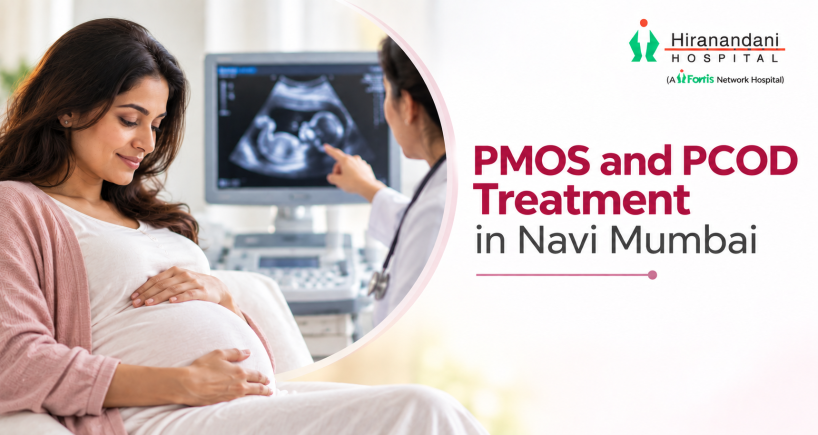


PMOS and PCOD Treatment in Navi Mumbai
PMOS and PCOD Treatment in Navi Mumbai
PMOS and PCOD: Difference, Symptoms and Treatment Options in Navi Mumbai
Most women have irregular periods, acne, weight gain, excessive facial hair, thinning hair or difficulty conceiving but tend to delay going to a gynecologist. These symptoms are often associated with conditions called PCOD, PMOS.
PMOS (Polyendocrine Metabolic Ovarian Syndrome)
This is the new name for PCOS (Polycystic Ovary Syndrome). The new name is a better description of the condition, as it involves more than just ovarian "cysts." PMOS can mean hormonal imbalance, metabolism, ovulation, menstrual cycles, skin changes, weight changes and fertility
If you are looking for PMOS/PCOD treatment in Navi Mumbai for irregular periods, hormonal imbalance, acne, weight gain, excess facial hair, fertility issues and PCOD related symptoms, you may consult with Dr. Hina Shaikh at Fortis Hiranandani Hospital, Vashi for evaluation and treatment advice. With over 13 years experience in Obstetrics and Gynecology she takes the time to understand each woman’s symptoms, menstrual pattern, lifestyle, age and fertility goals before planning personalized care.
What does PMOS mean?
PMOS(Polyendocrine Metabolic Ovarian Syndrome) It is the new name for PCOS, Polycystic Ovary Syndrome.
PMOS is a hormonal and metabolic disorder. It can affect many systems in the body, such as hormones, insulin/metabolism, ovaries, the menstrual cycle, ovulation, skin, weight and fertility. Which means PMOS is not only about cysts in ovaries.
Women with PMOS may experience irregular periods, delayed periods, acne, excess facial hair, weight gain, difficulty losing weight, thinning hair or difficulty conceiving. Some women may also have ovaries that look polycystic on ultrasound but not all women with PMOS will have cysts that can be seen.
PMOS refers to the condition not just for ovarian cysts. It is a full hormonal, metabolic and fertility-related condition that needs proper evaluation, treatment and follow-up.
What is PCOD?
PCOD is Poly Cystic Ovarian Disease. In India, PCOD is the term used for women who have irregular or late periods and ovarian changes seen on ultrasound. PCOD is often considered an ovary-centric and period-related problem. Many women think they have PCOD when they have delayed or irregular periods or when an ultrasound report says polycystic ovaries.
However, ultrasound alone cannot be used to diagnose PCOD. The gynecologist also checks the pattern of the menstrual cycle, acne, weight changes, excess hair growth, hormonal profile, lifestyle, fertility goals and overall health.
What are the common symptoms of PMOS/PCOD?
Common symptoms are:
• Irregular periods
• Missed periods
• Missed periods
• Bleeding, heavy or light
• Acne or oily skin
• Increased weight
• Struggling to lose weight
• Abnormal or excessive facial or body hair
• Hair thinning
• Darkening areas on the neck or skin folds
• Changes in mood
• Conception difficulties
Not all women with PMOS or PCOD will show these symptoms. Some women may have regular periods, but still show signs of hormonal imbalance. Some may have delayed periods but no serious skin or weight symptoms.
Why PMOS and PCOD Should Not Be Ignored?
PMOS and PCOD should not be taken lightly, as they can affect more than just the menstrual cycle. They may be associated with ovulation problems, difficulty conceiving, weight gain, insulin resistance, increased risk of diabetes, acne, hair growth concerns and emotional stress if they are untreated.
The first sign that can be seen is often irregular periods. Many women suffer for months or even years before they see a doctor, especially if the pain is not severe. But if diagnosis is delayed, symptoms can be more difficult to control later.
Consulting with gynecologist early helps to identify the cause, start lifestyle correction, regulate periods, manage the skin or weight symptoms and support fertility planning when required.
When Should You See a Gynecologist?
Visit a gynecologist if you are facing this problems:
• Your periods are irregular for more than 2-3 cycles
• Your periods are late for several weeks
• You miss periods frequently
• You get acne
• You are gaining weight for no apparent reason
• Your facial hair grows too much
• You are noticing hair thinning
• You have a hard time losing weight
• You are trying to conceive and have irregular cycles
• You have been diagnosed with PCOD or PCOS on ultrasound
• You have dark areas on your neck or skin folds
• You are unsure if you have PCOD, PCOS or PMOS
You should also get early advice if you’re planning pregnancy and your periods are irregular. Timely treatment can help in better planning for pregnancy.
Diagnosis of PMOS and PCOD
Diagnosis is based on a thorough evaluation. The gynecologist may ask about menstrual history, weight changes, acne, hair growth, fertility goals, family history, lifestyle.
Tests can be:
• Menstrual cycle assessment
• Clinical evaluation
• Weight and BMI Assessment
• Ultrasound pelvis if indicated
• Hormonal blood tests if recommended
• Thyroid test
• Assessment of blood glucose/insulin resistance
• Fertility tests if you are trying to get pregnant
One ultrasound finding alone cannot always establish the diagnosis. Similarly, not all irregular periods are PMOS or PCOD. Before treatment begins, it is important to have a proper medical evaluation.
Treatment of PMOS and PCOD
Treatment is based on symptoms, age, weight, cycle pattern, skin concerns, metabolic health and pregnancy goals. No single treatment plan is right for every woman. The gynecologist will adapt the treatment to the patient’s condition.
1. Weight Control and Lifestyle
One of the most important aspects of PMOS and PCOD management is lifestyle modification. This may include regular physical activity, a well-rounded diet, weight management, better sleep and stress control. Moderate weight gain may even help some women improve the regularity of their cycles, ovulation and metabolic health. Avoid radical dietary changes; make realistic, sustainable changes.
2. Manage Your Period Cycles
Women who have missed or irregular periods or who are late may need treatment to regulate cycles. This can be helpful to reduce uncertainty, manage hormonal symptoms and protect menstrual health. Depending on age, medical history, symptoms and whether the woman is planning pregnancy, medicines may be recommended.
3. Treatment of Acne and Excess Hair Growth
PMOS and PCOD can sometimes result in acne, oily skin, excess facial hair or hair thinning due to hormonal imbalance. Treatment may include hormone assessment, medication and skin management as needed. It may take a while to treat so regular follow up is important.
4. How to Manage Your Metabolism
PMOS also includes metabolic health so women may need assessment of sugar levels, insulin resistance, weight-related issues and diabetes risk. This is especially true if you have weight gain, dark patches on your neck, a family history of diabetes or if you cannot seem to lose weight.
5. Ovulation & Fertility Support
PMOS or PCOD can affect ovulation. Cycle tracking, ovulation assessment, lifestyle modification and fertility-focused treatment may be required for women trying to conceive. Many women with PMOS or PCOD can become pregnant with proper diagnosis and treatment. It is not always necessary to initiate advanced fertility treatment. Usually the first step is evaluation and correction of ovulation or hormonal problems.
6. Long-term Follow-Up
Long-term follow-up may be needed for PMOS and PCOD. Symptoms may change with age, weight, lifestyle, pregnancy plans and hormonal changes. Regular follow-up helps to track periods, weight, skin symptoms, fertility goals and metabolic health.
Why choose Dr. Hina Shaikh?
Dr. Hina Shaikh is an Obstetrician and Gynecologist at Fortis Hiranandani Hospital, Vashi, Navi Mumbai. Her clinical experience includes women’s health, infertility, menstrual disorders, hormonal imbalance, adolescent and reproductive health and PCOS related counseling. She examines women with suspected PMOS, PCOD, irregular periods, acne, weight gain, excess facial hair, hair thinning or fertility concerns for evaluation and treatment guidance based on symptoms, cycle pattern, lifestyle, age and pregnancy goals.
Why Fortis Hospital, Vashi?
Fortis Hiranandani Hospital, Vashi is a multispecialty hospital in Navi Mumbai offering comprehensive care in gynecology, obstetrics, maternity services and diagnostic support. For women suffering from PMOS, PCOD, irregular periods, hormonal imbalance, weight related menstrual problems or fertility issues, a hospital set up is beneficial as it provides a single roof for proper evaluation, investigations, treatment planning and regular follow up.
Women enjoy the benefits of experienced gynecology care, advanced diagnostic services, maternity support and a multidisciplinary hospital environment. This is particularly helpful when menstrual or hormonal concerns relate to fertility planning, pregnancy preparation, metabolic health, thyroid issues, weight concerns or other medical conditions that require coordinated care.
Fortis Hiranandani Hospital is situated at Vashi, Navi Mumbai. It is easily accessible to patients from Vashi, Navi Mumbai, Panvel, Ulwe, Uran and Raigad. The clinic is a convenient choice for women requiring timely consultation, personalized treatment advice and follow-up care for PMOS, PCOD and other women health issues.
____________________________________________________________________________________________
Fortis Hiranandani Hospital Vashi, Navi Mumbai
Address: Mini Sea Shore Road, Sector 10, Vashi, Navi Mumbai, Maharashtra - 400703
Ph. 02268846142
Categories
Clear allMeet the doctor
- Obstetrics and Gynaecology | Obstetrics and Gynaecology
-
 13 Years
-
 800
800
Related Blogs
View all

Bacterial Vaginosis: Causes, Symptoms And Treatment


Awareness, Breast Self-Examination And Regular Screening Examination Can Change The Life o...

Hormonal Imbalance: Symptoms, Causes And Treatment

Evolution of Gynae & Cancer Surgeries With Robotics


Know The Top 11 Benefits of Antenatal Exercises
FAQs

Keep track of your appointments, get updates & more!

