
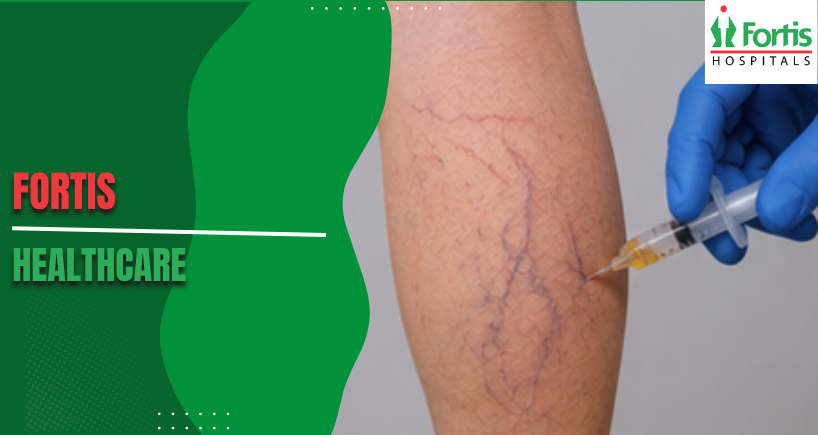


Post Pregnancy Varicose Veins How Sclerotherapy Offers Quick Relief
After pregnancy, many women notice changes in their legs that were not there before. Veins may appear darker, more raised, or twisted under the skin. Some feel heavy by evening. Others ache after standing for a while. These changes often begin during pregnancy but do not always fade once the body settles back into its usual rhythm.
For some women, the veins slowly improve over months. For others, they remain visible and uncomfortable long after delivery. When that happens, sclerotherapy becomes a practical option. It treats the veins directly, works without surgery, and usually fits into daily life without long recovery.
Why Varicose Veins Appear After Pregnancy
Pregnancy places extra pressure on the veins in the legs. Blood volume rises to support the growing baby. At the same time, the uterus presses on pelvic veins and slows blood return from the legs. Hormonal shifts also relax vein walls, which makes the valves inside veins less effective.
All these changes combine to stretch veins beyond what they can easily recover from. When valves fail to close properly, blood pools instead of flowing upward. Over time, this pooling causes veins to enlarge and become visible under the skin.
For many women, these vein changes are mild and settle within a few months after delivery. When veins remain prominent or symptoms continue, it suggests the vein walls and valves have not fully recovered.
How Symptoms Show Up After Delivery
Post pregnancy varicose veins do not look or feel the same in every woman. Some notice only cosmetic changes, while others experience physical discomfort that interferes with daily routines.
Common symptoms include aching legs by evening, a sense of heaviness after standing, mild swelling around the ankles, and itching or tightness over visible veins. In some cases, skin over the veins becomes dry or irritated. Pain usually worsens with long periods of standing and improves when the legs are raised.
These symptoms may seem manageable at first, but they often persist if the underlying vein problem is not addressed.
Why Sclerotherapy Is Often Chosen After Pregnancy
Sclerotherapy treats surface veins by closing them from the inside. A solution is injected into the affected vein, which irritates the lining and causes the vein to collapse. Over time, the body absorbs the closed vein and blood reroutes through healthier pathways.
After pregnancy, this approach works well because the hormonal and pressure related changes have stabilised. The veins that remain enlarged are unlikely to shrink further on their own. Treating them directly brings both visual improvement and symptom relief.
Sclerotherapy does not involve cuts, stitches, or hospital admission. For many women balancing childcare and work, that simplicity matters.
When Is the Right Time for Treatment
Timing plays an important role in results. Doctors usually advise waiting a few months after delivery before starting treatment. This allows hormones to settle and helps distinguish veins that will improve naturally from those that will not.
If breastfeeding, timing is discussed carefully. While sclerotherapy is generally avoided during breastfeeding, treatment can be planned once feeding has stopped or when it is safe to pause, depending on medical advice.
It is also sensible to consider future pregnancies. Veins treated with sclerotherapy do not return, but new veins can appear with another pregnancy. Many women still choose treatment between pregnancies to reduce discomfort and improve quality of life.
What Happens During a Sclerotherapy Session
A typical session takes place in a clinic and lasts less than an hour. The doctor examines the legs while the patient stands, as veins are easier to see when filled. In some cases, ultrasound is used to map deeper connections.
The skin is cleaned and small injections are placed directly into the target veins. The needle is fine, and discomfort is usually mild. Patients may feel brief stinging or pressure during injection, which settles quickly.
Once injections are complete, compression is applied. Walking soon after the session is encouraged to keep blood flowing through healthy veins.
Recovery and Daily Life After Treatment
Recovery from sclerotherapy is usually straightforward. Most women return to normal activities the same day. There may be mild bruising or tenderness along treated veins, which fades over time.
Compression stockings are worn for a short period as advised by the doctor. Walking daily helps healing, while prolonged standing or heavy exercise is avoided for a few days.
Visible improvement does not happen overnight. Veins gradually fade over weeks. Some veins need more than one session, especially if there are several areas involved.
Safety and Possible Side Effects
Sclerotherapy has a long track record when performed by an experienced clinician. Most side effects are mild and temporary.
Bruising, slight swelling, and temporary darkening over the vein are common. Small firm lumps may appear where veins have closed; these soften and resolve over time. Serious complications are uncommon but include skin irritation if the solution leaks outside the vein.
Choosing a qualified sclerotherapy doctor reduces risk and improves outcomes. Clear aftercare instructions also play a key role in smooth recovery.
Choosing the Right Sclerotherapy Doctor
Experience matters more than speed or price. Post pregnancy veins can be complex, with surface veins linked to deeper ones. A careful assessment ensures the right veins are treated in the right order.
A good consultation includes a physical examination, discussion of symptoms, and explanation of expected results. The doctor should be clear about how many sessions may be needed and what improvement is realistic.
Feeling comfortable asking questions is important. Clear communication builds confidence and avoids disappointment later.
Understanding Sclerotherapy Treatment Cost
Sclerotherapy treatment cost varies from person to person. It depends on how many veins need treatment, whether ultrasound guidance is required, and how many sessions are planned.
Some women need only one or two sessions. Others require staged treatment over time. Asking for a clear estimate helps with planning and avoids surprises.
Cost should be weighed alongside experience, safety, and follow up care rather than viewed in isolation.
Managing Expectations After Treatment
Sclerotherapy improves both appearance and comfort, but it does not change the underlying tendency to develop vein problems. Lifestyle habits still matter.
Maintaining a healthy weight, staying active, avoiding long periods of standing, and using compression when needed all help protect long term vein health. Regular movement during the day supports circulation and reduces pressure buildup.
With realistic expectations, most women are satisfied with results and notice meaningful relief from daily discomfort.
Living More Comfortably After Pregnancy
Persistent varicose veins after childbirth are common and treatable. When veins do not improve on their own, sclerotherapy offers a practical way to address both symptoms and appearance without major disruption.
A thoughtful assessment, the right timing, and an experienced doctor make a clear difference. For many women, treatment restores comfort and confidence, allowing them to focus on life after pregnancy rather than the discomfort in their legs.
Categories
Clear allRelated Blogs
View all

Bacterial Vaginosis: Causes, Symptoms And Treatment


Awareness, Breast Self-Examination And Regular Screening Examination Can Change The Life o...

Hormonal Imbalance: Symptoms, Causes And Treatment

Evolution of Gynae & Cancer Surgeries With Robotics


Know The Top 11 Benefits of Antenatal Exercises

FAQs

Keep track of your appointments, get updates & more!

