
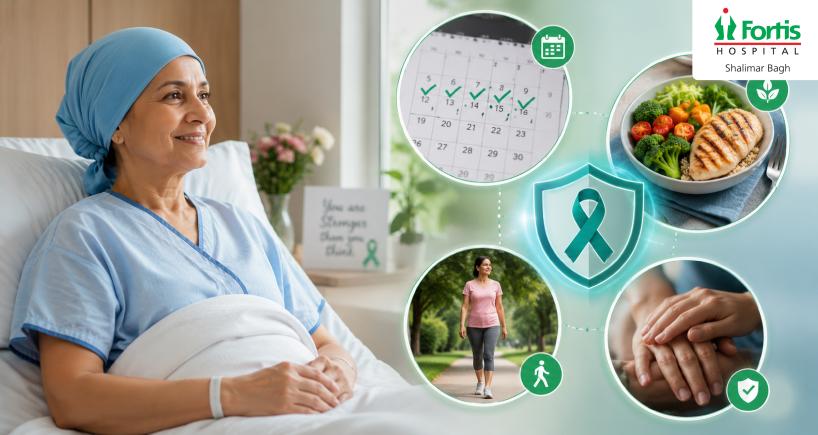


Recovery After Cancer Surgery
Undergoing cancer surgery is a major milestone in your treatment journey. While the operation is an important step, recovery is equally crucial for healing, regaining strength, and preparing for the next phase of treatment, if required.
Every patient's recovery is different. Factors such as the type of cancer, the extent of surgery, age, overall health, nutritional status, and existing medical conditions all influence how quickly you recover.
This guide explains what to expect after cancer surgery, how recovery progresses over time, what to eat, which precautions to take, and when to contact your doctor.
What Happens Immediately After Cancer Surgery?
After surgery, you will be shifted to a recovery room where your healthcare team closely monitors:
- Heart rate
- Blood pressure
- Oxygen levels
- Pain control
- Breathing
- Surgical wound
Depending on the procedure, you may have:
- An intravenous (IV) drip for fluids and medicines
- A urinary catheter for a short period
- Surgical drains to remove excess fluid
- Compression stockings or devices to reduce the risk of blood clots
These are usually temporary and are removed as your recovery progresses.
Recovery Timeline After Cancer Surgery
While recovery differs for each patient, the following timeline provides a general idea of what to expect.
First 24–48 Hours
The focus is on stabilising your condition and preventing complications.
You can usually expect:
- Regular monitoring by the medical team
- Pain management
- Early walking with assistance, if advised
- Breathing exercises to keep the lungs healthy
- Gradual introduction of fluids and food, depending on the type of surgery
Early mobilisation is encouraged because it helps reduce the risk of blood clots, chest infections, and muscle weakness.
First Week
During the first week:
- Pain gradually becomes more manageable.
- You may begin eating a normal diet, depending on your recovery.
- Walking distance gradually increases.
- Wound healing begins.
- Most patients are discharged once they are medically stable.
Before discharge, your healthcare team will provide instructions regarding medications, wound care, activity restrictions, and follow-up visits.
Weeks 2–6
Many patients continue recovering at home during this period.
You may notice:
- Improved energy levels
- Better mobility
- Reduced discomfort
- Healing of surgical wounds
- Gradual return to light daily activities
However, it is still important to avoid heavy lifting, strenuous exercise, and activities that may strain the surgical area unless your surgeon advises otherwise.
Beyond Six Weeks
Depending on the type of surgery, many patients gradually return to work and regular activities after six to twelve weeks.
Some patients may require:
- Physiotherapy
- Speech therapy (after certain head and neck surgeries)
- Lymphedema management
- Nutritional counselling
- Additional cancer treatment such as chemotherapy or radiation therapy
Your recovery plan will be personalised based on your individual needs.
What Should You Eat After Cancer Surgery?
Good nutrition supports wound healing, maintains muscle strength, and helps your body recover more effectively.
Include More Of:
- Protein-rich foods such as dal, eggs, fish, lean chicken, paneer, tofu, milk, and curd
- Fresh fruits and vegetables
- Whole grains
- Healthy fats from nuts and seeds
- Plenty of fluids, unless otherwise advised
Protein is particularly important because it helps repair tissues and supports the immune system during recovery.
Foods to Limit
Depending on your medical condition, your doctor may recommend limiting:
- Highly processed foods
- Deep-fried foods
- Excess sugary snacks and beverages
- Alcohol
- Smoking and tobacco products
Always follow any dietary advice specific to your surgery or other health conditions.
How Active Should You Be?
Many patients assume that complete bed rest speeds recovery. In reality, gentle movement is an important part of healing.
Your surgeon may recommend:
- Short walks several times a day
- Gentle stretching exercises
- Deep breathing exercises
- Gradually increasing activity as tolerated
Avoid returning to intense exercise until your surgical team confirms it is safe.
Looking After Your Surgical Wound
Proper wound care helps reduce the risk of infection.
Follow these general precautions:
- Keep the wound clean and dry.
- Wash your hands before touching the dressing.
- Take medications exactly as prescribed.
- Avoid applying creams or home remedies unless advised.
- Attend all scheduled dressing changes and follow-up appointments.
If you have questions about bathing or changing dressings, ask your healthcare team before leaving the hospital.
Warning Signs You Should Never Ignore
Contact your doctor immediately if you notice:
- Fever or chills
- Increasing redness, swelling, or warmth around the wound
- Pus or foul-smelling discharge
- Persistent or worsening pain
- Heavy bleeding
- Difficulty breathing
- Chest pain
- Sudden swelling in the legs
- Persistent vomiting
- Inability to eat or drink adequately
Early medical attention can prevent minor problems from becoming serious complications.
Emotional Recovery Is Also Important
Healing after cancer surgery is not only physical.
Many patients experience:
- Anxiety about recovery
- Fear of cancer returning
- Changes in body image
- Emotional ups and downs
Talking openly with your healthcare team, family members, counsellors, or support groups can make recovery easier. Emotional wellbeing is an important part of comprehensive cancer care.
Will You Need Additional Treatment After Surgery?
Some patients complete their treatment with surgery alone.
Others may require additional treatments depending on the final pathology report, including:
- Chemotherapy
- Radiation therapy
- Targeted therapy
- Hormone therapy
- Immunotherapy
Your multidisciplinary team will explain whether further treatment is recommended and why.
Tips for a Smoother Recovery
To support healing after cancer surgery:
- Eat a balanced, protein-rich diet.
- Stay hydrated.
- Walk regularly, as advised.
- Take medicines exactly as prescribed.
- Get adequate sleep and rest.
- Avoid smoking and alcohol.
- Keep all follow-up appointments.
- Report any concerning symptoms promptly.
- Follow activity restrictions until your surgeon advises otherwise.
Small, consistent steps each day can make a significant difference to your recovery.
Recovery Is Different for Every Patient
It is natural to compare your progress with that of others, but recovery is highly individual.
Factors that influence healing include:
- The type of surgery performed
- Your age and general health
- Nutritional status
- Existing medical conditions
- Whether reconstruction was performed
- The need for additional cancer treatments
Your surgeon will monitor your recovery and adjust recommendations based on your progress.
The Importance of Follow-up Care
Follow-up visits are an essential part of recovery after cancer surgery. These appointments allow your healthcare team to:
- Assess wound healing
- Review the pathology report
- Monitor for any complications
- Discuss whether additional treatment is needed
- Provide guidance on returning to normal activities
- Address any questions or concerns
At Fortis Hospital, Shalimar Bagh, recovery after cancer surgery is supported through a multidisciplinary approach. Patients receive personalised post-operative care from surgical oncologists, nursing teams, physiotherapists, nutrition experts, and other specialists to promote safe healing, restore function, and help them return to their daily lives with confidence.
Key Takeaways
- Recovery after cancer surgery varies from person to person.
- Early walking, good nutrition, and proper wound care support healing.
- Protein-rich foods and adequate hydration are important during recovery.
- Avoid strenuous activities until cleared by your surgeon.
- Watch for signs of infection or other complications and seek medical attention promptly.
- Regular follow-up appointments are essential for monitoring recovery and planning further treatment if needed.
When Should You Consult Your Surgical Oncologist?
Contact your surgical oncologist if:
- Your wound is not healing as expected.
- You develop fever, swelling, or discharge from the surgical site.
- Your pain suddenly worsens.
- You experience difficulty eating, breathing, or moving.
- You have questions about returning to work, exercise, or daily activities.
Prompt communication with your healthcare team can help address concerns early and support a smoother recovery.
Categories
Clear allMeet the doctor

- Oncology | Robotic Surgery | ENT Oncology | Head and Neck Oncosurgery | Gynaecologic Oncology | Breast Oncology | Surgical Oncology
- Thoracic Surgery | Thoracic Oncology
-
 10 Years
-
 1500
1500
Related Blogs
View all








FAQs
How long does it take to recover after cancer surgery?
Recovery depends on the type of surgery and your overall health. Many patients recover within a few weeks after less extensive procedures, while major surgeries may require several months for full recovery.
When can I start walking after surgery?
Most patients are encouraged to begin walking, with assistance if needed, within 24 hours after surgery unless there is a medical reason to delay mobilisation.
What foods help healing after cancer surgery?
A balanced diet rich in protein, whole grains, fruits, vegetables, healthy fats, and adequate fluids supports tissue repair and recovery.
When can I return to work?
The timing depends on your surgery, the nature of your job, and your recovery. Your surgeon will advise you during follow-up visits.
Is pain normal after cancer surgery?
Some discomfort is expected after surgery, but it should gradually improve. If pain becomes severe or suddenly worsens, contact your healthcare provider.
When should I call my doctor after surgery?
Seek medical advice if you develop fever, increasing wound redness or discharge, heavy bleeding, breathing difficulty, chest pain, persistent vomiting, or any other concerning symptoms.

Keep track of your appointments, get updates & more!

