
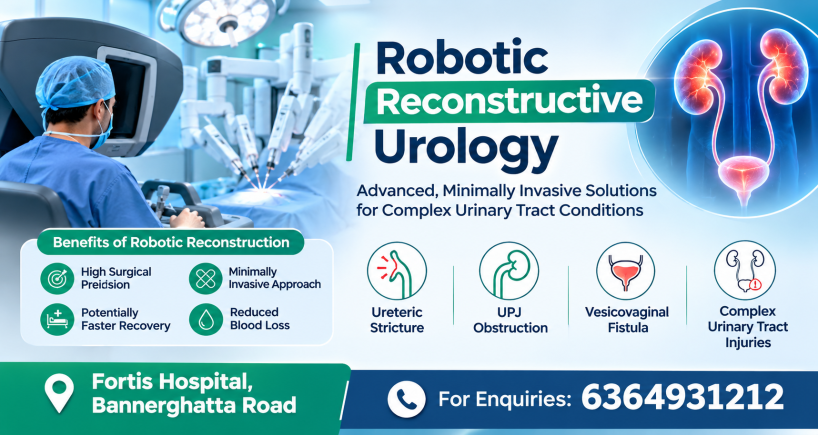


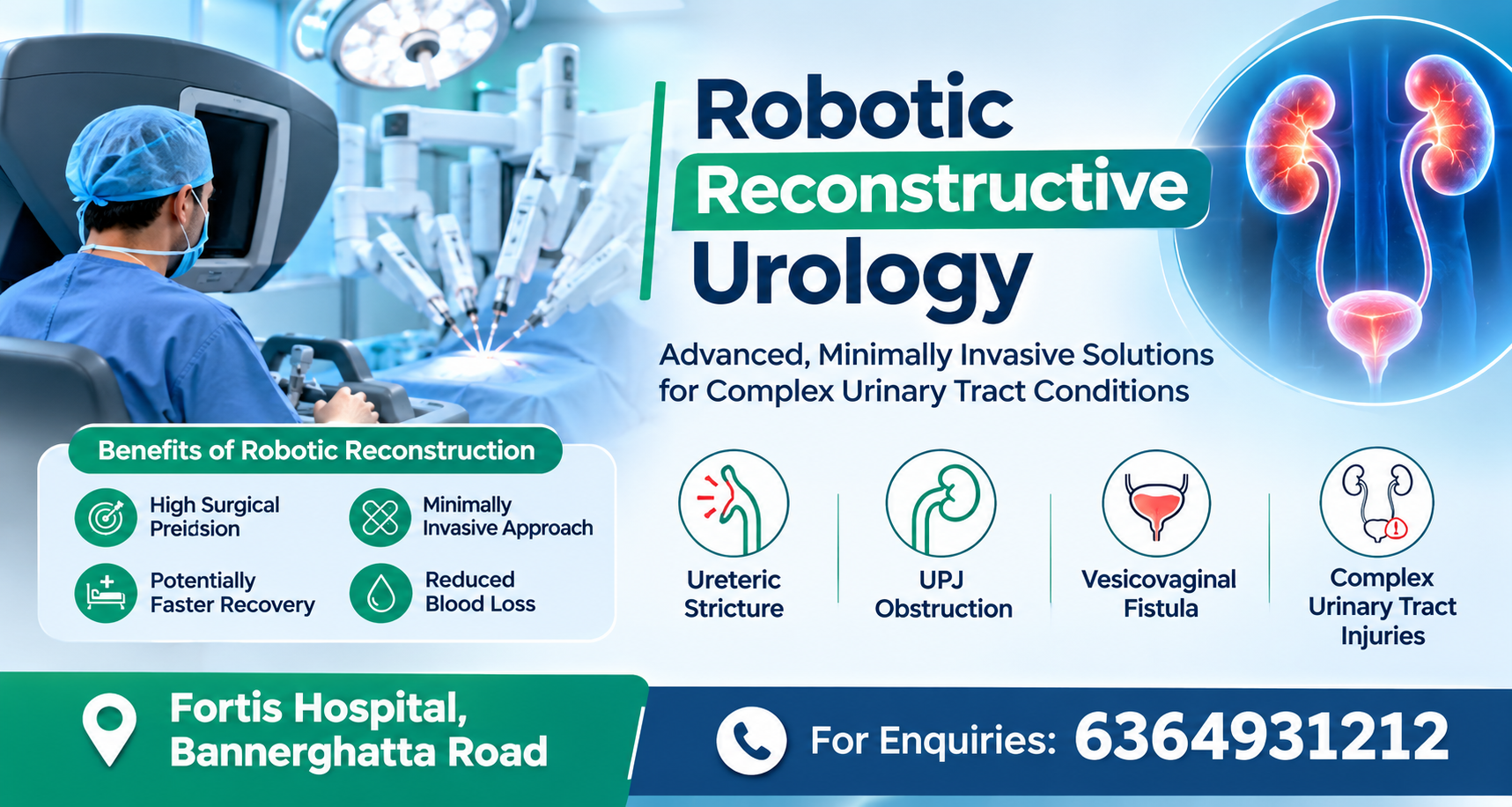
Robotic Reconstructive Urology Advanced Solutions for Complex Urinary Tract Conditions
The urinary system plays an essential role in maintaining overall health by filtering waste, regulating fluids and eliminating urine from the body. However, certain conditions affecting the kidneys, ureters, bladder and urethra can disrupt normal urinary function, sometimes requiring surgical intervention.
With advancements in medical technology, Robotic Reconstructive Urology has emerged as an advanced surgical approach for treating several complex urinary tract conditions. By combining minimally invasive techniques with enhanced visualisation and precise surgical movements, robotic-assisted surgery can help surgeons perform intricate reconstructive procedures.
At Fortis Hospital, Bannerghatta Road, Bangalore, patients can seek expert evaluation and guidance for complex urological conditions and explore appropriate treatment options.
What Is Robotic Reconstructive Urology?
Robotic Reconstructive Urology is a specialised area of urology that focuses on restoring the normal structure and function of the urinary system using robotic-assisted surgical techniques.
Unlike procedures that primarily remove diseased tissue, reconstructive surgeries aim to repair, rebuild or restore damaged or narrowed parts of the urinary tract.
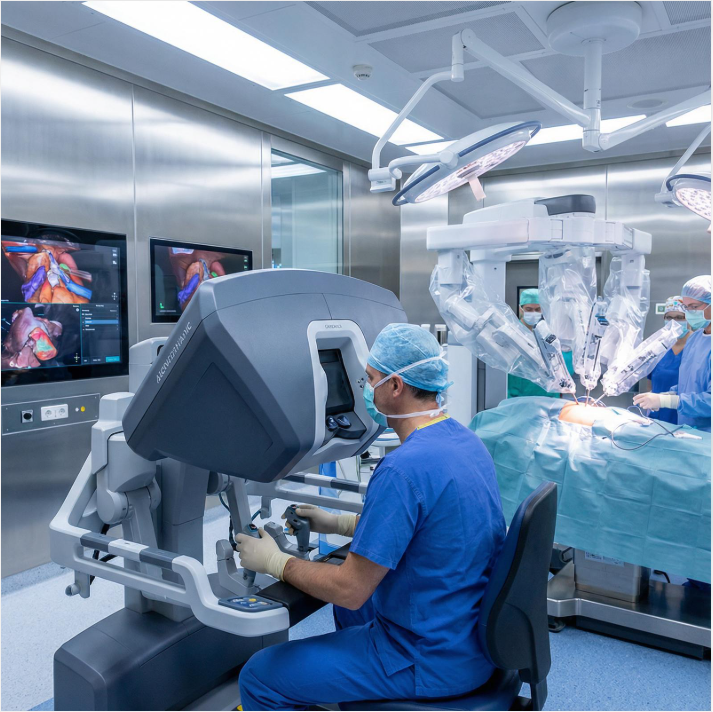
The robotic surgical system allows the surgeon to operate using specialised instruments and a magnified, three-dimensional view of the surgical area. This helps facilitate delicate tissue handling, precise suturing and reconstruction in anatomically challenging areas.
The surgeon remains in control throughout the procedure, guiding the robotic instruments from a specialised console.
Which Conditions Can Be Treated with Robotic Reconstructive Urology?
Robotic-assisted reconstructive procedures may be considered for several conditions affecting the urinary tract, including:
1. Ureteric Stricture
A ureteric stricture occurs when the ureter, the tube that carries urine from the kidney to the bladder, becomes narrowed due to scar tissue, previous surgery, injury or other conditions. This can obstruct urine flow and potentially affect kidney function.
Robotic ureteric reconstruction may help remove or bypass the narrowed segment and restore urine drainage.
2. Ureteropelvic Junction (UPJ) Obstruction
UPJ obstruction occurs when the connection between the kidney and ureter becomes narrowed or blocked, affecting the normal flow of urine from the kidney.
Robotic pyeloplasty is a reconstructive procedure that repairs this narrowed junction to improve urine drainage.
3. Vesicovaginal Fistula
A vesicovaginal fistula is an abnormal connection between the urinary bladder and the vagina, which can result in continuous urine leakage. It may develop following pelvic surgery, childbirth-related injury or other complications.
In selected cases, robotic-assisted fistula repair may help close the abnormal connection and restore normal anatomy.
4. Complex Urinary Tract Injuries
Injuries to the ureters or other urinary structures can sometimes result in narrowing, leakage or disruption of normal urinary function. Reconstructive surgery may help repair the affected structures and restore their function.
5. Recurrent or Complex Ureteric Obstruction
Some patients may experience recurrent narrowing even after previous treatment. Depending on the location and extent of the obstruction, robotic reconstructive techniques may offer an alternative surgical approach.
What Are the Advantages of Robotic Reconstructive Urology?
Robotic-assisted surgery offers several potential advantages, particularly when performing complex reconstructive procedures.
Enhanced Surgical Precision: Robotic instruments provide controlled movements that help surgeons perform delicate dissection and suturing.
High-Definition 3D Visualisation: Magnified three-dimensional visualisation provides a detailed view of the surgical area, supporting accurate tissue identification.
Minimally Invasive Approach: Small surgical incisions may help reduce tissue trauma compared with conventional open surgery.
Reduced Blood Loss: Minimally invasive techniques may help minimise blood loss during selected procedures.
Potentially Faster Recovery: Depending on the procedure and individual health condition, patients may experience less postoperative discomfort and a shorter hospital stay.
Improved Surgical Access: The flexibility of robotic instruments helps surgeons access anatomically complex areas that may be challenging to approach using conventional techniques.
It is important to understand that the benefits and recovery time vary depending on the patient's condition, the complexity of the reconstruction and the surgeon's assessment.
How Is Robotic Reconstructive Urology Performed?
Robotic reconstructive surgery involves several important stages:
1. Preoperative Evaluation
The urologist evaluates the patient's symptoms, medical history and previous treatments. Diagnostic investigations such as ultrasound, CT scans, MRI or specialised urinary tract studies may be recommended.
2. Surgical Planning
Based on the location and severity of the condition, the surgeon determines the most appropriate reconstructive procedure.
3. Robotic-Assisted Surgery
The procedure is performed using small incisions through which robotic instruments and a camera are introduced. The surgeon controls the instruments from a console and performs the required reconstruction.
4. Postoperative Monitoring
Following surgery, the medical team monitors recovery, urinary drainage and kidney function as appropriate. Some patients may require a temporary urinary catheter or ureteric stent.
5. Follow-Up Care
Regular follow-up appointments and recommended investigations help assess the success of the reconstruction and monitor long-term urinary function.
Who May Benefit from Robotic Reconstructive Urology?
Robotic reconstructive procedures may be considered for patients who:
- Have recurring ureteric strictures or urinary tract obstruction.
- Experience difficulty with urine drainage due to anatomical abnormalities.
- Have developed complications following previous urological or pelvic surgery.
- Require reconstruction following urinary tract injuries.
- Have been diagnosed with UPJ obstruction.
- Require specialised surgical evaluation for complex urinary tract conditions.
Not every patient requires robotic surgery. The choice of treatment depends on the diagnosis, severity of the condition, previous interventions and overall health.
Why Is Timely Treatment Important?
Ignoring urinary tract obstruction or structural abnormalities can sometimes lead to complications, including recurrent urinary tract infections, persistent pain, kidney swelling (hydronephrosis) and deterioration of kidney function.
Early diagnosis and appropriate treatment planning can help prevent further complications and preserve kidney function wherever possible.
Patients experiencing persistent flank pain, recurrent urinary infections, difficulty passing urine or unexplained urinary symptoms should seek medical evaluation.
Advanced Urological Care at Fortis Hospital, Bannerghatta Road, Bangalore
Managing complex urinary tract conditions requires accurate diagnosis, specialised surgical expertise and an individualised treatment approach.
At Fortis Hospital, Bannerghatta Road, Bangalore, patients can consult the urology team for evaluation of complex urological conditions and guidance on appropriate treatment options, including minimally invasive and robotic-assisted approaches where clinically suitable.
If you or a family member has been diagnosed with a ureteric stricture, UPJ obstruction or another complex urinary tract condition, seeking an expert urological opinion can help you understand the available treatment options.
Consult a Urology Specialist at Fortis Hospital, Bannerghatta Road, Bangalore.
For Enquiries: 6364931212
FAQs:
1. Is robotic reconstructive urology a major surgery?
The complexity depends on the condition and the type of reconstruction required. Some procedures are technically complex and require specialised surgical expertise.
2. Is robotic reconstructive surgery safe?
Robotic-assisted surgery is an established minimally invasive approach for selected urological conditions. Like all surgeries, it carries potential risks, which should be discussed with the treating surgeon.
3. How long does recovery take after robotic urology surgery?
Recovery varies according to the procedure, the patient's overall health and the complexity of the condition. The treating surgeon will provide an individual recovery plan.
4. Can robotic surgery help treat ureteric strictures?
Yes. Selected ureteric strictures can be treated using robotic-assisted reconstructive procedures to restore urine flow and help preserve kidney function.
5. What is the difference between robotic urology and conventional surgery?
Robotic-assisted surgery uses specialised instruments and magnified 3D visualisation controlled by the surgeon, whereas conventional open surgery generally involves a larger surgical incision.
Categories
Clear allMeet the doctor

- Urology | Kidney Transplant | Paediatric Urology | Urology | Uro-Oncology | Robotic Surgery
- Organ Transplant | Kidney Transplant
-
 37 Years
-
 1800
 Available at 2 different locations

Related Blogs
View all



Adult Circumcision: Debunking Facts and Myths | Fortis Health Connect Blogs
Is Beer Good for Kidney Stones ? - Myths Vs Facts | Fortis Healthcare




FAQs

Keep track of your appointments, get updates & more!

