
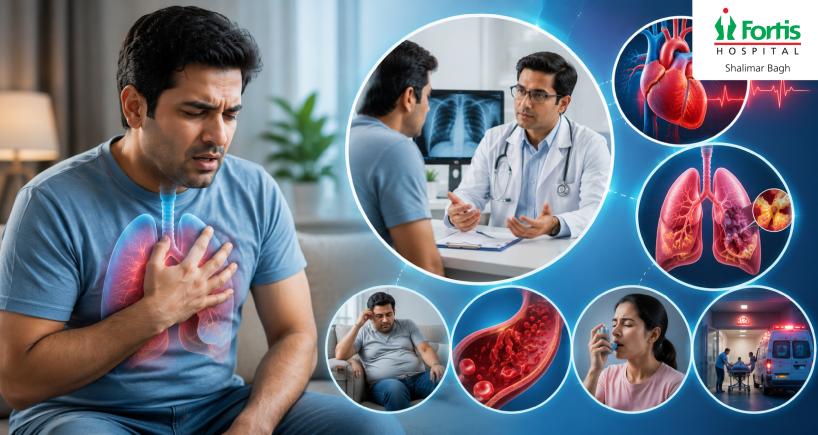


Shortness of Breath Common Causes and When to Seek Medical Help
Understanding Shortness of Breath
Breathing is something most people rarely think about—until it becomes difficult. Shortness of breath can range from mild discomfort during exertion to a distressing sensation of air hunger even at rest.
It is not a disease itself but a symptom that can have many different causes. Some are relatively harmless and temporary, while others may indicate serious respiratory or cardiac conditions.
Understanding when breathlessness is normal and when it requires medical attention can help ensure timely diagnosis and treatment.
What Does Shortness of Breath Feel Like?
People describe shortness of breath in different ways, such as:
- Feeling unable to take a deep breath
- Tightness in the chest
- A sensation of not getting enough air
- Difficulty breathing during routine activities
- Rapid or laboured breathing
- Breathlessness while lying down
- Getting tired easily during physical activity
The severity and pattern of symptoms often provide important clues about the underlying cause.
Common Causes of Shortness of Breath
Asthma
Asthma causes inflammation and narrowing of the airways, making it difficult for air to move in and out of the lungs.
Common symptoms include:
- Wheezing
- Persistent cough
- Chest tightness
- Breathlessness, especially at night or early morning
Asthma symptoms may worsen due to dust, pollution, allergens, respiratory infections, or exercise.
Chronic Obstructive Pulmonary Disease (COPD)
COPD is a long-term lung disease that commonly affects smokers and individuals exposed to air pollution, biomass fuel smoke, or occupational dust.
Symptoms often include:
- Progressive breathlessness
- Chronic cough
- Excess mucus production
- Reduced exercise capacity
COPD typically develops gradually over several years.
Respiratory Infections
Infections affecting the lungs and airways can lead to breathing difficulties.
Examples include:
- Pneumonia
- Tuberculosis (TB)
- Influenza
- COVID-19
- Acute bronchitis
In addition to breathlessness, patients may experience fever, cough, fatigue, and chest discomfort.
Air Pollution and Environmental Exposure
Air pollution remains a significant respiratory health concern in Delhi NCR.
Exposure to:
- PM2.5 particles
- Vehicle emissions
- Construction dust
- Industrial pollutants
- Tobacco smoke
can irritate the lungs, worsen asthma and COPD, and trigger episodes of breathlessness.
Allergies
Allergic reactions can cause airway inflammation and breathing difficulties.
Common triggers include:
- Dust mites
- Pollen
- Pet dander
- Mould
- Strong fragrances
Individuals with allergic asthma are particularly susceptible.
Lung Conditions
Several lung diseases can cause breathlessness, including:
- Interstitial lung disease (lung scarring)
- Pleural effusion (fluid around the lungs)
- Pulmonary fibrosis
- Pulmonary hypertension
- Lung cancer
These conditions often require specialist evaluation and advanced investigations.
Heart-Related Conditions
Not all breathlessness originates in the lungs.
Heart conditions such as:
- Heart failure
- Coronary artery disease
- Heart rhythm disorders
- Valve diseases
can reduce the body's ability to deliver oxygen efficiently, resulting in shortness of breath.
Anaemia
Low haemoglobin levels reduce oxygen delivery throughout the body, causing:
- Fatigue
- Weakness
- Dizziness
- Breathlessness, especially during activity
Obesity and Physical Deconditioning
Excess body weight and lack of physical fitness can increase the effort required for breathing, particularly during exertion.
While these causes may not involve lung disease directly, they can significantly affect breathing comfort and quality of life.
Acute vs Chronic Breathlessness
Type | Duration | Common Causes |
|---|---|---|
Acute (sudden) | Minutes to days | Asthma attack, pneumonia, allergic reaction, pulmonary embolism, heart attack |
Chronic (long-term) | Weeks to months | COPD, asthma, interstitial lung disease, heart failure, obesity |
Understanding the timeline helps doctors identify the most likely cause.
Warning Signs That Should Never Be Ignored
Seek urgent medical attention if shortness of breath is accompanied by:
- Chest pain
- Bluish lips or fingertips
- Sudden severe breathlessness
- Coughing up blood
- Confusion or altered consciousness
- Fainting or dizziness
- Rapid worsening of symptoms
- Difficulty speaking due to breathlessness
These symptoms may indicate a medical emergency.
When Should You See a Pulmonologist?
You should consult a pulmonologist if:
- Acute, persistent, or unexplained Breathlessness
- Daily activities become difficult because of breathing problems
- Symptoms recur repeatedly
- You have asthma or COPD that is not well controlled
- You are a smoker with increasing breathlessness
- You experience unexplained cough along with shortness of breath
- You have abnormal findings on a chest X-ray or CT scan
Early evaluation can help identify underlying respiratory conditions before they become more severe.
How Is the Cause Diagnosed?
A pulmonologist will begin with a detailed assessment of symptoms, lifestyle factors, medical history, and environmental exposures followed by a thorough medical examination and investigations as necessary.
Investigations may include:
Pulmonary Function Test (PFT)
Measures lung capacity and airflow to diagnose conditions such as asthma and COPD.
Chest X-ray
Helps detect infections, fluid accumulation, lung abnormalities, and other respiratory conditions.
High-Resolution CT (HRCT) Scan
Provides detailed imaging of the lungs when further evaluation is needed.
Blood Tests
May help identify infection, anaemia, inflammation, or other medical conditions.
Oxygen Saturation Monitoring
Measures oxygen levels in the blood.
Bronchoscopy
In selected cases, a flexible camera is used to examine the airways and obtain samples for diagnosis.
Cardiac Evaluation
Since heart disease can also cause breathlessness, additional cardiac investigations may sometimes be recommended.
Treatment Depends on the Underlying Cause
There is no single treatment for shortness of breath.
Management depends on identifying and treating the root cause.
Treatment options may include:
- Inhalers / Nebulization for asthma and COPD
- Medications for respiratory infections
- Allergy management
- Smoking cessation programmes
- Pulmonary rehabilitation
- Oxygen therapy when required
- Lifestyle modifications
- Treatment of underlying heart conditions
- Advanced respiratory care for chronic lung diseases
The earlier the cause is identified, the better the chances of effective symptom control and improved quality of life.
Can Breathlessness Be Prevented?
While not all causes are preventable, the following measures can help reduce the risk:
- Avoid smoking and second-hand smoke
- Minimise exposure to air pollution
- Wear masks during poor air quality days
- Stay physically active
- Maintain a healthy weight
- Keep asthma and COPD under control
- Follow prescribed medications regularly
- Stay up to date with recommended vaccinations
- Seek medical care for persistent respiratory symptoms
Comprehensive Respiratory Care at Fortis Hospital, Shalimar Bagh
Shortness of breath can arise from a wide range of respiratory and non-respiratory conditions, making accurate diagnosis essential. At Fortis Hospital, Shalimar Bagh, patients benefit from a comprehensive respiratory care approach that includes experienced pulmonologists, advanced pulmonary diagnostics, pulmonary function testing, bronchoscopy services, imaging support, respiratory critical care expertise, and multidisciplinary collaboration whenever needed. This integrated approach helps ensure timely diagnosis and personalised treatment planning for both common and complex respiratory conditions.
Key Takeaways
- Shortness of breath is a symptom that should not be ignored when it persists or worsens.
- Common causes include asthma, COPD, infections, allergies, heart disease, anaemia, and environmental pollution.
- Sudden severe breathlessness requires immediate medical attention.
- Early consultation with a pulmonologist can help identify underlying lung conditions.
- Proper diagnosis is essential because treatment depends on the cause.
- Delhi NCR's air pollution can significantly worsen respiratory symptoms in susceptible individuals.
Categories
Clear allMeet the doctor

- Pulmonology | Interventional Pulmonology | Pulmonology | Sleep Medicine | Pulmonology and Critical care
-
 25 Years
-
 1500
1500
Related Blogs
View all







FAQs

Keep track of your appointments, get updates & more!

