
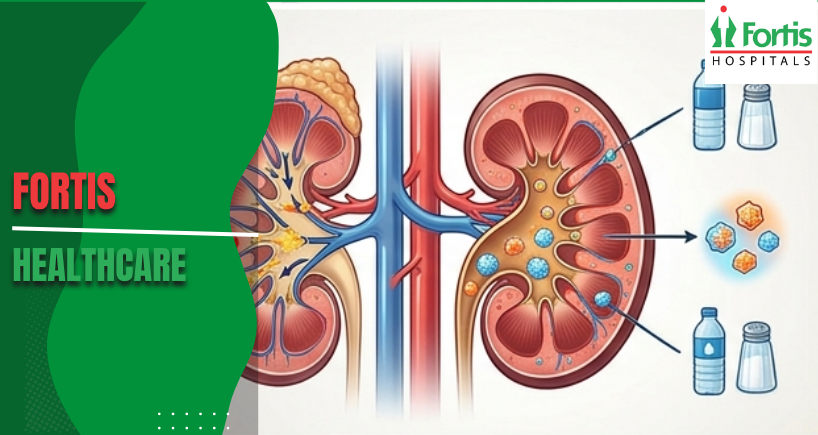


Signs Your Kidneys May Not Be Functioning Properly
Your kidneys work silently in the background every single day, filtering waste, balancing fluids, regulating blood pressure, and supporting overall health. Yet, kidney problems often develop quietly, with symptoms appearing only when significant damage has already occurred.
In India, chronic kidney disease is becoming increasingly common due to rising cases of diabetes, high blood pressure, obesity, and unhealthy lifestyle habits. What makes kidney disease particularly concerning is that many people dismiss the early warning signs as fatigue, dehydration, stress, or routine health issues.
Recognising these symptoms early can make a major difference. Timely diagnosis and treatment can help slow disease progression, prevent complications, and protect long-term kidney health.
What Do the Kidneys Actually Do?
The kidneys are two bean-shaped organs located on either side of the spine. Their primary role is to filter toxins and excess fluid from the blood, which are then removed through urine.
Healthy kidneys also help:
- Control blood pressure
- Maintain electrolyte balance
- Support red blood cell production
- Regulate fluid levels in the body
- Keep bones healthy by balancing minerals
When the kidneys are not functioning properly, waste products and fluids begin building up inside the body, leading to a range of symptoms and health complications.
Early Signs Your Kidneys May Not Be Functioning Properly
Kidney disease often develops gradually. Many symptoms are subtle in the beginning and can easily be ignored.
Here are some of the most common warning signs.
Changes in Urination
One of the earliest indicators of kidney dysfunction is a noticeable change in urination patterns.
You may experience:
- Frequent urination, especially at night
- Reduced urine output
- Foamy or bubbly urine
- Dark-colored urine
- Blood in the urine
- Difficulty urinating or discomfort during urination
Foamy urine may indicate excess protein leakage, which can be a sign of kidney damage.
Persistent Swelling in the Body
When the kidneys are unable to remove excess sodium and fluids effectively, swelling can develop in different parts of the body.
This may include:
- Swelling in the feet and ankles
- Puffiness around the eyes
- Swollen hands or face
- Tightness in shoes or rings
Fluid retention is one of the most common symptoms patients notice as kidney function declines.
Constant Fatigue and Weakness
Many people with kidney disease experience unexplained tiredness even after adequate rest.
This happens because damaged kidneys may produce lower levels of erythropoietin, a hormone responsible for red blood cell production. Reduced red blood cells can lead to anemia, causing:
- Fatigue
- Weakness
- Difficulty concentrating
- Low energy levels
Loss of Appetite and Nausea
As waste products accumulate in the blood, they can affect digestion and appetite.
Symptoms may include:
- Metallic taste in the mouth
- Poor appetite
- Nausea
- Vomiting
- Unexplained weight loss
These symptoms are often overlooked or mistaken for acidity or digestive issues.
Persistent High Blood Pressure
High blood pressure and kidney disease are closely linked.
Damaged kidneys can contribute to elevated blood pressure, while uncontrolled hypertension can gradually damage the tiny blood vessels inside the kidneys. This creates a harmful cycle that worsens kidney function over time.
If blood pressure remains difficult to control despite medication and lifestyle changes, kidney evaluation may be necessary.
Shortness of Breath
Kidney dysfunction can cause fluid buildup in the lungs or anemia-related oxygen deficiency, leading to breathlessness.
Some patients may notice:
- Difficulty climbing stairs
- Breathlessness during mild activity
- Feeling unusually exhausted after routine movement
Itchy Skin and Dryness
Healthy kidneys help maintain mineral balance in the body. When kidney function declines, toxin buildup and mineral imbalance can affect the skin.
Persistent itching, dryness, or skin irritation may sometimes be linked to advanced kidney disease.
Why Kidney Problems Are Increasing in India
Kidney-related disorders are rising rapidly across India, especially among younger adults and urban populations.
Several factors are contributing to this increase:
- Rising diabetes rates
- High blood pressure
- Sedentary lifestyle
- High salt intake
- Processed food consumption
- Obesity
- Smoking and alcohol use
- Inadequate hydration
- Self-medication and excessive painkiller use
Many individuals also skip preventive health check-ups, delaying diagnosis until symptoms become severe.
Who Is at Higher Risk of Kidney Disease?
Certain groups have a higher risk of developing kidney problems.
This includes people with:
- Diabetes
- Hypertension
- Family history of kidney disease
- Heart disease
- Obesity
- Kidney stones
- Recurrent urinary infections
- Autoimmune disorders
People over the age of 60 are also more vulnerable, although younger adults are increasingly being diagnosed today.
When Should You See a Doctor?
You should not ignore symptoms like:
- Swelling
- Blood in urine
- Persistent fatigue
- Frequent urination at night
- High blood pressure
- Ongoing nausea
- Reduced urine output
Early consultation with a nephrologist or kidney specialist can help identify the cause before irreversible damage occurs.
How Kidney Disease Is Diagnosed
Doctors may recommend several tests to assess kidney health, including:
Blood Tests
These measure:
- Creatinine levels
- Urea levels
- Estimated glomerular filtration rate (eGFR)
Urine Tests
Urine analysis can detect:
- Protein leakage
- Blood
- Signs of infection
Imaging Tests
Ultrasound or CT scans may help identify:
- Structural abnormalities
- Kidney stones
- Obstruction or swelling
Blood Pressure Monitoring
Since hypertension and kidney disease are closely connected, regular monitoring is essential.
At Fortis Hospital Delhi, specialists use advanced diagnostic tools and multidisciplinary evaluation to identify kidney disease at an early stage and personalise treatment plans for patients.
Can Kidney Disease Be Prevented?
In many cases, yes.
Simple lifestyle changes can significantly reduce the risk of kidney damage.
Maintain Healthy Blood Sugar Levels
Diabetes remains one of the leading causes of kidney disease.
Control Blood Pressure
Regular monitoring and treatment are essential.
Stay Hydrated
Adequate water intake supports healthy kidney function.
Reduce Salt Intake
Excess sodium increases blood pressure and puts stress on the kidneys.
Avoid Excessive Painkiller Use
Frequent use of over-the-counter pain medications can harm kidney tissue over time.
Exercise Regularly
Physical activity helps manage weight, blood sugar, and blood pressure.
Get Regular Health Check-Ups
Routine screening can detect kidney problems before symptoms appear.
Conclusion
Kidney disease often develops quietly, but the body usually gives subtle warning signs before serious complications occur. Paying attention to symptoms such as swelling, fatigue, changes in urination, or persistent high blood pressure can help with early diagnosis and timely treatment.
With rising lifestyle-related health conditions in India, preventive care and regular health screenings have become more important than ever. Early medical intervention can help preserve kidney function, improve quality of life, and reduce the risk of long-term complications.
If you are experiencing persistent symptoms or have underlying risk factors, consulting a kidney specialist at Fortis Healthcare can help you better understand and protect your kidney health.
Categories
Clear allMeet the doctor

- Urology | Urology | Uro-Oncology | Kidney Transplant | Robotic Surgery
-
 15 Years
-
 2000
2000
Related Blogs
View all



Adult Circumcision: Debunking Facts and Myths | Fortis Health Connect Blogs
Is Beer Good for Kidney Stones ? - Myths Vs Facts | Fortis Healthcare




FAQs
What are the first warning signs of kidney disease?
Common early signs include swelling, changes in urination, fatigue, nausea, and high blood pressure.
Can young adults develop kidney disease?
Yes. Rising diabetes, obesity, poor diet, dehydration, and high blood pressure are increasing kidney disease risk among younger adults in India.
Does kidney disease always cause pain?
Not necessarily. Many kidney conditions develop silently without pain in the early stages.
Can kidney damage be reversed?
Some kidney conditions can improve if detected early and treated promptly. However, advanced kidney damage may be irreversible.
How often should kidney function be checked?
People with diabetes, hypertension, or family history of kidney disease should undergo regular kidney screening as advised by their doctor.

Keep track of your appointments, get updates & more!

