
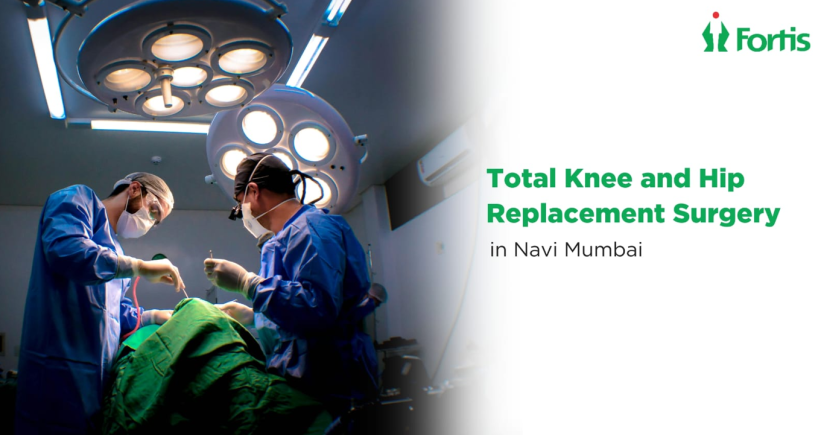


Total Knee and Hip Replacement Surgery in Navi Mumbai
Total Knee and Hip Replacement Surgery in Navi Mumbai
Chronic knee and hip pain can have a huge effect on mobility, independence and overall quality of life. As joint damage advances, everyday activities like walking, climbing stairs, getting in and out of a chair, or engaging in recreational activities can become progressively harder.
Thankfully, orthopedic surgery has progressed immensely, leading to better ways of managing severe arthritis and joint degeneration. Modern joint replacement surgeries are more accurate, less invasive and designed to help patients return to an active lifestyle quicker than ever.
As a Joint Replacement Surgeon, one of the most common questions I get is: “When should I consider joint replacement surgery?” The decision depends on several factors, including the degree of symptoms, the effect on daily life and response to non-surgical therapies.
What is joint replacement?
Joint replacement surgery is surgery to remove damaged parts of a joint and replace them with specially designed artificial parts called implants.
The primary goals are to:
- For the treatment of chronic pain
- Restore joint functionality
- Increase mobility
- Correct deformity
- Improve life quality
The knee and hip are the most often replaced joints because they are frequently affected by wear and tear and arthritis due to age.
When Is Joint Replacement Recommended?
The following may be indications for joint replacement surgery in patients:
- Pain that persists despite medication and physical therapy
- Problem climbing up or down stairs
- Severe stiffness that limits your daily activities
- Sleep disturbances due to pain
- Reduced autonomy
- Radiographic evidence of advanced osteoarthritis
- Joint deformity progressing
A thorough evaluation is performed to determine if the patient is likely to benefit from joint replacement and if conservative treatment options have been exhausted before surgery is recommended.
What Is Knee Replacement?
Knee replacement surgery is performed on the knee joint when the cartilage that cushions it has worn away, causing reduced mobility, stiffness and pain.
Artificial components are designed to replace damaged joint surfaces, enhancing function and mimicking smooth movement during the procedure.
Benefits of Knee Replacement
Patients often have:
- Significant alleviation of
- Improved walking abilities
- More stable joints
- Greater autonomy
- Better quality of life
Modern rehabilitation programs enable the patient to begin mobilization immediately after surgery and thus accelerate the process of recovery.
What Is Hip Replacement Surgery?
In a hip replacement surgery, the damaged ball-and-socket joint of the hip is replaced with artificial implants.
This recommendation is often given to patients who have the following:
- Advanced arthritis of the hip
- Hip joint degeneration
- Particular fractures
- Disorders that cause severe stiffness and pain in the hip
Benefits of Hip Replacement
There are a number of things that hip replacement can offer:
- Prolonged relief of pain
- Greater range of motion
- Improved mobility and balance
- Enhanced ability to perform everyday activities
- Better General Quality of Life
Many patients will report significant improvement in function and comfort after recovery.
The Role of Robotic Joint Replacement
Robotics assisted joint replacement is one of the most important innovations in orthopedic surgery.
One common misconception is that the robot is able to operate independently of the surgeon. The surgeon has complete control throughout the procedure. The robotic platform is a very advanced tool that allows precision and planning.
Robotic Technology Contribution
Robotic assisted surgery enables:
- Detailed pre-operative planning
- Tailored surgical approaches
- Better implant positioning
- Better accuracy of alignment
- Enhanced soft tissue balance
- Increased surgical precision
Robotic systems combine technology and surgical skills to obtain very specialized results tailored to the unique anatomy of each patient.
Why Implant Positioning Matters
Accurate implant positioning is one of the most important factors that determine long-term success of a joint replacement.
Proper alignment is a consideration in:
- Better joint function
- Enhanced movement mechanics
- Longer lifespan of implant
- Lessens over time
- Increased patient satisfaction
Precision is a crucial aspect of successful surgery, because small changes in the placement of the replacement joint can have a dramatic effect on its performance.
Techniques of Minimum Invasiveness for Joint Replacement
Many joint replacement procedures can now be done with smaller, tissue-preserving approaches because of advances in surgical techniques.
Possible benefits of minimally invasive approaches include:
- Decreased trauma to surrounding soft tissues
- Less postoperative discomfort
- Faster recovery
- A prior mobilization
- Shorter hospitalisation
- Improved cosmetic results
However, the suitability of these procedures depends on the general health of the patient, the condition of the joint and the anatomy of the patient.
Patient Selection: Who Is the Right Candidate?
The key to a successful joint replacement lies in careful patient selection.
The evaluation process includes the following factors:
- Degree of Joint Damage - Surgery is often advised if you have severe arthritis and have lost a lot of cartilage.
- Impacts on Everyday Life - Patients who have trouble walking, climbing stairs or doing routine activities may benefit from surgical intervention.
- Failure of Conservative Management - Joint replacement is usually considered when medications, physiotherapy, lifestyle modifications and other treatments are no longer effective.
- General Health Status - A comprehensive assessment is crucial to ensure that patients are medically fit for surgery and recovery.
Each treatment plan must be tailored to the individual patient’s needs and expectations.
Joint Replacement Surgery Recovery
The rate of recovery varies from person to person, although modern protocols focus on early mobilization and rehabilitation.
The main parts are:
- Walking and early movement
- Structured Physiotherapy
- Muscular strength exercises
- Techniques for pain management
- Regular progress checks
Most patients experience a gradual increase in mobility and comfort in the weeks and months after their surgery.
Quality of Life and Long-Term Mobility
Knee and hip replacement surgery isn’t just about pain relief, it’s about getting patients back to what they want to do and back to being themselves.
Many patients can:
- Walk long distances pain-free
- Easily walk up stairs
- Participate in recreational activities
- Travel with greater confidence
- Keep moving
Modern joint replacement surgery can provide durable improvements in quality of life and function with appropriate rehabilitation and follow-up care.
Fortis Hiranandani Hospital, Vashi: What are the benefits of opting for joint replacement surgery here?
A blend of comprehensive rehabilitation support, modern technology and surgical prowess should be on the top of the list of those who are looking for a Joint Replacement Surgeon in Navi Mumbai.
At Fortis Hiranandani Hospital, Vashi, we offer the following:
- Robotic-assisted joint replacement technology
- Full service knee, hip replacements
- Individualized treatment planning
- Surgical protocols based on empirical evidence
- Rehabilitation and Physiotherapy Programs only
- Integrated patient care
The main aim is to improve the quality of life, mobility and achieve permanent pain relief for the patients through modern orthopedic care.
To sum up
Advances in robotic assisted surgery, minimally invasive techniques, knee replacement and hip replacement have transformed the way severe joint pain and arthritis are treated. Modern joint replacement surgery can help patients regain mobility, independence and confidence through careful patient selection, accurate implant placement and comprehensive rehabilitation.
If chronic knee or hip pain is interfering with your daily life, consulting a joint replacement specialist can help determine if surgery may be beneficial and the best treatment options.
Categories
Clear allMeet the doctor

- Orthopaedics | Robotic and Computer navigated Joint reconstruction | Orthopaedics and Joint Replacement | Orthopaedics and Spine Surgery
-
 15 Years
-
 1500
1500
Related Blogs
View all








FAQs
How do I know if I need a knee/hip replacement?
If pain, stiffness and reduced mobility persist despite lifestyle changes, physiotherapy and medications, an orthopedic evaluation may determine the appropriateness of joint replacement.
What does robotic joint replacement mean?
Robotic joint replacement employs advanced technology to help surgeons plan surgery and position implants accurately, with the surgeon maintaining full control of the procedure.
Is robotic joint replacement better than standard surgery?
Robotic assistance may improve outcomes in appropriate patients by improving surgical precision, alignment and implant positioning.
How long do knee and hip replacements last?
Today’s implants are designed to last a lifetime. The longevity of the implant depends on the type of implant, the patient’s activity level, body weight and overall health.
What is the expected time to walk after surgery?
Many patients start walking with the help of assistive devices shortly after surgery as part of an accelerated recovery program.

Keep track of your appointments, get updates & more!

