
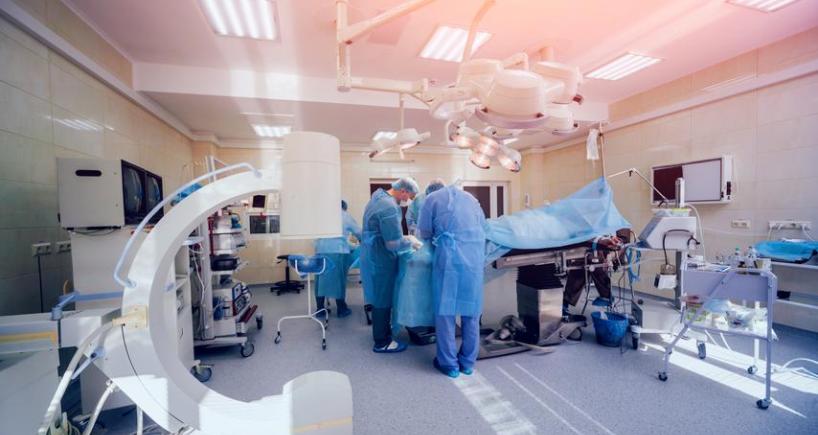


Types of Myomectomy - Laparoscopic Hysteroscopic and Robotic Myomectomy
Medicine Made Simple Summary
Myomectomy is a surgery that removes fibroids from the uterus while preserving the uterus. But not every myomectomy is done the same way. There are four main types: open, laparoscopic, hysteroscopic, and robotic. Each method differs in how the surgeon reaches the uterus, how big the cuts are, how long recovery takes, and which fibroids can be removed safely. This guide clearly explains each type in simple language so you can understand what your doctor recommends, why a certain technique may suit your case, and what to expect before and after surgery.
When someone tells you that you need a myomectomy, the next thing you usually hear is someone using unfamiliar words like “laparoscopic,” “hysteroscopic,” “open,” or “robotic.” It can sound frightening. But in reality, these words simply describe the route a surgeon uses to reach your uterus to remove fibroids.
The goal in every myomectomy is the same. Remove fibroids. Protect the uterus. Reduce symptoms. Improve life.
What changes is the pathway taken.
Let’s walk through every type in plain language.
Open Myomectomy: The Traditional Method
Open myomectomy is the oldest and most well-known type of fibroid surgery.
In this procedure, the surgeon makes a single cut in the lower abdomen, similar to a cesarean section scar. Through this opening, the uterus is reached directly and fibroids are removed by hand.
This technique is chosen when fibroids are large, deeply located, or too many in number to be removed safely through small incisions.
Because the uterus is exposed fully, the surgeon can see and feel every fibroid. This allows removal of even tiny hidden ones.
Open myomectomy is also useful when imaging shows complex fibroid patterns or when previous surgeries have caused scarring inside the abdomen.
However, since the incision is larger, recovery time is longer. Most women stay in hospital for several days. Stitches are stronger and healing takes about six to eight weeks.
Pain is greater in the first week compared to other types, but well-managed with medicines.
Scarring on the skin is visible, though it fades with time.
Doctors choose open myomectomy when safety requires full access to the uterus.
Laparoscopic Myomectomy: Small Cuts, Faster Recovery
Laparoscopic myomectomy uses small cuts rather than one large incision.
The surgeon makes a few tiny openings on the abdomen. A camera is inserted through one opening and surgical instruments through the others. The fibroids are removed carefully and taken out in pieces through the small holes.
Because the incisions are small, there is less damage to surrounding tissue. This means less pain, lower infection risk, and faster healing.
Many women return home within one or two days.
Normal activity usually resumes in two to three weeks.
Scars are tiny and often barely noticeable.
However, not all fibroids can be removed laparoscopically. Large fibroids or many hard-to-reach fibroids may make this method unsafe.
Doctors carefully assess scan images before recommending this option.
Laparoscopic myomectomy offers a balance between effectiveness and comfort for many women.
Robotic Myomectomy: Precision With Technology
Robotic myomectomy is similar to laparoscopic surgery, but instead of the surgeon holding the instruments directly, robotic arms are used.
The surgeon sits at a console and controls the robotic system. The arms follow the surgeon’s movements exactly.
This technology allows extremely precise movement, better flexibility inside the body, and clear magnified vision.
Robotic myomectomy is helpful when fibroids are located deep within the uterine muscle where accuracy is vital.
It also helps surgeons stitch the uterus more carefully after fibroid removal.
This matters especially for women who want future pregnancy.
The incisions are small. Recovery is similar to laparoscopic surgery.
The main difference is access and availability. Not all hospitals offer robotic surgery. It may also cost more.
Technology does not replace the surgeon’s skill. It only enhances it.
Hysteroscopic Myomectomy: No External Cuts
Hysteroscopic myomectomy does not involve abdominal cuts at all.
In this method, the surgeon passes a pencil-thin camera through the vagina and cervix into the uterus. Special instruments remove fibroids from inside the uterine cavity.
This method is suitable only for fibroids that grow inward into the uterus. These fibroids often cause heavy bleeding and fertility issues. Because there are no cuts on the skin, recovery is extremely fast. Many women go home the same day.
Return to routine may take only a few days. This is the least invasive form of myomectomy. However, it is only possible for certain fibroid types. The uterus must be suitable from the inside.
Not all fibroids qualify.
How Does the Doctor Decide Which Is Best?
Your doctor does not randomly pick a method. The decision is based on location, number, size, depth, and shape of fibroids.
- If fibroids are inside the uterine cavity, hysteroscopic surgery is preferred.
- If fibroids are few and accessible, laparoscopy or robotic surgery is considered.
- If fibroids are too large, deeply buried, or numerous, open surgery is safer.
Doctors also look at your age, uterus size, pregnancy plans, and medical fitness.
This is why scans matter. An ultrasound gives basic information. An MRI shows details that guide surgical planning.
Which Is Safest?
All types are safe when done by an experienced surgeon.
Safety depends more on the surgeon than the machine. A skilled surgeon using open surgery may be safer than an untrained one using advanced tools. Choose experience over glamour.
Ask how frequently your surgeon performs the procedure. Confidence comes from comfort, not complexity.
Which Hurts Less?
Pain is linked to incision size and tissue injury.
- Hysteroscopic myomectomy causes the least pain.
- Laparoscopic and robotic cause moderate pain.
- Open surgery causes the most but is manageable.
Pain relief is part of standard care.
Suffering is not expected.
Which Has the Fastest Recovery?
Hysteroscopic recovery is the fastest.
- Laparoscopic and robotic come next.
- Open surgery is the slowest.
- But healing depends on nutrition, sleep, movement, and mindset.
Listen to your body.
Rest is treatment.
Which Is Best for Pregnancy?
Many women undergo myomectomy for fertility.
- Robotic and laparoscopic methods allow fine stitching.
- Open surgery also allows strong uterine repair.
- Hysteroscopic surgery helps improve implantation.
The best choice depends on where the fibroid was. Ask your surgeon how uterine strength is protected. Pregnancy after myomectomy is possible. Doctors often recommend waiting before trying to conceive.
Are There Downsides?
Every approach has limits.
- Hysteroscopic surgery cannot remove fibroids in the uterine wall.
- Laparoscopic surgery may be difficult for very large growths.
- Robotic surgery may not be available everywhere.
- Open surgery has longer healing time.
Doctors weigh risks and benefits.
Your safety takes priority.
Can You Choose the Type Yourself?
You can express a preference. But the final recommendation comes from anatomy, not desire. Your doctor’s job is to guide you toward the safest outcome. Ask questions. Get clarity. Then decide.
Conclusion
The type of myomectomy matters less than the result. Relief from bleeding. Relief from pain. Relief from pressure. That is success. The method is just the path.
If your doctor has suggested myomectomy and you do not understand the type, do not hesitate to ask. Understanding your surgery makes recovery easier and fear smaller. Knowledge is comfort.
Categories
Clear allMeet the doctor
}}drupal-data/images/doctor_female.jpg)
- Obstetrics and Gynaecology | Obstetrics and Gynaecology
-
 15 Years
-

Related Blogs
View all

Bacterial Vaginosis: Causes, Symptoms And Treatment


Awareness, Breast Self-Examination And Regular Screening Examination Can Change The Life o...

Hormonal Imbalance: Symptoms, Causes And Treatment

Evolution of Gynae & Cancer Surgeries With Robotics


Know The Top 11 Benefits of Antenatal Exercises



Keep track of your appointments, get updates & more!

